These Are The Signs You Have A Groundhog Problem In Your Illinois Garden

Something moved through your garden before sunrise. It left the place looking ransacked. Bite marks on your pepper stems. A tunnel mouth yawning open near the shed wall.
Footprints pressed into soft Illinois soil like a confident signature. What digs that deep and disappears before you even pour your coffee?
The answer tends to surprise people. This particular pest is not shy, not small, and not even slightly sorry about the mess it leaves behind.
Your raised beds, your flower borders and your carefully tended rows all sit on some of the most burrowing-friendly soil in Illinois. The damage does not creep in slowly.
It lands all at once, like something made a decision about your garden without asking you. Knowing what you are up against changes everything.
1. Large Burrow Holes In The Ground
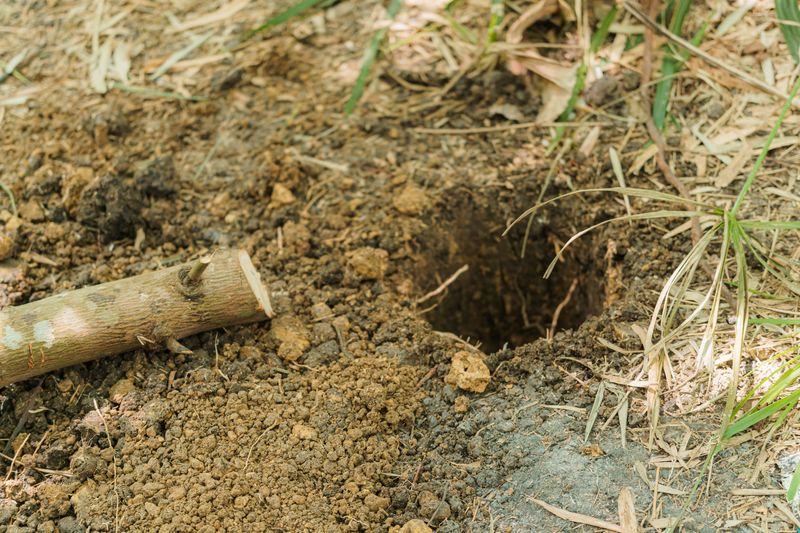
A softball-sized hole in your yard is not something you walk past twice. Groundhogs are serious diggers, and their burrow entrances usually run four to six inches wide.
That is big enough to make you stop and stare the first time you spot one. A groundhog problem often starts underground, long before any plant damage appears.
The animal excavates deep tunnels stretching ten to sixty feet beneath your yard. Fresh, loose soil mounded around the opening is a classic sign something has recently moved in.
Unlike rabbit holes, which tend to be small and tucked away, groundhog burrows look almost deliberately constructed.
You might notice a smooth entry path where the animal slides in and out regularly. Some homeowners mistake these for sinkhole damage, but the rounded shape and loose dirt tell a different story.
Ignoring a burrow is risky because tunnels can undermine garden beds, walkways and shed foundations. The sooner you identify that hole, the sooner you can act. One hole today can mean a whole network by next month.
2. Multiple Tunnel Entrances Near The Garden
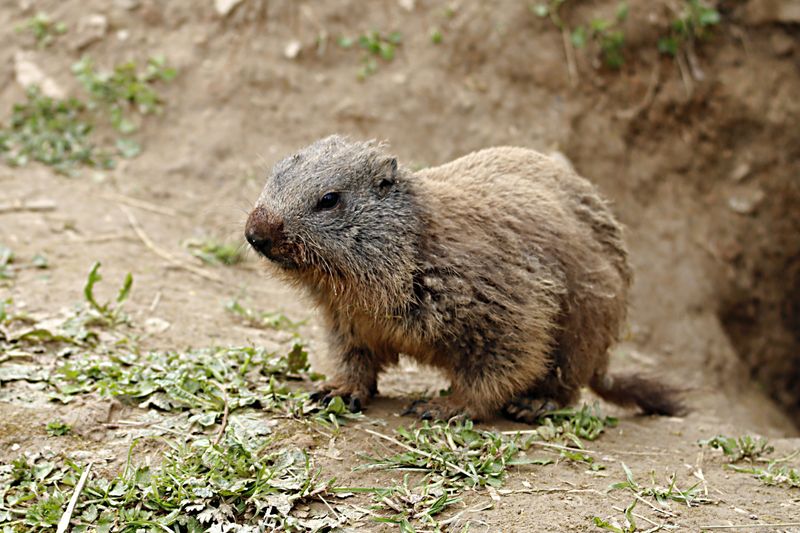
One hole might be nothing, but several holes scattered around your garden beds is a serious red flag. Groundhogs do not build just one entrance.
They engineer multiple openings for escape routes and ventilation. Spotting several tunnel entrances close together is a strong signal you have a groundhog problem on your hands.
Each burrow system can have several separate openings, often hidden under shrubs, near fences or tucked against garden borders.
The secondary entrances are sometimes called plunge holes, and they tend to have less soil mounded around them.
They are sneaky little exits designed to help the animal bolt when a predator shows up. Walk the perimeter of your garden slowly and look low to the ground near dense plantings.
Groundhogs are clever about hiding entrances beneath vegetation so casual glances miss them entirely. If you find one entrance, search within a twenty-foot radius for others.
Multiple openings mean the animal has been there long enough to expand its home. A well-developed burrow system suggests the groundhog is comfortable and not planning to leave. The more entrances you count, the more urgently you need an action plan.
Your Illinois Garden Changes Every Week. Your Plan Should Too.
Gardening in Illinois changes quickly throughout the season. Every Friday you’ll receive a simple weekly plan showing exactly what to plant, prune, fertilize, harvest, and protect so you never miss the right timing.
3. Plant Stems Are Cleanly Cut

Stems snapped cleanly at the base are not a coincidence. That precision points straight to a groundhog.
These animals have sharp incisors that slice through stems the way scissors cut paper. Rabbits leave jagged, angled cuts, but groundhog bites tend to be cleaner and closer to the soil line.
You might find cut stems lying nearby, partially chewed or completely gone. That tidy cut is practically a calling card left right at the scene.
Groundhogs tend to target tender young plants and fresh growth because those stems are easier to sever.
Seedlings are especially vulnerable in early spring when the animals emerge from hibernation hungry and motivated.
A row of neatly clipped seedlings can disappear in a single morning feeding session. Checking your garden right after sunrise gives you the best chance of catching the culprit in action.
Groundhogs are most active in the morning and late afternoon, so fresh cuts at dawn point to a very recent visit.
Protecting stems with wire mesh barriers is one of the most effective short-term solutions you can put in place quickly.
4. Vegetables Are Missing Or Half-Eaten
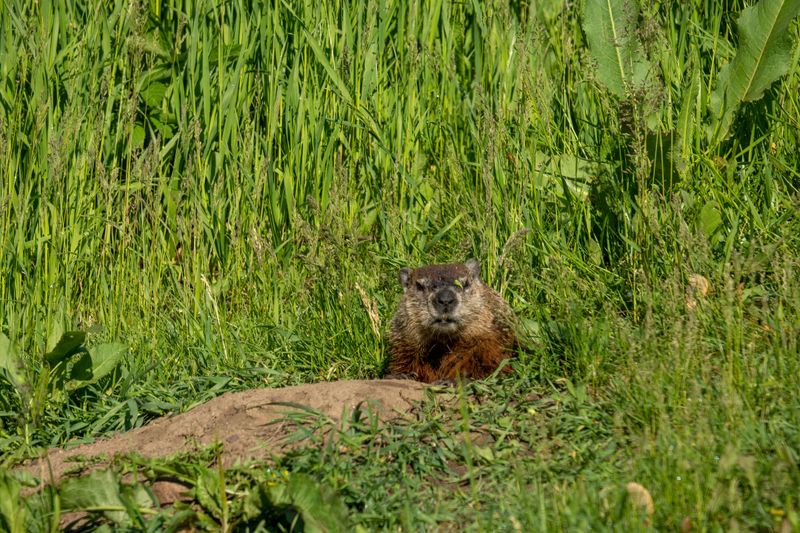
You planted those tomatoes with care, and now half of them are simply gone. Finding vegetables missing or eaten halfway through is one of the most frustrating signs of a groundhog problem.
These animals are not picky eaters and go after beans, peas, lettuce, squash and just about anything else you are growing.
What makes groundhog feeding damage so distinctive is the pattern. They often eat the best parts of a plant and leave the rest scattered on the ground.
You might find a half-eaten zucchini lying in the dirt while surrounding leaves stay completely untouched.
Groundhogs can consume large amounts of vegetation in one visit, which means a small garden can take serious damage fast.
They return to the same feeding spots repeatedly because they are creatures of habit. Once they discover your garden is a reliable food source, they will show up with increasing regularity.
Setting up a motion-activated camera near the damaged area is a smart move if you are unsure what animal is responsible.
Groundhogs feed confidently and boldly in open daylight, unlike deer or raccoons that tend to visit at night.
Catching that footage will confirm your suspicions and help you choose the right response strategy.
5. Bite Marks Appear On Fruits
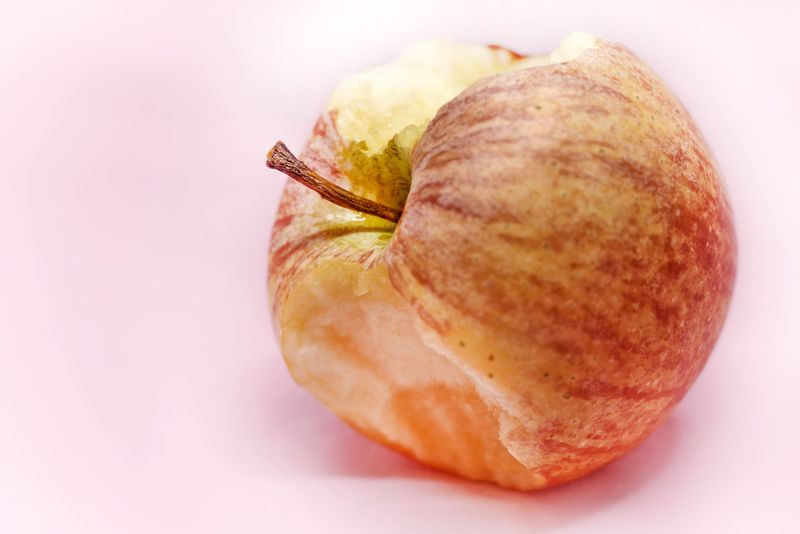
Bite marks too large for any bug should put you on alert. Groundhog incisors leave wide, curved impressions that are hard to miss.
Finding those marks on melons, cucumbers or berries is a sign something with real teeth has been snacking in your garden.
What stands out about groundhog bite patterns is the size and spacing of the marks. They leave broad, shallow scoops rather than the small pinhole damage insects cause.
Compared to squirrel damage, groundhog bites cover more surface area and often go deeper into the flesh of the fruit.
Fruits close to the ground are the most common targets because groundhogs do not climb. Strawberries, low-hanging melons and ground-level cucumbers are especially appealing to these animals.
Raising your growing containers or using elevated planters can put some fruits out of their reach.
Inspect your fruits early in the morning before the heat causes any additional browning around the bite area.
Fresh bite marks will still look moist and slightly pale at the edges. Spotting that detail confirms the feeding happened recently, which means the animal is still actively visiting your space.
6. Soil Is Disturbed And Loosened
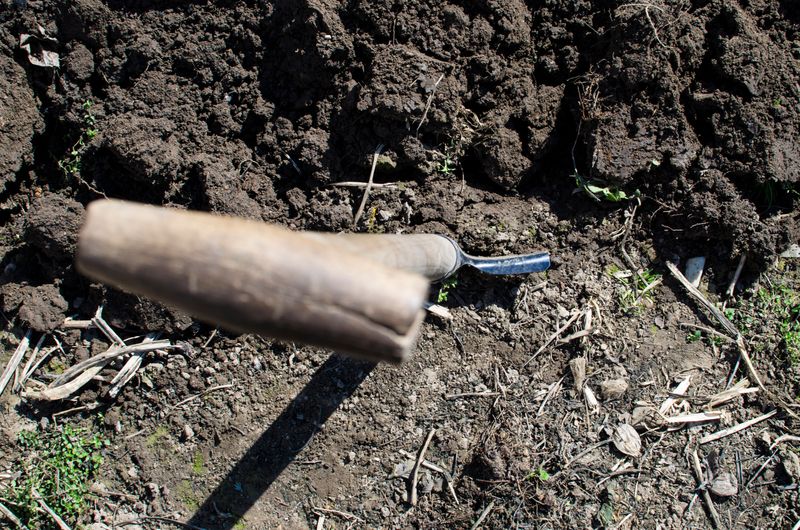
Freshly churned soil where you never dug is a clue. Groundhogs move enormous amounts of earth when they burrow.
The disturbance often looks random but almost always connects back to an active tunnel system nearby.
Unlike moles, which create raised ridges just below the surface, groundhogs push soil upward and outward in chunky piles.
You might notice clumps of dark earth sitting on top of your mulch or spilling onto garden paths.
Small plant roots sometimes get exposed or uprooted during the process, leaving seedlings tilted or completely out of the ground.
Loosened soil also creates a secondary problem because it changes the drainage in your garden beds.
Water pools in unexpected spots, roots get air pockets around them and the structure of a carefully prepared bed gets thrown off.
What started as a wildlife nuisance can quietly turn into a plant health issue if left unaddressed. Press the disturbed soil gently with your foot to feel if it is unusually soft underneath.
That spongy feeling suggests a tunnel is running just below the surface. Loose soil is one of the most honest clues a groundhog problem leaves behind.
7. Vegetation Paths Are Flattened From Repeated Travel

Those narrow, pressed-down trails running from your garden edge are not random. That is a groundhog highway.
These paths form with surprising speed once a groundhog settles into a routine. The flattened vegetation is usually a few inches wide and runs in a fairly straight line.
Grass along the path looks pressed down rather than torn, and the soil beneath may be slightly packed.
Following the trail with your eyes often leads directly to a burrow entrance or a dense hiding spot under a fence or deck.
Groundhog travel paths differ from deer trails because they tend to be shorter and more direct. Deer wander; groundhogs commute.
They move from burrow to food source and back again with surprising efficiency. Once you identify a travel path, use it strategically by placing a deterrent right along the route.
Groundhogs are far less likely to avoid something placed directly in their established path than something positioned randomly.
Use their predictable habits against them and you will have a much better chance of resolving the situation quickly.
8. Plants Are Chewed Consistently At Ground Level
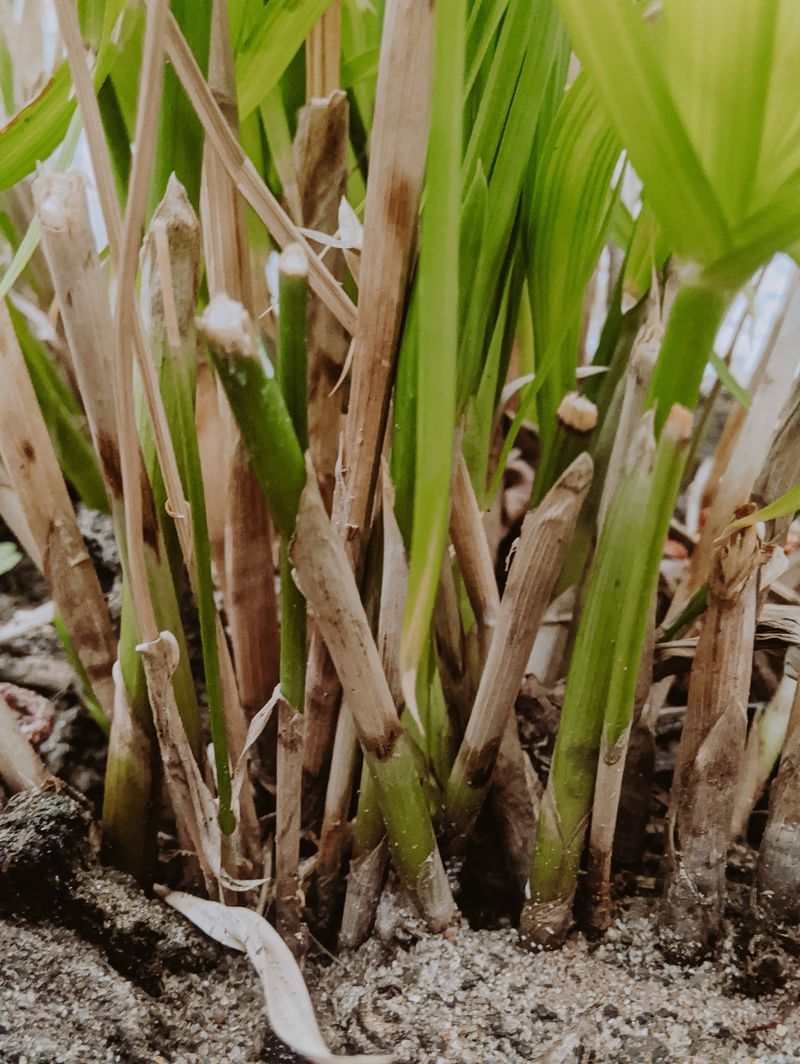
Every plant chewed off at the same low height tells one very specific story. Groundhogs feed from the ground up, full stop.
That consistent low-level damage pattern is one of the clearest signs pointing to a groundhog problem in your yard. When you see a whole row of plants reduced to short stubs, the uniformity is striking.
Deer damage tends to be higher up and more scattered, while groundhog feeding stays close to the soil in a predictable band.
The chewed ends usually look clean rather than ragged, which adds to the distinctive signature these animals leave behind.
Hostas, clover, alfalfa and leafy greens are among their favorite targets. Groundhogs also have a strong preference for plants in the legume family, so beans and peas are almost always hit first.
If your legumes disappear before anything else, that is a meaningful detail worth noting. Placing small wire cloches over individual plants can protect them temporarily while you work on a longer-term solution.
The key is acting fast because groundhogs that find a reliable food source return with increasing frequency. Every chewed stem is essentially an open invitation for the next feeding session.
9. Ground Is Sinking Or Uneven Near Structures

Soft, sinking ground near your shed, fence posts or garden wall is more than just an eyesore. It is a structural warning sign that a tunnel network may be running directly underneath.
Groundhogs can excavate up to thirty-five pounds of soil from a single burrow, and all that empty space has to settle somewhere.
When soil collapses into abandoned tunnel sections, the ground above it settles unevenly. Stepping stones tilt.
Fence posts lean. Cracks form along concrete borders.
These changes happen gradually, so it is easy to dismiss them as normal settling until the damage becomes obvious.
In some cases, structures built near active burrow systems face real long-term risk. Sheds, retaining walls and patio slabs can shift when the ground beneath them becomes hollowed out over time.
A groundhog problem that started as a garden nuisance can quietly become a repair expense worth taking seriously.
Walk your yard and press down firmly on soft-looking patches near any permanent structure. If the ground feels hollow or gives more than it should, take that seriously.
Addressing the burrow situation now is far less costly than repairing a cracked foundation or collapsed garden wall later on.
10. Large Stocky Animal Seen Feeding During The Day

That chunky animal waddling through your beds in broad daylight is your confirmation. Groundhogs in Illinois do not hide.
Seeing one munching on your lettuce at ten in the morning is not a coincidence. It is your garden problem introducing itself.
Adult groundhogs typically weigh between five and fourteen pounds and have a distinctive stocky build.
Their fur is coarse and brownish-gray, and they move with a low, rolling gait that looks almost comical until you see what they have done to your plants.
They are not fast runners, but they can disappear into a burrow in seconds when startled. Groundhogs often pause while feeding and sit upright on their hind legs to scan for threats.
That upright posture is a recognizable behavior that helps confirm the identification from a distance. If it pauses to sit upright between bites, you are looking at a woodchuck.
A confirmed sighting during daylight hours means the animal feels completely comfortable in your space. That comfort level signals an established presence, not a passing visitor.
Addressing a groundhog problem in your Illinois garden becomes most effective when you act right after a confirmed sighting, while the animal is still on a predictable routine.