These Are The Bulbs That Multiply In Illinois Soil Every Single Year (Nature Does All The Work)
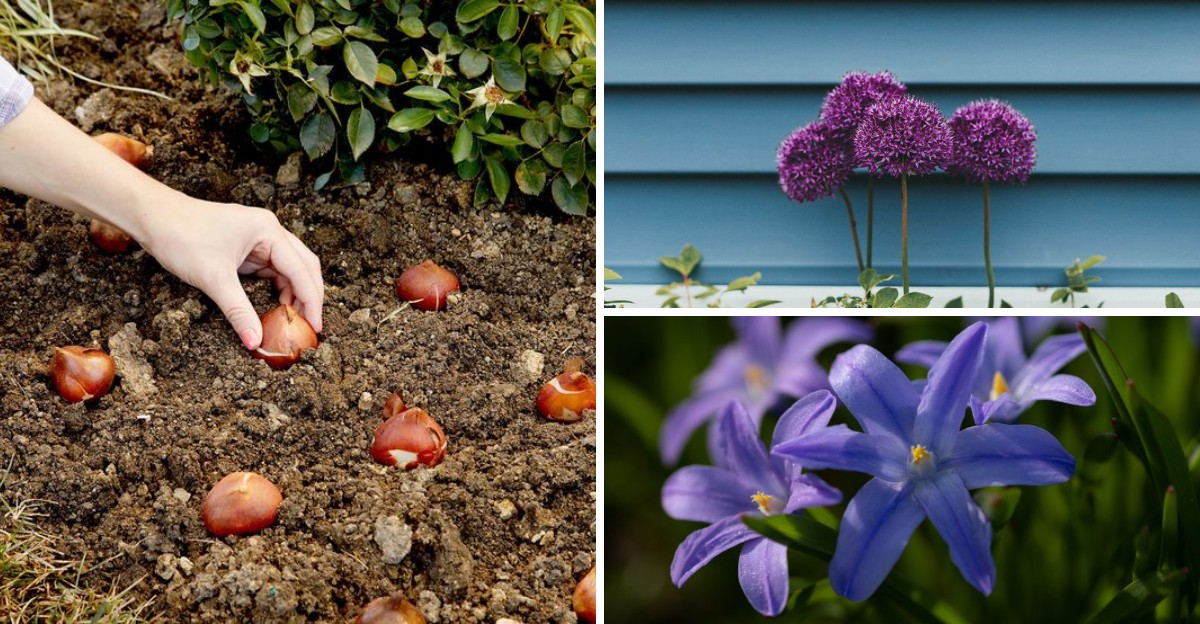
Soil on your fingertips, you press a dozen papery bulbs into Illinois clay one crisp November afternoon. The ground smells sharp and cold.
You feel slightly unsure. Spring arrives, and suddenly your yard awakens into twice the blooms you planted. Nobody warned you it would feel this rewarding. You did nothing but wait.
That first season changed something in your brain, some ancient human pleasure in watching the ground repay your faith. Now you cannot stop. What if one planting season could fund every Illinois spring for the next decade?
That idea sounds surprising until you understand self-naturalizing bulbs, the varieties that multiply underground while you sleep, forget about them, and generally live your life.
These bulbs do not need fuss. They need one good November afternoon, planted before the ground freezes, and very little else. The ground, it turns out, has been waiting to show off the whole time.
1. Daffodils
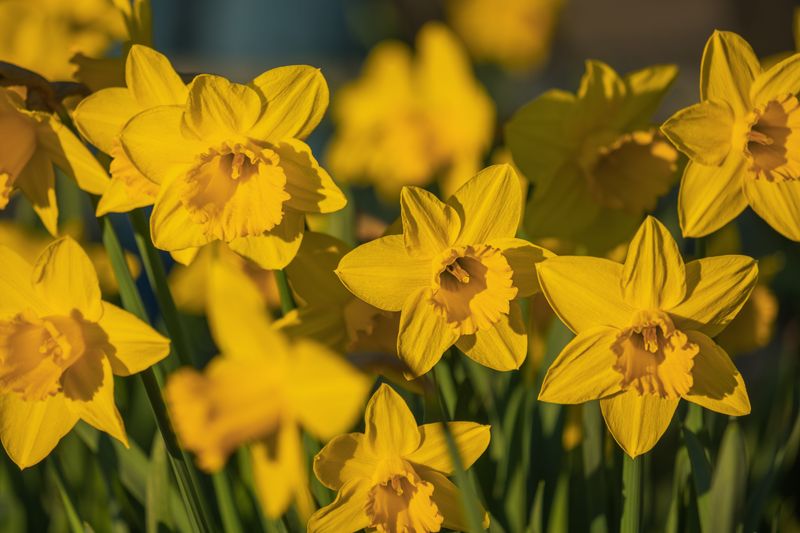
Nothing signals spring like a carpet of yellow daffodils pushing up through cool soil. These cheerful bloomers are among the most reliable performers in Illinois gardens, and they get better every single year.
Daffodils are one of the best self-multiplying bulbs that grow in Illinois soil. Each bulb quietly produces offsets underground during the growing season.
By the following spring, one bulb can become a small cluster of three or four. Plant them in early to mid November, about six inches deep, in a sunny or lightly shaded spot, as long as the soil is still workable.
They ask for little in return. Well-drained soil is their only real preference. After blooming, let the foliage fade naturally.
Those green leaves are feeding next year’s flowers. Trimming them early is the one step gardeners most often wish they had skipped. Daffodils also have a natural advantage that most other bulbs lack.
Deer reliably leave them alone due to lycorine, an alkaloid concentrated in the bulb. Squirrels may still dig them up to investigate, but they rarely eat them. That means your investment stays right where you planted it.
Over time, large clumps may bloom less vigorously. That is your cue to dig them up, divide the offsets, and replant. Think of it as free plants delivered straight from your own yard.
Varieties like ‘Ice Follies,’ ‘Thalia,’ and ‘Jetfire’ perform especially well across Illinois’s different climate zones.
They naturalize beautifully in lawns, along fences, or under deciduous trees. These bulbs that multiply in Illinois soil are a gardener’s best long-term deal.
2. Grape Hyacinth (Muscari)
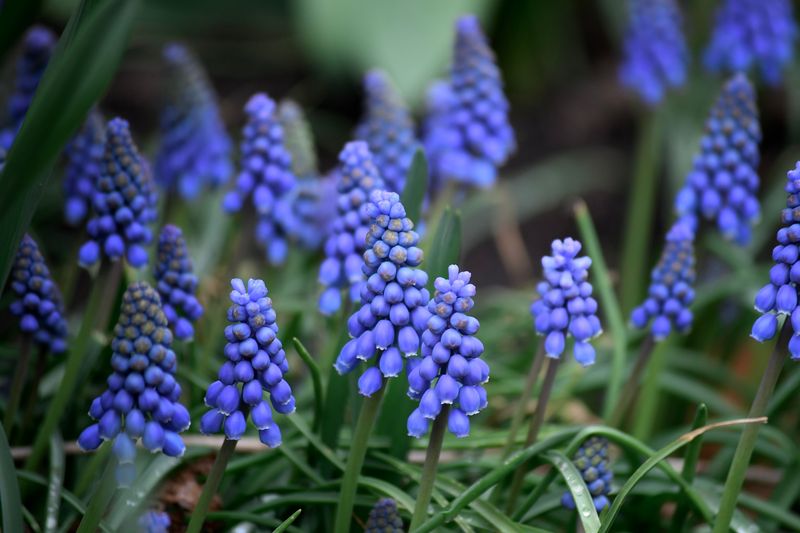
Grape hyacinths look like someone scattered tiny purple grapes across the garden floor. They are small, but their impact is enormous when they spread into a full colony over time.
Muscari is one of the most enthusiastic naturalizers among all spring bulbs. Plant a dozen in November and expect dozens more within just a few seasons.
Illinois’s climate suits them well. Note that Muscari botryoides appears on some regional exotic plant lists, so keep it away from woodland edges or natural areas where it could wander.
These little bloomers thrive in full sun to partial shade, making them flexible for almost any garden layout. They prefer well-drained soil but are surprisingly tolerant of average conditions.
That adaptability is a big part of their charm. One quirk worth knowing: Muscari sends up grassy foliage in fall, not spring.
With a November planting, green tufts may appear before winter or wait until early spring. Either one is completely normal behavior for this species.
The flowers arrive in early to mid spring, often blooming alongside daffodils and early tulips. That layered timing creates a stunning color combination in the garden. Deep purple next to bright yellow is a classic pairing that never gets old.
Muscari spreads through both offsets and self-seeding, which means it can travel across a bed faster than most bulbs. If you want to keep them contained, remove the spent flowers before seeds form. Otherwise, let them roam freely for a naturalized meadow look.
Varieties like ‘Valerie Finnis’ and ‘Album’ offer interesting color alternatives to the standard deep blue-purple. Each one naturalizes just as enthusiastically. Among the bulbs that multiply in Illinois soil, Muscari is one of the easiest to establish.
3. Crocus
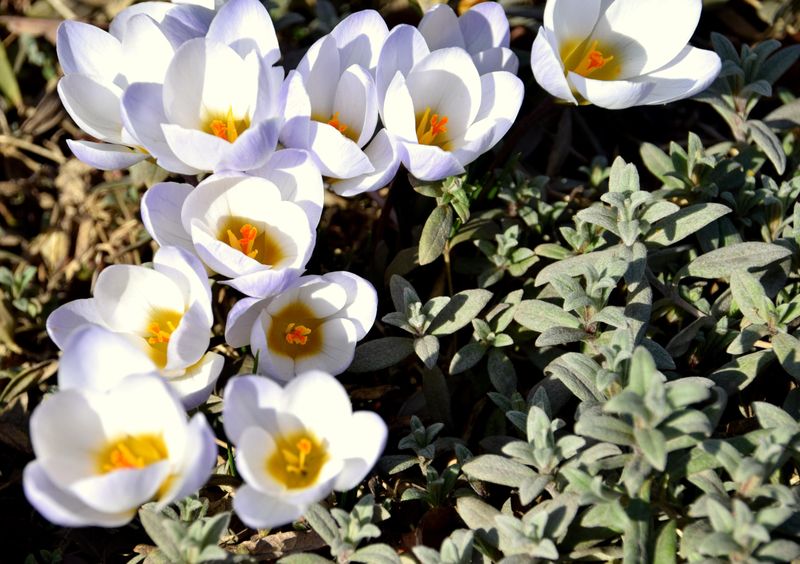
Crocuses are the bold ones. They bloom when snow is still a real possibility in Illinois. Seeing those tiny purple and yellow cups rise through cold ground feels like a small miracle every March.
These early risers naturalize beautifully across lawns and garden beds throughout the state. Plant the corms in November, four to five inches deep, and they will come back stronger each year. Clumps expand steadily without any help from you.
Crocuses love full sun but can handle light shade under deciduous trees. Since they bloom before trees leaf out, they get plenty of sunlight during their short active season. That timing is part of why they thrive in woodland-edge settings.
One thing many gardeners do not realize: planting crocuses in a lawn is completely fine. The foliage matures and fades before the grass needs its first mow of the season. You get the flowers without changing your lawn routine.
Squirrels can be a challenge with crocus corms, especially the yellow-flowered species. Planting them under a layer of wire mesh helps.
November planting already works in your favor, since planting just before the ground freezes reduces losses.
Choosing Crocus tommasinianus is another smart move, as squirrels tend to leave this species alone. A few corms going missing will not stop the colony from spreading.
Dutch crocus varieties tend to produce larger flowers, while species types often naturalize more vigorously. Each one multiplies quietly underground while you focus on other things.
Among the bulbs that multiply in Illinois soil, crocuses offer the earliest reward. They turn a bare winter yard into something genuinely worth celebrating.
4. Ornamental Alliums
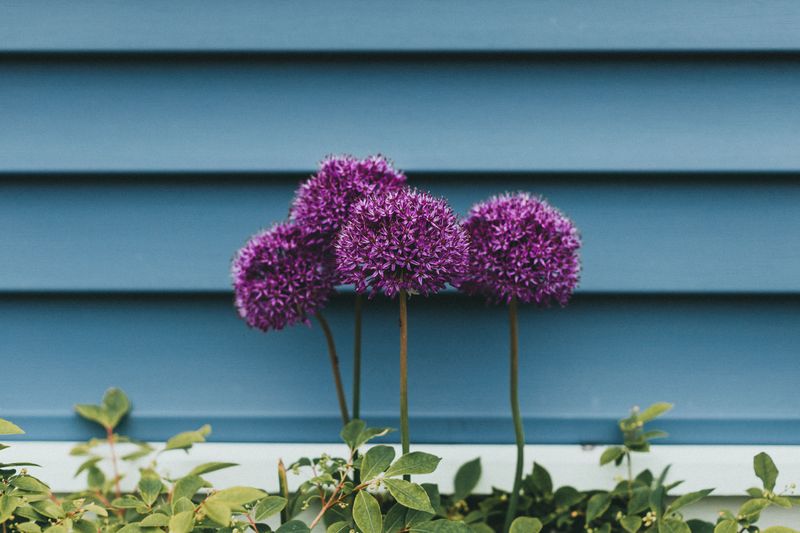
Ornamental alliums look like someone attached a fireworks display to the top of a green stick. These bold, globe-shaped flowers are related to garlic and onions, but they are grown purely for their dramatic beauty.
What makes alliums special for Illinois gardeners is their ability to form offsets and, for many varieties, self-seed slowly across a planting area. Note that some large-flowered cultivars, including Globemaster, are sterile and spread only by offset division.
They are not as vigorous as some naturalizers, but they are steady and reliable. Each year, the patch grows a little wider.
Plant allium bulbs in November, about three times as deep as the bulb’s diameter. They prefer full sun and excellent drainage.
Wet, soggy soil is the one condition they find tricky, so choose a spot that does not hold winter water.
Alliums bloom in late spring, bridging the gap between early bulbs and summer perennials. That timing fills a tricky window in the garden calendar. Their tall stems add vertical interest that most other bulbs simply cannot provide.
After the flowers fade, the seedheads remain attractive for weeks. Many gardeners leave them standing through summer as a structural element. They also dry beautifully for indoor arrangements.
Deer and rabbits tend to avoid alliums entirely, likely due to their onion-family scent. That natural resistance makes them a smart choice for gardens with heavy wildlife pressure. Plant them near more tempting plants for an added layer of protection.
Allium ‘Purple Sensation,’ ‘Gladiator,’ and the smaller species Allium moly all perform well in Illinois. Each one contributes to a growing colony over time. These are the bulbs that multiply in Illinois soil without demanding constant attention.
5. Snowdrops
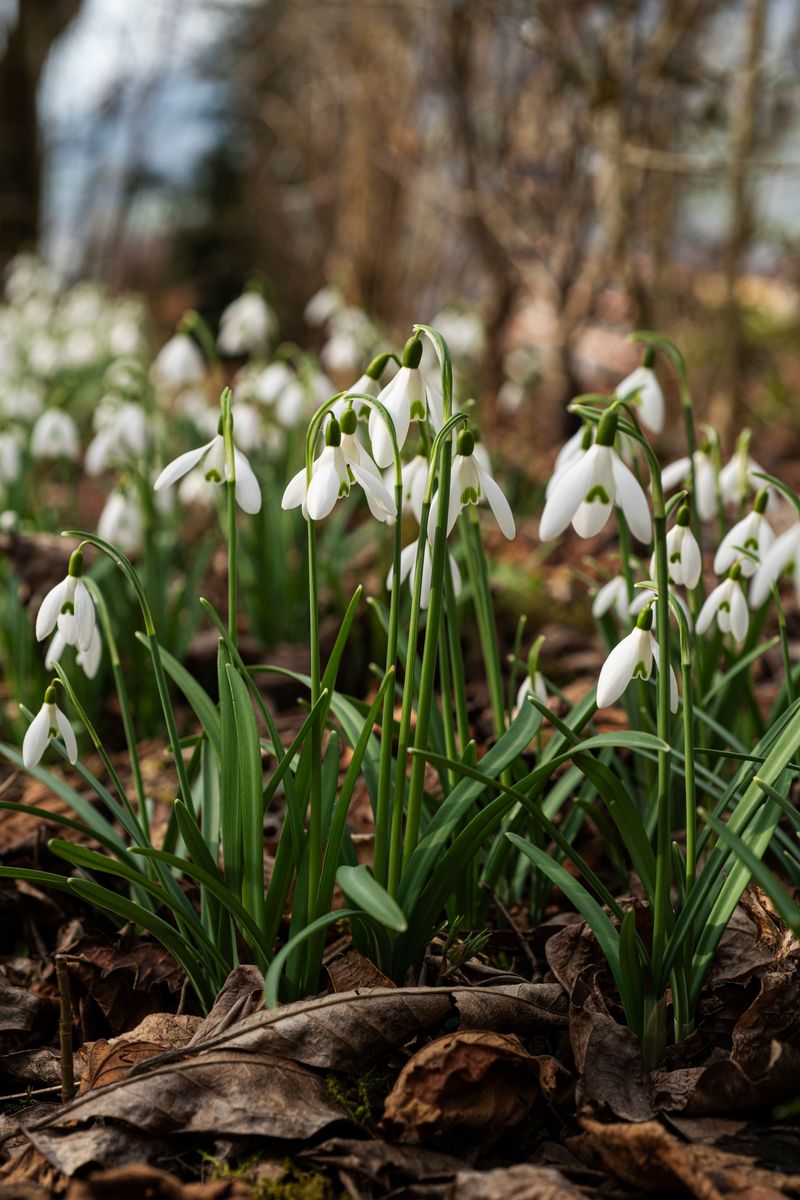
Snowdrops are the quiet overachievers of the bulb world. They bloom in late winter, sometimes pushing through actual snow, and they multiply into impressive drifts over the years.
Galanthus, the botanical name for snowdrops, thrives in partial to full shade. That makes them perfect for spots under trees where other bulbs struggle. They are one of the few flowering plants that actually prefer low-light conditions.
Illinois’s zones 5 through 7 provide ideal conditions for snowdrops to naturalize freely. Gardeners in the milder southern part of the state may like Galanthus elwesii alongside the common G. nivalis.
It tolerates milder winters with less chilling and establishes reliably in those areas. Plant the bulbs in early November, three to four inches deep, in humus-rich, moisture-retaining soil.
Dry bulbs can be slow to settle, so water them in well and add a light layer of mulch. Snowdrops spread through two methods: offset bulbs and self-seeding. Both happen slowly but steadily.
After ten years, a small planting can transform into a sweeping ground cover that looks completely wild and natural.
A well-known trick among snowdrop enthusiasts is called “in the green” planting. This means transplanting snowdrops while they are still actively growing in late winter or early spring.
If your November planting feels late, this method is a lovely second chance, and many gardeners find it produces better establishment than dry bulbs.
The flowers are small and white, with delicate green markings on the inner petals. Up close, they are surprisingly intricate and elegant. Their simplicity is exactly what makes them so beloved by serious gardeners.
Galanthus nivalis is the most common species and the easiest to establish in cooler Illinois zones. Once settled, it asks for almost nothing.
Among the bulbs that multiply in Illinois soil, snowdrops reward the most patient gardeners with the most magical results.
6. Spring Starflower
Spring starflower looks delicate, but it is one of the sturdiest naturalizers you can plant in Illinois soil. Each bulb produces clusters of star-shaped flowers in shades of white to soft blue, appearing in early to mid-spring, just as winter softens.
Ipheion uniflorum does well across most of Illinois, and gardeners in the cooler northern zones can add a thick layer of mulch after planting. It asks very little in return for years of reliable performance.
Plant the bulbs in early November, two to three inches deep, in well-drained soil. Full sun to partial shade both work well. The plant is remarkably tolerant of average garden conditions.
The foliage has a faint onion scent when brushed, which gently discourages deer and most foraging animals. It dies back cleanly after blooming, leaving no mess behind for summer plantings.
Ipheion spreads steadily through offsets, forming widening clumps that fill in gaps beautifully over time. It does not self-seed freely, so it stays where you put it. That makes it one of the few truly low-risk naturalizers on this list.
It pairs exceptionally well with daffodils and grape hyacinths, layering its soft blue tones against the bolder yellows and purples of spring. The combination looks intentional without requiring any planning.
Unlike Scilla siberica, which can spread into natural areas and compete with native plants in parts of the Midwest, spring starflower is not known for wandering beyond the garden. You get the same early-season blue carpet with very little ecological worry.
Among the bulbs that multiply in Illinois soil, spring starflower is the thoughtful choice for gardeners who want color, spread, and a clean conscience.
7. Chionodoxa (Glory Of The Snow)
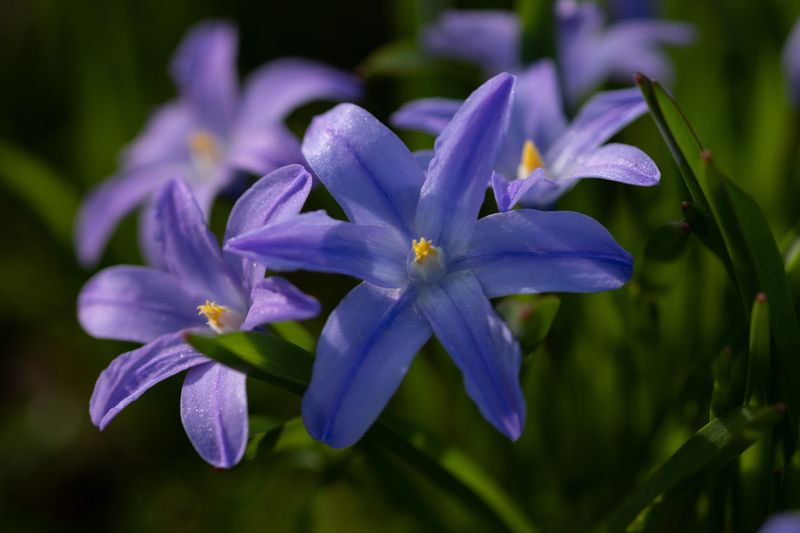
Glory of the Snow earns its name every single time it blooms. Chionodoxa opens its star-shaped blue flowers while frost still lingers on the ground, creating one of the most striking sights in the early spring garden.
This small but mighty bulb naturalizes readily across Illinois, spreading through both offsets and self-sown seeds. A single planting expands into a generous colony within three to five years. The process is entirely hands-off once the bulbs are in the ground.
Chionodoxa thrives in full sun to partial shade and prefers well-drained soil with decent organic content.
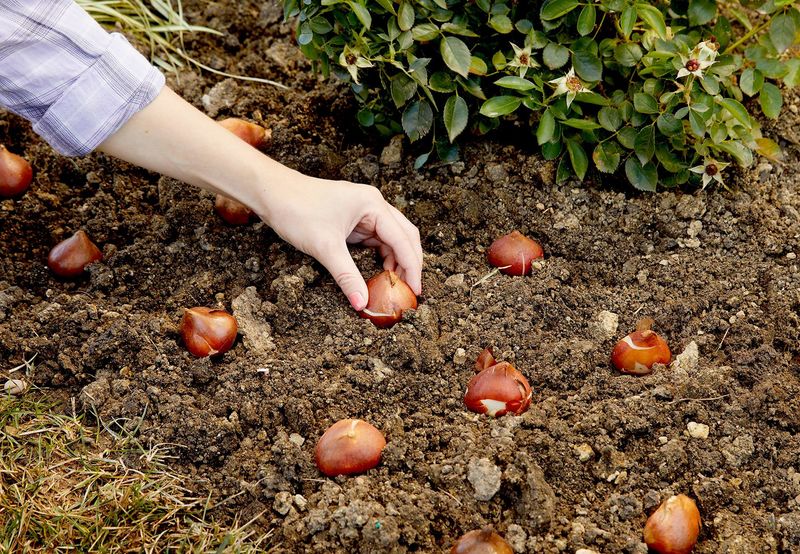
Plant the bulbs in November, about three inches deep, in groups of at least twenty for maximum visual impact. Larger initial plantings create faster-spreading colonies.
The flowers are typically bright blue with a white center, creating a two-toned star pattern that catches the eye from across the yard. Some varieties bloom in pink or pure white. All of them spread with the same cheerful enthusiasm.
Chionodoxa is closely related to Scilla and the two species sometimes hybridize naturally in the garden. The resulting plants, called x Chionoscilla, are often even more vigorous than either parent.
This bulb works beautifully when planted beneath deciduous shrubs or scattered through a lawn. It fades quickly after blooming, leaving no trace by the time summer arrives. Mowing and other lawn tasks can resume without any conflict.
Among the bulbs that multiply in Illinois soil year after year, Chionodoxa is one of the most underused. And that makes it one of the most rewarding to discover. Plant some this November and prepare to be genuinely surprised.