One Backyard Feature Draws More Snakes To Florida Homes Than Anything Else
Florida snakes do not choose yards randomly. They follow a checklist that most homeowners never see until a snake makes it visible in the most inconvenient way possible.
One backyard feature sits at the top of that checklist. Not the overgrown corner, not the wood pile, not the dense ground cover that gets blamed first.
Something more common, more overlooked, and present in a significant number of Florida yards regardless of how well maintained everything else appears. It creates warmth, shelter, and reliable prey access in a combination that snakes find more useful than almost anything else a residential property offers.
Once they find it, they return. Most Florida homeowners have never connected this feature to the snake activity around their home because nothing about it looks like an invitation.
That is exactly what makes it worth knowing about before the next encounter happens closer to the door than anyone wanted.
1. The Bird Feeder May Be Feeding More Than Birds
Walk up to almost any bird feeder that has been up for a few weeks and look down. You may be surprised by what has collected at the base.
Hulls, whole seeds, and broken pieces pile up in mulch, grass, and cracks in pavement faster than most people expect.
Florida Fish and Wildlife Conservation Commission guidance notes that spilled birdseed beneath feeders can attract small animals. These include mice, rats, and squirrels.
Those animals, not the seed itself, are what may eventually interest a predator passing through the yard. A rat snake or other rodent-eating species does not care about sunflower seeds.
It cares about the activity happening around them.
Not every feeder creates a problem. Feeder design, cleanup frequency, daily seed quantity, and surrounding vegetation all change how attractive the area becomes to unwanted visitors.
A well-managed feeder in an open location with regular cleanup is very different from an overfilled one sitting in dense groundcover.
One quick way to check your feeder area is to crouch down and look at the ground after dark with a flashlight. Droppings, disturbed mulch, or fresh gnaw marks on fallen seed can signal that small animals have found the spot.
Catching that early gives you time to adjust before a longer food chain develops.
2. Spilled Seed Turns The Ground Below Into A Rodent Stop
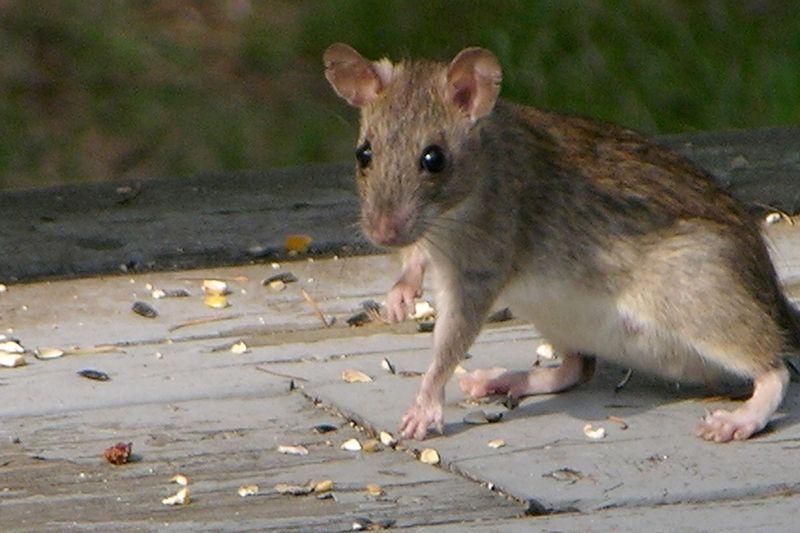
Most people fill their feeders in the morning and go about their day. By evening, a surprising amount of seed has fallen to the ground.
It settles into mulch, gets pushed under leaves, and works its way into soil cracks where it sits through the night.
Mice and rats are mostly active after dark. That timing means a Florida homeowner can top up a feeder every single day and never see the animals that are benefiting most from what falls below.
The nighttime visitors clean up quietly and are gone before sunrise, leaving behind little more than droppings or a faint trail in soft soil.
Repeatedly refilling a feeder without sweeping the ground underneath maintains a steady food source. UF/IFAS guidance on rodent management emphasizes removing food availability as a first step, which applies directly to the area beneath a feeder.
Your Florida Garden Changes Every Week. Your Plan Should Too.
Gardening in Florida changes quickly throughout the season. Every Friday you’ll receive a simple weekly plan showing exactly what to plant, prune, fertilize, harvest, and protect so you never miss the right timing.
A catch tray beneath the feeder can help contain fallen seed and make cleanup easier.
Limiting daily portions to what birds can finish before dusk also reduces overnight accumulation. Storing bagged seed in a metal container with a tight lid prevents rodents from finding a second food source in a garage or shed.
Reducing what is available at ground level is the most direct way to make the feeding station less useful to animals beyond the birds you want to attract.
3. Mice Give Rat Snakes A Reason To Check The Same Spot
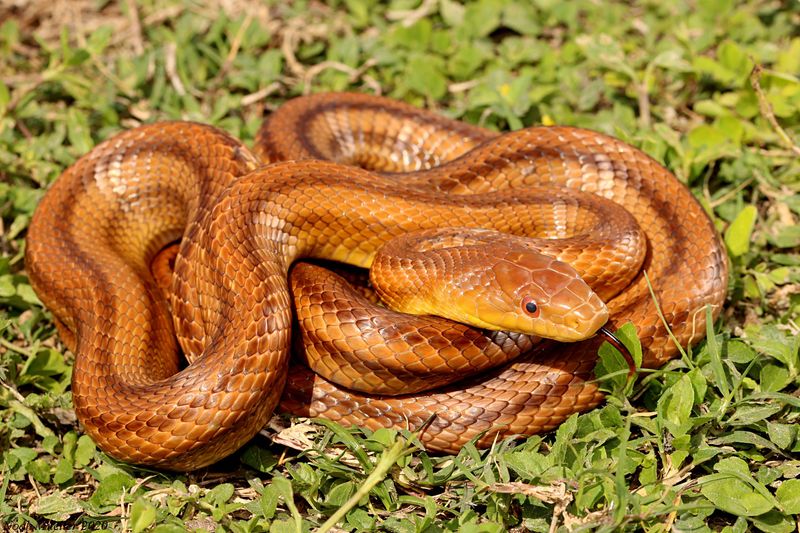
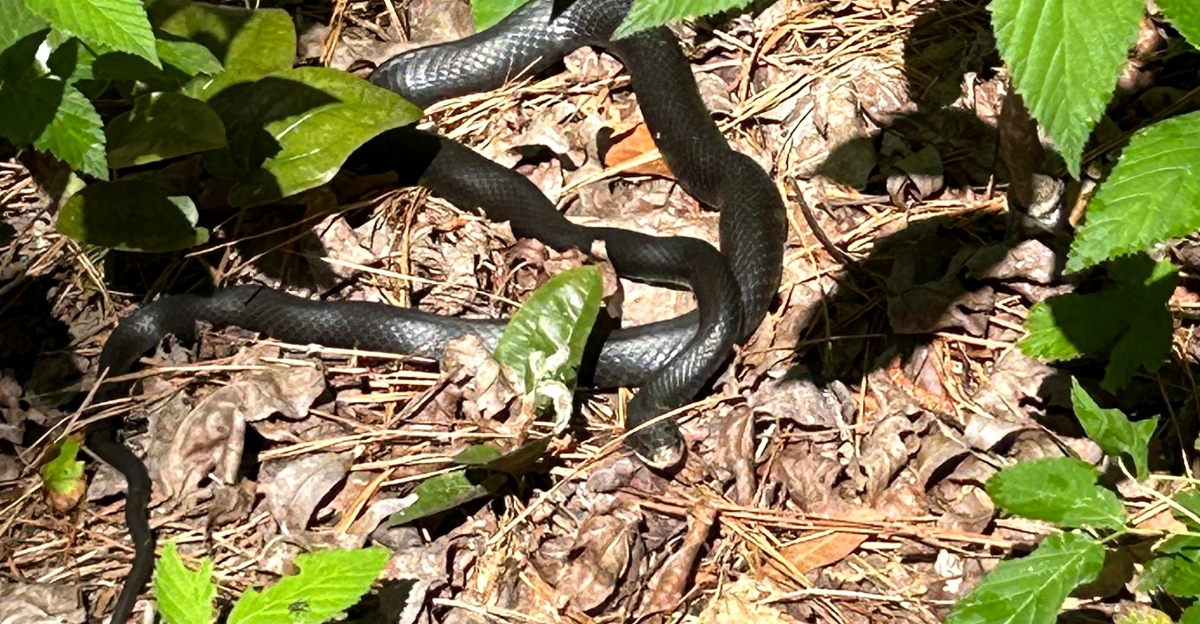
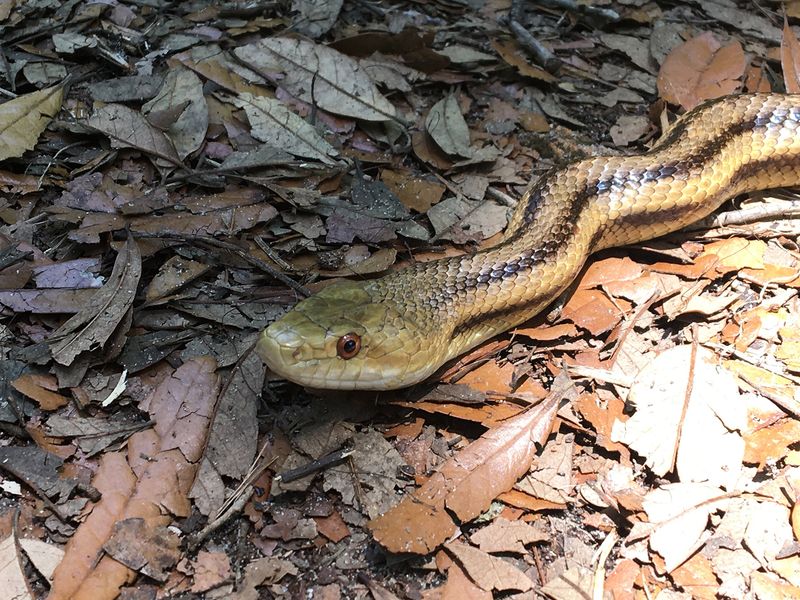
Eastern rat snakes are among the most common large snakes found around homes across the southeastern United States. They are excellent hunters and tend to revisit locations where rodents have been active.
A Florida yard that regularly hosts mice is simply a productive hunting area for them.
The connection is behavioral, not magical. A rat snake does not smell birdseed and head toward it.
It follows signs of rodent activity: scent trails, burrows, and movement patterns that build up over time in a spot where food is reliably available. When a feeder area becomes a regular rodent stop, it can gradually become a regular patrol point for a snake that hunts in the neighborhood.
Rat snakes also move between locations. A garage, a shed wall, an exterior crawl space, and a feeder area can all become connected through the same rodent activity corridor.
Addressing one spot without thinking about the others may not change much.
Worth remembering is that rat snakes provide genuine rodent control. They are not venomous and pose no threat to people who give them space.
Seeing one near a feeder is often a sign that a rodent population has built up nearby, which is actually useful information. The snake is responding to conditions that already exist, not creating a new problem on its own.
4. Dense Shrubs Beside The Feeder Make The Approach Easier
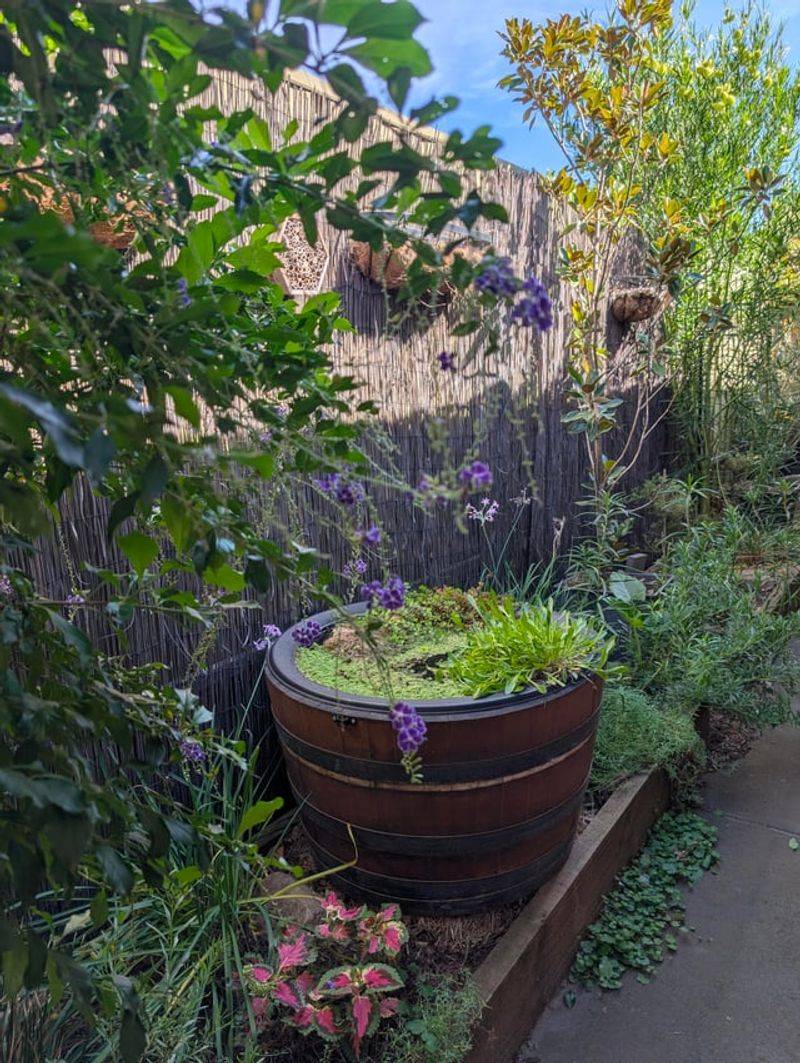
Placement matters as much as what goes into a feeder. A feeding station tucked against a dense hedge or surrounded by thick groundcover operates very differently from one set in a more open area of the yard.
Vegetation right at the base of a feeder provides cover that small animals find useful.
Mice and rats prefer to travel along edges and through dense cover rather than crossing open ground. Thick shrubs, tall ornamental grasses, and low-spreading groundcovers right beside a feeder give them a sheltered path to the food source.
The same vegetation can make it harder for you to spot animal activity during your daily check of the area.
Pruning shrubs near a feeder to raise the canopy a few inches off the ground can improve your sight lines without stripping away the plantings birds use for shelter. The goal is visibility, not a bare yard.
Birds actually benefit from nearby cover for safety, so a balanced approach works well for everyone.
A feeder set even a few feet away from the densest part of a hedge changes the dynamic noticeably. Animals still may find the seed, but the approach becomes less sheltered.
That small shift in setup can reduce how comfortable the area feels to rodents that prefer protected travel routes. Practical pruning is one of the simplest adjustments a homeowner can make.
5. Low Branches Can Turn A Feeding Station Into A Climbing Route
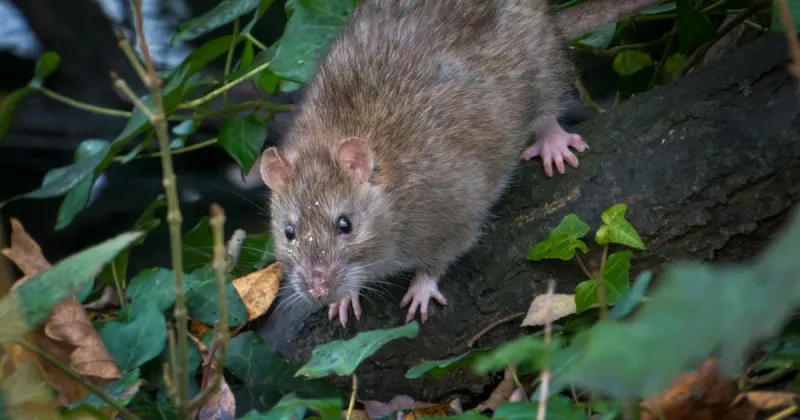
Vertical access is a separate issue from ground-level cover, and it deserves its own look around the feeder area. Tree limbs, trellises, fences, and shrub branches that connect the ground to a roofline or wall can serve as travel routes for animals moving through the yard.
Rodents are capable climbers. Roof rats, common in many parts of the Southeast, regularly use tree branches to reach rooflines and find entry points into attics.
A feeder hung from a branch that nearly touches a soffit can create a risky connection. The same structure links feeding activity with a potential entry point into the building.
Rat snakes are also capable climbers and will follow prey into elevated spaces when the opportunity exists. That does not mean every snake near a feeder is heading for the attic.
It does mean that branches touching or nearly touching a home deserve attention regardless of whether a feeder is involved.
Selective pruning to create a gap between tree branches and the roofline is a standard recommendation in home pest management guidance. Removing branches that bridge the feeder area to the house can reduce the likelihood that a rodent highway develops overhead.
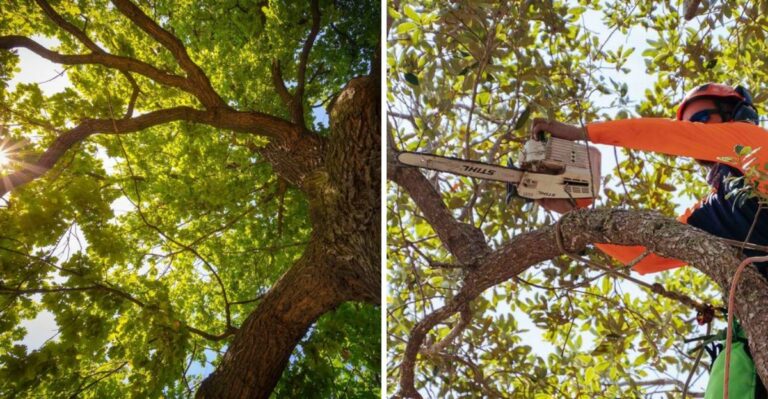
Trimming does not require removing whole trees. Targeted cuts on specific limbs that create that vertical connection are usually enough to change the setup meaningfully.
6. Nighttime Seed Cleanup Breaks The Food Chain At Ground Level
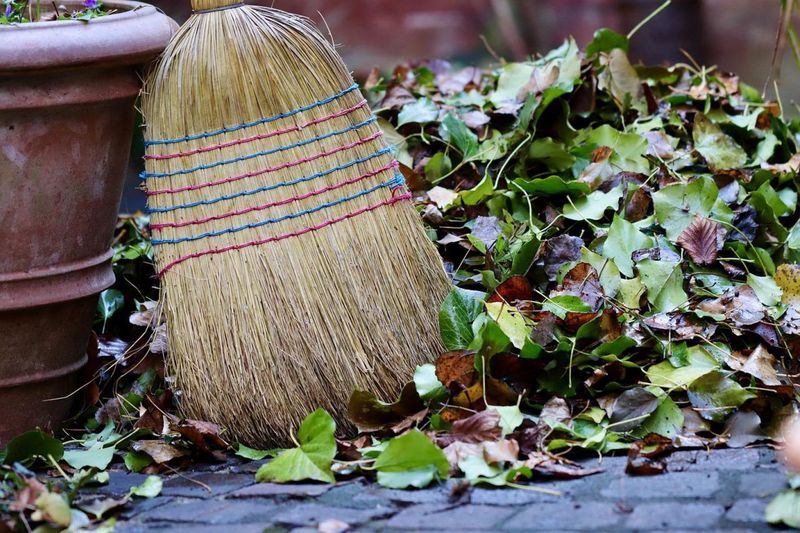
Cleaning up fallen seed before dark is one of the most effective adjustments a bird feeder owner can make. Rodents that come looking for food at night and find nothing are less likely to keep returning to the same spot.
Consistency matters more than a single thorough cleanup.
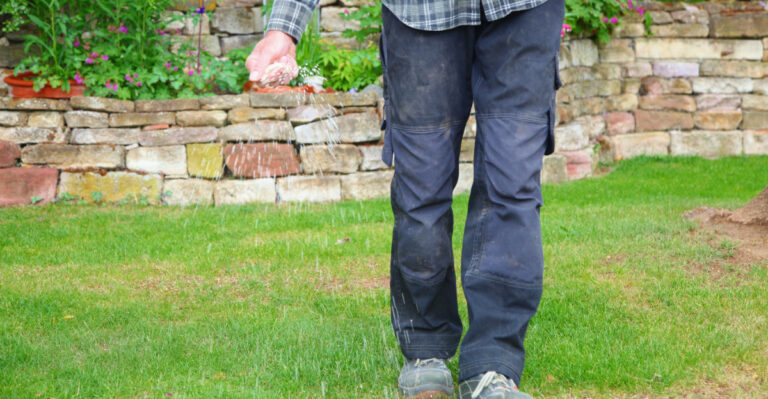
Sweeping a patio or deck beneath a feeder takes about two minutes. Raking seed out of mulch takes a little longer but removes what would otherwise sit there overnight.
UF/IFAS guidance consistently points to food removal as the most practical first step in reducing rodent activity around homes. Traps and other interventions come later.
Avoid oversized daily portions. Filling a feeder only to a level that birds can reasonably finish by late afternoon reduces what falls to the ground in the first place.
Smaller, more frequent fills are often more effective than one large morning pour that leads to afternoon overflow.
Birdseed stored in a garage or shed in its original paper or plastic bag is easy for rodents to access. Transferring seed to a metal container with a secure lid removes that secondary food source.
Addressing both the feeder area and the storage area together gives you a much stronger result than focusing on just one. Removing food availability is consistently more useful than trying to repel animals after they have already found the spot.
7. Moving The Feeder Away From Cover Changes The Whole Setup
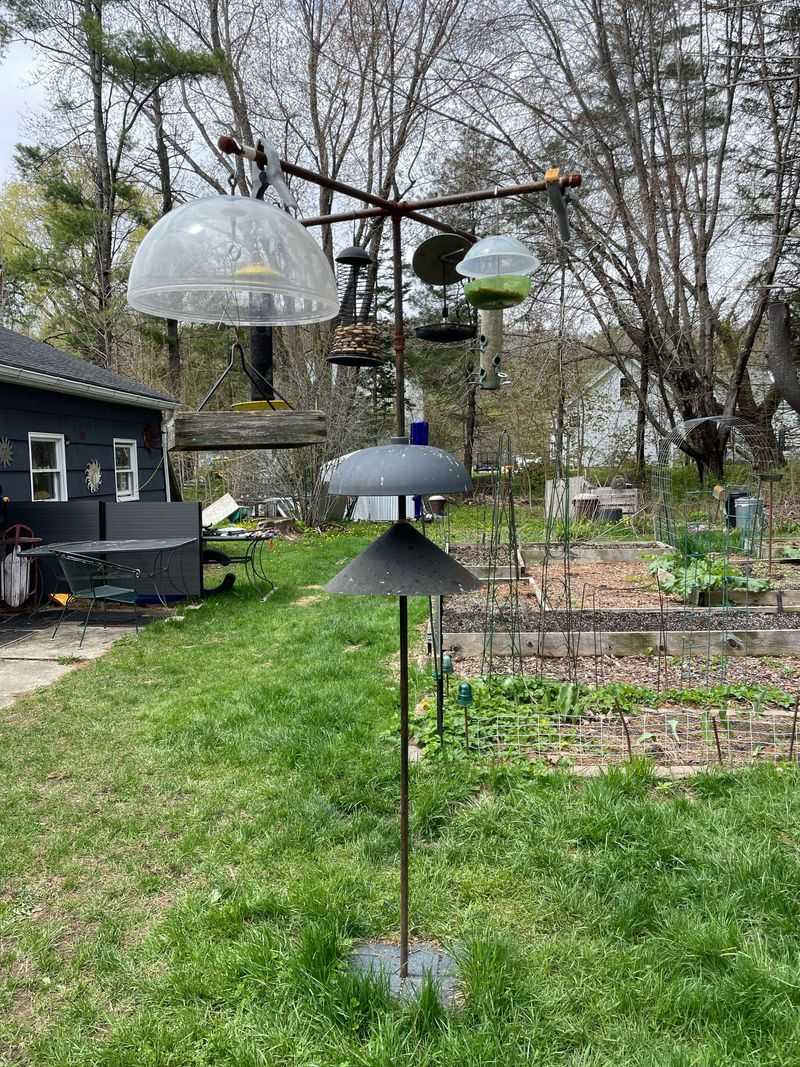
Where you hang or mount a feeder shapes everything else that happens around it. A feeder pressed against a wall or tucked under a dense tree canopy creates a very different environment.
A more open location provides clear sight lines on all sides.
UF/IFAS guidance on managing wildlife around homes generally recommends keeping bird feeders away from the exterior walls of buildings. Proximity to a wall or foundation means that seed falling to the ground lands right where rodents may already be active along the structure.
Moving the feeder outward into the yard reduces that overlap.
There is a real tradeoff to consider. Birds are more comfortable approaching feeders that have some nearby cover for a quick retreat.
A feeder placed in the absolute center of a wide-open lawn may see less traffic. A middle-ground position, open enough for visibility but within reasonable distance of shrubs, tends to work well for both birds and homeowners.
Rodent-resistant feeder designs with baffles on the mounting pole can also reduce how easily small animals reach the seed. A smooth pole with a cone-shaped baffle below the feeder is a straightforward option.
No single change guarantees that wildlife stops visiting the yard entirely. The goal is adjusting the habitat arrangement so the feeding station is less useful as a corridor for animals you did not intend to feed.
8. Keeping The Birds Does Not Mean Keeping The Snake Traffic
Backyard bird feeding is worth keeping. The adjustments that reduce indirect wildlife encounters are not dramatic, and none of them require giving up the feeders you enjoy.
Placement, cleanup, storage, and a bit of vegetation management are the core tools, and most of them take only minutes to put into practice.
Pulling these pieces together looks like this: position the feeder in a spot with open sight lines and some distance from walls. Use a pole with a baffle.
Fill it with amounts birds can finish before dusk. Sweep or rake fallen seed each evening.
Store your seed supply in a sealed metal container. Prune branches and shrubs that create covered travel routes near the feeder or toward the house.
UF/IFAS notes that during seasons when natural food sources are plentiful, some homeowners choose to pause supplemental feeding temporarily. That option is worth knowing about, though it is not required for most situations.
If a serious rodent problem develops, addressing that directly is a sensible step before resuming full feeding activity.
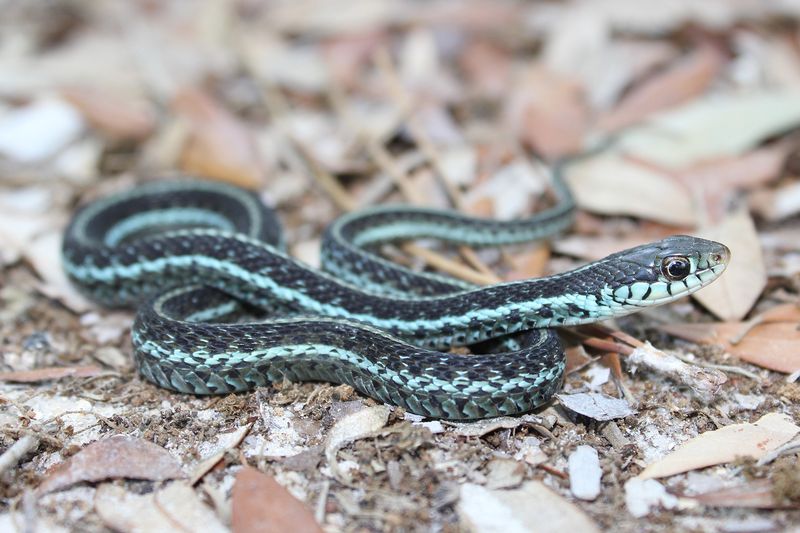
Any snake you cannot identify with confidence deserves space and calm. Do not handle, corner, or approach it.
Give it room to move on. The feeder itself is not what draws snakes into the yard.
The food chain that quietly develops underneath and around it is the real issue, and that is something you can actually manage.