The Garden Habit That’s Quietly Driving Mockingbirds Out Of Florida Yards
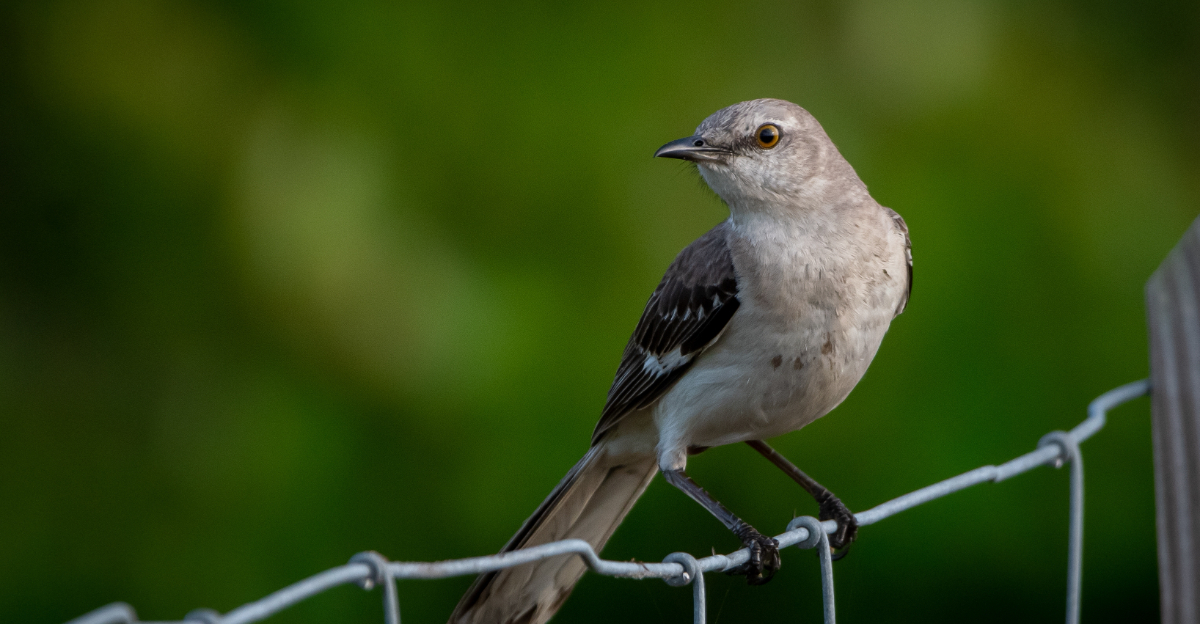
Mockingbirds do not leave a Florida yard without reason. A territory they claimed, defended, and sang over for a full season does not get abandoned casually.
When one stops showing up, something changed. The yard stopped offering what it used to, and the bird made a decision accordingly.
One garden habit is responsible for more mockingbird departures than most Florida homeowners ever connect to the bird’s absence. It looks like responsible yard maintenance.
It happens on a regular schedule. And it systematically removes what mockingbirds depend on without anyone realizing the connection.
The habit is common. The consequences are gradual enough to miss until the yard has gone quiet and the reason why is no longer obvious.
Mockingbirds are specific about what they need. A yard that keeps providing it keeps the bird.
A yard that stops, even through one repeated seasonal habit, loses it faster than most people expect.
1. Spraying Every Bug Removes Their Food
A chewed leaf on a shrub does not always mean a pest problem is spreading through the Florida yard. Sometimes it just means a caterpillar passed through, a beetle fed overnight, or a grasshopper moved on.
Reaching for a broad-spectrum spray before identifying what caused the damage can remove far more than the target pest.
Routine broad spraying, done by habit rather than by need, can reduce the insect population across an entire yard. That matters for mockingbirds because insects and other small arthropods make up a significant part of their diet.
According to the Cornell Lab of Ornithology, northern mockingbirds eat insects, earthworms, berries, and fruit throughout the year. A yard with fewer insects may simply offer less natural food.
The problem is not careful pest control when a real infestation is identified. Targeted treatment, done correctly and at the right time, is a reasonable tool.
The concern is the habit of spraying everything, everywhere, before knowing what is actually there. That approach can thin out the prey that keeps mockingbirds returning to a yard.
Slowing down and checking first is the better starting point.
2. Insects Feed Mockingbirds More Than Feeders Do
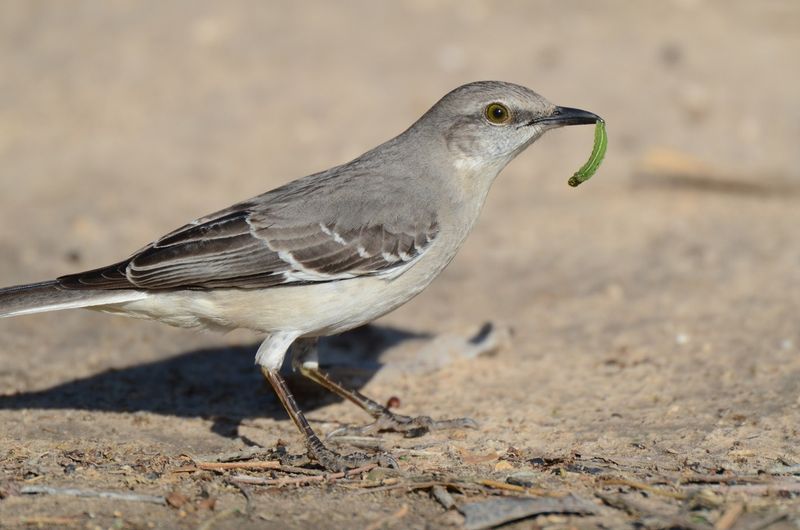
A standard seed feeder is a nice addition to any yard, but it will not replace what a living food web provides. Northern mockingbirds are not feeder birds in the traditional sense.
They rarely visit seed feeders and are not drawn to sunflower seeds or millet the way finches or sparrows are.
What mockingbirds actually use is a yard full of insects, beetles, caterpillars, grasshoppers, and other arthropods found in the soil, on shrubs, and in low cover.
The Cornell Lab of Ornithology notes that their diet shifts between insects and fruit depending on the season.
During warmer months, insects tend to make up more of their foraging activity. Berries and fruit from native shrubs become more important during cooler periods.
This means no feeder product can substitute for a yard that still has its natural food web intact. A mockingbird moving through a neighborhood is scanning the ground, the shrub edges, and the mulch for live prey.
Your Florida Garden Changes Every Week. Your Plan Should Too.
Gardening in Florida changes quickly throughout the season. Every Friday you’ll receive a simple weekly plan showing exactly what to plant, prune, fertilize, harvest, and protect so you never miss the right timing.
If broad spraying has reduced that prey across several nearby yards, the bird may move further away to find enough food. Keeping insects present is the most direct way to keep mockingbirds foraging close by.
3. Clean Beds Can Leave Birds With Nowhere To Hunt
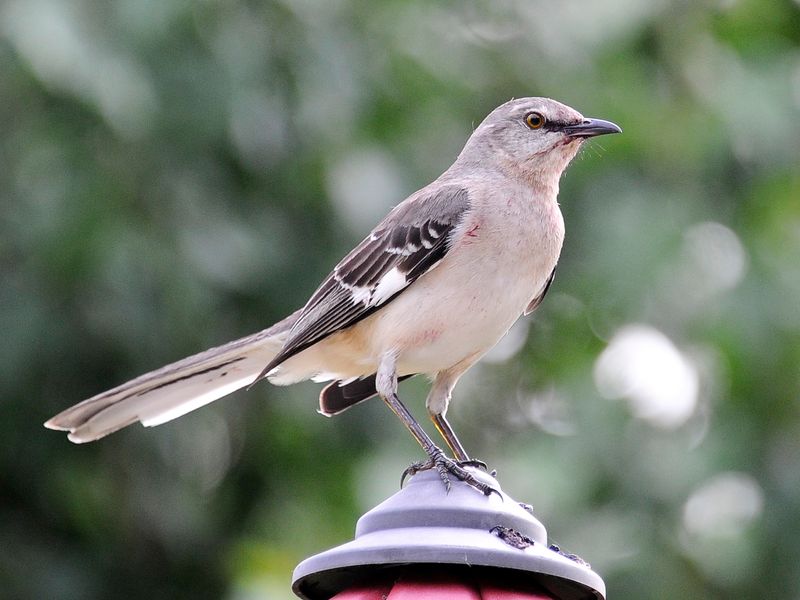
Bare mulch beds look tidy from the street, but they can be surprisingly empty from a bird’s perspective. A mockingbird foraging along a shrub border is looking for movement in the leaf litter, insects under low cover, and small prey near the soil surface.
When beds are cleared down to bare ground and raked smooth, that foraging layer disappears.
Overly sterile landscaping reduces the structural variety that birds use. Less leaf litter means fewer ground-level insects.
Fewer shrub layers mean fewer perches and sheltered hunting edges. Without fruiting plants, berries are also less available when insects become scarce.
The yard may look well-maintained, but it has fewer resources for wildlife.
The goal is not to let beds become overgrown or unsafe. A few low-disturbance corners, a planted shrub edge, some leaf litter left under native plants, and a layered border can make a significant difference without making the yard look neglected.
Florida-Friendly Landscaping principles support using right plant, right place design to create habitat value while keeping the yard neighborhood-appropriate. A little structure goes a long way for birds that hunt by sight along the ground.
4. Broad Pesticides Disrupt The Whole Yard
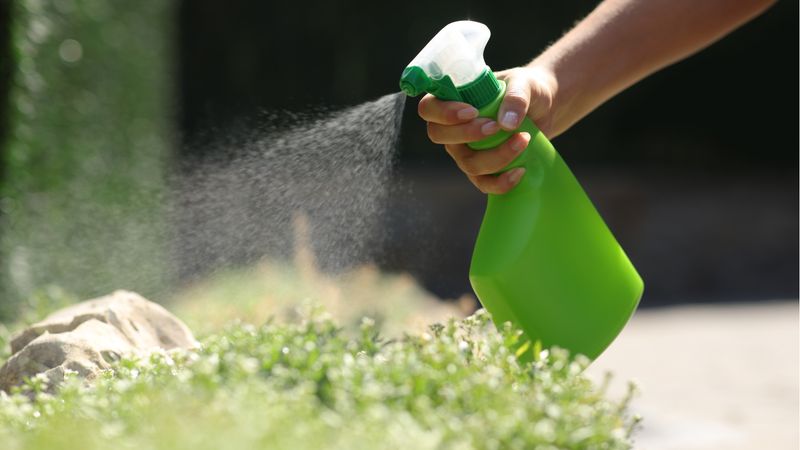
One of the quiet side effects of broad pesticide applications is that they rarely stop at the target pest. A spray applied to control one type of insect can move through the yard on contact, drift, or soil uptake, reaching beneficial insects, pollinators, and the small prey species that birds depend on.
According to UF/IFAS Extension, integrated pest management, or IPM, is built around reducing unnecessary pesticide use while still managing real pest problems effectively.
IPM encourages identifying the pest first, checking population levels, looking for natural predators already present, and choosing the most targeted treatment option available.
Blanket applications are generally a last resort, not a first response.
Beneficial insects such as ground beetles, lacewings, and parasitic wasps help keep pest populations in check naturally. Broad sprays can reduce these helpful species along with the pests, which can actually make pest problems worse over time.
Pollinators visiting flowers can also be affected when applications are poorly timed.
Reading the product label carefully, avoiding applications near water, and checking with a local county extension office before treating are practical steps that protect more of the yard’s natural function while still addressing real pest concerns.
5. Native Shrubs Bring Back Berries And Bugs
A well-chosen native shrub does more than fill a corner of the yard. It offers berries for birds during lean seasons, hosts insects that become prey, provides perching spots, and creates the kind of layered cover that mockingbirds actively use.
That combination is hard to replicate with ornamental plants that have limited wildlife value.
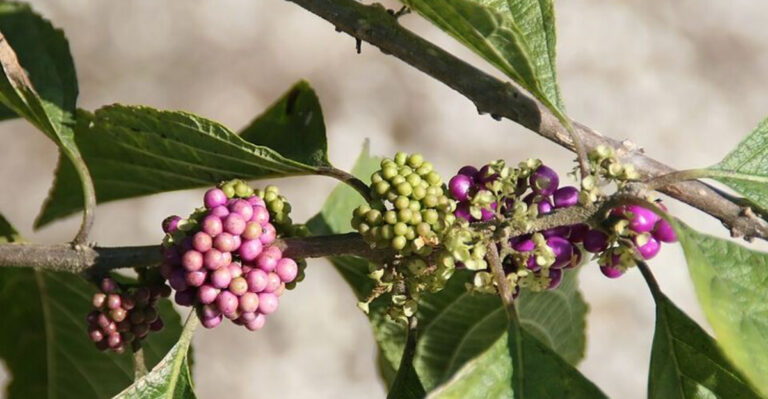
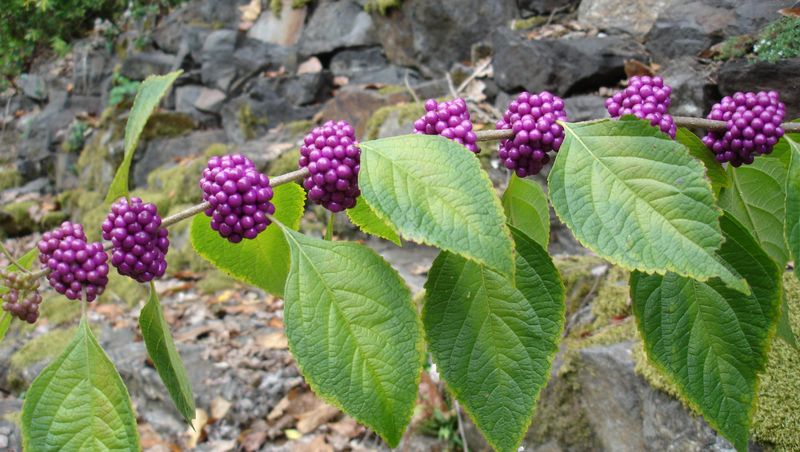
Several native plants commonly found in local nurseries are worth considering. American beautyberry produces clusters of vivid purple berries that multiple bird species eat.
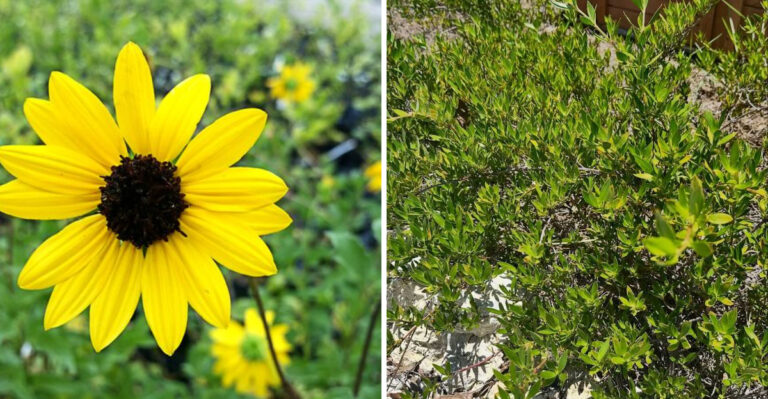
Wax myrtle is a fast-growing native shrub that provides dense cover, berries, and insect habitat. Simpson’s stopper, wild coffee, and firebush each offer fruit, flowers, and structural value in warm-weather landscapes.
Sabal palm, the state tree, provides berries and nesting structure in larger yards.
No single plant guarantees mockingbirds will return to a yard. Bird activity depends on season, surrounding habitat, territory, and what else is available nearby.
But replacing some ornamental plants with layered native shrubs improves the yard’s overall habitat value over time. UF/IFAS and the Florida Native Plant Society both offer guidance on selecting species suited to local soil and light conditions.
Right plant, right place is the practical rule to follow.
6. Fruit And Cover Matter During Nesting Season
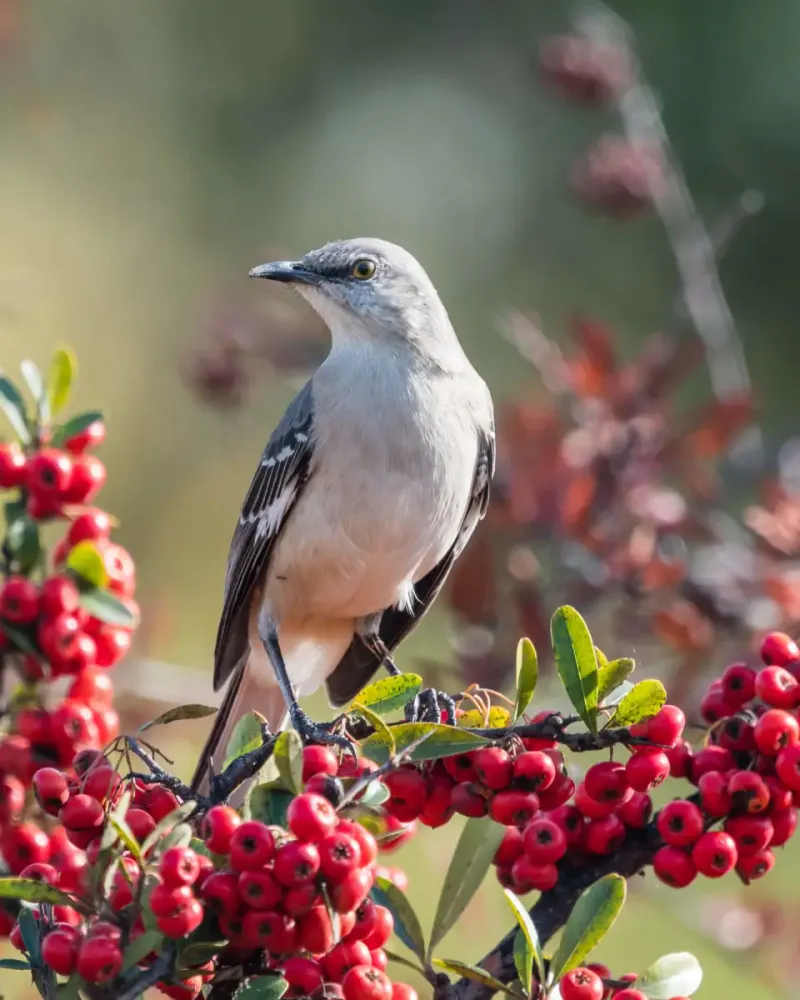
Late winter through midsummer is when mockingbirds in warm-weather landscapes become most active around nesting areas. Dense shrubs, small trees, and thorny cover all serve as potential nesting sites.
During this period, having fruiting plants and reliable insect sources nearby can make a yard more useful to a nesting pair or a bird raising young.
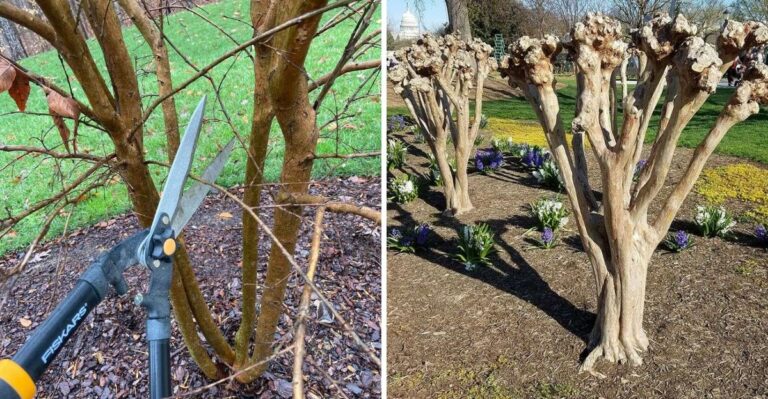
Pruning is one habit worth timing carefully. Trimming hedges or shrubs during active nesting season can disturb nesting birds if a nest is already in place.
Native birds, their active nests, eggs, and young are generally protected under federal law. Checking for activity before pruning and delaying work when nesting is suspected is the safest approach.
A local wildlife extension office can offer guidance if you are unsure.
Cats allowed to roam outdoors are also a real concern during nesting season. Ground-foraging birds and recently fledged young are especially exposed.
Keeping cats indoors or in enclosed outdoor spaces reduces pressure on local bird populations.
Beyond cats and pruning, simply keeping dense shrub borders and fruiting plants in place through the season gives mockingbirds the cover and food they need without any extra effort from the homeowner.
7. Skip Routine Sprays Until You Know The Pest
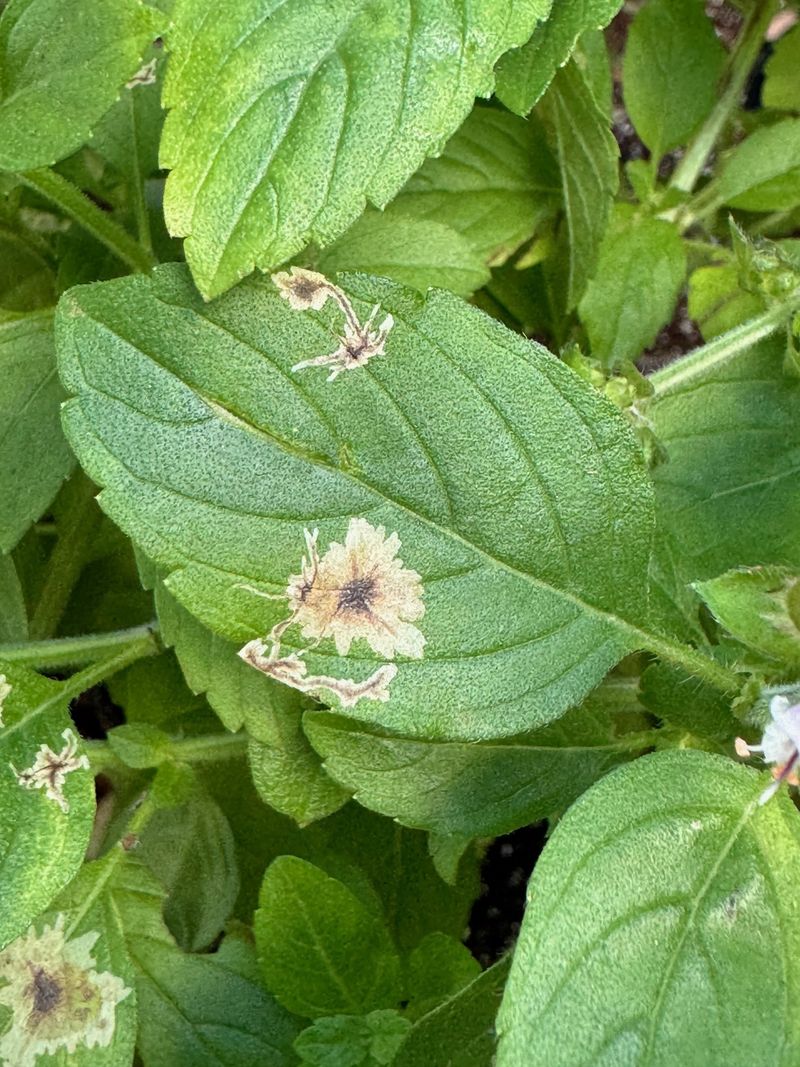
Grabbing a spray at the first sign of leaf damage is one of the most common garden reflexes, but it often skips the most important step: figuring out what actually caused the damage.
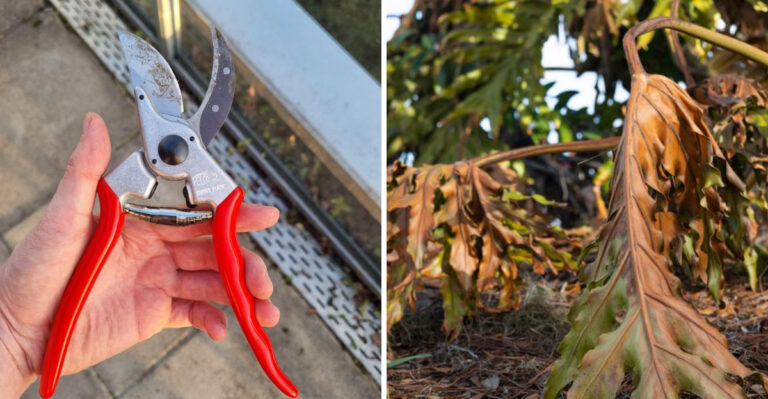
Chewed edges, yellowing leaves, and wilted stems each point to different causes, and not all of them need chemical treatment.
A more useful habit is to slow down and look closely. Check the undersides of leaves, scan the soil near the base of the plant, and look for the actual pest before deciding anything.
Some damage is cosmetic and minor. Some is caused by insects that are already being managed by natural predators already present in the yard.
UF/IFAS Extension offers free pest identification help through county extension offices, and their online resources cover most common landscape pests found across the state.
If a real pest problem is confirmed, targeted treatment applied according to label directions is a reasonable response. Spot treatments, physical removal, or barriers are often enough for minor infestations.
Routine preventive spraying applied on a schedule, regardless of whether a pest is present, is the habit most likely to reduce the insects mockingbirds depend on. Identifying the pest first costs nothing and protects far more of the yard’s natural function.
8. A Messier Food Web Keeps Mockingbirds Around
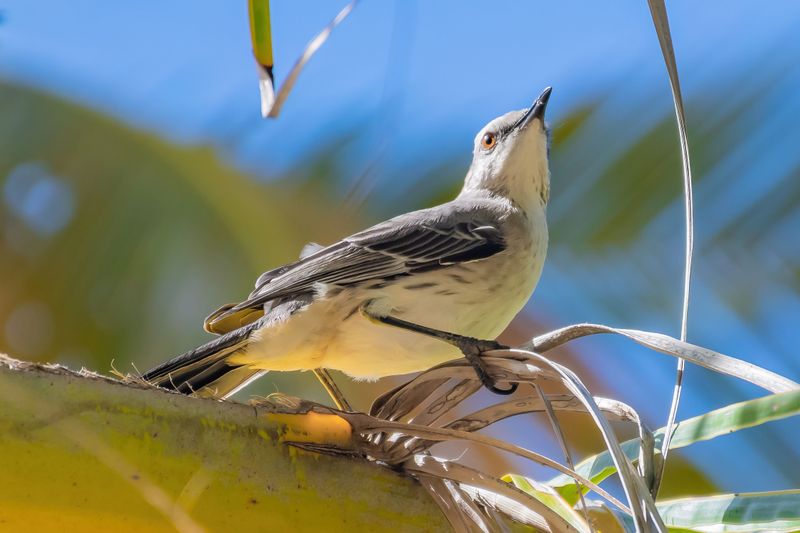
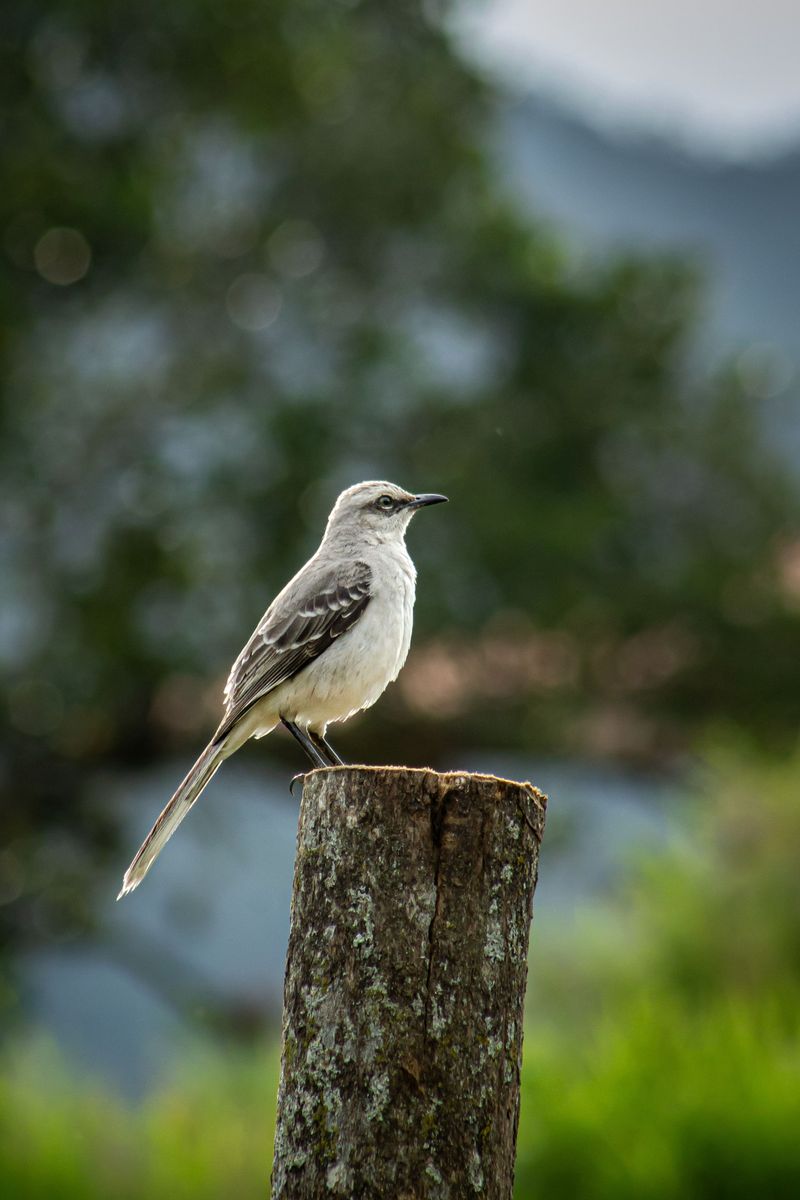
A Florida yard that still has some insects in the mulch, berries on the shrubs, and a few low-cover corners to hunt along is a yard that still has something to offer. Mockingbirds are active, territorial, and observant birds.
They notice when a yard’s resources change, and they shift their foraging routes accordingly.
Ecologically richer does not mean neglected. A yard can still be tidy, well-planted, and neighborhood-appropriate while supporting a more complete food web.
Leaf litter left under native shrubs, a birdbath kept clean and filled, a shrub border with some structural variety, and fewer routine sprays all contribute to a yard that birds can use. None of these changes require major renovation or a complete redesign.
The Audubon Society and Cornell Lab of Ornithology both emphasize that habitat quality at the local and neighborhood level has a real effect on bird activity over time.
Reducing broad pesticide use, planting native fruiting shrubs, managing real pests through IPM, and leaving some low-disturbance areas are practical steps any homeowner can take.
Mockingbird activity also depends on surrounding landscapes, season, and territory, so results vary. But giving the yard more of what these birds come to find is always the better starting point.