The Georgia Groundcover That Stays Cooler Than Gravel During Extreme Heat
Step across gravel on a hot afternoon, and the difference is impossible to ignore. The heat rising from the ground can make parts of your yard feel even hotter than the air around you.
There is another option. Some living groundcovers stay noticeably cooler while adding color and texture at the same time.
That makes a real difference during long stretches of summer. In Georgia, a cooler landscape is often more comfortable for people, pets, and nearby plants.
Replacing part of a gravel area does more than change the look of your yard. It can also help create a friendlier space during extreme heat.
One tough groundcover stands out for handling hot weather without demanding constant attention.
It may be exactly what your landscape needs before another scorching week arrives.
1. Frogfruit Replaces Gravel With Living Groundcover
Gravel gets brutally hot. On a summer afternoon, surface temperatures on gravel can spike well above air temperature, making your yard feel more like a parking lot than a garden.
Frogfruit flips that completely.
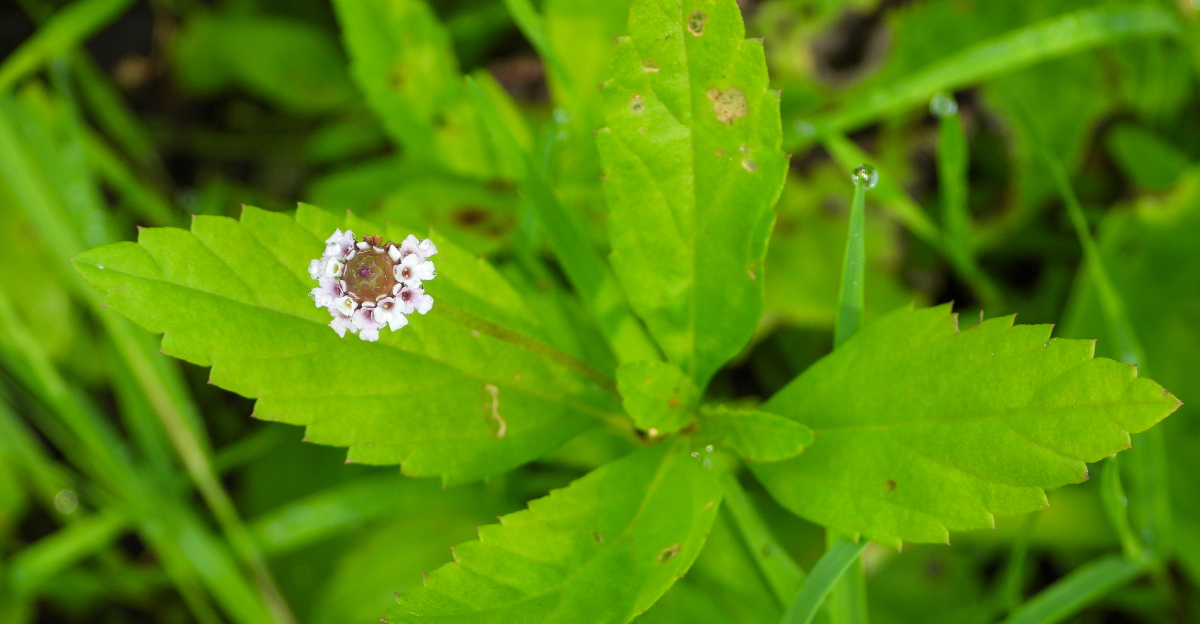
Known scientifically as Phyla nodiflora, frogfruit is a native perennial groundcover that spreads low across the ground. It rarely grows taller than a few inches.
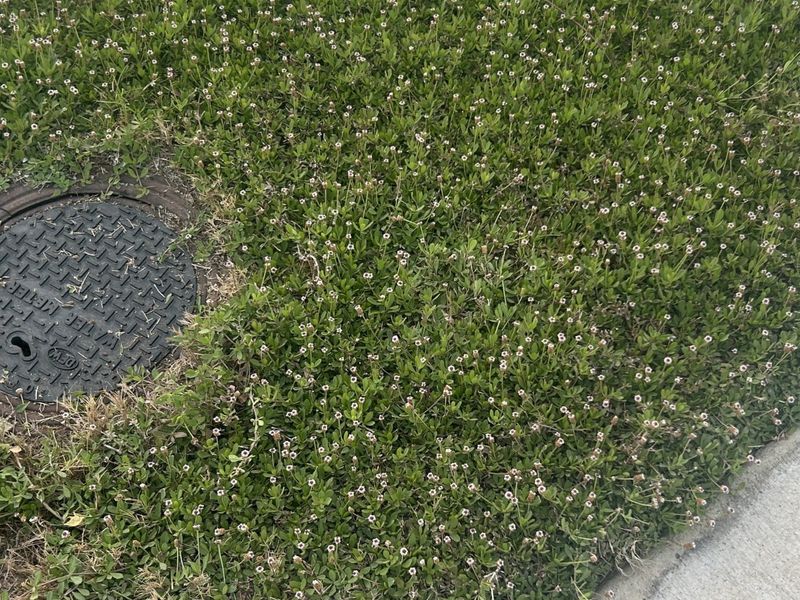
Instead of absorbing and radiating heat, its dense foliage shades the soil beneath it, keeping surface temperatures noticeably lower than gravel or bare earth under similar conditions.
Swapping gravel for frogfruit is not an overnight project, but it is a realistic one. Start by removing gravel from a manageable section.
Loosen the soil underneath, then plant frogfruit plugs or small divisions spaced roughly six to twelve inches apart. They fill in over one to two growing seasons depending on conditions.
One thing gravel cannot do is support life. Frogfruit, on the other hand, feeds insects, shades roots, and softens the look of any outdoor space.
It works well between stepping stones, along pathways, and in open sunny patches where other plants struggle.
2. Dense Foliage Shades The Soil Surface
Bare soil in full sun gets cooked. Soil temperatures on exposed ground can climb high enough to stress plant roots and speed up moisture loss faster than most gardeners realize.
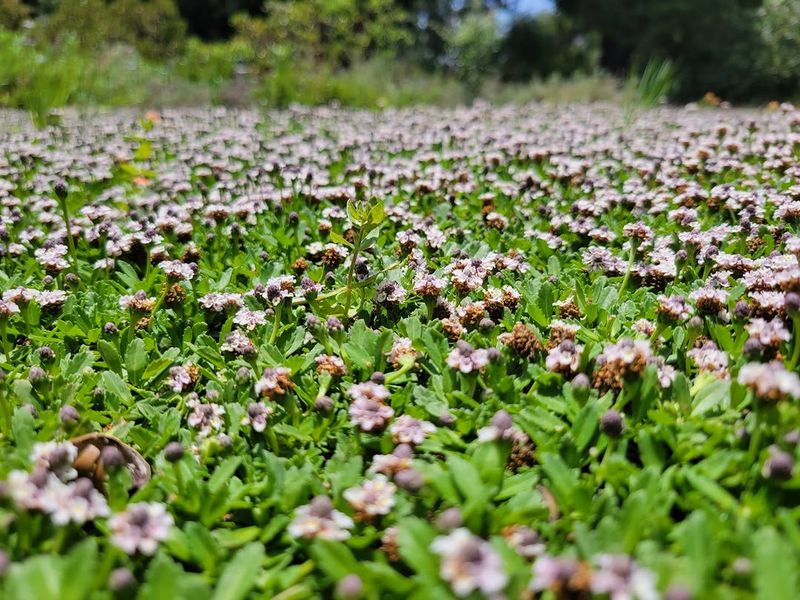
Frogfruit solves this quietly. Its small, overlapping leaves form a tight mat that blocks direct sunlight from hitting the soil.
That shade keeps the ground underneath meaningfully cooler than exposed or gravel-covered surfaces during peak heat hours.
Cooler soil holds moisture longer. When the sun cannot beat directly onto the ground, water evaporates more slowly.
That means less frequent watering for you, and a more stable environment for roots, earthworms, and soil microbes working below the surface.
Shaded soil also resists erosion better. Rain hits the foliage first, slowing the water before it reaches the ground.
That gentle contact reduces soil displacement compared to bare patches where water hits directly and washes material away.
Frogfruit’s foliage density builds over time. Young plants start sparse, but as stems root at nodes and spread outward, coverage thickens naturally.
By the second season, a well-established patch can cover ground thoroughly enough to suppress most weeds without chemical help.
Your Georgia Garden Changes Every Week. Your Plan Should Too.
Gardening in Georgia changes quickly throughout the season. Every Friday you’ll receive a simple weekly plan showing exactly what to plant, prune, fertilize, harvest, and protect so you never miss the right timing.
3. Low Growing Stems Spread Across Open Spaces
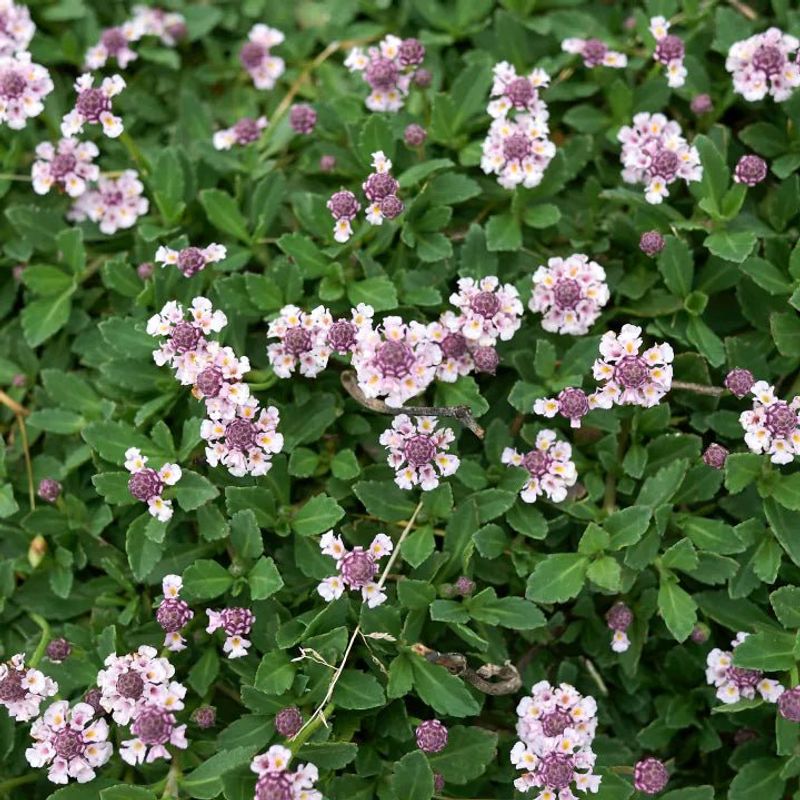
Frogfruit does not grow up. It grows out.
That horizontal habit is exactly what makes it so effective at covering ground without blocking sightlines or competing with taller plants nearby.
Stems creep outward along the soil surface, sometimes reaching several feet from the original plant over a growing season. At regular intervals, nodes along each stem send roots downward into the ground.
Each rooted node becomes a new anchor point, which helps the plant hold firm against foot traffic and moderate erosion.
Open sunny spaces are where frogfruit performs best. It needs good light to spread aggressively.
Shaded areas slow its growth considerably, so placement matters. Spots that get at least six hours of direct sun daily tend to produce the thickest, most even coverage.
Spacing plants closer together at planting time speeds up full coverage. Plugs set six inches apart fill in faster than those set a foot apart.
If budget is a concern, wider spacing works fine, but expect an extra season before the ground looks fully covered.
One practical advantage of low-growing stems is that they stay out of the way. Frogfruit works beautifully between pavers, along walkway edges, and in spots where a taller plant would look awkward or get in the way of foot traffic.
It bends under pressure and tends to bounce back reasonably well.
4. Tiny Flowers Provide Nectar For Native Pollinators
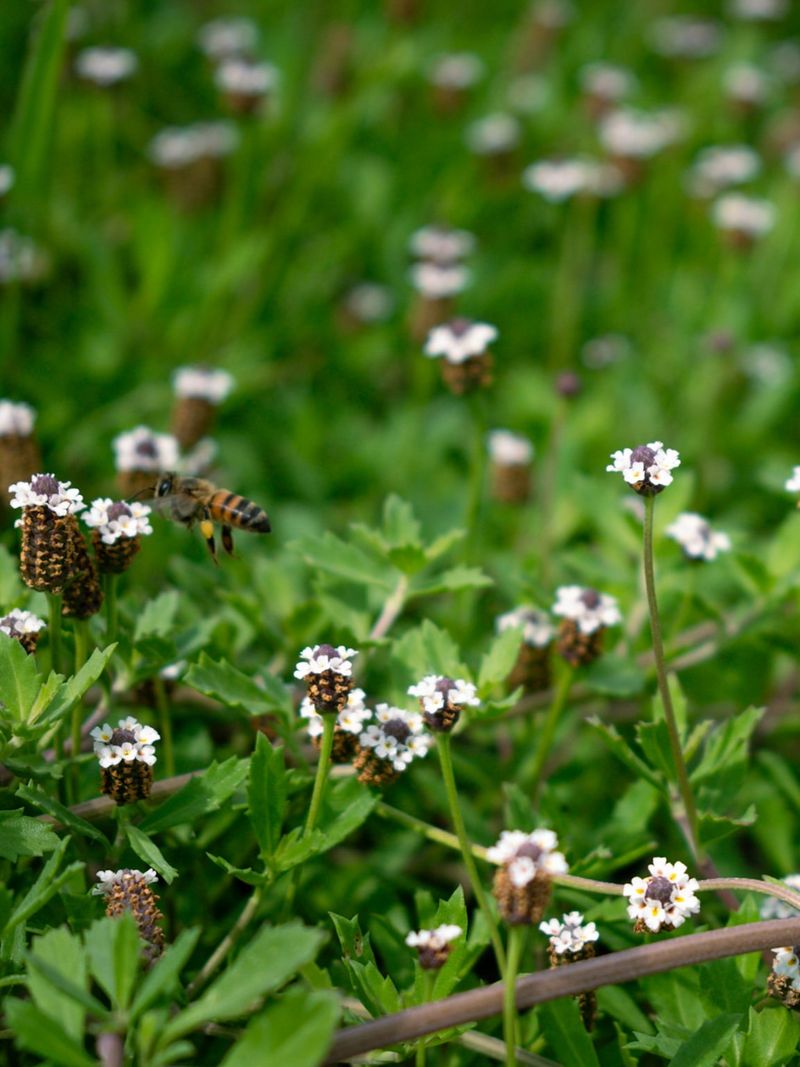
Small flowers, big impact. Frogfruit blooms are barely the size of a pencil eraser, but they attract a surprising range of native bees, butterflies, and other beneficial insects throughout the growing season.
Blooms appear from late spring through fall in most areas, giving pollinators a reliable nectar source during months when other plants may slow down or stop flowering.
That extended bloom window makes frogfruit genuinely useful in a pollinator-friendly yard, not just decorative.
Phaon crescents and white peacock butterflies are especially drawn to frogfruit. In fact, frogfruit serves as a larval host plant for both species.
That means female butterflies lay eggs on it, and the caterpillars feed on the foliage as they develop. Hosting that life cycle adds real ecological value beyond what most groundcovers offer.
Planting frogfruit alongside other native bloomers creates a layered habitat. Combine it with taller natives like coneflowers or black-eyed Susans, and you build a yard that supports insects at multiple heights and bloom times throughout the season.
Flower production tends to be heaviest in full sun.
Plants in shadier spots bloom less frequently and less densely. If supporting pollinators is a priority, place frogfruit where it gets strong, direct light for most of the day.
5. Consistent Moisture Helps New Plants Establish
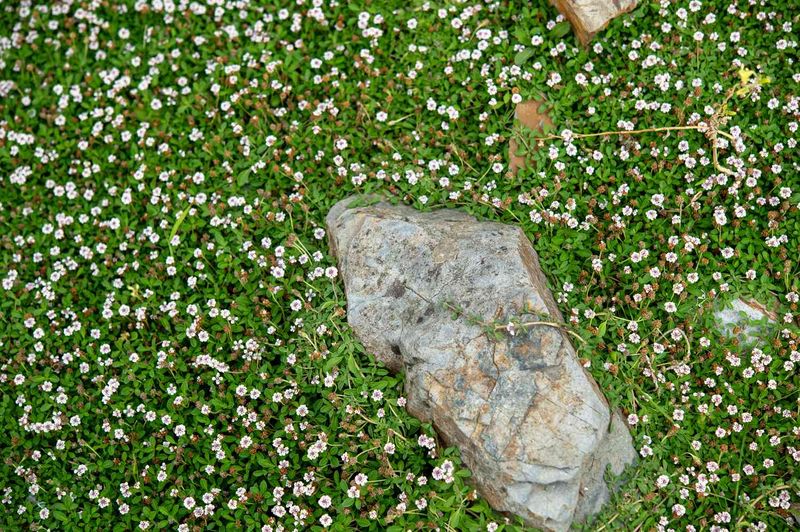
New frogfruit plants are not tough right away. During the first few weeks after planting, roots are shallow and still working to grip the soil.
That window is when consistent moisture matters most.
Watering every two to three days during dry stretches gives new plants the best chance of rooting well. Soil should feel slightly damp a few inches down, not soaking wet and not bone dry.
Checking with a finger before watering helps avoid overwatering, which can cause root problems just as easily as drought can.
Mulching lightly around new plants helps retain soil moisture between waterings. A thin layer of straw or shredded leaves works well without smothering the low stems.
Keep mulch pulled back slightly from the plant crowns to allow good air circulation.
Planting in fall or early spring gives new frogfruit an easier start than planting in peak summer heat. Cooler temperatures reduce moisture stress and give roots time to anchor before the hardest weather arrives.
That timing choice alone can make establishment noticeably smoother.
Once plants have been in the ground for a full season and roots have spread, supplemental watering becomes much less critical.
Established frogfruit handles moderate dry periods reasonably well, though extended drought without any rain will slow growth and reduce coverage.
6. Well Drained Soil Supports Healthy Growth
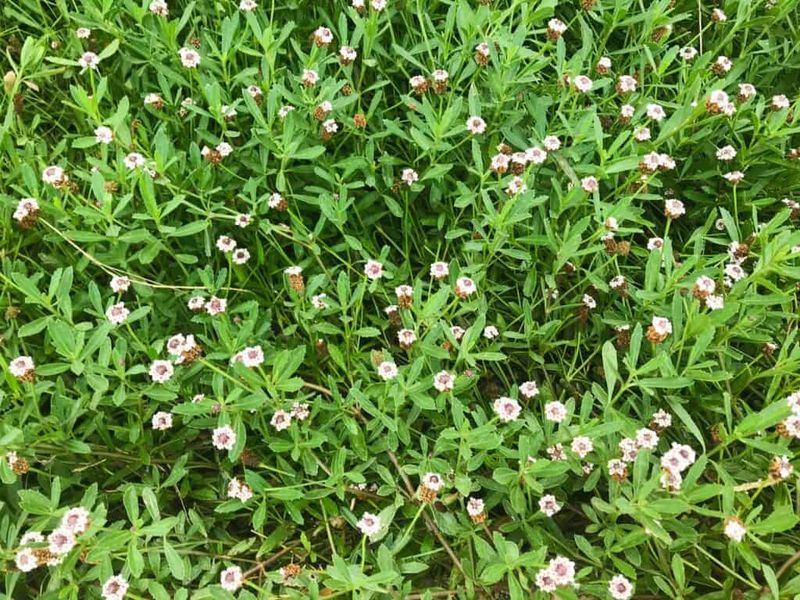
Soggy roots are a problem for frogfruit. Standing water around the crown or persistently wet soil can weaken plants over time and invite root rot.
Good drainage is not optional, it is foundational.
Sandy loam and loamy soils drain well and support strong frogfruit growth. Heavy clay soils hold water too long and can cause problems, especially during rainy stretches.
If your yard has clay-heavy soil, amending the planting area with coarse sand or fine pine bark before planting helps improve drainage meaningfully.
Raised beds and slightly elevated planting areas naturally drain faster than flat ground. Even a modest slope helps water move away from plant crowns after heavy rain.
That small advantage can make a real difference in wet seasons across the Southeast.
Soil pH also plays a role. Frogfruit generally performs well in slightly acidic to neutral soils, roughly in the 5.5 to 7.0 range.
Georgia soils often fall within that range naturally, but a basic soil test can confirm what you are working with before planting.
Compacted soil drains poorly and restricts root spread. Loosening the top few inches before planting gives roots room to move outward.
A basic garden fork works fine for this step.
7. Occasional Trimming Maintains An Even Carpet
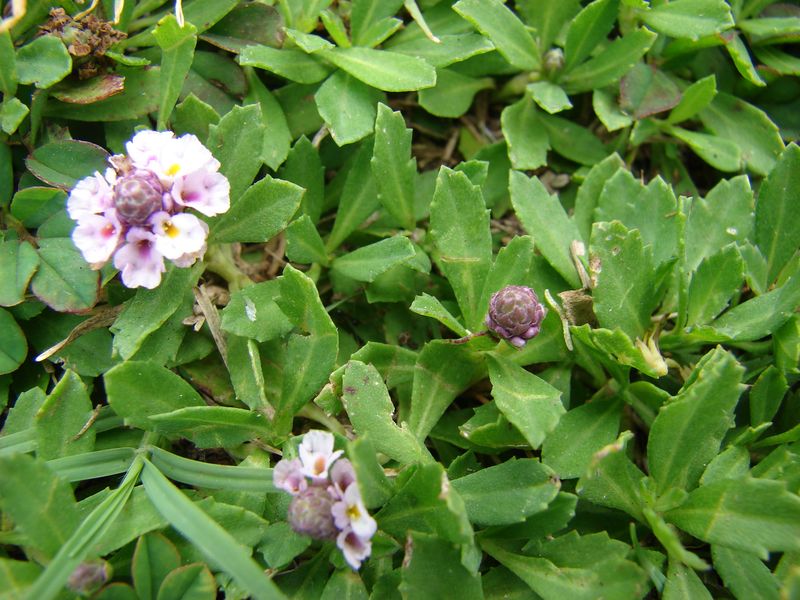
Left completely alone, frogfruit can get a little uneven. Some stems grow faster than others, and edges can creep into areas where you do not want coverage.
Light trimming keeps everything looking tidy without stressing the plant.
A string trimmer set to a high cutting height works well for larger areas. Hand shears handle smaller patches or tight edges near walkways and borders.
Neither tool needs to cut deeply. Skimming the top inch or two of growth is enough to encourage a denser, more uniform mat.
Trimming frequency depends on how formal you want the space to look. For a naturalistic, low-maintenance yard, trimming two or three times per season is usually sufficient.
For a cleaner, more manicured appearance, monthly trimming during the growing season keeps edges sharp.
After trimming, frogfruit bounces back quickly in warm weather. New growth fills in cut areas within a week or two under good conditions.
That recovery speed is one reason it works so well in high-traffic spots where occasional scuffing or mowing contact is unavoidable.
Edging along borders matters too. Where frogfruit meets a lawn or garden bed, a simple edging tool or spade keeps the boundary clean.
Without occasional edging, stems can root across boundaries and spread into areas you want kept separate.