The Georgia Yard Conditions That Attract Chiggers In Summer
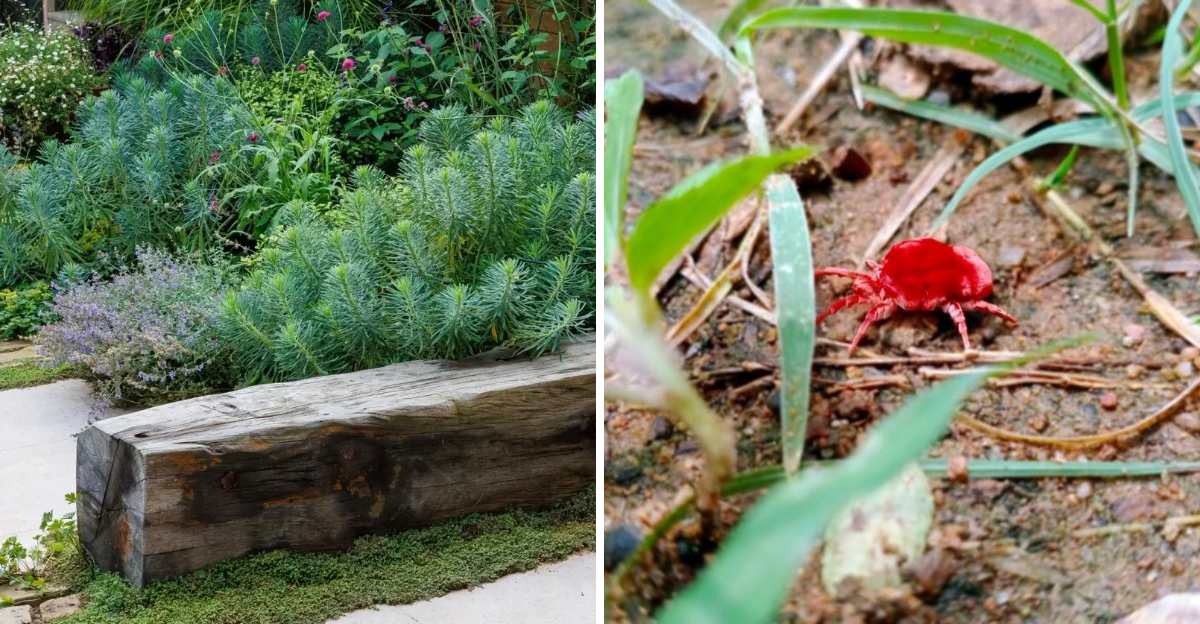
Nothing ruins a relaxing afternoon outside faster than coming back inside with itchy bites you never saw coming. You can spend hours enjoying your yard and feel perfectly fine until later that day.
It is the kind of surprise that catches almost everyone off guard because it seems to happen out of nowhere. Sometimes the problem is not what you did at all.
The place itself can quietly invite unwanted pests.
That is why paying attention to your surroundings matters more than many gardeners realize.
Certain yard conditions in Georgia create the kind of environment where chiggers are more likely to thrive during summer.
Knowing what attracts them can help you enjoy more time outdoors without unpleasant surprises spoiling the season ahead. Small changes around your yard can make a real difference.
1. Tall Grass Creates The Perfect Hiding Place
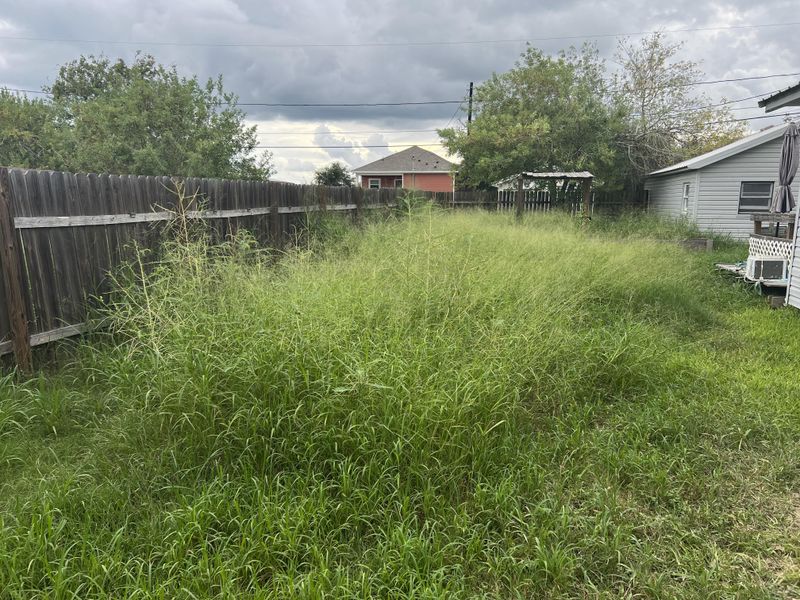
Tall grass is basically a chigger paradise. When your lawn goes uncut for even a week or two during summer, the grass blades create a dense, shaded environment that chiggers absolutely prefer.
Chiggers do not hang out in open, sunny spots. They position themselves at the tips of grass blades and low vegetation, waiting to attach to a passing host.
Tall grass gives them more surface area to work with.
Mowing regularly is one of the most effective ways to reduce chigger activity in your yard.
Keeping your grass at a height of two to three inches removes much of the protected, shaded space they depend on.
Grass that reaches four inches or taller stays humid close to the ground, which chiggers need to survive. Short, well-maintained turf dries out faster in the sun and becomes a far less comfortable habitat for them.
Pay close attention to areas near fences, garden borders, and the edges of walkways.
Those spots often get skipped during mowing and can become dense patches of tall vegetation quickly.
Trimming around structures and along property edges matters just as much as mowing the main lawn. Chiggers can concentrate in those neglected border areas and easily move onto paths where people walk regularly.
2. Poor Drainage Leaves The Ground Damp
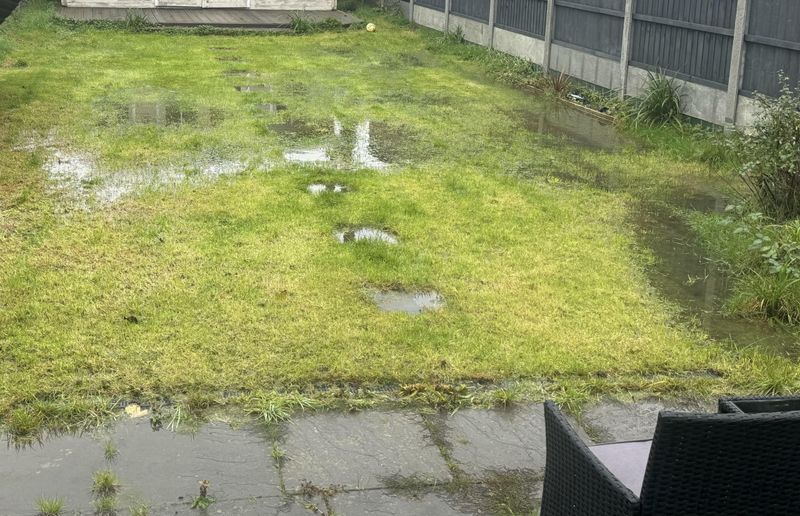
Soggy ground is one of the biggest invitations a yard can send to chiggers. Poor drainage keeps soil moist for days after rain, and moist soil is exactly the kind of environment where chigger larvae can survive and develop.
Chiggers need humidity to stay active. Dry, well-drained soil tends to limit their movement and reduces how long they can survive near the surface.
Yards with compacted soil, low-lying areas, or broken irrigation systems are especially prone to holding water too long. Standing water does not just attract mosquitoes.
It also keeps the ground damp enough to support chigger populations through the hottest parts of summer.
Improving drainage can make a real difference. Aerating compacted lawn areas helps water absorb into the soil faster instead of pooling on top.
Adding organic matter to heavy clay soil can also improve drainage over time.
Raised garden beds and French drains are worth considering for areas that consistently stay wet after rainfall.
Your Georgia Garden Changes Every Week. Your Plan Should Too.
Gardening in Georgia changes quickly throughout the season. Every Friday you’ll receive a simple weekly plan showing exactly what to plant, prune, fertilize, harvest, and protect so you never miss the right timing.
Check your yard after heavy rain and note where water collects. Fixing those low spots or redirecting downspout flow can reduce moisture buildup significantly.
Chiggers do not need a swamp to thrive.
Even consistently damp patches near a leaky hose connection or a shaded corner can give them just enough moisture to establish a presence in your yard.
3. Shady Areas Stay Cooler And More Humid
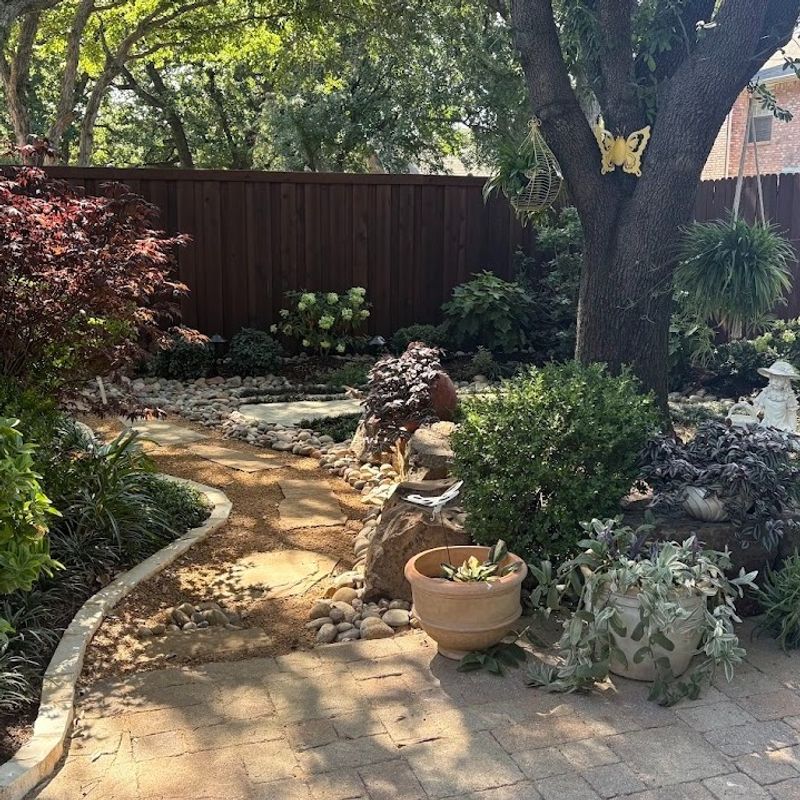
Shade changes everything in a summer yard. Spots that receive little direct sunlight stay cooler and hold more moisture in the soil and air, creating conditions that chiggers find far more survivable than open, sun-baked turf.
Direct sunlight heats up soil and dries out vegetation quickly. Chiggers are highly sensitive to heat and dryness, so shaded zones offer them a kind of natural shelter from extreme summer temperatures.
Areas under large trees, dense shrubs, or along the shaded side of a fence or structure are common trouble spots.
Ground cover plants and low-growing shrubs in shaded areas tend to hold moisture close to the soil surface, which makes those zones even more attractive.
You do not need to remove every tree or shrub to reduce chigger activity. Trimming lower branches to allow more sunlight to reach the ground can help dry out shaded areas more effectively.
Thinning out overgrown shrubs improves airflow and reduces the humidity that builds up in dense plantings. Even small improvements to light penetration can make shaded zones less hospitable.
Ground cover plants like ivy or pachysandra in shaded corners can also harbor chiggers.
Consider replacing dense ground covers in high-traffic areas with mulch or gravel, which drains faster and stays drier between rain events.
4. Leaf Litter Gives Chiggers Extra Protection
Piles of old leaves sitting on the ground are more than just an eyesore.
Leaf litter holds moisture, blocks sunlight, and creates a layered environment that gives chiggers and their eggs a protected place to develop.
Decomposing leaves stay damp underneath even when the top layer looks dry. That hidden moisture beneath the surface is exactly what chigger larvae need during their early stages of development.
Raking and removing leaf litter regularly during summer is a straightforward way to reduce chigger-friendly spots in your yard. Do not wait until fall to deal with accumulated debris.
Leaves that collect under shrubs or along fence lines during summer should be cleared out too.
Composting is a good option for leaf disposal, but keep compost bins away from areas where people walk or play. Active compost piles can harbor chiggers if they stay consistently moist.
Leaf litter near garden beds is another concern.
Mulch is useful for retaining soil moisture in gardens, but thick layers of mulch close to lawn edges can become a chigger zone if they stay wet.
Keeping mulch layers to about two to three inches thick and pulling them back slightly from lawn edges can reduce the risk.
Consistent cleanup of fallen leaves and organic debris goes a long way toward making your yard a less comfortable place for chiggers to settle.
5. Wooded Yard Edges Provide Ideal Habitat

Where your lawn meets the woods, chigger activity tends to be highest.
Wooded edges combine almost every condition chiggers prefer: shade, moisture, leaf litter, dense vegetation, and a steady supply of wildlife hosts.
Brush, low-growing shrubs, and tangled undergrowth along the treeline create a thick transition zone that chiggers move through easily.
Walking through that border area without protection is a reliable way to pick them up.
Creating a buffer zone between your lawn and any wooded areas can reduce how often chiggers migrate into your yard. A strip of gravel, wood chips, or dry mulch about three feet wide can act as a barrier that chiggers are less likely to cross.
Keeping the vegetation along that edge trimmed low and clear of dense brush also helps. Removing woody debris, fallen branches, and thick leaf accumulations near the treeline reduces the habitat quality for chiggers significantly.
Wooded edges in Georgia neighborhoods are incredibly common, especially in suburban areas where yards back up to undeveloped lots or natural areas. Awareness of that boundary is important for anyone spending time in the yard.
Avoid placing seating areas, play equipment, or garden beds near wooded edges if possible.
Moving those features toward the center of the yard, where sunlight is stronger and vegetation is maintained, puts distance between your family and the highest-risk zones.
6. Wildlife Can Bring Chiggers Into The Yard

Deer, rabbits, raccoons, and birds are all common visitors to residential yards, and every one of them can carry chiggers in from surrounding natural areas. Wildlife acts as a mobile transport system for these tiny pests.
Chigger larvae attach to warm-blooded hosts to feed. When animals move through a yard, they can drop chiggers off at any point along their path, seeding new populations in areas that were previously clear.
Deer trails through a yard are a particularly strong indicator of chigger risk.
Deer travel regularly between wooded areas and neighborhoods, and they often follow the same routes repeatedly, depositing chiggers along the way.
Reducing wildlife access to your yard can lower chigger pressure over time. Fencing in garden beds or using motion-activated sprinklers near entry points can discourage frequent visits from deer and other animals.
Bird feeders attract a range of wildlife beyond just birds. Squirrels, mice, and other small mammals visit feeders regularly and can carry chiggers with them.
Placing feeders away from seating areas is a reasonable precaution.
You cannot fully prevent wildlife from entering an unfenced yard. Consistent yard maintenance remains the best defense.
Keeping grass short, removing brush, and reducing moisture all make your yard less attractive to both wildlife and chiggers, even when animals do pass through.
7. Regular Yard Maintenance Helps Reduce Their Numbers
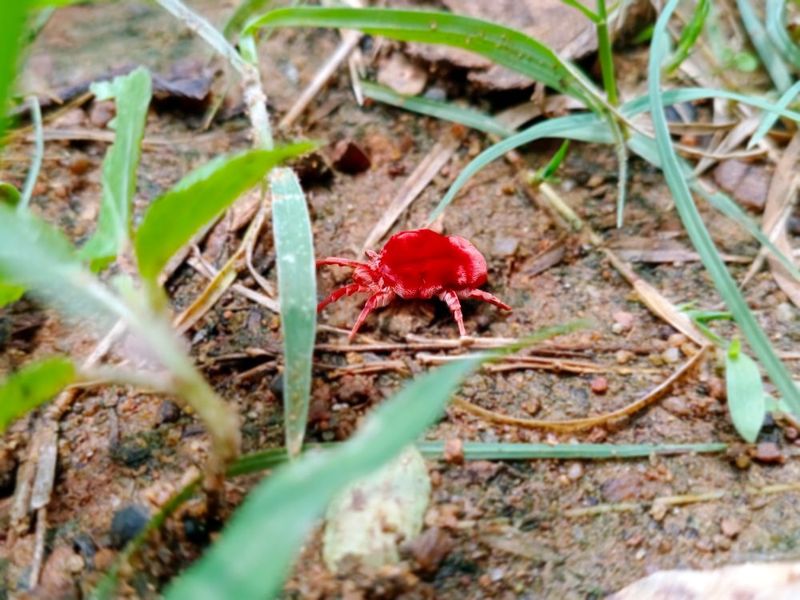
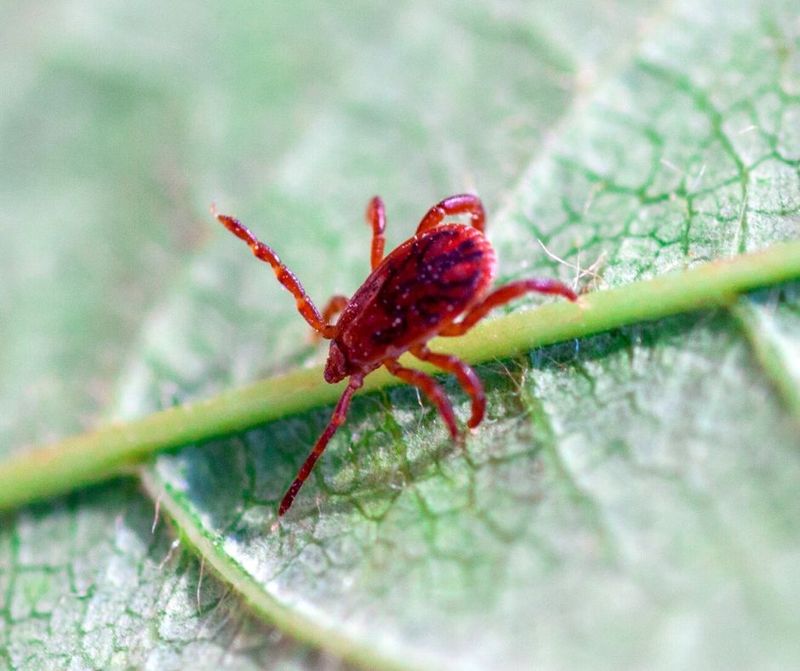
Consistent yard care is the most reliable tool most homeowners have against chigger problems.
No single task removes chiggers entirely, but combining several maintenance habits makes your yard noticeably less hospitable to them.
Mowing on a regular schedule is the foundation. Short grass dries out faster, gets more sun exposure, and removes the sheltered microhabitats chiggers depend on for survival during hot summer months.
Edging along fences, walkways, and garden beds matters too.
Those narrow strips of overgrown vegetation often get overlooked but can harbor concentrated chigger populations close to where people walk and sit.
Watering your lawn in the morning rather than the evening allows the soil and grass to dry out during the day. Evening watering keeps the yard damp overnight, which extends the window of time when conditions favor chigger activity.
Clearing debris after storms is another practical habit. Fallen branches, clumps of cut grass left on the lawn, and scattered leaf piles all create moist, shaded spots that chiggers can move into quickly.
Wearing long socks and using insect repellent containing DEET or permethrin when working in the yard adds a layer of personal protection.
Even a well-maintained yard can have some chigger activity during peak summer months.
Small, consistent efforts build up over time. A yard that is regularly mowed, drained, and cleared of debris is a genuinely less comfortable environment for chiggers throughout the summer season.