The Great Migration Passing Through Idaho’s Mountain Valleys Right Now
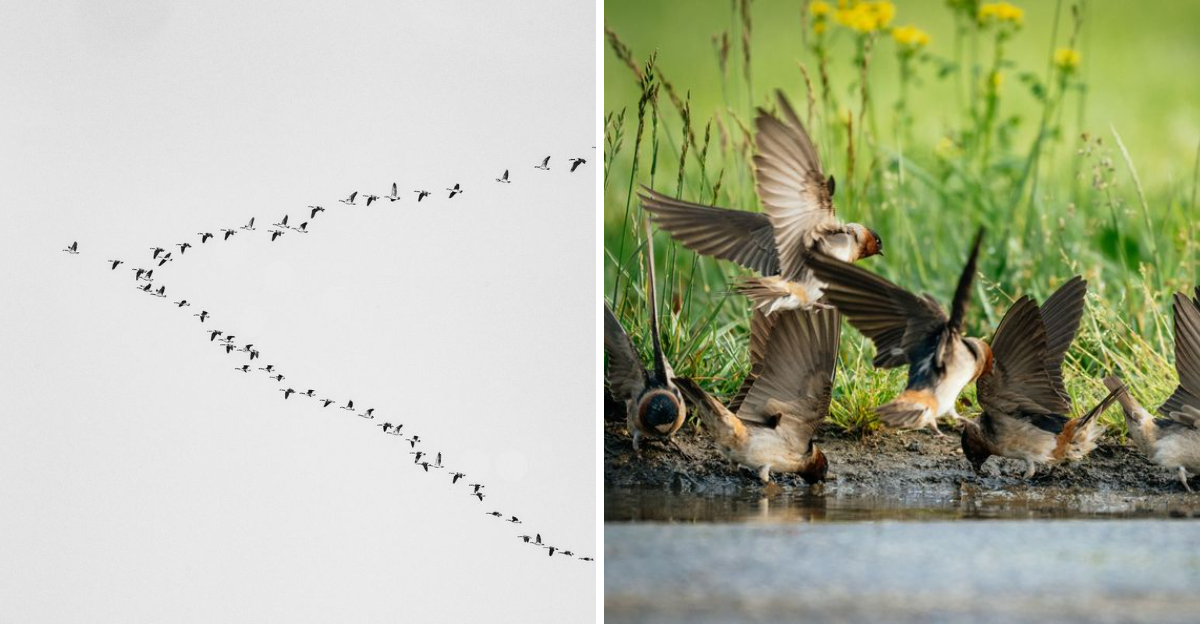
Darkness falls, and the sky above you fills with unseen travelers. Wings drift past ridgelines while you sleep, unnoticed and quiet. Idaho pulls you into a flyway crossing entire hemispheres tonight.
Valleys carved by rivers guide flocks past you toward warmer ground. Nobody warns you when calls start drifting through canyon walls.
Forest edges hum with restless energy passing you without a sound. Every ridge becomes a passage you cross without even noticing.
Species you have never heard of pass directly overhead this night. Dense timber and sky guide travelers gently past you into Idaho.
Dusk turns ordinary air into a quiet channel around you tonight. Silence lifts slowly around you, replaced by wingbeats and soft cries.
Momentum builds each evening as more flocks arrive close to you. Numbers rise gently around you, then fade again before dawn. You cannot look away once you understand what moves above you tonight.
What’s Driving The Migration Through Idaho’s Valleys
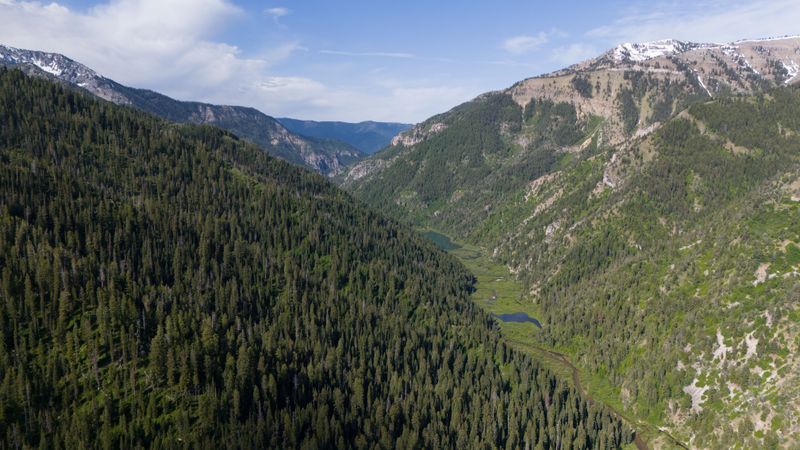
Ancient instincts are the engine. Every fall and spring, shortening daylight hours and shifting temperatures trigger hormonal changes in birds that signal one simple message: move.
Birds respond to these cues with remarkable precision, often returning to the same stopover spots year after year. The great migration passing through Idaho’s mountain valleys follows corridors shaped by millions of years of evolution.
Mountain valleys act like natural highways, channeling wind patterns that help birds conserve energy during long flights. The Snake River Plain and the valleys along the Salmon River are especially active flyways during peak fall migration.
Magnetic fields in the earth help birds navigate with remarkable precision. Some species also use star patterns at night and polarized light at dawn to keep their heading true.
Food availability plays a huge role too. Berries, insects, and seeds peak at different elevations and latitudes, creating a moving buffet that birds track across the landscape.
Weather systems push migration into overdrive. A strong cold front from the north can trigger a massive overnight flight, sending thousands of birds across the sky before sunrise.
Citizen science platforms like eBird record these surges in real time, giving birders a live map of what is moving and where. Knowing the triggers behind migration helps you predict when the best watching windows will open.
Which Raptors Are Passing Through Right Now
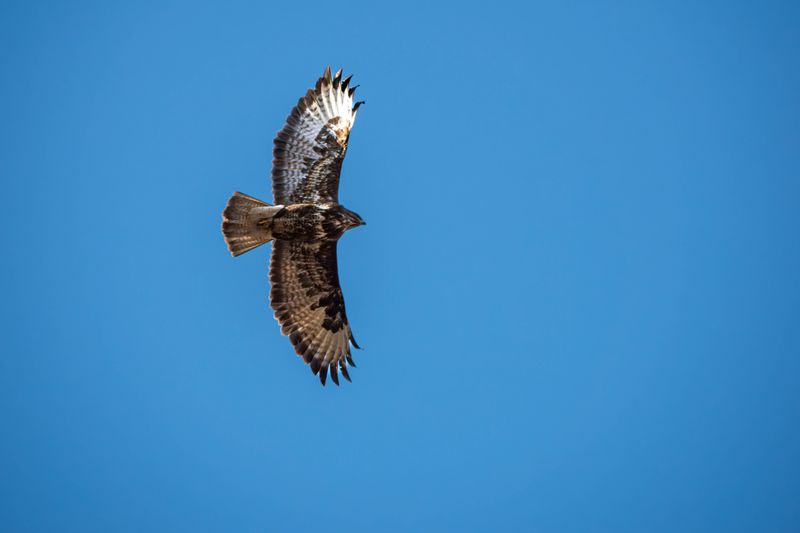
Hawks move through in visible numbers overhead. Right now, Idaho’s ridgelines are hosting one of the more active raptor migrations in the American West.
Sharp-shinned hawks are among the most abundant migrants moving through. These small, fast accipiters chase songbirds through the treetops with notable agility, making them engaging to watch.
Cooper’s hawks follow a similar route, slightly larger than their sharp-shinned cousins. Both species funnel through mountain passes where updrafts help them soar without burning precious calories.
The great migration passing through Idaho’s mountain valleys also includes red-tailed hawks in impressive numbers. Their brick-red tails catch the sunlight as they circle on thermals above open meadows and canyon edges.
Your Idaho Garden Changes Every Week. Your Plan Should Too.
Gardening in Idaho changes quickly throughout the season. Every Friday you’ll receive a simple weekly plan showing exactly what to plant, prune, fertilize, harvest, and protect so you never miss the right timing.
American kestrels, North America’s smallest falcon, add a splash of color to the movement. Males sport rusty backs and blue-gray wings, making them easy to spot perched on fence lines and power poles.
Golden eagles are among the most notable species in the raptor migration here. Birders regularly report golden eagles moving through the Boise Ridge corridor each October, making it a well-known fall watch site.
Osprey and northern harriers round out the list, hunting wetlands and river edges as they head south. Spotting a harrier quartering low over a marsh at sunrise is a memorable sighting for many birders.
Songbird Species Filling Mountain Corridors
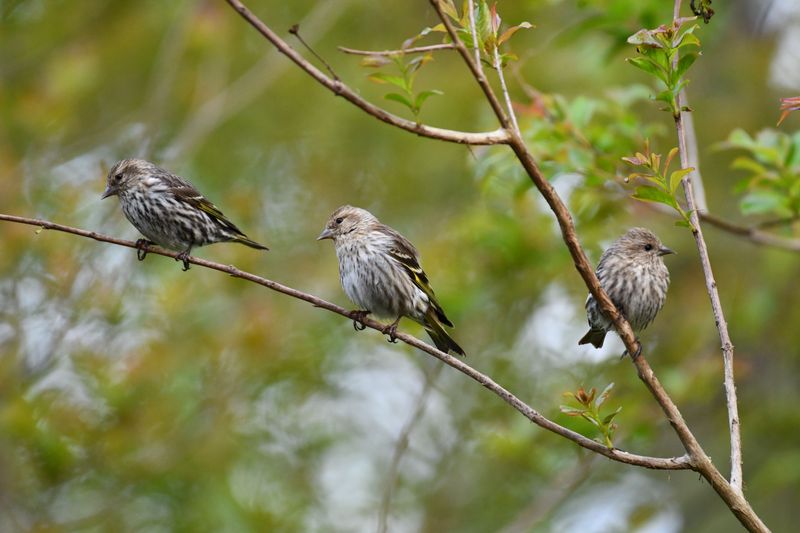
Listen before you look. At first light in an Idaho mountain valley during migration, the air hums with chip notes, thin whistles, and short bursts of song from dozens of species moving through overnight.
Yellow-rumped warblers are the most visible migrants right now, flashing their bright yellow patches as they forage through shrubs and conifers. They travel in loose flocks and often mix with other warbler species, creating a shifting mix of color.
Townsend’s warblers pass through in good numbers too, pausing to glean insects from the undersides of pine needles. Their bold black-and-yellow faces make them one of the most striking birds you will find in an Idaho forest in autumn.
White-crowned sparrows arrive in waves, filling brushy edges and willow thickets with their clear, whistled songs. These sparrows are tough travelers, some coming from breeding grounds as far north as the Arctic tundra.
Ruby-crowned kinglets are tiny but relentless, hovering and darting through foliage with almost hummingbird-like energy. Finding one in a mixed flock feels like spotting a jewel hidden in plain sight.
Western tanagers add a tropical flair to the mountain scene, their red-and-yellow plumage looking almost out of place against the gray bark of aspens. They move through quickly, so catching one is always a rewarding sighting.
The great migration passing through Idaho’s mountain valleys brings hundreds of songbird species through in a matter of weeks, so every morning offers something new to discover.
Best Times And Locations For Viewing
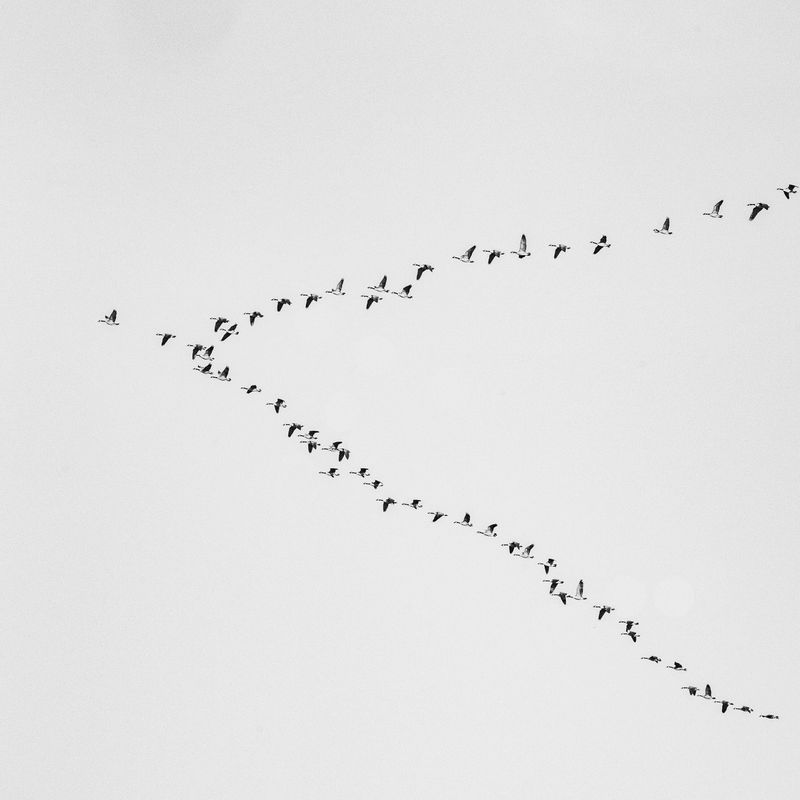
Timing is everything in migration watching. The hour just after sunrise and the hour before sunset are when activity peaks, as birds settle in to feed after overnight flights or prepare to lift off again.
Cold fronts are your best friends this season. The morning after a front passes through often brings a surge of bird activity.
The Boise Ridge Road is one of the top raptor watching spots in the entire region. Birders set up spotting scopes along the ridge each October, often tallying large numbers of raptors on good flight days.
Hagerman Valley along the Snake River is another premier location, especially for waterfowl and shorebirds mixing with passerine migrants. The contrast of desert cliffs and river wetlands creates habitat for a wide variety of species.
Cascade Reservoir and the Payette River corridor attract diving ducks, grebes, and loons moving south from Canadian breeding grounds. Early morning light on the water makes these spots visually striking.
The great migration passing through Idaho’s mountain valleys is most dramatic at narrow mountain passes where birds concentrate before crossing open terrain. Galena Summit near Stanley is worth the drive on any clear October morning.
Arrive early, dress in layers, and bring a thermos of coffee. The cold air is part of the experience, and patience always rewards the birder who waits.
Why Mountain Valleys Attract Migrating Birds
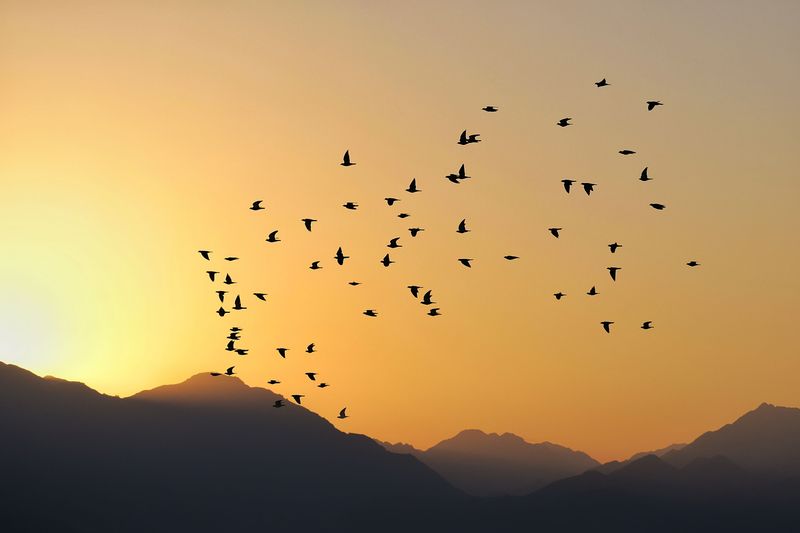
Geography does the heavy lifting here. Mountain valleys in Idaho create a perfect combination of shelter, food, and navigation landmarks that migrating birds cannot resist.
Ridgelines generate updrafts and ridge lift that raptors exploit to gain altitude without flapping. Once high enough, a hawk can glide for miles, covering ground at minimal energy cost.
River corridors within the valleys provide critical water and food sources. Cottonwood groves along the Boise, Payette, and Salmon rivers burst with insects and berries just as migrants are moving through, creating reliable refueling stops.
The north-south orientation of many Idaho valleys aligns naturally with the direction of bird migration. Birds moving from Canada toward the Great Basin and beyond find these corridors well-suited as travel lanes.
Elevation gradients within a single valley allow birds to choose their altitude based on temperature and wind conditions. A warbler can drop from a cold ridgeline to a warm, sheltered canyon bottom in just minutes.
The great migration passing through Idaho’s mountain valleys also benefits from the state’s relatively low light pollution. Nocturnal migrants use stars to navigate, and Idaho’s dark skies away from cities give them clear visibility of the stars.
Human land use patterns matter too. Farms, orchards, and wetlands managed for agriculture provide unexpected bonuses for migrants needing calories fast. A freshly harvested grain field can attract large flocks of sparrows and finches overnight.
How To Support Birds During Migration Season
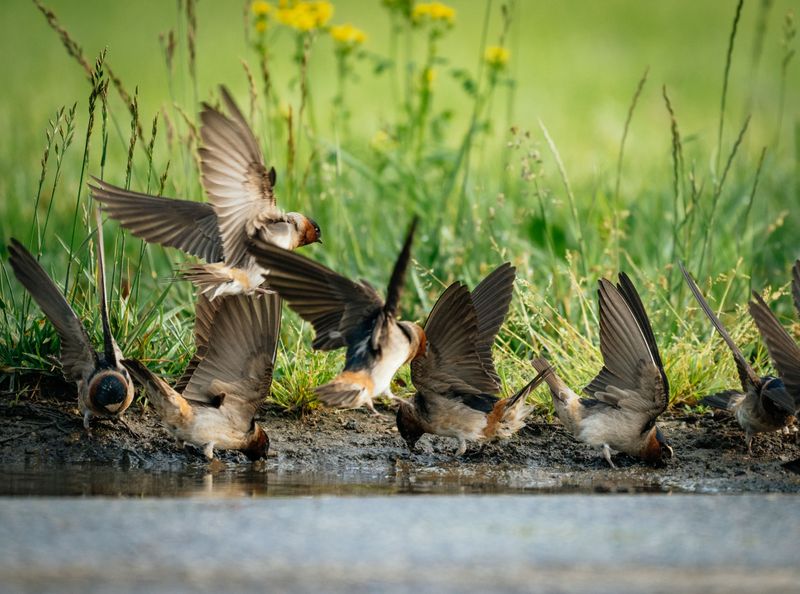
You do not need a field guide to make a difference. Small changes around your home can turn your yard into a critical rest stop for birds moving through Idaho’s valleys right now.
Keep your windows safe by applying bird-safe film or tape in a grid pattern. Window collisions are estimated to affect hundreds of millions of birds each year across North America.
Offer fresh water in a shallow dish or moving water feature. Migrants are often dehydrated after long overnight flights, and a clean water source can attract species that never visit feeders.
Native plantings are more valuable than any feeder you can buy. Serviceberry, elderberry, and chokecherry shrubs provide high-calorie fruit precisely when migrants need it most in late summer and fall.
Turn off unnecessary outdoor lights at night during peak migration weeks. Artificial lights disorient nocturnal migrants, causing them to circle buildings and waste precious energy they need for travel.
Keep cats indoors during migration season. Free-roaming cats are among the leading causes of bird mortality in North America, and migrating birds unfamiliar with local hazards are especially vulnerable.
The great migration passing through Idaho’s mountain valleys needs advocates as much as it needs habitat. Sharing what you see on eBird and local nature groups helps researchers track population trends and protect the routes birds depend on for survival.