The Green Fruit Indiana Homeowners Put In Basements Every Fall
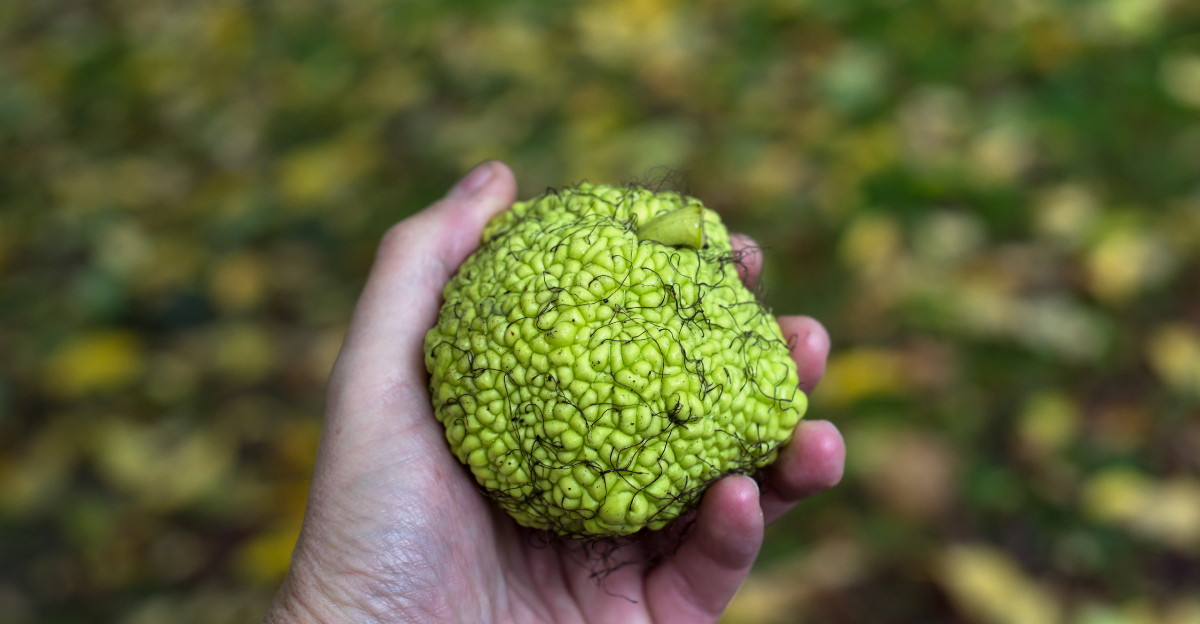
Every October, something odd shows up in Indiana garages and basement corners. It is round, bumpy, and greener than a tennis ball that lost a fight.
Neighbors hand them out like party favors, usually in grocery sacks or the bed of a pickup. Nobody charges much money for them, and nobody quite agrees on why they work.
Grandparents swear by the ritual and set them out before the first hard frost. Kids mostly want to throw them at fence posts, which is fair.
The smell is faint and citrusy, a little like orange peel mixed with fresh cut grass. Stick around, because the story behind this fall habit is stranger than you might guess.
Indiana’s Bumpy Green Basement Guest
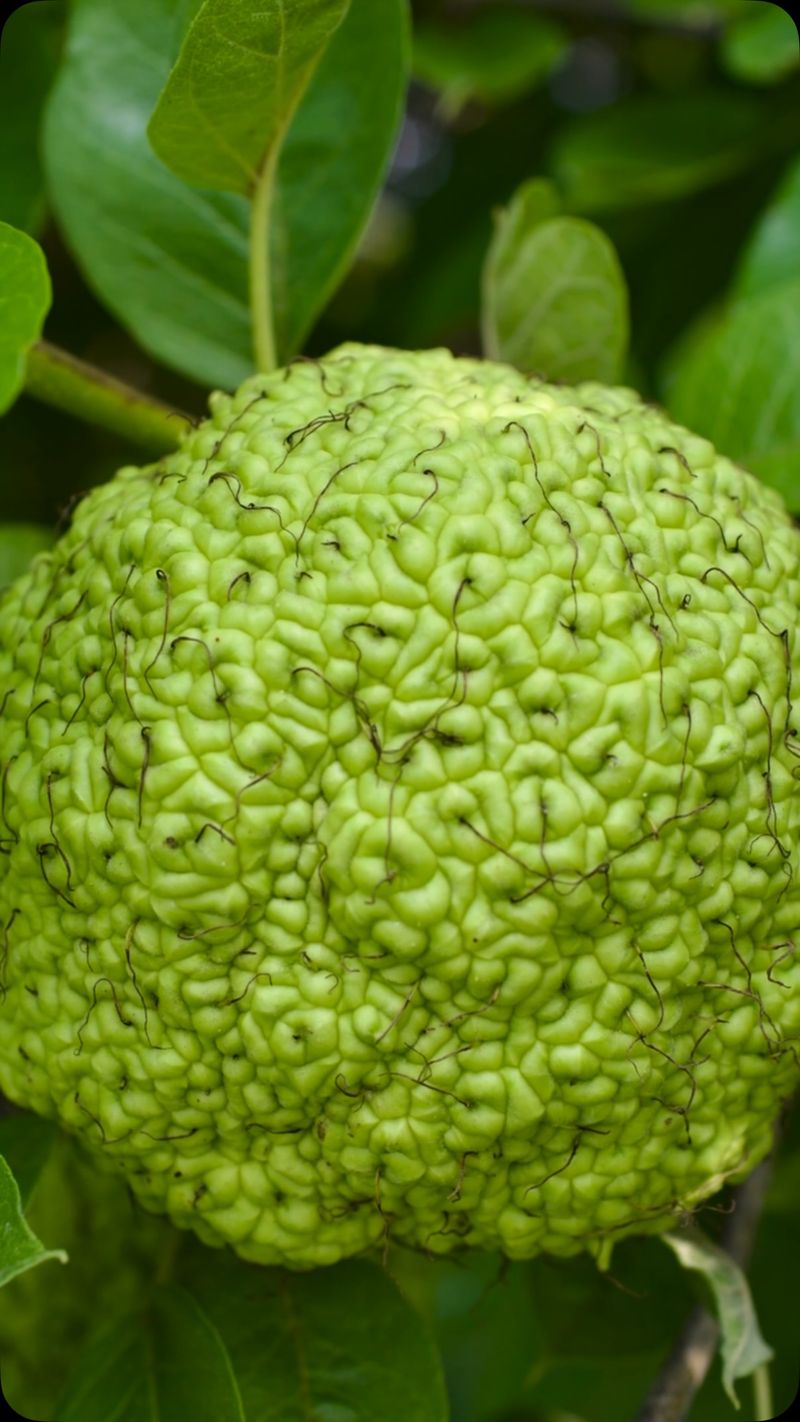
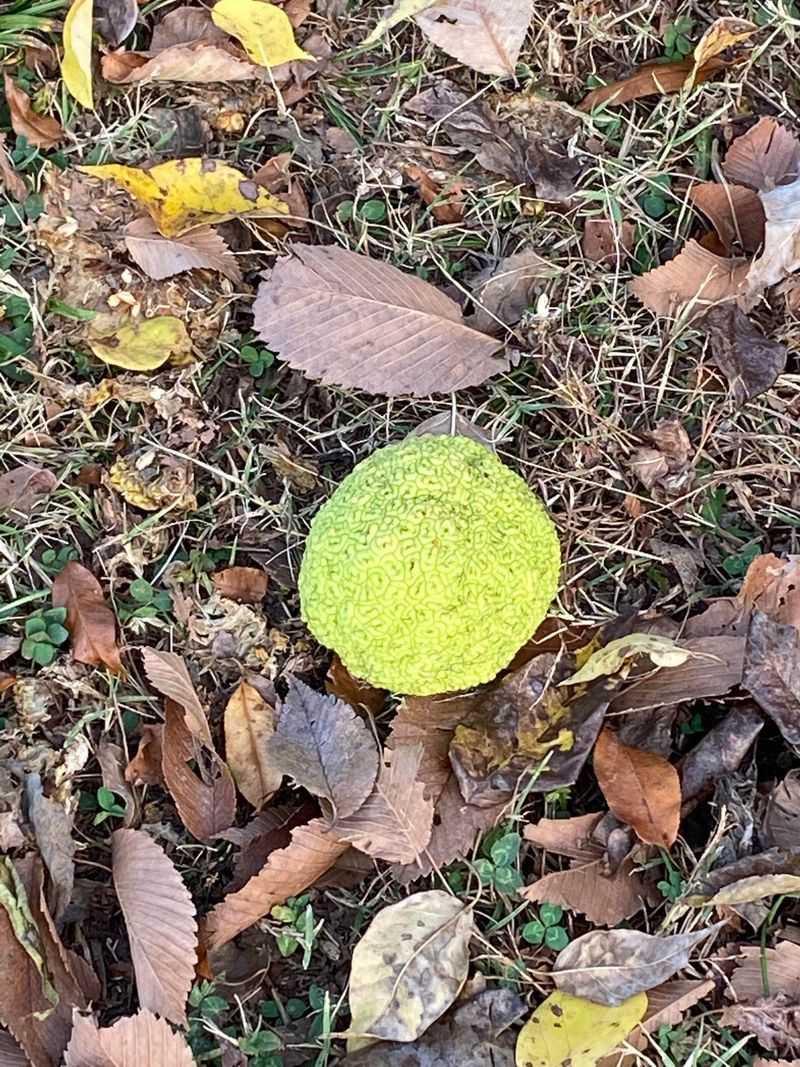
Picture a softball that rolled through a compost pile and came out wrinkled. That bumpy green ball is the fruit of the Osage orange tree, known to botanists as Maclura pomifera.
Hoosiers call them hedge apples, monkey balls, or horse apples, depending on which county raised you. Despite the nicknames, the fruit is not related to apples or oranges at all. It belongs to the mulberry family, which explains the milky sap that leaks out when you slice one open.
The trees traveled to the Midwest from a small pocket of Texas, Oklahoma, and Arkansas. Settlers planted thousands of them in long rows because the thorny branches grew into living fences that held cattle in place. Barbed wire arrived in the 1870s, and the trees stayed behind as windbreaks along Indiana fields.
Each fruit weighs close to a pound and gives off a faint citrus scent when scratched. The surface looks like a brain made of tiny green knuckles, which is exactly why kids grab them first.
Squirrels gnaw them apart for the seeds, but most animals ignore them. That is part of the mystery, since a fruit this large usually has a hungry fan club. Some scientists suspect the trees once fed giant ground sloths and mastodons that roamed North America ages ago.
So the fruit rolls into fall with no real job except the one people gave it: guarding basement corners. That leftover assignment is why grocery sacks full of them appear on Indiana porches every October.
Tracking Down Free Bushels Across Hoosier Country
Ask around at a small-town coffee shop in late September and someone will point you toward a fence row. Free fruit is rarely more than a short drive away.
Osage orange trees line old property boundaries all over central and southern Indiana, especially near Terre Haute, Bloomington, and the Wabash Valley. Look for gnarled trunks, orange-tinged bark, and thorny twigs along country roads. Once the fruit drops, the ground beneath those trees looks like a bowling alley.
Farmers markets sell them by the bag from October into early November, usually for a dollar or two apiece. Roadside stands, garden centers, and church fundraisers often carry them too.
Ask permission before gathering fruit on private land, even if a branch hangs over the ditch. Most landowners are glad to see the mess hauled away, and a friendly knock often earns you a free trunkload.
Wear gloves and old shoes. The sap is sticky, stains fabric, and irritates skin on people who handle large batches.
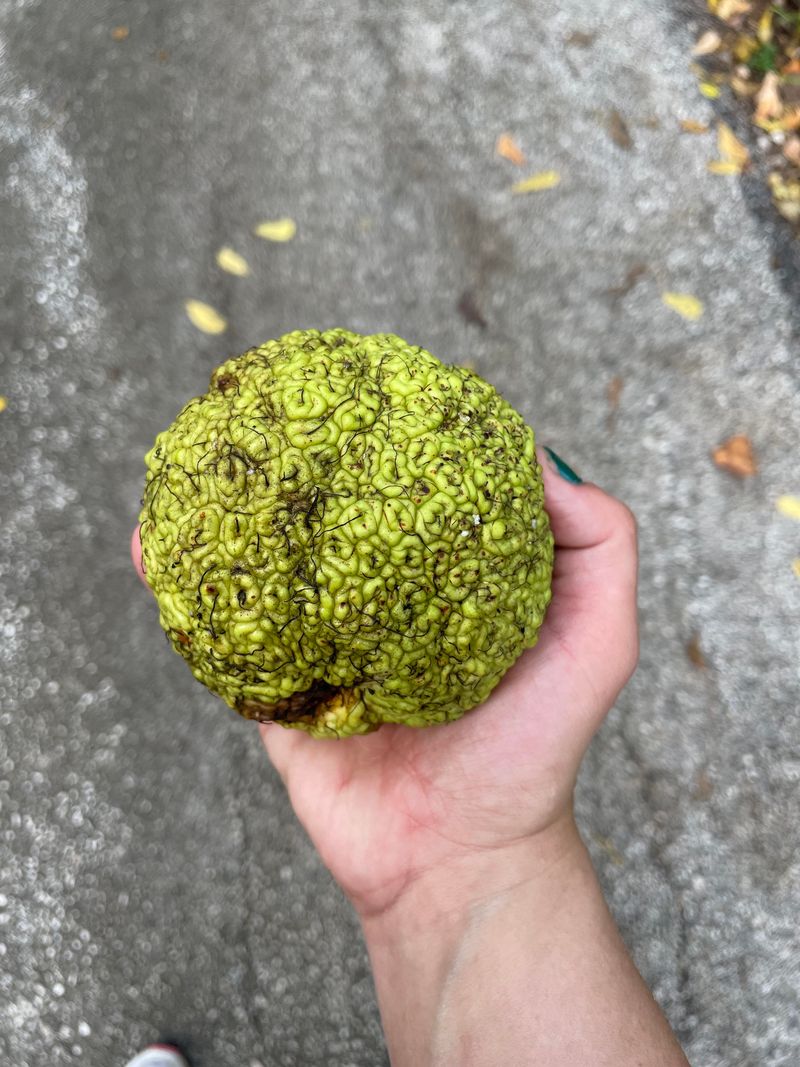
Choose fruit that is firm, bright green, and free of cracks or soft spots. Bruised ones break down quickly and turn into a sticky puddle on your basement floor.
Load them into milk crates or laundry baskets instead of plastic bags so air can circulate. A pickup bed liner helps, because that sap is stubborn on carpet.
Plan on six to twelve fruits for an average basement, plus a few extras for the garage. They cost almost nothing, so overpacking only costs you trunk space.
The Basement Spider Legend That Refuses To Fade
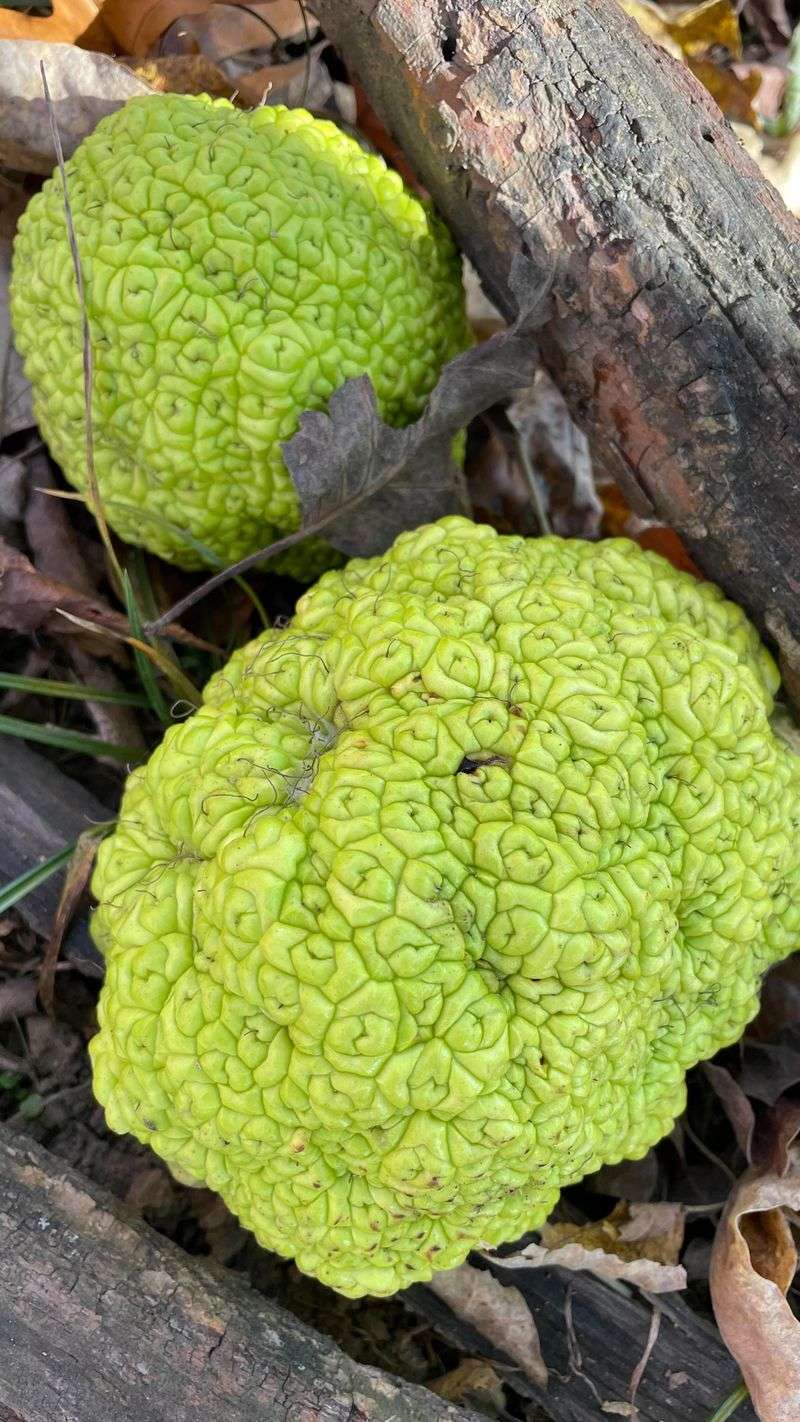
Ask a Hoosier grandmother why green balls sit behind the furnace and she will not hesitate: bugs hate them. Case closed, in her opinion.
The tradition traveled north with prairie settlers and settled deep into Indiana farmhouses. Families tucked fruit under beds, along baseboards, and in cellar corners before the first frost. The habit passed from porch to porch until it felt as ordinary as putting away the garden hose.
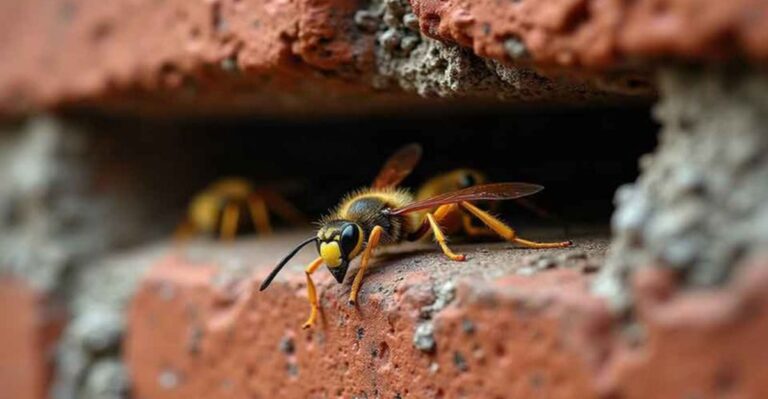
Spiders collect most of the blame in these stories, though crickets, roaches, and boxelder bugs come up often. The claim is simple: a scent drifting off the fruit convinces creeping visitors to look for a friendlier address.
Nobody wrote the recipe down in a lab notebook. It spread through word of mouth, county fair chatter, and newspaper garden columns during the 1930s and 1940s.
There is comfort in the ritual itself, and that matters more than folks admit. Setting out fruit marks the turn of the season, right alongside stacking firewood and testing the sump pump.
Even skeptical homeowners keep at it because the cost sits near zero. A bag of fruit from a fence row asks nothing except a little floor space.
Hardware stores in small Indiana towns still stock them next to the mums. Clerks say customers rarely ask if the trick works.
Belief, in this case, is half the tradition. The other half is a basement that smells faintly of citrus through November, which is not a bad trade.
Iowa State Uncovers The Chemistry Behind The Legend
Researchers at Iowa State University put the old legend under a microscope in the late 1990s. They found genuine repellent compounds inside the fruit, including one named elemol.
Elemol behaves somewhat like the active ingredient in certain commercial repellents when it is concentrated and applied directly. Lab extracts pushed away cockroaches, crickets, and mosquitoes at respectable rates.
Here comes the catch. A whole fruit sitting quietly on concrete releases only a trace of that compound into the surrounding air.
Entomologists at other land grant schools reached similar conclusions: the chemistry is real, the delivery is weak. Spiders also sense their surroundings differently than insects do, so a scent aimed at roaches may not bother them much.
Think of a single drop of perfume in a gymnasium. The molecules exist, just spread far too thin to change anybody’s plans.
None of that makes the tradition silly. It simply means the fruit works as a charming supplement rather than a replacement for sealing gaps around basement windows.
Folks wanting more punch sometimes slice a fruit in half to expose fresh surface and boost the aroma. Fair warning: cut fruit molds sooner and leaks sticky sap onto whatever sits below.
Set a saucer or scrap of cardboard underneath and you get stronger scent with far less cleanup. Just keep expectations reasonable about what one bumpy fruit can accomplish.
Science and folklore can share a basement shelf. In this case, they mostly get along fine.
Corners, Window Wells, And Sump Areas
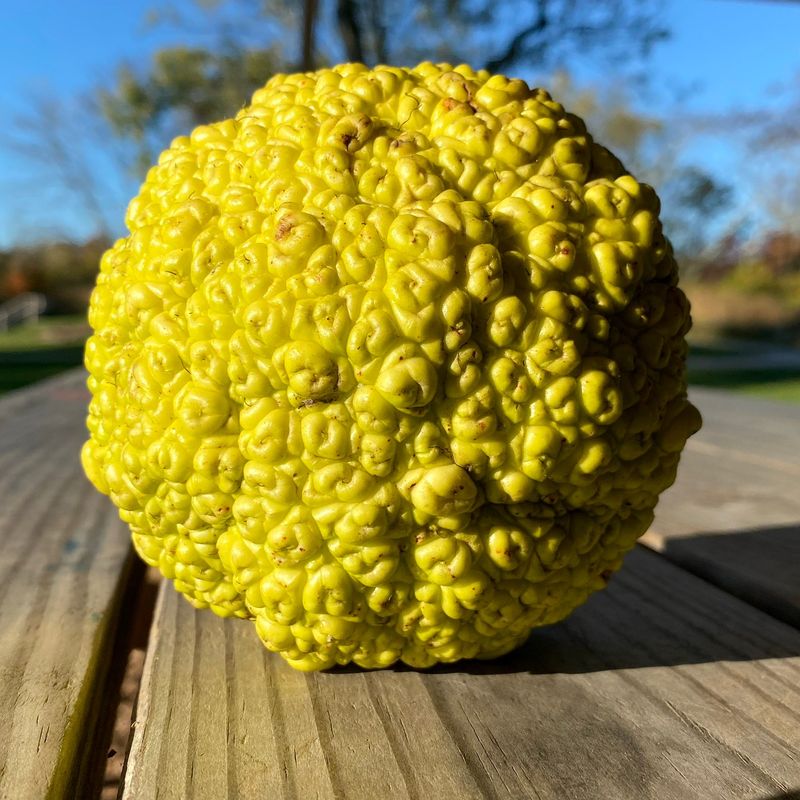
Guessing where to set the fruit wastes half a bushel. Pests enter along predictable paths, so follow those paths instead of scattering fruit at random.
Start with the perimeter. Place one fruit in each basement corner, since corners gather webs, dust, and slow-moving crawlers.
Add one near the sump pit and another beside the floor drain, because moisture attracts pests better than any snack. Window wells deserve attention too, especially in older Indiana homes with block foundations and crumbling mortar.
Set a fruit at the bottom of the stairs and one behind the water heater. Both spots stay warm, quiet, and undisturbed, which is exactly what a cellar spider shops for.
Use trays, foil pie pans, or old plastic lids underneath each one. Juice eventually seeps out, and concrete stains are miserable to scrub.
Keep fruit off wooden shelves and away from stored cardboard boxes. Damp fruit and cardboard make a moldy pair.
Six to eight fruits usually covers a standard basement of 800 to 1,000 square feet. Cramming in twenty does not double the effect, it only doubles the cleanup.
Crawl spaces, garages, and unheated mudrooms get the same treatment. In a garage, tuck one behind each door track where boxelder bugs cluster on sunny fall afternoons.
Write the date on masking tape and stick it to the wall nearby. Future you will appreciate knowing when the batch went down, and it takes about ten seconds.
Keeping Toddlers, Dogs, And Nosy Cats Out Of Trouble

A hedge apple looks a lot like a toy, which is exactly the problem in a house with a toddler or a Labrador. Curiosity moves fast in both.
The fruit is not considered poisonous, though it is dense, heavy, and roughly grapefruit sized. A dog that tries to swallow chunks can choke or develop a blockage that requires a vet visit.
Milky sap seeps from the stem end and any cut surface. Some people get itchy red skin after handling several fruits, so gloves make sense during collection and cleanup.
Keep fruit out of reach on a shelf edge or behind a closed utility door when pets roam the lower level. Rural Indiana livestock owners watch cattle and horses closely, since a whole fruit can lodge in an animal’s throat.
Nobody should eat them, and that includes kids taking a dare. The flesh is bitter and fibrous, although the seeds inside are technically edible and taste faintly like sunflower seeds.
Wash your hands afterward. Sap transfers to eyes easily, and that sting is memorable.
Mold is the other concern worth watching. As fruit softens over several weeks, fuzzy patches appear, and household members with allergies or asthma may notice stuffiness in a closed basement.
Airflow helps, so skip sealed bins and cramped closet floors. A running dehumidifier keeps the entire room more comfortable anyway.
Treat the whole thing as a low-risk seasonal habit. A little planning keeps it that way for everybody under the roof.