Is Mulching With Old Tomato Vines A Smart Move Or A Risk For Indiana Gardens?
October in Indiana brings crisp mornings, golden maple leaves, and garden beds full of tired vines. Many gardeners stare at that tangled green pile and wonder if it could become something useful.
Recycling garden leftovers sounds thrifty and earth-friendly, like turning old scraps into rich, crumbly soil for free. Yet some of those old stems carry hidden troubles that can sneak back into your beds.
Picture a quiet freeloader riding on a brown leaf, waiting through snow and ice for warmth. That sneaky hitchhiker can turn a simple cleanup shortcut into a season of spotted, weak plants.
Indiana weather adds its own twist, with humid summers and freezes that rarely clear out problems. Sorting what to keep from what to toss can save you time, money, and backyard headaches.
The Answer Depends On The Health Of The Plants Before Frost
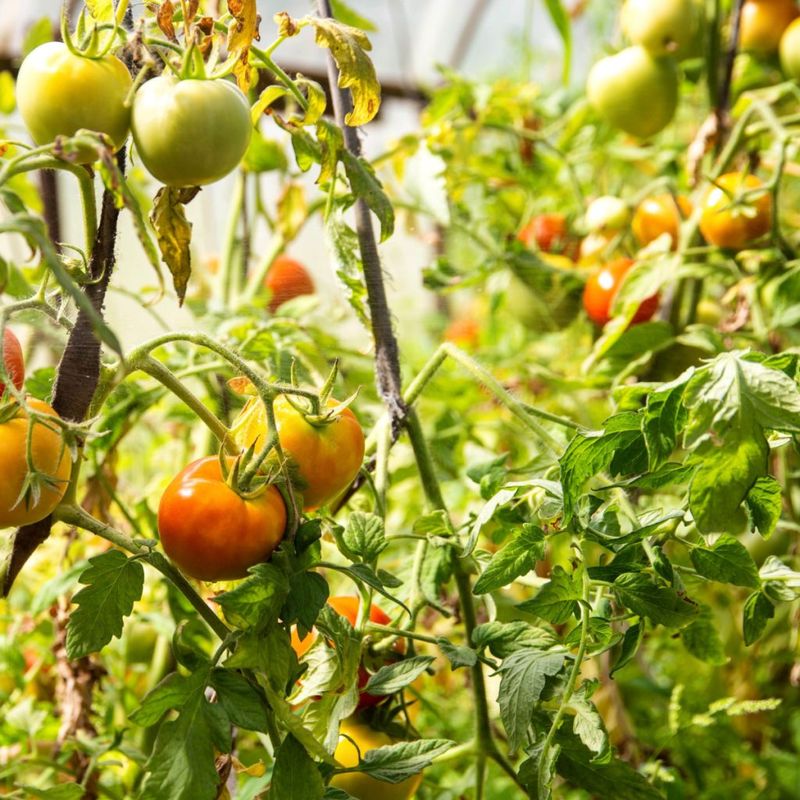
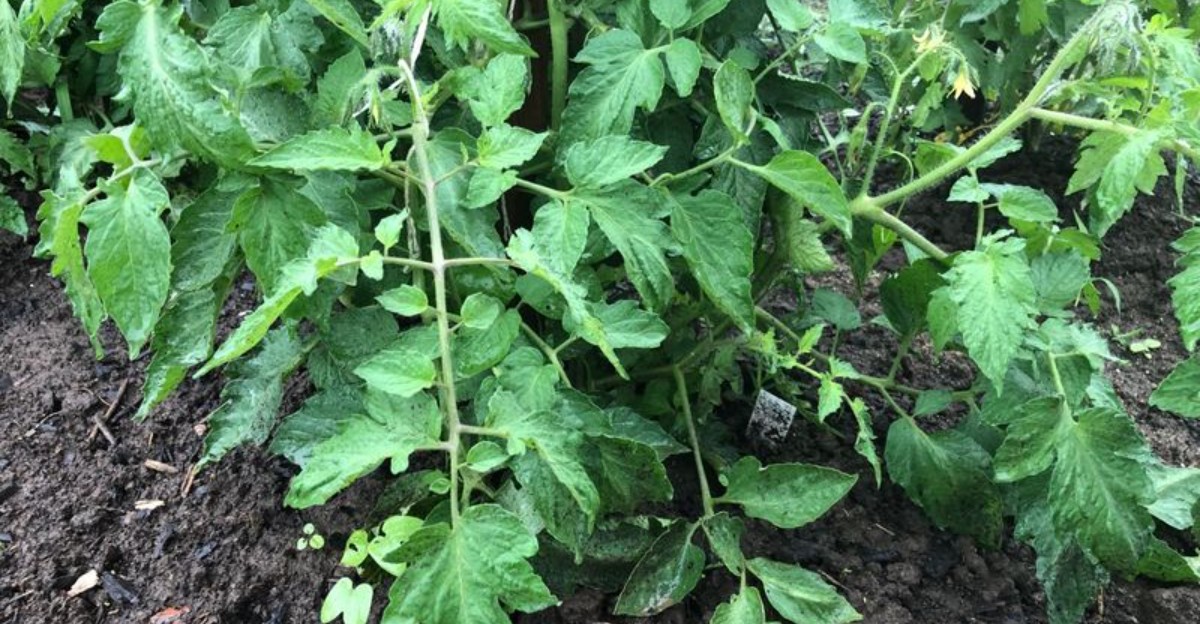
Think of your tomato patch like a report card, because the grades from August decide what happens in October. Vines that stayed green, leafy, and productive until the first chilly nights are usually fair game for reuse.
Plants that struggled with yellow leaves, black blotches, or fuzzy patches tell a very different story about safety. Those vines often carry germs that hang around long after the leaves shrivel and turn brown in the cold.
In Indiana, the first frost usually arrives from early to late October, depending on where you live. Northern counties often see frosty lawns first, while southern towns near the Ohio River may get a week or two longer.
Before that frost hits, take a slow walk down each row and look closely at the leaves and stems. Snap a few phone photos, since frost can turn leaves mushy and make disease clues harder to spot later.
A healthy vine has firm stems, clean green leaves, and fruit without sunken rings or dark, leathery patches. If most of your plants look like that, chopping them into mulch can return useful nutrients to the soil.
When only one or two plants look sick, pull those first and bag them separately from the rest. Keeping the sick ones apart helps you save the healthy material without mixing in any hidden trouble by accident.
Gardeners who feel unsure can play it safe and send questionable vines out with the yard waste pickup. A little caution this fall often means stronger, happier plants when you set out new transplants next May.
Leaf Spots That Mean The Plants Should Skip The Garden Bed
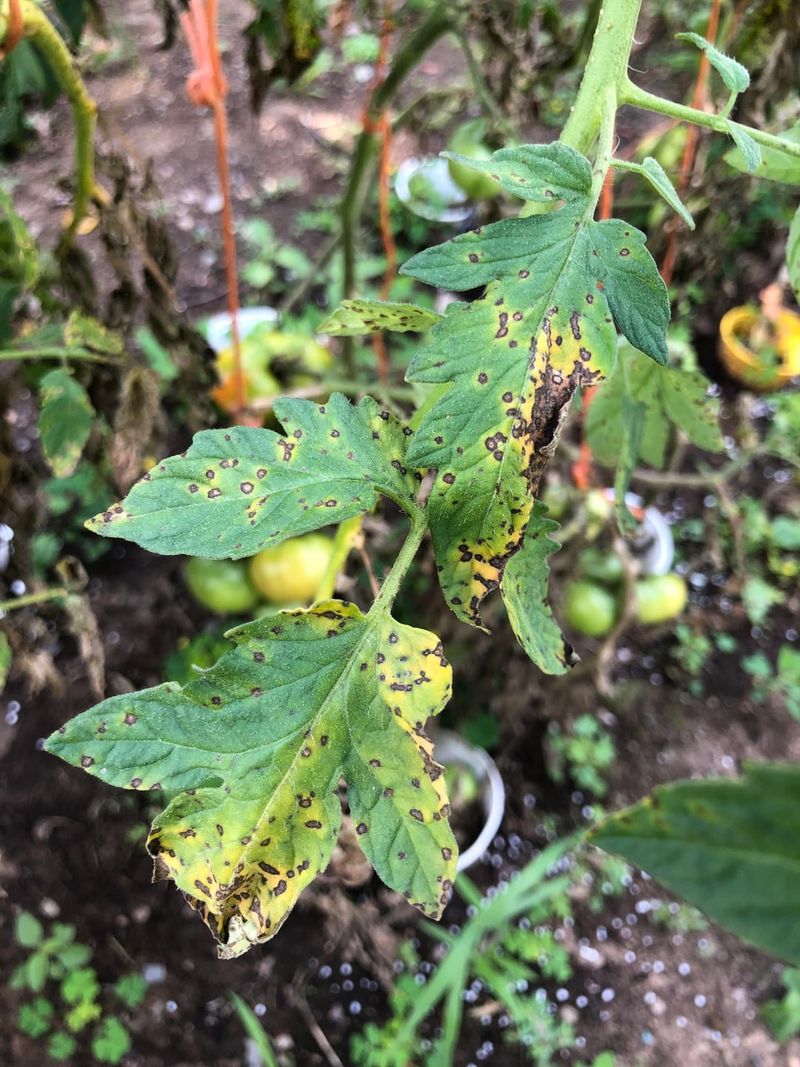
Grab a magnifying glass and take a close look, because leaf spots leave clues worth reading. Each pattern points to a different cause, and some of them should stay far away from your beds.
Early blight shows up as brown spots with rings inside, a bit like a tiny target or tree stump. It usually starts on the lowest leaves and climbs upward, turning the foliage yellow as it moves along.
Septoria leaf spot looks different, with many small round spots that have gray centers and dark brown edges. Look closely and you might see tiny black specks in the middle, which are packed with fresh spores.
Your Indiana Garden Changes Every Week. Your Plan Should Too.
Gardening in Indiana changes quickly throughout the season. Every Friday you’ll receive a simple weekly plan showing exactly what to plant, prune, fertilize, harvest, and protect so you never miss the right timing.
Late blight is the troublemaker that worries gardeners most, with large greasy patches and white fuzz underneath. It spreads quickly in cool, damp weather, so it deserves extra attention.
Bacterial spot and bacterial speck also appear in Indiana, leaving small dark dots that may have yellow halos. These germs can ride along on leaves and seeds, so infected vines are poor choices for mulch material.
If these signs show up on more than a few leaves, skip the garden bed and compost pile. Home compost piles rarely get hot enough to cook out stubborn germs, especially in cool October weather.
Bag the spotted vines tightly, or ask your town if it accepts plant waste at a hot municipal facility. Purdue Extension offices across the state can also help identify mystery spots if you bring in a sample.
Fungal Spores That Survive Winter In Plant Debris
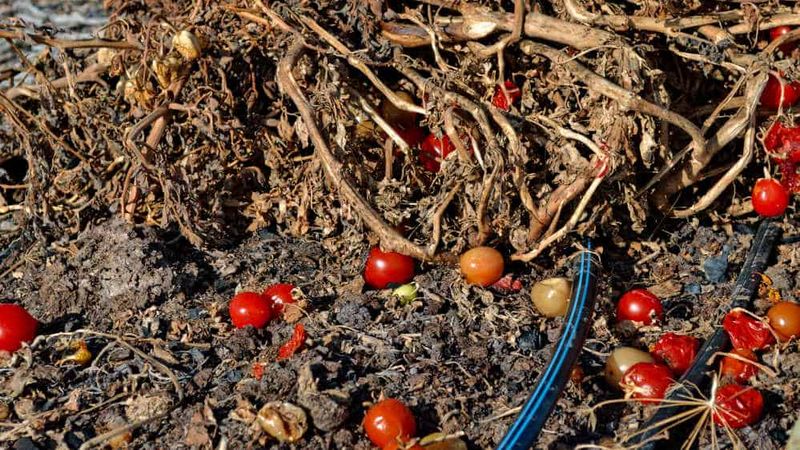
Imagine a tiny traveler packing a suitcase in October and sleeping inside a crumpled leaf until next spring. That picture sums up how many fungal spores handle a cold Indiana winter without much trouble at all.
Spores are like microscopic seeds, and they can rest in stems, leaves, and fallen fruit for months. Snow even acts like a cozy blanket, keeping the debris underneath a little warmer than the frozen air.
Early blight spores are especially tough and can hang on in garden debris for a year or longer. Septoria behaves the same way, waiting quietly on old stems until warm, wet weather wakes it up again.
Once spring rain arrives, drops of water splash the spores from the soil onto the lowest new leaves. That splash is how last year’s problem quietly becomes this year’s problem without you noticing right away.
Late blight is a bit different, since it mostly needs living tissue like potato tubers to survive winter. Leftover potatoes in the ground or a cull pile can keep that troublemaker going until the next season.
Spreading infected vines as mulch is a bit like rolling out a welcome mat for these unwanted guests. The spores land right where next year’s plants will grow, giving them a head start on spreading.
A thorough fall cleanup removes much of that hidden supply and gives your soil a fresh starting point. Rake up fallen leaves and rotten fruit too, since small scraps can hold surprising numbers of spores.
Safe Ways To Chop Healthy Plants Into A Thin Layer
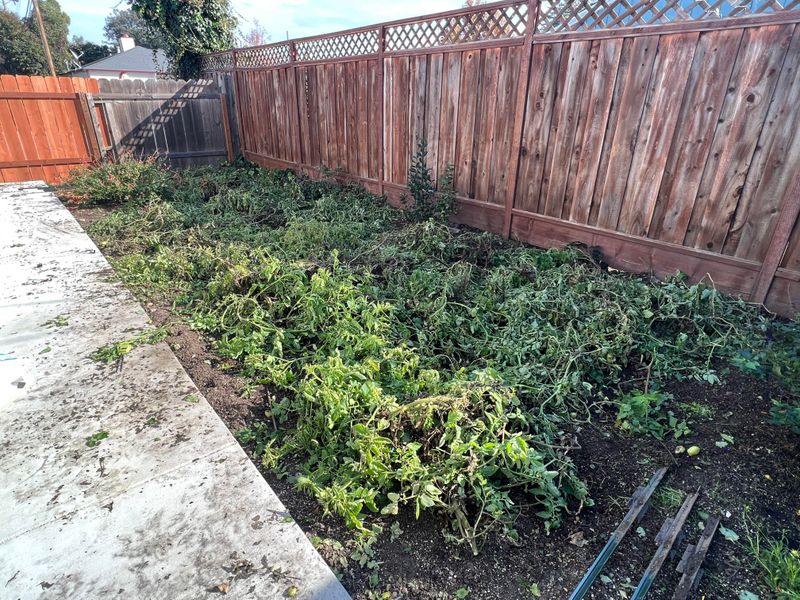
Some of the best mulch in your yard might be the leafy green pile you were about to haul away. Healthy tomato vines break down fast and add nitrogen, potassium, and organic matter back into tired soil.
Start by stripping off any remaining fruit, since green tomatoes can sprout or rot if left behind. Pull off cages, stakes, and twine next, so nothing tangles in your tools or blows around the yard.
Next, cut the vines into pieces about two to four inches long using pruners, loppers, or sharp shears. A lawn mower with a bagger also works well if you spread the vines flat on the grass first.
Small pieces matter, because thick, long stems take much longer to break down and can mat together. Matted layers trap moisture against the soil surface, which can invite slugs and mold over the cold months.
Spread the chopped bits in a thin layer, roughly one to two inches deep, across the empty bed. Mixing them with shredded fall leaves balances the green material and creates a fluffy, earthy blanket for winter.
Remember to wash your pruners or mower blade afterward with soapy water or a mild bleach solution. Clean tools help keep sneaky germs from hitching a ride to your peppers, beans, or flower beds.
By early spring, most of the chopped material should soften into the soil, leaving a dark, crumbly surface. Earthworms love the snack, and their tunnels help water and air reach deeper roots next growing season.
Bed Rotation Rules For Nightshade Family Crops
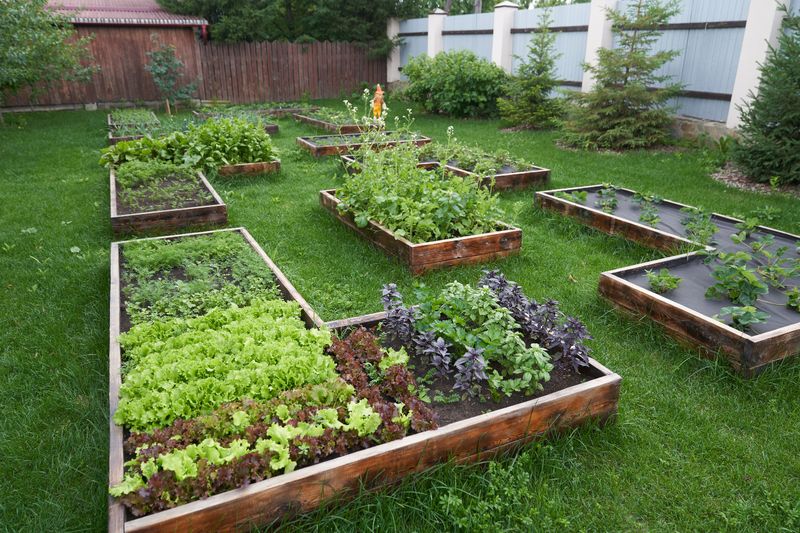
Tomatoes have a big family, and like any family reunion, the relatives tend to share the same germs. Peppers, potatoes, eggplants, and tomatillos all belong to the nightshade group, also called the Solanaceae family.
Because they are so closely related, many of the same blights and wilts can bother every one of them. Planting them in the same spot year after year lets those problems build up in the soil.
Most experts suggest waiting at least three years before returning any nightshade crop to the same bed. In between, fill that space with beans, peas, lettuce, squash, or sweet corn to break the cycle.
That rule matters for mulch too, because spreading tomato vines on a future pepper bed defeats the purpose. Even healthy vines are safer as mulch on beds meant for corn, beans, or cool season greens.
A simple garden map can make rotation much easier, especially when winter makes every bed look alike. Sketch your beds this October, label what grew where, and tuck the drawing inside your seed box.
Small Indiana yards may not have room for a perfect three year plan, and that is okay. Large containers with fresh potting mix offer a clever workaround for gardeners with only one sunny spot.
Choosing disease resistant varieties also helps, so look for letters like F, V, or EB on seed labels. Those little codes signal extra protection against common wilts and blights found in many Midwest backyard gardens.
Volunteer Seedlings That Pop Up From Leftover Green Fruit In Spring
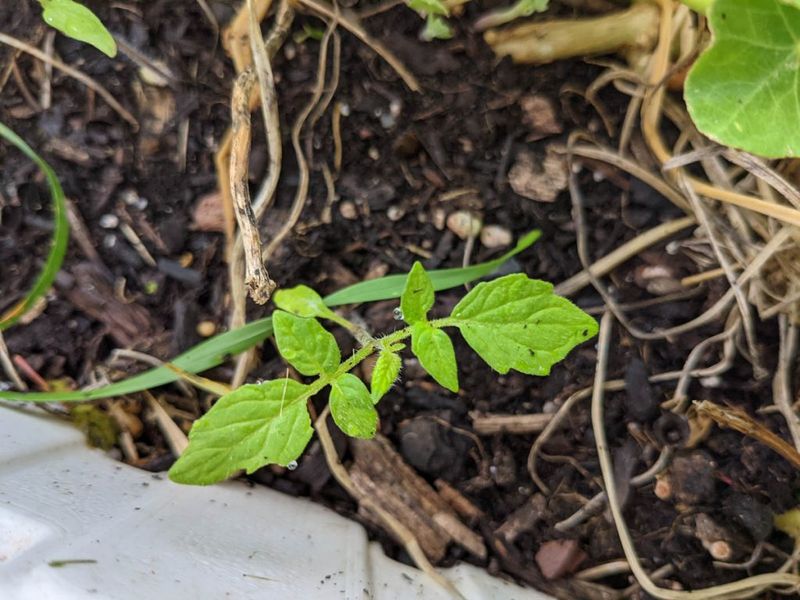
Plenty of gardeners know the surprise of finding tiny tomato sprouts popping up in places nobody planted them. Those cheerful little volunteers usually come from green or rotten fruit that dropped and stayed buried over winter.
A single tomato can hold more than a hundred seeds, each wrapped in a slippery gel coating. Some of those seeds can handle freezing Indiana winters and sprout once the soil warms up in May.
Free plants sound wonderful, but volunteers can cause headaches that outweigh the bonus of an extra harvest. They may carry diseases from last year, and they pop up right in the middle of your rotation plan.
Many volunteers also grow from hybrid parents, so their fruit often looks and tastes different than expected. You might plant a giant slicing tomato and end up with small, sour fruit from its leftover seeds.
Picking up fallen fruit this October is the easiest way to keep surprise seedlings to a minimum. Bring firm green tomatoes indoors to ripen, and toss mushy or split ones into the trash bin.
When chopping vines for mulch, double check that no small fruit is hiding inside the tangled leaves. Next spring, pull any volunteer sprouts while they are tiny, since their roots come out easily then.
A few gardeners enjoy letting one strong volunteer grow as a fun experiment in a separate corner. Just keep it away from your main beds, and watch closely for spots or wilting leaves during summer.