The Green Tennis Balls Dropping In New Jersey Yards Right Now Can Signal Trouble For Nearby Garden Plants
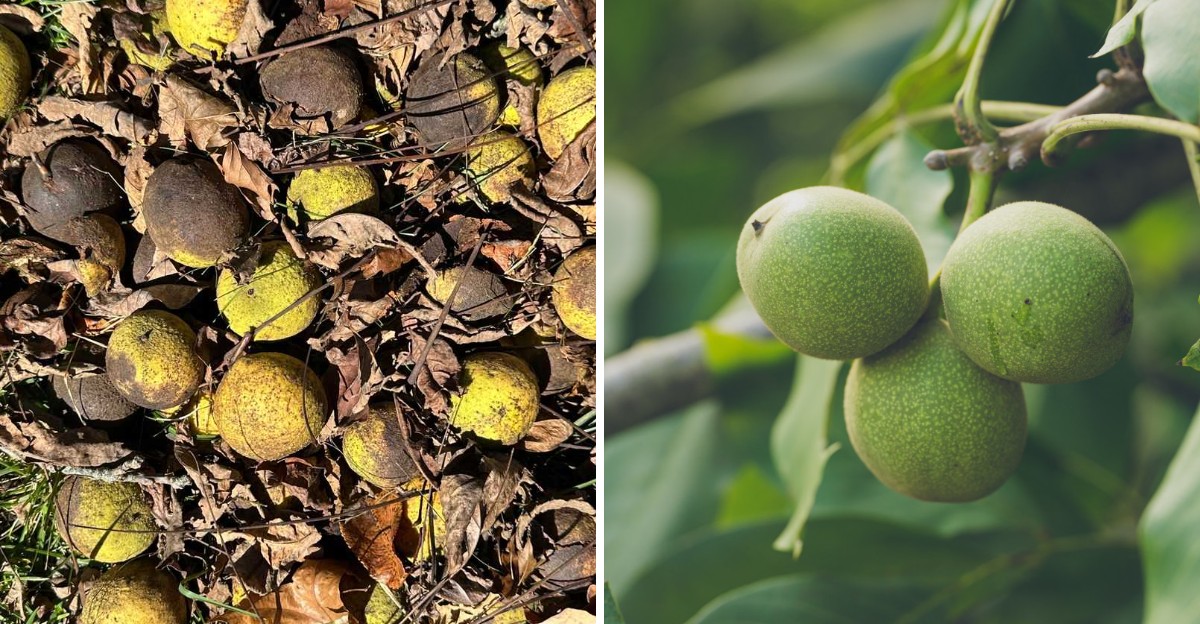
That heavy thunk on your porch roof came from a suspect you trusted. You spot a green, lemony orb the size of a tennis ball.
Inside that husk sits a black walnut, and the tree above you is loaded. Squirrels know the prize, and you can watch them gather nuts across New Jersey.
Juglone, a chemical leaching from those roots, can wilt the tomatoes and peppers you tend. Pep talks and fertilizer could not outmuscle that toxin, so you stop blaming yourself.
Roots spreading beyond the canopy reach farther than you think. Autumn raises the stakes, because you now face falling husks that stain skin and driveways.
Wear gloves when you handle them, since the stain lingers for days. Soon you will spot the pattern, and New Jersey gardeners share your frustration. Your tomatoes may have a culprit: the tree above.
Juglone, The Black Walnut’s Hidden Defense Chemical
Picture a tree that guards its turf like a grumpy neighbor with a garden hose. Black walnut trees do something close to that, using chemistry instead of water.
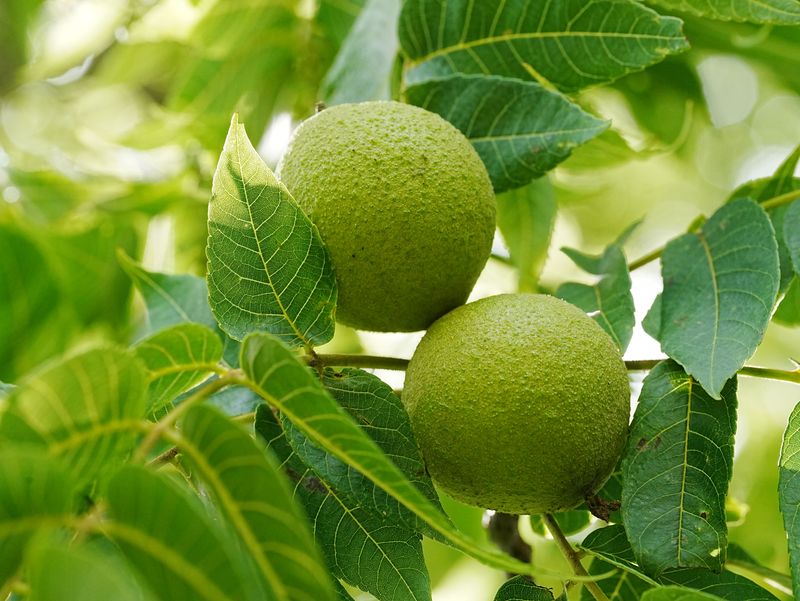
Confirm the tree by its smooth, dotted green husks and long leaves of many paired leaflets. Wilting can also come from Fusarium, Verticillium, or water stress, so check distance from the trunk.
The secret ingredient is called juglone, a natural compound found in the roots, leaves, bark, and nut husks. Scientists call this kind of plant behavior allelopathy, which means one plant influencing another through chemicals.
Juglone stays harmless while it sits inside living plant tissue. Once it touches air and soil, it changes into a form that bothers sensitive neighbors.
Many garden plants have trouble taking up water and nutrients when juglone reaches their roots. Their leaves turn yellow, curl, and wilt, even on cool days with plenty of water.
The roots of a mature walnut can spread far beyond the branches above. A safe rule is to expect trouble up to 50 or 60 feet from the trunk.
Those green balls dropping now add to the juglone load, though living roots remain the main source. Each husk holds a strong dose of juglone that seeps out as it softens and rots.
Tomatoes, peppers, potatoes, and eggplants are among the most sensitive plants in a New Jersey yard. Blueberries, azaleas, and rhododendrons often struggle too, which can surprise homeowners.
Native Americans and early settlers even crushed walnut husks to stun fish in streams. That old trick shows just how powerful this chemical can be.
Knowing the cause helps you stop blaming yourself for that struggling vegetable patch. The tree is simply doing what walnut trees have done for thousands of years.
October Husk Drop And The Timing Of Trouble
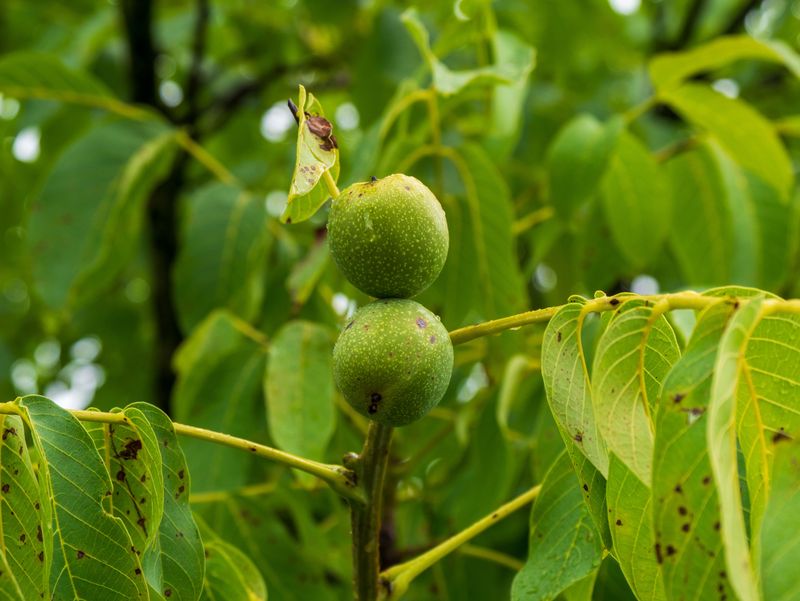
Walk under a black walnut in October and you might want a helmet. The tree drops its round, green fruits by the hundreds, sometimes in a single windy afternoon.
Across New Jersey, the main drop usually runs from late September through October. Some trees keep tossing stragglers into early November, depending on the weather and the tree’s age.
Your New Jersey Garden Changes Every Week. Your Plan Should Too.
Gardening in New Jersey changes quickly throughout the season. Every Friday you’ll receive a simple weekly plan showing exactly what to plant, prune, fertilize, harvest, and protect so you never miss the right timing.
Fresh walnuts look bright green and feel firm, like an underinflated tennis ball. Within a couple of weeks, the husks turn yellow, then soft, then dark and pulpy.
That mushy stage is the real problem for your soil. As husks break down, rain washes juglone into the ground right where they landed.
Fall rain in the Garden State speeds this up quite a bit. A few soggy storms can push the chemical deep into flower beds and vegetable rows.
Leaves join the party at the same time, since walnuts shed early in autumn. Their leaflets carry juglone too, though usually in smaller amounts than the husks.
Squirrels add another twist by burying nuts all over the yard. You might find walnut seedlings popping up in strange spots next spring, far from the parent tree.
Pay attention to this window, because early cleanup helps later. Each husk you pick up in October is one less source of juglone for spring.
Mark your calendar for next fall, too, so the cleanup becomes a yearly habit. A little planning turns a messy surprise into a simple seasonal chore.
Composting Walnut Debris Safely
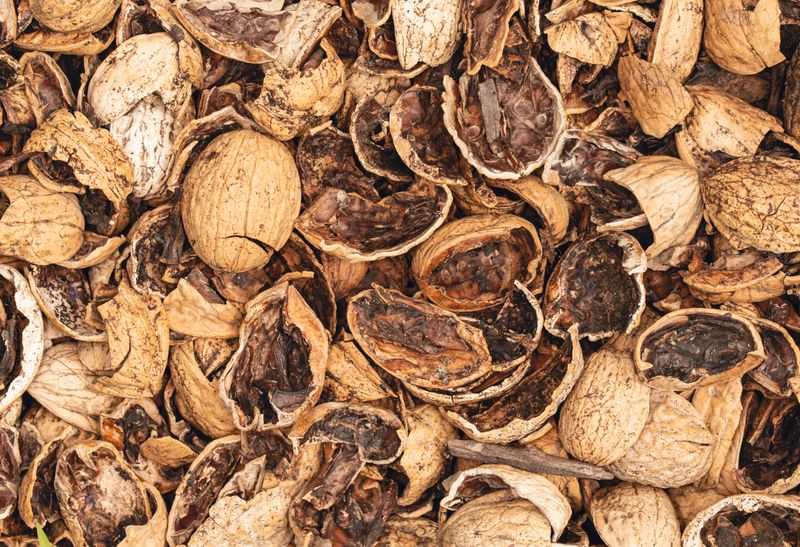
Raking up a big pile of walnut leaves and husks feels like a win. Tossing that pile straight into the compost bin, though, can cause problems next spring.
Juglone does break down over time, but not overnight. Fresh walnut material can carry its chemical punch right into the finished compost you spread around tomatoes.
Extension guidance suggests letting walnut debris compost for several months before using it near sensitive plants, and longer for wood chips. Some gardeners wait a full year just to play it safe.
A hot, well-turned pile with plenty of air speeds up the breakdown. Cold piles that sit untouched in a shady corner hold onto juglone much longer.
Mulch made from walnut wood chips causes similar trouble in flower beds. If a tree service offers free chips, ask what kinds of trees they came from.
Another slip happens with the lawn mower. Shredding husks and leaving them on the grass may spread juglone across a wider area.
Grass handles walnut chemistry pretty well, so the lawn itself usually looks fine. The trouble shows up when those clippings later get raked into garden beds.
Bagging walnut debris for town yard waste pickup is often the easiest choice. Some New Jersey towns collect leaves curbside in fall, so check your local rules on whether husks and nuts are accepted.
A separate pile just for walnut material works well if you love composting. Label it, give it time, and test it on a hardy plant before trusting it.
Think of it like a stew that tastes better after a long, slow simmer. Patience here protects next year’s harvest.
A Smart Cleanup Plan For Fallen Walnuts
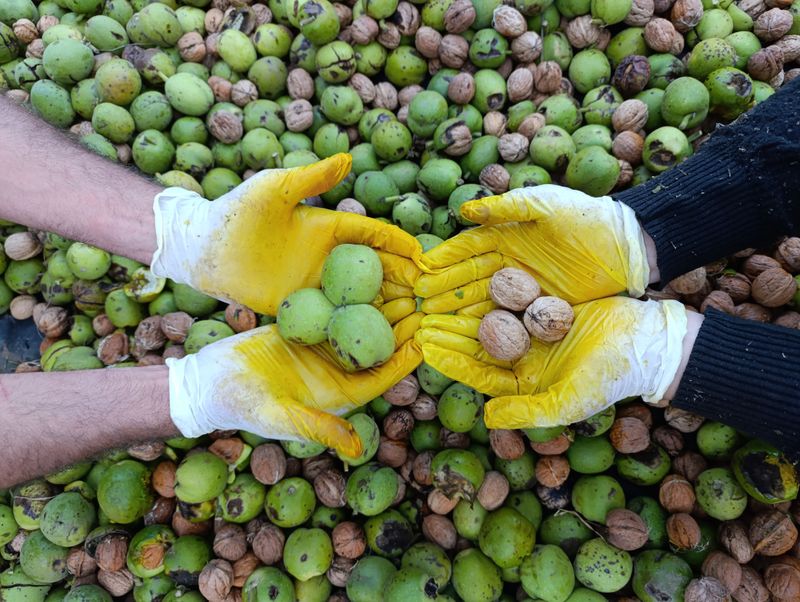
Grab gloves before you grab a single walnut, and you will thank yourself later. Those husks leave dark brown stains on skin that can last for days.
Pioneers once used walnut husks to dye cloth and even hair. Your hands will get the same treatment if you pick them up bare.
Aim to collect fallen walnuts every few days during the October drop. Picking them up while they are still green helps reduce the juglone reaching your soil.
A nut gatherer tool with a wire cage on a long handle saves your back. You simply roll it over the ground, and the walnuts pop inside.
Focus first on areas near vegetable beds, flower borders, and young shrubs. The lawn can wait a little longer, since grass tolerates the chemical fairly well.
Rake up walnut leaves too, especially before heavy rain rolls through. Wet leaves leach juglone faster and stick to everything like soggy paper towels.
Some people collect the nuts to eat, and black walnuts have a rich, bold flavor. Remove the husks outdoors on a tarp or driveway you do not mind staining.
Bag the leftover husks for yard waste pickup instead of dumping them in the woods. Spreading them elsewhere just moves the problem to someone else’s plants.
Keep a sturdy bucket by the back door all month long. Grabbing a handful each morning beats facing a large pile of soft husks in November.
Plants That Shrug Off Walnut Toxins
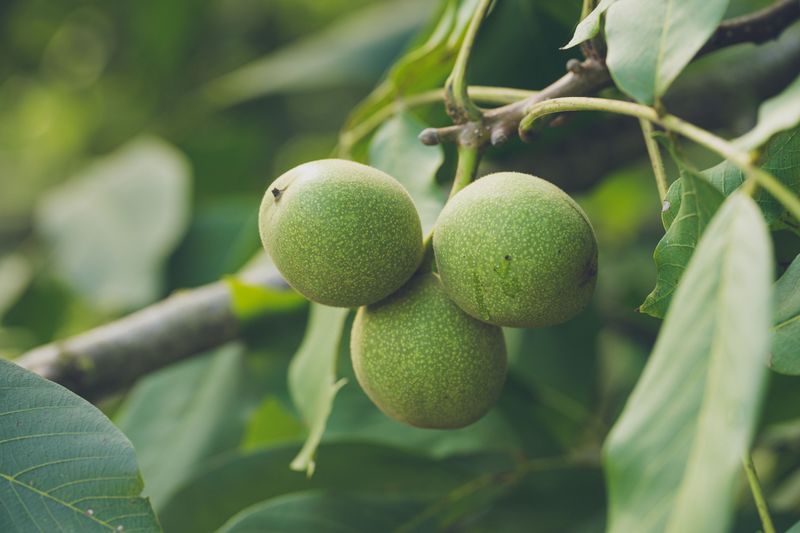
Not every plant panics when a walnut moves in next door. Plenty of tough, pretty options actually thrive right under those spreading branches.
Among vegetables, beans, onions, carrots, corn, and squash usually handle juglone without much fuss. Beets and parsnips tend to hold up well too, giving you a decent harvest.
Flower lovers have even more choices to play with. Daylilies, hostas, black-eyed Susans, and bee balm often bloom happily in walnut territory.
For shade under the tree, try ferns, astilbe, or wild ginger. Some native New Jersey woodland plants tolerate walnut roots well.
Shrubs like forsythia and viburnum are solid picks for borders. Red maple and redbud make sensible tree partners in the same yard.
Dogwood and some hollies are rated differently by different sources, so test one first.
Avoid tomatoes, peppers, potatoes, and eggplant anywhere near the root zone. Lilacs, peonies, blueberries, and apple trees also struggle more often than not.
Lists from university extension offices help a lot, but nature has its own opinions. One gardener’s happy hosta may sulk in another yard with different soil.
Try planting one or two test plants before filling an entire bed. Watch them for a full season and note how the leaves look by midsummer.
Rutgers Cooperative Extension is a useful resource for New Jersey homeowners dealing with walnut trees. Their local experts can answer questions about soil tests and plant choices too.
Choosing the right plants turns a frustrating corner into a lush, low-stress garden. Sometimes the smartest move is simply working with the tree instead of against it.
Future Garden Beds Built For Walnut Country
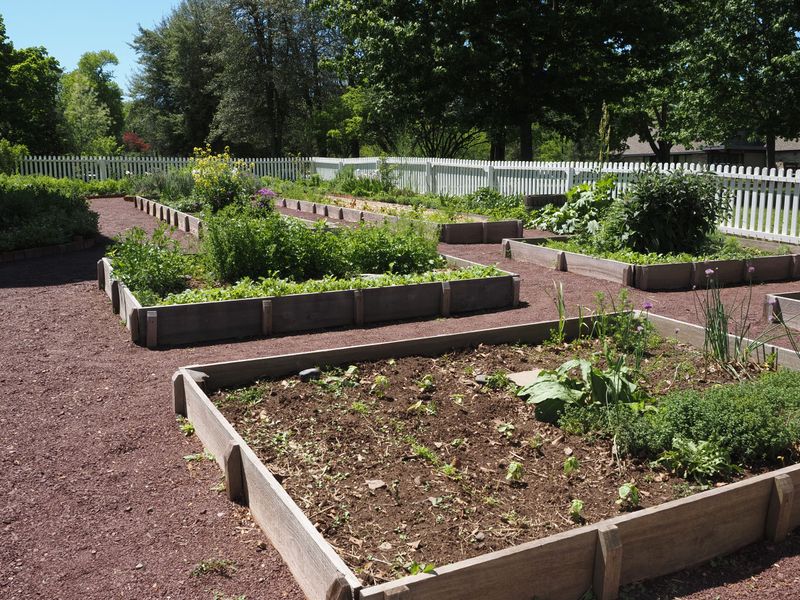
Moving a garden is easier than moving a 60-foot tree. That simple truth guides smart planning for walnut-heavy yards.
Raised beds are a favorite fix for gardeners who refuse to give up tomatoes. Build them at least 10 to 12 inches deep and fill them with fresh soil.
Give each bed a solid bottom, since fabric and cardboard are not reliable root barriers. Place the beds well outside the drip line, ideally 50 feet or more away.
Keep walnut leaves and husks out of those beds each fall. One careless rake job can set back your progress.
Containers offer another clever option for patios and decks. Big pots of peppers and herbs stay safe as long as walnut debris stays out.
Some homeowners decide to remove a walnut tree that sits too close to the house. Even then, roots can release juglone into the soil for several years.
Black walnuts also bring real benefits, so think carefully before calling a tree crew. The wood is prized for furniture, and wildlife feast on the nuts.
Sketch your yard on paper this winter and mark where the tree’s roots likely reach. A simple map makes planting decisions much clearer when spring arrives.
Talk with neighbors who share the tree, since roots ignore property lines. Teaming up on cleanup makes the whole block’s gardens healthier.
Next October, the green balls will tumble down again right on schedule. With good planning, your garden will shrug them off like an old pro.