The Michigan Native Tree That Spreads Into A Whole Grove And Why That Can Be A Good Thing
Walk through a Michigan forest and you may find a stand of trees that seem to share one secret. In many cases, they do. Quaking aspen sends up new shoots from its roots, and those shoots become new trees.
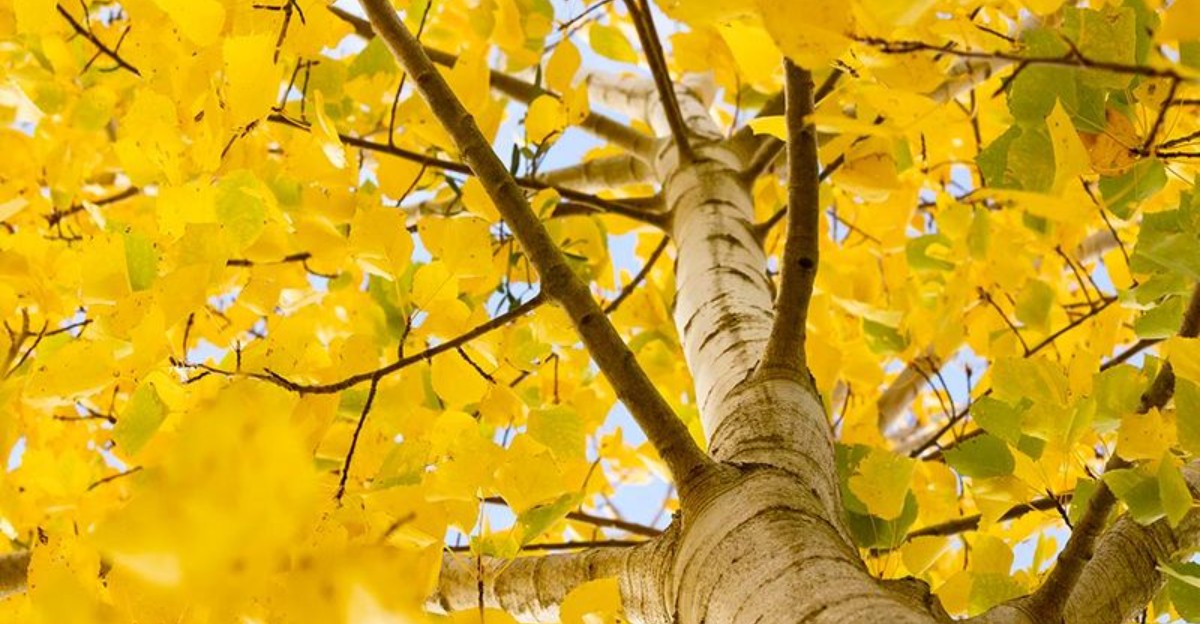
A single parent can grow into an entire grove, and every trunk is a genetic copy. The leaves flutter and shimmer in even the lightest breeze, which makes the sound unforgettable. In fall, the whole grove turns brilliant gold at the same moment.
Aspens also grow quickly, feed wildlife, and help restore damaged ground. Their habit of spreading is why some gardeners avoid them. For the right location, though, that same habit is a gift. It all depends on where you plant it.
1. Quaking Aspen Grows As A Connected Grove
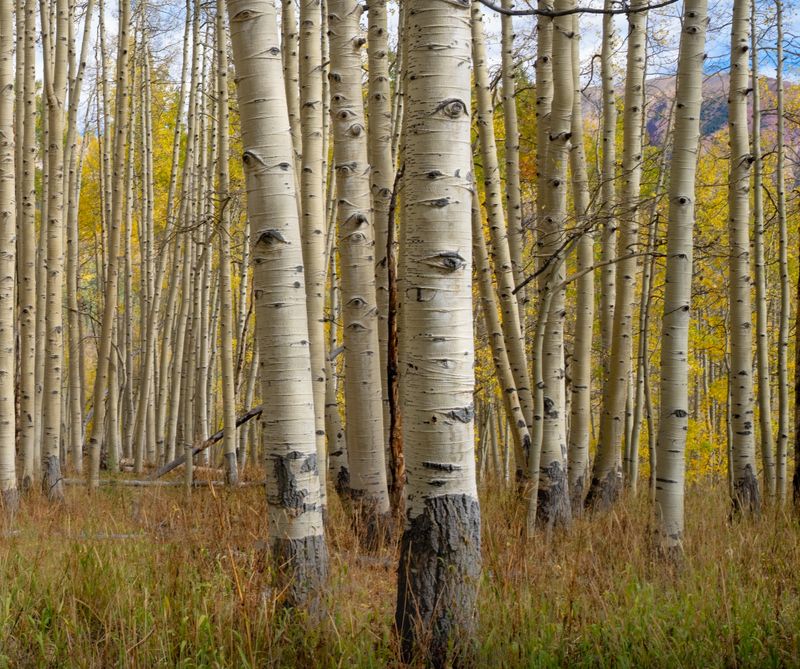
Walk into a stand of quaking aspen and you might think you are surrounded by dozens of separate trees. Surprise! Many of those white trunks are really one living thing that shares the same roots below your feet.
Aspen spreads in a clever way. Its roots run sideways just under the soil, and they send up new shoots called suckers. Each sucker grows into a trunk of its own, yet it stays connected to the parent root system and carries the exact same genes.
Scientists call a group like that a clone. Every stem in the clone matches the others, so they often leaf out on the same spring day and change color at the same time in fall.
If you look across a hillside and spot one patch turning gold while the next patch stays green, you are probably seeing two different clones side by side.
New shoots can pop up several feet away from the first tree, and sometimes much farther. As long as the grove gets plenty of sun and open space, it keeps creeping outward year after year. A single seedling can slowly become a small forest.
Michigan gives aspen plenty of room to show off this trick. Groves are a familiar sight along roads and trails in the northern Lower Peninsula and across the Upper Peninsula, where they often form bright, tidy patches next to pines and maples.
Next time you hike past one, try a simple test. Notice how the trunks share similar bark, leaf shape, and fall timing. You may be standing inside one enormous plant.
2. Groves Bounce Back Quickly After Fire Or Cutting
Few trees recover from a rough day as fast as aspen. When fire sweeps through, a storm knocks trunks flat, or loggers cut a stand, the story is far from over.
The secret lives underground. Aspen roots hold stored energy, and once the trunks above them are gone, those roots get a strong signal to grow. Soon thousands of fresh shoots can rise from a single acre, sometimes reaching several feet tall in their first summer.
Because of that quick comeback, aspen is often one of the first trees to return to open, sunny ground.
It shades the soil, builds new leaf litter, and gives slower trees like spruce and fir a sheltered place to get started. In a way, aspen acts like a fast-working repair crew for the forest.
Your Michigan Garden Changes Every Week. Your Plan Should Too.
Gardening in Michigan changes quickly throughout the season. Every Friday you’ll receive a simple weekly plan showing exactly what to plant, prune, fertilize, harvest, and protect so you never miss the right timing.
Foresters use this habit on purpose. They sometimes clear-cut mature aspen stands in planned patches so the roots can launch a brand new, young forest. That young growth is great habitat, and the wood supports jobs too.
Here in Michigan, aspen ranks among the most common forest trees, and the state manages huge areas of it. Aspen wood goes into paper, oriented strand board, and other products, while the regrowing stands keep wildlife well fed and sheltered.
Landowners with big acreage can learn from the pros. If an old aspen patch looks tired, talk with a local forester or your conservation district about cutting it to spark new growth.
It may sound odd, but sometimes clearing an aspen stand is the best way to give it a fresh start.
3. Aspen Groves Support Many Kinds Of Wildlife
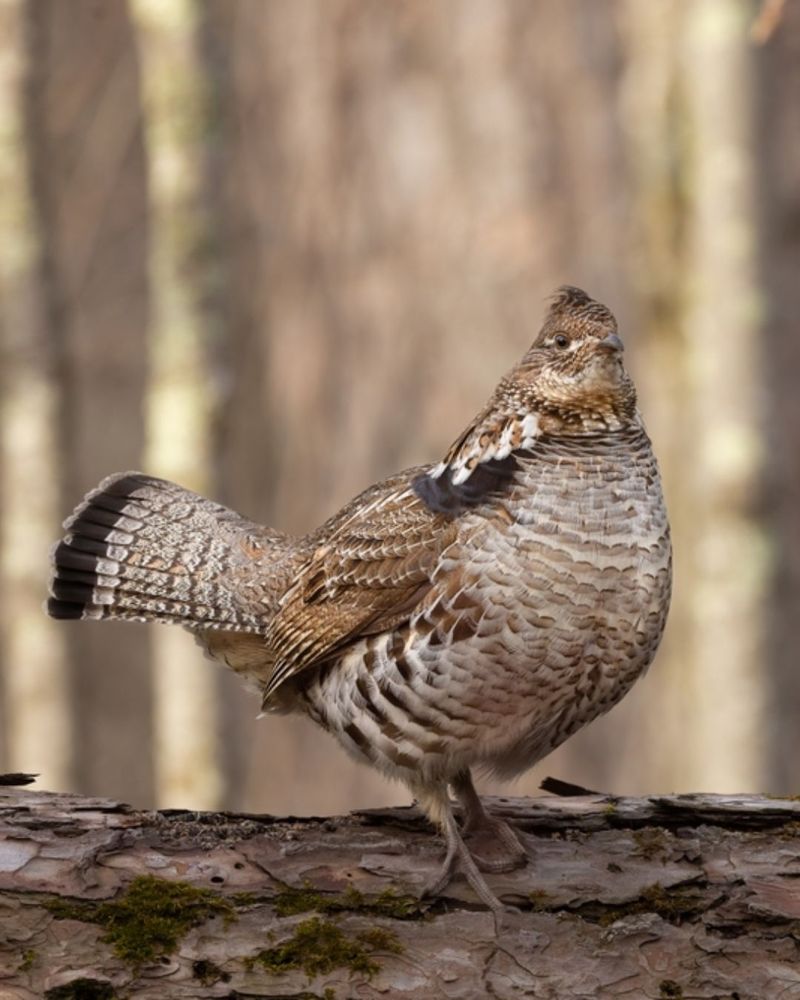
Ask any grouse hunter in northern Michigan where to find birds, and the answer usually points to aspen. These groves work like a grocery store, a hiding spot, and a lumber yard all rolled into one.
Winter is when aspen really shines for ruffed grouse. The male flower buds are packed with nutrition, and grouse fly up into the branches to feast on them when snow covers the ground.
Without aspen, many grouse would have a much harder time getting through the cold months.
Young aspen stands matter just as much. When thousands of thin stems grow close together, they form thick cover where grouse, American woodcock, and songbirds like chestnut-sided warblers can hide from hawks and foxes.
White-tailed deer and snowshoe hares also nibble the tender shoots and twigs. Beavers might be the biggest aspen fans of all.
They munch the soft inner bark and drag branches to build lodges and dams. Spot a pond near an aspen patch and you will likely find chewed, pencil-point stumps along the shore.
Age changes everything in a grove. Dense young stands offer shelter, while older trunks provide food, nesting cavities for woodpeckers and owls, and perches for other birds. A landscape with aspen of many ages supports the widest mix of animals.
That variety is why wildlife groups in Michigan work to keep aspen stands of different ages across the north. If you own land, even a small patch of aspen can bring surprising visitors, so keep binoculars handy near the edge of the grove.
4. Its Leaves Tremble In The Slightest Breeze
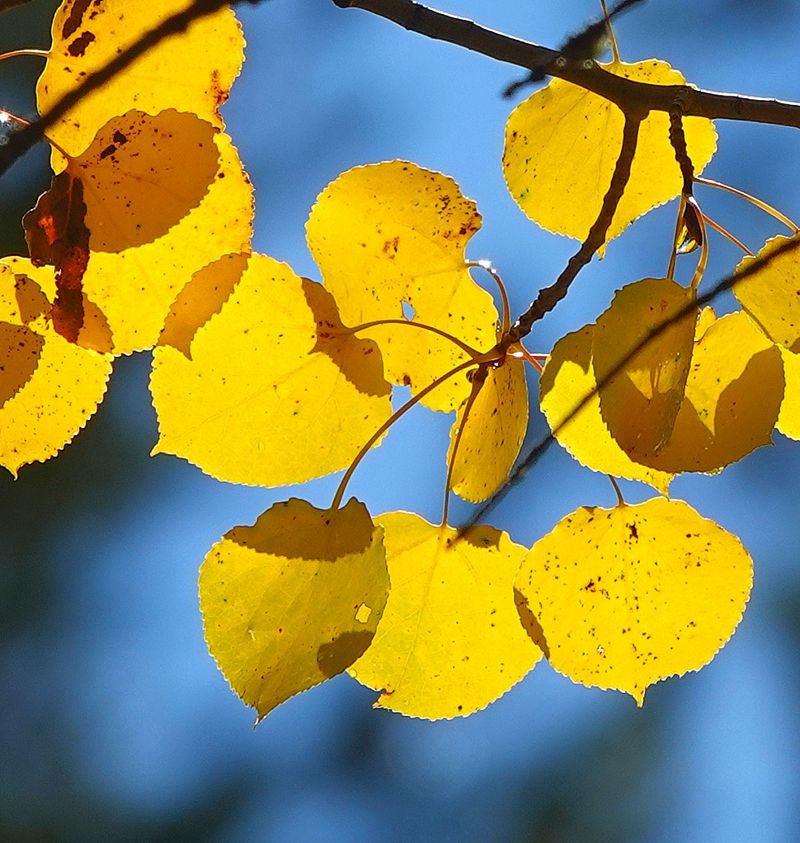
Stand under an aspen on a calm-looking afternoon and listen. Even when you can barely feel a breeze, the leaves above you shimmer and whisper like soft applause.
That nonstop motion gave the tree its name. Aspen leaves hang from long stalks, called petioles, that are flat instead of round. A flat stalk bends easily from side to side, so the round leaf at the end twists and flips with the smallest puff of air.
Why would a tree bother? Scientists have a few ideas. The fluttering may help sunlight reach lower leaves, cool the leaves on hot days, and shake off some hungry insects.
Whatever the reason, the effect is beautiful, with flashes of green and silver dancing all over the crown.
Autumn brings an even bigger show. Aspen leaves turn a bright, clear golden yellow, and since every stem in a clone changes together, a whole grove can glow at once. On a sunny October day, those yellow patches look almost lit from inside.
Michigan leaf peepers know to watch for it. Golden aspen stands brighten roadsides along routes like M-28 in the Upper Peninsula and the forests around Gaylord and Grayling, mixing with red maples and dark green pines.
Want the best view? Plan a fall drive for late September through mid October, and visit on a breezy day. Pull over safely, roll down the window, and let your ears enjoy the rustle as much as your eyes enjoy the gold.
5. Groves Cover And Protect Bare Ground
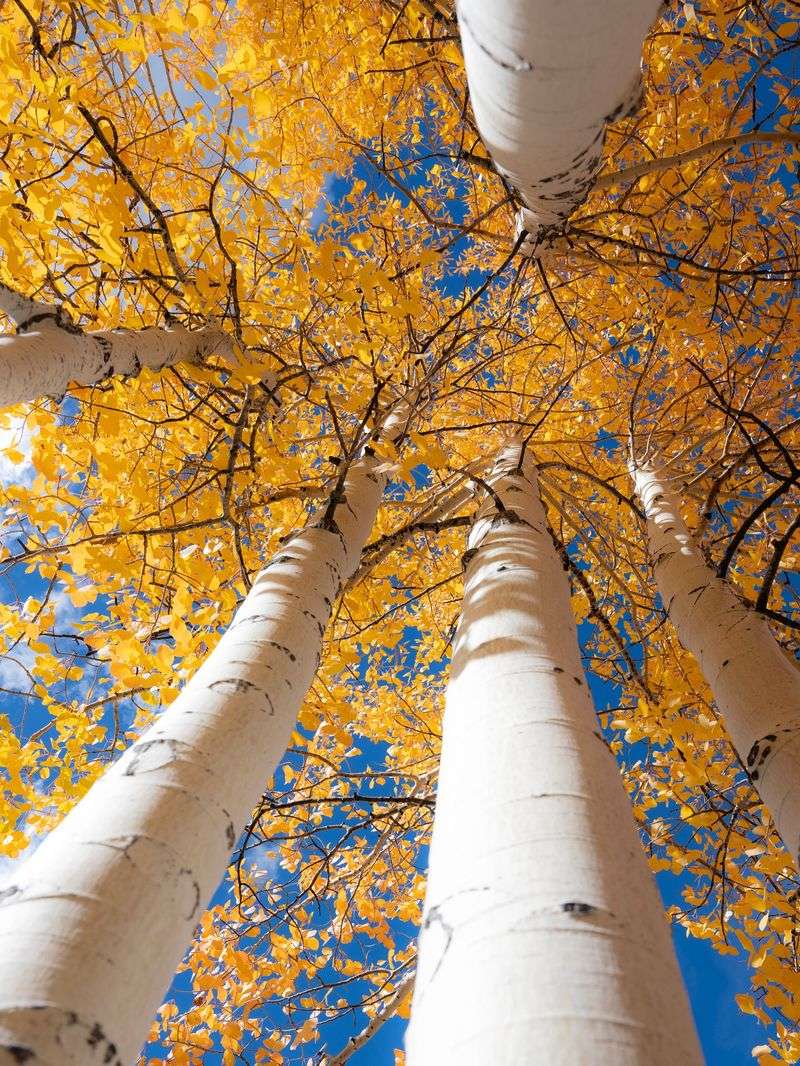
Bare soil is a little like an open door for trouble. Rain washes it away, wind blows it around, and weeds rush in to claim the space.
Aspen steps in fast. It loves full sun and grows quickly, often adding two or three feet a year when young. Better still, its roots spread outward and keep sending up new stems, so the tree does not just fill one spot but steadily covers a whole area.
Underground, that web of roots acts like a net. It grips loose soil on slopes, roadsides, old farm fields, and other disturbed sites, helping slow erosion.
Above ground, the leaves soften falling rain, and each autumn they drop to form a layer that slowly builds richer soil.
Because of these skills, land managers often turn to aspen for restoration work where quick cover is needed.
Old gravel pits, burned areas, and abandoned pastures can all benefit. Just remember that aspen wants open, sunny ground and does poorly in deep shade.
Michigan has plenty of places where aspen does this job on its own. Across the state, especially in sandy soils of the north, it naturally moves into cleared land and patches left open after logging or fire.
Many of today’s mixed forests got their start under an aspen canopy. Got a sunny, eroding bank or an unused back field on a large property?
Aspen could be a low-cost helper. Local native plant nurseries and conservation districts can point you toward healthy, locally sourced stock.
6. Individual Trunks Are Short-Lived, But The Grove Renews Itself
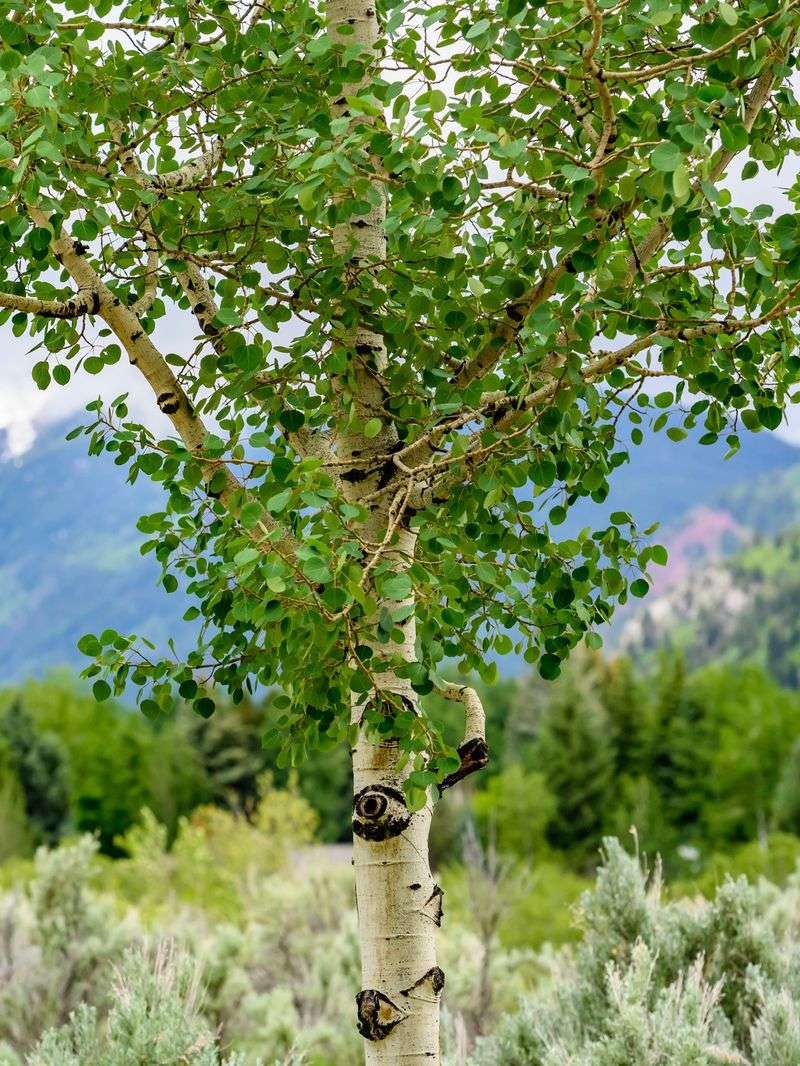
Here is a twist that surprises many people. A single aspen trunk is not built to last very long, yet the grove it belongs to can carry on for an amazingly long time.
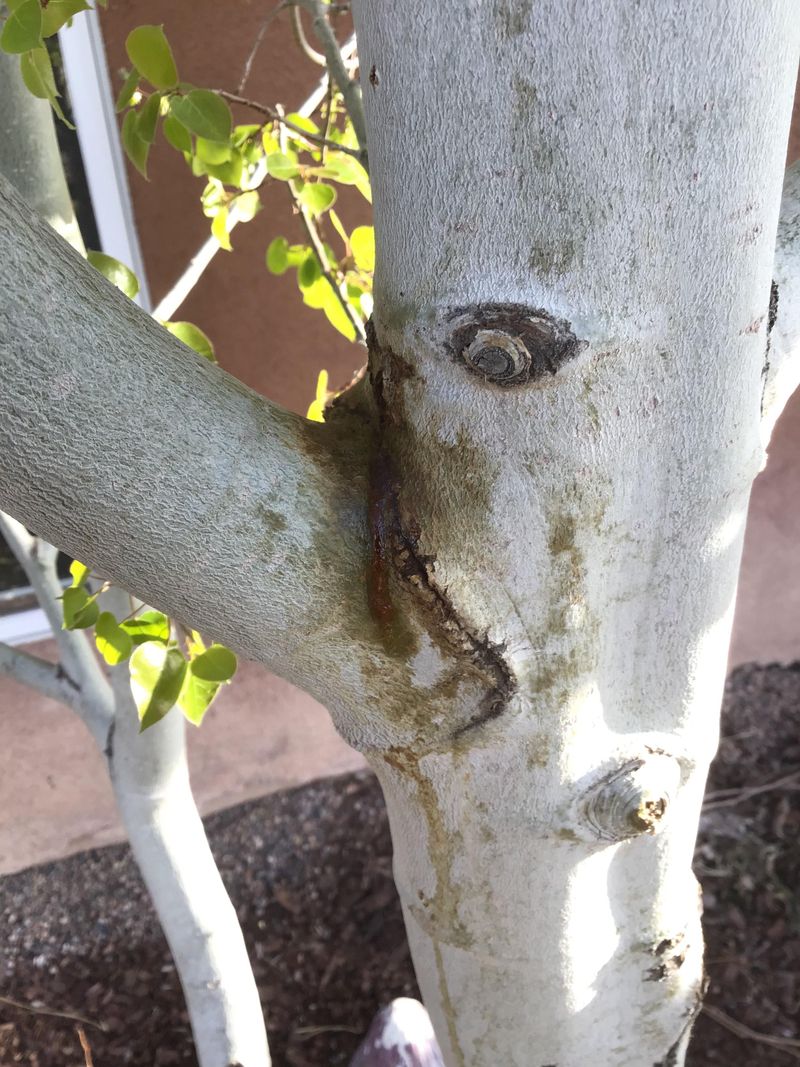
Most aspen stems in Michigan reach about 50 to 70 years, which is young compared with oaks or sugar maples. As they age, trunks often pick up fungal cankers, heart rot, and other decay. Bark may show dark scars, and branches begin to snap off.
Underground, though, the root system keeps working. As older trunks weaken and fall, sunlight reaches the ground and the roots answer by pushing up fresh shoots. The grove simply replaces its parts, a bit like a team bringing new players onto the field.
Out West, one famous aspen clone in Utah called Pando covers about 106 acres and is believed to be many thousands of years old. Michigan groves are much smaller, but they work the same way.
Because of this cycle, many Michigan aspen stands hold a mix of ages. You might see tall, mature trunks, middle-aged stems, and knee-high sprouts all within a few steps. That variety keeps the grove going and offers different habitat for different animals.
If aspen grows in your yard, keep an eye on the older trunks. Look for large cracks, mushrooms at the base, hollow spots, or heavy leaning toward a house, driveway, or play area.
A certified arborist can check risky trunks and remove them safely, giving the young shoots their turn in the spotlight.
7. It’s Best For Large, Natural Spaces
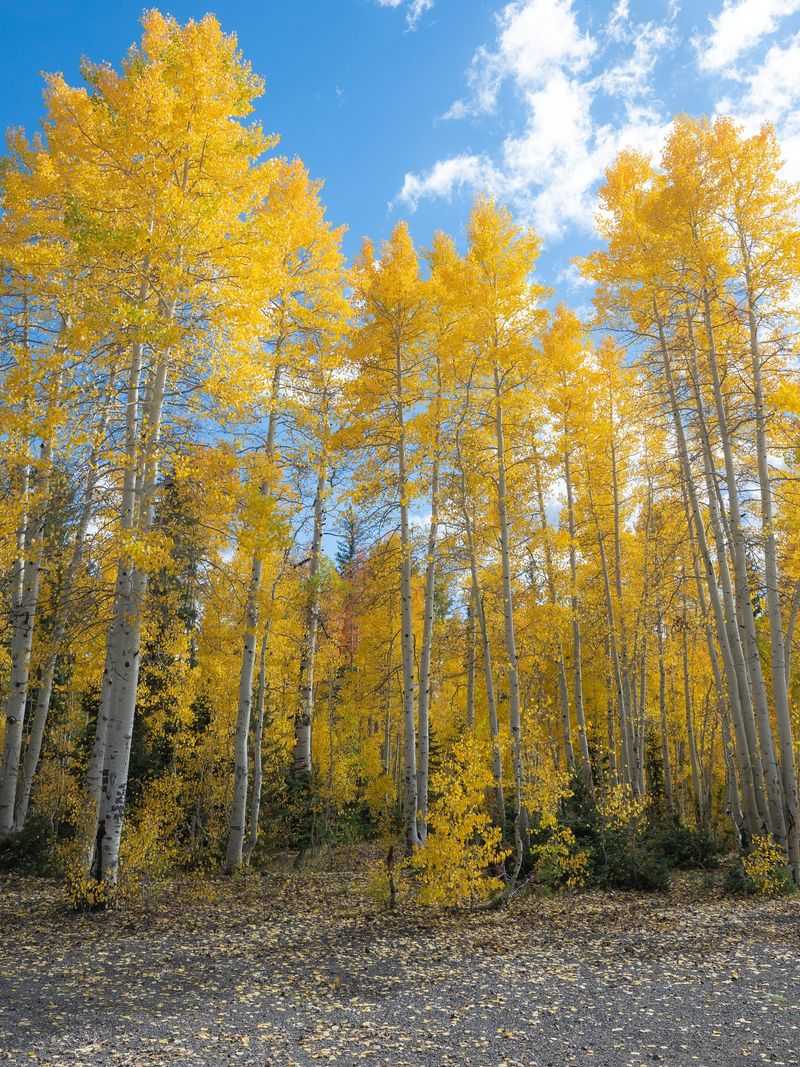
Planting a quaking aspen is a bit like adopting a friendly dog that loves to roam. It brings plenty of joy, but it needs room to run.
Those wandering roots are the reason. Suckers can pop up in lawns, vegetable beds, and flower borders far from the original trunk, sometimes many feet away.
Near a house, roots can also crowd sewer lines and patios, so aspen is a poor pick for tiny lots or spots close to foundations.
Big properties are a different story. Rural acreage, woodland edges, field borders, pond banks, and natural areas give a grove space to grow without causing headaches. Plant in full sun, in well-drained soil, and leave plenty of open ground around it.
Keeping the grove in bounds is easier than you might think. Mowing regularly around the edge stops most new shoots, since young suckers are soft and cut easily. For stray sprouts in beds, snip them at ground level a few times each season and they will give up.
Working with a smaller yard? Choose a different native tree instead. Serviceberry, eastern redbud, pagoda dogwood, and American hornbeam all stay tidy and still welcome birds and pollinators.
Bigtooth aspen, a close cousin, spreads in a similar way, so skip it too. Michigan homeowners with the right space get a real reward.
A backyard aspen grove can draw grouse, deer, songbirds, and the occasional beaver, while lighting up the property in brilliant gold each fall. Give it room, and this native tree will happily turn one planting into a lively, shimmering woodland.