Why you should snip the seed pods off your canna lilies before Oregon’s first frost
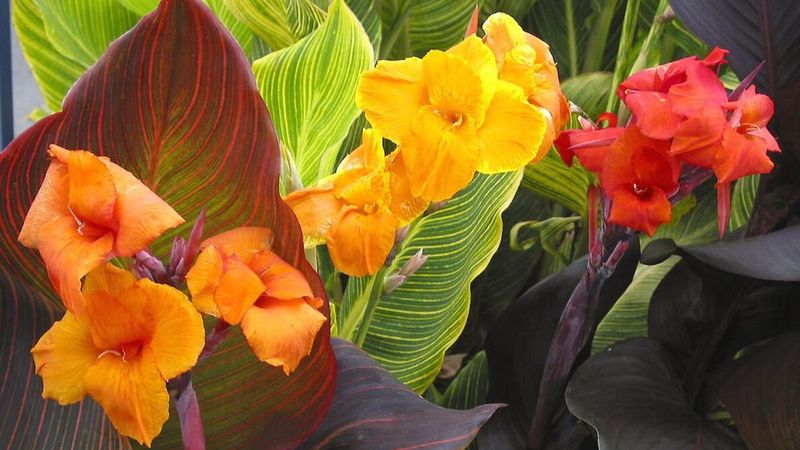
Canna lilies are some of the boldest, most rewarding plants in an Oregon garden, and keeping them blooming as long as possible feels like a small victory against our notoriously short summers. Many gardeners hear that snipping seed pods before the first frost will produce stronger rhizomes and more color, but the real story is a little more nuanced than that.
The best reason to remove fading canna flowers is to encourage more blooms while the plant is still actively growing, and knowing the difference between a spent flower and a developing seed pod can change how you approach the whole job.
Deadhead for more flowers, not because frost is coming
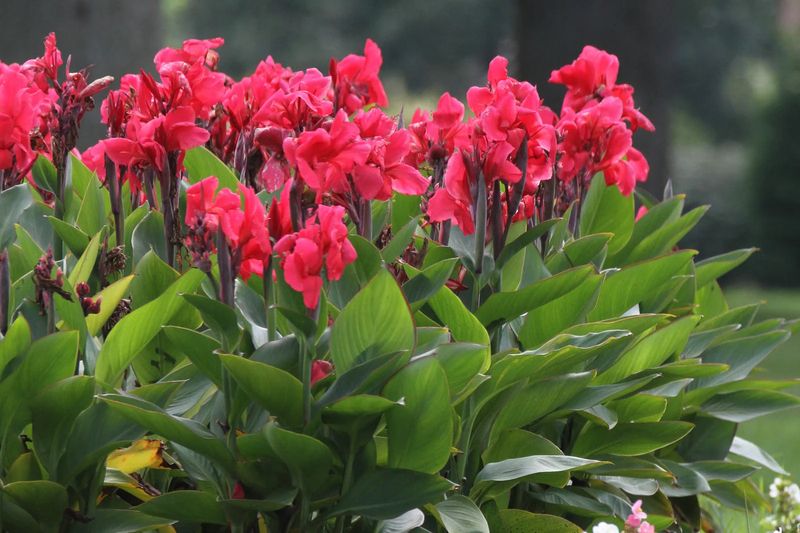
Canna lilies put on their best show when you remove fading blooms regularly during the growing season. Illinois Extension’s canna guidance notes that deadheading can encourage rebloom, and Portland Nursery specifically mentions that a second bloom often emerges after the old flower head is cut back to the next leaf.
That is the real payoff here: more flowers during the weeks you still have warm weather, not a universal rule tied to Oregon’s first frost date.
Oregon’s first frost is not a biological deadline for deadheading. The plant needs to be actively growing and capable of producing new buds for deadheading to extend the display.
Once frost has damaged the foliage, removing old flower heads will not restart a bloom cycle, so the timing that matters most is while your canna is green, upright and clearly still working.
Removing a seed pod and removing a spent flower are also two different actions with different results. Cutting off a fading flower or a completed flower head can prompt the plant to push another bloom.
Removing a developing seed pod mainly stops seed production or tidies up the plant’s appearance.
One more thing worth clarifying: “more color” in this context means more flowers or a longer-lasting display, not deeper or brighter flower pigmentation. The blooms themselves will look exactly the same; you will simply get more of them before the season closes.
How to remove spent blooms without losing the next one
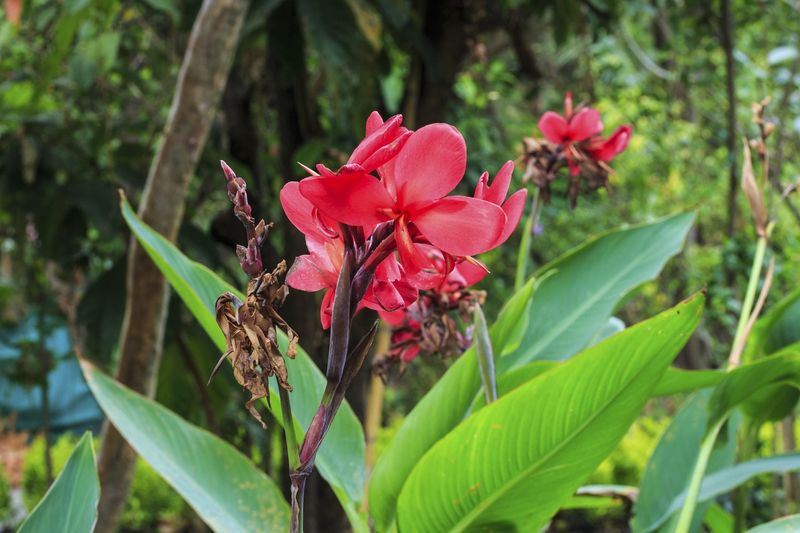
Before you cut anything, take a slow look up and down the flower stalk. Canna blooms open in sequence from the base of the cluster upward, which means a stalk that looks mostly finished at the bottom may still carry several unopened buds near the tip.
Removing the whole stalk at that point costs you flowers you have not seen yet.
Iowa State Extension’s deadheading guidance recommends cutting back to the next healthy leaf or bud rather than removing the entire stalk. For cannas, that means snipping individual faded flowers as they decline, then waiting until the entire flower cluster has finished before cutting the stalk back to the next healthy leaf or emerging side shoot.
Clean, sharp pruners or snips make the cut easier and reduce the chance of tearing the tissue.
Healthy foliage must stay on the plant throughout the growing season. Those broad, tropical-looking leaves are doing real work: photosynthesizing and sending energy back into the rhizome and any developing flower stalks.
Your Oregon Garden Changes Every Week. Your Plan Should Too.
Gardening in Oregon changes quickly throughout the season. Every Friday you’ll receive a simple weekly plan showing exactly what to plant, prune, fertilize, harvest, and protect so you never miss the right timing.
Removing leaves unnecessarily during summer shortchanges the plant at exactly the moment it is trying to perform.
Portland Nursery’s canna care page reinforces this point clearly. Do not cut the entire plant to the ground when one flower fades.
That approach belongs to the end-of-season cleanup, not to summer maintenance. During active growth, your job is selective: remove what is spent, protect what is not, and let the plant keep building toward the next flush of color.
Treat seed pods as a choice, not a rebloom switch
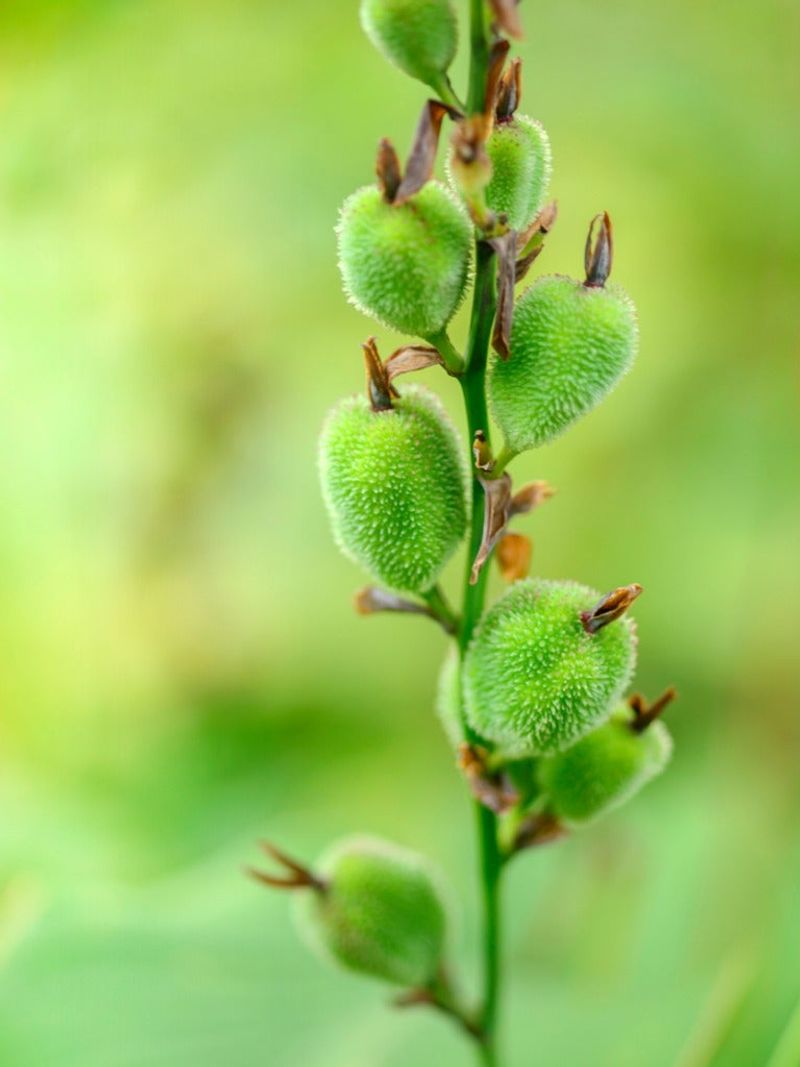
A spent canna flower and a developing seed pod are easy to confuse, but they represent different stages and call for different decisions. Once every bloom in a flower cluster has faded and the cluster is clearly finished, cutting that flower head back can prompt the plant to produce another.
Removing a developing pod is a different action. It stops the plant from putting energy into seed production and keeps the plant looking tidy, but cutting off a green pod by itself does not function as a trigger that sends the plant back into bloom.
The flower head needed to be addressed earlier in the sequence for that to happen. Think of pod removal as a maintenance choice rather than a rebloom strategy.
Some canna cultivars are self-cleaning, meaning they drop old flowers on their own without any help from you. For those plants, Illinois Extension acknowledges that manual deadheading may offer little beyond improved appearance or preventing unwanted seed from forming.
If your canna sheds its spent blooms naturally and still keeps pushing new ones, you may find that your main reason to intervene is aesthetics or seed control rather than rebloom.
Knowing your cultivar’s habits takes one season of observation. Watch whether old flowers fall cleanly or hang on and turn brown.
That single detail will tell you how much hands-on deadheading is actually worth your time.
Leave selected pods when you want seed
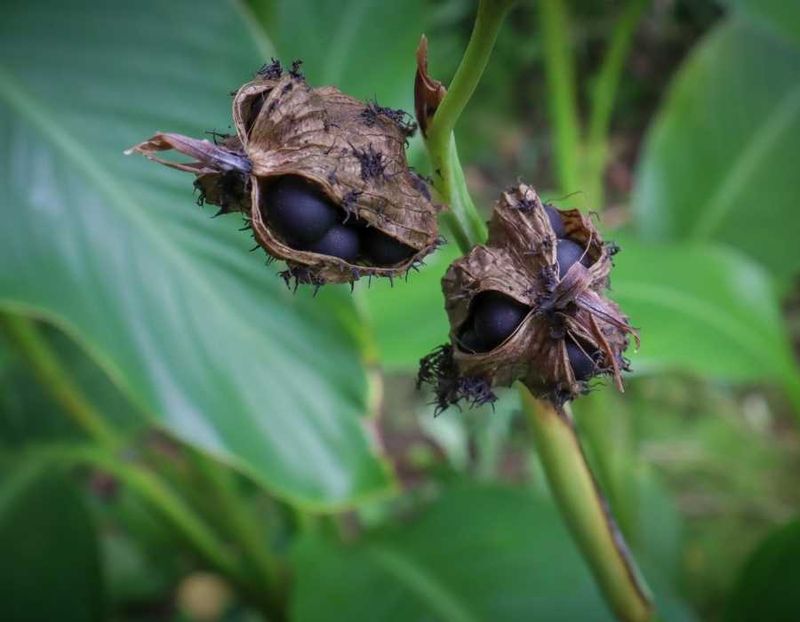
Routine pod removal makes sense when your priority is continued flowering or a tidy bed, but it is not the right move for every gardener or every pod. If you want to collect seed, experiment with growing cannas from scratch, or simply let the plant complete its natural cycle, leave some pods in place and let them mature fully.
The Oregon State University Ask Extension response on canna seed pods identifies hard brown pods, or pods that dry and split open, as the stage when seed is ready to collect. Green pods are immature, so pulling them early means losing viable seed.
Watch for the pod to turn brown, feel firm and begin to crack before you harvest.
There is one honest caveat worth knowing before you plant those seeds. Oklahoma State University Extension’s guide to canna propagation explains that cannas grown from seed may differ noticeably from the parent plant, particularly when the parent is a hybrid cultivar.
Flower color, size and leaf pattern can all shift in the seedlings. If you are attached to a specific variety, dividing the rhizome in spring is the reliable way to reproduce it exactly.
Growing from seed is better treated as an experiment or an opportunity to discover something new rather than a method for duplicating what you already have.
Leaving a few pods to mature on one plant while removing the rest is a practical middle ground. You get seed for next year’s experiments without sacrificing the whole plant’s late-season display.
The rhizome claim needs a careful qualifier
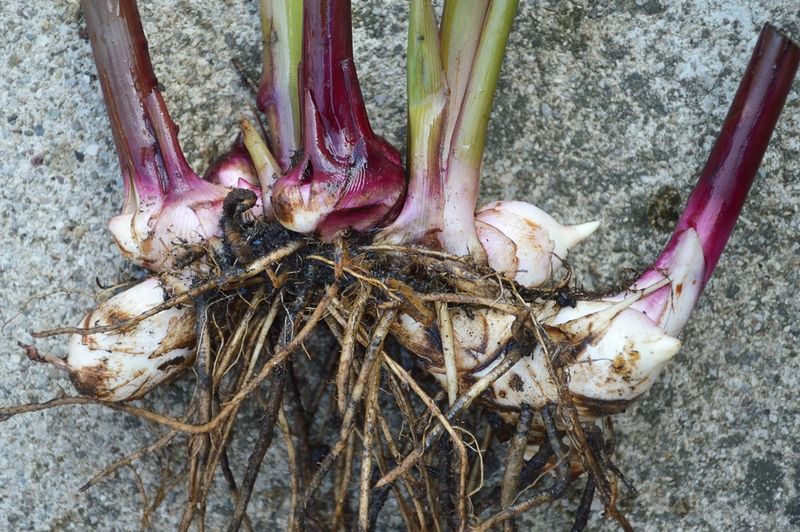
You may have heard that removing seed pods produces bigger, stronger canna rhizomes. The logic sounds reasonable: if the plant is not spending energy on seeds, it must be storing more in its roots.
General horticultural thinking does support the idea that preventing seed production can redirect resources in some perennial plants, and Iowa State Extension’s deadheading overview reflects this principle broadly.
For cannas specifically, though, that connection has not been demonstrated in a controlled, measurable way in the sources reviewed here. There is no published comparison showing that canna gardeners who remove pods consistently harvest noticeably larger or heavier rhizomes than those who do not.
Stating it as a proven fact would go further than the evidence allows.
The clearest, best-supported benefit remains what happens above ground during the current season: more flowers, or a longer stretch of flowering, while the plant is still actively growing. That is a worthwhile goal on its own, and it does not need an unproven rhizome claim to justify the effort.
Rhizome health at the end of the season depends on a much wider set of factors than pod removal alone. How much sun and water the plant received all summer, whether it stayed in well-drained soil, how the winter treats it and how carefully it is stored or protected all matter more.
Pursue deadheading for the flowers it may give you now, and judge your rhizomes by how well you managed the whole growing season, not by whether you snipped every pod.
After frost, stop deadheading and start winter care
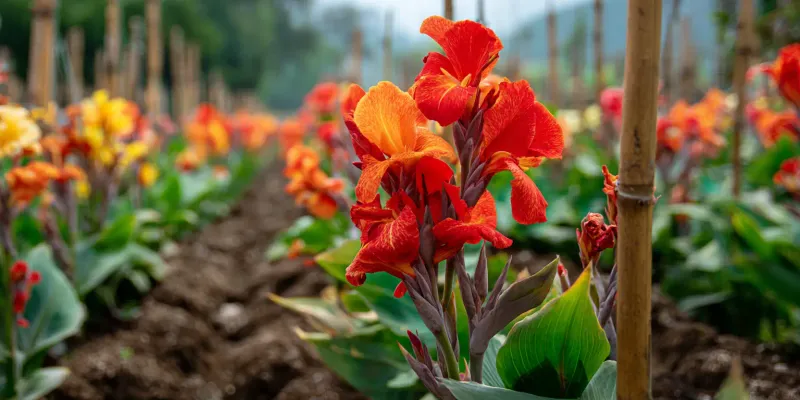
Once frost arrives and blackens the foliage, the deadheading phase is over. Cutting off flower heads at that point will not bring the plant back into bloom; the tissue that would have produced new flowers is already damaged or shutting down.
The plant’s energy now belongs to survival, not display.
The transition looks different across Oregon. West of the Cascades, including the Portland area and the Willamette Valley, hard killing frosts may not arrive until November or even later in mild years, so gardeners sometimes get a longer window of active growth than they expect.
In colder inland areas, the Cascades foothills, the high desert and higher-elevation sites, frost can come earlier and hit harder, compressing the season considerably.
After frost or natural dieback, the practical steps are cutting the stems back and deciding what to do with the rhizomes. UF/IFAS Gardening Solutions and NC State Extension’s canna profile both describe cutting back frost-damaged stems as part of end-of-season care.
Whether you leave rhizomes in the ground or lift them depends on your local conditions, a decision the next section covers in detail.
One important clarification: deadheading during summer does not protect rhizomes from frost. Those are separate tasks.
Removing spent flowers helps the plant bloom longer while it is healthy. Protecting the rhizomes from winter cold and wet is an entirely different job that starts when the growing season ends.
Match overwintering care to your Oregon conditions
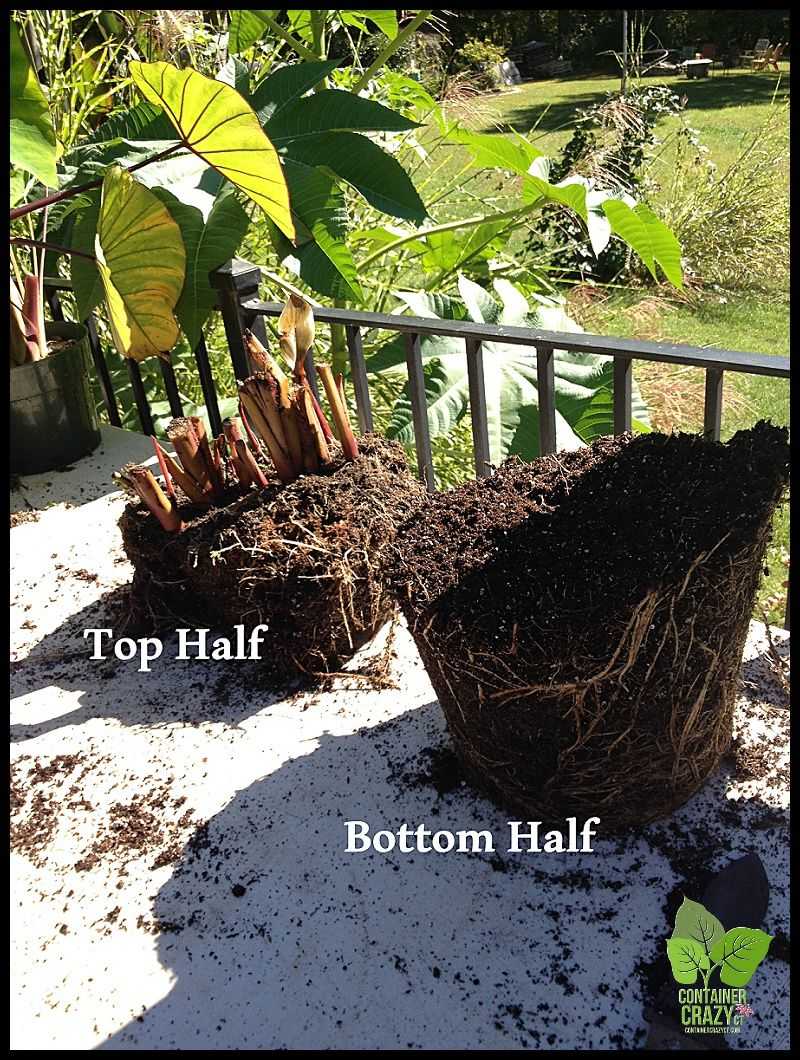
Oregon is not one climate, and canna overwintering advice that works perfectly in one part of the state can lead to disappointment in another. West of the Cascades, including the Portland metro area and most of the Willamette Valley, the bigger threat to overwintering cannas is often not cold temperatures but prolonged wet soil.
Portland Nursery warns that cannas left in heavy, soggy winter soil are prone to rhizome rot, and recommends digging them in fall if your soil does not drain well or if you garden in a colder microclimate.
In milder, well-drained west-side spots with good air circulation and a protective layer of mulch, some gardeners do leave rhizomes in the ground successfully through winter. Cultivar matters here too: some varieties tolerate wetter or cooler conditions better than others.
USDA zone labels alone are not enough to predict survival, because zone maps do not capture soil drainage, slope, tree cover or the microclimate variations that can make one Portland neighborhood garden behave quite differently from another just a mile away.
East of the Cascades, the calculation shifts. The high desert, the Columbia Gorge east end and colder inland valleys face genuine freezing risk that goes beyond what most cannas can handle in the ground.
OSU Extension’s regional calendar guidance is clear that timing and approach must be adjusted for local conditions. In those areas, lifting and storing rhizomes is usually the safer default rather than an optional extra.
When you do lift rhizomes, NC State Extension’s canna guidance and Illinois Extension both recommend similar storage conditions: cool, dry, above freezing and away from excess moisture. A cardboard box or paper bag filled with dry peat, vermiculite or newspaper in an unheated but frost-free garage or basement works well for most gardeners.
Check stored rhizomes occasionally through winter for signs of rot or excessive shriveling and adjust conditions if needed. All of this winter work is separate from anything you did with flower heads during the summer growing season.
Use this simple canna decision rule
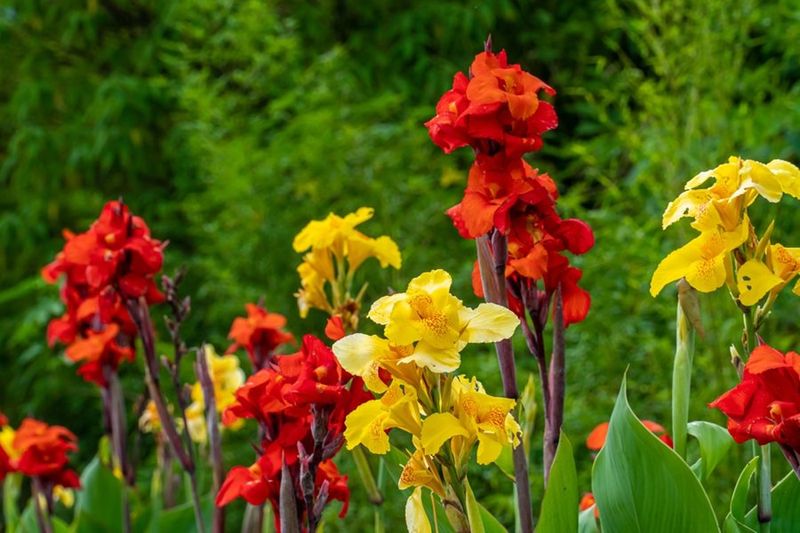
During active growth, remove fading individual flowers as they decline, then cut completed flower heads back to the next healthy leaf or bud once the whole cluster has finished. Check the stalk for unopened buds before cutting anything, and leave all healthy foliage in place so the plant keeps photosynthesizing.
Illinois Extension and Portland Nursery both support this approach for encouraging additional blooms during the current season.
Remove developing pods only when preventing seed formation or maintaining appearance matters to you. If collecting seed is the goal, leave selected pods and wait for them to turn hard and brown before harvesting, as OSU Ask Extension describes.
After frost or natural dieback, stop expecting deadheading to help and shift to region-appropriate rhizome protection based on your local soil, drainage and temperatures.
Deadheading may extend this season’s display, and that is a genuinely worthwhile payoff. How well your rhizomes perform next year depends on the full picture: growing conditions, winter survival and proper storage matter far more than whether every pod was snipped.
A canna that bloomed generously all summer and spent the winter in dry, frost-free storage is already ahead of the game.