Oregon Gardeners Who Switched From Arborvitae To This Native Stopped Replacing Sick Shrubs Altogether
A privacy hedge should not feel like a recurring replacement project. Yet shrubs that struggle with drainage, summer stress, or disease can leave frustrating gaps after only a few seasons.
One Oregon native offers a different approach. It grows into a dense screen, handles coastal influence surprisingly well, and settles into local conditions without demanding the same level of rescue when weather swings between wet winters and dry summers.
Its evergreen foliage keeps the yard screened year-round, while its natural growth habit feels softer than the rigid wall created by many traditional hedge plants.
That does not mean it thrives anywhere without care. Good spacing and suitable soil still matter, especially during establishment.
For homeowners tired of removing another declining hedge section, this native alternative may explain why some landscapes stay fuller with far less intervention once the plants are established.
1. This Is The Best Native Swap
Arborvitae has been the go-to privacy hedge for decades, but that reputation has a cost. Many gardeners in this region have spent hundreds of dollars replacing shrubs that simply could not handle the local soil and rainfall patterns.
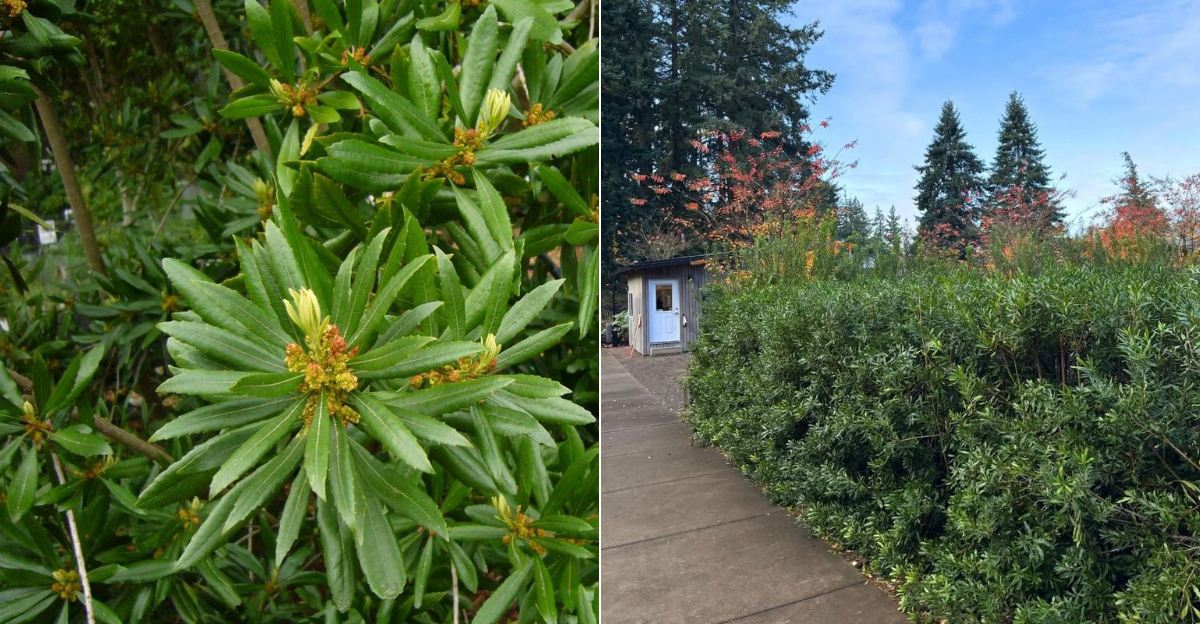
Pacific Wax Myrtle, known scientifically as Morella californica, is the native shrub that changes that story.
Native to the Pacific Coast, this plant evolved right alongside the wet winters, heavy soils, and mild summers that define gardening in Oregon. It does not need to adapt because it already belongs here.
That is a major advantage over arborvitae, which comes from regions with different drainage conditions and drier winters.
Wax Myrtle can grow six to twelve feet tall and spread just as wide, making it a serious privacy screen. It keeps its leaves year-round, so your yard stays screened in January just as well as in July.
The foliage has a waxy coating that helps it shed rain without rotting or developing fungal problems.
Gardeners who have made the switch often describe it as a relief. No more yellowing patches.
No more sections that just stop growing. Once established, Pacific Wax Myrtle fills in steadily and holds its shape with very little intervention.
For anyone tired of fighting with non-native shrubs, this plant is the straightforward, low-stress swap that actually works in our climate.
2. This Evergreen Shrub Screens Without Looking Stiff
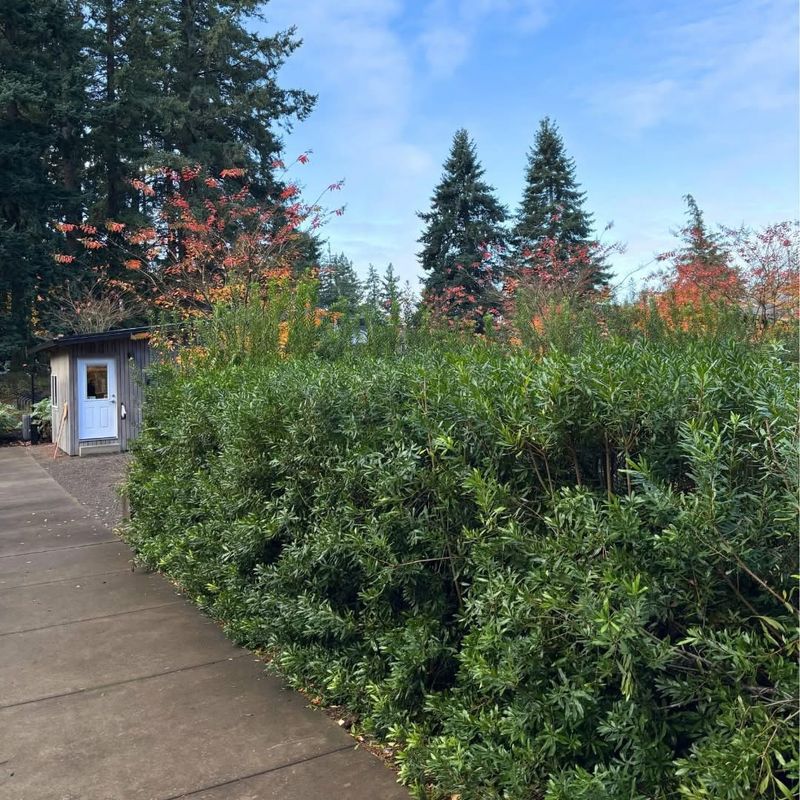
One common complaint about arborvitae is how rigid and formal it looks after a few years of shearing. The tight, columnar shape can feel more like a wall than a garden feature.
Pacific Wax Myrtle takes a very different approach to privacy.
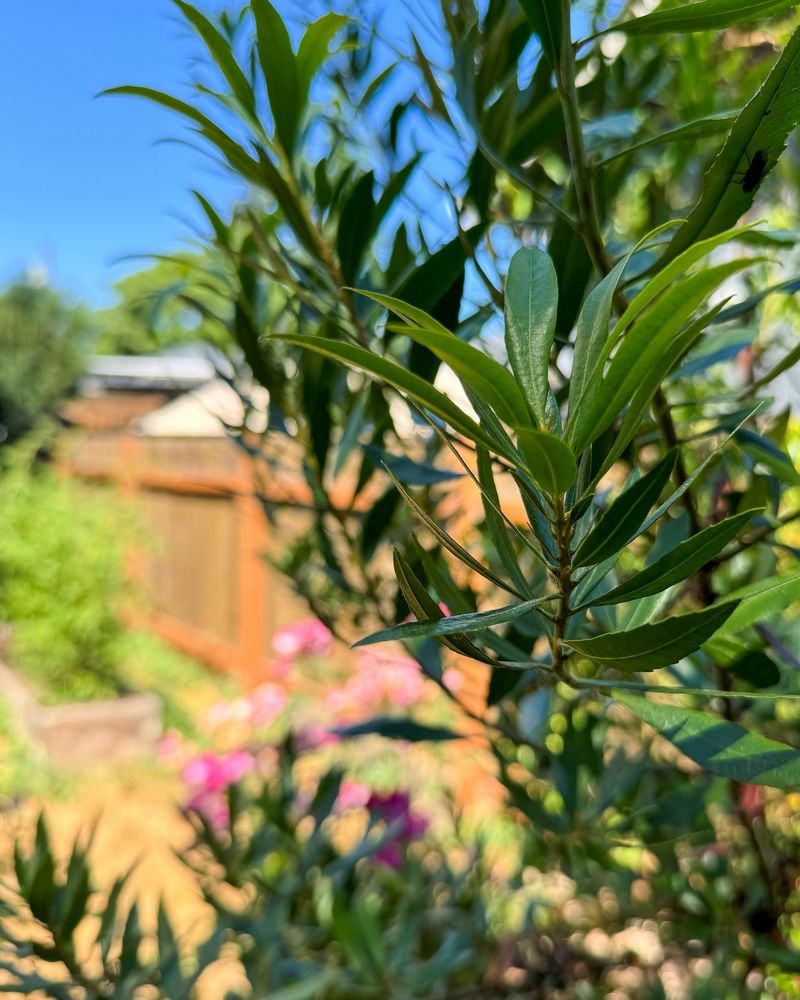
The foliage is soft, slightly glossy, and moves naturally in the breeze. Instead of that boxy, clipped look, Wax Myrtle creates a screen that feels relaxed and organic.
It fits naturally into Northwest landscapes without making the yard look like a corporate parking lot border.
The leaves are narrow and aromatic, releasing a pleasant bayberry scent when brushed or pruned. That alone makes it a more enjoyable plant to work around than arborvitae, which has no real sensory appeal beyond its green color.
Your Oregon Garden Changes Every Week. Your Plan Should Too.
Gardening in Oregon changes quickly throughout the season. Every Friday you’ll receive a simple weekly plan showing exactly what to plant, prune, fertilize, harvest, and protect so you never miss the right timing.
Small details like that make yard maintenance feel less like a chore.
From a design standpoint, the plant works well with other native companions like Red Flowering Currant, Sword Fern, and Oregon Grape. It blends into naturalistic planting schemes without standing out awkwardly.
The overall effect is a hedge that looks intentional but not overdone.
Neighbors and passersby often comment that the yard looks lush and full rather than manicured and stiff.
For homeowners who want privacy without sacrificing the natural character of their landscape, this shrub delivers that balance consistently and without demanding a strict pruning schedule to keep it looking good.
3. It Handles Oregon Rain Better Than Arborvitae
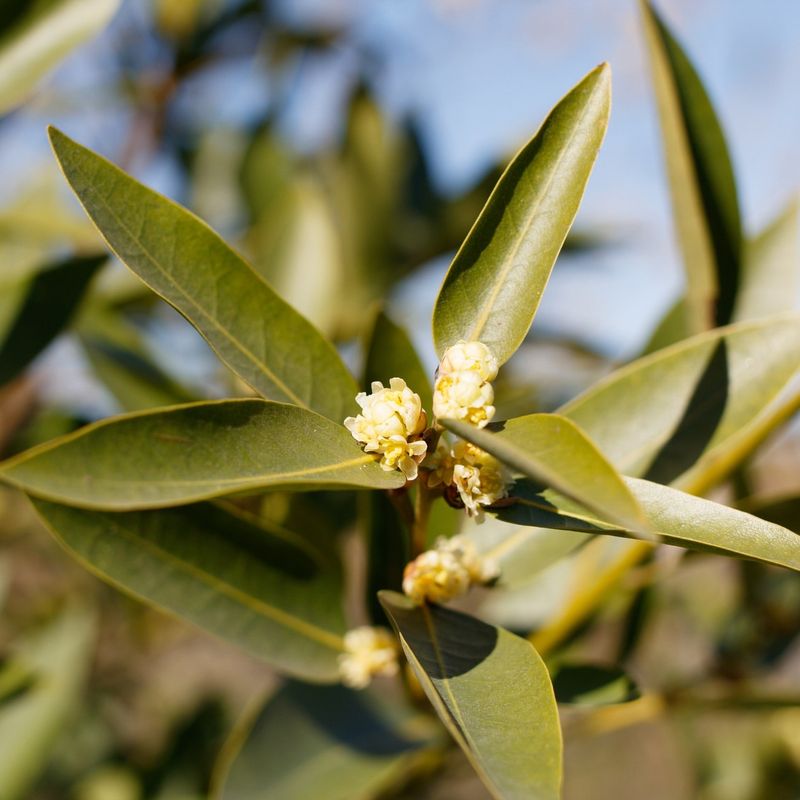
Root rot is one of the top reasons arborvitae fails in this region. The combination of heavy clay soils and long rainy seasons creates waterlogged conditions that arborvitae roots simply cannot handle over time.
Pacific Wax Myrtle was built for exactly this environment.
In the wild, this plant grows naturally in coastal wetlands, stream banks, and boggy areas throughout the Pacific Coast. That means wet soil is not a threat to it.
It is actually a condition the plant is designed to grow in. That is a fundamental difference that explains why so many gardeners stop losing shrubs once they make the switch.
Even in poorly drained areas where other plants struggle, Wax Myrtle holds steady. It does not develop the yellowing, browning, or wilting that signals root stress in arborvitae.
The waxy leaf coating also helps manage moisture on the surface, reducing the risk of fungal leaf diseases that spread in damp, humid air.
Gardeners who have struggled with soggy corners of their yard often find that Wax Myrtle is one of the few shrubs that actually fills those spots in reliably. Rather than amending the soil or installing drainage, they simply choose a plant that fits the site.
That kind of plant-to-place matching is the foundation of low-maintenance gardening, and Wax Myrtle makes it easy to get right from the start.
4. Coastal Yards Are A Natural Fit
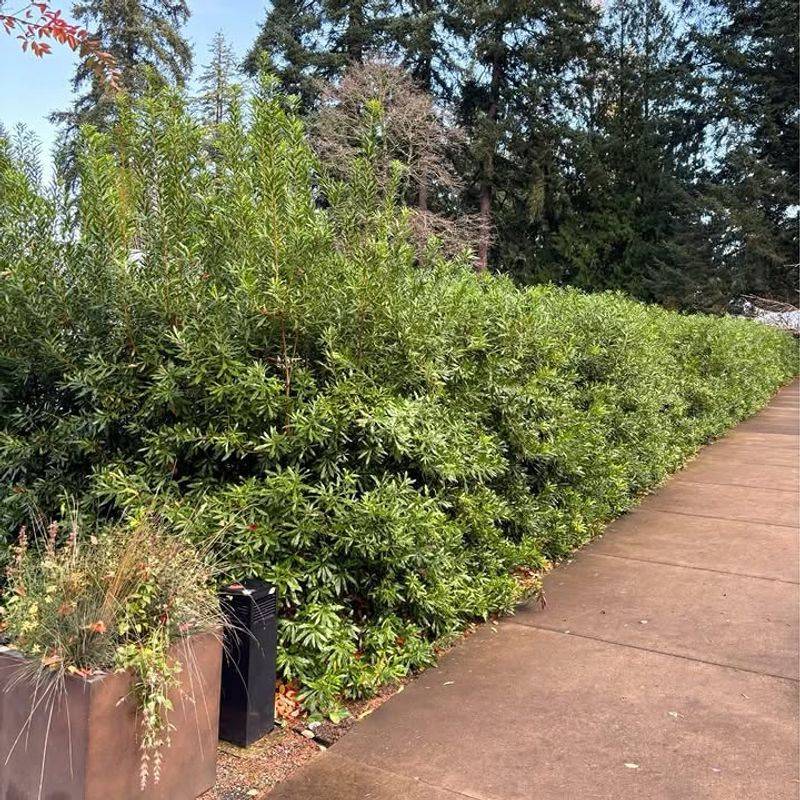
Salt wind, sandy soil, and relentless coastal exposure are conditions that eliminate most ornamental shrubs from the running.
Arborvitae can handle some wind, but salt spray and sandy, fast-draining coastal soils often cause it to brown and decline within a few seasons.
Pacific Wax Myrtle was practically made for these conditions.
Along the coast of Oregon, Wax Myrtle grows wild in dense thickets just above the beach. It tolerates salt air without the leaf scorch or tip withering that affects non-native hedging plants.
That natural resilience makes it the obvious choice for homeowners in coastal towns who want a reliable privacy screen.
The root system is also well-suited to sandy and loamy coastal soils. It anchors firmly and spreads gradually, helping to stabilize slopes and embankments near the shoreline.
That erosion-control benefit is something arborvitae simply cannot offer in the same way.
Homeowners in places like Lincoln City, Newport, and Cannon Beach have discovered that Wax Myrtle fills in where other shrubs give up. Once established, it requires almost no supplemental watering because coastal fog and rainfall provide enough moisture.
The plant also provides a windbreak that protects more delicate garden plants behind it.
For coastal gardeners who are tired of watching expensive shrubs decline year after year, switching to this native is not just a good idea.
It is the practical, proven solution that the local landscape has already endorsed for thousands of years.
5. Wildlife Gets More From This Native Hedge
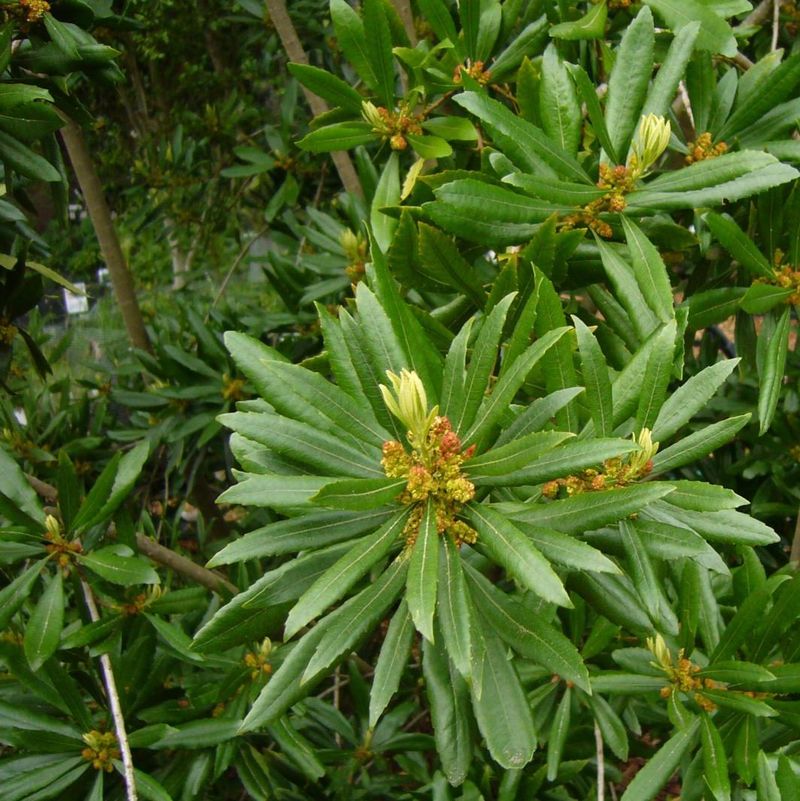
A hedge that feeds birds, shelters insects, and supports local wildlife is worth far more than one that just blocks the neighbor’s view.
Pacific Wax Myrtle does both jobs at the same time, and the wildlife benefits are genuinely impressive for a plant this easy to grow.
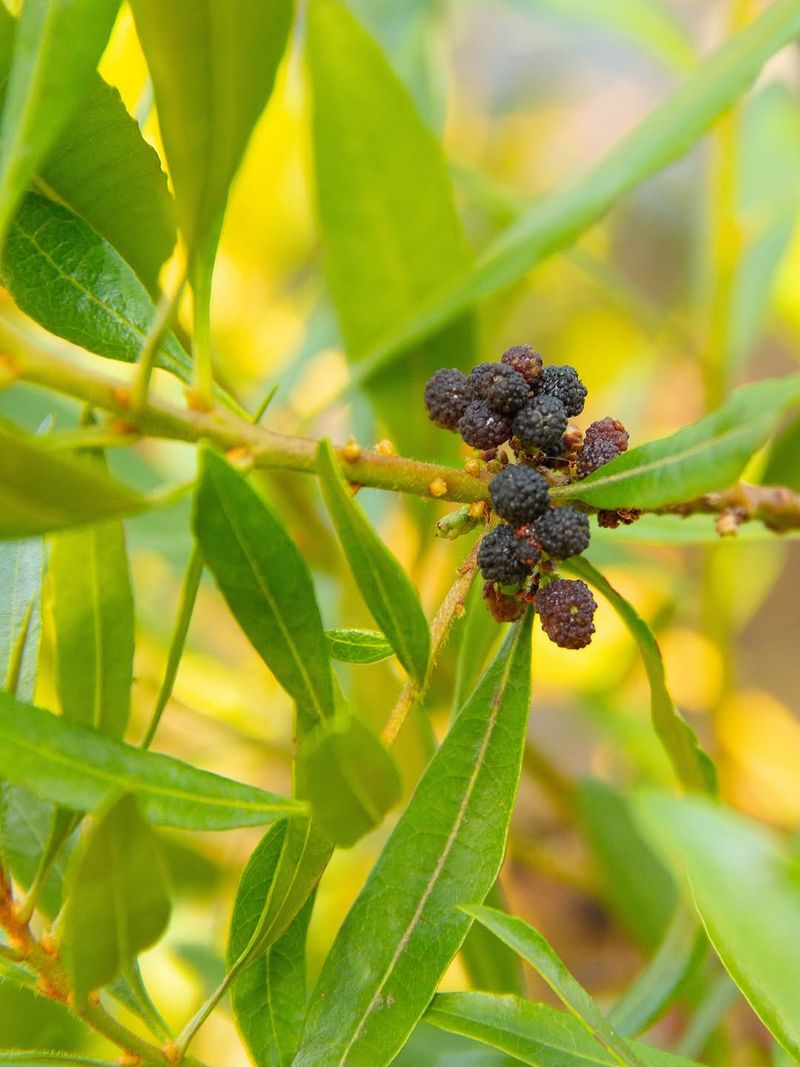
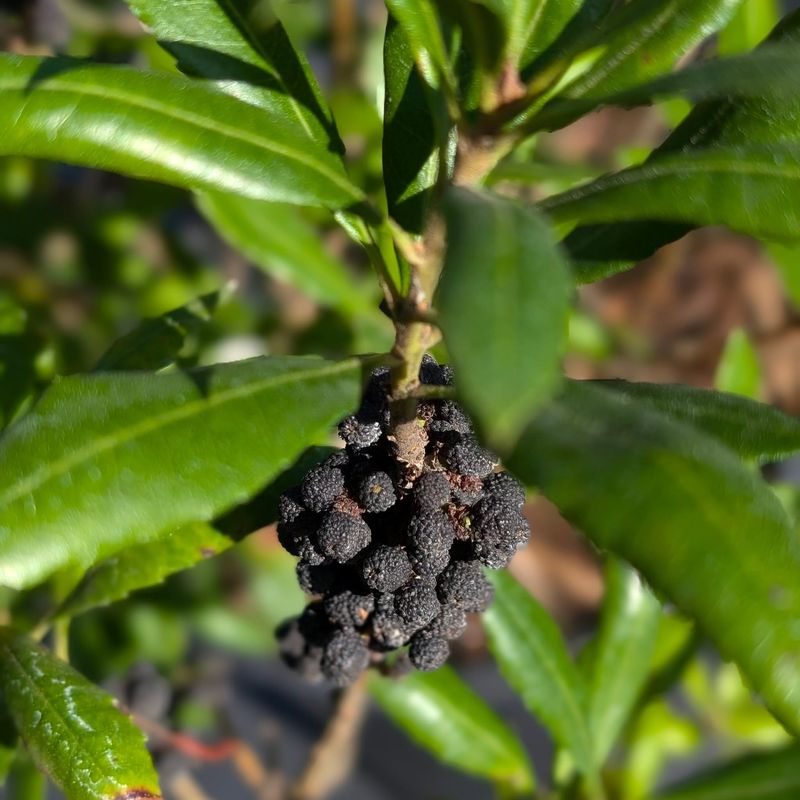
The small, waxy blue-gray berries that appear in late summer and fall are a high-fat food source for migratory and resident birds.
Yellow-rumped Warblers, in particular, are famous for their ability to digest the waxy berry coating, which most other birds cannot process.
Planting Wax Myrtle is essentially setting out a buffet for one of the region’s most colorful fall migrants.
Beyond birds, the dense branching structure provides excellent nesting cover and shelter for small mammals and beneficial insects. Pollinators visit the inconspicuous flowers in spring, and the leaf litter supports ground-dwelling beetles and other decomposers that keep soil healthy.
Compare that to arborvitae, which offers very little to local wildlife. Its berries are not a significant food source, and its tight, formal structure provides limited nesting habitat.
For gardeners who want their yard to do more than look green, the difference between these two plants is significant.
Choosing native plants like Pacific Wax Myrtle is one of the most direct ways a homeowner can support local ecosystems.
The hedge works as a privacy screen and a wildlife corridor at the same time, which is a combination that non-native alternatives simply cannot replicate no matter how healthy they grow.
6. It Tolerates Wind Better Than Many Formal Hedges
Wind is a serious challenge for privacy hedges in this region, especially in valley corridors and along the coast where gusts can be strong and persistent.
Arborvitae branches are fairly rigid, and heavy wind can cause them to split, lean, or lose their shape over time. Pacific Wax Myrtle handles that stress very differently.
The flexible branching structure of Wax Myrtle allows it to bend with the wind rather than resist it. This flexibility reduces the chance of branch breakage and helps the plant recover quickly after storms.
Gardeners in exposed locations have noted that Wax Myrtle bounces back after windstorms that leave arborvitae leaning or broken.
The root system also plays a role. Wax Myrtle develops a broad, spreading root network that anchors the plant firmly even in loose or sandy soils.
That stability means the plant does not uproot or lean badly after heavy storms the way some shallower-rooted shrubs can.
In areas where wind is a constant factor, the plant actually responds by growing more compactly and densely on the windward side, which naturally thickens the hedge over time.
That self-adjusting growth habit is something you just cannot get from a plant that was not designed for this climate.
For anyone planting a windbreak or privacy screen in an exposed location, Wax Myrtle is a far more reliable long-term investment than arborvitae.
It keeps its form, holds its ground, and grows stronger with each season instead of slowly declining under the pressure of repeated exposure.
7. Give It Room To Grow Naturally
One mistake gardeners make when planting any large shrub is putting them too close together.
With arborvitae, tight spacing can lead to interior browning, poor air circulation, and faster spread of fungal problems.
Pacific Wax Myrtle rewards a more generous planting plan.
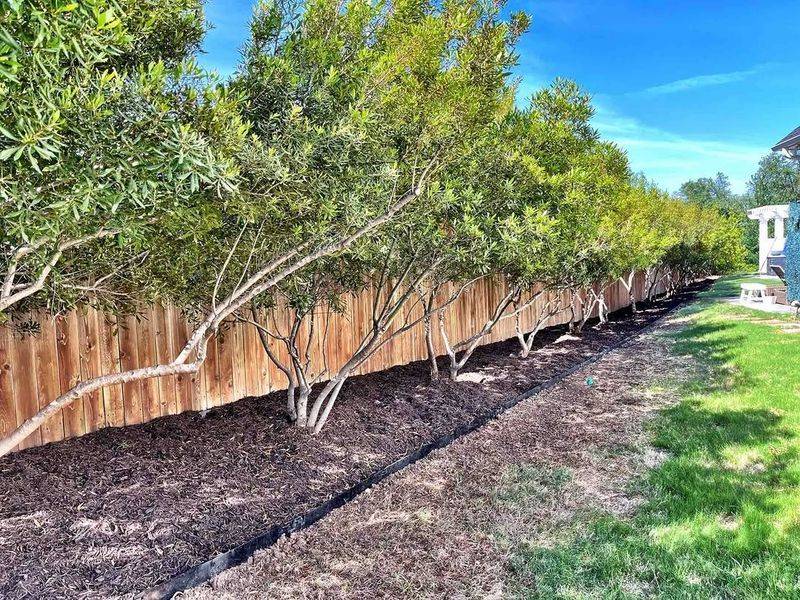
For a natural, full hedge, spacing plants about five to six feet apart gives each shrub room to develop its full spread without competing for light or airflow.
Within three to four years, the plants will grow together into a continuous screen that looks lush from every angle.
Rushing that process by crowding them together usually backfires.
At planting time, dig a hole twice as wide as the root ball but no deeper. Wax Myrtle does not need amended soil or fertilizer to get started.
In fact, too much fertilizer can push weak, leggy growth that looks sparse and takes longer to fill in properly. A light layer of compost on top is plenty.
Watering during the first summer is important, especially during dry spells. Once the plant is established, usually after one full growing season, it handles drought periods on its own without supplemental irrigation in most parts of Oregon.
Patience pays off with this plant. Gardeners who give it proper spacing and let it develop naturally end up with a hedge that is thick, healthy, and genuinely self-sustaining.
That is a very different outcome from the constant monitoring and replacing that comes with trying to force arborvitae to perform in the wrong conditions.
8. Skip Tight Shearing For A Healthier Shape
Shearing is one of the habits that follows gardeners from arborvitae care into their native plant gardens, and it is worth reconsidering. Tight, box-cut shearing might look neat, but it actually works against Pacific Wax Myrtle rather than helping it.
The plant responds better to selective hand-pruning than to hard mechanical shearing.
When you shear Wax Myrtle flat on all sides, you remove the growing tips that fuel new growth. Over time, this creates a dense outer shell with a bare, woody interior that never fills back in properly.
The hedge ends up looking thin from the inside and requires more frequent cutting to maintain the shape.
A better approach is to use hand pruners to selectively remove long, wayward shoots while leaving the overall natural form intact. This keeps the interior of the plant open to light and air, which encourages dense growth throughout rather than just on the surface.
The result is a healthier, fuller hedge that actually improves with each passing year.
Light pruning once or twice a year is all most established hedges need. Late winter before new growth begins is the best time for any significant shaping.
A light tidy-up in midsummer can keep things looking neat without stressing the plant during active growth.
Letting go of the tight-shearing habit is one of the best things gardeners can do for a Wax Myrtle hedge. The plant naturally grows into a beautiful, layered form that does not need to be forced into a geometric shape to look intentional and well-kept in a home landscape.