This Is Why Ohio Sweet Corn Disappoints Most Gardeners And What To Grow Instead
Sweet corn in an Ohio backyard sounds like the ultimate summer dream. Warm days, rich soil, fresh ears straight from the garden: honestly, the vision is perfect.
The reality, however, has a way of being a little more complicated. A lot of Ohio gardeners plant a few hopeful rows in late spring and end up standing in front of patchy ears, missing kernels, and a harvest that raises more questions than it answers.
What went wrong? Probably a few things, and none of them are your fault entirely.
Sweet corn is just more demanding than it looks, and most backyard plots are not quite set up to give it everything it needs. The good news is that there are some genuinely better options worth trying in your Ohio vegetable garden this season.
Your summer harvest deserves it.
1. Sweet Corn Needs More Space Than Expected
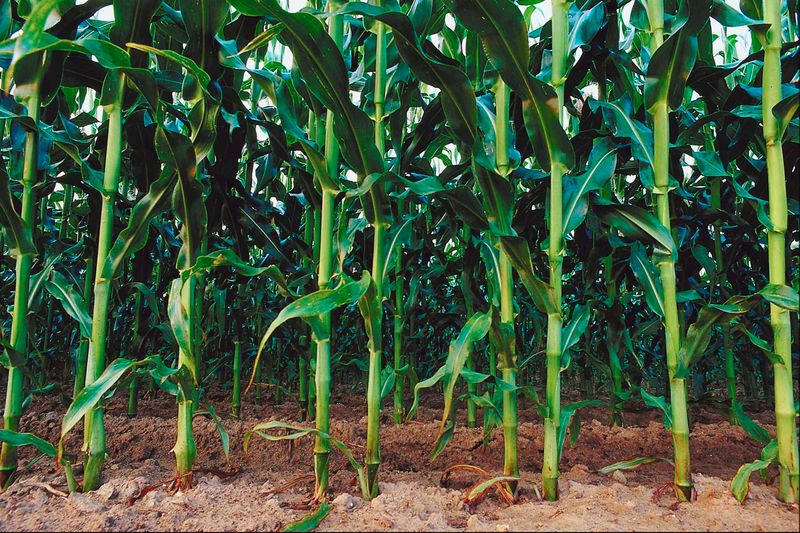
Backyard vegetable beds in Ohio tend to fill up fast, and sweet corn is one of the most space-hungry crops a home gardener can choose.
Most recommendations suggest planting corn in blocks of at least four rows to support wind pollination, which means you need a substantial footprint just to give your crop a reasonable chance.
A single row or two short rows rarely produces well because the pollen from tassels needs to land on nearby silks, and without enough plants close together, pollination stays incomplete.
For many gardeners working with raised beds or smaller yards, dedicating that much ground to one crop feels impractical. A block planting of sweet corn that meets basic pollination needs could easily take up a space of ten feet by ten feet or more.
That is a significant portion of a typical backyard food garden.
Crops like beans, cucumbers, or peppers can fill the same footprint and produce far more usable food over a longer harvest window. When space is limited, sweet corn often ends up being the crop that takes the most room and gives back the least variety.
Rethinking that space can make your Ohio garden more productive from early summer through fall.
2. Poor Pollination Leads To Patchy Ears
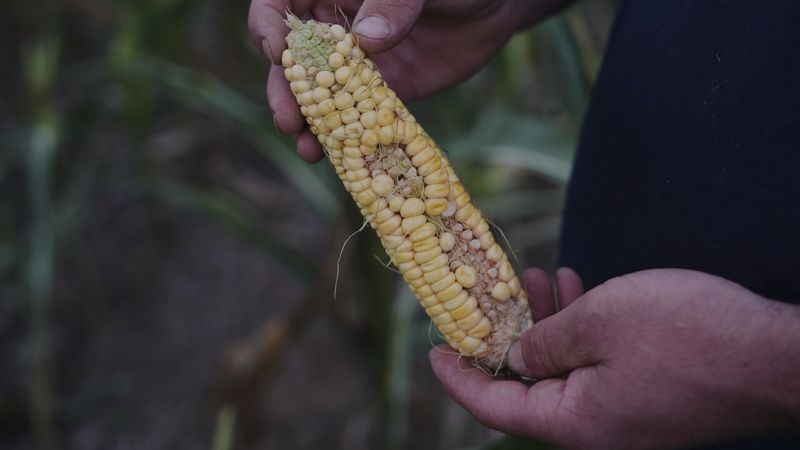
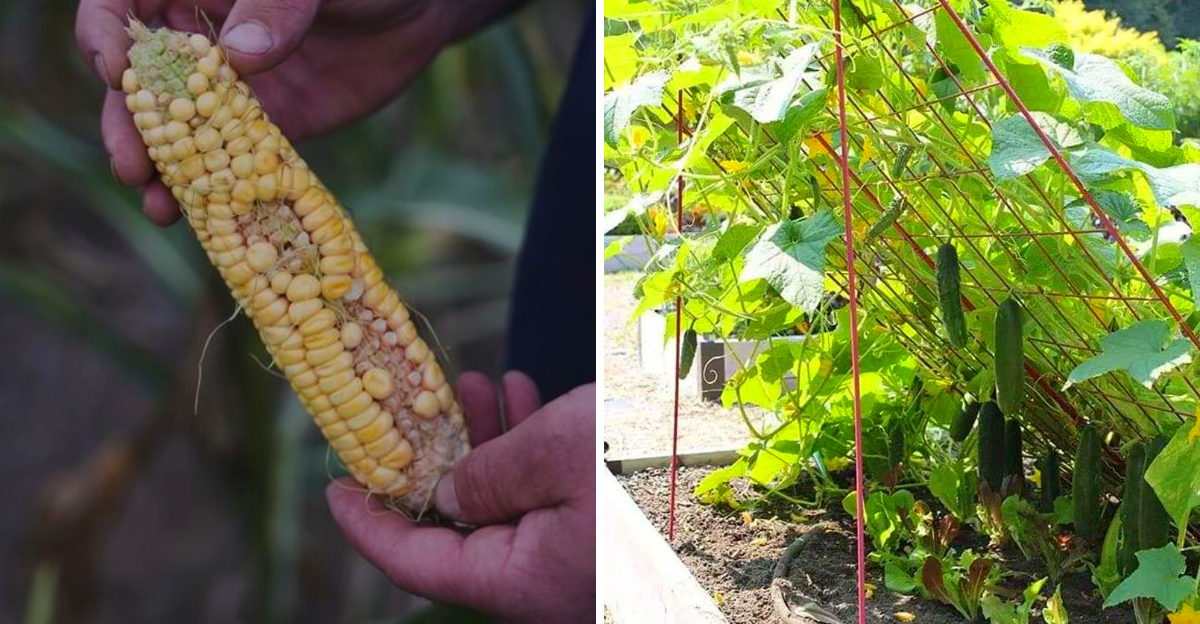
Pulling back the husk on a freshly picked ear of corn only to find rows of missing kernels is one of the more frustrating moments in a summer garden.
Those gaps are almost always the result of incomplete pollination, which happens when not enough pollen reaches each silk strand on the developing ear.
Sweet corn is wind-pollinated, meaning it relies on air movement to carry pollen from the tassels at the top of the plant down to the silks below.
In Ohio home gardens where corn is planted in one or two short rows rather than a compact block, wind may carry pollen away from the plants entirely before it has a chance to reach the silks.
Each silk strand connects to one potential kernel, so any strand that goes unpollinated produces a blank spot on the ear.
Even a small gap in pollination coverage can leave an ear looking more like Swiss cheese than a full cob.
Your Ohio Garden Changes Every Week. Your Plan Should Too.
Gardening in Ohio changes quickly throughout the season. Every Friday you’ll receive a simple weekly plan showing exactly what to plant, prune, fertilize, harvest, and protect so you never miss the right timing.
Timing also plays a role, since tassels and silks need to be active at the same time for pollination to work. Staggered planting dates, crowded conditions, or heat stress can throw off that timing.
For many gardeners, achieving consistent full ears without a large block planting is genuinely difficult.
3. Dry Weather During Silking Can Hurt Kernel Fill
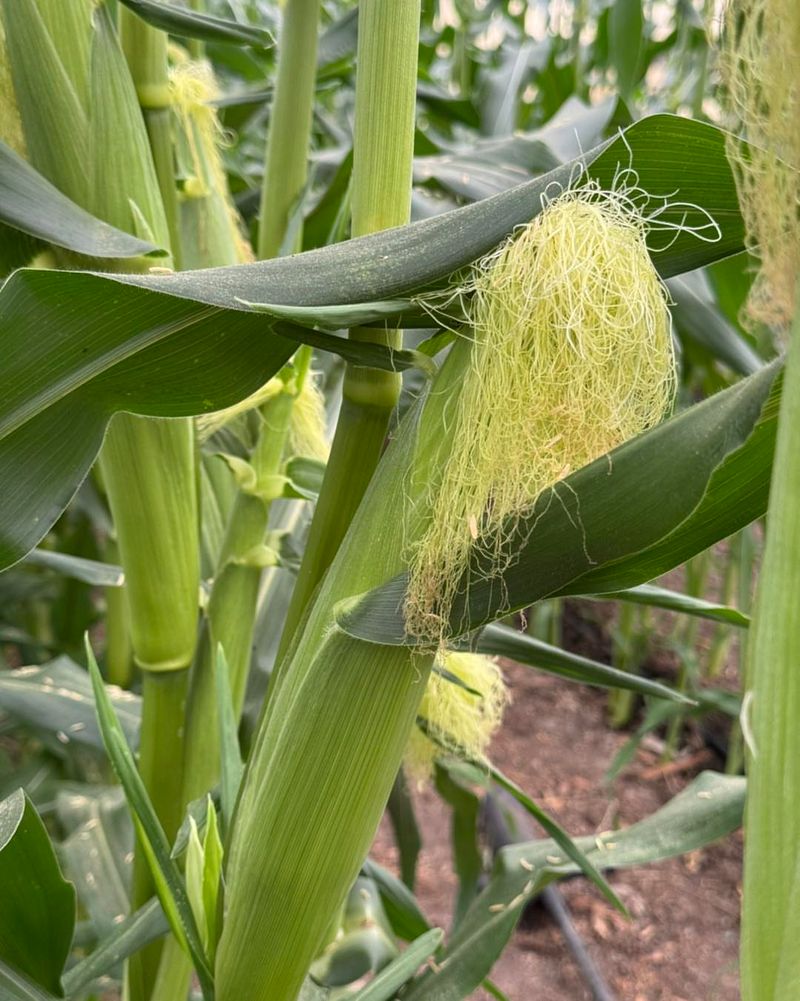
Ohio summers can swing between stretches of steady rain and long dry spells, and the timing of those dry spells matters a great deal when sweet corn is involved.
The silking stage, when the silky threads emerge from the top of the ear, is one of the most moisture-sensitive periods in the entire corn growing cycle.
If the soil dries out significantly during this window, the silks can dry and shrivel before pollen has a chance to make contact.
When silks dry too early, pollination stalls and kernel development suffers across the entire ear. Even if the plant looks healthy from the outside, the ear inside may have large sections of unfilled kernels that only become visible at harvest.
Dry weather during tasseling and early ear development can reduce the quality of a crop that otherwise looked promising all season.
Home gardeners in Ohio often rely on rainfall to carry their gardens through summer, but sweet corn has a narrow window when consistent moisture is non-negotiable.
Supplemental watering during dry spells helps, but keeping the soil evenly moist throughout the silking stage requires attention and effort that many gardeners underestimate.
Crops with more flexible moisture needs tend to be far more forgiving in backyard gardens during unpredictable summer weather.
4. Pests Can Make Sweet Corn Harder To Manage
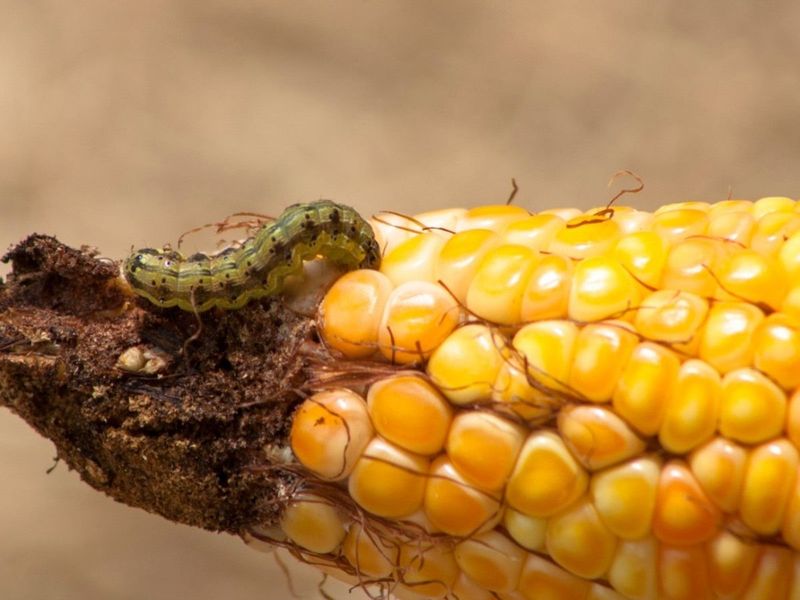
Few things sting more than discovering pest damage right at harvest time after weeks of careful tending. Sweet corn grown in Ohio home gardens faces pressure from several common insects, with corn earworm being one of the most familiar.
The earworm moth lays eggs on corn silks, and the resulting larvae feed their way down into the developing ear, leaving behind damage and frass that can make the tip of the ear unappetizing.
European corn borer is another pest that gardeners may encounter, tunneling into stalks and ears and weakening plants from the inside.
Managing these pests in a small backyard garden without the equipment or timing strategies available to larger operations can feel like a constant challenge.
By the time damage becomes visible, the pest is often already well established inside the plant.
Scouting regularly and applying appropriate controls at the right growth stage can reduce damage, but sweet corn requires more active monitoring than many other summer vegetables.
Gardeners who prefer a lower-maintenance approach often find that the pest pressure on corn outweighs the reward.
Vegetables like peppers, beans, and cucumbers certainly face their own pest challenges, but they tend to be easier to monitor and manage in a typical Ohio backyard food garden setting.
5. Bush Beans Fit Small Gardens Better
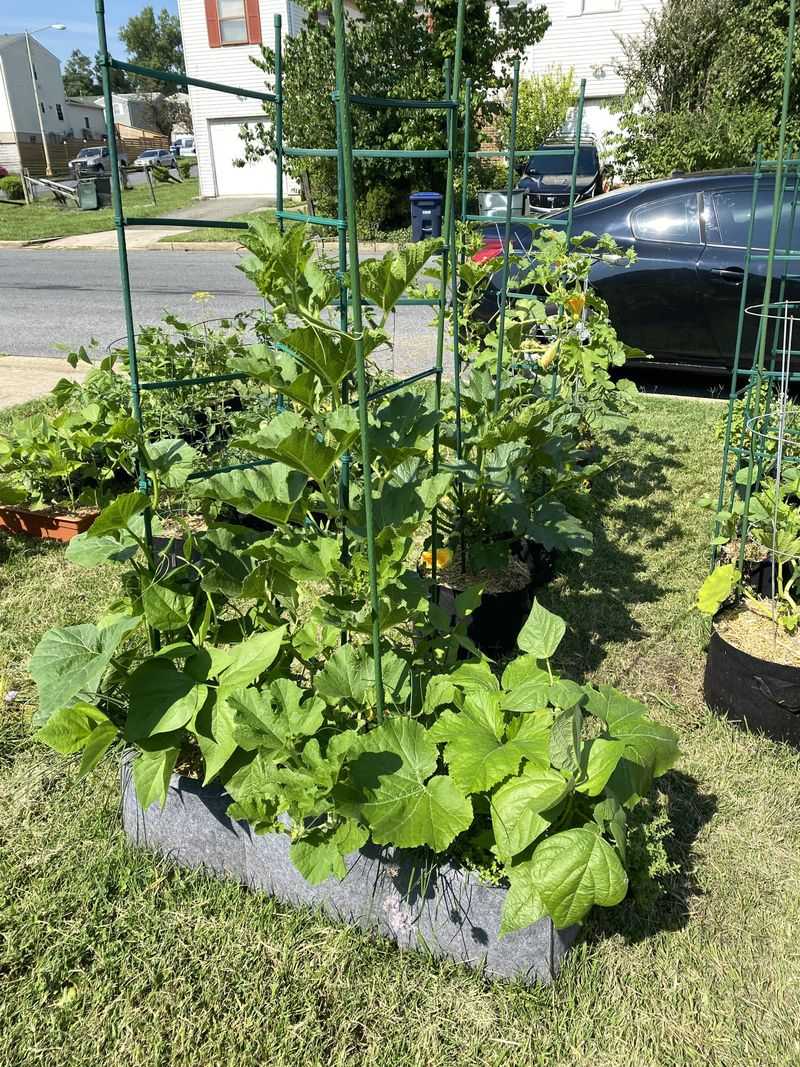
When garden space runs short, bush beans earn their spot faster than almost any other vegetable. These compact plants typically reach about one to two feet tall and spread just enough to fill a bed without overwhelming neighboring crops.
Unlike sweet corn, bush beans do not need a large block planting or wind pollination to produce a satisfying harvest, which makes them a natural fit for smaller Ohio vegetable gardens.
Bush beans also fix nitrogen in the soil through a relationship with beneficial bacteria on their roots, which can improve soil health over time. That is a useful quality in a backyard garden where the same beds get used season after season.
From planting to first harvest, most bush bean varieties need around fifty to sixty days, so gardeners can often squeeze in two plantings during a single season by starting a second round in midsummer.
The harvest window for bush beans tends to be concentrated, meaning you get a good flush of pods over a couple of weeks before the plant winds down.
Succession planting every two to three weeks stretches that harvest across a longer portion of summer.
For gardeners who want reliable production without committing a large footprint, bush beans offer solid returns in a manageable package.
6. Pole Beans Use Vertical Space Well
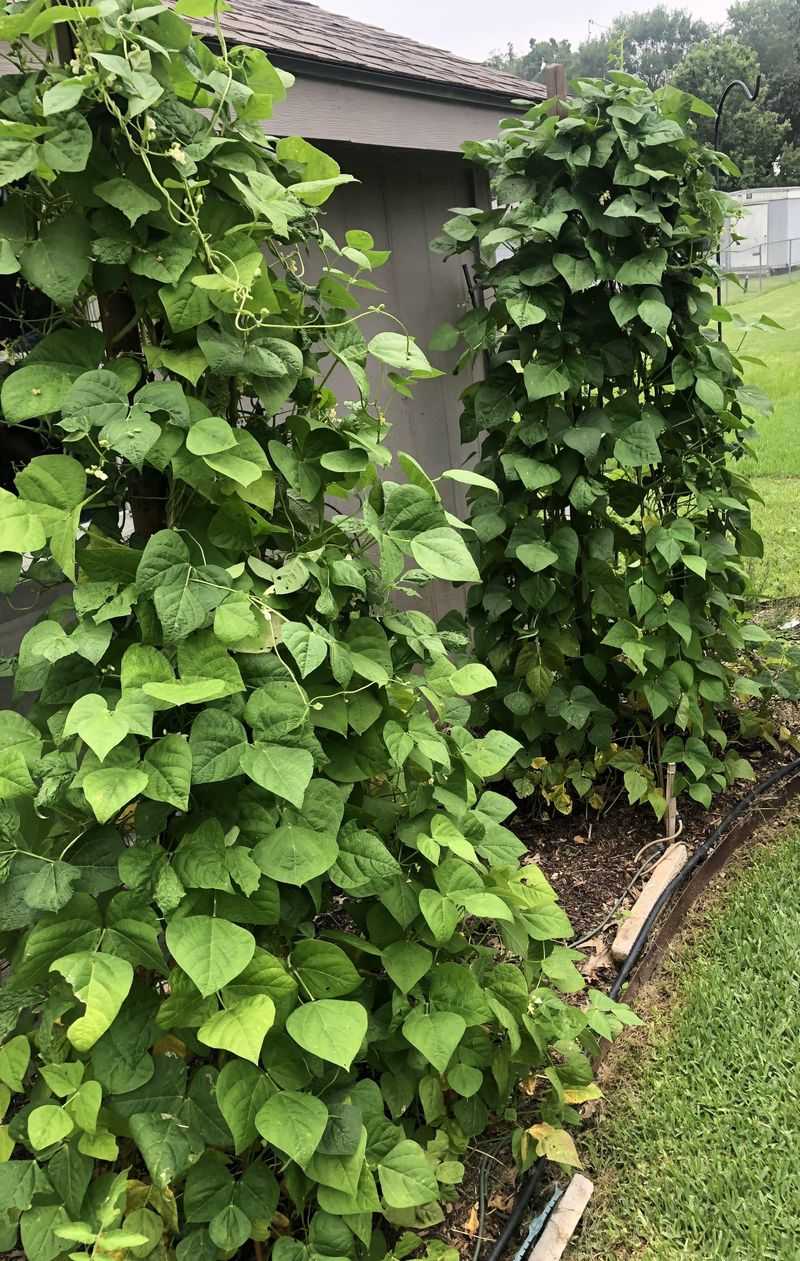
Vertical growing changes the math on small gardens in a meaningful way. Pole beans climb trellises, fences, or simple teepee structures made from bamboo stakes, and they produce pods continuously over a much longer harvest window than bush beans.
That extended productivity makes them a compelling choice for gardeners who want steady harvests from midsummer through early fall without replanting every few weeks.
A single row of pole beans trained up a trellis can produce a generous amount of food from a narrow strip of ground. Because the plants grow upward rather than outward, the footprint stays compact while the productive canopy expands vertically.
This approach works particularly well in raised beds or along garden borders where a fence or wall is already available to support the vines.
Pole beans generally need a bit more time to start producing than bush types, but once they begin flowering, they keep going as long as you harvest regularly.
Leaving pods on the vine too long signals the plant to slow down, so frequent picking encourages continued production.
Compared to the single concentrated harvest of sweet corn and the space it requires, pole beans give Ohio gardeners a longer season of fresh food from a much smaller piece of ground.
7. Cucumbers Produce In Less Room
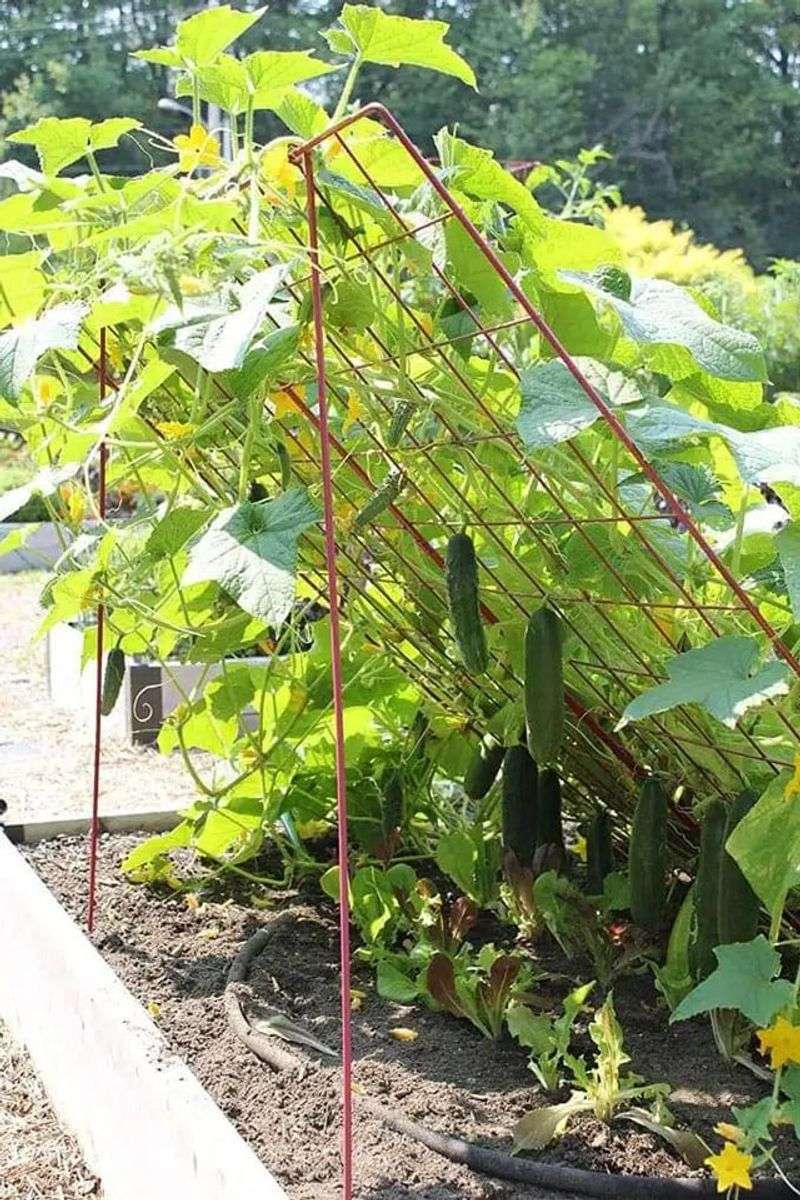
Cucumbers have a reputation for taking over a garden when left to sprawl on the ground, but trained upward on a trellis or simple wire cage, they become one of the most space-efficient producers in a summer vegetable bed.
A single healthy vine can supply a steady stream of cucumbers over six to eight weeks, and most gardeners find that just two or three plants are enough to keep a household well supplied through the heart of summer.
Ohio summers suit cucumbers reasonably well, with the warm temperatures and moderate humidity that these plants prefer for fruit development.
They do need consistent watering, particularly once fruiting begins, since uneven moisture can lead to bitter-tasting cucumbers or misshapen fruit.
Mulching around the base of the plants helps retain soil moisture and keeps the roots cooler during hot spells.
Compared to sweet corn, cucumbers begin producing relatively quickly after transplanting, often within fifty to sixty days from seed. They also give you a clear signal when they are ready since the fruit size and color make harvest timing easy to judge.
For gardeners looking to maximize output from a small Ohio vegetable garden, a trellised cucumber planting delivers fresh produce reliably without requiring the wide footprint that corn demands.
8. Summer Squash Gives A Fast Harvest
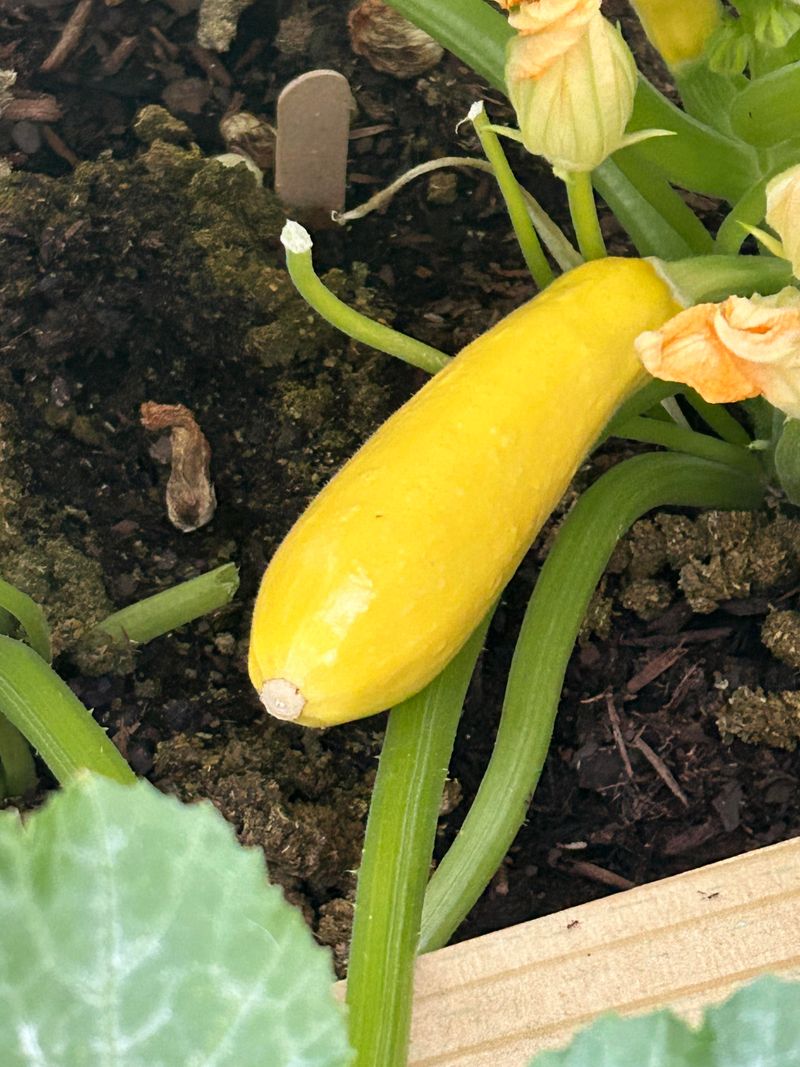
Few vegetables move from seed to table faster than summer squash, and that speed is part of what makes it such a satisfying crop for home gardeners.
Zucchini and yellow squash can be ready for harvest in as little as forty-five to fifty days from direct seeding, which means you could be picking your first squash before sweet corn has even finished tasseling.
That quick turnaround is hard to beat when you are eager to see results from your garden beds.
One or two summer squash plants can produce more food than many families expect. The plants are large and take up a fair amount of ground-level space, but their productivity per square foot tends to be high compared to corn.
Harvesting every couple of days at a young, tender size keeps the plants producing and prevents the fruit from growing into oversized, seedy specimens that are less enjoyable to eat.
Summer squash also handles Ohio’s variable summer weather with reasonable resilience. While it appreciates consistent moisture and warm soil, it is not as sensitive to short dry spells as sweet corn is during silking.
For gardeners who want fast, visible results and a crop that keeps producing through the summer, summer squash is one of the most reliable choices available in an Ohio vegetable garden.
9. Peppers Offer Long Summer Production
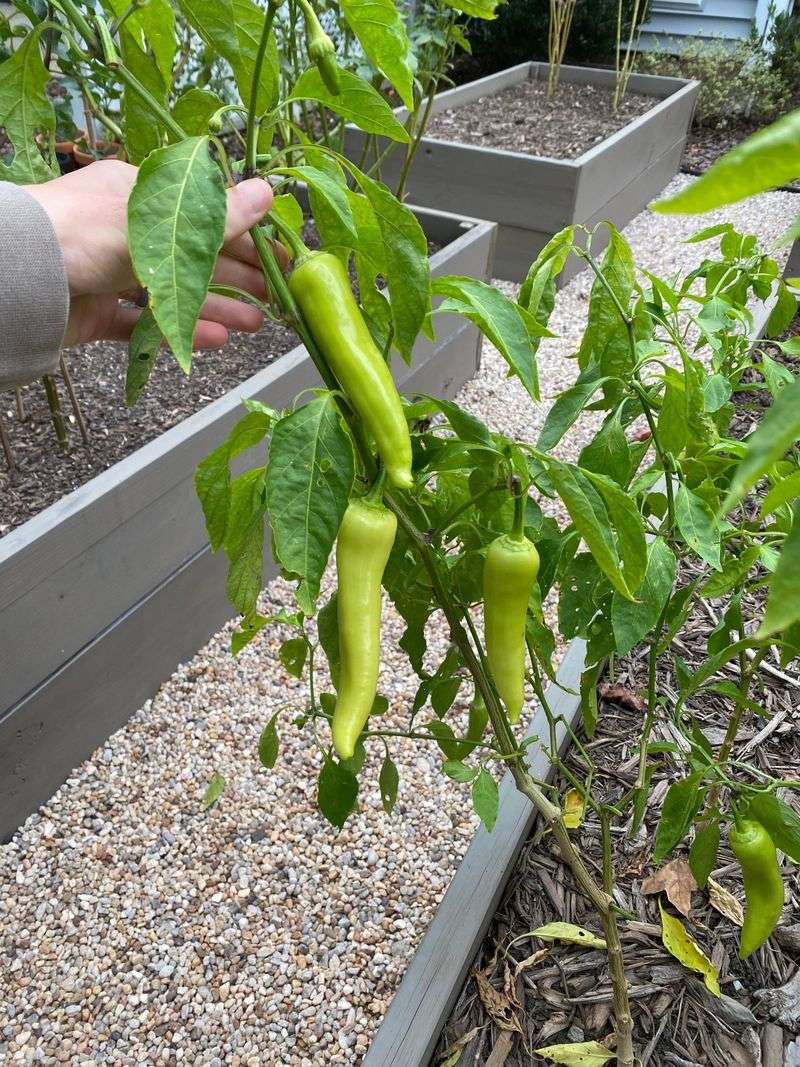
There is something deeply satisfying about a pepper plant that just keeps going all summer long.
Unlike sweet corn, which produces one or two ears per stalk and then finishes, a healthy pepper plant can set fruit repeatedly from early summer through the first frost of fall.
That extended production window makes peppers one of the most rewarding crops per square foot in an Ohio backyard food garden.
Bell peppers, banana peppers, and hot varieties all perform reasonably well in Ohio when given a sunny spot and consistent watering.
Starting transplants indoors several weeks before the last frost date gives peppers the head start they need in Ohio’s climate, since they are slow to establish from seed when planted directly outdoors.
Once the plants are settled and summer heat arrives, they tend to grow steadily and set fruit with minimal fuss.
Peppers are also compact enough to fit into raised beds, container gardens, or small in-ground plots without crowding out neighboring plants.
A single row of six to eight pepper plants can supply a household with fresh peppers for months, and any surplus can be frozen, dried, or roasted for later use.
For gardeners who want a long-season producer that earns its space, peppers deliver consistent value through an Ohio summer.
10. Tomatoes Make Better Use Of Space
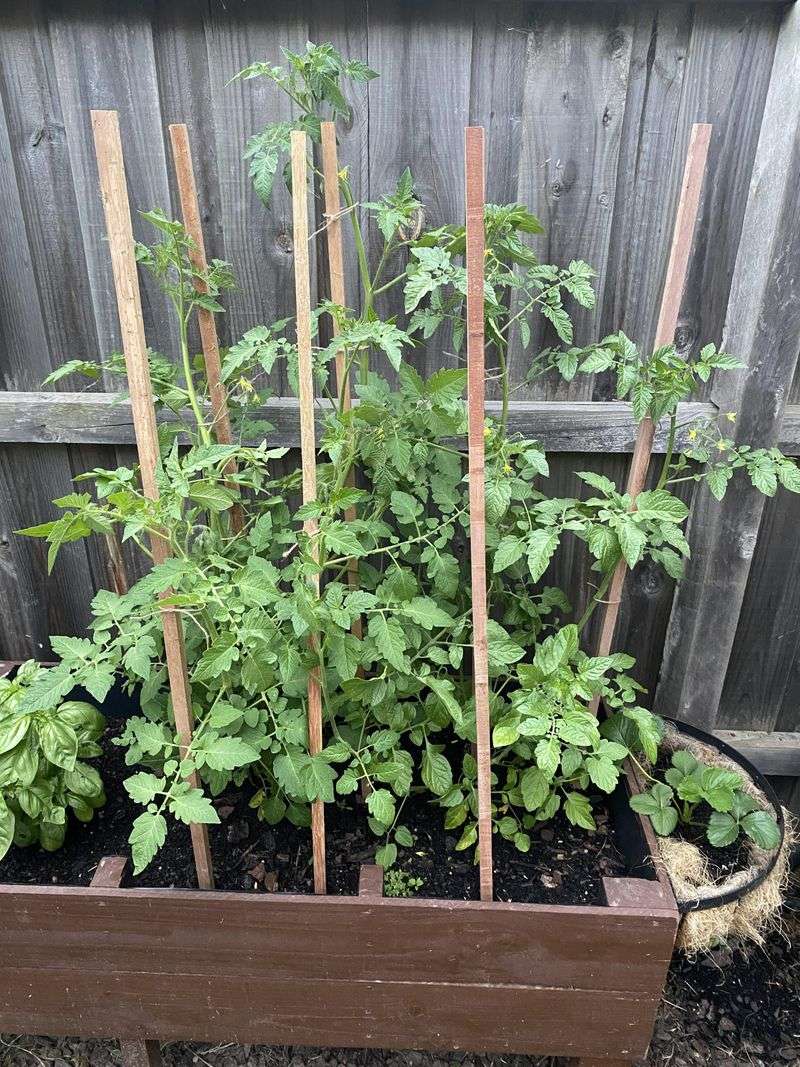
Ask most gardeners what they wish they grew more of, and tomatoes come up almost every time. Tomatoes are the backbone of many backyard food gardens for good reason.
A single indeterminate tomato plant trained up a stake or cage can produce pounds of fruit over a stretch of eight to ten weeks, making it one of the most productive crops available in terms of food value per square foot of garden space.
Determinate varieties finish their harvest in a shorter, more concentrated window, which suits gardeners who want a large batch for canning or preserving at one time.
Indeterminate types keep flowering and setting fruit until cool fall temperatures slow them down, providing a steady supply of fresh tomatoes through much of the Ohio growing season.
Both styles have their place depending on what a gardener wants to do with the harvest.
Tomatoes do require some attention, including staking or caging, occasional pruning of suckers on indeterminate types, and consistent watering to prevent issues like blossom end rot.
But the payoff is substantial compared to the effort involved.
For gardeners reconsidering where their garden space goes each year, redirecting even a small portion of the area once dedicated to sweet corn toward a few well-tended tomato plants can make a noticeable difference in overall harvest satisfaction.