The Herb Tennessee Gardeners Should Pair With Rosemary In July
Tennessee summers do not negotiate. Triple-digit heat indexes, air thick enough to chew, most herbs wave the white flag by July. Rosemary shrugs it off. But even the toughest plant in the garden gets better company.
Enter sage, the herb that matches rosemary’s grit step for step. Both crave full sun, both despise soggy roots, and both taste better when the weather turns brutal, concentrating their oils into sharper, more fragrant leaves.
Plant them side by side and you get more than survival, you get a partnership that pulls in bees and shrugs off deer. If your rosemary has been growing solo, July is the month to change that, and sage is the plant that makes the case.
A Mediterranean Herb That Shares Rosemary Growing Needs
Sage and rosemary grew up in the same neighborhood. Both herbs are native to the Mediterranean region, where rocky hillsides, blazing sun, and dry air shaped their tough personalities.
That shared origin means they want the same things from your garden. They both crave heat, low humidity at the root level, and soil that drains fast after rain.
Tennessee summers can feel punishing, but for these two herbs, the conditions closely resemble their native climate. The high temperatures that wilt other plants can encourage sage and rosemary to produce more aromatic oils.
Those oils are what give both herbs their fragrance and their bold flavor in the kitchen. When you plant them together, you get double the fragrance every time the breeze moves through your beds.
Sage belongs to the Salvia genus, which includes hundreds of species across the globe. Garden sage, or Salvia officinalis, is the culinary variety most Tennessee gardeners know and love.
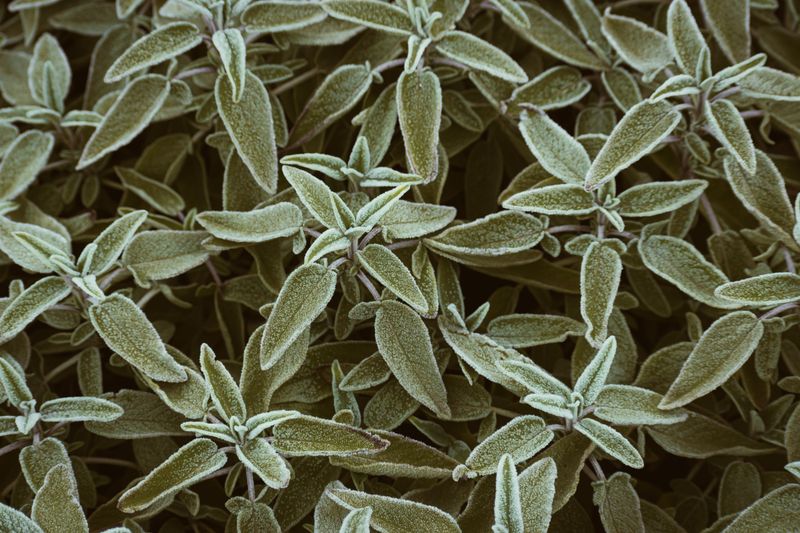
It grows in a similar shrubby shape to rosemary, with woody stems and silvery-green leaves that feel almost velvety under your fingers. That soft texture is no accident.
The tiny hairs on sage leaves help the plant hold moisture and reflect intense sunlight. Rosemary uses a similar strategy with its narrow, needle-like leaves that reduce surface area in the heat.
Planting these two herbs side by side is not just convenient. It is a smart design choice that mirrors how they naturally grow in the wild.
Starting From Transplants Beats Growing From Seed In July
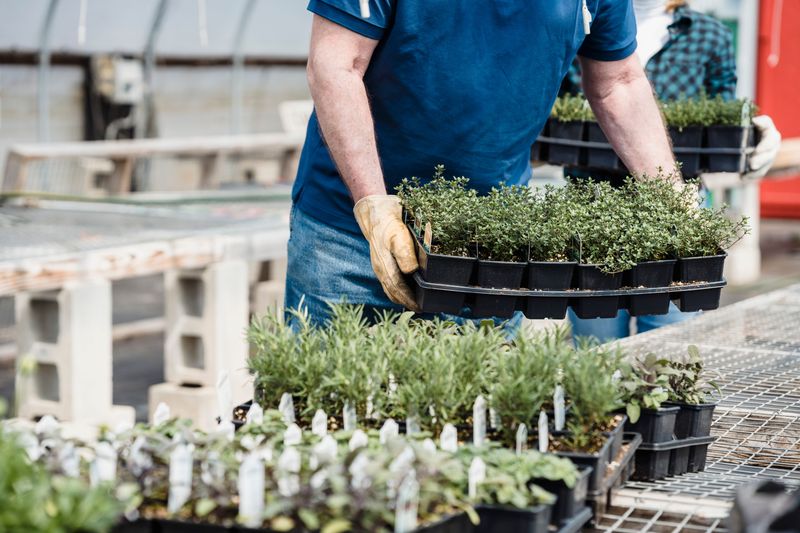
Nobody wants to wait three months for a seedling to catch up with July. Starting sage from seed in the middle of summer is a recipe for frustration and wasted effort.
Seeds need consistent moisture to germinate, and Tennessee July heat dries out the top inch of soil faster than most gardeners can keep up. Transplants skip that entire struggle.
When you buy a young sage plant from a nursery, you are getting a head start of six to eight weeks. That plant already has an established root system ready to push deeper into the soil.
Deeper roots mean better access to moisture during dry spells. A transplant can handle the heat of July far more gracefully than a fragile seedling just breaking the surface.
Your Tennessee Garden Changes Every Week. Your Plan Should Too.
Gardening in Tennessee changes quickly throughout the season. Every Friday you’ll receive a simple weekly plan showing exactly what to plant, prune, fertilize, harvest, and protect so you never miss the right timing.
Look for transplants that are stocky and compact, not tall and leggy. Leggy plants have been reaching for light, which often means they were stressed in the nursery before you even brought them home.
Choose a transplant with several strong stems and healthy silver-green leaves. Avoid any with yellowing foliage or visible pests hiding under the leaves.
Water your new sage transplant deeply right after planting. Then step back and resist the urge to water again until the top two inches of soil feel dry to the touch.
Overwatering is one of the most common ways gardeners lose a sage plant in summer. Treat it like the tough Mediterranean survivor it is, and it will reward you quickly.
Full Sun And Well Drained Soil For Both Herbs
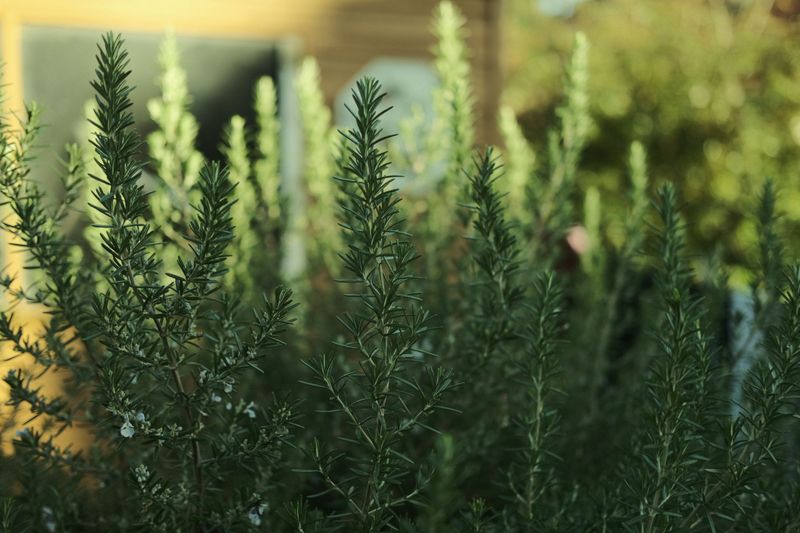
Sunlight is essential for this pairing. Both sage and rosemary need at least six hours of direct sun each day, and eight hours is even better in Tennessee’s long summer days.
Shade works against both plants here. Even partial shade can cause these herbs to grow weakly, produce fewer oils, and become more vulnerable to fungal problems in humid air.
Soil drainage matters just as much as sunshine. These herbs will rot at the roots if they sit in wet or compacted soil for too long after a rainstorm.
If your garden soil is heavy clay, which is common across parts of middle Tennessee, you need to amend it before planting. Mix in coarse sand and compost to open up the texture and improve drainage.
Raised beds are an excellent solution for gardeners dealing with stubborn clay. Even a six-inch raised bed filled with a sandy loam mix gives these herbs the drainage they need to thrive.
Soil pH also plays a role in keeping sage and rosemary healthy. Both prefer a slightly alkaline to neutral pH, somewhere between 6.0 and 7.0.
If you have not tested your soil recently, a simple home test kit from a garden center can give you a quick reading. Adjusting pH is easy once you know where you are starting from.
Get the sun and soil right, and these two herbs will practically take care of themselves through the hottest weeks of the year.
Pollinators Drawn To Sage’s Early Blooms
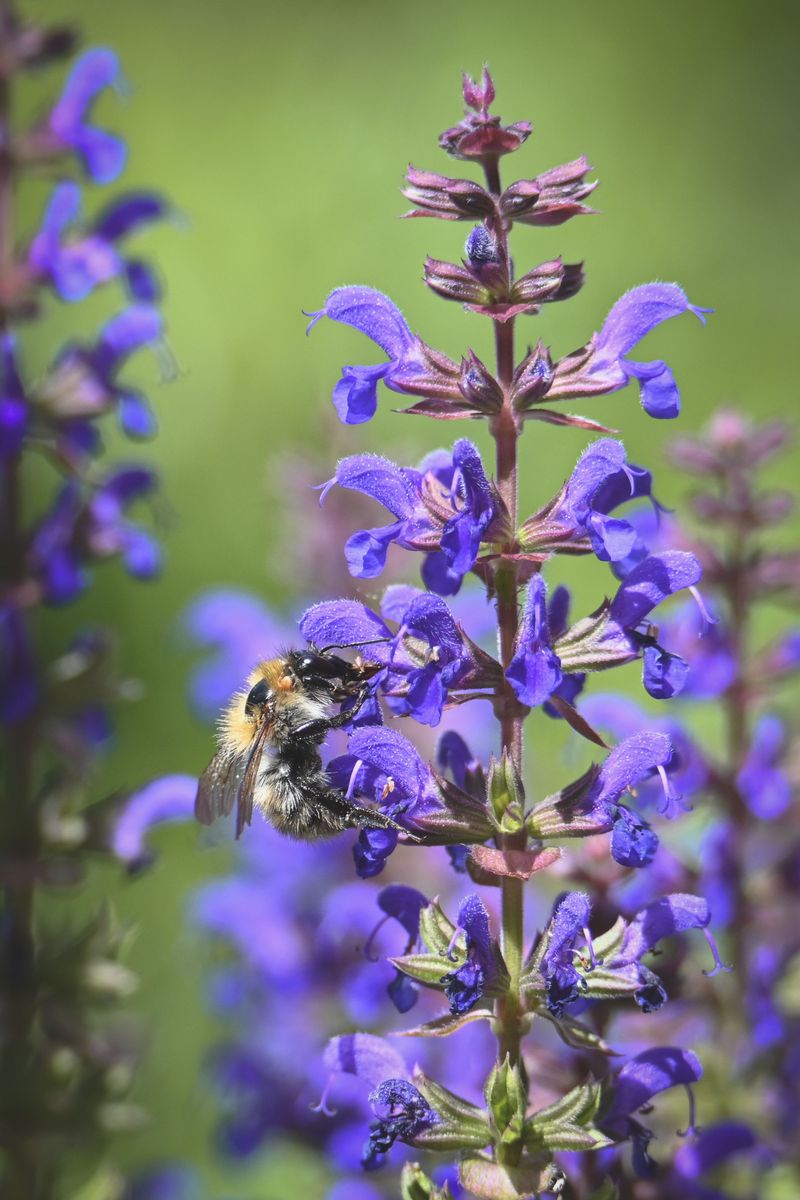
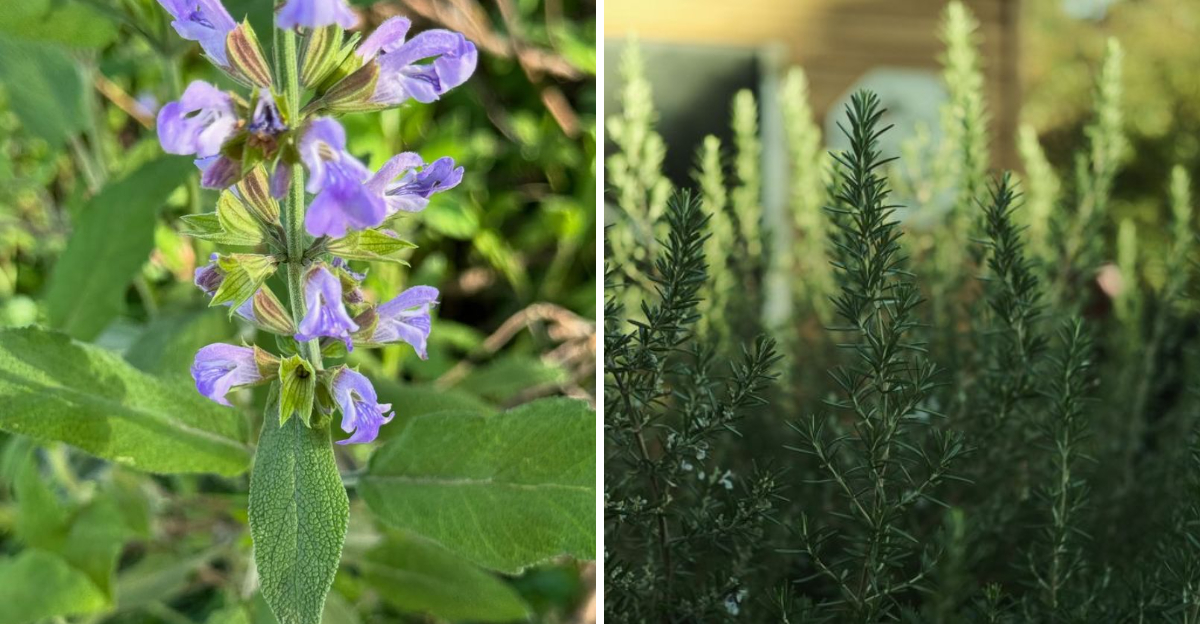
Sage often blooms earlier in the season, giving pollinators a head start before rosemary’s own bloom cycle. Those spikes of purple and blue flowers are like a neon sign for every bee and butterfly in the neighborhood.
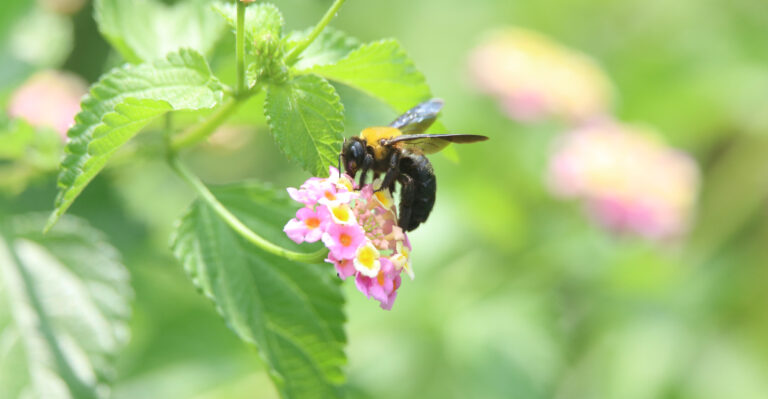
Bumblebees are especially wild about sage blossoms. Watch a sage plant in full flower for just two minutes and you will likely see multiple bees working the blooms at once.
Attracting pollinators to your garden does more than look pretty. Those same bees will visit your vegetable plants nearby, improving fruit set and overall garden productivity.
Butterflies also visit sage flowers regularly, including swallowtails that are common across Tennessee. A garden that feeds pollinators becomes a more vibrant and productive space overall.
Rosemary can bloom in spring, but by July it is mostly focused on leafy growth in Tennessee’s climate. Sage’s earlier bloom cycle helps extend the pollinator-attracting season in the garden.
Together, the two herbs create a season-long habitat for beneficial insects. That kind of layered planting strategy is what experienced gardeners call a pollinator corridor.
You do not need a massive garden to make a difference for local pollinators. Even a small raised bed or container planting with sage and rosemary side by side can support dozens of insects.
Letting sage flower freely through the season is a simple way to support local pollinators. Your local ecosystem will notice, and so will you.
Growing Sage Alongside Rosemary In Tennessee Gardens
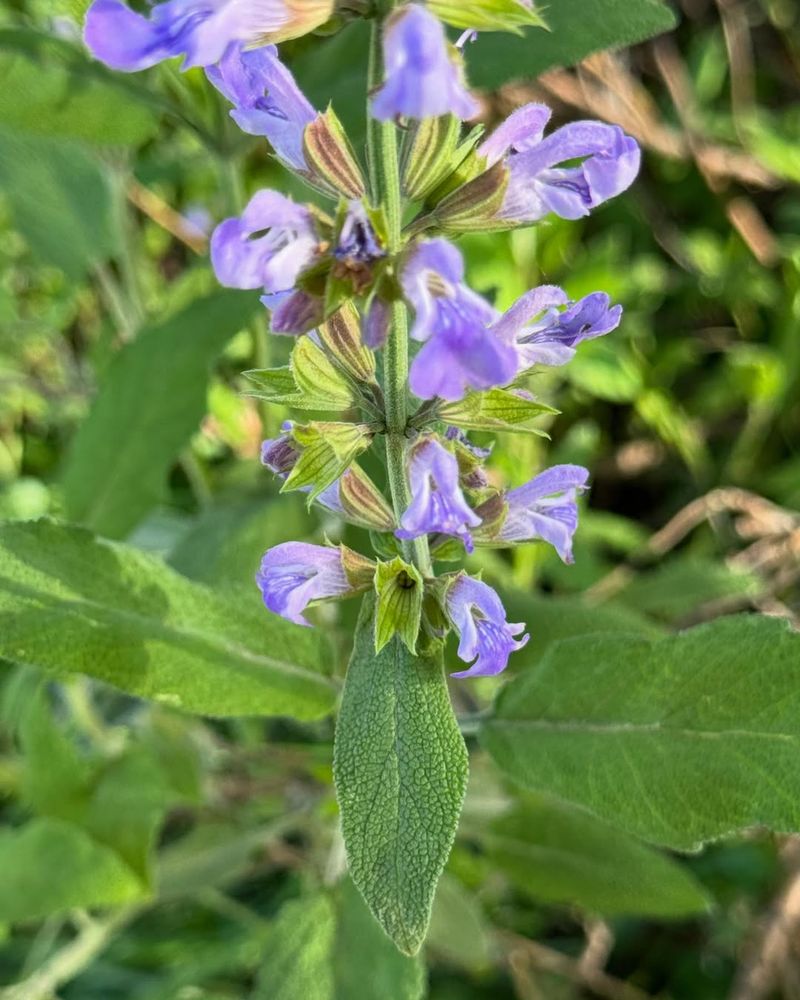
Pairing sage with rosemary in a Tennessee garden is a decision that pays off in more ways than one. These herbs complement each other visually, aromatically, and ecologically.
Rosemary grows upright and tall, sometimes reaching three feet in a good season. Sage tends to spread outward in a lower, mounding habit that fills in nicely around the base of rosemary.
That contrast in growth habit means they do not compete for the same space. Rosemary reaches for the sky while sage spreads along the ground, creating a layered and full-looking bed.
Spacing matters when planting them together. Give each herb about eighteen to twenty-four inches of space to allow for air circulation, which is critical in Tennessee’s humid summers.
Good airflow between plants reduces the risk of powdery mildew and other fungal issues that love warm, still air. Crowding your herbs together might look lush at first, but it causes problems fast.
Sage is reliably perennial across most of Tennessee, while rosemary typically survives winters only in zone 7 and warmer, often needing protection in zone 6b. Once established, sage in particular will come back year after year with very little effort from you.
Mulching around the base of both plants helps regulate soil temperature and retain just enough moisture without causing waterlogging. Use a light layer of gravel or bark mulch for best results.
A well-planned sage and rosemary bed becomes a low-maintenance garden feature that looks stunning from spring through fall.
Caring For Sage And Rosemary Through Summer Heat
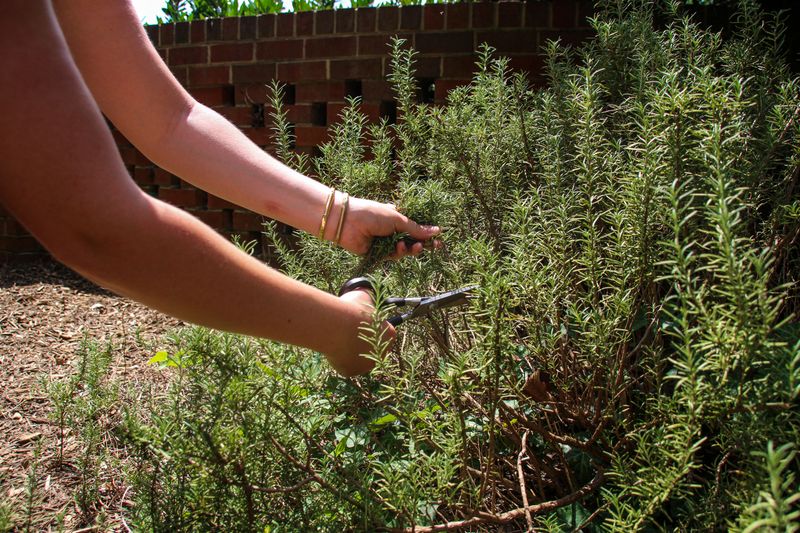
Summer care for these herbs is more about restraint than effort. A common mistake gardeners make is watering too much and pruning too aggressively in July’s heat.
Both sage and rosemary are drought-tolerant once established. Deep, infrequent watering once or twice a week is far better than shallow daily watering that keeps the surface wet.
Deep watering encourages roots to grow down into cooler soil layers. That deeper root system is what helps these herbs survive a two-week dry stretch without flinching.
Fertilizing in July is generally unnecessary and can actually cause harm. Excess nitrogen pushes soft, weak growth that wilts quickly and becomes a target for pests.
If you want to feed your herbs, a light application of a balanced organic fertilizer in early June is plenty. By July, just let them grow on their own terms.
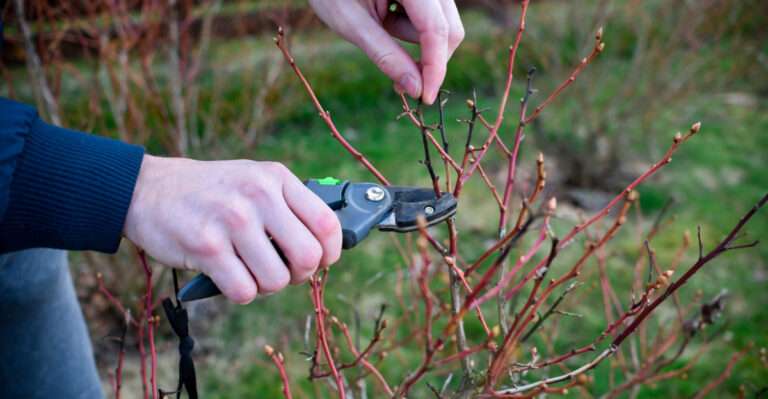
Light pruning in summer keeps both herbs from getting too woody or leggy. Pinch back the tips of sage stems to encourage bushier, more compact growth throughout the season.
Avoid heavy pruning in the hottest weeks, since cutting large amounts of foliage stresses plants already working hard to stay cool. Save the major shaping for early spring, before new growth begins.
Pairing rosemary with sage in your Tennessee garden is a practical strategy that pays off all season long. These two herbs together offer more color, fragrance, and pollinator activity than either one alone.