The Farm Bird Illinois Homeowners Didn’t Know Could Help With Ticks
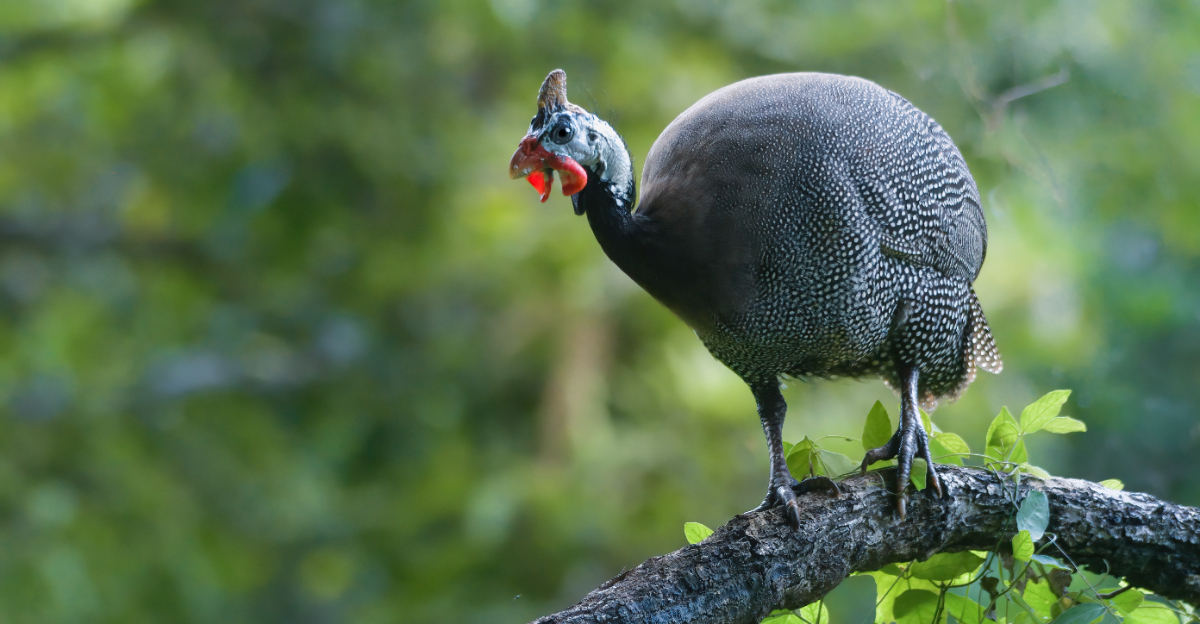
Silence hides a hunter already patrolling your property at dawn. Illinois homeowners are discovering an unexpected ally against ticks. Nobody expects an animal capable of offering a chemical-free alternative to pesticides.
This creature patrols persistently from dawn through dusk. Ticks disappear before they ever reach your ankles or pets. Sharp eyes track every movement crossing your lawn and garden.
Loud, unmistakable calls announce danger long before it strikes. Farmers have guarded this secret quietly for generations without saying a word.
Illinois properties are now benefiting from this overlooked, feathered defender. Your dog stays protected while your wallet stays untouched by chemicals.
Curiosity alone should pull you toward this unexpected guardian’s identity. Few homeowners realize how close this solution has been all along. Barnyards have hidden this answer in plain sight for centuries.
Patience rewards those willing to uncover what’s really out there. You won’t believe what’s been protecting farms until you find out.
Meet The Farm Bird Known For Reducing Ticks
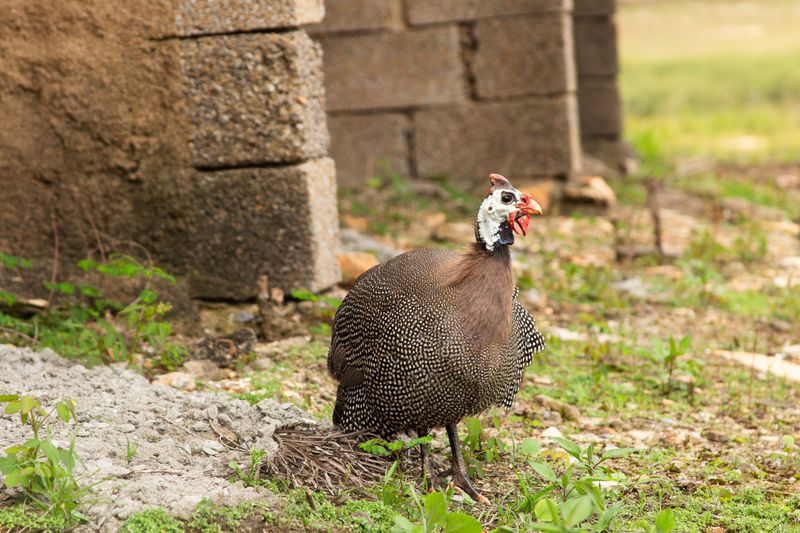
You have probably never thought of a bird as a pest control solution. Guinea fowl are changing that idea fast.
These spotted, helmet-headed birds originally come from West Africa. Farmers brought them to America generations ago for their loud alarm calls and surprising bug-eating habits.
Guinea fowl are medium-sized birds, roughly the size of a chicken. Their feathers are dark gray with white polka dots, giving them a look that is hard to forget once you have seen one up close.
What makes them special is not just their appearance. These birds have an almost obsessive drive to forage across every inch of ground they can reach.
Ticks do not stand much of a chance when a flock is nearby. Farmers who keep flocks report that guinea fowl forage steadily throughout the day, though exact numbers of ticks eaten are difficult to verify.
The tick deterrent reputation of guinea fowl has spread quietly through rural communities for decades. Now suburban homeowners are starting to pay attention and weigh whether it’s worth trying.
Across the Midwest, tick populations have grown steadily in recent years. Lyme disease cases have gone up right along with them, creating real concern for families who enjoy spending time outdoors.
Guinea fowl are one natural, chemical-free option some homeowners try to push back against that trend. They patrol, they forage, and they eat, all without a single pesticide involved.
If you have been looking for a chemical-free approach to yard pest control, this bird is worth a closer look.
Why This Bird May Help With Tick Control
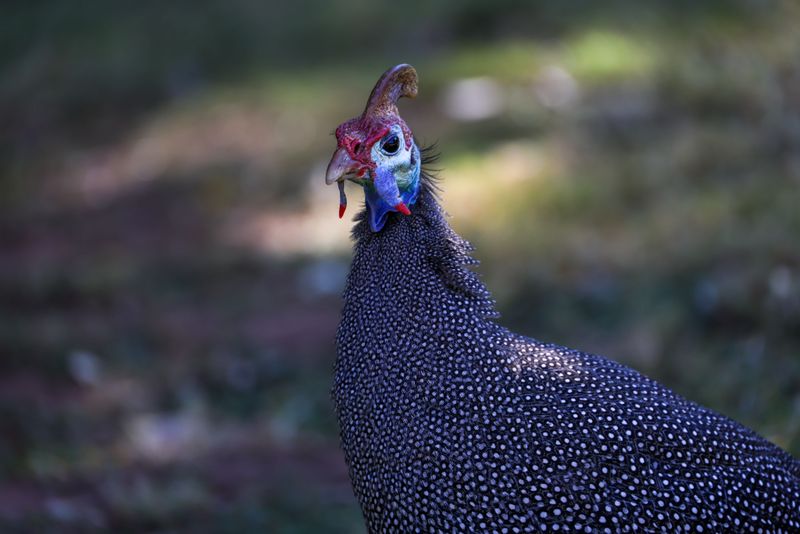
Ticks are sneaky. They hide in tall grass, leaf piles, and low brush, waiting for a warm body to walk by.
Guinea fowl are built to find exactly those kinds of hiding spots. Their eyesight is sharp, and their attention to ground-level movement is almost laser-focused.
A foraging guinea fowl does not just peck randomly. It systematically works through an area, covering ground the way a good gardener weeds a bed, row by row, inch by inch.
Your Illinois Garden Changes Every Week. Your Plan Should Too.
Gardening in Illinois changes quickly throughout the season. Every Friday you’ll receive a simple weekly plan showing exactly what to plant, prune, fertilize, harvest, and protect so you never miss the right timing.
Some early research, including a small 1992 study on Long Island, found that guinea fowl reduced adult tick populations within enclosed test areas. More recent studies have produced mixed results, so the science is still evolving.
Part of their effectiveness comes from how they move. They walk slowly, heads bobbing, eyes scanning, and they rarely miss a crawling insect on a blade of grass.
Ticks move slowly, which works in the bird’s favor. A guinea fowl spots movement, investigates immediately, and snaps up the pest before it can escape into the leaf litter.
They also cover more ground than most people expect. A small flock of six birds can patrol a surprisingly large area over the course of a single afternoon.
Their foraging style means they hit the edges of lawns, fence lines, and garden borders, which are exactly the zones where ticks tend to gather and wait.
Many Illinois owners describe noticeable results once a flock is active in the yard, though outcomes can vary.
How Guinea Fowl Hunt And Forage For Ticks
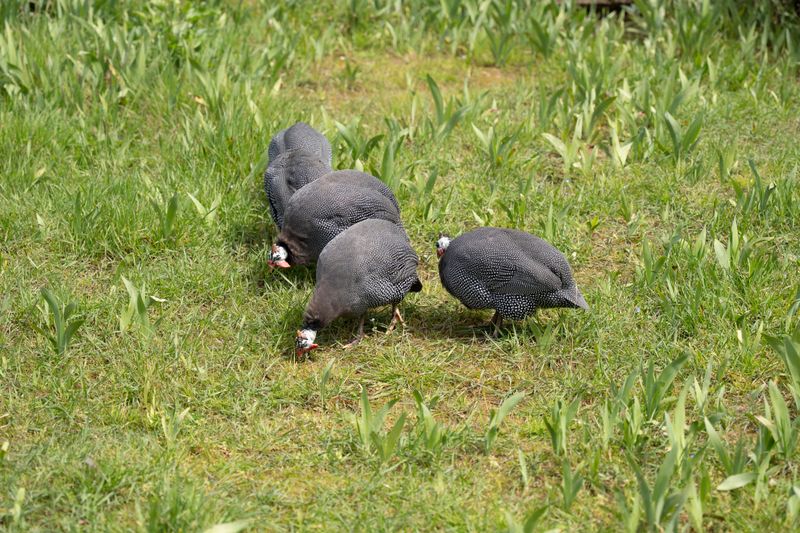
Watching guinea fowl forage is oddly satisfying. They move with purpose, like a tiny cleanup crew that never takes a break.
Their hunting style is rooted in instinct. From the time they are young, these birds are wired to scan the ground constantly and respond to the smallest crawling movement.
Ticks are not fast, and that is exactly why guinea fowl catch so many of them. The bird spots the tiny movement, tilts its head, and strikes before the tick can drop off a leaf or grass blade.
A flock tends to spread out while foraging, which means they cover more area collectively. One bird might work the garden edge while another sweeps the lawn near the fence.
They are not just eating ticks, either. Grasshoppers, beetles, and other insects also end up on the menu during a typical foraging session.
Guinea fowl prefer to walk rather than fly, which keeps them close to the ground where ticks live. Their low, slow movement pattern is perfectly matched to the pest they are hunting.
They also forage in leaf litter, which is a prime tick habitat that most homeowners overlook entirely. Raking alone will not solve that problem, but a flock of guinea fowl can make a real dent.
Morning hours are when these birds are most active. Getting them out early gives them the best chance to intercept ticks before the day heats up and insects become less active. Watching them work, you start to understand why farmers swore by them for generations.
Raising These Birds On Your Illinois Property
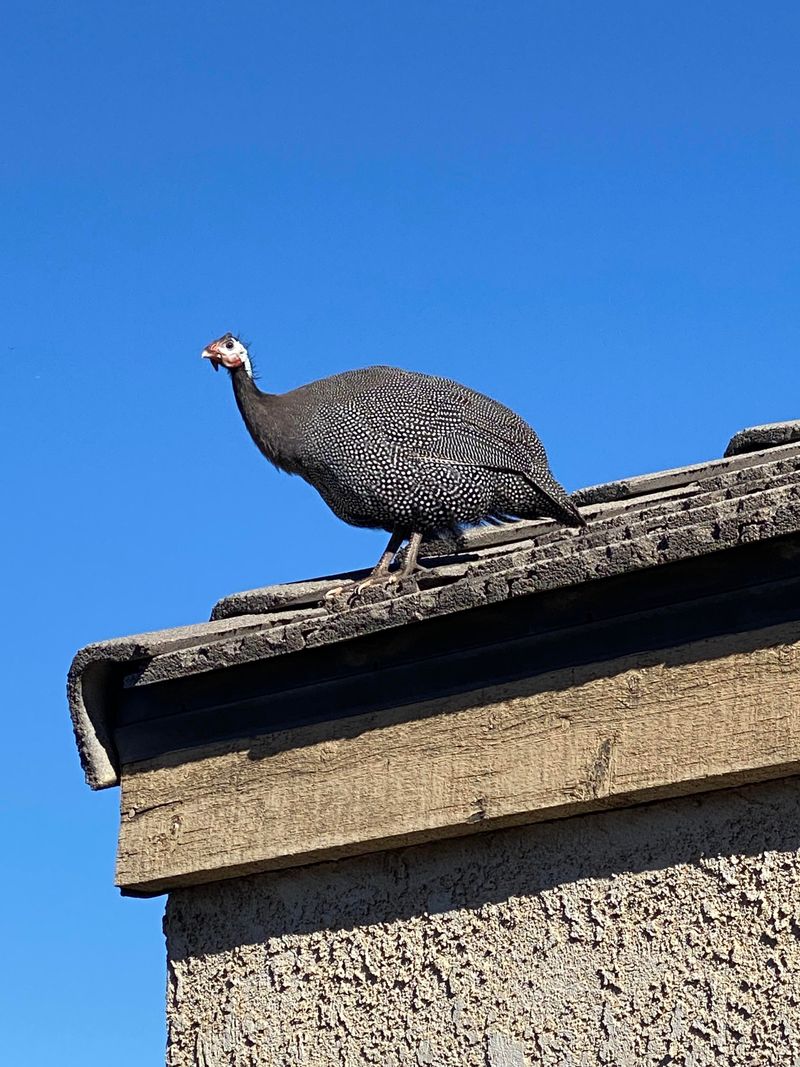
Raising guinea fowl is not complicated, but it does require some planning upfront. Getting started right makes all the difference.
Young guinea fowl are called keets, and they need a warm brooder for the first six weeks of life. After that, they transition to outdoor housing with a sturdy, predator-resistant coop.
Unlike chickens, guinea fowl are not great at staying inside a fence on their own. They will roam if given the chance, so a secure outdoor run is helpful during the early months.
Once they are fully grown and bonded to your property, many owners let them free-range during the day. Adult birds tend to return to their coop at dusk on their own.
Feed them a standard game bird starter when they are young, then transition to a layer or maintenance feed as adults. Fresh water daily is non-negotiable for keeping a healthy flock.
Guinea fowl are hardy birds that handle cold weather reasonably well. Midwestern winters do require a draft-free, insulated coop to keep the flock comfortable and healthy through the season.
Zoning laws matter here. Before buying keets, check with your local municipality about whether poultry is allowed on your property. Rules vary widely by municipality, so this should be confirmed locally before buying birds.
Starting with six to twelve birds gives you a flock large enough to forage effectively across a typical yard. Smaller groups tend to cover less ground as a collective unit.
The startup costs are modest, and many owners find the tradeoff worthwhile even if results vary.
Other Benefits Beyond Pest Control
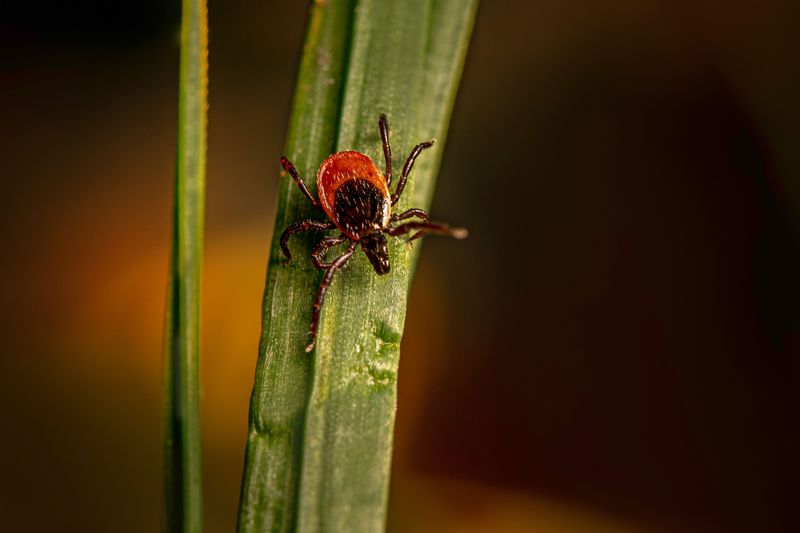
Tick control gets all the headlines, but guinea fowl bring a surprising number of other perks to the table. Most owners do not expect the full package they end up getting.
These birds are exceptional watch animals. Their loud, distinctive call goes off the moment something unfamiliar enters the yard, whether it is a hawk overhead or a stranger near the fence.
That alarm instinct makes them a natural early-warning system. Many farmers use them specifically to alert other animals, including chickens, when predators are nearby.
Guinea fowl also eat a wide range of garden pests beyond ticks. Squash bugs, Japanese beetles, and slugs are all fair game during a foraging session.
Unlike chickens, they are less likely to scratch up and destroy garden beds. They tend to pick insects off plants rather than dig aggressively through the soil around them.
Their droppings are a decent source of nitrogen, which means they contribute to soil health as they roam. It is a small bonus, but it adds up over a full growing season.
Some owners also collect guinea fowl eggs, which are smaller than chicken eggs but rich in flavor. They work well in baking and cooking as a direct substitute.
Feathers shed naturally throughout the year and can be collected for crafts, fly tying, or decoration. It sounds minor, but hobbyists genuinely seek them out.
When you add it all up, these birds earn their keep in more ways than one, making them one of the most practical additions to any property.
What To Know Before Adding Them To Your Yard
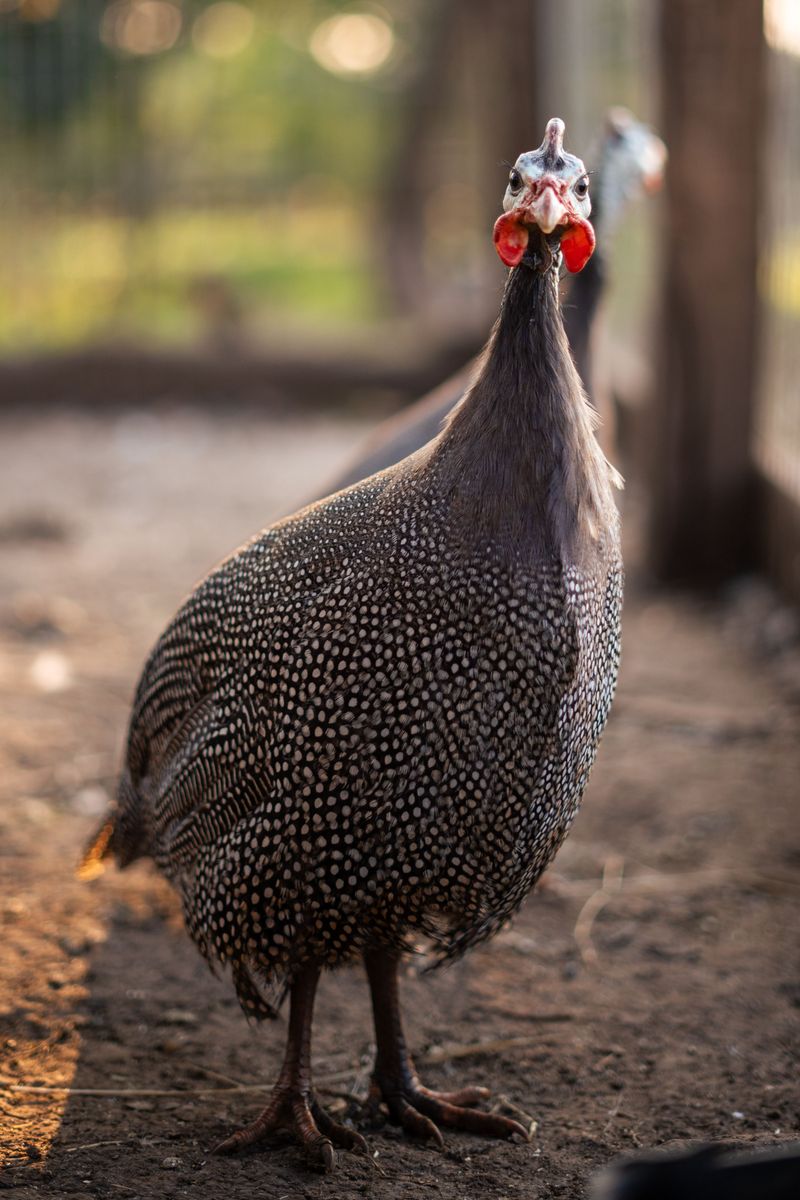
Guinea fowl are rewarding to keep, but they are not for everyone. Knowing what you are getting into upfront saves a lot of frustration later.
The noise level is the biggest adjustment for most new owners. Guinea fowl are loud, especially when alarmed, and they will alarm at almost anything that moves near the yard.
Neighbors in close proximity may have opinions about that. Having an honest conversation before you bring home a flock is a smart move that can prevent real tension.
These birds also need space to roam to forage naturally and cover more ground. Keeping them in a small pen limits their foraging range and how much of the yard they can patrol.
They can be flighty and skittish compared to chickens. Handling them regularly from a young age helps, but do not expect a lap bird, because that is not what guinea fowl are.
Predator pressure is a genuine concern in suburban and rural settings alike. Foxes, raccoons, and hawks all view guinea fowl as a potential meal, so secure overnight housing is essential.
Cold snaps in a Midwestern winter require extra attention. Providing a dry, insulated shelter with good ventilation keeps your flock healthy when temperatures drop hard and fast.
The learning curve is real but manageable. Most new owners feel confident within the first season and wonder why they waited so long to add these birds to their property.
If ticks are a problem in your Illinois yard, guinea fowl might be a chemical-free option worth trying, though results can vary from yard to yard.