The Invasive Pest Turning Texas Pastures Reddish-Brown Across 70 Counties
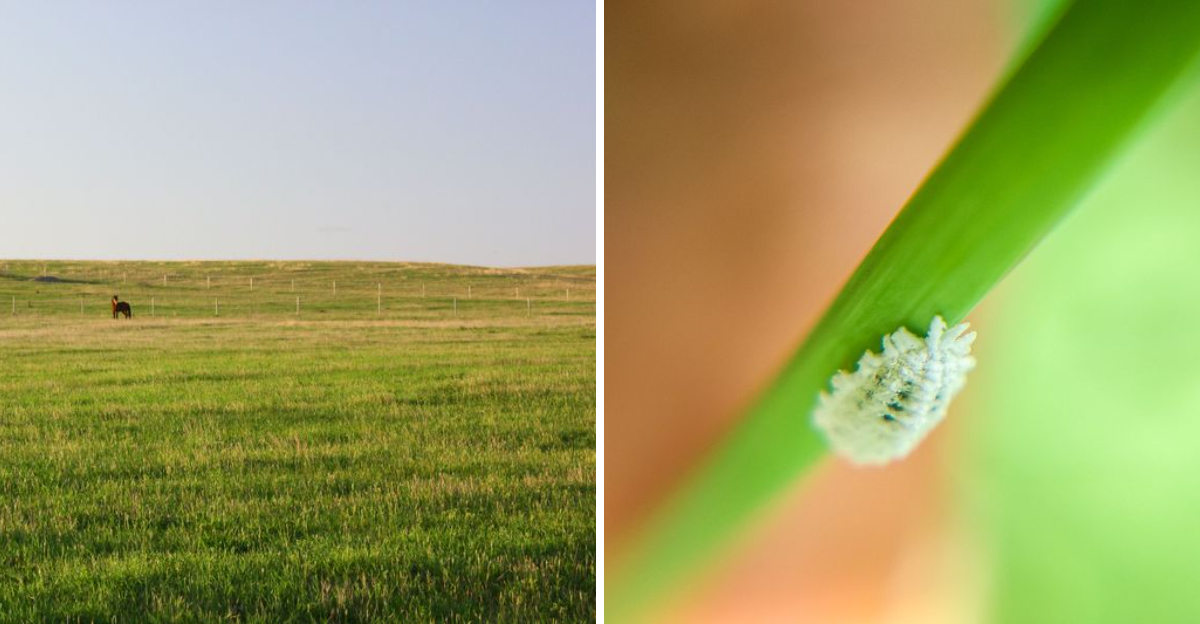
Danger rarely looks this small, yet it quietly demands your full attention. Ranchers across Texas are watching pastures turn rust red fast.
Maybe you already own land facing this exact threat. Nothing about this pest looks harmful to your land.
Waxy and relentless, it drains life from your grass. Cattle graze fields that once thrived, now thinning beneath you.
Farmers report spread moving fast across your nearby counties. Scientists say this spread outpaces anything you expected.
Grass fades quietly while the pest nears your fields. Land that once fed herds now sits pale and quiet.
Every acre left unchecked invites trouble for your herd. Profits shrink the moment your pastures weaken beneath cattle.
Texas soil hides a threat most landowners never expected. Delay feeds this problem more than you realize.
Speed matters because you have less time than you think. You cannot afford to look away from what comes next.
What Is The Pasture Mealybug
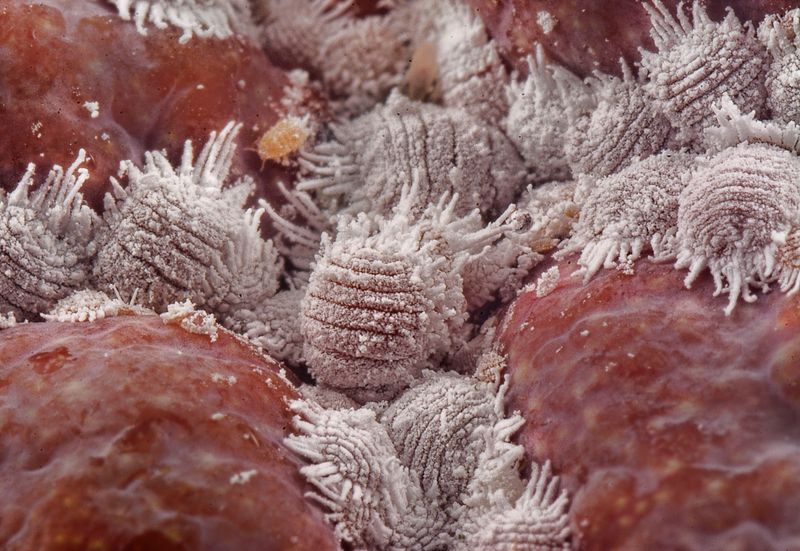
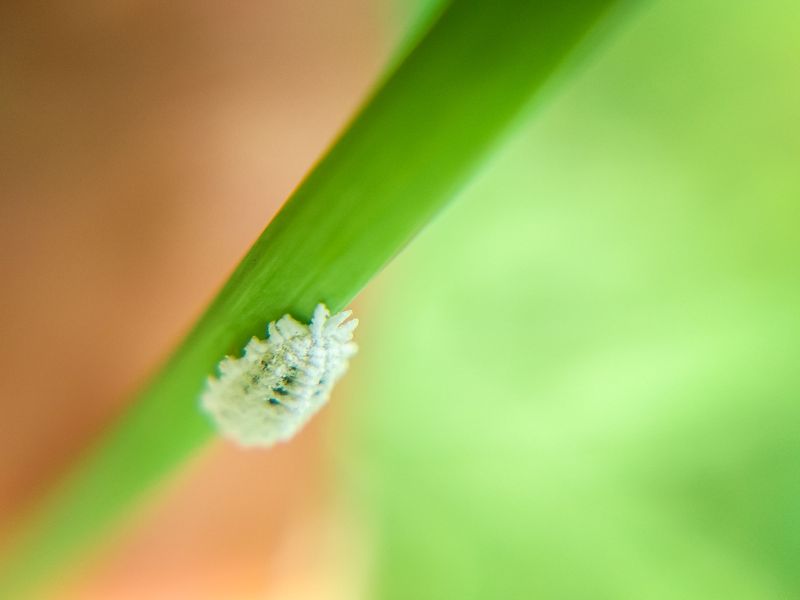
Tiny but damaging, the pasture mealybug causes disproportionate harm for its size. This soft-bodied insect, covered in a powdery white wax, looks almost harmless at first glance.
Looks can be very deceiving in the insect world. Scientifically known as Heliococcus summervillei, this pest targets grasses specifically. It latches onto grass stems near the soil surface and begins feeding immediately.
Ranchers often miss it until the damage is already widespread. The bug feeds by sucking sap directly from grass tissue. That constant drain weakens the plant from the inside out.
Over time, entire patches of pasture simply stop growing. This species was first described in Australia in 1928 and only confirmed in Texas in 2025, and recent outbreaks have alarmed agricultural experts.
Its population can grow rapidly under warm, dry conditions. A single infested patch can spread across acres within one growing season.
Identifying this pest early is your best defense. Look for white, cottony clusters near the base of grass stems. Surrounding soil may also appear crusty or discolored from the insect’s secretions.
Ants often travel alongside mealybug colonies, feeding on their sweet honeydew secretions. Spotting unusual ant activity in your pasture can be an early warning sign. Knowing what to look for puts you one step ahead of this fast-moving invader.
Spread Across 70 Texas Counties
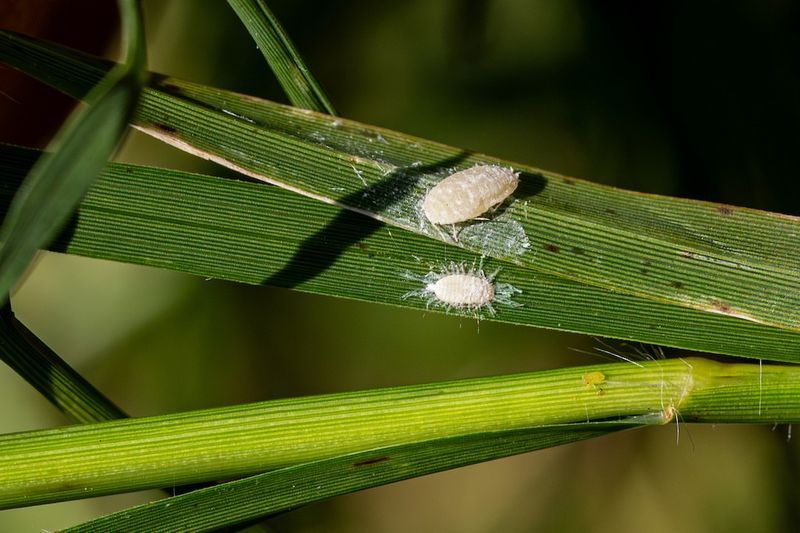
Seventy counties sounds like a lot, because it absolutely is. The pasture mealybug has moved across a huge portion of the Lone Star State with surprising speed. Experts are watching its range expand almost every season.
The pest hitches rides on hay, equipment, livestock, and even wind-blown grass clippings. One infested hay bale moved to a new property can spark a whole new outbreak. That is how fast and quietly this insect travels.
Central and South Texas have seen the heaviest concentrations so far. But reports from North and East Texas are climbing steadily. No region with warm-season grasses feels truly safe at this point.
The spread pattern follows areas where Bermuda grass and Bahia grass grow most densely. Both are confirmed host plants for the mealybug. Pastures dominated by these grasses face the highest risk of infestation.
Your Texas Garden Changes Every Week. Your Plan Should Too.
Gardening in Texas changes quickly throughout the season. Every Friday you’ll receive a simple weekly plan showing exactly what to plant, prune, fertilize, harvest, and protect so you never miss the right timing.
County extension offices have been flooded with calls from confused landowners. Many initially thought drought or fertilizer problems caused their brown patches. Lab testing later confirmed the mealybug as the real culprit in case after case.
Tracking the spread has become a priority for Texas A&M AgriLife Extension agents. They are mapping new reports as they come in across affected regions.
Staying connected with your local extension office is one of the smartest moves any landowner can make right now.
Why Pastures Turn Reddish-Brown
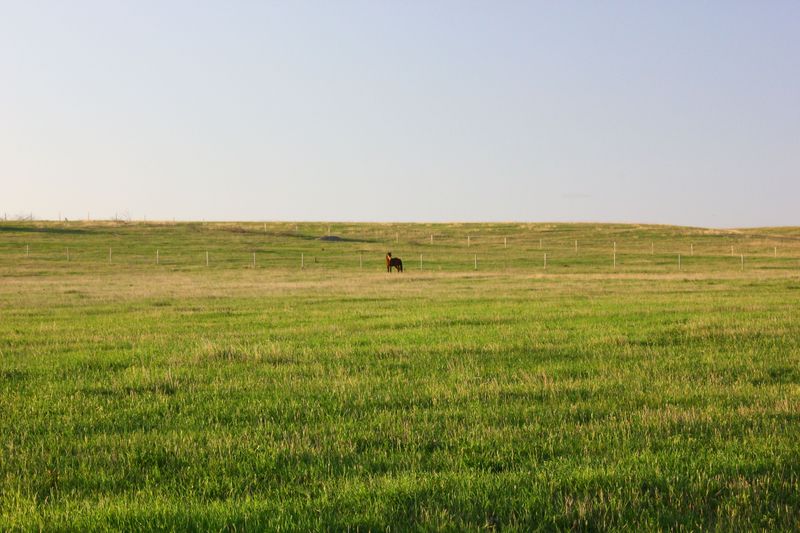
That rust-colored tint creeping across your pasture is not a drought mirage. It is the visible signature of a mealybug feeding frenzy happening just below the grass canopy. The color change is one of the earliest signs ranchers can spot from a distance.
When mealybugs feed, they inject a toxic saliva into the grass stem. That saliva disrupts the plant’s ability to move water and nutrients upward. The grass essentially starves from the roots up.
Affected grass blades turn yellow first, then shift to purpling or deep red-brown. The discoloration spreads outward in circular or irregular patches. From above, infested pastures can look like they have been lightly scorched by fire.
Unlike actual drought damage, mealybug-affected areas often show limited recovery after rainfall. Even good soaking rains may fail to fully green up infested zones. That lack of recovery after wet weather is a major diagnostic clue for landowners.
Grasses like Bermuda and johnsongrass are especially vulnerable to this color change. Once feeding pressure is heavy enough, the grass crown itself gets damaged. Regrowth becomes nearly impossible without intervention at that stage.
The reddish-brown patches also create a secondary problem: bare soil exposure. Open ground invites weeds, erosion, and even more pest pressure over time.
Catching the color change early and acting fast gives pastures a real fighting chance at recovery.
Impact On The Cattle Industry
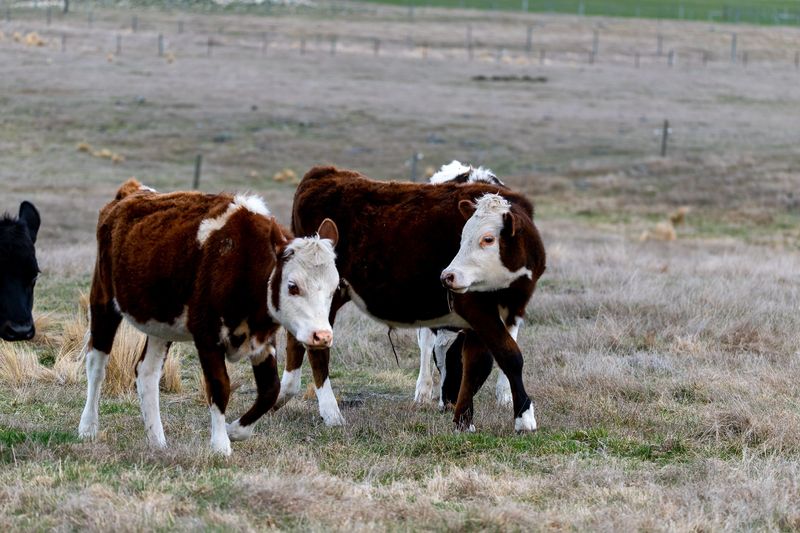
Cattle ranchers across Texas are feeling this pest in their wallets. Fewer healthy grasses mean less forage, and less forage means ranchers must spend more on supplemental feed. That extra cost adds up fast across a large operation.
A heavily infested pasture can lose enough grazing capacity to force ranchers into significant herd reductions.
Stocking rates drop, and so does ranch income. Some producers have already been forced to reduce their herds significantly.
Bermuda grass is the backbone of many Texas cattle operations. It is highly productive, drought-tolerant, and palatable to livestock. Losing it to mealybug pressure is not a minor inconvenience; it is a serious economic blow.
Hay production declines alongside grazing capacity. Infested fields produce far less tonnage per cutting than healthy ones.
Ranchers who sell hay as a secondary income stream face double losses from reduced yield and quality.
Land values could also be affected when pastures show widespread damage, as buyers may grow cautious about properties with known pest problems. That concern ripples into long-term investment decisions for families who rely on their land.
Agricultural economists are still calculating the full financial impact of the mealybug outbreak. Early estimates from Texas A&M AgriLife suggest losses could range from $100 million to $1 billion across affected regions.
The cattle industry is watching this situation closely, hoping for faster solutions before the next growing season arrives.
Screwworm And Mealybug Double Threat
Texas ranchers already had one pest nightmare on their radar this year. The screwworm fly, a parasite that infests open wounds on livestock, has been creeping back toward the southern border.
Now they face a second front with the mealybug spreading across pastures. Two invasive threats at once stretch resources thin for ranchers and state agencies alike. Monitoring, treatment, and prevention programs must run simultaneously.
That kind of dual pressure is exhausting and expensive for even well-funded operations. The screwworm targets animals directly, while the mealybug targets the land those animals depend on.
Together, they create compounding pressure on the entire ranching system. Healthy cattle need healthy pastures, and both are under serious pressure right now.
State and federal agencies have been working to respond to both threats. Funding, personnel, and research attention are being stretched across multiple fronts. Ranchers caught between two crises often feel like the response is not moving fast enough.
Communication between ranchers and extension agents has become more critical than ever. Sharing sighting reports for both pests helps officials track and respond more efficiently.
A neighbor’s early report can give the whole community a head start on containment. Facing two invasive species at once is challenging, but ranchers are a resilient group.
History shows that Texas agriculture has weathered serious threats before and come out stronger. Staying informed and connected is the foundation of getting through this double challenge.
Control Options For Ranchers
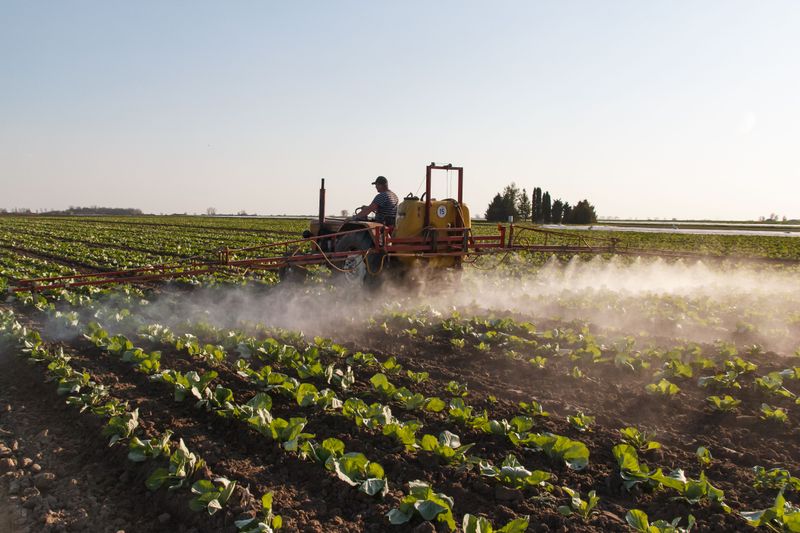
Good news: there are real tools available to fight back against the pasture mealybug. The challenge is catching the infestation early enough for those tools to be most effective. Timing matters enormously when dealing with a pest this mobile.
Currently, no insecticides are officially labeled for pasture mealybug control, and the pest has shown strong resistance to most treatments.
The product Sefina has shown some ability to suppress low-level infestations, and researchers are seeking emergency approval for additional options.
Always consult your local extension agent before choosing and applying any chemical treatment.
Biological control is another avenue researchers are actively exploring, though no proven natural predator has yet been established for this specific species.
Proper pasture management also plays a big role in reducing mealybug pressure. Avoiding overgrazing keeps grass canopies dense and competitive.
Healthy, thick turf is naturally more resistant to mealybug establishment and spread. Quarantine practices for hay and equipment movement are essential right now.
Cleaning machinery before moving it between properties helps stop accidental transport of the pest. Simple hygiene habits can prevent a whole new outbreak on clean land.
Connecting with Texas A&M AgriLife Extension is your single most important first step. Their specialists offer free consultations, soil and plant testing, and up-to-date treatment guidance.
Ranchers who act early, stay informed, and lean on expert support give their pastures the best possible chance against this ongoing pasture mealybug spread.