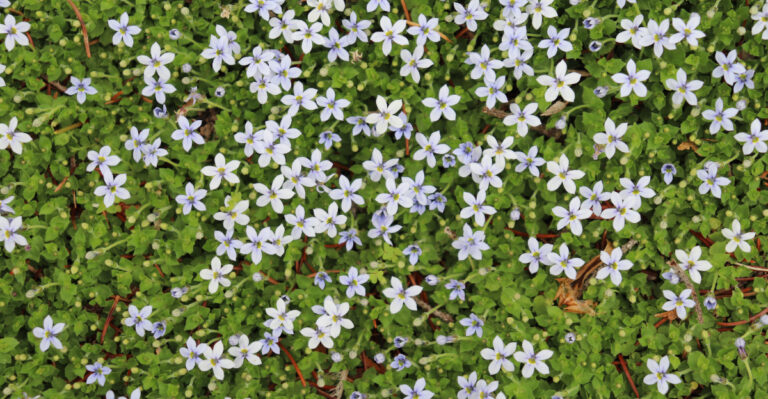
The 9 Plants That Make California Gardens Glow In Moonlight
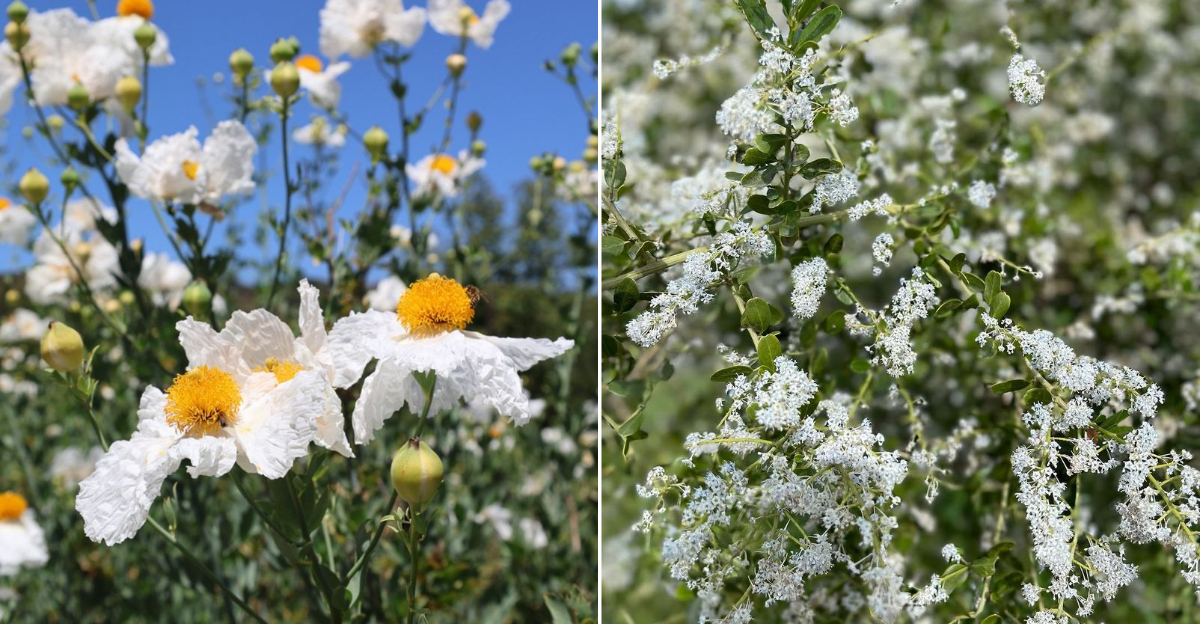
There’s a version of your California garden that most people never see. The daytime version gets all the attention, but step outside after dark on a clear night and something shifts.
Shadows deepen, outlines soften, and certain plants do something unexpected. They seem to gather whatever light is available and give it back.
White flowers that were pretty in daylight become luminous. Silver foliage catches the moon and holds it.
The garden looks completely different, and somehow even better. Designing for that after-dark quality is not complicated, but it is intentional.
The plants that glow in moonlight share certain characteristics. Pale blooms, reflective leaf surfaces, night-opening flowers that save their best performance for after sunset.
California’s warm evenings and long summers make moon gardening especially rewarding because there are so many comfortable nights to actually be outside enjoying it.
Your garden has a night shift. These are the plants that make it worth staying up for.
1. White Coast Ceanothus
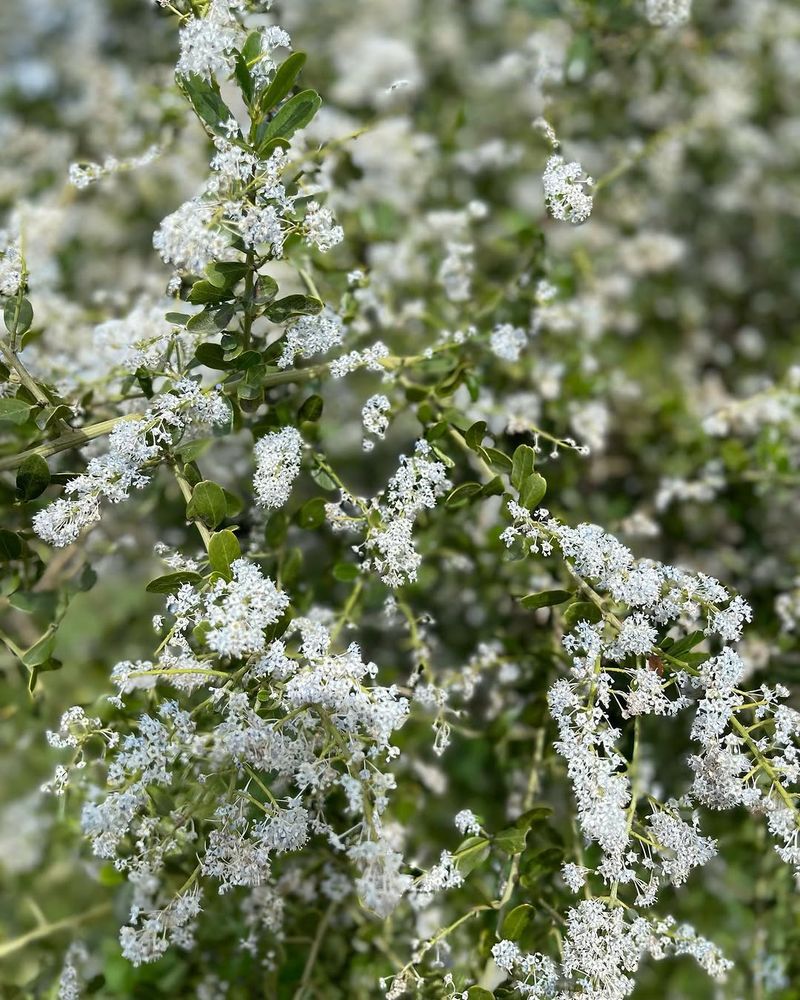
Few plants stop people in their tracks quite like White Coast Ceanothus in full bloom. This California native is covered in clusters of tiny white flowers that seem to catch every bit of moonlight and reflect it right back at you.
It is truly one of the most breathtaking sights a garden can offer after dark.
White Coast Ceanothus is a tough, drought-tolerant shrub that thrives in California’s coastal climates.
Once it gets established, it needs very little water, making it a smart and eco-friendly choice for any garden.
It grows well in sandy or rocky soil, which is perfect for those living near the California coast.
In spring, the blooms are so thick and bright that they practically light up the garden on their own. Bees and butterflies love this plant during the day, but at night, it becomes a glowing focal point.
Plant it near a patio or walkway where you can enjoy its moonlit glow up close. It typically grows between four and eight feet tall, giving your garden real structure and beauty.
2. Island Alum Root
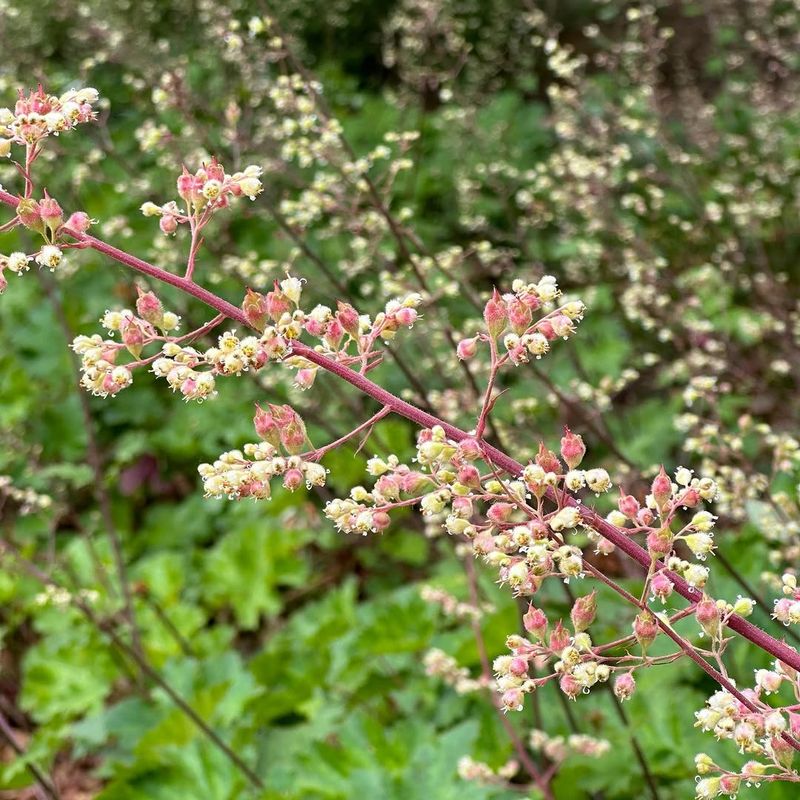
Not every moonlit garden star needs to shout to get attention. Island Alum Root has a quiet, understated beauty that really shines after dark.
Its delicate, wand-like flower stalks rise above rounded leaves and catch the moon’s glow in the most elegant way.
Native to the Channel Islands off the California coast, this plant is perfectly adapted to the state’s dry summers and mild winters. It grows well in shaded spots under oak trees or along north-facing slopes.
If your California garden has a tricky shady corner, Island Alum Root is your answer.
The flowers are small but numerous, creating a soft, hazy glow when the moonlight hits them. The foliage itself has a slightly silvery sheen that adds to the nighttime effect.
This plant is also a magnet for hummingbirds during the day, so you get double the enjoyment. It stays fairly compact, usually reaching about one to two feet tall, which makes it ideal for borders or rock gardens.
Your California Garden Changes Every Week. Your Plan Should Too.
Gardening in California changes quickly throughout the season. Every Friday you’ll receive a simple weekly plan showing exactly what to plant, prune, fertilize, harvest, and protect so you never miss the right timing.
Water it occasionally during the first year and then let California’s natural rainfall do most of the work for you.
3. Canyon Gray Sagebrush
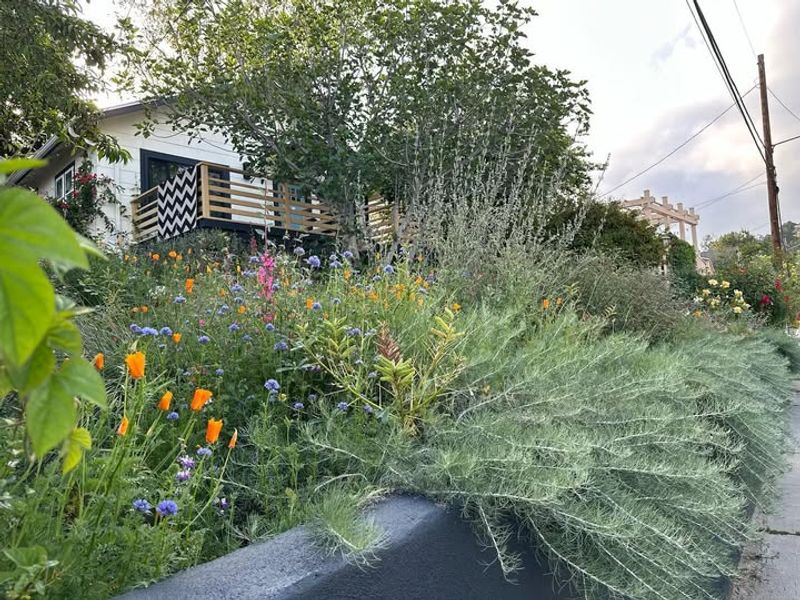
Step outside on a warm California night and brush your hand against Canyon Gray Sagebrush. The scent alone is enough to make you fall in love with this plant.
But beyond its famous fragrance, this low-growing shrub offers something truly special in a moonlit garden: a soft, silvery glow that seems almost otherworldly.
Canyon Gray is a variety of California sagebrush that spreads wide and low, making it a fantastic ground cover for slopes and dry hillsides. Its silver-gray leaves reflect moonlight beautifully, creating a shimmering carpet effect in your garden at night.
It is one of the easiest plants to grow in California because it thrives in poor, dry soil with very little attention.
Gardeners in Southern California especially love this plant because it handles heat and drought like a champion. Once established, it rarely needs watering beyond what the sky provides.
It also helps prevent erosion on slopes, which is a real bonus in hilly areas. Plant Canyon Gray Sagebrush in full sun and give it room to spread.
Within a season or two, it will transform a bare, dry patch of California garden into a glowing silver landscape after dark.
4. Silver Bush Lupine
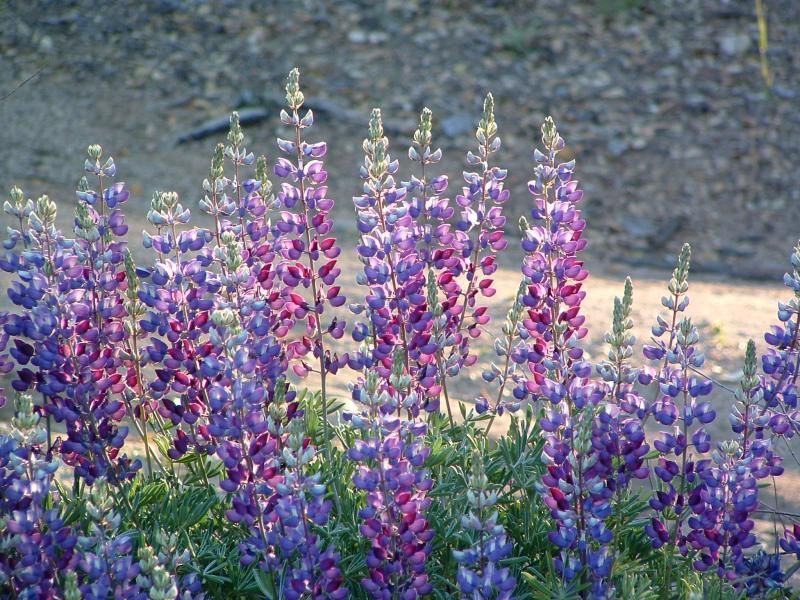
There is a reason Silver Bush Lupine feels right at home along the California coast. Its leaves are covered in tiny silvery hairs that catch moonlight and give the whole plant a soft, luminous shimmer.
When a breeze moves through the garden at night, the leaves flicker like little stars.
Silver Bush Lupine grows into a rounded shrub that can reach four to five feet tall. It produces spikes of pale purple to white flowers in late winter and spring.
Those light-colored blooms look absolutely magical under the moon, especially when planted in groups along a fence or garden border.
This plant is native to coastal California and is perfectly suited to the region’s sandy soils and salty air. It is a strong grower that establishes quickly and does not need much water once it settles in.
One fun fact: lupines are nitrogen-fixers, meaning they actually improve the soil around them as they grow. That makes Silver Bush Lupine not just beautiful, but genuinely helpful to your garden ecosystem.
Plant it near other California natives and watch your moonlit garden come together in a really natural, harmonious way.
5. California Evening Primrose
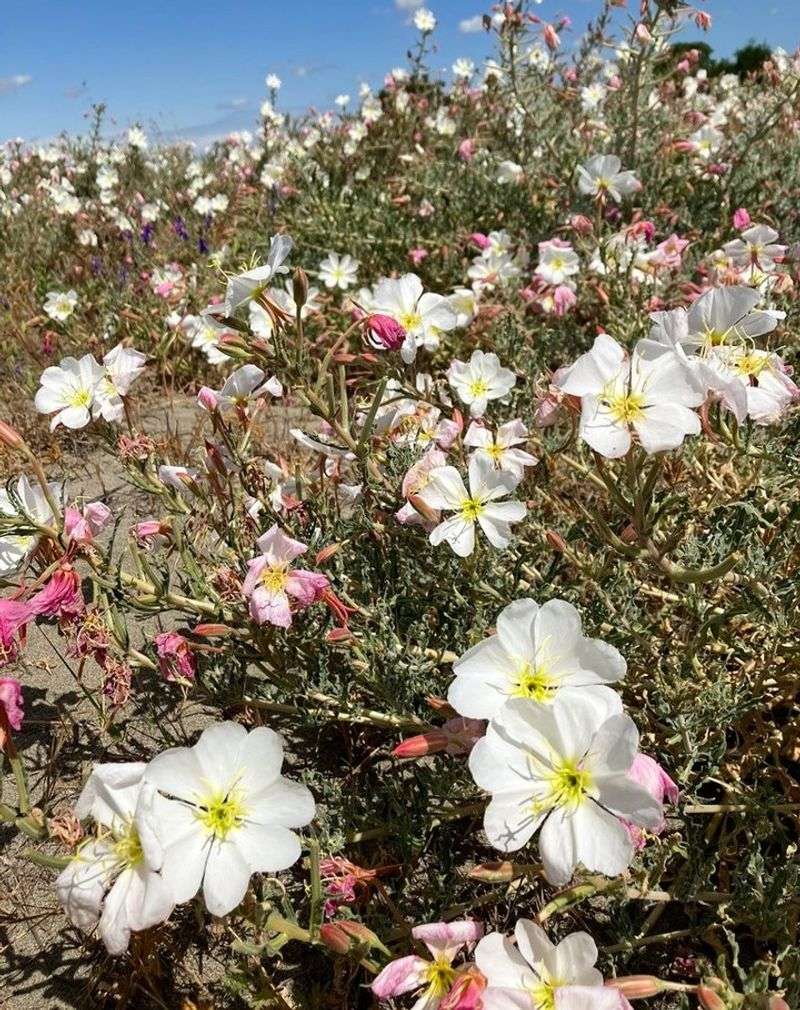
Some plants save their best show for after dark, and California Evening Primrose is the ultimate example.
Its large, white flowers open in the evening and stay open through the night, creating a stunning display right when the moon is at its brightest.
Watching the blooms unfurl at dusk is one of those simple garden moments you never forget.
This plant loves warm, dry conditions, which makes it a natural fit for California gardens from the Mojave Desert to the inland valleys.
It spreads easily and produces flowers all summer long, giving you months of nighttime garden beauty.
The blooms are also wonderfully fragrant, filling the warm California air with a sweet, light scent after sunset.
California Evening Primrose works great as a ground cover or along the edges of dry garden beds. It handles full sun and poor soil without complaint.
Pollinators like hawk moths visit the flowers at night, which adds an extra layer of wonder to your garden experience.
If you want a plant that truly earns its place in a moonlit California garden, this is it. Plant a few along a path and enjoy the glowing white flowers every evening all season long.
6. Cleveland Sage
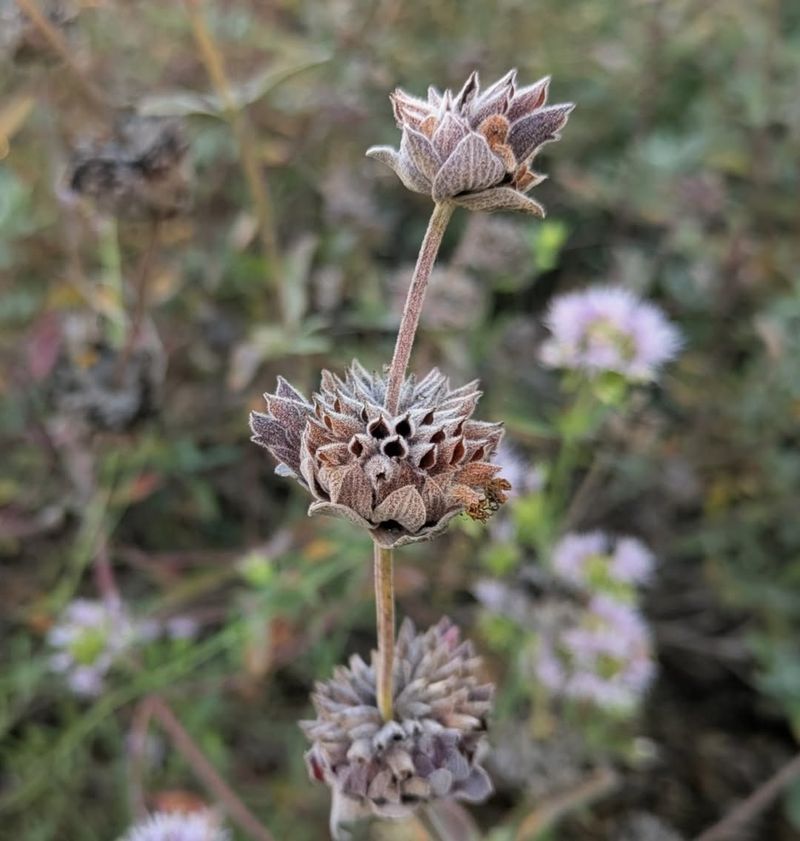
Walk past Cleveland Sage on a warm California evening and you will immediately understand why gardeners are obsessed with it. The scent is rich and herby, almost like a breath of the wild California hillsides.
But Cleveland Sage is not just about smell. Its soft, gray-green leaves and pale lavender flowers create a genuinely beautiful moonlit display.
Named after Daniel Cleveland, a San Diego naturalist, this sage is native to Southern California and Baja California. It is incredibly well adapted to hot, dry summers and grows happily in rocky or sandy soil.
Once established, Cleveland Sage barely needs any supplemental water, which makes it a dream plant for California gardeners trying to save on irrigation.
The flowers appear in late spring and early summer on tall, wand-like stems. Under moonlight, those pale blooms practically glow.
Hummingbirds and native bees work the flowers all day, but at night, the plant takes on a quieter, more mysterious beauty. Cleveland Sage typically grows three to four feet tall and wide, making it a solid mid-border plant.
Pair it with other silver-leaved California natives to create a cohesive, glowing garden that looks stunning long after the sun sets.
7. Matilija Poppy
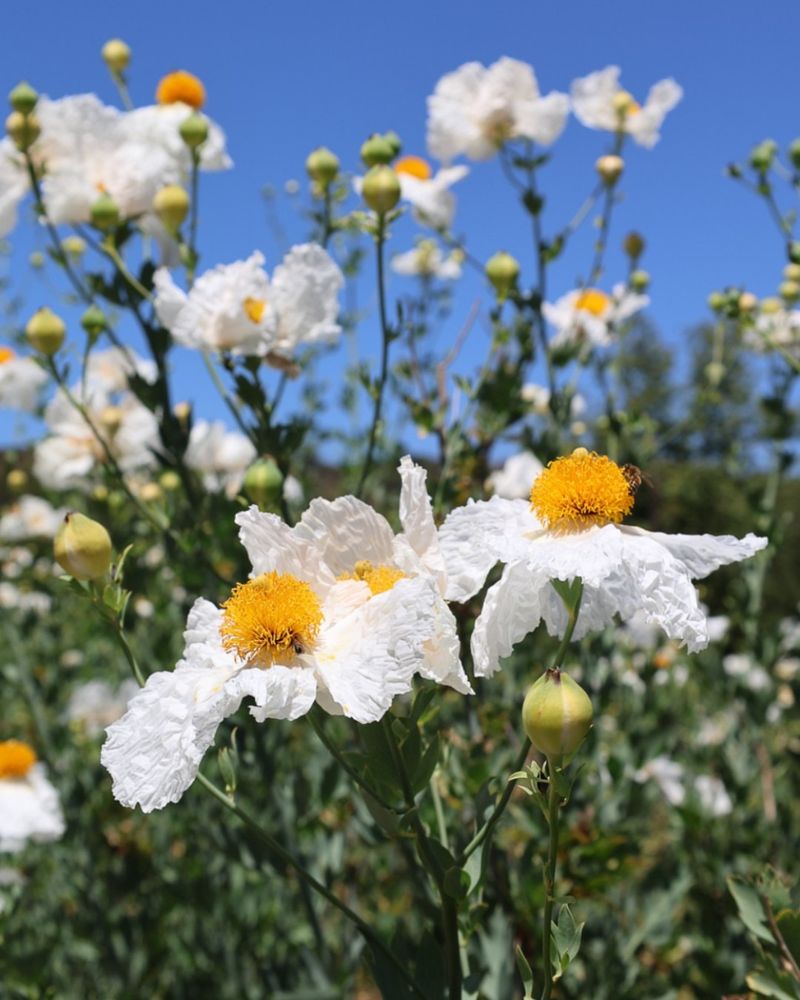
Nicknamed the fried egg plant because of its giant white petals and sunny yellow center, Matilija Poppy is one of the most dramatic plants you can grow in a California garden. Up close, the flowers look almost too perfect to be real.
And under moonlight, those enormous white blooms glow with an intensity that is hard to believe.
Matilija Poppy is native to Southern California and Baja California, where it grows wild on dry slopes and canyon walls. It is a big plant, often reaching six to eight feet tall, so give it plenty of room.
The flowers can measure up to nine inches across, making them the largest blooms of any California native plant.
Despite its showstopping size, this plant is surprisingly tough and low-maintenance. It thrives in poor, dry soil and handles California’s summer heat without any fuss.
Water it occasionally during the first year to help it establish, and then let it go.
It will spread naturally over time, filling a sunny corner of your garden with towering white flowers that look absolutely luminous on a moonlit California night.
Plant it at the back of a border where its full height can really be appreciated.
8. Desert Marigold
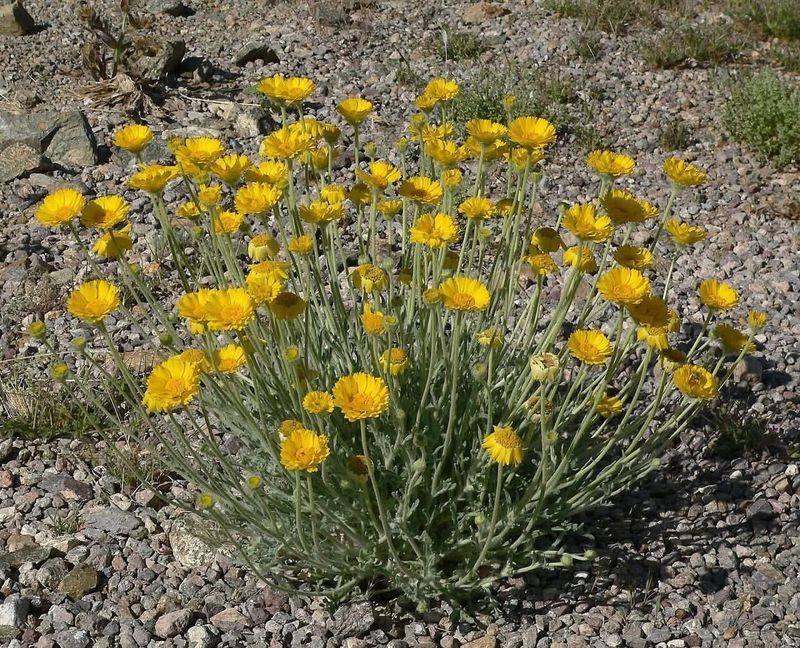
Yellow flowers might not seem like an obvious moonlight garden choice, but Desert Marigold surprises everyone who gives it a chance. Its woolly, silver-white foliage is the real star at night.
The leaves almost seem to glow from within when the moon shines on them, creating a soft, warm light effect across the garden.
Desert Marigold is native to the desert Southwest and thrives in California’s hottest, driest regions. It blooms for an incredibly long season, often from spring all the way through fall.
The cheerful yellow flowers look lively during the day, and the silvery foliage keeps the moonlit magic going all night long.
This plant is extremely drought tolerant and grows well in sandy or gravelly soil. It reaches about one to two feet tall and spreads to form attractive clumps.
Gardeners in the Mojave Desert region of California especially love it because it handles extreme heat and dry conditions better than almost anything else. Plant Desert Marigold in full sun and enjoy its near-constant blooms.
It requires almost no care once established, which makes it one of the most rewarding plants you can add to a California moonlit garden. A true workhorse with unexpected nighttime charm.
9. Woolly Sunflower
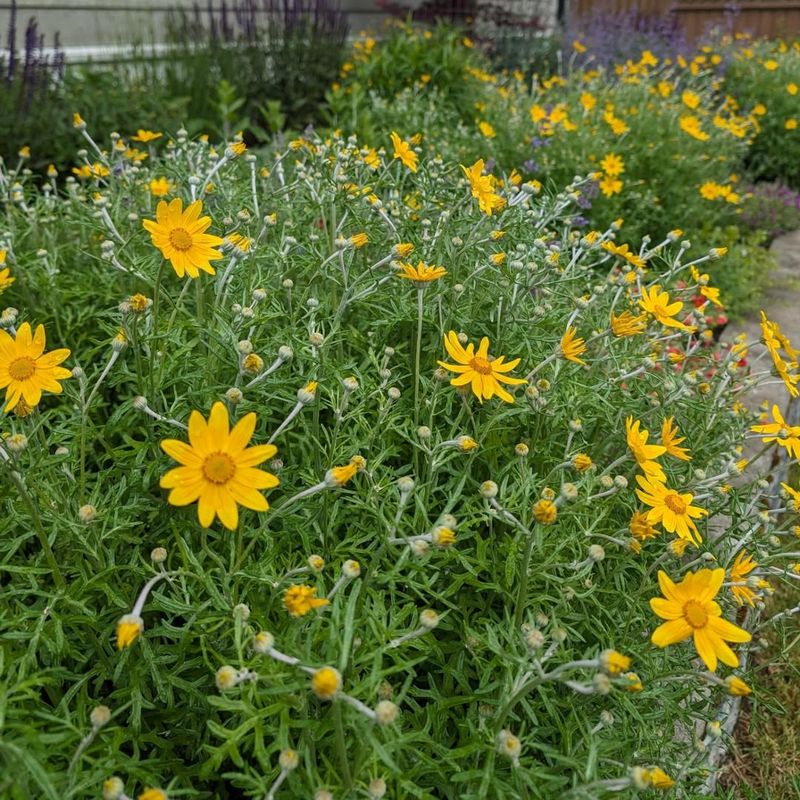
If there is one plant that earns its spot in a California moonlit garden through sheer personality, it is Woolly Sunflower. The entire plant is covered in a dense layer of soft, silvery fuzz that catches moonlight and glows with a warm, gentle radiance.
It looks like something out of a storybook when the full moon is out.
Woolly Sunflower, also known as Eriophyllum lanatum, is native to California and the western United States. It grows naturally along the coast and in open, sunny meadows.
The bright yellow flowers bloom from spring into summer and create a cheerful contrast with the silver foliage during the day. At night, the silvery leaves take center stage.
This plant stays relatively compact, usually growing one to two feet tall, which makes it ideal for the front of garden borders or along sunny pathways.
It is drought tolerant and thrives in well-drained soil, two qualities that make it a perfect match for California gardens.
Woolly Sunflower also attracts native bees and butterflies, adding life and energy to your outdoor space.
Plant several together for a bold, glowing sweep of silver and yellow that looks incredible under the California moon all season long.