Tips For Post Bloom Care For Spring Bedding Plants In Connecticut Gardens
Connecticut gardens tend to peak too soon. Tulips and pansies burst onto the scene in April, steal every bit of attention for a few weeks, and then quietly start slipping toward a tired, leggy phase nobody wants to look at.
That drop-off catches a lot of homeowners off guard. One month the beds look like a magazine spread, and the next they seem to be asking for permission to just give up.
The truth is, that fading moment is not an ending at all. It is a turning point, and what happens in the days right after bloom often decides if a bed rebounds with fresh color or falls behind before frost.
A few smart, well-timed moves can stretch that spring energy into a landscape that keeps working long after the first flush is gone. Here is exactly what those moves look like, with a few Connecticut-specific details worth keeping in mind.
1. Deciding To Pull Or Save Fading Plants
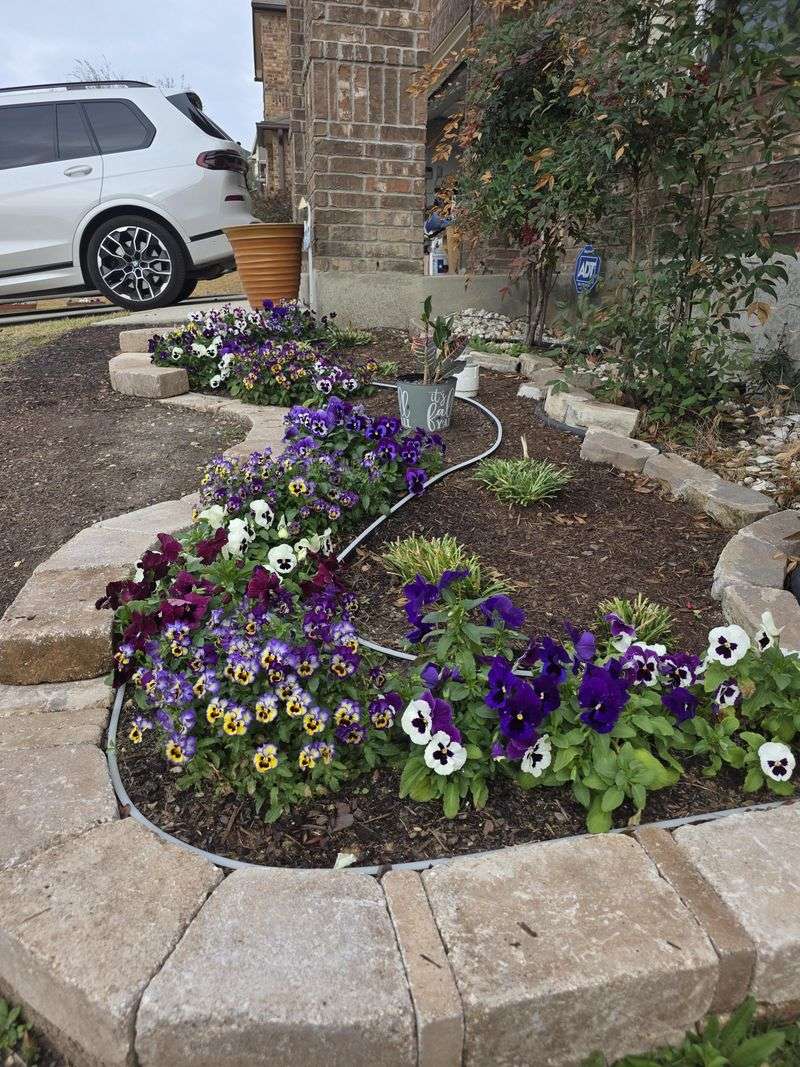
That moment of truth arrives fast. You walk outside one morning and your cheerful pansies look exhausted, drooping under the warming sun.
Not every fading plant deserves the compost bin right away. Some spring bedding plants, like snapdragons and sweet alyssum, can bounce back with a little shade protection.
Check the stems first. If they are still green and firm, the plant has energy left to give you more blooms before summer heat takes over completely.
Yellowing leaves and mushy stems are honest signals. Those plants are done, and keeping them wastes precious bed space you will need for warm-season replacements.
Pansies are a tricky case in Connecticut gardens. They often fade hard in June but can surprise you with a fall comeback if you cut them back and keep them watered during the hottest weeks.
Make this decision plant by plant, not bed by bed. A quick assessment of each individual stem saves you from pulling things that still have weeks of life left in them.
Think of it like triage in an emergency room. Your job is to sort the survivors from the spent ones, then act accordingly and without hesitation.
Keeping struggling plants too long can invite fungal problems and pests. A clean, decisive choice now protects the health of everything else growing nearby in your Connecticut garden beds.
2. Cutting Plants Back Instead Of Removing Them Completely
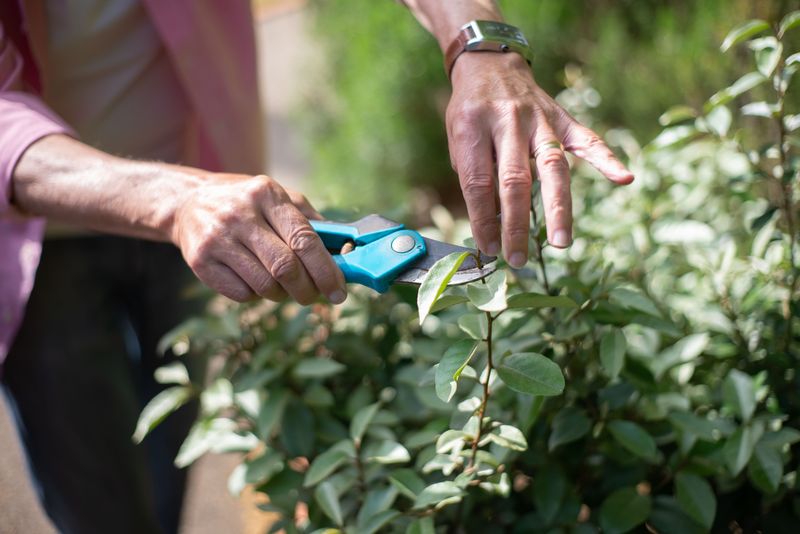
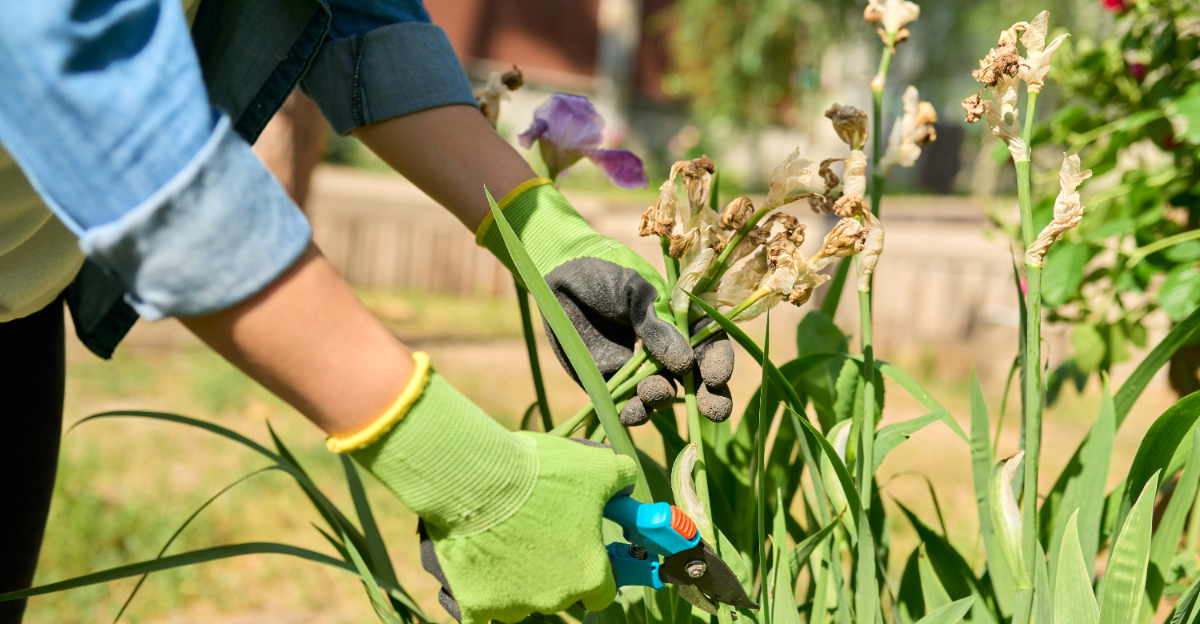
Scissors out, hesitation gone. Cutting plants back hard is one of the most underused tricks in the spring garden playbook.
Many bedding plants respond to a good cutback the way a tired athlete responds to rest. They come back stronger, bushier, and more floriferous than before the trim.
Snapdragons are a prime example. Cut them back by one-third after the first bloom flush and they will often send up fresh flower spikes within three to four weeks.
Use clean, sharp pruners every single time. Dull or dirty blades spread disease from plant to plant faster than you would expect, especially in humid Connecticut summers.
Cut just above a leaf node, that small bump where a leaf meets the stem. New growth almost always sprouts right from that point, making the cut a launchpad for the next round of blooms.
Your Connecticut Garden Changes Every Week. Your Plan Should Too.
Gardening in Connecticut changes quickly throughout the season. Every Friday you’ll receive a simple weekly plan showing exactly what to plant, prune, fertilize, harvest, and protect so you never miss the right timing.
Lobularia, commonly called sweet alyssum, benefits enormously from shearing. Run a pair of hedge shears across the whole mound and watch it fill back in within two weeks with a fresh carpet of tiny white flowers.
Dusty miller does not bloom in the traditional sense, but cutting it back keeps the silver foliage tight and tidy. Leggy dusty miller looks messy and takes up space other plants could use more productively.
After cutting, give plants a light feeding with a balanced fertilizer. That small boost of nutrients signals the plant to push new growth rather than simply conserving what little energy remains.
3. Moving Containers Out Of Afternoon Sun
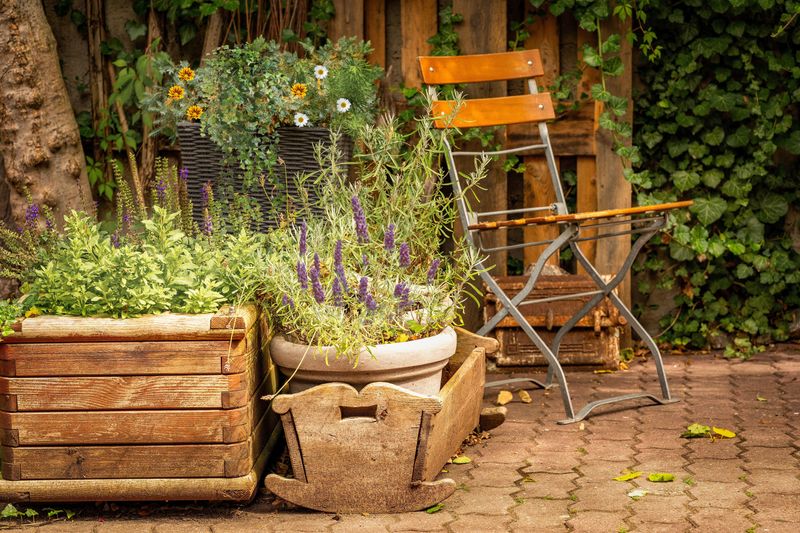
Afternoon sun in June is brutal. Connecticut gardens can hit temperatures that fry cool-season plants in just a few hours of direct exposure.
Container plants are especially vulnerable because their roots heat up along with the pot itself. A dark-colored container sitting in full sun can reach soil temperatures that damage roots even when the air feels only mildly warm.
Moving pots to a spot that gets morning sun but afternoon shade can add weeks of life to fading spring bloomers. East-facing patios and north-side porches are perfect landing spots for struggling containers.
Check the soil in moved containers more carefully than you would in-ground plants. Pots in shade dry out more slowly, so overwatering becomes a real risk if you keep your old watering schedule.
Pansies, primroses, and violas all appreciate this seasonal shuffle. They were bred for cool weather, and giving them a break from intense heat honors what they were designed to do.
Lightweight fabric pots make moving much easier than heavy ceramic or concrete containers. If you are still using heavy pots, a wheeled plant caddy is one of the smartest small investments a Connecticut gardener can make.
Grouping moved containers together also helps. Plants release moisture through their leaves, and when grouped, they create a small pocket of cooler, more humid air around each other.
This simple act of relocating a few pots can stretch your spring color display well into the warmer weeks ahead, buying you time before summer annuals are ready to take over.
4. Clearing Spent Plants To Make Room For Summer Annuals
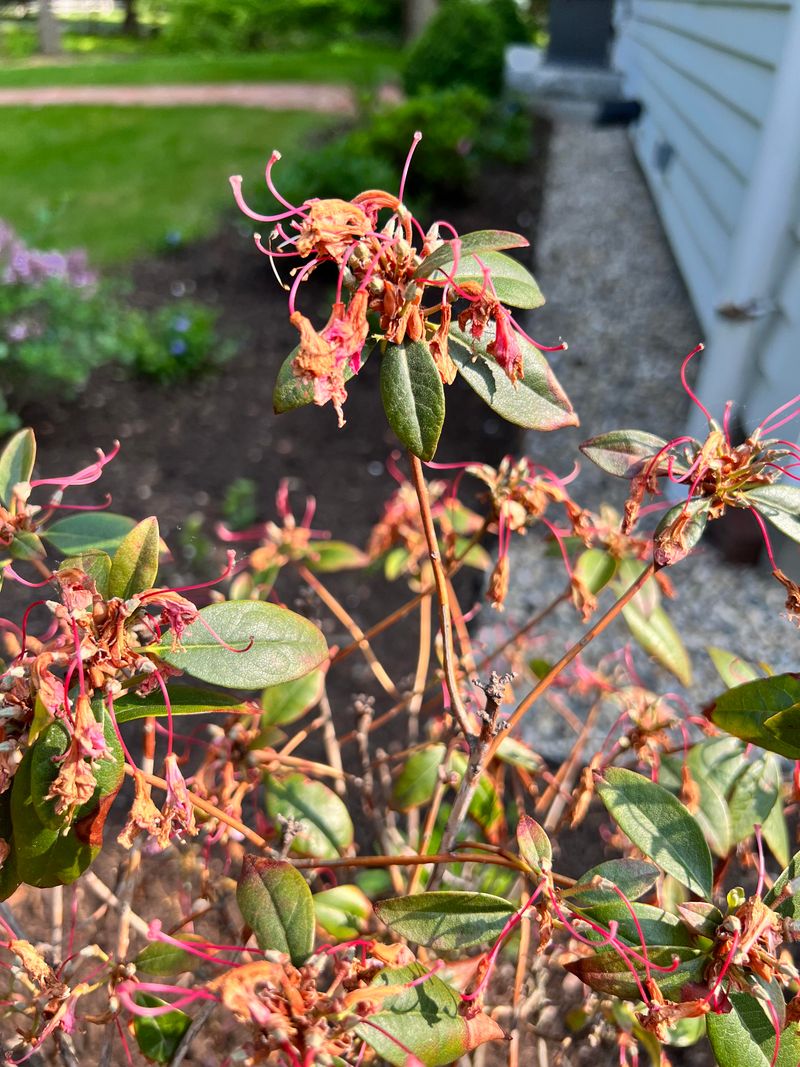
Out with the old, in with the bold. Clearing spent spring plants is one of the most satisfying tasks in the entire gardening calendar.
Timing matters more than most people realize. Pull spent plants too early and you miss the last few blooms.
Wait too long and you delay the establishment of summer annuals during their ideal planting window.
In Connecticut, late May through mid-June is generally the sweet spot for this transition. Soil temperatures are warming, frost risk is gone, and summer annuals are available at every nursery.
When pulling plants, remove the entire root system. Leaving roots behind can harbor fungal pathogens that attack whatever you plant next, especially in beds that stay moist.
Shake excess soil from the roots before tossing them into your compost pile. That soil is valuable and keeping it in the bed adds up over an entire season of planting and replanting.
Take a moment to assess the bed layout before reaching for transplants. Rearranging your design now, while the bed is empty, is far easier than trying to shift plants after they are already in the ground.
Pay attention to the gaps between plants when you clear. Spacing summer annuals correctly from the start prevents overcrowding later, which is one of the top causes of poor airflow and fungal disease in busy Connecticut garden beds.
A clean, cleared bed feels like a blank canvas. That feeling of possibility is one of the quiet joys that keeps dedicated gardeners coming back season after season.
5. Preparing Soil Before Replanting For Summer

Bare soil is an invitation. Before you drop a single summer annual into the ground, take time to improve what is already there.
Spring bedding plants are heavy feeders, and after a full season of growth they leave the soil somewhat depleted. Skipping the soil prep step almost always shows up later as weak, slow-growing summer plants.
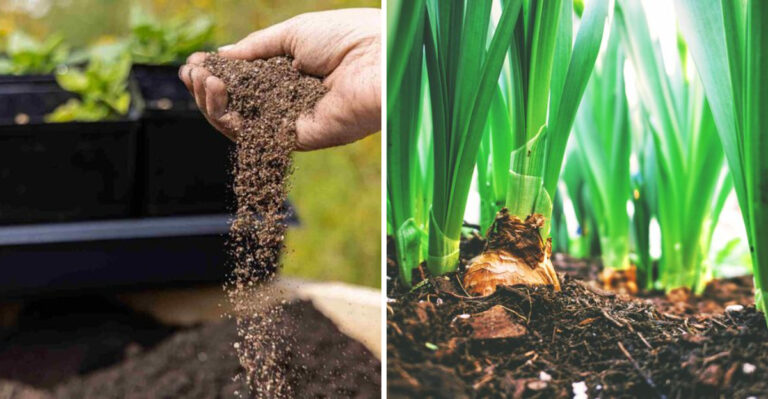
Work in two to three inches of finished compost across the entire bed. This single step improves drainage in clay-heavy soils and adds water retention in sandier Connecticut garden spots.
A balanced granular fertilizer worked into the top few inches gives summer transplants an immediate nutrient reserve. Choose a product with roughly equal nitrogen, phosphorus, and potassium numbers for an all-purpose boost.
Check soil pH while the bed is empty and workable. Most summer annuals prefer a slightly acidic to neutral pH, somewhere between 6.0 and 7.0, which is worth checking against, since Connecticut soil often runs more acidic than that.
If the bed has been in place for several years without amendment, consider adding a light dusting of garden lime to raise pH or sulfur to lower it, based on your test results.
Break up any compacted clumps you find while turning the soil. Roots need loose, airy soil to spread quickly, and compacted zones act like invisible walls that slow establishment dramatically.
Good soil preparation is the foundation of everything that follows. Plants grown in well-amended beds tend to outperform those in neglected soil by a wide margin, season after season.
6. Choosing Heat-Tolerant Replacements For Connecticut Beds

Not all flowers handle Connecticut summers equally. Once you pull those cool-season plants, you need replacements that can actually take the heat without falling apart by July.
Zinnias are the workhorses of the summer garden. They thrive in full sun, laugh at humidity, and produce bold blooms from early summer straight through the first hard frost.
Marigolds earn their spot in Connecticut beds every year. Their strong scent is often thought to help discourage several common garden pests.
Lantana is a heat machine that many Connecticut gardeners overlook. It tolerates dry spells, attracts butterflies and hummingbirds, and keeps blooming even when temperatures push into the upper eighties.
Vinca, also called periwinkle, handles both heat and drought with remarkable ease. It spreads quickly to fill empty spaces and comes in a wide range of colors that complement almost any garden palette.
For shady spots left behind by removed cool-season plants, begonias are a top choice. Wax begonias especially are nearly bulletproof in part-shade conditions throughout the Connecticut growing season.
Mixing plant heights creates visual interest that a flat, uniform planting rarely achieves. Pair tall zinnias or cleome with low-growing marigolds or portulaca for a layered look that feels designed rather than accidental.
Choosing the right plants now sets up your entire summer display for success. A thoughtful selection today means less frustration and far more color when August heat peaks in your garden beds.
7. Watering Adjustments As Temperatures Rise
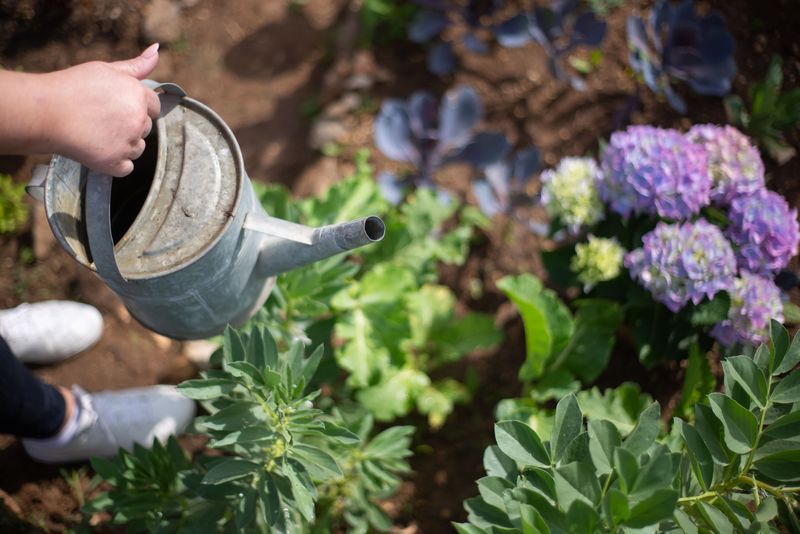
Spring watering habits can work against your summer garden if you carry them forward unchanged. Warmer temperatures mean faster evaporation and much thirstier plants across the board.
Most established summer annuals need about one inch of water per week. In Connecticut, summer rainfall is inconsistent enough that supplemental watering is almost always necessary during dry stretches.
Water deeply and less often rather than shallowly every single day. Deep watering encourages roots to grow downward, which makes plants far more resilient during dry spells and heat waves.
Early morning is the best time to water your garden beds. Foliage dries quickly in the morning sun, reducing the risk of fungal diseases that thrive on wet leaves sitting overnight in humid air.
Drip irrigation or soaker hoses are worth every penny in a Connecticut summer garden. They deliver water directly to the root zone, minimizing evaporation and keeping foliage dry at the same time.
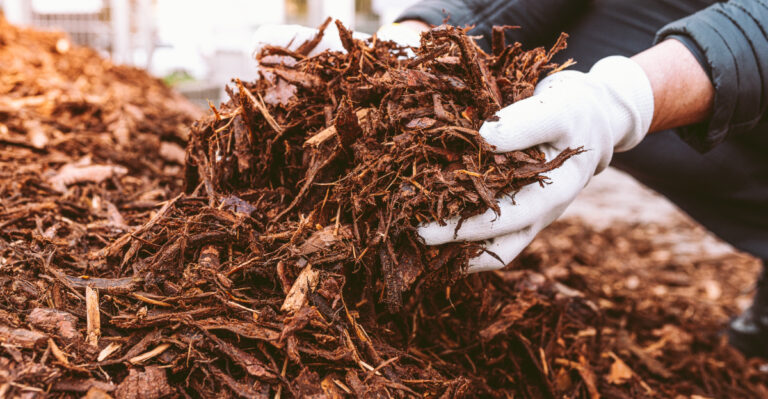
Mulching around transplants makes a dramatic difference in soil moisture retention. A two to three inch layer of shredded bark or straw mulch can cut your watering frequency nearly in half during hot weeks.
Newly transplanted summer annuals need more frequent watering during their first two weeks in the ground. Roots are still establishing, and allowing the soil to dry out completely during that window can set back growth by several weeks.
Paying attention to your plants is the most reliable way to know when to water. Wilting in the early morning, not just afternoon heat wilt, is the clearest signal that your garden needs a drink right away.
8. Watching For A Possible Fall Rebloom
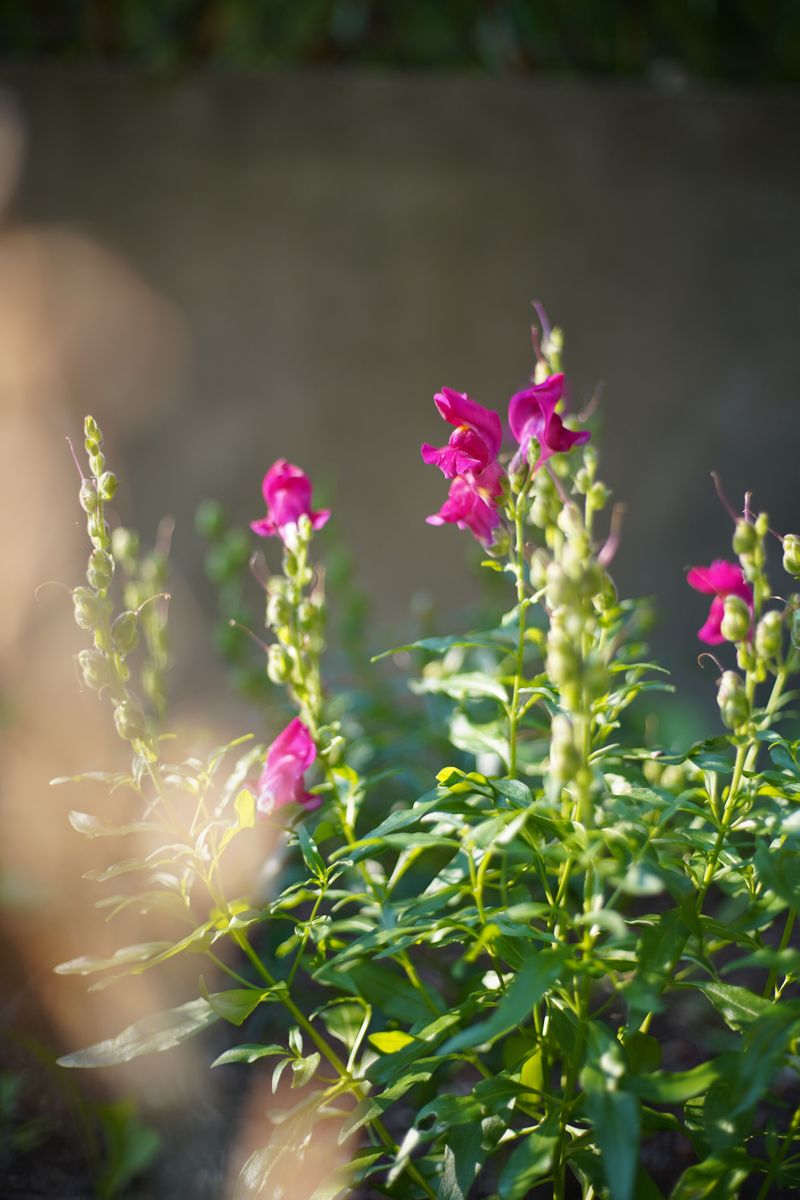
Here is a secret many gardeners miss entirely. Some spring bedding plants, left in place through summer, will stage a second act when September temperatures cool back down.
Pansies are the most famous fall rebloomers in the cool-season plant world. If you cut them back hard in June and kept them watered through the hottest months, they often push fresh growth when nights drop below sixty degrees.
Snapdragons behave similarly in Connecticut gardens. They go semi-dormant in peak summer heat but can surprise you with a flush of late-season blooms once the air cools and days shorten toward fall.
Keep an eye on any spring plants you chose to leave in place rather than remove. New basal growth emerging from the base of the plant is your first sign that a fall rebloom is on the way.
Support this potential comeback with a light application of balanced fertilizer in late August. That small nutrient push gives the plant what it needs to channel energy into flower production rather than just foliage.
Reduce foot traffic around these plants during summer. Compacted soil around the root zone slows the recovery process and limits the plant’s ability to absorb water and nutrients efficiently.
Not every plant will rebloom, and that is perfectly fine. Even if only half your saved spring plants come back in fall, you gain weeks of extra color without spending a single dollar at the nursery.
Post bloom care for spring bedding plants is ultimately about playing the long game in your Connecticut garden. Patience and attention now can reward you with beauty well into October.