The Five-Lined Skink Is Becoming A Common Sight In Tennessee Gardens
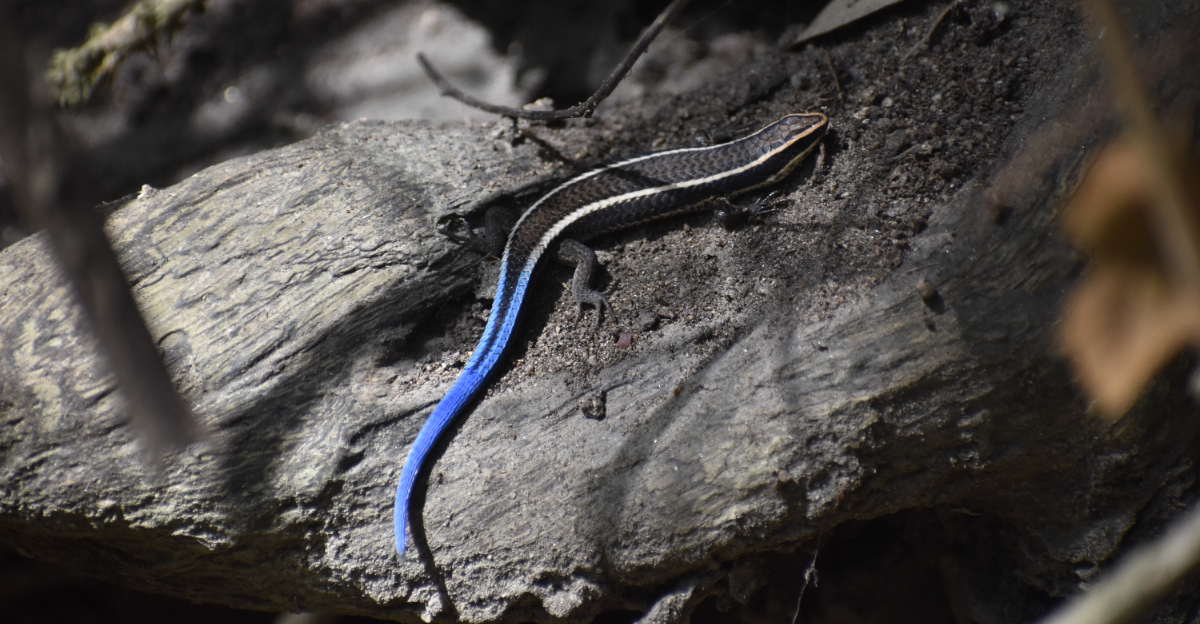
A streak of electric blue just slipped beneath your mulch pile. Nothing about that streak was random. Tennessee gardeners keep spotting these lizards this season. Blue tails mean youth, not venom, in this species.
Adults trade that color for a bronze, streamlined body. Lawns across Tennessee give them exactly the warmth they truly crave.
Loose bark, damp leaves, and rotted wood become instant shelter. You probably walk past several every single week.
These reptiles eat insects that damage your plants. Speed keeps them safe from hawks, cats, and snakes.
Watching one move changes how you see your garden. Curiosity rewards you with details most homeowners miss.
Their bodies flatten low, sliding through leaf litter unseen. Males brighten their blue tone during breeding season to attract mates.
Bites feel like pinches, never venom, never real trouble. Details like this reshape your perspective. Everything you assumed about garden lizards ends right now.
Five-Lined Skinks Are Popping Up Across Tennessee
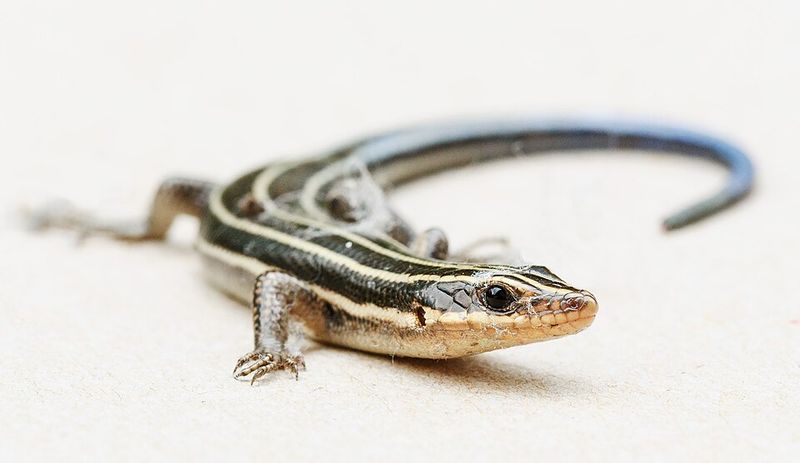
Gardeners across the state are noticing them more often this season. The five-lined skink, one of Tennessee’s most common native lizards, is appearing in yards, flower beds, and porches at a rate that feels brand new to many people.
Scientifically known as Plestiodon fasciatus, this reptile has lived here for centuries. Most folks just never slowed down long enough to spot one darting through the leaf litter.
Warm, wet summers create favorable conditions for skink populations to grow. More insects mean more food, and more food means more lizards thriving and exploring new territory in suburban gardens.
Wildlife observers have noted an uptick in reported sightings on community nature apps like iNaturalist. Homeowners who never saw one before are now posting excited photos from their back patios every single week.
The lizard is roughly five to eight inches long from snout to tail tip. Its slender body moves with surprising speed, which is often the first thing people notice before they even register what they saw.
Skinks prefer areas with plenty of ground cover, loose soil, and warm surfaces to bask on. A well-mulched garden bed with a few flat stones nearby is an ideal habitat for these reptiles.
Understanding why they are here is the first step toward appreciating them. Once you recognize the five-lined skink for what it is, you will start seeing your garden as a living, breathing ecosystem worth protecting.
Young Skinks Sport A Vivid Blue Tail
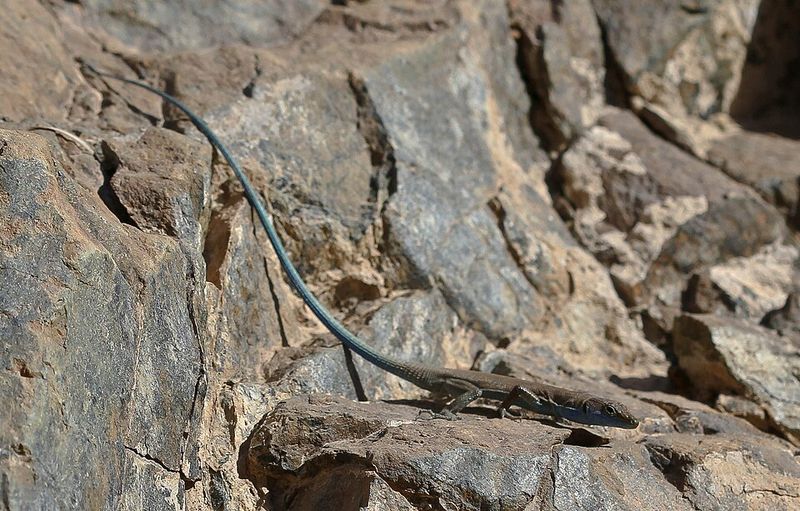
That electric blue tail is not an accident. Juvenile five-lined skinks wear a distinctive defensive trait, and it serves a very specific purpose that is an effective survival adaptation.
When a predator grabs the tail, it detaches and keeps wiggling on the ground. The confused bird or snake focuses on the twitching tail while the skink sprints away to safety.
The tail eventually grows back, though the replacement is usually cartilage rather than bone. The regrown version is often a duller grayish color instead of that original brilliant blue.
Your Kentucky Garden Changes Every Week. Your Plan Should Too.
Gardening in Kentucky changes quickly throughout the season. Every Friday you’ll receive a simple weekly plan showing exactly what to plant, prune, fertilize, harvest, and protect so you never miss the right timing.
Young skinks display the brightest blue coloring, which fades as they mature into adults. Adult males often develop a reddish-orange tint on their heads during breeding season, which is another striking look entirely.
The vivid color might seem like it would attract attention, but researchers believe it actually redirects predator strikes. A hawk or cat aims for the flashy tail instead of the vulnerable body, giving the skink a fighting chance.
Seeing a skink with a shortened or stubby tail is actually a sign the lizard survived a close encounter. That little creature carrying a half-grown tail has already beaten the odds at least once.
Backyard sightings of juveniles are especially common in mid to late summer. Baby skinks hatch from eggs laid in early summer, so by July and August, tiny blue-tailed lizards are exploring gardens everywhere across the region.
More Sightings Point To A Strong Summer Season
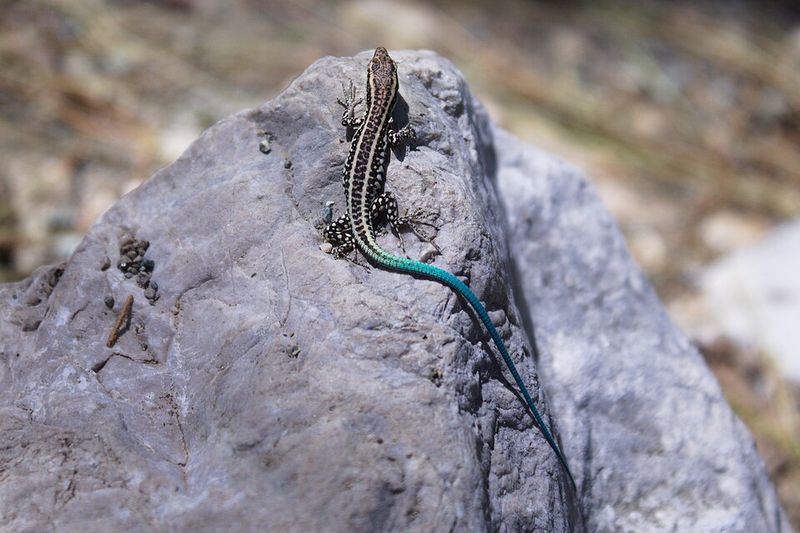
Citizen science is picking up what field researchers have long suspected. Skink sightings appear to be increasing this summer, based on informal reports from nature tracking apps.
A mild winter followed by a warm, moist spring may have created favorable conditions for reptile activity. Insects flourished early, giving skinks a rich food supply right when they needed it most after emerging from their winter hiding spots.
More food availability means females can produce larger, healthier clutches of eggs. A single female five-lined skink can lay between four and fifteen eggs per season, so a good year multiplies the population noticeably.
Suburban sprawl has also pushed skinks closer to human spaces. As natural woodland edges shrink, these adaptable lizards move into gardens, mulched beds, and landscaped yards that offer similar shelter and food sources.
Warmer average temperatures across the region can extend the active season for cold-blooded reptiles, potentially keeping some skinks active later into fall in parts of the state.
Neighbors sharing photos and videos on social media has amplified awareness too. When one person posts a blue-tailed lizard sighting, neighbors often realize they have been seeing the same thing without noticing it before.
This summer marks a noticeable shift in backyard reptile awareness. The blue-tailed lizard is not new here, but the attention it is finally getting is, and that shift matters for local conservation efforts.
Mulch Piles And Garden Beds Make Perfect Shelter
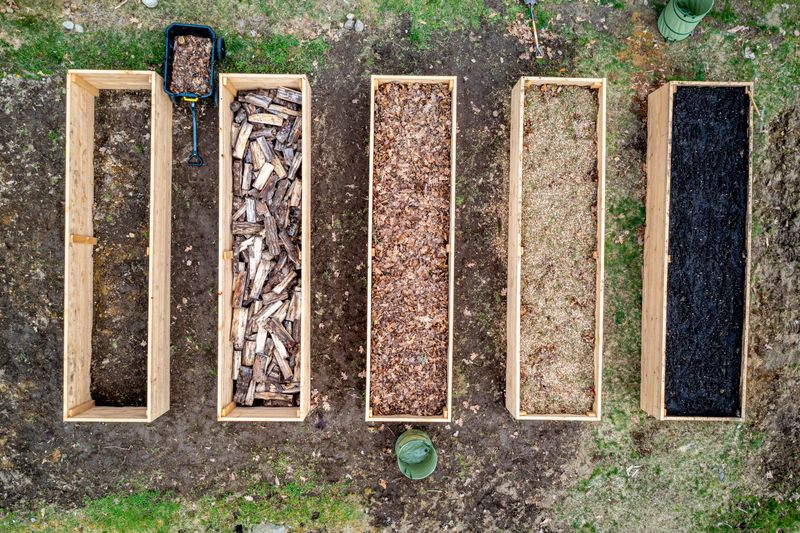
If your garden is loaded with mulch, you may have already created prime skink habitat without even trying. These lizards love loose, layered ground cover that stays moist underneath while warming up on top.
Wood chip mulch is especially attractive because it mimics the forest floor where skinks naturally evolved. Beneath that top layer, temperatures stay cool and consistent, making it a perfect refuge during the heat of midday.
Skinks also use mulch piles to lay their eggs. Females seek out warm, slightly moist spots where decomposing organic material generates gentle heat, essentially creating a natural incubator for their clutch.
Rock borders around garden beds add another layer of appeal. Flat stones absorb heat from the sun and hold it long after the air cools down, giving cold-blooded skinks a warm surface for basking in the morning.
Brush piles, stacked firewood, and compost bins are other hotspots where skinks set up residence. Any spot that offers both cover from above and warmth from below meets the skink’s key habitat needs.
Gardeners who keep their beds tidy sometimes wonder why skinks disappear. Removing all ground cover, leaf litter, and debris takes away the shelter these lizards depend on throughout the season.
Leaving a corner of the yard a little wild goes a long way for local wildlife. A small brush pile or a few stacked stones can support skinks, toads, and beneficial insects all at the same time.
These Lizards Actually Help Keep Pests In Check
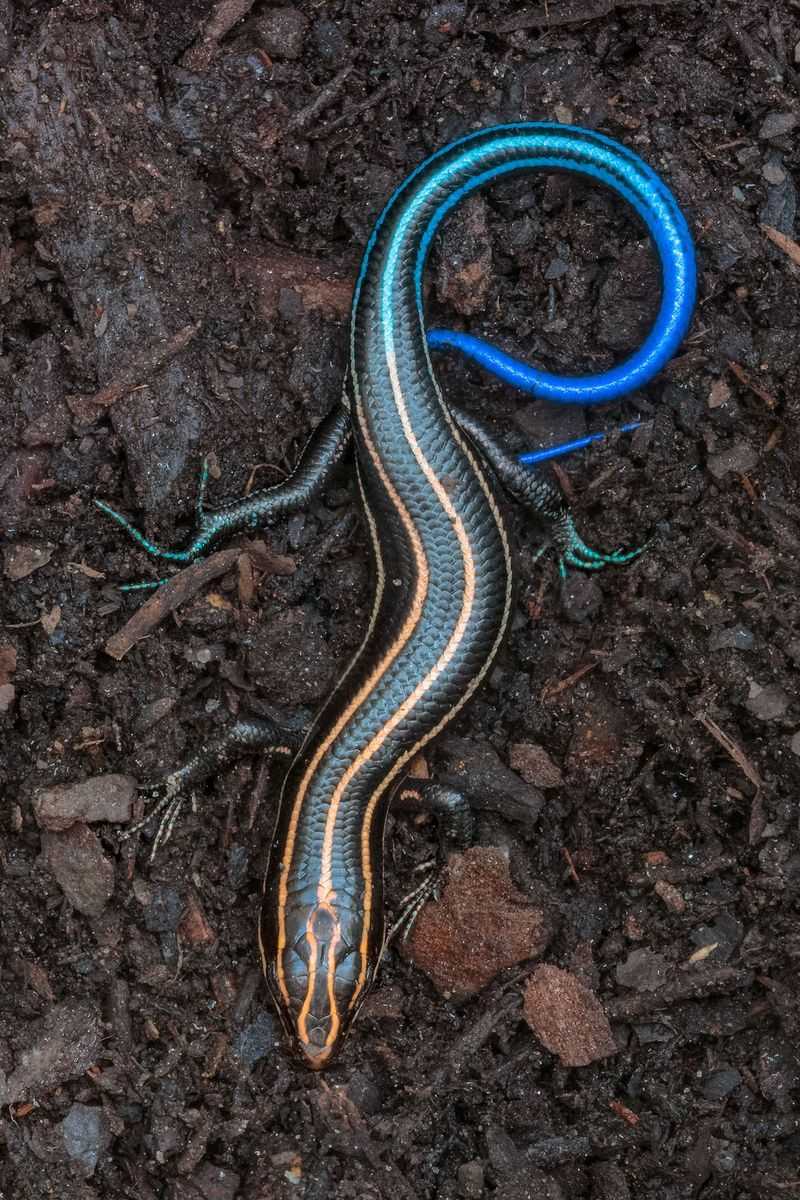
Here is something worth knowing before you shoo one away. Five-lined skinks are active hunters that target the exact insects most gardeners spend money trying to get rid of in their yards.
Crickets, beetles, grasshoppers, caterpillars, and even small roaches are all on the menu. A single skink patrolling a garden bed can consume dozens of pest insects over the course of one warm day.
Spiders are another favorite food source. Skinks hunt both on the ground and in low vegetation, picking off web-building spiders and ground spiders that might otherwise multiply unchecked in mulched areas.
Slug populations also take a hit when skinks are around. Slugs are a serious problem for vegetable gardeners, and having a natural predator nearby reduces the damage without requiring any chemical intervention at all.
Skinks are not picky eaters, which makes them especially effective as generalist predators. They respond quickly to whatever pest happens to be abundant at any given moment in the season.
Unlike pesticides, skinks cause no collateral damage to plants, soil, or beneficial insects like bees and butterflies. They are effective, targeted predators that catch only what they can physically consume.
Welcoming skinks into the garden is essentially recruiting free, low-maintenance pest control. Protecting their habitat costs nothing and pays back in healthier plants and fewer frustrating insect problems throughout the growing season.
Spotted One In The Garden, Here Is What To Know
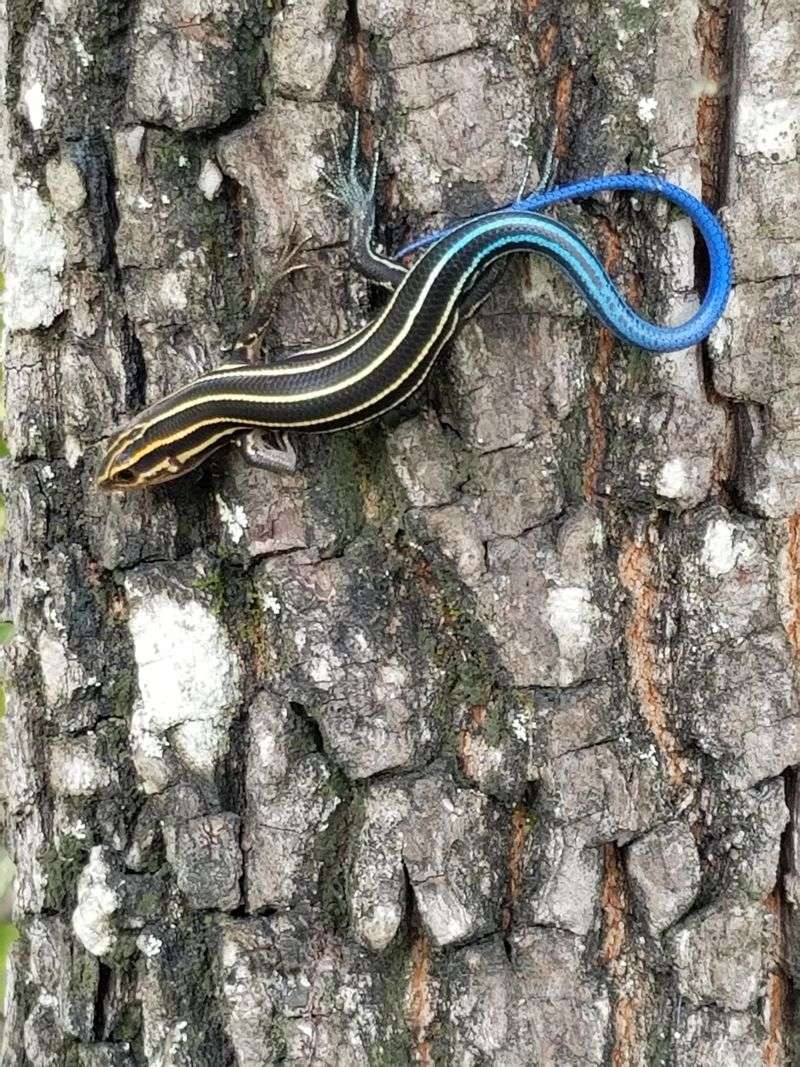
Seeing a blue-tailed lizard dart across your garden path can feel startling at first. Knowing a few basic facts will help you feel confident rather than caught off guard the next time one appears.
Five-lined skinks are completely harmless to humans. They do not sting, they rarely attempt to bite, and even if one did nip a finger, it would cause nothing more than mild surprise.
Avoid picking them up if possible. Handling causes stress to the animal, and a frightened skink may drop its tail as a defensive response, which costs the lizard significant energy to regrow.
If you find one inside the house, stay calm and guide it toward an open door using a piece of cardboard. Skinks occasionally wander indoors through gaps in door frames or foundation cracks during warm months.
Pets, especially cats, are among the biggest threats these lizards face in suburban yards. Keeping cats indoors or supervised during peak skink activity hours, which tend to be morning and early afternoon, protects local wildlife significantly.
Children are naturally curious about skinks, and that curiosity is worth encouraging. Teaching kids to observe without grabbing builds respect for native wildlife from an early age.
The blue-tailed lizard showing up in Tennessee gardens this summer is a sign of a healthy local ecosystem. Each sighting is a reminder of the local wildlife sharing your backyard every day.