The Fall Tomato Varieties Texans Set Out In Early August For A Harvest
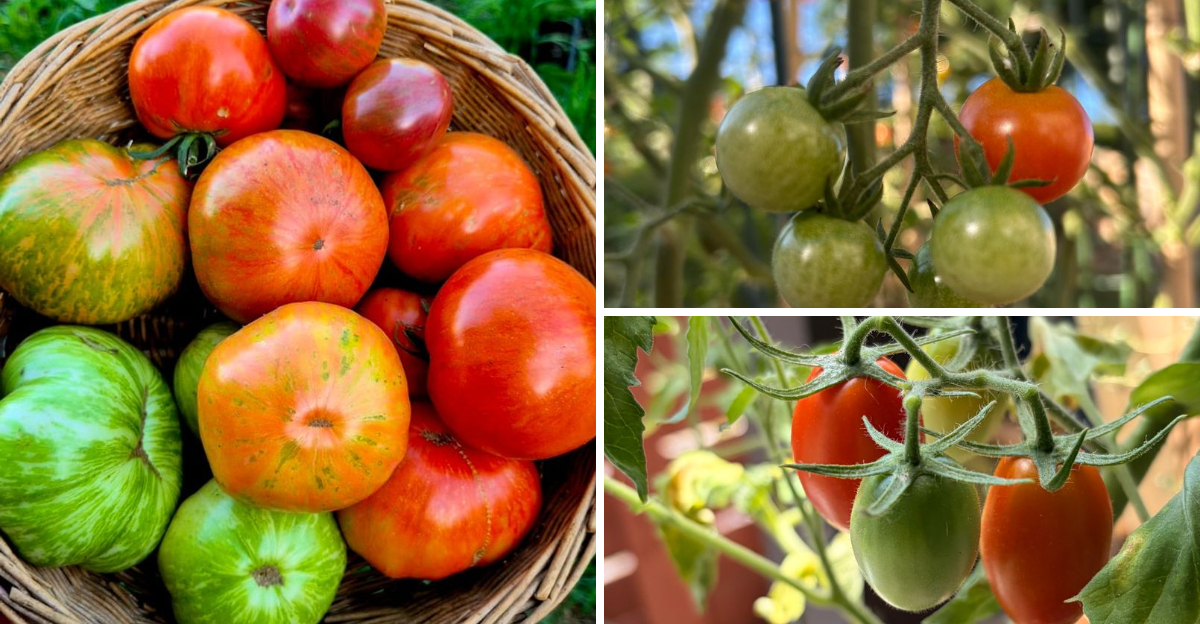
Fall tomato season in Texas rewards gardeners who ignore the calendar everyone else follows. August heat feels like the wrong moment to plant anything, yet transplants set out now have a real shot at ripening before frost shuts the whole thing down.
The gardeners who wait for October are already behind. By the time cooler air finally arrives, their tomatoes are just getting started instead of loading up on fruit.
Variety choice makes or breaks this window. A tomato that sulks in ninety-degree soil or drags its feet toward ripening simply will not make it before the cold moves in.
The eight varieties below have earned their spot through repeated seasons of scorching starts and race-against-time finishes, blooming through heat that stalls lesser plants entirely.
1. Celebrity
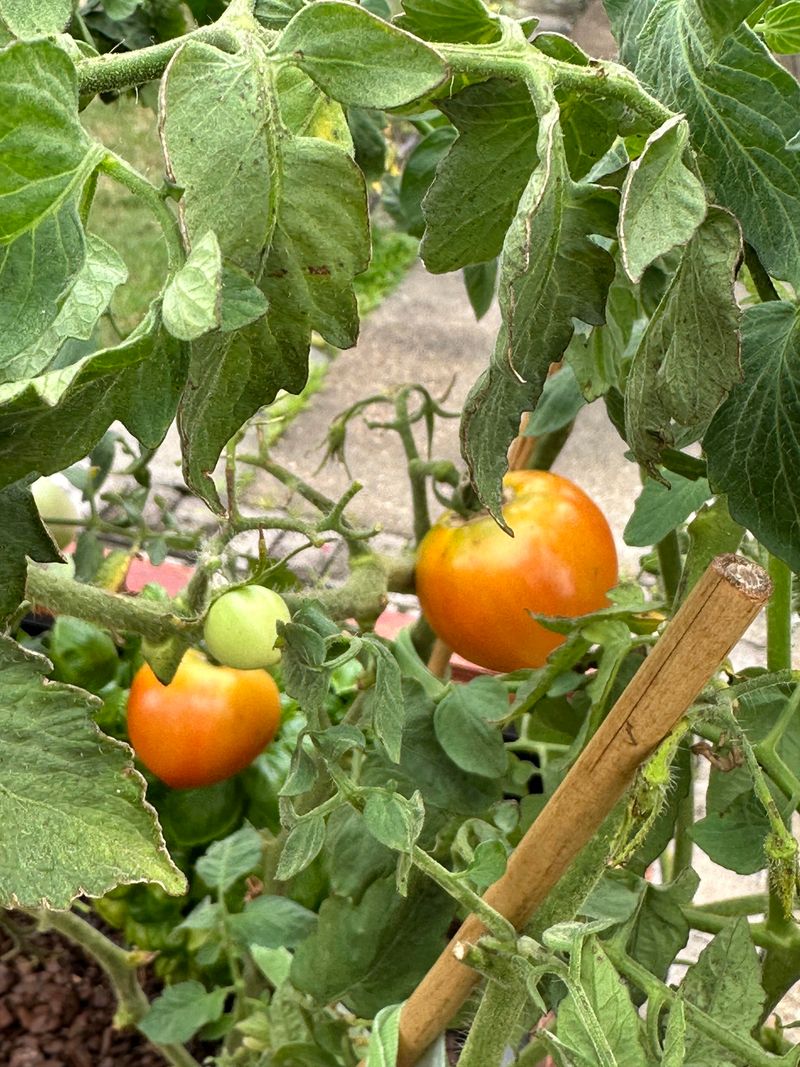
Texas gardeners have leaned on Celebrity for decades, long enough that it has become a familiar name in backyard plots across the state. This tomato has been a garden staple for decades, and for good reason.
Celebrity produces firm, round, bright red fruits that average about eight ounces each. The flavor is balanced, not too sweet and not too acidic, which makes it great for slicing onto sandwiches or chopping into salsa.
One of Celebrity’s biggest strengths is disease resistance. It fights off fusarium wilt, verticillium wilt, and nematodes, which are real threats in Texas soil.
For fall planting, Celebrity needs to go in the ground in early August so it has enough time to mature before the first frost. Transplants should be spaced about two feet apart to allow good airflow.
Celebrity takes around 70 days from transplant to harvest, which fits neatly into the Texas fall window. Gardeners who time it right can expect a solid harvest in October and into early November.
Water consistently and mulch heavily to keep soil moisture stable during those first hot weeks. This variety handles heat better than many others, which is exactly what you need when August temperatures are still climbing past 95 degrees.
Celebrity earned its name honestly. It shows up, does the work, and delivers a reliable crop when other varieties struggle. That dependability explains why so many Texas gardeners keep coming back to it season after season.
2. Surefire
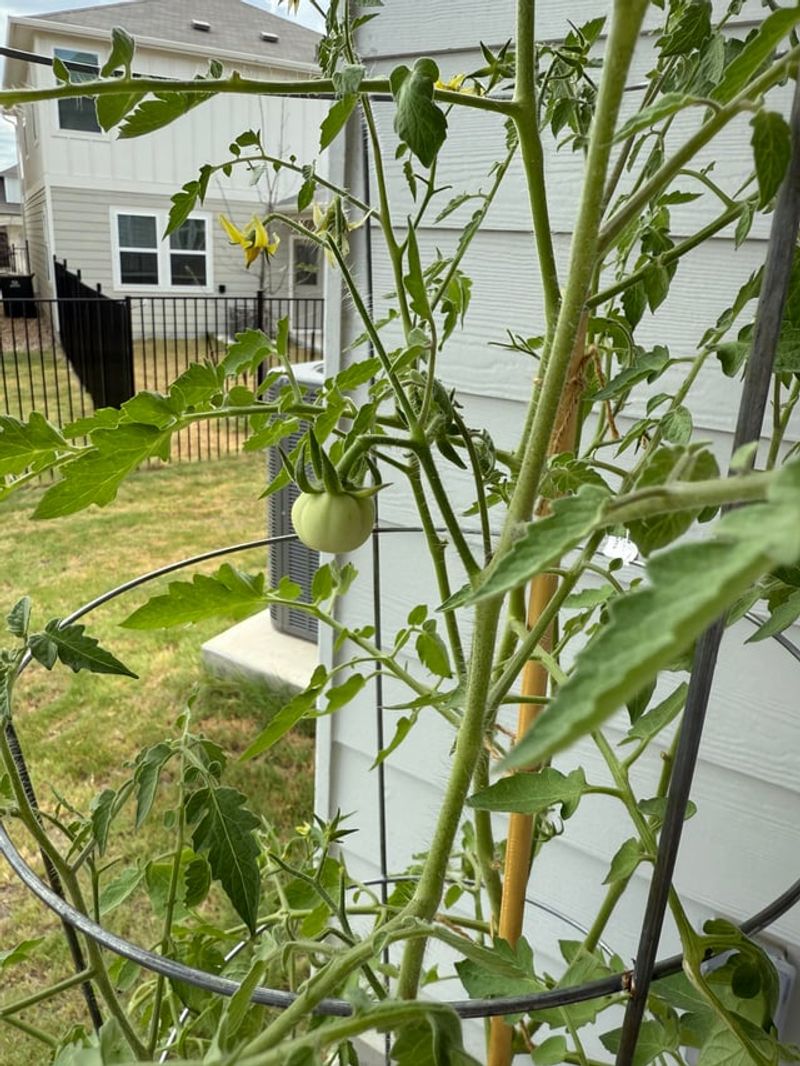
The name says it all. Surefire was bred specifically to set fruit even when temperatures soar above 90 degrees, making it one of the best choices for Texas gardeners.
Most tomatoes drop their blossoms when nights stay too warm, which is a huge problem in August. Surefire was developed to push through that heat and keep producing when other plants give up.
The fruits are medium-sized, typically around six to eight ounces, with a smooth red skin and meaty interior. Flavor is mild and pleasant, holding up well in both fresh eating and cooked dishes like marinara or tomato soup.
Surefire is a determinate variety, meaning it sets most of its fruit over a concentrated period. That makes harvest planning easier, especially for gardeners who want to preserve or can their tomatoes at the end of the season.
Your Texas Garden Changes Every Week. Your Plan Should Too.
Gardening in Texas changes quickly throughout the season. Every Friday you’ll receive a simple weekly plan showing exactly what to plant, prune, fertilize, harvest, and protect so you never miss the right timing.
Plant Surefire transplants in early August, giving them about 72 days to reach full maturity. Space plants around 18 to 24 inches apart in a sunny spot with well-draining soil.
Because this plant is compact and bushy, it does not need heavy staking, though a simple cage keeps things tidy. Consistent watering is still essential, especially during the first few weeks when heat stress is highest.
Surefire is proof that a tomato can be bred for toughness without sacrificing taste. Gardeners who give it a spot in their fall lineup rarely walk away disappointed.
3. Solar Fire
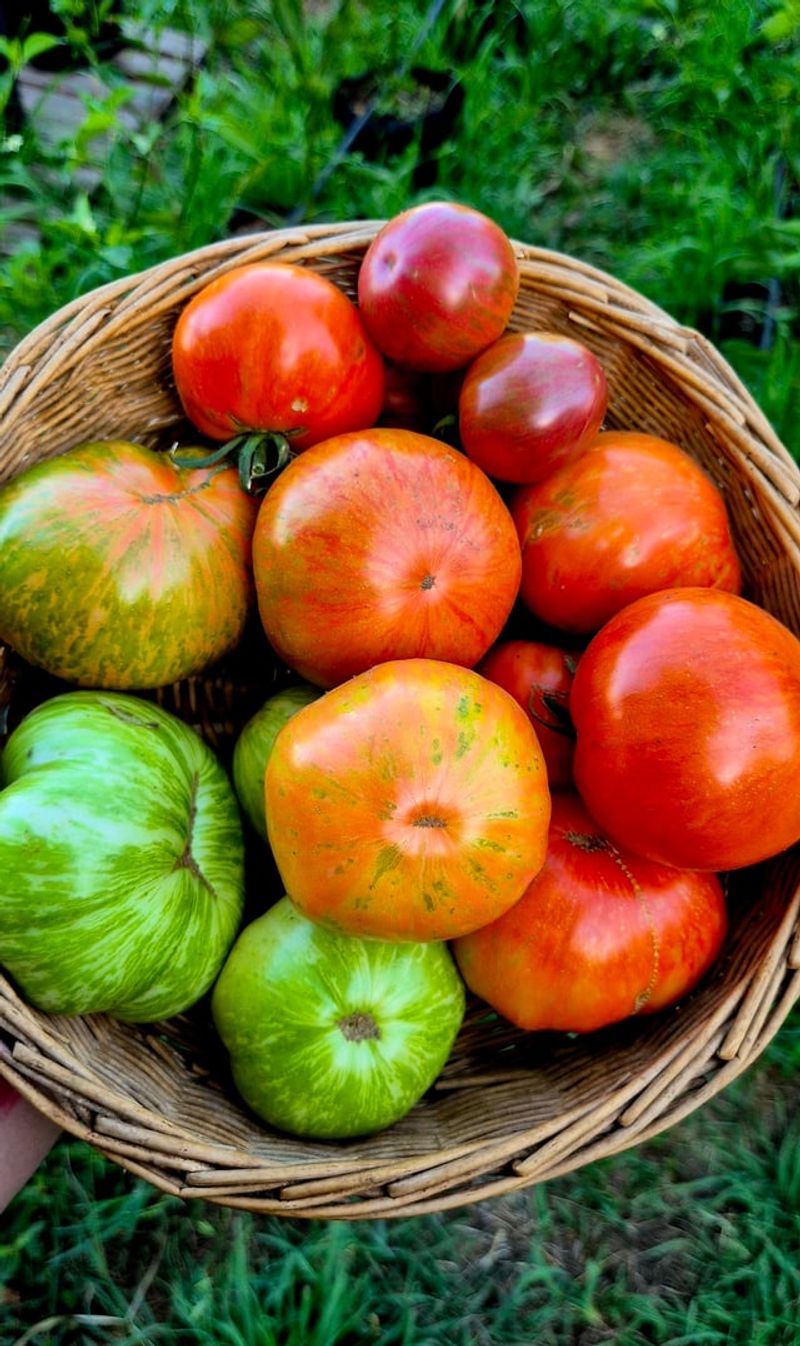
Solar Fire sounds like something invented for a Texas summer, and in many ways it was. This variety was developed by the University of Florida to thrive in conditions that would stall most tomatoes completely.
What makes Solar Fire stand out is its ability to set fruit at high temperatures without the blossom drop that plagues so many gardeners. When August nights hover around 75 degrees, Solar Fire keeps right on growing.
Fruits are large, round, and firm, often reaching nine to ten ounces at peak ripeness. The skin is smooth and the interior is dense and juicy, with a classic tomato flavor that works well fresh or cooked.
Solar Fire is a determinate plant, so it stays manageable in size and does not sprawl all over the garden bed. A sturdy cage or a few stakes will keep it upright and productive through the fall season.
Set out transplants in early August and plan for a 72-day maturity window. That puts harvest time right in the sweet spot of October, when Texas weather finally starts to cool.
Amend the soil with compost before planting to give roots a strong start. Feed with a balanced fertilizer every two to three weeks to keep plants pushing through the heat.
Solar Fire earns its spot through sheer stubbornness against the heat. It was practically built for this climate, and the harvest proves it every season.
4. Heatwave II
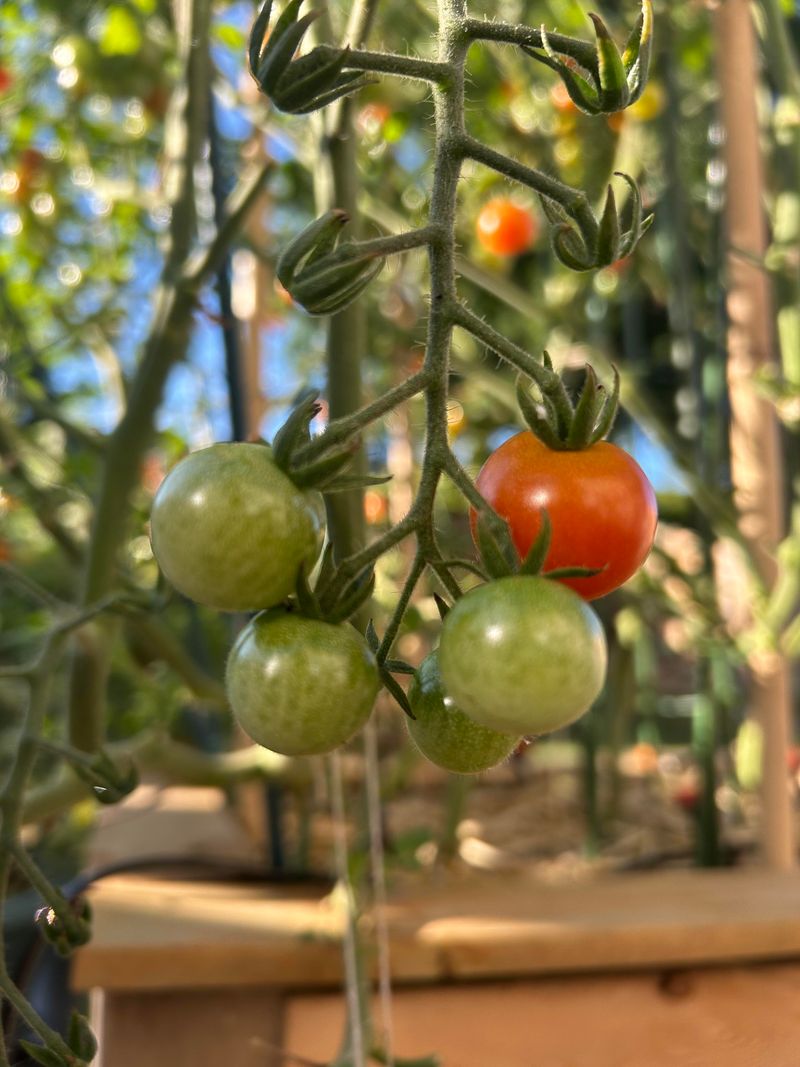
Heatwave II is the upgraded version of the original Heatwave tomato, and the improvements are real. Breeders pushed the heat tolerance even further, making this one of the most reliable options for Texas fall gardens.
This variety was designed to set fruit even when nighttime temperatures stay unusually warm, a condition that trips up most other tomatoes. For gardeners in central and south Texas, that kind of toughness is not optional, it is essential.
Fruits average around seven to eight ounces and have a classic round shape with smooth, bright red skin. The flavor is mild and slightly sweet, which makes it a crowd-pleaser at the dinner table whether sliced raw or roasted.
Heatwave II is a determinate plant, so it stays compact and finishes its main harvest within a defined period. That predictability is a real advantage when you are planning around Texas’s narrow fall planting window.
Transplants should go in the ground by early August to allow the full 75-day maturity period before frost risk increases. Deep planting encourages strong root development, which helps plants stay anchored and well-hydrated during hot spells.
Mulching around the base of each plant keeps soil temperatures lower and reduces water loss during those scorching August afternoons. Water deeply two to three times per week rather than light daily sprinkles.
Heatwave II is not just a backup plan for hot weather. This one consistently delivers a harvest that makes the early planting effort worthwhile.
5. Bella Rosa
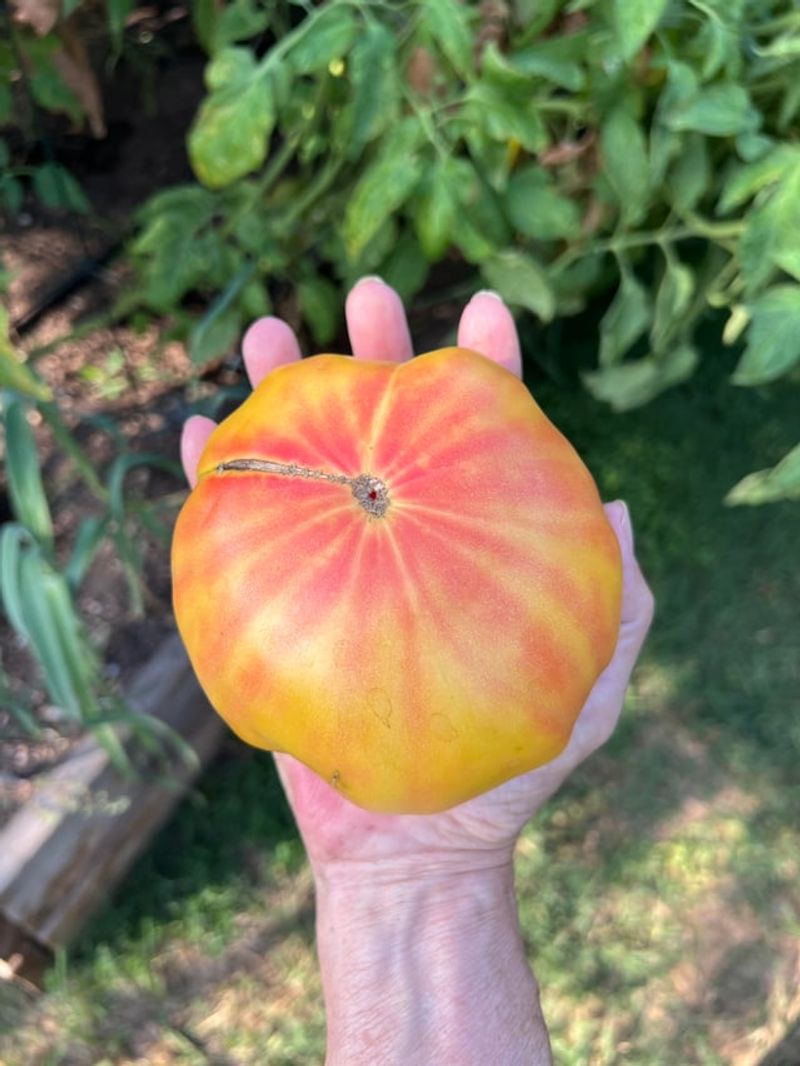
Bella Rosa has a name that sounds elegant, and the tomatoes it produces match that energy. This variety was bred for the South, which means Texas gardeners get to take full advantage of its strengths.
One of Bella Rosa’s most impressive traits is its resistance to multiple diseases at once. It handles fusarium wilt, gray leaf spot, and nematodes with ease, keeping plants healthy even in challenging Texas soil conditions.
Fruits are medium to large, typically around eight ounces, with a firm texture and rich red color inside and out. The flavor leans toward savory and robust, making it a natural fit for pasta sauces, bruschetta, and slow-cooked dishes.
Bella Rosa is a determinate plant that tends to produce a heavy, concentrated crop over a few weeks. That burst of production is ideal for gardeners who want to do a big canning session at the end of the fall season.
Set transplants out in early August and expect fruits to ripen around 75 days later. Give each plant about two feet of space so air can circulate freely around the dense foliage.
Feed with a phosphorus-rich fertilizer at planting time to encourage strong root establishment in the August heat. Once plants start flowering, switch to a lower-nitrogen blend to push energy toward fruit production.
Bella Rosa earns loyalty from Texas gardeners season after season. It rewards careful timing with a harvest that looks as good as it tastes.
6. Tycoon
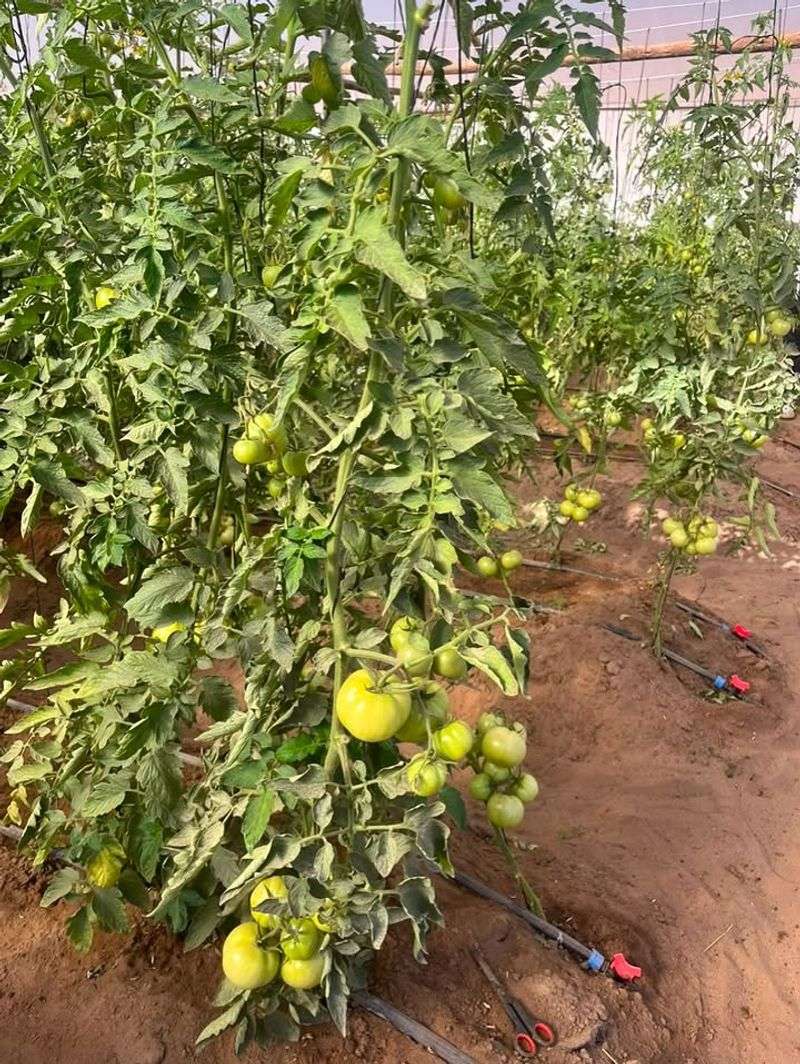
Tycoon tomatoes look like they mean business, with a size and presence that stands out in any garden bed. These are big, bold fruits that command attention in the garden and on the plate.
Developed with hot and humid climates in mind, Tycoon thrives in conditions that would stress out a less resilient variety. It holds its blossoms well through warm nights, which is the critical factor for any fall planting in Texas.
Fruits grow large, often reaching ten ounces or more, with a deep red color and thick walls that resist cracking. That firmness makes Tycoon a top choice for slicing, since each cut holds its shape without falling apart.
Tycoon is an indeterminate variety, meaning it will keep growing and producing until frost stops it. That continuous production style can extend your harvest window well into November if the season cooperates.
Because it keeps growing, Tycoon needs sturdy support from the start. Install a heavy-duty cage or a tall stake before planting so the root system is not disturbed later.
Transplants go in the ground during early August, with maturity arriving around 70 days later. Prune suckers regularly to keep energy focused on the main stems and the developing fruits.
Tycoon also shows strong resistance to fusarium wilt and gray leaf spot, two common threats in Texas gardens. Tycoon stands tall as a high-yield powerhouse that rarely lets the gardener down.
7. Juliet
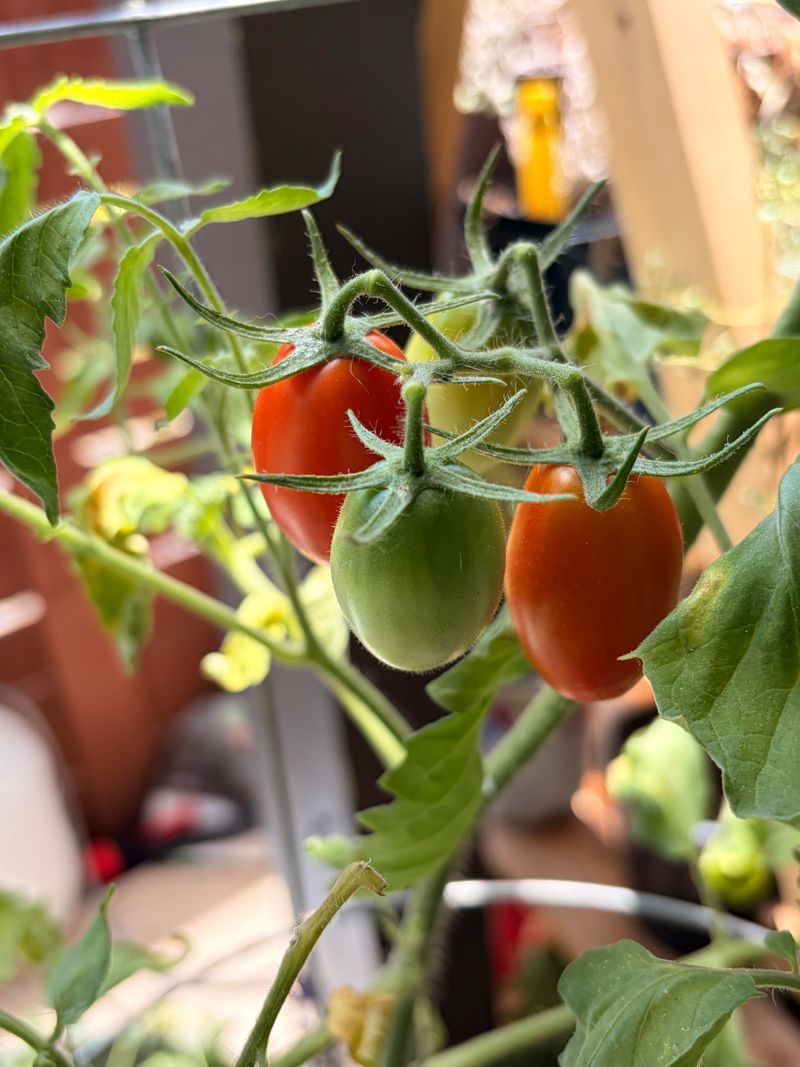
Juliet is the tomato that converts skeptics. Gardeners who think they do not like cherry or grape-style tomatoes often change their minds the moment they taste one fresh off the vine.
These small, elongated fruits grow in long clusters and have an intense, sweet-tangy flavor that is hard to match. Each one is about the size of a large grape, making them perfect for snacking, salads, or roasting whole.
Juliet earned the All-America Selections award back in 1999, and it has been winning fans ever since. The fruits have thick skins that resist cracking, even when rain follows a long dry spell.
As an indeterminate variety, Juliet keeps producing fruit continuously until cold weather arrives. That long harvest window is a big advantage in the fall garden, where every extra week of production counts.
Set out transplants in early August and plan for a 60-day maturity period, one of the fastest on this list. That quick turnaround gives Juliet a head start compared to larger-fruited varieties.
Juliet plants grow tall and vigorous, so strong support is a must from day one. A six-foot stake or a heavy cage will keep the sprawling vines organized and off the ground.
Pick clusters when fully red for the best flavor, or let a few ripen to a deeper shade for extra sweetness. Juliet brings a little joy to every harvest basket it fills.
8. Merced
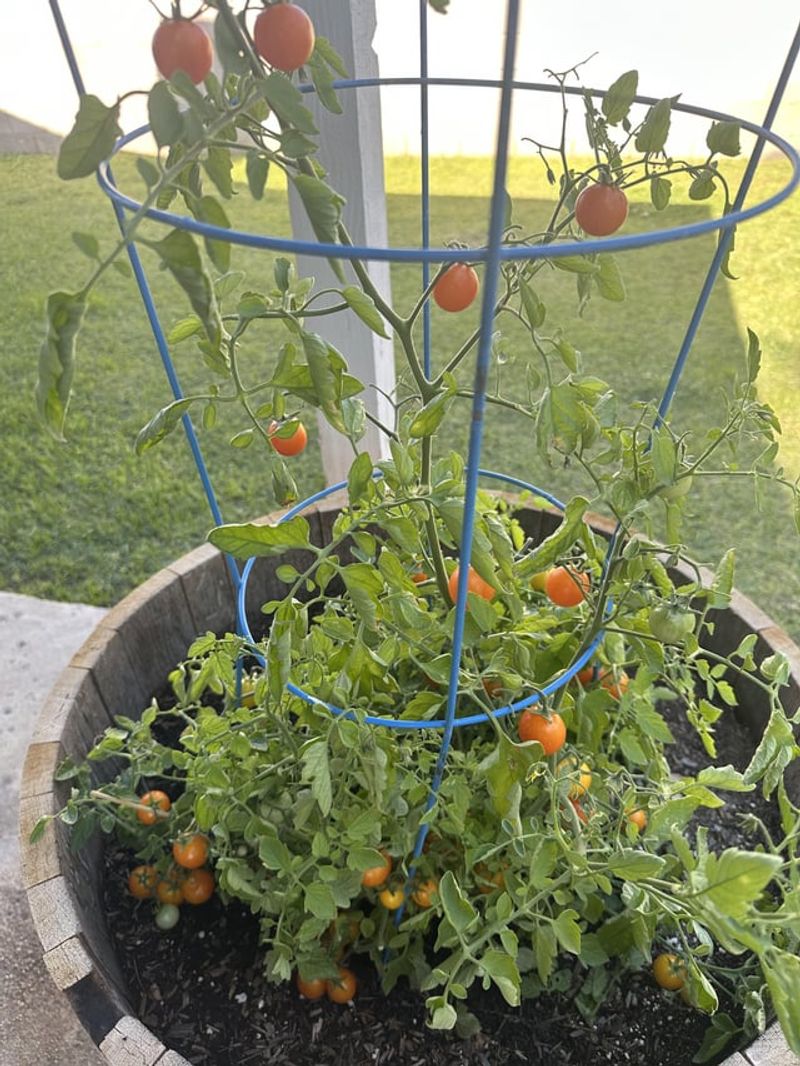
Merced might be the least familiar name on this list, but experienced Texas gardeners know it well. This variety was bred for hot, dry climates where other tomatoes simply cannot keep pace.
Originally bred for commercial growing operations, Merced brings professional-grade toughness to the home garden. It holds up well through the kind of August heat that sends most plants into survival mode.
Fruits are medium-sized, typically around seven to eight ounces, with smooth skin and a firm, meaty interior. The flavor is clean and classic, with a pleasant balance between sweetness and acidity that works in almost any recipe.
Merced is a determinate variety, so it matures its crop in a concentrated window without sprawling endlessly across the garden bed. That tidy growth habit makes it easier to manage, especially when garden space is limited.
Transplants should go in the ground by early August to allow the 70-day maturity period to run its course before frost risk rises. Consistent deep watering during the first three weeks gives roots the stability they need to handle heat stress.
Merced also shows good resistance to cracking, which is a common problem when rain arrives suddenly after a dry stretch. That resistance helps protect the harvest and reduces the number of fruits lost to splitting.
Merced is a quiet achiever that earns respect one reliable harvest at a time.