The Last Lawn Mow Of The Year In Pennsylvania And Why Height Matters More Than You Think
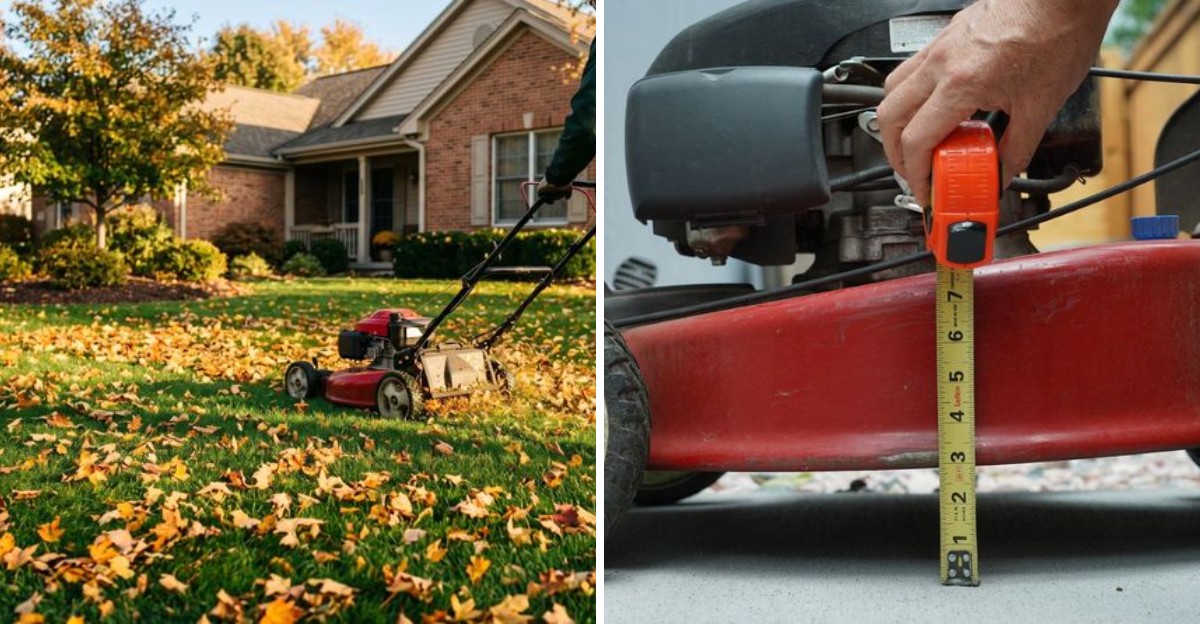
Grass blades keep making food for the roots well into late fall, even after the trees go bare. That tiny green leaf is basically a solar panel, and I used to shave mine off without a second thought.
Nobody warned me that one careless afternoon in November could shape how my yard looks in April.
Cut too low, and the growing point at the base of each plant sits exposed to frost and wind. Leave it shaggy, and a heavy snow can press it into a soggy mat. Here in Pennsylvania, winters swing from slushy thaws to bitter cold snaps, sometimes in the same week.
Your lawn has to ride out all of it with whatever you leave behind on that final pass. How short is too short, and when should the mower finally rest? The answer is surprisingly specific.
1. Those Little Grass Crowns Are Doing More Work Than You Realize
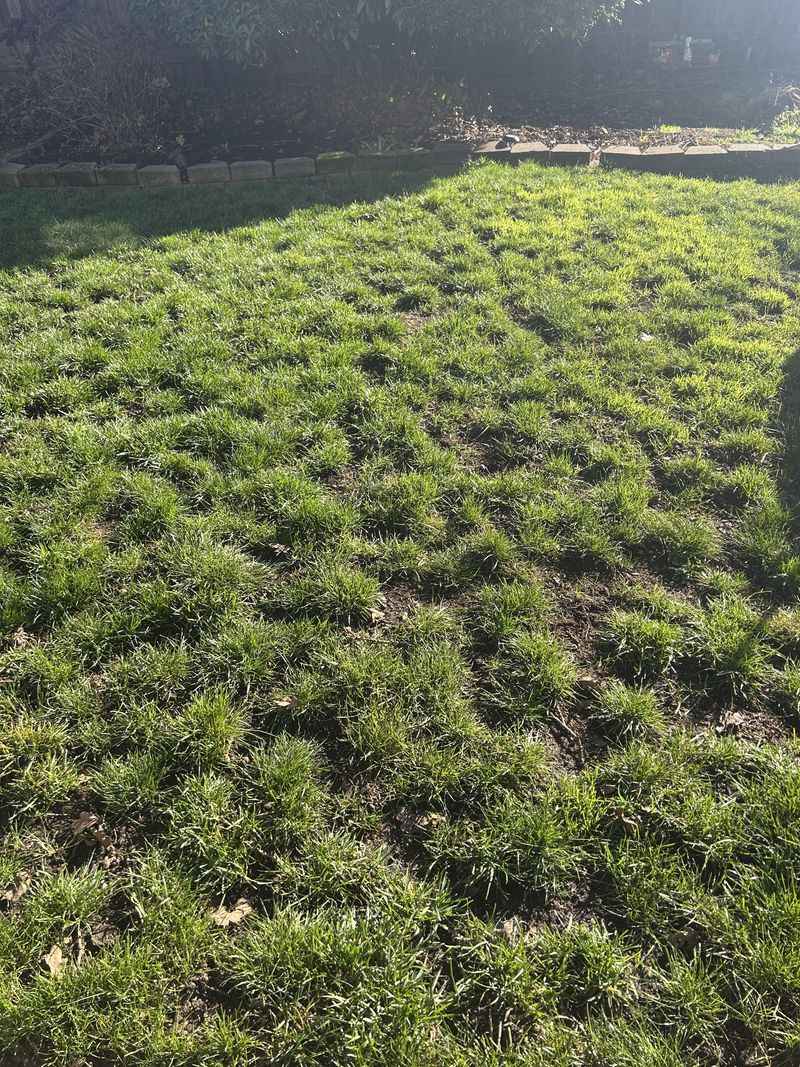
Every grass plant has a small, pale knob at its base called the crown. It sits right around soil level, and it is the true heart of the plant.
New blades, roots, and side shoots all start from that crown. If it stays healthy over winter, your lawn bounces back in spring with fresh color. If it gets battered, you could see thin or bare patches when the weather warms.
Leaf blades act like a coat for the crown. They trap a little air, hold snow cover in place, and soften the blow of drying winter winds.
Penn State Extension notes that grass leaves are also the food factories, so cutting too much leaf away cuts down the energy the plant can store in its roots.
That is why the last mow matters so much. Your final cut decides how much protection and stored energy each plant carries into the cold months.
I like to think of it as packing a lunch for a long trip. Too little, and the grass runs low on fuel. Too much leafy bulk, and you invite other problems that we will get to soon. Height is the dial you control.
2. Set Your Mower Deck Around 2.5 To 3 Inches For The Final Cut
Most Pennsylvania lawns are made of cool-season grasses like Kentucky bluegrass, tall fescue, and perennial ryegrass. For these, a final height of roughly 2.5 to 3 inches works well for most yards.
Many extension experts suggest simply keeping your normal mowing height for the last cut rather than dropping it low.
That range is tall enough to shield the crown and store energy, yet short enough to resist matting under snow.
Tall fescue lawns can sit toward the upper end, closer to 3 inches. Bluegrass and ryegrass lawns are fine around 2.5 inches. Fine fescues in shady spots also do best on the taller side.
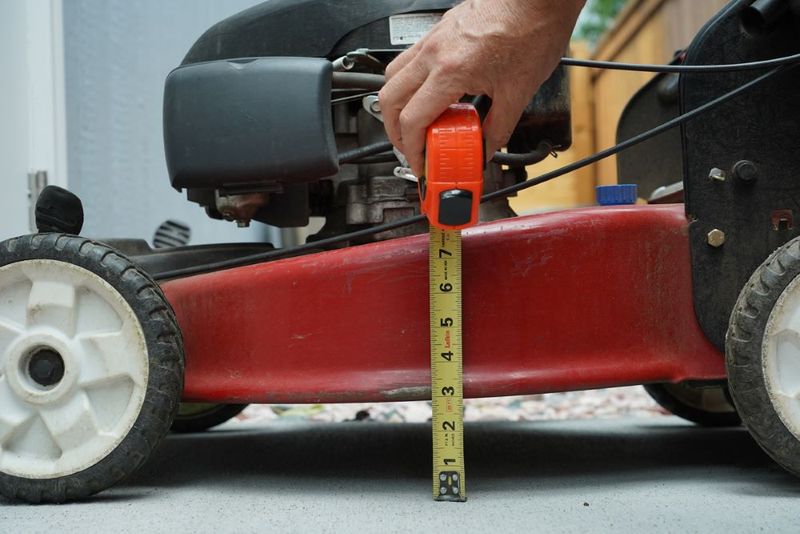
Personally, I check my deck setting with a ruler on a flat driveway before the last mow. Mower labels can be off by half an inch or more, and that surprised me the first time.
Follow the one-third rule too. Remove no more than a third of the blade at one time, so if the grass is 4.5 inches tall, a 3-inch cut is the limit.
If your lawn got shaggy during a rainy October, lower it in steps over two or three mows instead of one big chop.
3. The Thermometer Tells You When To Park The Mower
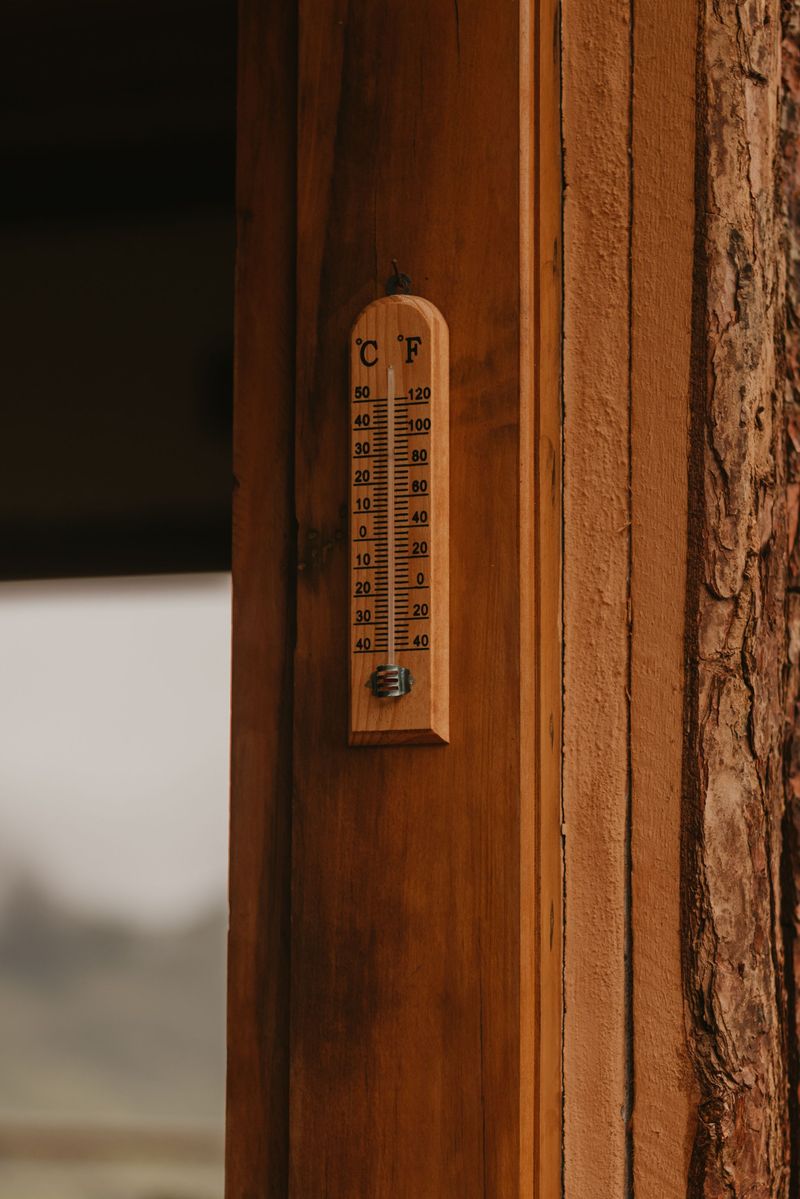
Calendars are handy, but grass does not read them. Cool-season turf slows down as days cool and mostly stops growing once daytime highs stay in the 40s.
In southeastern Pennsylvania near Philadelphia, that often means mowing into mid or late November.
Up in the northern tier and higher elevations around State College or Erie, growth usually tapers off earlier, sometimes by early November.
A simple test works great. If you mow and a week later the lawn looks about the same height, growth has basically stalled, and that pass can be your last one.
Keep mowing as long as the grass keeps growing. Stopping too early in a mild fall leaves you with long, floppy blades heading into snow season.
Skip mowing when the lawn is frosty or frozen. Walking or rolling a mower over icy blades can crush plant cells and leave tracks that turn brown and stay visible for weeks.
Wait until the frost melts by late morning, and mow when the grass is dry. Your footprints will thank you, and the cut will look cleaner too.
4. Scalped Lawns Struggle Against Cold Winds And Spring Weeds
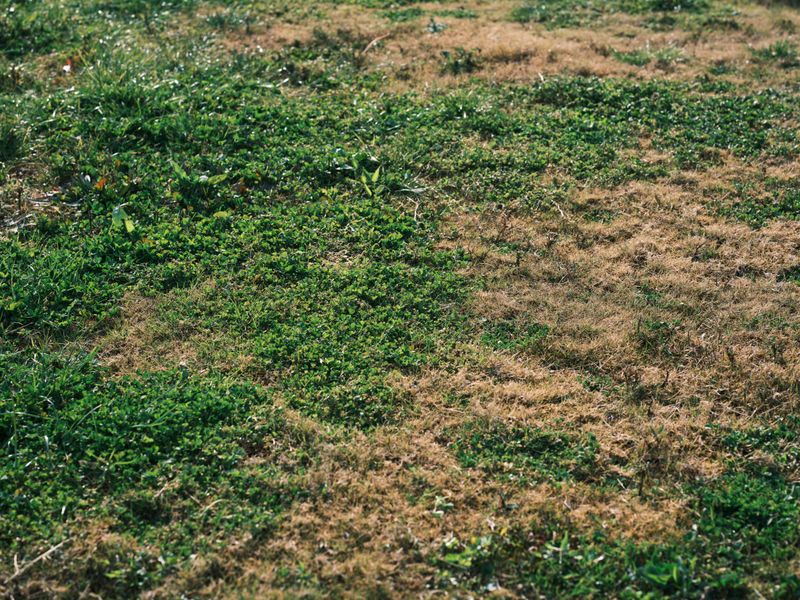
A buzz cut might look tidy in November, but grass pays for it later. Scalping exposes the crown and soil surface to harsh temperature swings.
Pennsylvania winters often bring freeze and thaw cycles. Bare, short turf can heave slightly with frost, and the soil dries quickly when cold winds blow across it without leafy cover.
Short grass also has less stored food. Those roots lean on energy built up in fall, and trimming away too much leaf reduces how much the plant can tuck away.
Come spring, a thin lawn is an open invitation. Crabgrass seeds need light and warm soil to sprout, and a scalped yard gives them plenty of both.
Believe it or not, some folks scalp on purpose, thinking it means fewer mows next year. It usually means more weeding, more seeding, and a slower green-up instead.
If you already cut too short, do not panic. Leave the lawn alone, avoid heavy foot traffic on frozen turf, and plan to overseed thin spots in early fall next year, when cool-season grass establishes best.
5. Long Matted Grass Can Hide Snow Mold Patches
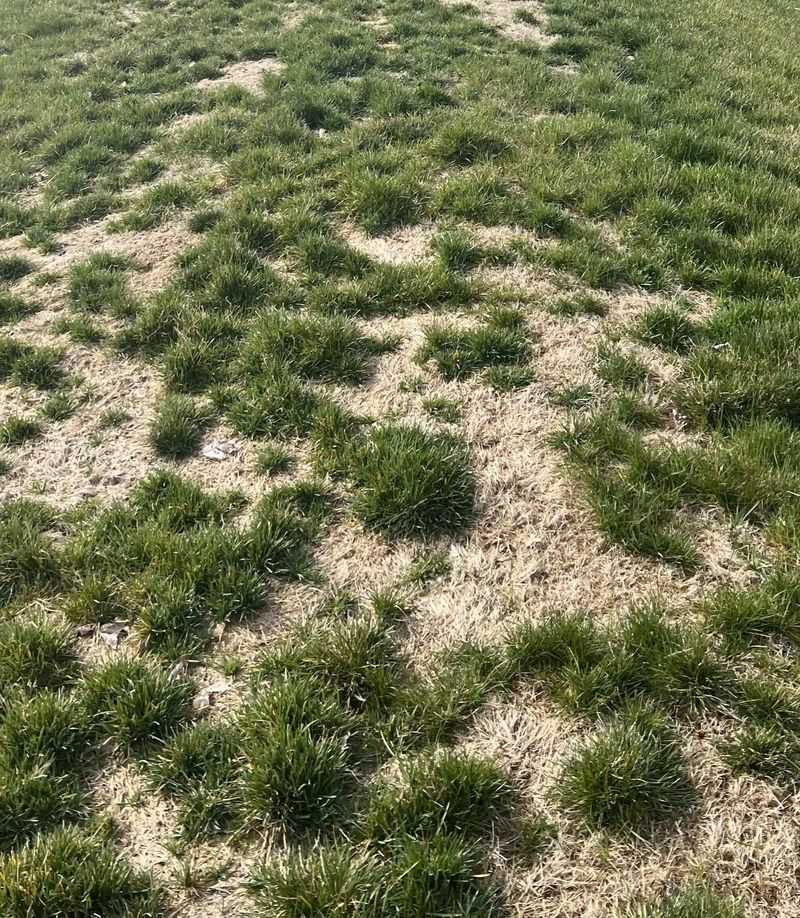
Late March arrives, the snow melts, and there they are. Round, crusty patches of gray or pinkish grass that look like someone spilled cobwebs on the lawn.
That is snow mold, a group of fungal diseases that thrive under long-lasting snow cover. Gray snow mold and pink snow mold both show up in Pennsylvania, especially after winters with deep snow on unfrozen ground.
Long, floppy grass makes the problem worse. Tall blades fold over under snow, creating a damp, dark layer where fungi grow happily.
A sensible final height helps a lot. So does avoiding heavy nitrogen fertilizer too late in fall, since lush, soft growth heading into winter can be more prone to disease.
Here is the reassuring part. Penn State turf specialists note that snow mold damage is mostly cosmetic, and lawns usually recover on their own as spring warms.
Gently rake matted spots once the snow is gone to fluff the blades and let air in. Avoid piling shoveled snow in the same lawn area all winter, because those deep mounds linger and keep the turf soggy for weeks.
6. Meadow Voles Love A Shaggy Lawn Under The Snow
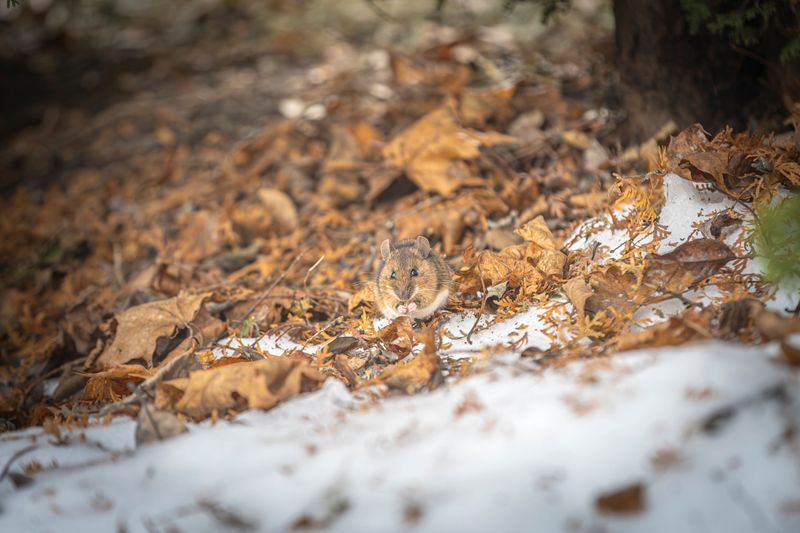
Ever spotted twisting little trails across your lawn after the snow melts? They look like a tiny highway map pressed into the grass.
Those are runways made by meadow voles, small, chunky rodents that stay active all winter. They travel under the snow, nibbling grass blades and roots while staying hidden from hawks and foxes.
Voles are native and common across Pennsylvania. They are part of the local food web, so the goal is managing habitat rather than trying to remove every one.
Long grass gives them cozy cover. Keeping your final mow at a moderate height makes your lawn less inviting, especially near garden beds, fences, and brushy edges where voles like to hang out.
Trim tall grass along borders, and pull thick mulch a few inches away from tree trunks. Voles sometimes chew bark under the snow, which can harm young trees and shrubs.
If runways show up in spring, rake out loose debris and lightly fertilize or overseed thin areas. Most damage is shallow, and grass fills back in surprisingly fast once the growing season starts.
7. Mulch Those Fallen Maple And Oak Leaves Right Into The Turf
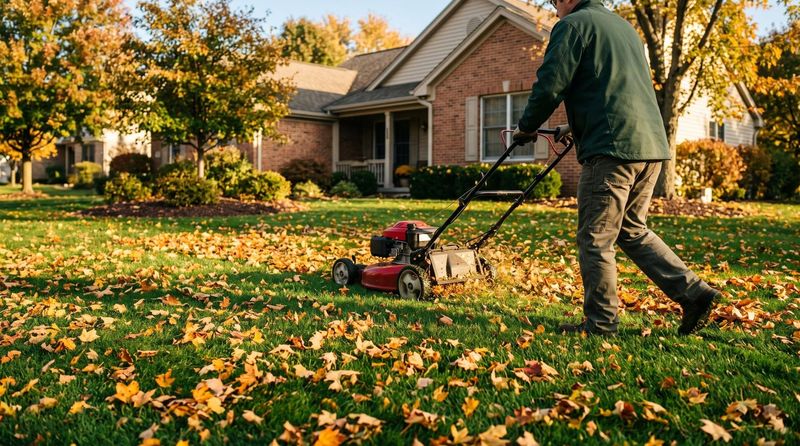
Leaves are the one thing that can spoil a perfectly measured final cut. A thick blanket of maple or oak leaves blocks light and traps moisture right against the grass.
You do not have to bag them all. Research from Michigan State University found that mowing leaves into small pieces and leaving them on the lawn is generally fine, and those bits break down and feed the soil.
The trick is keeping pieces small enough that grass blades still peek through. If you can see green after a pass, you are in good shape.
Heavy leaf drops, like under a big oak, may need a couple of passes or some raking. Extra leaves make terrific mulch for garden beds or a backyard compost pile.
Try to clear leaves before snow arrives. Wet leaves frozen to the lawn act a lot like long matted grass, inviting snow mold and smothering patches.
Many Pennsylvania towns also offer curbside leaf collection in fall. Check your municipality’s schedule, since some only accept leaves in paper bags or loose piles at the curb on certain weeks.
8. Sharpen The Mower Blade Before It Rests For Winter
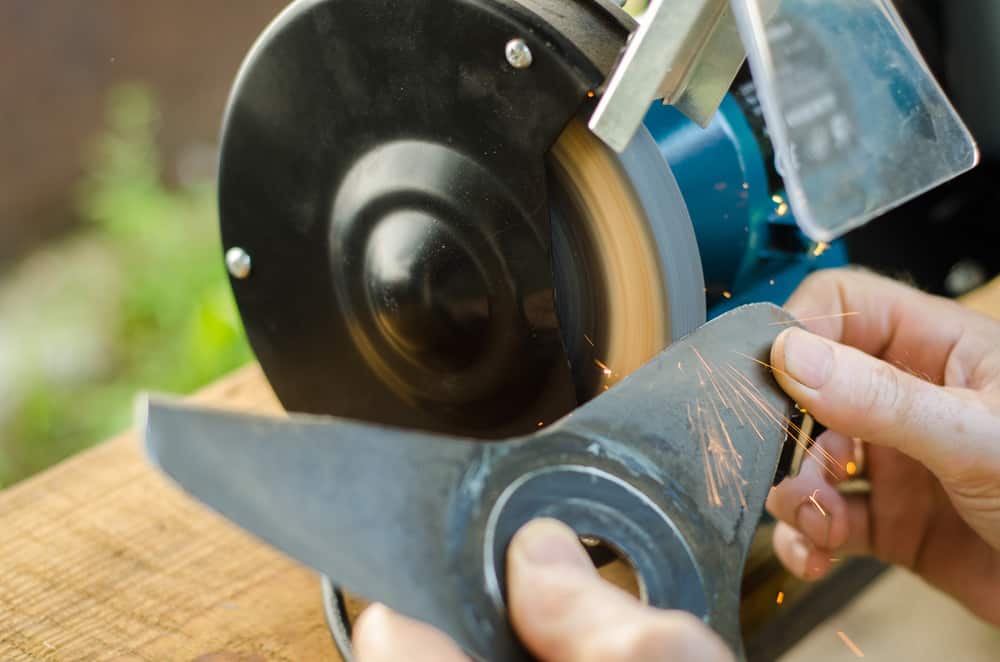
Take a closer look at the grass tips after your last mow. Clean, straight edges mean a sharp blade, while ragged, whitish tips mean the blade is tearing instead of cutting.
Torn blades lose more moisture and heal slower. That is a rough way to send turf into a dry, windy winter.
I like to sharpen right after the final cut, so the mower is ready in spring. Disconnect the spark plug wire or remove the battery first, then file or grind the blade, and check that it balances evenly.
While you are at it, scrape caked clippings from under the deck. For gas mowers, add fuel stabilizer and run the engine briefly, or follow your manual’s storage advice.
Jot down your final mowing height and date in a notebook or phone. Next fall, you will have your own local record to compare against the weather.
Small steps like these turn the last mow into a smart send-off. Healthy height, clean cuts, cleared leaves, and a tuned-up mower give your lawn its best shot at a thick, green start next spring.