Picking Citrus Before A Hard Freeze Helps Georgia Trees Survive Cold Better
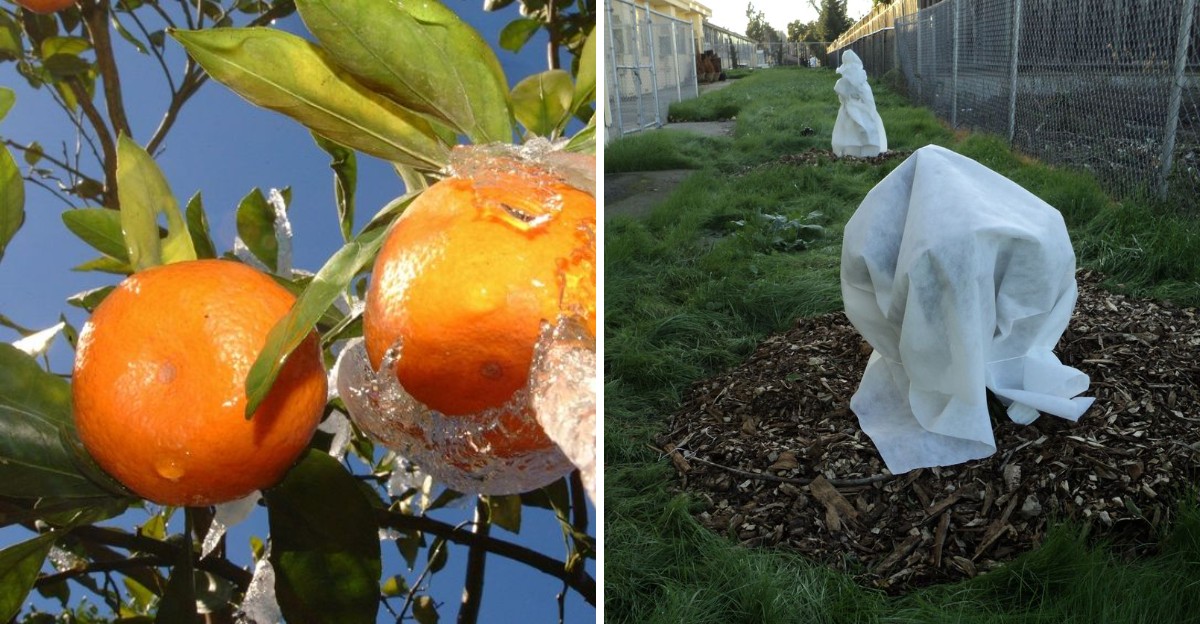
Ripe oranges can freeze solid on a branch while the leaves around them shrug off the same cold night. That surprised me the first time I read it.
The fruit is often the weakest part of the whole tree in winter.
Here in Georgia, a few hours in the mid-20s can turn juicy segments into dry, stringy pulp. You won’t see much from the outside, either.
The peel may look fine until you slice it open and find a sad, puffy mess.
I love the idea of backyard fruit growing this far north. You need a plan, though, because one bitter night can undo a whole season of patient watering and feeding.
The smartest move before a freeze might have less to do with blankets and more to do with your harvest basket. Your trees may thank you for it come spring.
1. Those Ripe Oranges Feel The Cold Before The Branches Do
Ice is sneakier than most folks realize. Citrus fruit is mostly water, and that water can freeze at higher temperatures than the leaves and woody stems around it.
University of Georgia Extension notes that fruit can be hurt when temperatures hover around 26 to 28 degrees for several hours. Leaves and twigs on a well-hardened tree can often handle a bit colder than that.
In other words, your harvest is usually the first thing to suffer on a cold night.
Duration matters as much as the low number. A quick dip to 27 degrees right before sunrise may cause little harm.
A long, still night that sits below 28 degrees for four or more hours is a different story.
Ripe fruit does have a small edge. Its natural sugars act a little like antifreeze, lowering the freezing point slightly.
That help has limits, though, and it fades fast during a long hard freeze.
I find this detail oddly comforting. It means the fruit acts as an early warning system, and you can act on it.
Once you know the fruit is the weak link, picking it ahead of the cold makes a lot of sense.
2. Grab Your Harvest Basket When The Forecast Drops Below 28 Degrees
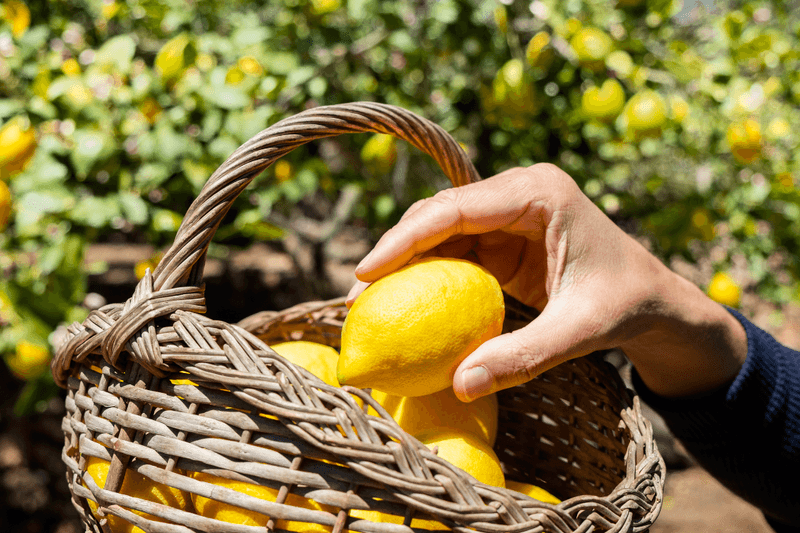
Watching the weather app becomes a winter hobby for citrus growers. When forecasters call for temperatures below 28 degrees lasting several hours, that is your signal to pick.
Harvest any fruit that is ripe or close to ripe. Satsumas, kumquats, and most mandarins hold up well indoors once picked.
Clip stems with hand pruners instead of yanking, since torn peel spoils faster.
Short on time? Start with the most cold-tender types, like lemons and limes, then move to oranges and grapefruit.
Fruit on the outer, upper branches is most exposed, so grab those first.
Picked citrus keeps nicely in the refrigerator crisper for a few weeks. Satsumas are the exception and are best eaten sooner, since they lose quality quickly.
Grapefruit and oranges last longer than you might expect.
Unripe fruit is tougher to call. Green, hard fruit won’t sweeten much off the tree, so some growers leave it and hope.
If a severe freeze is coming, though, losing it on the branch is likely anyway.
Picking a day early beats rushing out in the dark with a flashlight. Trust me on that one.
3. A Branch Loaded With Fruit Carries Extra Winter Stress
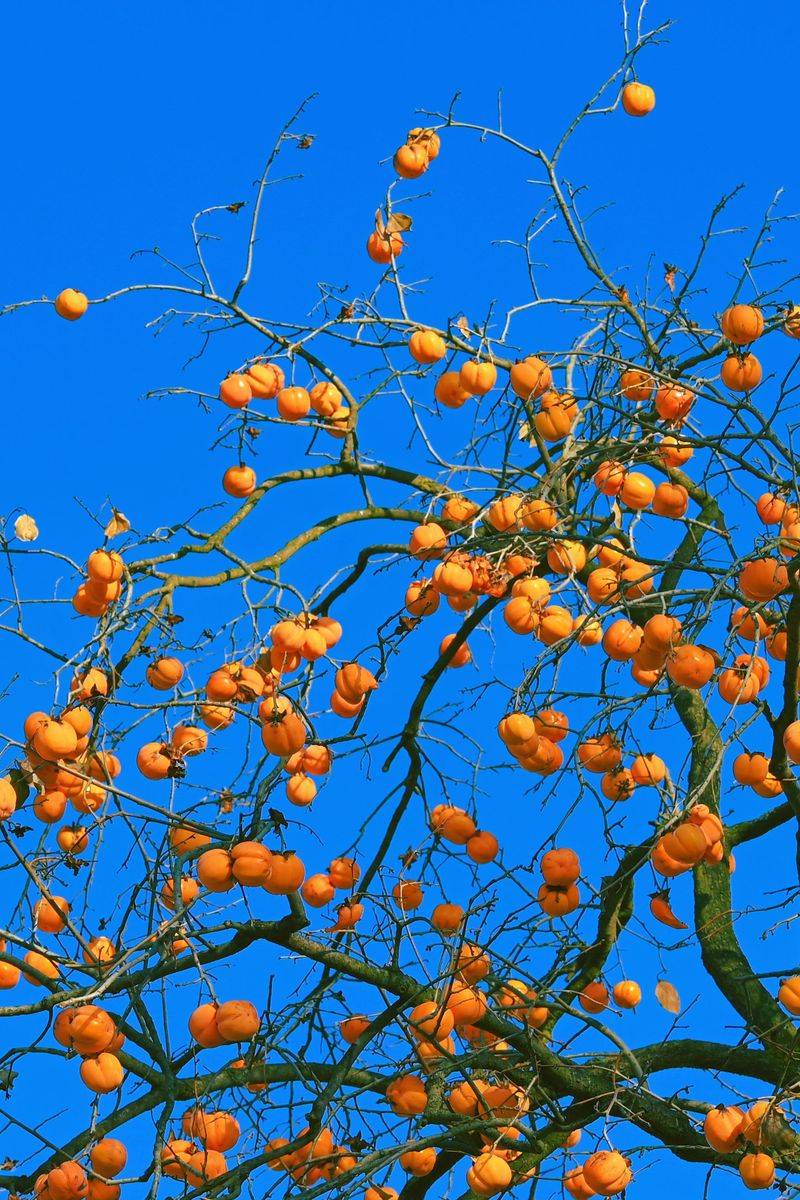
Ever notice how a heavy crop makes branches sag almost to the ground? That load does more than bend wood.
A tree holding lots of fruit is still sending sugars and water to that crop late into the season. Researchers and extension specialists point out that heavily cropped trees often show more cold injury than lightly cropped ones.
Energy that could support hardening ends up going into the fruit instead.
Think of it like carrying a stuffed backpack up a steep hill. You can do it, but you’ll tire sooner.
Lightening the load before a hard freeze leaves the tree with more reserves for its leaves and stems.
Removing fruit is not a magic shield, to be fair. A tree with no fruit can still suffer in a severe freeze, especially a young one.
The benefit is about reducing stress, not guaranteeing safety.
Heavy fruit also adds weight to branches that may carry ice later. Freezing rain on a loaded limb can snap it clean off.
So while a full tree looks wonderful, picking ahead of a cold snap is a kindness. Your tree gets a lighter burden just when it needs it most.
4. Satsumas And Kumquats Handle Georgia Winters Better Than Lemons
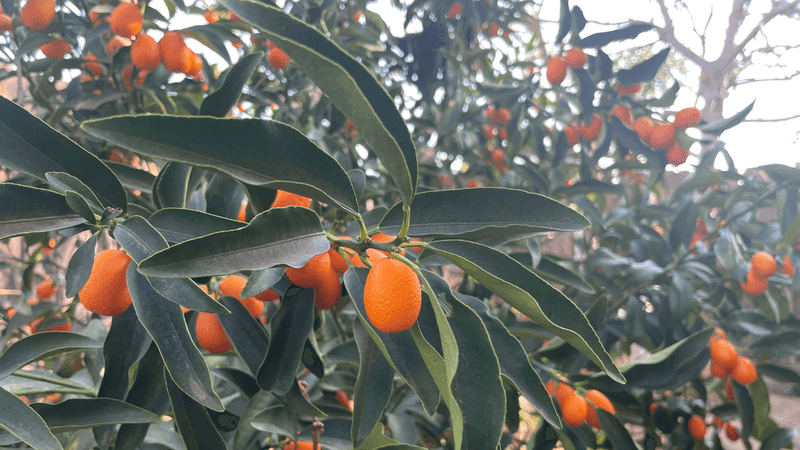
Plant choice quietly decides half the battle. Some citrus types laugh off a chilly night while others sulk at the first frost.
Satsumas, other mandarins, and kumquats rank among the hardiest edible citrus. Well-hardened mature plants can often tolerate the upper teens to around 20 degrees for short periods.
Kumquats are especially tough because they stay dormant longer into spring.
Sweet oranges and grapefruit fall in the middle. Lemons and limes are the most tender, so they struggle well before the others do.
Here’s a fun local twist. The University of Georgia released cold-hardy selections such as Grand Frost lemon and Sweet Frost tangerine.
These were bred and tested with growers in south Georgia in mind.
Location within the state matters, too. Coastal and far south areas in zones 8b and 9a give citrus the best shot.
Folks in north Georgia usually do better with containers they can roll into a garage.
Even hardy types have tender fruit, though. A satsuma tree may shrug off 20 degrees, yet its fruit can still be ruined.
That’s why picking before a freeze matters no matter which variety you grow.
5. Watering Your Citrus Trees Before The Cold Snap Pays Off
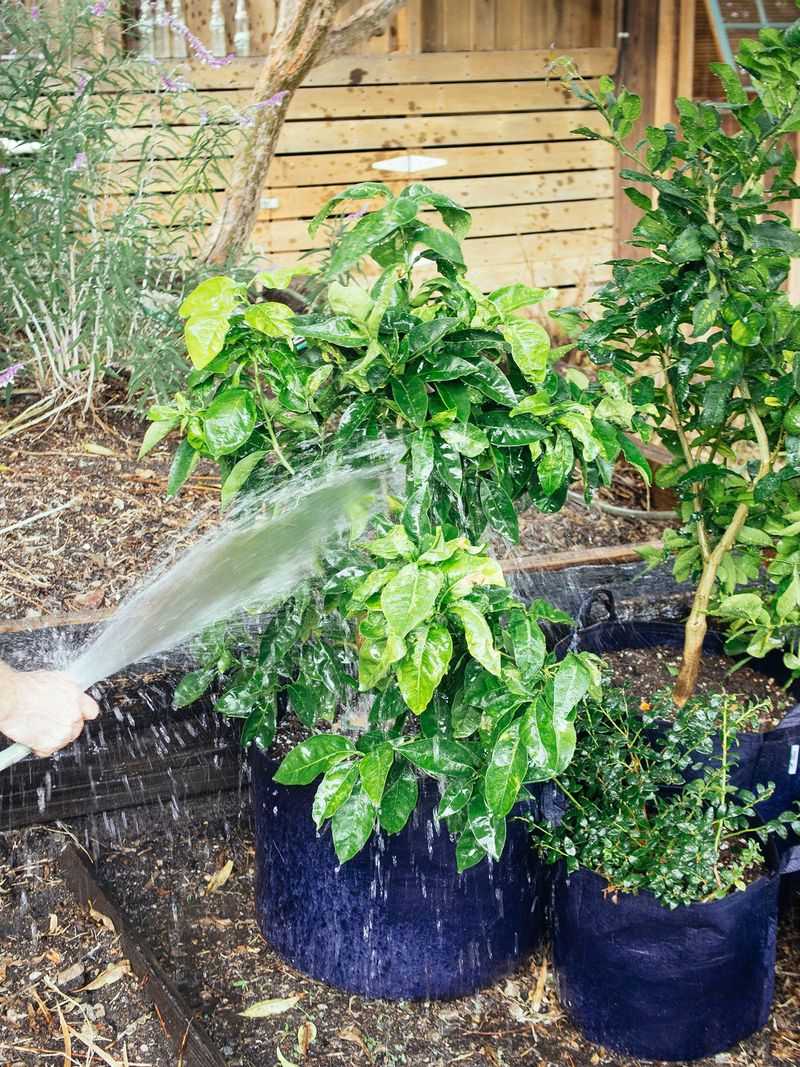
Moist soil holds heat better than dry soil, which surprises a lot of people. Wet ground soaks up warmth during the day and slowly releases it at night.
Give your citrus a deep watering a day or two before a freeze arrives. Well-hydrated trees also cope better than drought-stressed ones, since thirsty tissue is easier to injure.
Commercial growers in south Georgia often run microsprinklers during freezes. As water turns to ice, it releases a little heat that helps protect the lower trunk.
This takes careful timing, starting before temperatures hit freezing and running until the ice melts in the morning.
For most homeowners, a simple soaking ahead of time is the safer choice. Running a sprinkler over a whole tree at night can coat branches in heavy ice and cause breakage.
Stopping too early can make things worse.
Pull mulch back from the trunk before a cold night, too. Bare soil can radiate stored heat upward to the tree, while thick mulch traps it underground.
Then put the hose away and drain it. A burst spigot is one winter headache nobody wants.
6. Frost Cloth And Banked Soil Shield Young Citrus Trunks
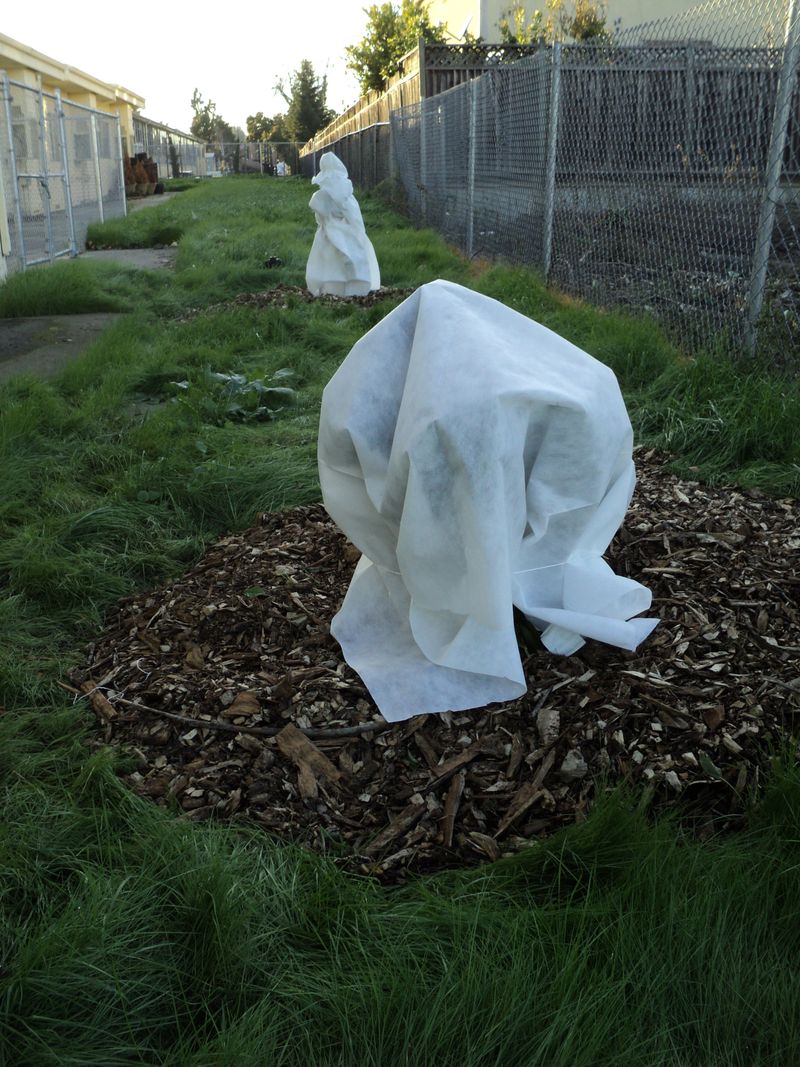
Young trees need more babysitting than old ones. Trees under about four years old have thin bark and small canopies, so they lose heat fast.
UGA Extension suggests banking soil around the trunk of young trees, roughly 12 to 15 inches high. That mound protects the graft union, so even if the top suffers, the desired variety can regrow.
Pull the soil back once warmer weather settles in, usually by early spring.
Frost cloth is your next friend. Drape it all the way to the ground so it traps warmth rising from the soil.
A cover that stops at the branches does far less good.
Avoid plastic touching leaves, since it can conduct cold. Old blankets work in a pinch, but they get heavy when wet.
Some gardeners add old-fashioned incandescent string lights under the cover for extra warmth. LED lights give off very little heat, so they won’t help much.
Uncover the tree during sunny days so it doesn’t overheat. I like to set a phone reminder, because forgetting is easier than you’d think.
7. Frozen Fruit Left On The Tree Turns Dry And Spongy
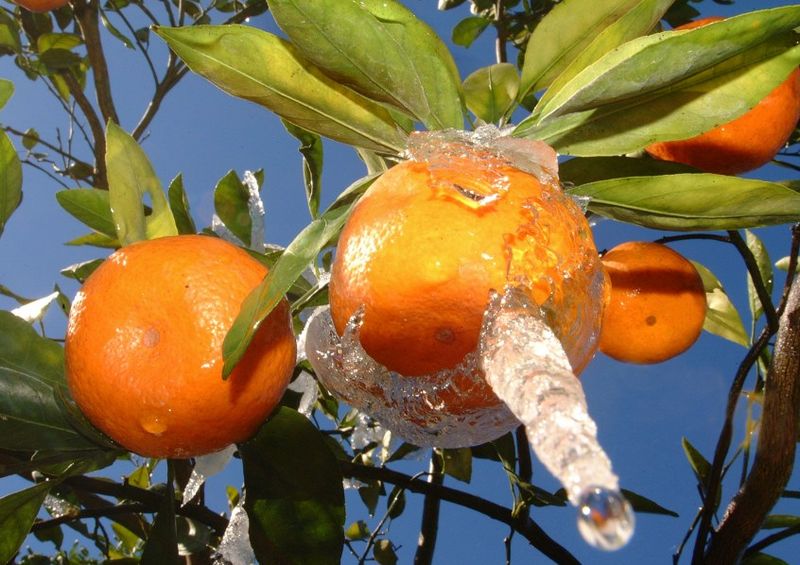
Cutting into freeze-damaged fruit is a real letdown. The outside might look perfect, but inside you’ll find dry, collapsed segments.
When ice forms in fruit, it ruptures the tiny juice sacs. Over the following days and weeks, the fruit loses moisture and becomes spongy or hollow.
Sometimes small white crystals of hesperidin appear on the segments, a classic freeze sign.
Damaged fruit also spoils faster and may drop from the tree. Mold and rot can set in once cells break down.
Leaving it hanging too long only invites more trouble.
Want a quick test? Slice a few fruits a day or two after a freeze.
If the pulp looks water-soaked or pulls away, use what you can quickly for juice.
Freshly frozen fruit is often still fine for juice right away. The quality drops quickly after that, so move fast rather than waiting.
Clean up dropped fruit from under the tree, too. Rotting citrus attracts pests and fungus you don’t want around next season.
A little tidying now saves headaches later.
8. A Lighter Tree Bounces Back With Better Spring Blooms
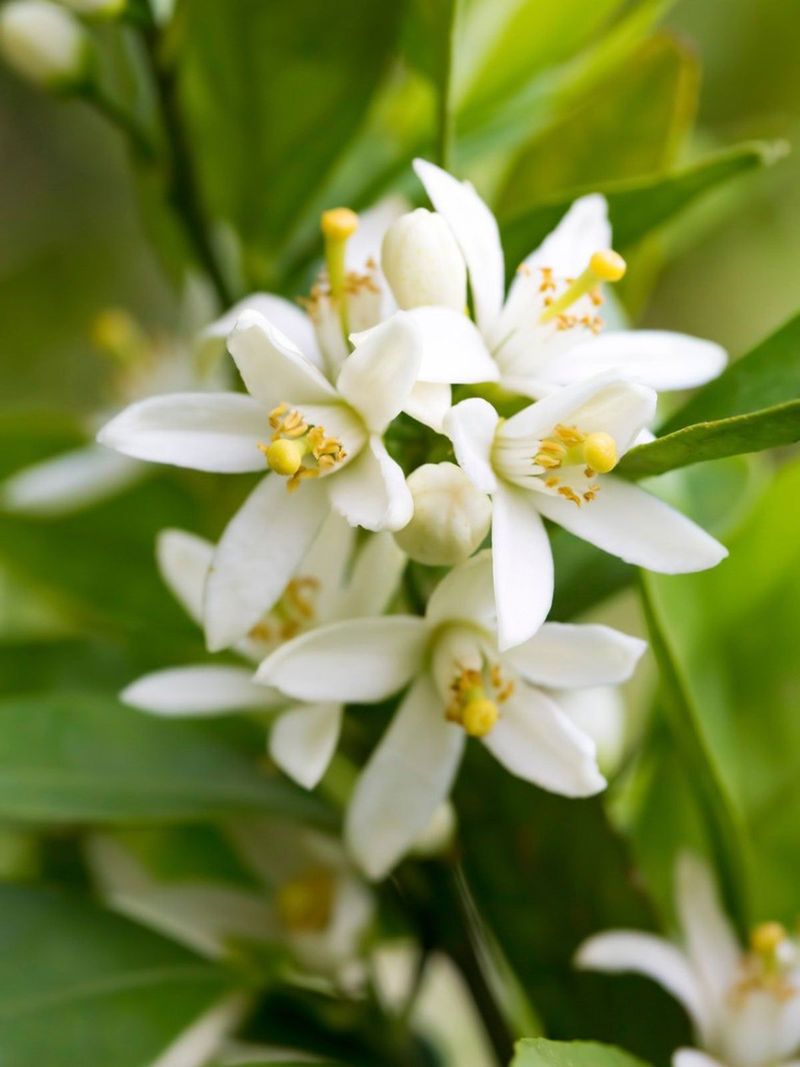
Spring is when your winter choices show up. A tree that came through the cold with less stress usually pushes out healthier new growth and more blossoms.
Citrus in Georgia generally blooms in early spring, and those flowers develop into fruit that is typically harvested later that same year, although some varieties ripen the following winter.
A tree busy repairing frozen limbs has less energy for flowering. Picking fruit before a freeze helps protect that future harvest.
After a cold night, resist the urge to prune right away. Damage often takes weeks to show clearly.
Wait until new growth appears in spring, then cut back to live wood.
Skip heavy fertilizing in late fall, too. Fresh, tender shoots are easy targets for frost.
Feed in late winter or early spring once the risk of hard cold has passed.
My takeaway is simple. Keep an eye on the forecast, pick ripe fruit when a hard freeze looms, water ahead, and cover young trees.
None of it takes much time, yet together these habits add up. Your reward is a sturdier tree and that sweet scent of citrus blossoms drifting across the yard next spring.