The Last New York Trees Safe To Plant Before Ground Freezes
Why does soil stay warm while your breath clouds the air? Autumn soil holds summer heat far longer than the air above it.
You can use that warmth to plant hardy trees across New York. Roots settle in underground while you ride out the cold months.
Trees you plant now start early and reward you with strong growth ahead of neighbors. Young trees need weeks of cool rooting to build sturdy roots by summer.
Shrubs you set in warm soil now establish stronger roots before the ground hardens. Colder nights will arrive soon across New York, so you have a short window.
Pick up a trowel and test the soil with your fingers today. Loosen a patch, and you will feel the difference.
Mulch the bed thickly to hold that heat through December. Thank yourself in spring when color arrives.
1. Red Maple Brings Bright Autumn Color
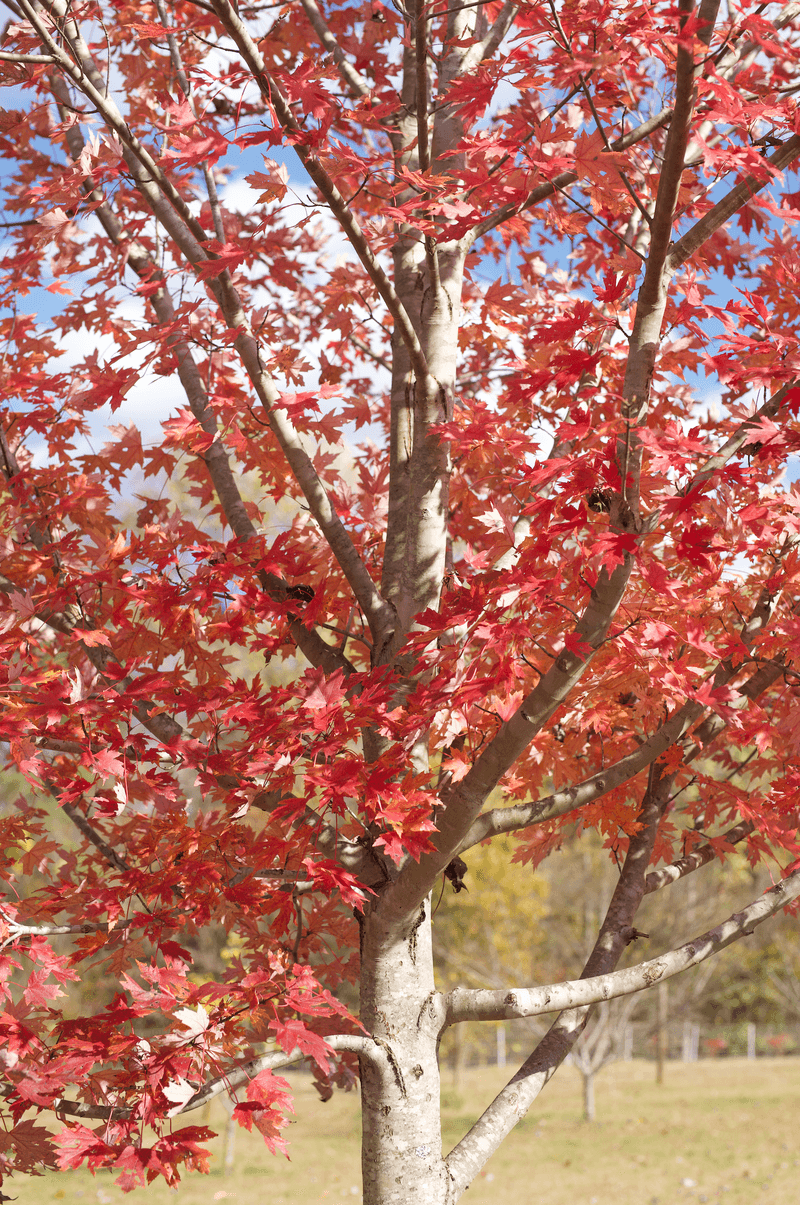
Picture a tree that often turns scarlet in October without any coaching. Red maple is a native New Yorker, so it shrugs off chilly nights.
Plant it in early to mid October for the best results. Roots keep growing until soil drops near 40 degrees.
Pick a balled or container tree under eight feet tall. Smaller trees settle in faster and experience less transplant shock.
Dig a hole twice as wide as the root ball. Keep the depth equal so the root flare sits at ground level.
Red maples handle soggy spots better than most trees. That makes them handy for low corners where rainwater likes to linger.
Water deeply once a week until the ground freezes solid. Roughly ten gallons per inch of trunk diameter each time keeps roots well supplied through the cold.
Spread three inches of shredded bark mulch around the base. Keep it a hand’s width away from the trunk itself.
Skip fertilizer in fall, since it pushes tender growth frost can damage. Save feeding for next spring when buds swell.
Deer find young maple bark tasty in winter months. A simple plastic tree guard can protect the trunk until spring.
Wrap thin bark with tree tape if your yard gets strong afternoon sun. Winter sunscald can crack trunks on bright, freezing days. By next fall, your maple will glow like a lit match. Neighbors may ask where you found it.
2. Eastern White Pine Stays Green All Year
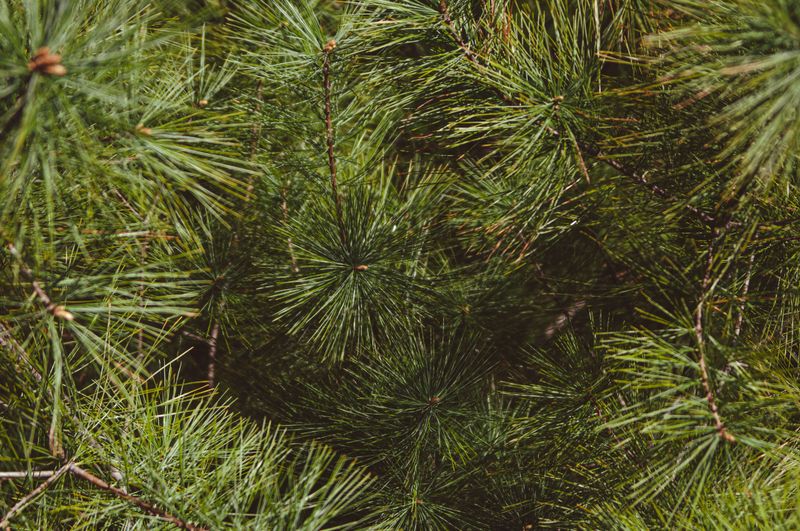
Soft needles, a gentle sway, and a scent like a holiday cabin. Eastern white pine brings that feeling to any yard.
Evergreens need earlier planting than leafy trees in New York. Aim for September through early October in most regions, and check your local frost dates.
Why the rush? Needles keep losing water all winter, so roots must anchor before cold arrives.
Choose a sunny spot with well drained, slightly acidic soil. White pines dislike heavy clay that holds puddles for days. Test your soil pH first, because a reading near six suits this tree.
Give it room, because this tree can top eighty feet. Plant it at least thirty feet from your house and wires.
Soak the root ball before planting to settle the soil. Then water slowly every few days for the first month.
Keep watering weekly through November if rain stays scarce. A thirsty pine heading into winter often browns by spring.
Road salt can injure white pine needles. Keep it far from driveways and busy streets that get heavy treatment.
A ring of pine bark mulch helps hold moisture underground. It also blocks grass that competes for water and food. Keep the mulch a hand’s width from the trunk to protect the bark.
Back in colonial days, the tallest white pines were saved for ship masts. The British Navy marked them with a special arrow.
Your tree may not sail the ocean, yet it will shelter birds. Chickadees love tucking into those feathery branches during snowstorms.
3. Serviceberry Fits Small Yards
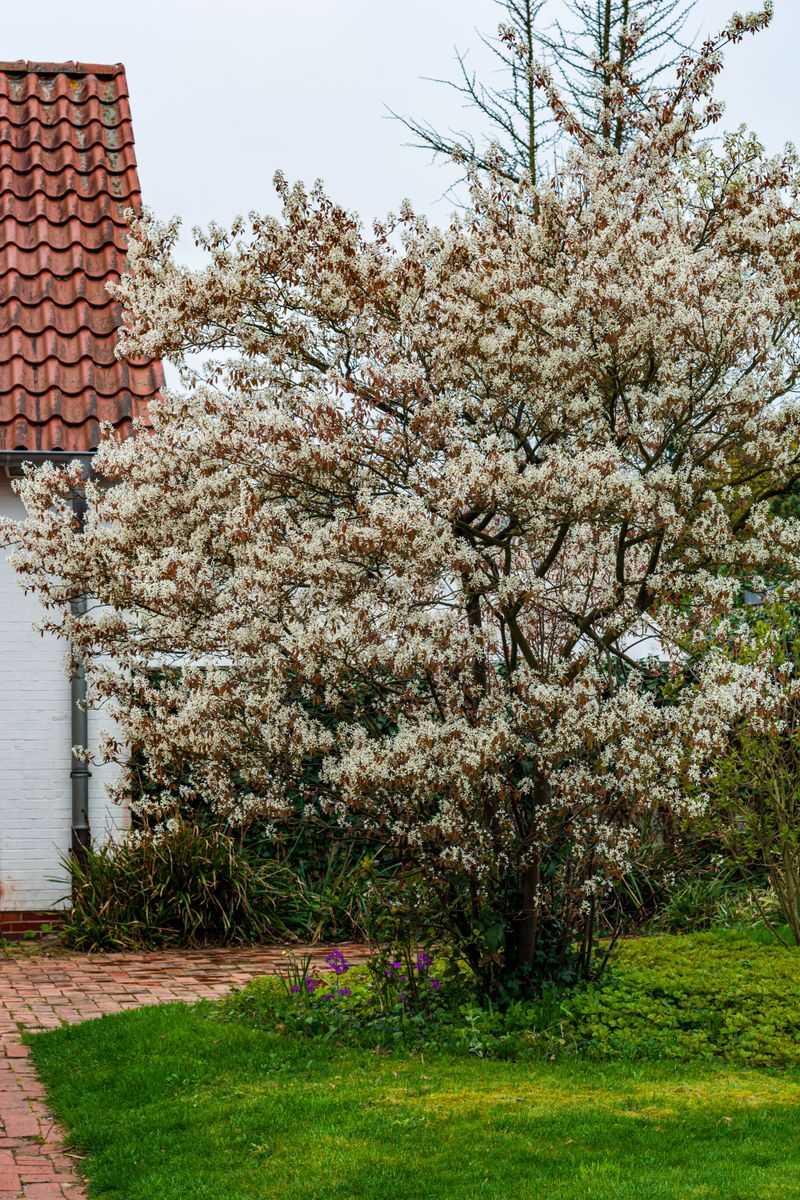
Serviceberry offers quiet appeal across the seasons. It blooms white in spring and turns orange in fall.
This compact native fits tiny city lots and suburban front yards. Many types stay between fifteen and twenty-five feet tall, though some species grow taller.
Late September through October works well for planting. The soil holds warmth, helping fine roots spread before winter.
Choose a spot with full sun or light afternoon shade. More sun means more flowers and a bigger berry crop.
Those June berries taste like a cross between blueberries and almonds. Birds usually agree, so you may need to share.
Loosen any circling roots before setting the tree in the hole. Gently tease them outward with your fingers or a hand fork.
Backfill with the same soil you dug out, not fancy potting mix. Roots grow stronger when they learn to handle native ground. Spread three inches of mulch around the base, clear of the trunk.
Give it a long drink right after planting. Then check the soil weekly by pushing a finger two inches down.
If it feels dry, water again until the area is moist. Stop once the ground hardens in late November or December. Skip fertilizer this fall, since feeding pushes tender growth that winter can damage.
One popular story says early settlers named it after spring church services. Its blooms appeared when muddy roads opened for traveling ministers.
That story makes it fun to share with kids. Plus, little hands love picking those sweet summer berries.
4. Pin Oak Casts Wide Summer Shade
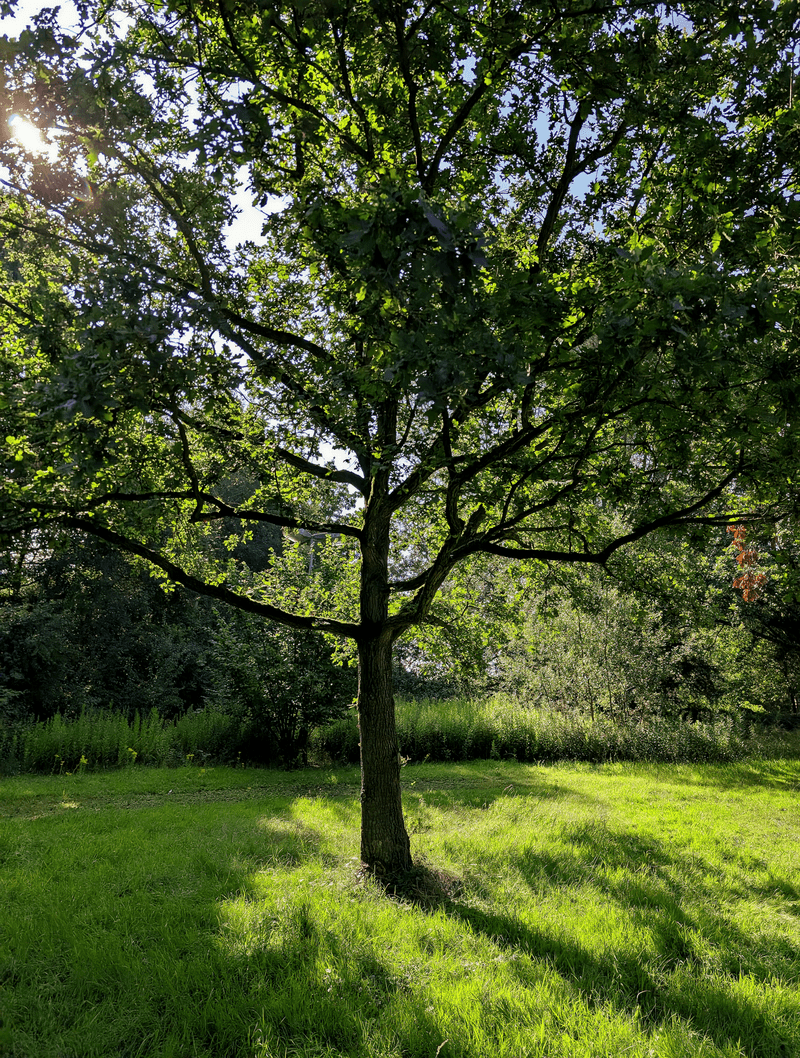
Plant an oak today, and your grandkids might picnic under it. Pin oak grows faster than many oaks.
This tree shines along streets and in big backyards across New York. It handles city air and compacted soil fairly well.
Plant pin oak in early October rather than late November. Fall planting lets roots settle before the ground freezes, and they need a little time.
Buy a young container tree instead of a giant one. Large oaks may grow slowly for several years after being moved.
Pin oaks prefer acidic soil, so check your pH first. Yellow leaves in summer usually mean the soil is too alkaline.
A simple soil test kit from a garden center works fine. Your county extension office can also test samples cheaply.
Stake the tree only if your yard gets strong winds. Remove stakes after one year so the trunk builds strength.
Russet leaves often cling to branches all winter long. They rustle in the wind like a crinkly paper bag.
Squirrels and blue jays will love the acorns later on. Some buried acorns might even sprout new oaks nearby.
Water deeply once a week until the ground hardens. Spread mulch wide, since oak roots reach far beyond the branches. This tree rewards steady care. Twenty years from now, you will enjoy cool summer shade.
5. River Birch Shows Off Peeling Bark
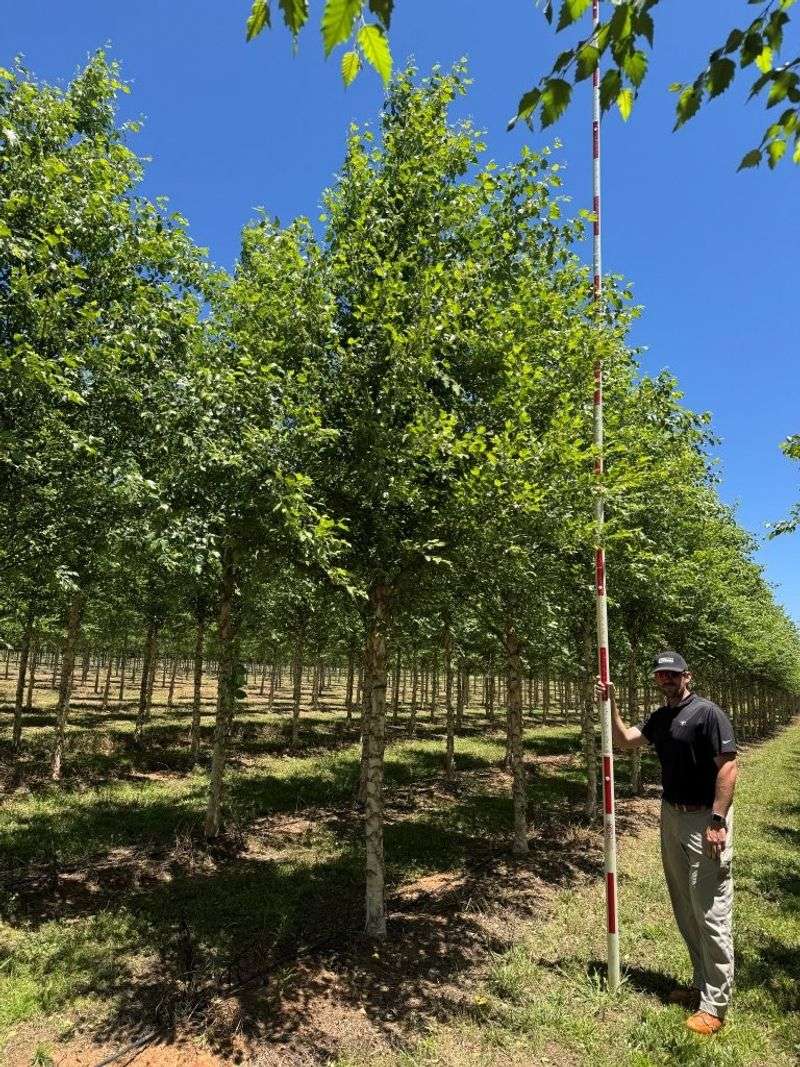
Ever seen bark that looks like curled cinnamon sticks? River birch peels in papery layers of tan, pink, and brown.
That shaggy trunk gives your yard winter interest when everything else looks bare. Snow makes the colors pop even more.
River birch is tougher than its paper birch cousin. It resists the bronze birch borer that troubles many white birches.
Plant this tree from late September to mid October. Its roots grow quickly, but it needs steady moisture to settle.
Wet spots, rain gardens, and pond edges suit it nicely. It handles occasional flooding better than most backyard trees.
Multi-stem versions look like living sculptures in the landscape. Three or more trunks rise together in a graceful clump.
Water heavily after planting and keep the soil damp. Birch leaves can yellow early when roots get thirsty.
A thick mulch layer works wonders for this moisture lover. Use shredded leaves from your own yard for a free option.
Avoid pruning in late winter or early spring. Birches bleed sap heavily then, which looks dramatic but does not harm the tree.
Instead, trim any broken branches in summer if needed. Clean cuts just outside the branch collar heal best.
Kids often love peeling the loose bark strips. Teach them to take only strips that have already loosened so the tree stays healthy.
6. Eastern Redbud Delivers A Spring Surprise
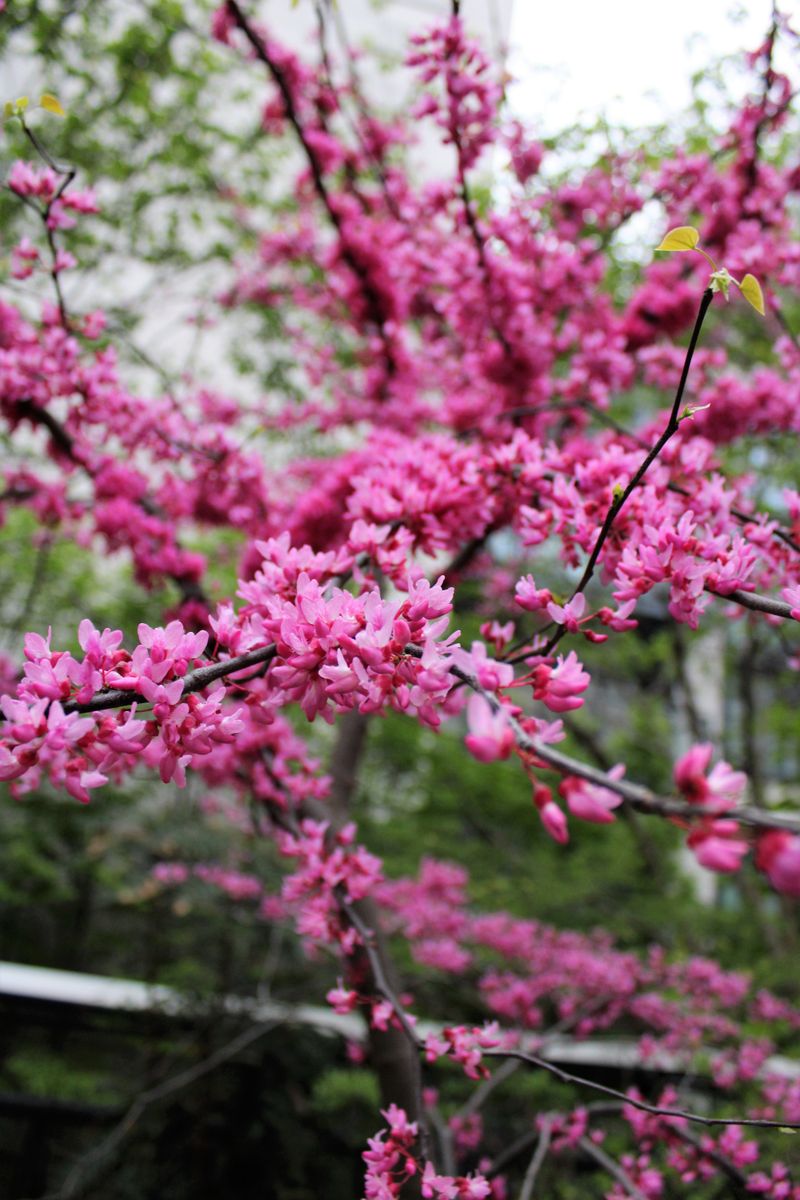
Heart-shaped leaves already give eastern redbud a sweet personality. Then spring arrives, and pink blooms burst straight from bare branches.
Fall planting can work for this tree if you choose a small container-grown specimen and plant early, though spring is the safer choice in colder areas.
Gardeners in colder northern areas should pick hardy northern stock. Ask your nursery for trees grown from local seed.
Plant redbud by early October for the best chance. Its roots dislike being disturbed, so handle the root ball gently.
Smaller trees around four to six feet transplant most successfully. Large redbuds often struggle after the move.
Choose a spot with morning sun and light afternoon shade. Woodland edges mimic the places where redbuds grow wild.
Well drained soil is a must for this tree. Waterlogged soil can damage roots over a long winter.
Curious gardeners can enjoy a tasty surprise too. The pink flowers are edible if you are sure of the identification and the tree has not been sprayed, and they add color to salads.
Water once a week until the soil freezes hard. Add mulch in a donut shape that keeps the trunk clear.
Bees wake up hungry in early spring after long winters. Redbud flowers give them one of the first good meals.
Watching those first buds pop feels like a small reward. All your autumn digging suddenly seems worth the effort.
7. Norway Spruce Works As A Windbreak
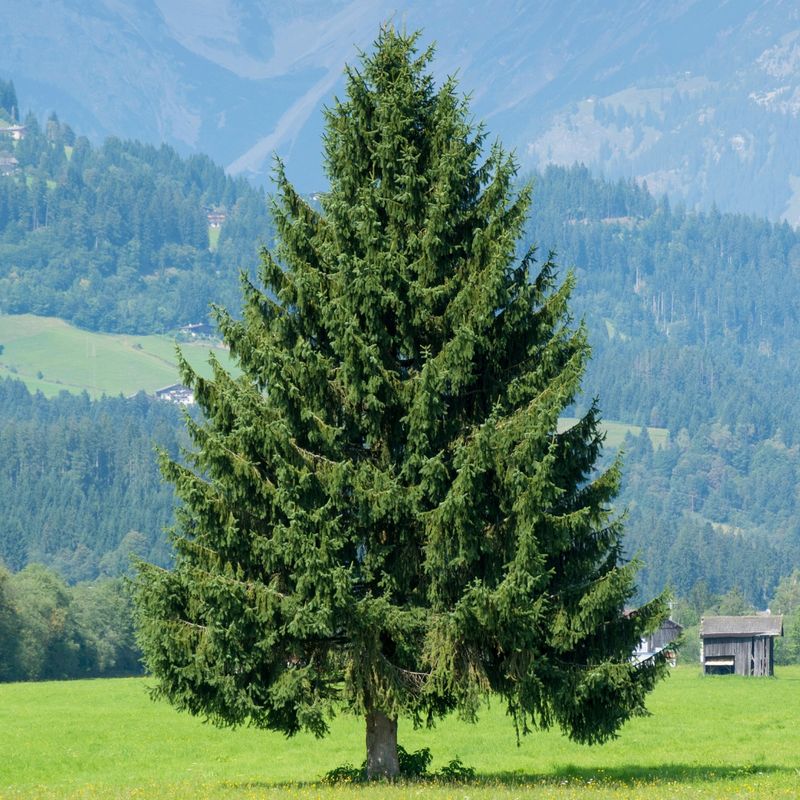
Strong wind across an open lot can cool a house quickly. A row of Norway spruce acts like a living winter coat.
Drooping branches give this tree a graceful, storybook look. It thrives in most parts of New York with little fuss.
Like other evergreens, it needs early planting before cold sets in. Finish by early October so roots grab hold.
Space trees about ten to twelve feet apart for windbreaks. They will fill gaps within about eight to ten years.
Plant on the north and west sides of your home. Those directions usually bring the strongest winter winds.
A well-designed windbreak can lower heating bills. No wording change, but add a link to the exact USDA or extension source.
Norway spruce tolerates many soil types, from sandy to loamy. It just dislikes standing water around its roots.
Give each tree about ten gallons per trunk inch weekly. Keep this routine going through dry autumn spells.
An anti-desiccant spray may help protect needles from winter burn, though evidence is mixed. Apply it on a day above forty degrees.
Many famous Rockefeller Center Christmas trees have been Norway spruces. One of them stood over ninety feet tall.
Your spruce may not reach Manhattan fame, yet it works hard. Birds nest inside, and a well-placed row can reduce drifting near your door.
8. Ginkgo Handles Tough Urban Spots
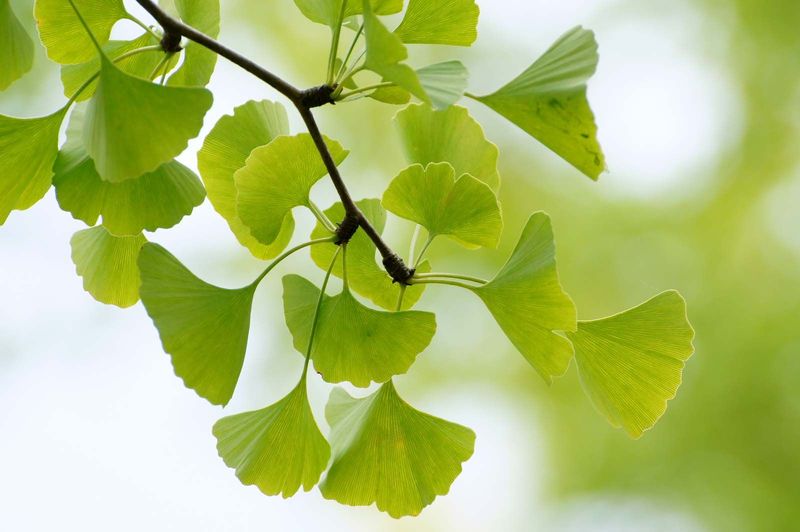
Dinosaurs once walked past trees almost identical to ginkgo. This living fossil has endured for roughly two hundred million years.
Today you will spot ginkgos lining New York City sidewalks. They handle pollution, salt, and cramped tree pits remarkably well.
Fall is a smart time to plant one before freezing weather. Aim for October so roots start growing in warm soil.
Choose a male variety whenever you shop for a ginkgo. Female trees drop fruit with a strong, unpleasant odor.
Look for named types like Autumn Gold or Princeton Sentry. Both are grafted males and well known for clean habits.
Ginkgo grows slowly during its first few years. Some gardeners joke that it sleeps, creeps, then finally leaps.
Full sun keeps this tree healthiest and most shapely. Partial shade works, though growth may slow down a bit.
Water deeply after planting and every week through fall. Young ginkgos need help until their roots spread outward.
Pests and diseases seldom bother this ancient tree. That means less spraying and more relaxing for you.
Each autumn, the fan-shaped leaves turn butter yellow. Then they often drop all at once within a single day.
Wake up one morning to a golden carpet on the lawn. Kids love jumping into piles that look like sunshine.