Winter-Blooming Shrubs To Plant In Pennsylvania This Fall
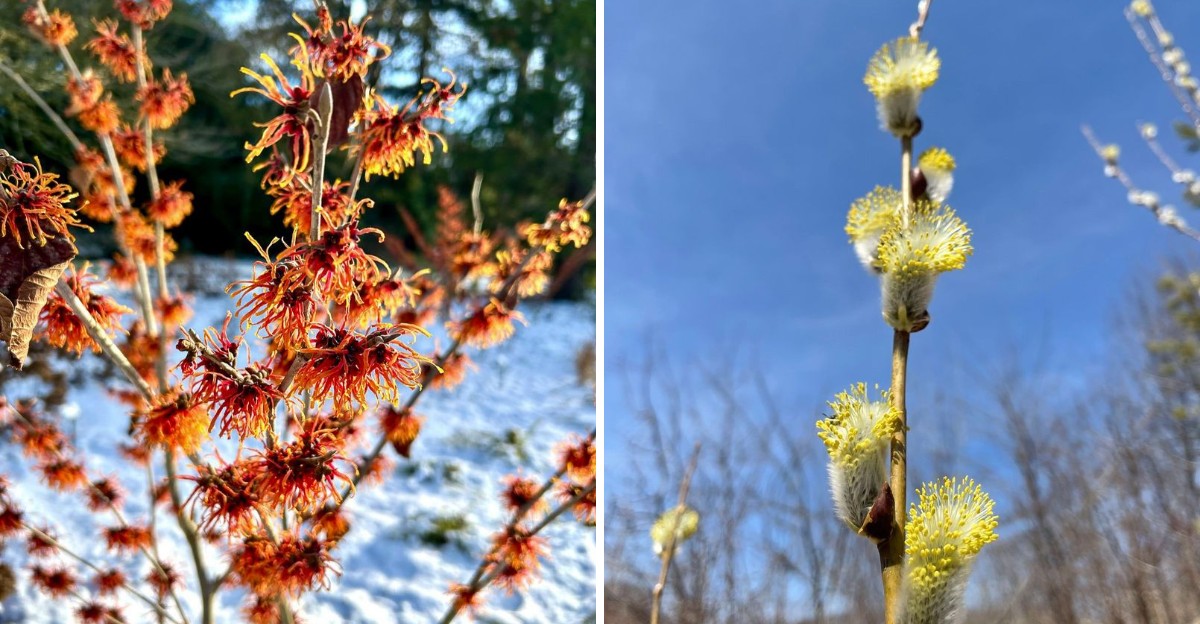
While most of the garden sleeps under frost and snow, a handful of tough shrubs choose the coldest months to bloom.
Some unfurl spidery petals in shades of yellow, orange, and red. Others fill the chilly air with a sweet fragrance you can catch from across the yard.
On a gray winter afternoon, spotting those blooms feels like a small miracle. These shrubs also give early pollinators a rare source of food on mild winter days.
Fall is the perfect time to plant them. The soil is still warm enough for roots to settle in, and cooler air means less stress on young plants.
By the time winter arrives, they’ll be well on their way to putting on a show. Your garden doesn’t have to go quiet when the temperature drops.
1. Common Witch Hazel Brings Late Fall Sparkle
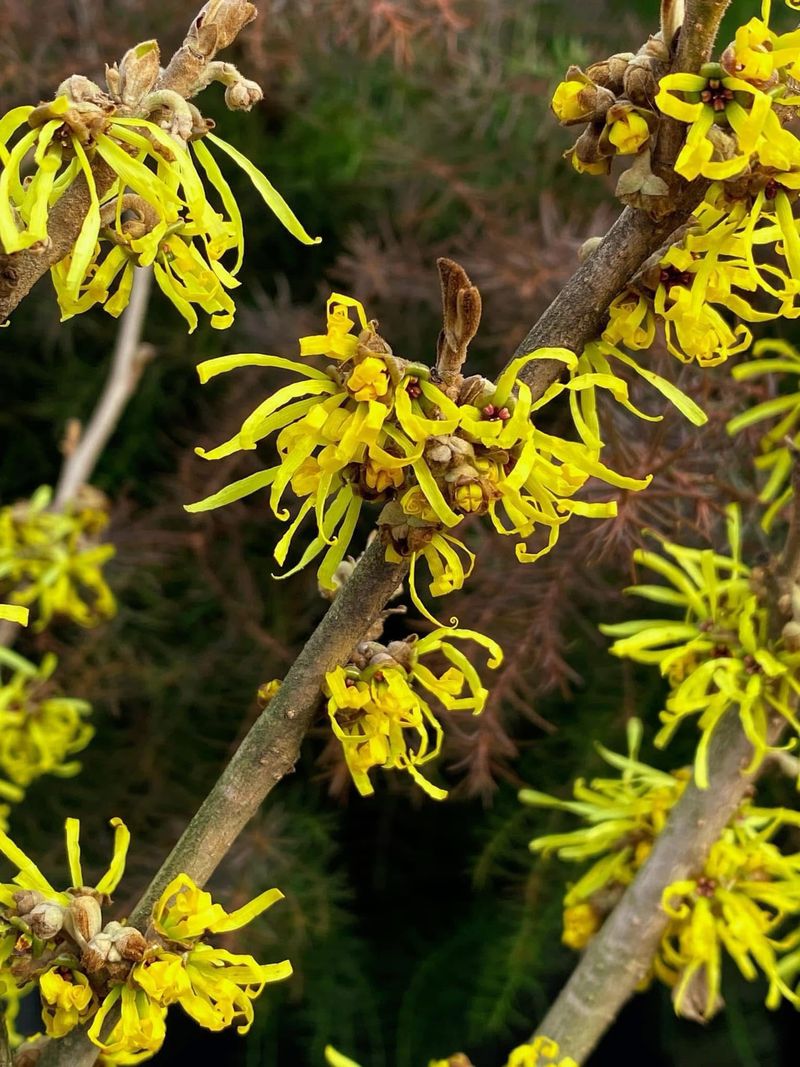
Long before anyone planted gardens here, common witch hazel was already brightening Pennsylvania forests. It grows wild in woods across the state. That makes it one of the easiest choices for a local yard.
Most shrubs finish blooming by summer. Witch hazel waits until October or November, sometimes stretching into December. Its leaves turn a rich gold and fall away, and then the flowers appear on the bare stems.
The blooms look like tiny yellow ribbons or crinkled spider legs. Lean in close and you will notice a light, spicy smell. On mild days, late moths and a few hardy flies visit them for food when almost nothing else is open.
Here is a fun fact. Early settlers used forked witch hazel branches as dowsing rods to search for underground water. The plant also gives us the witch hazel lotion sold in drugstores today.
Planting is simple. Choose a spot with full sun or part shade. It handles many soil types but does best in ground that stays slightly moist and drains well.
Common witch hazel can reach 15 to 20 feet tall and wide over many years. Give it room near the back of a border or along a woodland edge. It also works nicely as a loose, natural screen.
Water your new shrub once a week during its first fall if rain is scarce. Spread two or three inches of mulch around the base, keeping it away from the trunk. After the first year, it needs very little care.
Prune only after flowering if you want to shape it. Otherwise, let it grow in its natural vase form. Deer usually leave it alone, which is a big bonus in many Pennsylvania neighborhoods.
2. Jelena Witch Hazel Glows Like Copper Fire
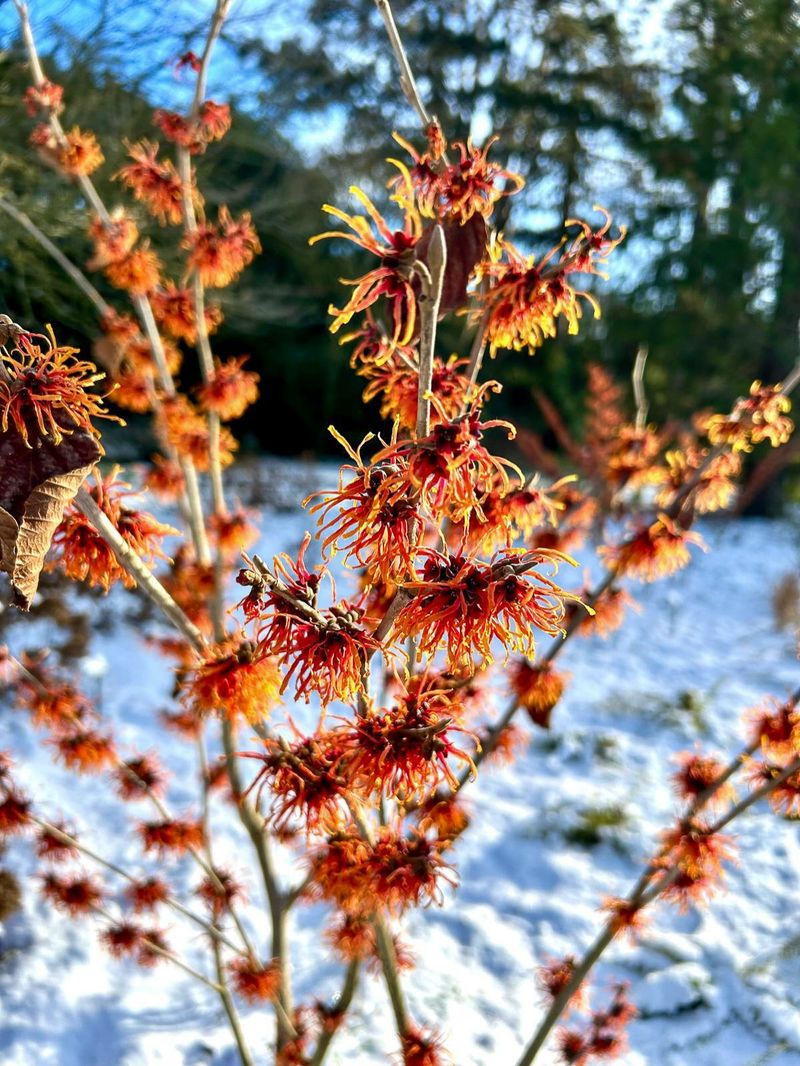
Snow on the ground, ice on the gutters, and a shrub that looks like it is on fire. That is the magic of Jelena witch hazel in the middle of a Pennsylvania winter.
Jelena is a hybrid, which means it came from crossing two kinds of Asian witch hazel. Gardeners in Belgium named it after Jelena de Belder, a famous plant lover. Her name now lives on in yards around the world.
Your Pennsylvania Garden Changes Every Week. Your Plan Should Too.
Gardening in Pennsylvania changes quickly throughout the season. Every Friday you’ll receive a simple weekly plan showing exactly what to plant, prune, fertilize, harvest, and protect so you never miss the right timing.
Flowers open anywhere from January to March. Each bloom is made of thin, wavy petals in shades of copper, orange, and red. From a distance, the whole shrub seems to glow against the snow.
Cold snaps do not bother it much. On freezing nights, the petals curl up tight to protect themselves. When the sun warms them again, they unroll and keep on blooming for weeks.
Fall brings a second show. The leaves turn bright orange and red, so you get two seasons of color from one plant. Not many shrubs can say that.
Jelena grows about 10 to 15 feet tall and spreads wide. Plant it where you can see it from a window, since you may not spend much time outdoors in February. A spot near the front walk works great too.
Give it full sun or light shade for the best flowers. It likes rich, slightly acidic soil that drains well. Mix some compost into the planting hole to help it get started.
Water deeply during dry spells, especially in its first two years. Remove any suckers growing from the base below the graft. Those shoots come from the rootstock and will not have the same coppery blooms.
3. Winter Heath Hugs The Ground With Color
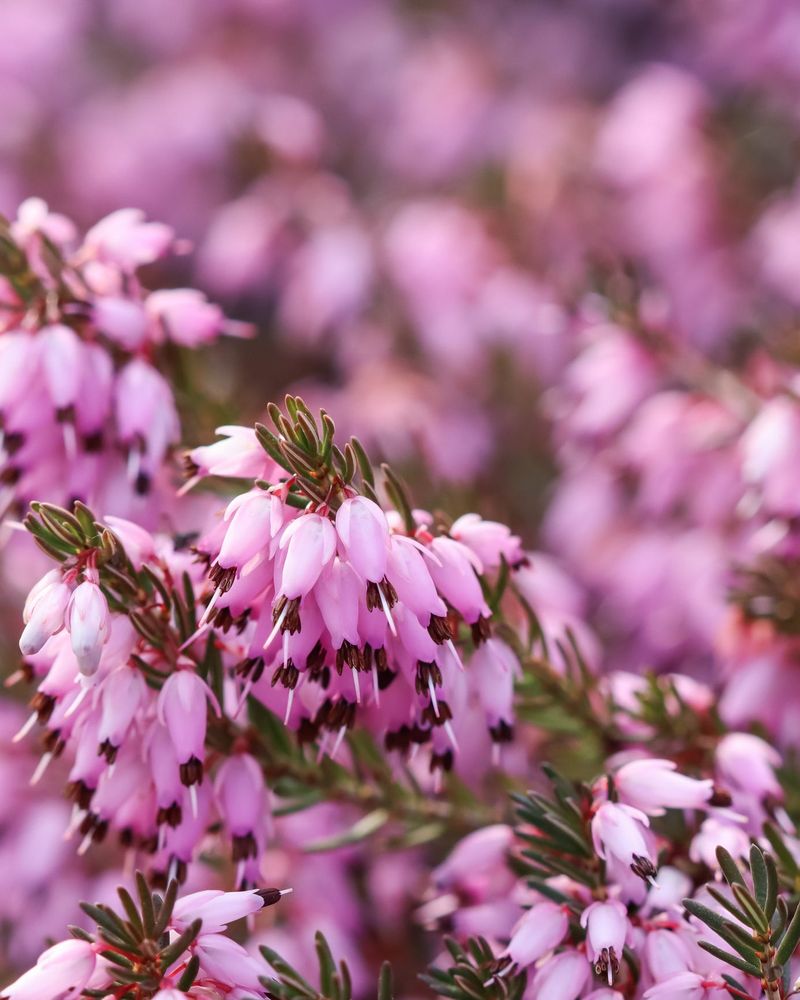
Some flowers are tall and showy. Winter heath stays low and humble, rarely growing more than a foot high. Yet it packs a surprising amount of color into a small space.
From late winter into spring, tiny bell-shaped flowers cover the plant. Depending on the variety, they can be pink, white, rose, or purple. Many gardeners love finding them peeking out from a thin layer of snow.
Winter heath is an evergreen. Its short, needle-like leaves stay green all year, so the plant never looks bare. Some types even have golden or bronze foliage that adds extra interest.
Bees adore it. On warm February afternoons, honeybees may leave their hives to search for food. A patch of heath gives them an early meal when little else is in bloom.
Sunshine is the key to success. Give winter heath at least six hours of direct sun each day. In too much shade, it grows thin and blooms poorly.
Soil matters just as much. Heath hates soggy roots, so pick a spot that drains quickly. Rock gardens, raised beds, and the edges of sunny paths are all ideal places.
Unlike many heaths, this one tolerates soil that is not very acidic. That makes it a good fit for many Pennsylvania yards. Still, adding a little peat or pine bark can help it thrive.
Plant several together in a group for a carpet effect. Space them about 18 inches apart. After blooming ends, give them a light trim with shears to keep them tidy and full.
Once settled, winter heath needs little water. It is a cheerful, low-fuss plant for busy gardeners.
4. Winter Jasmine Spills Sunshine Over Walls
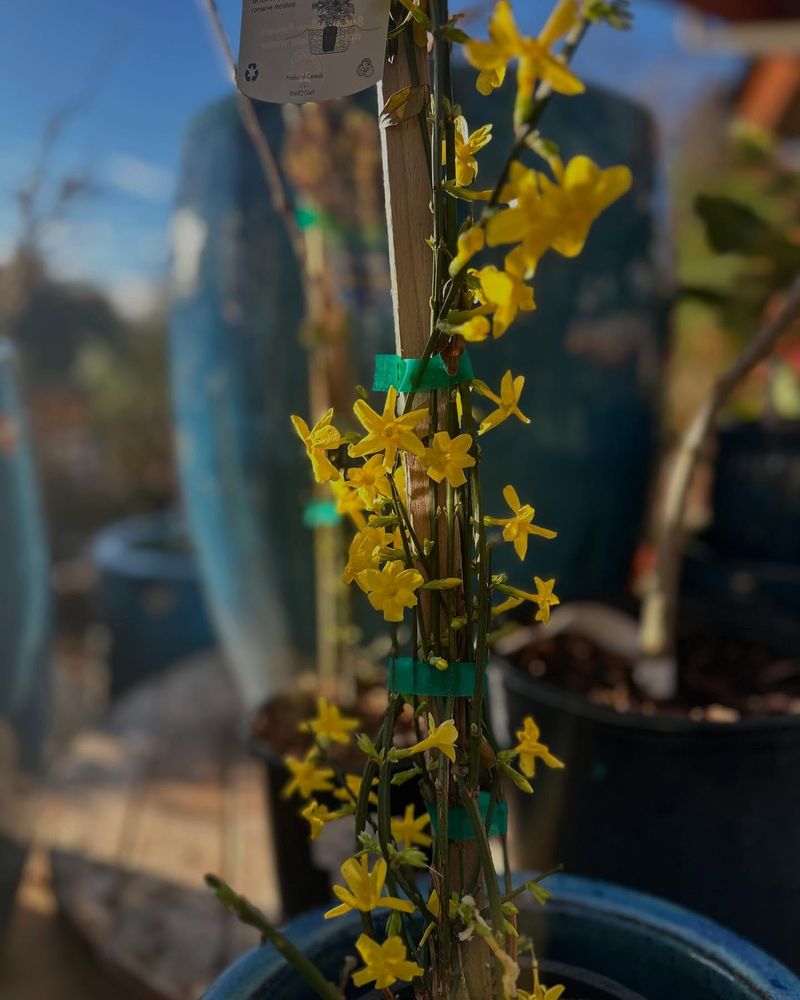
Ever seen a stone wall that looks like it is wearing a yellow scarf in February? Chances are you spotted winter jasmine. Its long green stems arch and tumble, and in late winter they burst with bright yellow flowers.
Winter jasmine comes from China. It has been grown in gardens there for centuries. A plant hunter named Robert Fortune brought it to the West in the 1840s.
One surprise is the smell, or rather the lack of it. Most jasmines are known for sweet perfume. Winter jasmine flowers have almost no scent at all, but their sunny color makes up for it.
The stems stay green even in the coldest months. So when there are no flowers, the plant still adds a touch of life to a gray yard. Small leaves appear after the blooms fade.
Here is where it really shines. Plant it at the top of a wall or retaining bed and let the stems hang down. It also does a great job covering steep slopes where mowing is hard.
Wherever a stem touches the ground, it can grow roots. That helps it spread and hold soil in place. Keep an eye on it, though, since it can wander if you let it.
Winter jasmine is not picky. It grows in full sun or part shade and handles most soil types. More sun means more flowers.
Prune right after blooming ends in spring. Cut back old, tangled stems to keep the plant fresh. New growth will form the flower buds for next winter.
Plant it in fall, water it well, and enjoy an easy, golden welcome to the end of winter.
5. Cornelian Cherry Dogwood Offers Flowers And Fruit
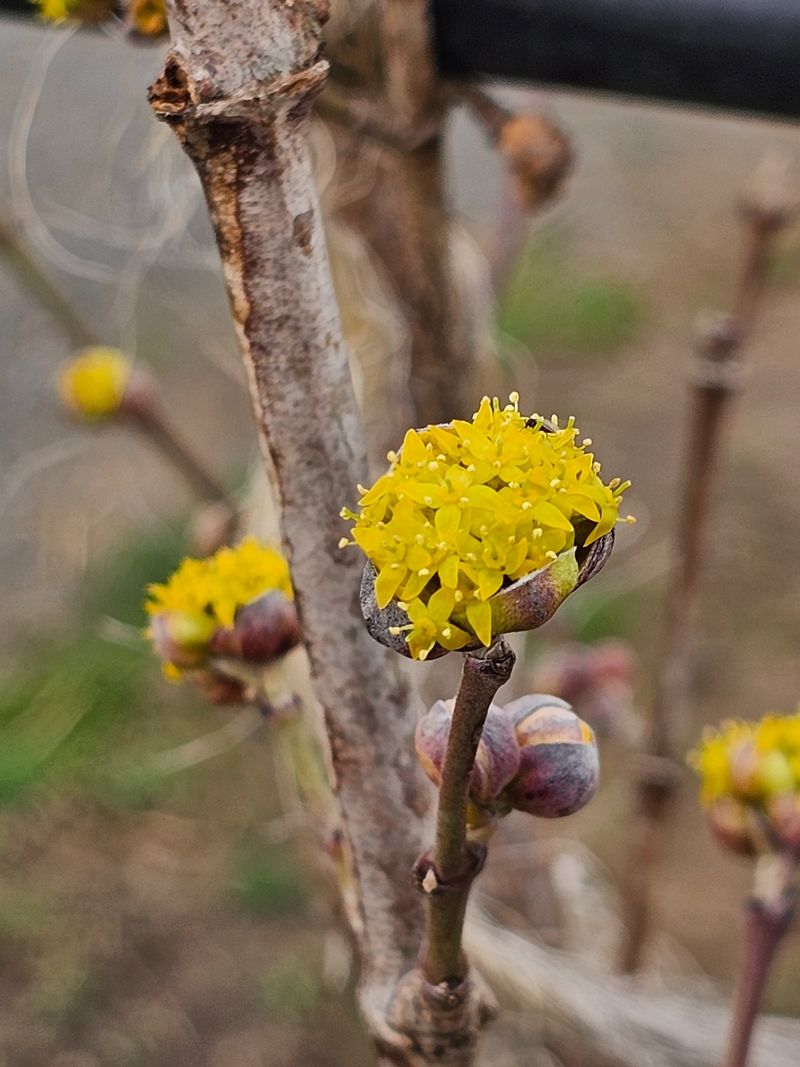
According to old stories, ancient Greeks made spears and javelins from cornelian cherry wood. It is so dense that it sinks in water. Today, people love it for gentler reasons, like its cheerful winter flowers.
Cornelian cherry dogwood grows as a large shrub or small tree. It usually reaches 15 to 25 feet tall. In February or March, its bare branches fill with puffy clusters of small yellow blooms.
From afar, the plant looks wrapped in a soft golden haze. It often blooms even before forsythia. Neighbors will wonder what that bright tree in your yard is.
The fun keeps going in summer. Shiny red fruits appear that look a lot like cherries. They ripen in late summer and are edible.
Fair warning, though. The fruits taste very tart, almost sour, when eaten fresh. Many people cook them into jams, syrups, or sauces instead.
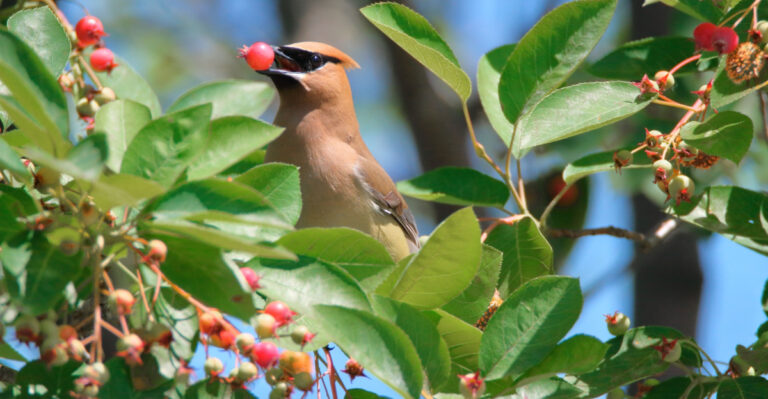
Birds are big fans too. Robins, cedar waxwings, and other songbirds will gobble up any fruit you leave behind. Your yard becomes a busy snack bar.
Growing it is easy. Pick a sunny or partly shady spot with decent drainage. It tolerates clay soil, which is common in many parts of Pennsylvania.
Unlike our native flowering dogwood, this species rarely has serious disease problems. It is tough, long-lived, and handles city conditions well. Some trees in Europe are said to be over 100 years old.
Water regularly during the first year. After that, it can handle short dry spells. Prune lower branches if you want a tree shape, or leave them for a full, bushy screen along a property line.
6. Pussy Willow Wakes Up Before Spring
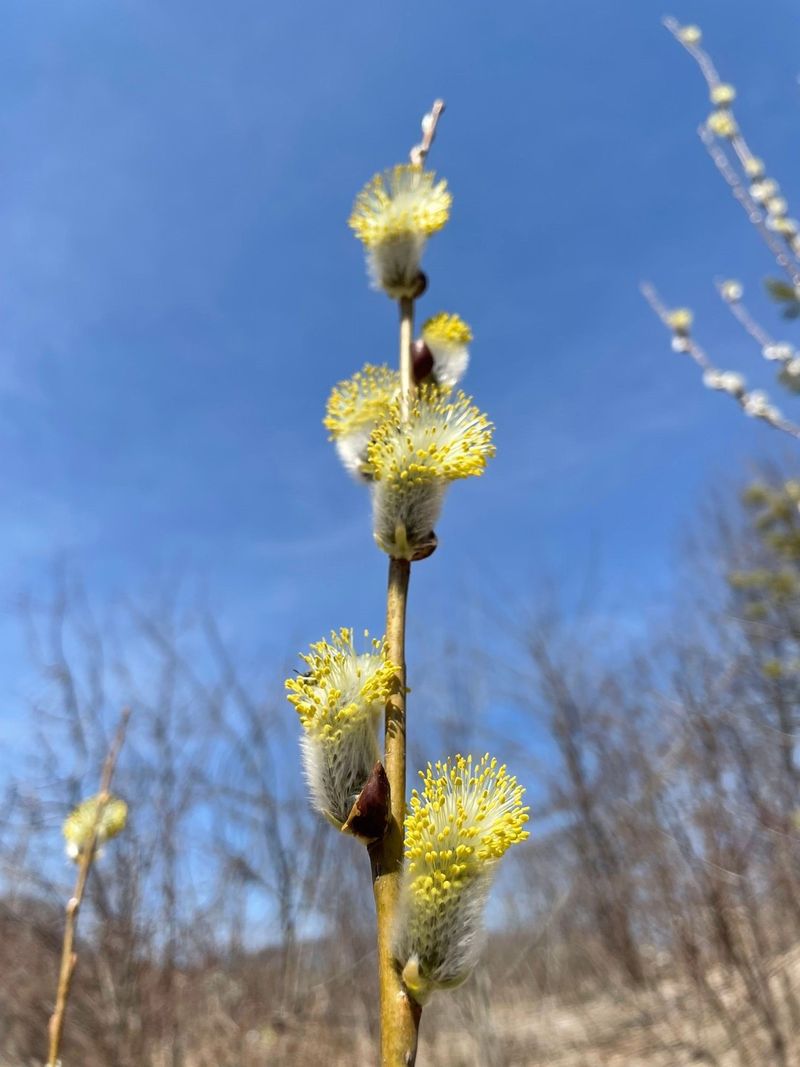
Many grandparents remember cutting pussy willow branches each year to set in a vase by the kitchen window. Those soft, silvery buds felt like a promise that spring was almost here. That simple tradition still brings smiles today.
Pussy willow is a Pennsylvania native. It grows wild along streams, ponds, and wet meadows across the state. The fuzzy buds are called catkins.
Catkins appear on bare stems in late winter, often in February or March. They start as tight, furry gray nubs. Later, they open into fluffy yellow pollen clusters.
Why are they so fuzzy? The soft hairs work like a winter coat. They help keep the young flower parts warm on frosty nights.
Bees rely on this plant. Early bumblebee queens and native bees need pollen as soon as they wake up. Pussy willow is one of the first plants to offer it.
Got a soggy spot in your yard? Pussy willow might be the answer. It loves moist soil and can handle areas where water sits after rain.
Full sun gives the best growth. The shrub can reach 10 to 20 feet tall, so plan for its size. It grows fast, which is great for quick screening.
Pruning helps keep it healthy. Every few years, cut some of the oldest stems near the ground. Fresh new stems will grow and produce the best catkins.
You can also snip branches in late winter for indoor displays. Put them in a vase without water if you want the catkins to stay fuzzy and gray. Add water, and they may grow roots for planting later.
7. Sweet Box Fills Shady Paths With Perfume
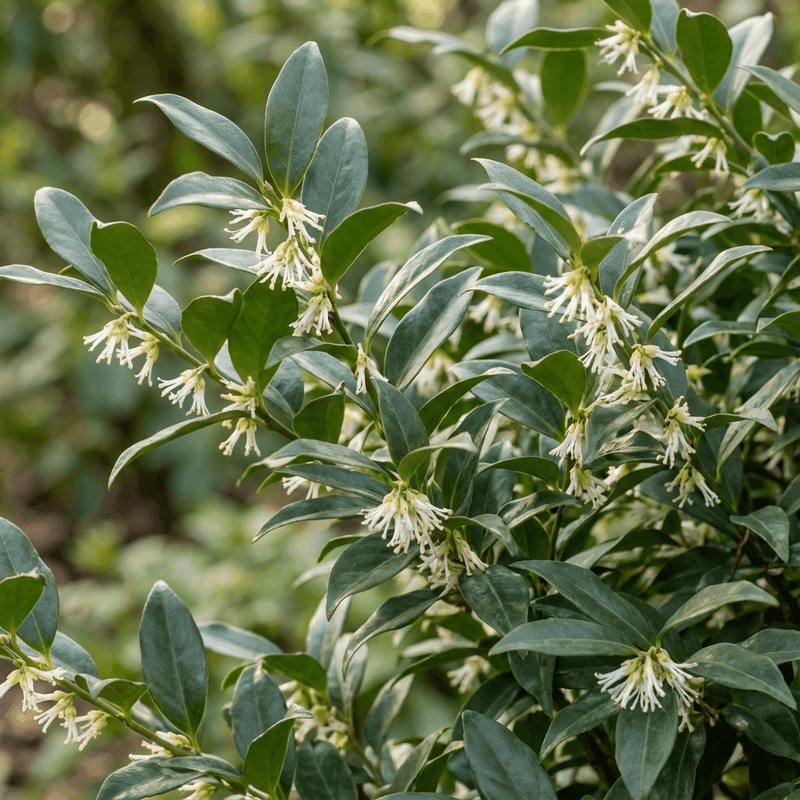
You might smell sweet box long before you see it. On a chilly February morning, a rich honey scent can drift across a shady walkway. Then you look down and find tiny white flowers hiding under glossy leaves.
Sweet box is a low evergreen shrub. This variety usually grows only 18 to 24 inches tall. Over time, it spreads slowly into a neat, thick patch.
The flowers are small and easy to miss. But their fragrance is anything but shy. A few plants can perfume an entire entryway.
Shade is where this shrub truly shines. Many winter bloomers need lots of sun, but sweet box prefers part to full shade. It handles the north side of a house or the space under tall trees with ease.
That makes it perfect near front doors, side paths, and patios. Plant it where people walk by often. Guests will ask what smells so good.
Deer usually skip it, which is great news for many Pennsylvania homeowners. Rabbits tend to leave it alone as well. Its dark green leaves look fresh all year.
Give it rich, well-drained soil with plenty of compost. Avoid spots where water puddles. Mulch helps keep the roots cool and moist.
Shelter it from harsh winter wind and strong afternoon sun. Too much exposure can scorch the leaves in cold months. A spot near a wall or fence offers good protection.
Small black berries may follow the flowers. They are not meant for eating, so keep them away from kids and pets. Otherwise, sweet box asks for almost nothing and rewards you with fragrance every winter.