The Late-Fall Lawn Habits That Stop Snow Mold In New York
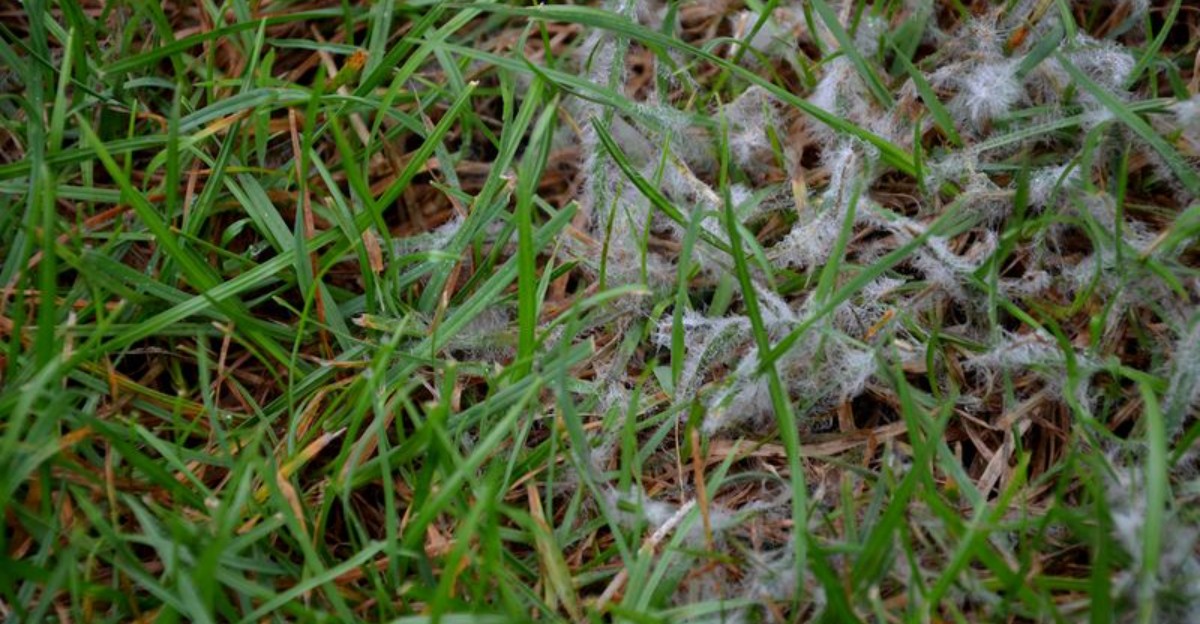
When the snow finally melts in March, some lawns look like someone spilled cobwebs across them. Those crusty gray and pink patches have a name: snow mold.
This sneaky fungus grows quietly under winter’s white blanket while you’re sipping cocoa indoors. Long, snowy New York winters give it the perfect hiding place.
A few simple habits in late fall can stop it before it starts. You don’t need fancy sprays or a professional crew to make a real difference.
A mower, a rake, and a little good timing go a long way. Knowing which two types show up most can help too.
A few easy chores now can keep your grass strong until spring. Your future lawn will thank you.
1. Snow Mold Thrives Under Long-Lasting Snow
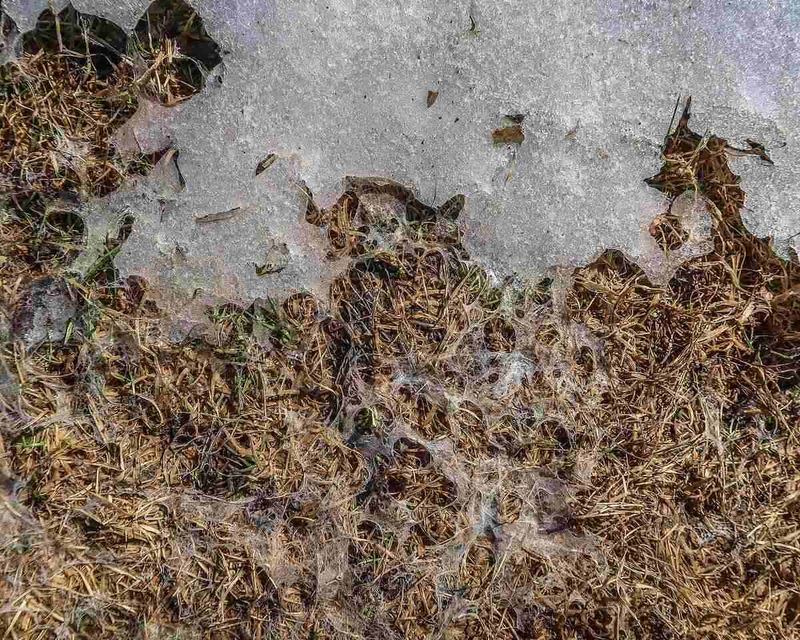
Think of deep snow as a cozy sleeping bag for fungus. Under that cover, the air stays dark, damp, and just above freezing.
Snow mold is a fungal disease that shows up after the snow melts. It grows best in cold, wet spots where moisture gets trapped against the grass.
Here is the tricky part about timing. When snow lands on ground that has not frozen yet, the fungi wake up and get busy.
Many New York winters start with exactly that setup. An early storm in November can blanket soft, unfrozen soil for months.
The longer snow sits, the worse the damage tends to be. Packed, heavy snow makes things even more severe because it holds water tight.
You cannot control the weather, of course. Still, you can control how inviting your lawn looks to fungus before the flakes fly.
Short grass, a clean surface, and smart feeding all make a big difference. Each habit in this list chips away at the cozy hideout snow mold craves.
Fun fact: the fungus can grow at temperatures near 32 degrees Fahrenheit. Few lawn diseases can stay active in such chilly conditions.
So when the forecast calls for a long, snowy winter, take it as a nudge. Late fall is your best window to get the lawn ready.
Plan your chores for October and November while the ground is still workable. A little effort then saves a lot of patching in April.
2. Gray And Pink Snow Mold Are Both Common In New York
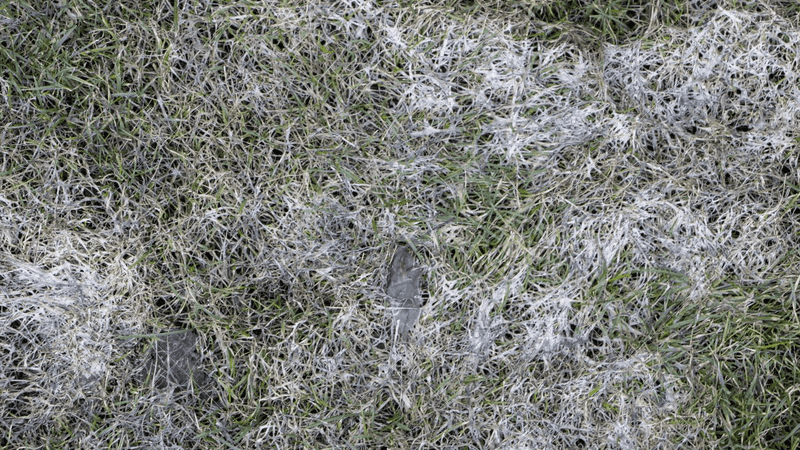
Meet the troublesome twins of the winter lawn. New York homeowners often spot both kinds, sometimes sitting right next to each other.
Gray snow mold goes by the science name Typhula blight. Pink snow mold is called Microdochium patch, and it has a rougher personality.
Gray snow mold mostly hurts the grass blades. Once the lawn dries out in spring, many patches bounce back on their own.
Pink snow mold is the bigger worry. It can attack the crowns and roots, and a bad case may leave bare ground behind.
Spotting the difference is easier than you might think. Gray patches look round and bleached, with a white to gray fuzzy ring.
Look closely, and you may see tiny dark specks in gray patches. Those little balls are called sclerotia, and they help the fungus survive summer.
Pink patches look similar but carry a pinkish tint near the edges. The color shows best on damp mornings when the light is soft.
One more key detail sets them apart. Pink snow mold can grow in cool, wet weather even without any snow.
Gray snow mold needs snow cover to develop. That means a mild, rainy winter may still bring pink trouble to your yard.
Knowing which twin visited helps you plan repairs. Snap a photo each spring so you can track patterns over the years.
3. Keep Mowing Until The Grass Stops Growing
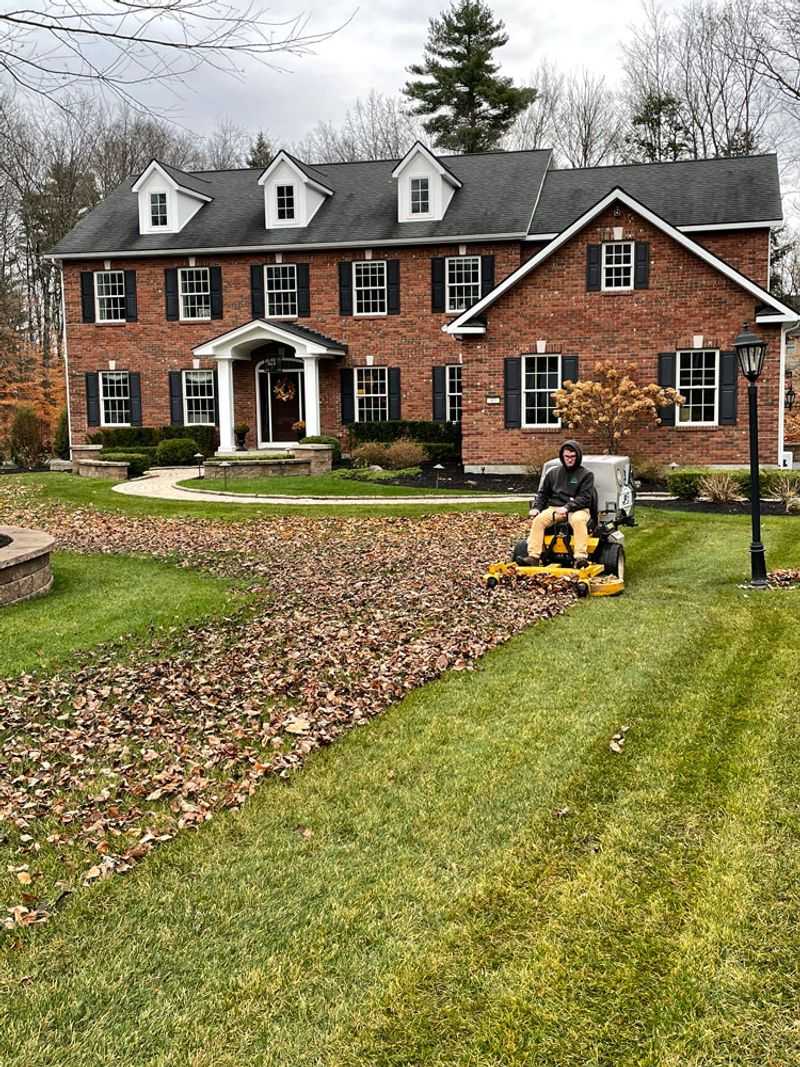
Putting the mower away in early October feels tempting. Hold off a bit longer, because your grass is probably still growing.
Most New York lawns grow cool-season grasses like Kentucky bluegrass. These grasses keep growing until daytime temperatures stay below about 50 degrees Fahrenheit.
For many neighborhoods, that means mowing past the first frost. Your final cut may land in mid to late November.
Here is a handy trick for timing. Check the weekly forecast, and when highs sit in the 40s for several days, plan your last mow.
Lower your mower blade little by little over the last few cuts. Experts suggest ending somewhere between 2 and 3 inches tall.
Shorter grass is less likely to flop over and mat under snow. Less matting means less trapped moisture, and fungus hates dry conditions.
Do not go overboard, though. Cutting too low, called scalping, stresses the grass right before its winter rest.
A good rule is to remove no more than one third of the blade per mow. Gradual steps keep the grass healthy and ready for cold weather.
Sharpen your blade before those final passes, too. Clean cuts heal faster than ragged, torn tips that invite disease.
Once you finish, clean the mower deck and store it well. You will be glad it starts easily in spring.
4. Long, Matted Grass Invites Disease
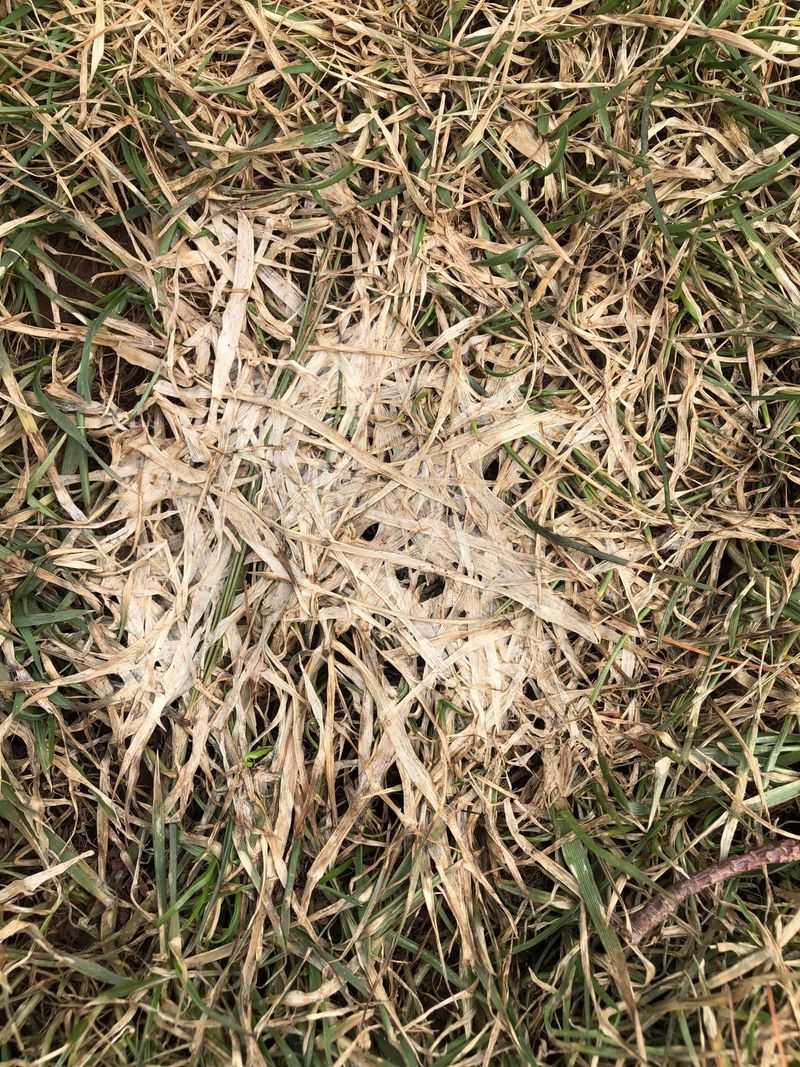
Ever tried to dry a wet pile of towels squished in a corner? Long grass under snow acts much the same way.
Tall blades bend easily when heavy snow lands on them. Soon they flatten into a thick, tangled mat against the soil.
That mat holds moisture like a sponge. Air cannot move through it, so water lingers for weeks or even months.
Fungi love that soggy, still environment. Without airflow, snow mold spreads from blade to blade with very little resistance.
Picture a lawn left at 4 inches tall going into winter. By spring, the folded blades can form a felt-like layer perfect for disease.
Now picture a lawn trimmed to around 2.5 inches. Those shorter blades stand up better and leave small gaps for air.
A thick thatch layer adds to the problem as well. If you can push your finger into a spongy layer over half an inch deep, consider dethatching in early fall.
Core aeration in September also helps a lot. Opening the soil improves drainage, so water moves down instead of pooling.
Shady, low spots near fences or houses tend to mat the most. Give those areas extra attention during your final cuts.
Think of each trim as a small insurance policy. A neat, upright lawn gives snow mold far fewer places to settle in.
5. Clear Leaves Before The First Snow
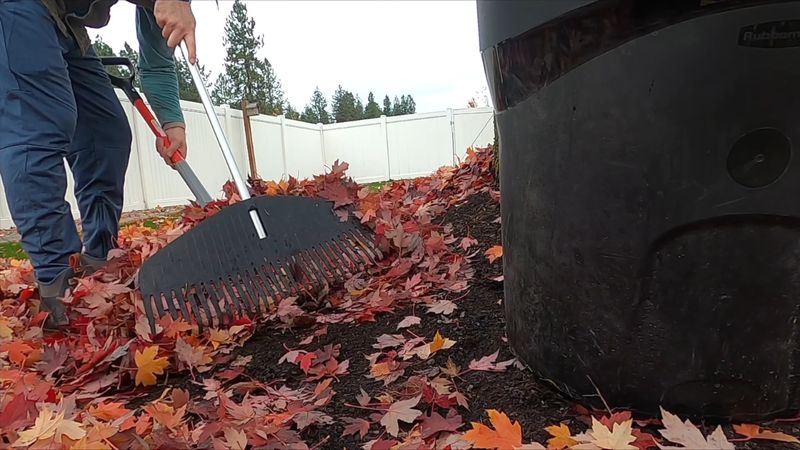
Those crunchy orange leaves look lovely on a crisp afternoon. Left on the lawn all winter, though, they turn into a soggy fungus hotel.
Fallen leaves create a moist, insulated shelter right on top of your grass. Snow mold fungi move in and make themselves at home.
Wet leaves cause the most trouble. They press flat against the blades and lock in moisture like plastic wrap.
Aim to clear leaves before the first real snowfall. In many parts of the state, that means finishing by mid November.
You have a few easy options. Rake them, blow them, or run a mower with a bagging attachment.
Mulch mowing works well for light leaf cover. Chopped bits break down fast and even feed the soil a little.
Heavy layers are a different story. If you cannot see grass through the shredded pieces, bag or compost the extra.
Do not forget sticks, toys, and lawn furniture left outside. Anything sitting on the grass can trap moisture and leave a sad patch behind.
Make it a weekend routine while the trees drop their leaves. Several quick cleanups beat one giant, exhausting job at the end.
Bonus tip: shredded leaves make great mulch for garden beds. Your flowers get a cozy blanket, and your lawn gets fresh air.
6. Avoid Heavy Nitrogen Late In Fall
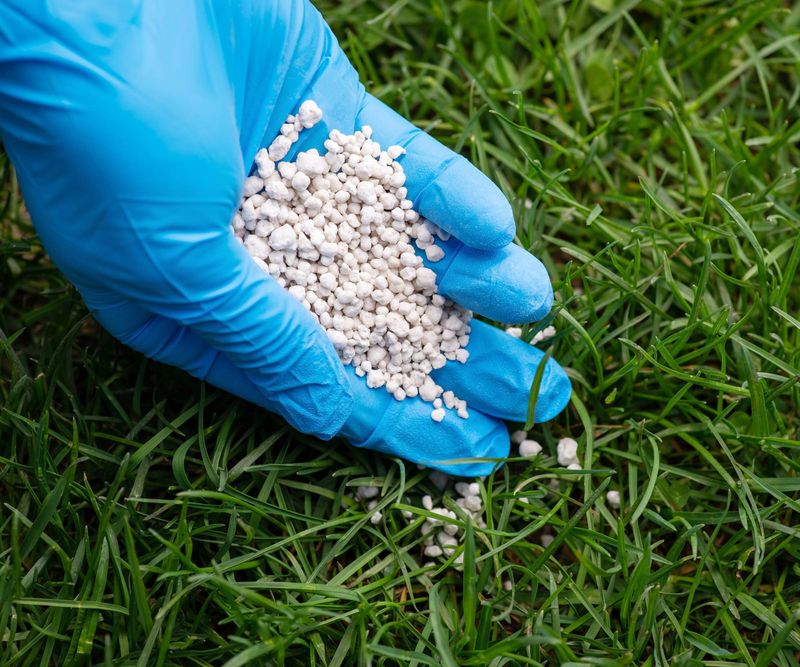
Feeding your lawn feels like a kind gesture. Too much nitrogen at the wrong time, however, can actually set the table for snow mold.
Nitrogen pushes grass to grow lush, soft leaves. That tender growth arrives just when the turf should be toughening up for cold weather.
Under snow, those juicy blades become an easy meal for fungi. Rich, soft grass tends to suffer more damage than lean, hardy turf.
Timing matters most here. For New York lawns, September is the best month for a nitrogen feeding.
An October application is optional if your lawn looks thin. Choose a balanced or low-nitrogen product that supports roots more than leaf growth.
State law plays a role, too. New York’s Nutrient Runoff Law bans lawn fertilizer applications from December 1 through April 1.
The same law limits phosphorus use unless a soil test shows a need. Read the bag label so you stay within the rules.
Curious about what your soil actually needs? Your local Cornell Cooperative Extension office can help with affordable soil testing.
Strong roots help grass survive winter and recover quickly in spring. A well-timed feeding builds that strength without inviting disease.
Keep fertilizer off driveways and sidewalks as well. Sweep stray granules back onto the grass so they do not wash into storm drains.
7. Don’t Pile Shoveled Snow On The Same Spots
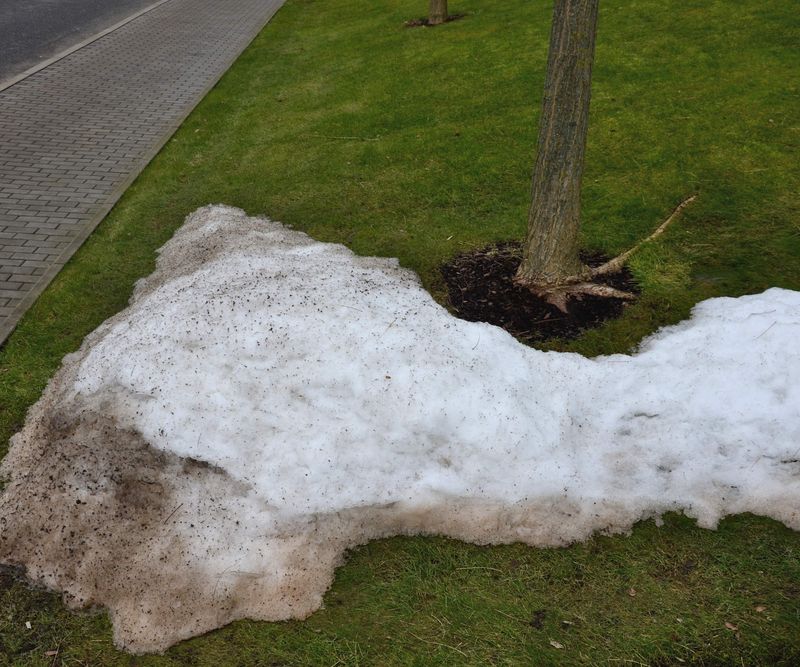
Every winter, that one corner of the yard becomes a snow mountain. By April, it often turns into the worst patch on the lawn.
Big piles from driveways and sidewalks melt very slowly. Weeks of extra snow cover give snow mold plenty of time to grow.
Shoveled snow is also packed and heavy. Compacted snow holds more moisture and squeezes the grass flat underneath.
The fix is simple and costs nothing. Spread shoveled snow across a wider area instead of dumping it in one place.
Thinner layers melt faster and more evenly. That shorter cover period cuts down on trapped moisture and stale air.
Try switching sides of the driveway with each storm. Toss snow left one day, then right the next.
Snowblower owners can help too. Aim the chute in a sweeping motion so snow lands in a wide fan.
Road plows create large ridges along curbs across many streets. You cannot stop them, but you can break up those ridges a bit after storms.
Salty snow from roads brings another problem. Salt can burn grass, so keep salty piles off your lawn when you can.
Watch where snow tends to linger near shady spots. Mark those areas, and plan to check them first when spring arrives.
8. Gently Rake Matted Areas In Spring
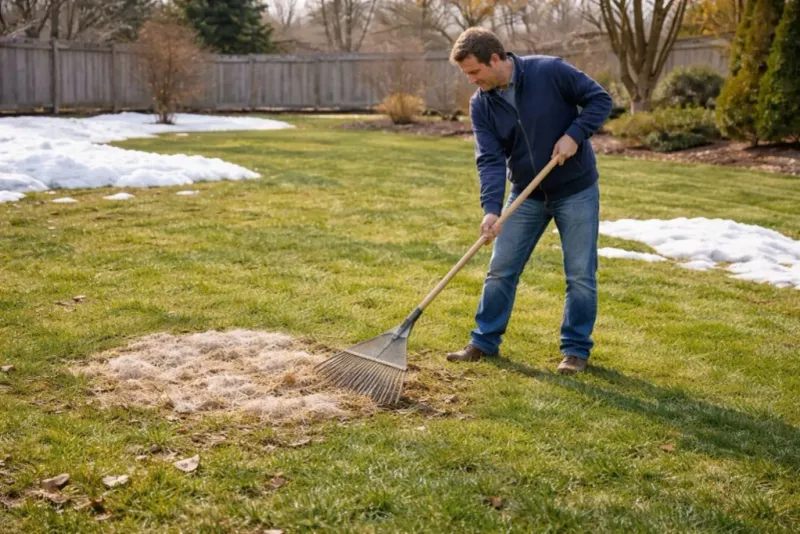
Spring arrives, and so do a few crusty patches. Do not panic, because a light touch with a rake works wonders.
Gentle raking fluffs up matted grass and lets air flow again. Better airflow helps the fungus dry out and fade away.
Raking also pulls away withered leaf tissue. Healthy new blades can then push through without a soggy layer on top.
Wait until the soil has dried a bit first. Working soggy ground can harm roots and pack the soil down.
Use a leaf rake rather than a stiff metal bow rake. Light, sweeping strokes are all you need.
Most gray snow mold patches recover within a few weeks. Pink snow mold may take longer, especially if crowns were damaged.
For bare or badly damaged spots, overseeding can speed things along. Choose a seed mix suited to New York conditions and keep it moist.
Many homeowners wonder about fungicides. For typical home lawns, they are usually not needed unless the problem is severe and returns year after year.
Bag the raked debris instead of leaving it on the lawn. Removing it reduces spores that could linger nearby.
Treat this spring cleanup as a report card for your fall habits. Notice where damage showed up, and adjust your plan for next November.