The Native Shrub Virginia Gardeners Are Planting Instead Of Burning Bush
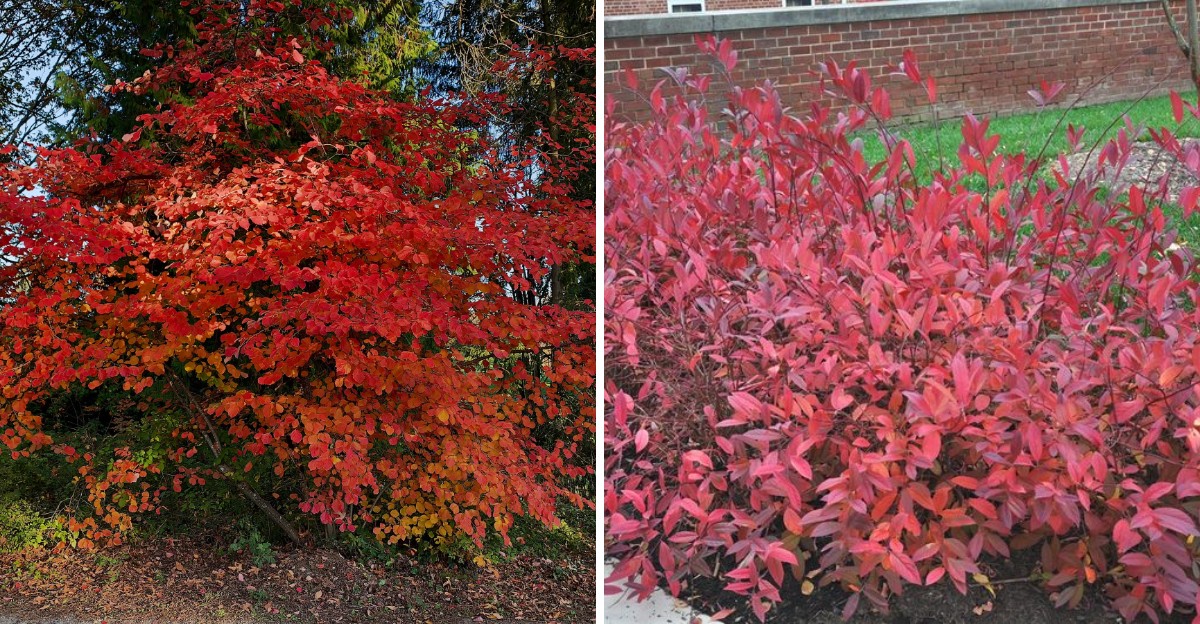
A shrub sold in garden centers for decades now sits on the official invasive plant list kept by Virginia’s Department of Conservation and Recreation. Birds gobble its berries in fall and drop the seeds in nearby woods.
Those seeds sprout into thick patches that crowd out wildflowers and young native shrubs. I still remember how shocked I felt the day I spotted a whole hillside of it glowing red along a forest trail.
You need a replacement that matches that fiery autumn show, though. Nobody wants to trade a blazing yard for a dull one.
Personally, I found my answer in a tough little native with honey-scented summer flowers and leaves that turn wine red for weeks. It handles clay, soggy spots, and partial shade like a champ.
Could the perfect swap already be growing wild in a swamp near you?
That Glowing Red Burning Bush Has A Hidden Habit
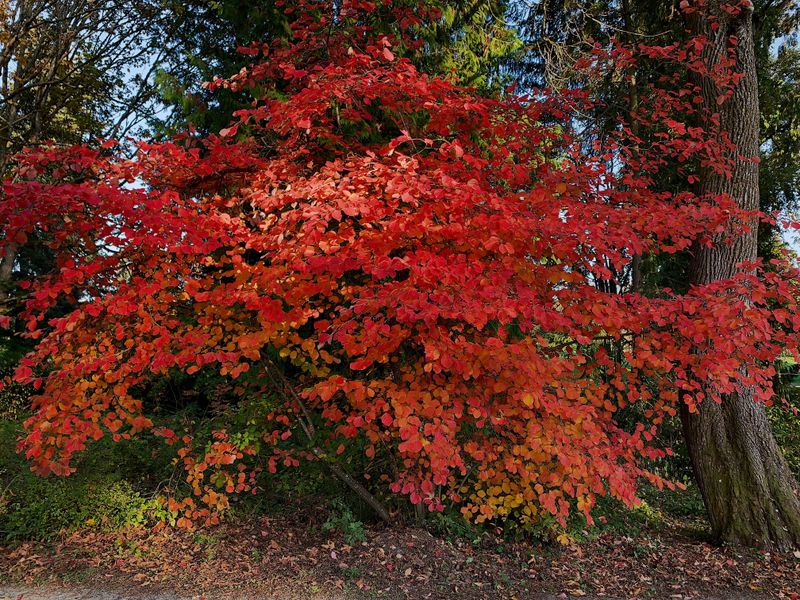
Few shrubs light up a fall yard quite like burning bush. Its leaves turn a neon red that stops traffic, and that bold color made it a favorite for foundation plantings across the country.
The trouble starts with its small orange and red fruits. Birds eat them, fly off, and scatter the seeds into forests, stream banks, and old fields.
Burning bush, known to botanists as Euonymus alatus, came from Asia around 1860 and has been spreading quietly ever since.
Once it settles into the woods, it grows into dense thickets. It handles full sun and deep shade, so it can push into places most shrubs struggle to reach.
Native wildflowers and young trees often lose that battle for light and space.
Virginia’s Department of Conservation and Recreation lists burning bush as an invasive plant. That means it is a known problem, not a rumor or a passing trend.
Fun fact for you: look closely at the twigs and you’ll see corky ridges along the stems. Those odd wings gave it another common name, winged euonymus.
So what does a gardener do? Many folks remove the shrub and replace it with something just as colorful but far friendlier to local wildlife.
Next up is the native star many people are choosing.
Virginia Sweetspire Brings The Fall Fire Without The Baggage
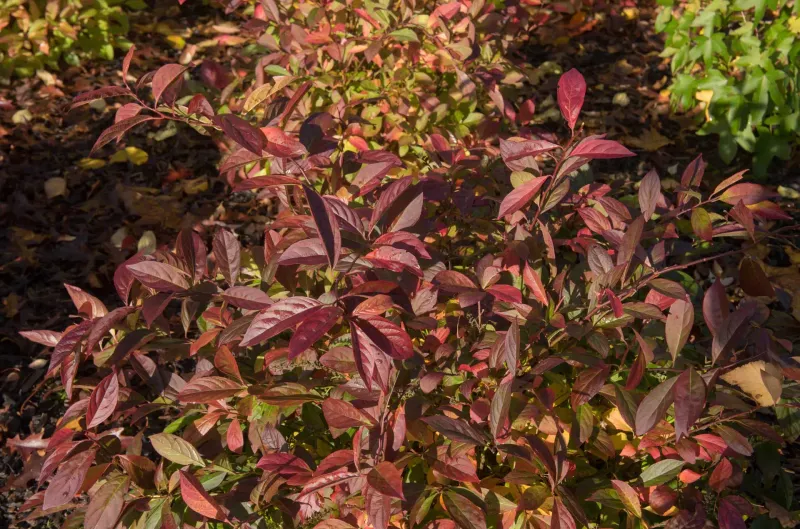
Meet the swap that keeps popping up in local garden talks: Virginia sweetspire, or Itea virginica. It grows naturally in wet woods and swamp edges across much of the state, so it truly belongs here.
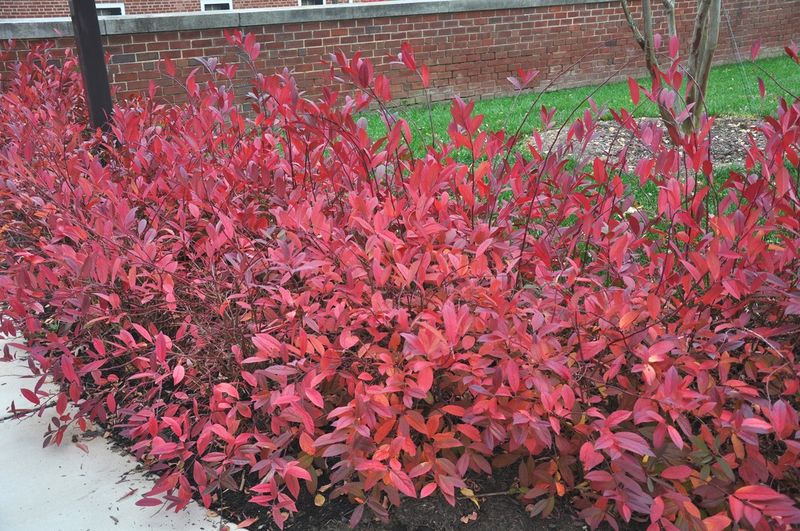
I love how its autumn leaves shift from green to scarlet, burgundy, and deep purple. The color often lingers for weeks, and in mild spots near the coast, some leaves hang on into early winter.
Burning bush mostly shines for one season. Sweetspire works year-round, with fragrant summer flowers, arching branches, and reddish stems you can spot in winter.
Master Gardener groups in Northern Virginia and the Piedmont often recommend it as a top replacement for burning bush. It fits the same jobs in the yard, like foundation beds, borders, and hedges along a walkway.
Size is easy to manage too. Wild plants usually reach about 3 to 6 feet tall, and compact cultivars stay smaller.
Hardiness covers USDA zones 5 through 9, which includes every corner of the state from the mountains to Virginia Beach. That wide range is a big reason the shrub feels so dependable.
If you want red leaves in October without sending seeds into the woods, sweetspire gives you that trade. It feels like getting the best part of burning bush with none of the guilt.
Those White Bottlebrush Blooms Draw A Crowd Of Bees
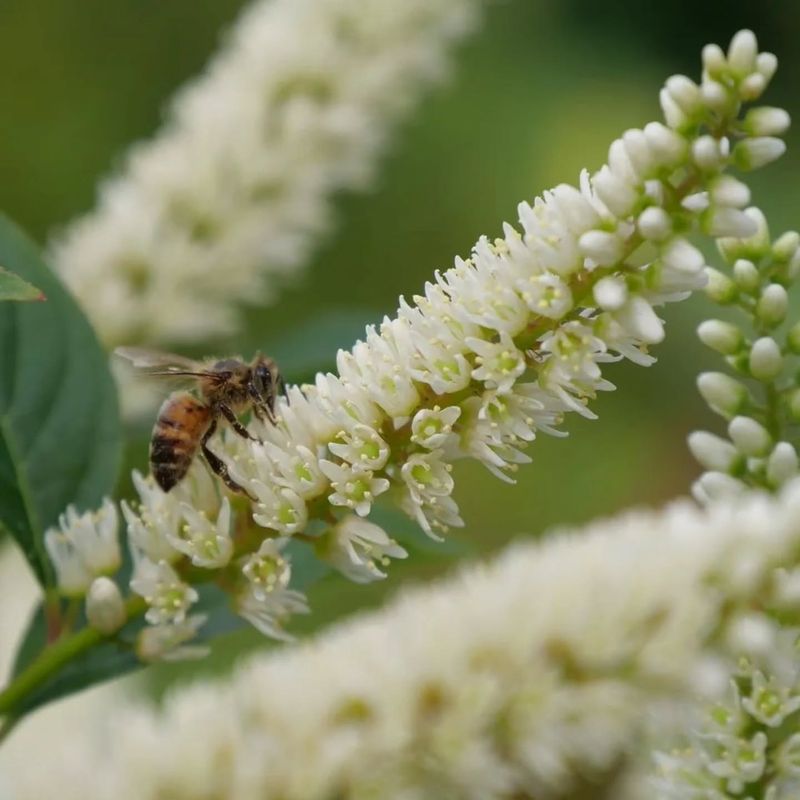
Walk past a blooming sweetspire in late May or June and your nose will notice first. The white flower spikes give off a light, sweet scent that drifts across the yard.
Each spike is packed with tiny blossoms. They droop in soft curves about 3 to 6 inches long, and gardeners often compare them to bottlebrushes or fuzzy tails.
Pollinators love them. Native bees, honeybees, butterflies, and small moths visit the flowers for nectar and pollen.
On a warm afternoon, the whole shrub can hum with activity.
Timing makes these blooms extra useful. Many spring shrubs finish flowering by late May, so sweetspire helps fill a gap when insects still need food.
Burning bush flowers are small and greenish, and most people barely notice them. Sweetspire turns flowering season into a real show.
Here’s a tip I picked up the hard way. Prune right after the flowers fade, not in fall or winter, because next year’s buds form on this year’s growth.
Late cuts can mean fewer blooms the following summer.
Want a fun experiment? Plant sweetspire near a patio or kitchen window.
You’ll get the fragrance up close, and you can watch the busy pollinator traffic while you sip your morning coffee.
Soggy Clay Soil Is Where Sweetspire Feels At Home
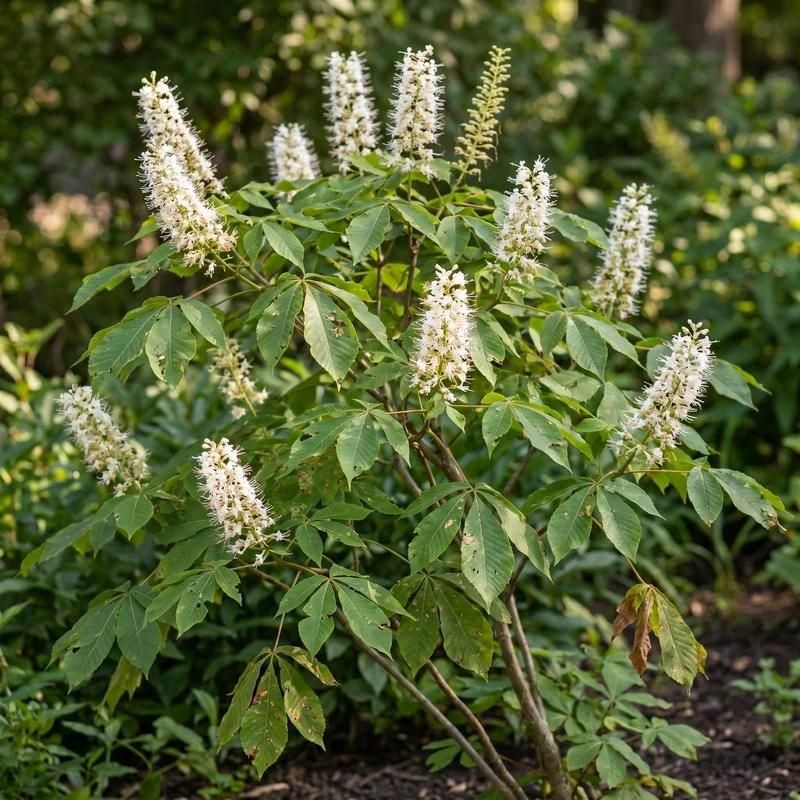
Plenty of Virginia yards sit on heavy red clay that stays wet after a storm. That soggy corner where other shrubs sulk might be the best spot you have for sweetspire.
In the wild, this plant grows along creeks and in swampy woods. It tolerates wet feet, short floods, and heavy soil better than many landscape shrubs, which makes it a natural fit for rain gardens.
Do not worry if your yard is drier. Once its roots settle in, sweetspire handles average garden soil and can ride out short dry spells.
Light needs are flexible too. It grows in full sun to partial shade, but more sun usually brings richer fall color and more flowers.
Planting is simple. Dig a hole about twice as wide as the root ball and set the plant at the same depth it grew in the pot.
Water deeply, then spread 2 to 3 inches of mulch, keeping it away from the stems.
Fall and early spring are great planting windows across the state, since cooler air reduces stress on new roots. Give young plants a good soak each week during their first summer if rain is scarce.
Fertilizer is rarely needed. Pests and diseases seldom cause serious trouble, which makes this shrub a relaxing choice for busy gardeners.
Little Henry And Friends Fit Almost Any Garden Bed
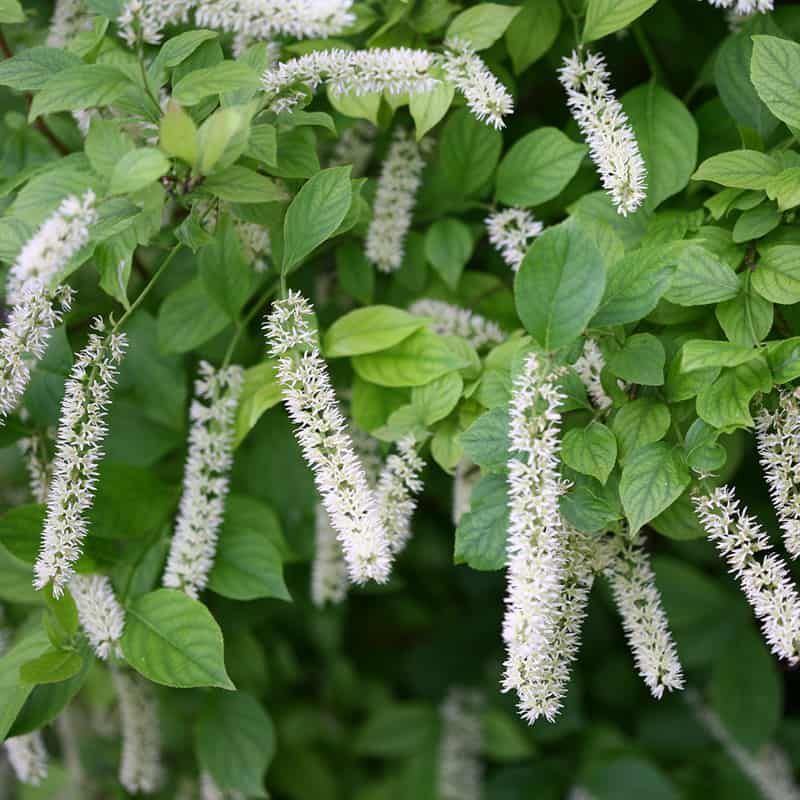
Small yard? Big yard? Sweetspire comes in sizes for both, thanks to a handful of popular cultivars.
‘Little Henry’ is a compact favorite. It usually grows about 2 to 4 feet tall and a bit wider, so it tucks neatly under windows without blocking the view.
Its fall leaves turn bright red, and it still makes plenty of flowers.
‘Henry’s Garnet’ is a classic pick that grows larger, often 3 to 6 feet tall. It was found in Georgia, introduced in Pennsylvania, and earned a Gold Medal from the Pennsylvania Horticultural Society for its garnet fall color.
Other options like ‘Scentlandia’ stay low and add a strong fragrance. Check plant tags for mature size before you buy, since that one detail saves a lot of pruning later.
One quirk to know: sweetspire spreads slowly by underground suckers. This helps it fill a slope or a mass planting nicely.
If it wanders where you don’t want it, slice off the extra shoots with a sharp spade. You can pot them up and share them with friends.
I like planting sweetspire in groups of three or five. The fall color looks more dramatic in a cluster, almost like a low red wave rolling across the bed.
Taking Out An Old Burning Bush Is Easier Than It Looks
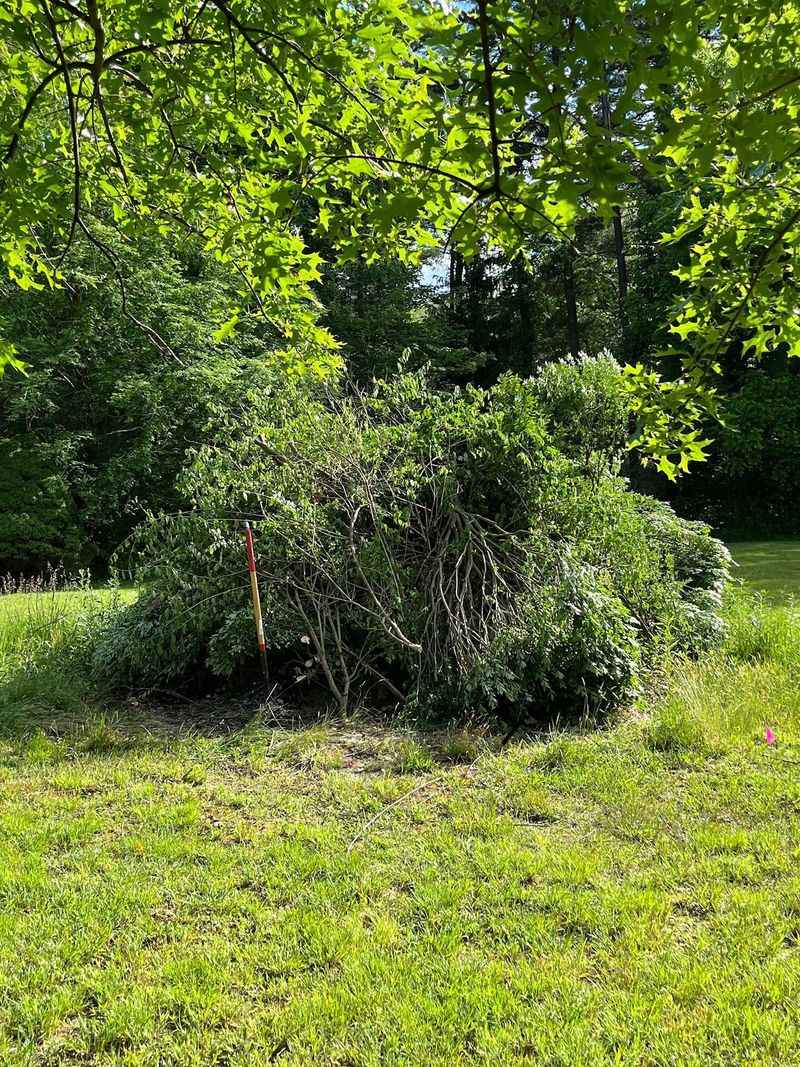
Ready to swap? The first step is removing the burning bush you already have, and it usually goes more smoothly than people expect.
Small shrubs often come out with a shovel and some patience. Dig around the root ball, loosen the soil, and pry the plant up.
A pruning saw helps cut through thick roots.
Large, old shrubs take more effort. Many gardeners cut the stems low to the ground, then dig out the stump or use a weed wrench.
If roots resprout, keep cutting the new shoots until the plant runs out of energy.
Timing matters. Try to remove the shrub before its fruits ripen in fall, so birds can’t carry more seeds away.
After removal, check the area for seedlings for a year or two. Young sprouts pull up easily when the soil is moist.
Herbicides are another option for stubborn stumps. Follow label directions exactly, or ask your local Virginia Cooperative Extension office for advice.
Once the spot is clear, loosen the soil and add a little compost before planting sweetspire. The new shrub can slip right into the same space.
Your neighbors might not notice much change in October, except the red now comes from a plant that belongs here.
Red Chokeberry And Highbush Blueberry Are Worthy Backups
Sweetspire is the headliner, but a few other natives deserve a spot in your plans. Mixing several shrubs gives wildlife more food and your yard more variety.
Red chokeberry, Aronia arbutifolia, turns brilliant red in fall. Its glossy red berries often hang on into winter, giving birds a snack when food runs low.
Black chokeberry, Aronia melanocarpa, offers similar crimson leaves with dark purple fruit. Both chokeberries handle wet or dry soil and bloom with small white flowers in spring.
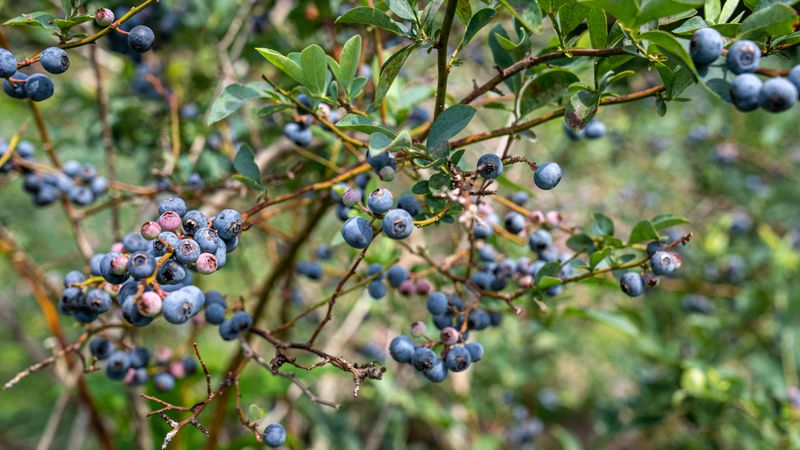
Highbush blueberry, Vaccinium corymbosum, is a double win. You get sweet summer berries for your own breakfast, then scarlet fall leaves.
It also hosts the caterpillars of many butterflies and moths, which feed baby songbirds.
Blueberries need acidic soil, so a quick soil test through Virginia Cooperative Extension can tell you if your yard is ready.
Prefer gold over red? Spicebush, Lindera benzoin, glows butter yellow in fall and blooms with tiny yellow flowers in early spring.
It feeds the spicebush swallowtail butterfly, and female plants make bright red berries for migrating birds.
Try pairing sweetspire with one or two of these shrubs. Together they create a layered native planting that looks beautiful and works hard for local creatures.
Your New Sweetspire Hedge Helps The Woods Beyond Your Fence
Every shrub you plant sends a small signal into the wider landscape. Swapping one burning bush for sweetspire may feel minor, yet many small changes across a neighborhood add up.
Native plants support native insects, and those insects feed birds. Researchers like entomologist Doug Tallamy have shown that many caterpillars depend on plants they evolved alongside.
Removing invasive shrubs also helps nearby woods. Fewer berries means fewer seeds landing in parks and forests, giving wildflowers and young trees more room.
A few next steps can make your switch smooth. Look for sweetspire at local native plant sales, which pop up each spring and fall around the state.
Groups such as Plant NOVA Natives and regional Master Gardener chapters list helpful events and guides.
Ask nurseries if plants are grown without pesticides that may harm pollinators. Choose straight species or well-known cultivars that suit your space.
Plant this fall if you can, while soil stays warm and rain is more reliable. Water through the first year, mulch lightly, and enjoy the show.
By next autumn, you could have red leaves glowing along your fence, bees buzzing around the summer blooms, and the quiet satisfaction of a yard that gives back to the state’s wild places.