What It Really Means When Goldfinches Show Up In Your Missouri Yard This Late Summer
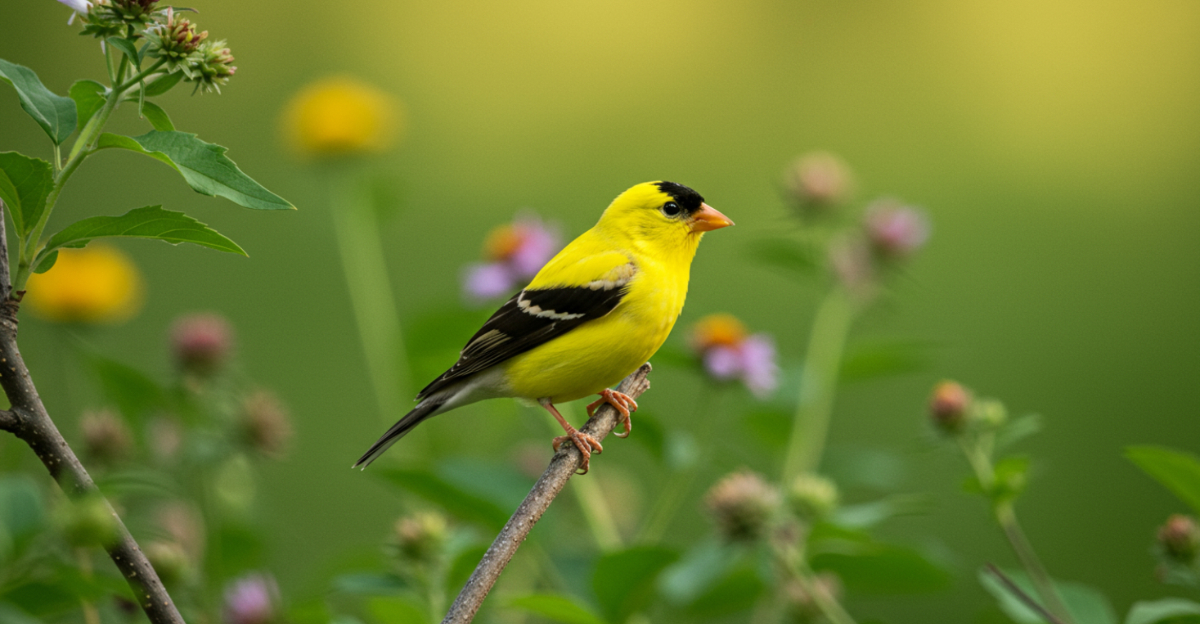
A flash of yellow just crossed your porch line. Goldfinches don’t settle into your own yard without a clear reason.
You just witnessed something most Missouri homeowners rarely notice. Their gentle flight aimed straight at you.
Your garden may be meeting some of the conditions these birds look for. Seeds ripened in your garden while shelter quietly thickened overnight.
Every shift in that mix drew birds straight toward you. Birds avoid wasting precious energy on empty promises or thin patches.
They read your yard faster than you ever could. Instinct guides each of them toward safety before anything else.
Late summer light across Missouri sharpens their search for color. That brief visit means your entire space passed a quiet review.
Some overlooked detail probably tipped that whole gentle decision. Nothing about their sudden arrival was truly accidental or purely fortunate. What you do next shapes whether they stay or leave.
Why Goldfinches Show Up Later Than Other Birds
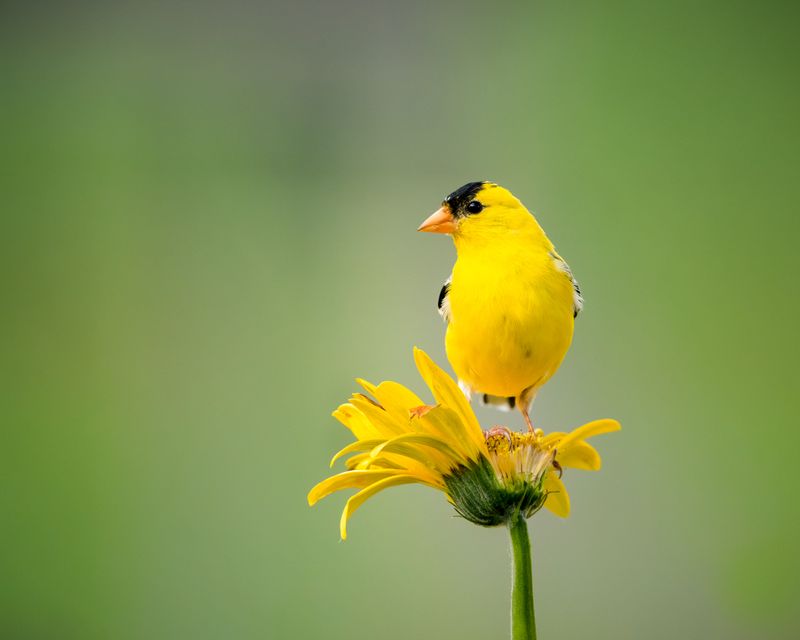
Most backyard birds show up in spring and call it a season. Goldfinches march to a completely different drumbeat.
American goldfinches are one of the latest nesters in North America. They time their breeding cycle around seed availability, not just temperature or daylight.
While robins and sparrows are feeding fledglings in May, goldfinches are just getting started. Their nesting season in Missouri typically spans from early summer through early fall, with activity often peaking in midsummer.
That timing is not an accident. Parent goldfinches feed their chicks almost entirely on regurgitated seeds. They need mature seed heads to be plentiful before they commit to raising young.
So when goldfinches show up in your yard late in summer, they are likely wrapping up nesting or fueling up after a busy breeding stretch. Your garden may be meeting some of the conditions these birds look for.
Spotting them now also means your garden survived the heat. Many yards go brown and bare by August, offering nothing for seed-eating birds.
A goldfinch sighting in late summer is a sign your yard offers something these birds need. These birds are selective, and their presence suggests your space offers something valuable.
Understanding their schedule helps you plan smarter for next year. Plant seed-producing flowers that peak in July and August, and you will roll out the perfect welcome mat right on time.
What Their Diet Reveals About Your Garden
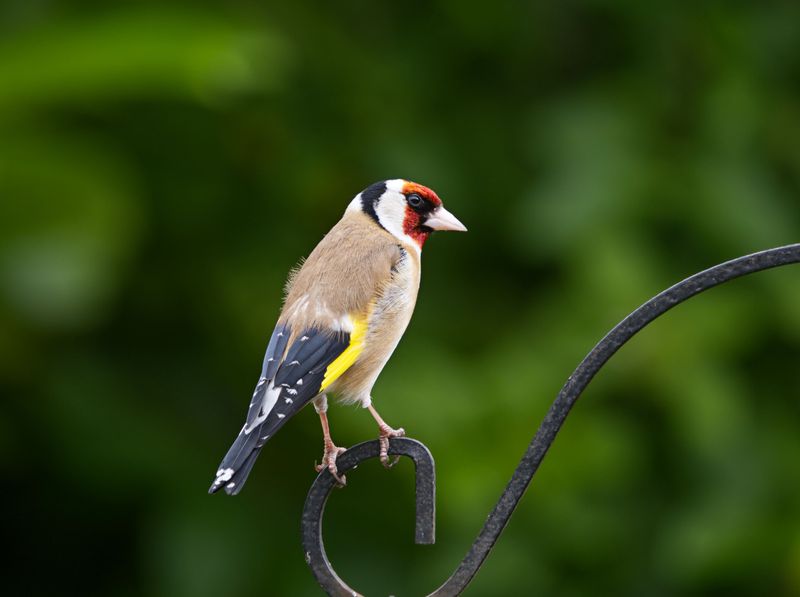
Goldfinches are dedicated seed eaters. Unlike most songbirds that switch between insects and seeds, goldfinches eat seeds almost exclusively year-round.
Seeing one in your yard means you have something worth eating. Your garden is producing natural food that a discerning little bird finds worth visiting.
Their top picks include sunflower seeds, coneflower seeds, and thistle. If any of those are growing or going to seed in your yard, you have set up a reliable food source.
A goldfinch picking at a spent coneflower is not making a mess. It is doing exactly what it was built to do, and your plant is fulfilling its full ecological purpose.
Your Missouri Garden Changes Every Week. Your Plan Should Too.
Gardening in Missouri changes quickly throughout the season. Every Friday you’ll receive a simple weekly plan showing exactly what to plant, prune, fertilize, harvest, and protect so you never miss the right timing.
Gardens that rely heavily on deadheading and constant cleanup often miss out on these visits. Leaving seed heads standing through late summer is one of the best things you can do.
Your garden’s messiness might actually be its greatest strength. A few ragged-looking plants in August can attract more wildlife than a perfectly trimmed landscape ever will.
Goldfinches also signal that your soil and growing conditions support hearty, seed-producing plants. That is genuinely good news for any home gardener.
A goldfinch’s visit can act as a helpful indicator of your garden’s health. When one lands in your yard, it means your green space is working exactly the way a healthy habitat should.
The Role Of Native Seed Plants In Attracting Them
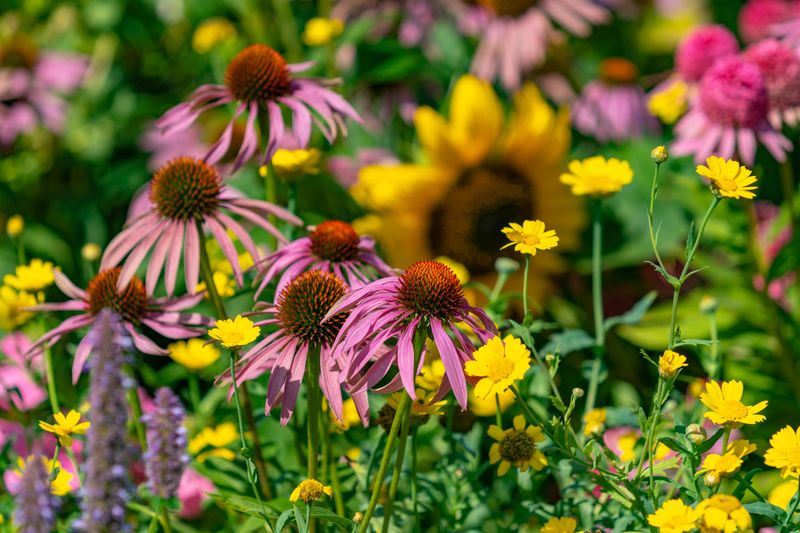
Native plants are an effective, often overlooked option for bird-friendly yards. Non-native ornamentals might look gorgeous, but they rarely feed local wildlife the way natives do.
Plants like purple coneflower, black-eyed Susan, and wild bergamot are especially attractive to goldfinches. These species produce abundant seeds that ripen right when goldfinches need them most.
Native plants generally require less water and fewer chemical inputs once established. This can reduce the need for pesticides in your garden, helping preserve the insects and seeds birds rely on.
A yard full of natives essentially runs itself by late summer. The plants do the heavy lifting, and the birds show up as a natural reward for your low-maintenance approach.
Switchgrass and little bluestem are native grasses worth adding too. Their seed heads stay intact through fall and winter, giving goldfinches a food source long after summer fades.
Even a small patch of native plantings can make a difference. You do not need a sprawling meadow to attract these birds. A few square feet of the right plants goes a long way.
Nurseries across the state are stocking more native options every season. Ask specifically for species that produce seeds rather than just flowers, and you will be ahead of the game.
Goldfinches and native plants evolved together over thousands of years. Planting natives is not just gardening. It is restoring a relationship that benefits your whole yard ecosystem.
How Missouri’s Late Summer Bloom Cycle Helps
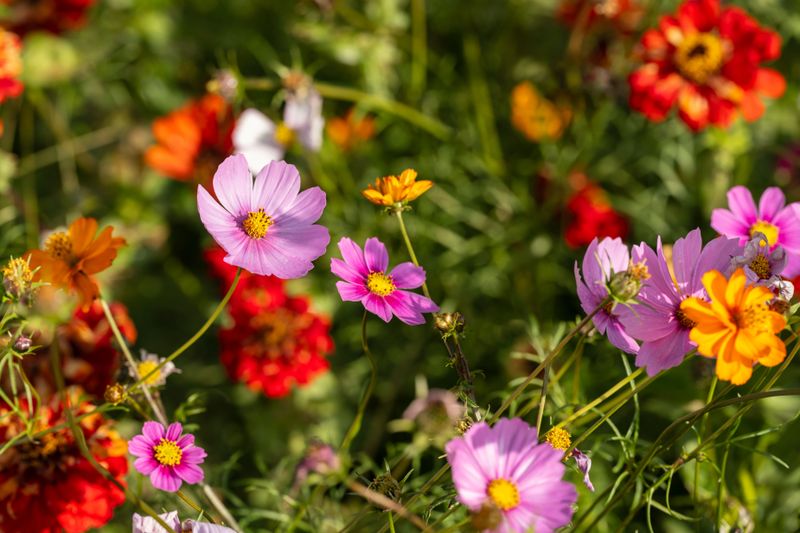
Missouri summers are long, hot, and surprisingly generous for seed-producing plants. The state sits in a sweet spot where prairie and woodland species overlap in remarkable ways.
By late August, many native plants hit their seed-production peak. Coneflowers go from bloom to seed head, sunflowers bow under the weight of ripening seeds, and wild grasses fill out beautifully.
This timing lines up perfectly with goldfinch activity. The birds are wrapping up nesting and building fat reserves for the months ahead. Food abundance right now is critical for them.
The humid, warm conditions in August also support an extended bloom window for many native species. Plants that might fade quickly elsewhere keep going strong across much of the state.
Rain patterns in July and August can sometimes give gardens a second wind, though this varies by region and season. Plants that looked stressed in midsummer bounce back and push out a fresh flush of seed heads.
Goldfinches take advantage of this late-season abundance in a big way. They move through neighborhoods and rural areas in loose flocks, hitting every productive yard along the way.
Your yard is part of a larger seasonal corridor that these birds travel. A well-planted space becomes a reliable stop on their late summer route.
Knowing when your region naturally peaks helps you time plantings smarter. Work with the bloom cycle rather than against it, and your yard becomes a goldfinch destination every single year.
Signs Your Yard Has Become Goldfinch-Friendly
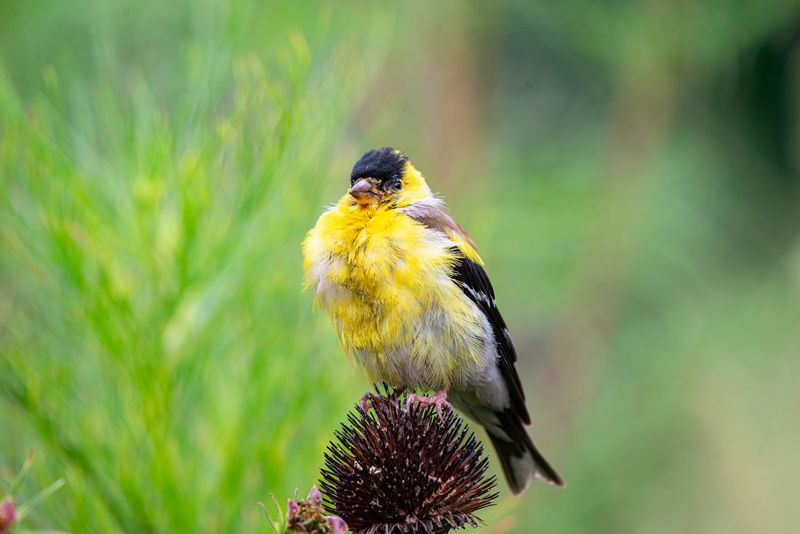
You might not realize your yard has leveled up until the goldfinches start showing up regularly. There are some clear signs worth watching for.
Seeing goldfinches with some regularity is a strong indicator. Occasional sightings mean you have something appealing. Repeat visits mean you have something reliable.
Watch for them perching directly on seed heads rather than just passing through. That behavior means they found food and feel safe enough to linger and eat.
Hearing their bright, bouncy call near your garden is another great sign. Goldfinches are vocal birds, and a singing male nearby usually means the area feels comfortable to him.
If you spot several goldfinches at once, it may indicate your yard has become a reliable feeding spot. Goldfinches are gregarious and tend to gather where food is plentiful and predators feel distant.
Noticing them at different times of day is also meaningful. Early morning and late afternoon visits suggest your yard is a regular stop, not just a passing curiosity.
A yard with water nearby offers an added advantage. Goldfinches love a shallow birdbath, especially in August heat. Adding one can turn occasional visits into daily routines.
If all of these signs are happening together, your yard has likely become a goldfinch hotspot worth maintaining and protecting.
Simple Ways To Keep Them Coming Back
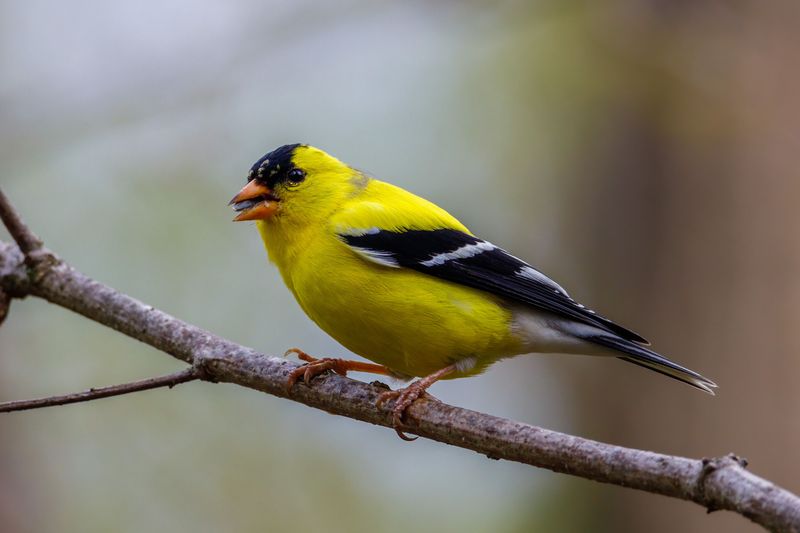
Keeping goldfinches around does not require a big budget or a landscaping overhaul. A few smart moves go a long way toward making your yard a place they return to season after season.
Start with a thistle feeder filled with Nyjer seed. Goldfinches go absolutely wild for it. A quality sock feeder or tube feeder hung near your garden can bring them in fast.
Skip cutting back the spent blooms on your coneflowers and sunflowers this year. Let those seed heads stand through fall. That single habit change can noticeably increase goldfinch activity over time.
Add a shallow birdbath and keep it clean. Fresh water in summer heat is irresistible to birds of all kinds, and goldfinches are no exception.
Reduce or stop pesticide use around seed-producing plants. Chemicals can coat seeds and harm the birds that eat them. A cleaner yard is a safer yard for wildlife.
Plant a few new natives each fall for next year. Species like prairie dropseed, wild bergamot, and tall goldenrod are excellent additions that bloom and seed right on goldfinch schedule.
Keep cats indoors or supervised outside. Ground-feeding goldfinches are vulnerable, and a safe yard is one they will trust enough to visit repeatedly.
Late summer goldfinch sightings in your Missouri yard are a sign of a well-supported habitat. Protect these conditions, build on them, and your yard can become an increasingly supportive habitat year after year.