The Native Michigan Wildflower That Blooms In August When Every Other Garden Looks Tired
Most Michigan garden plants peak in June and spend the rest of the summer quietly coasting toward fall. By mid-August the flower beds that looked so impressive two months ago have a certain tired quality that no amount of deadheading fully fixes.
New England Aster has been watching all of this from the sidelines, building up to something. And then it blooms.
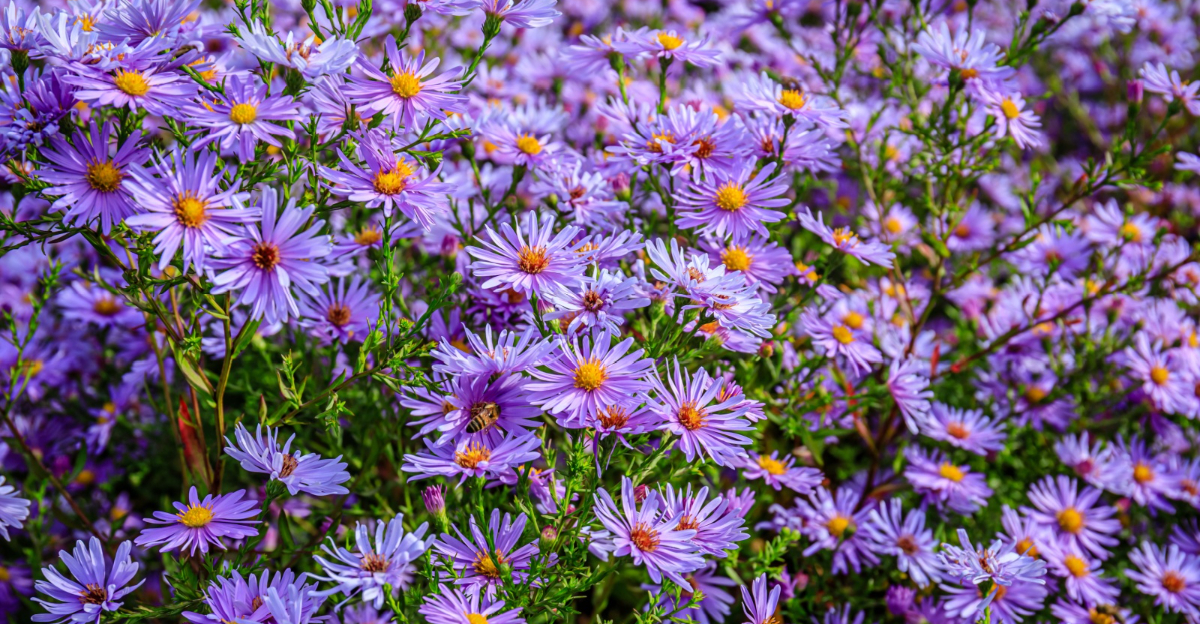
Rich purple flowers arrive right at the moment when the rest of the garden has essentially called it a season, and the bees and butterflies that show up in response make the whole yard feel alive again in a way that genuinely surprises people every single year.
For a Michigan garden that needs a strong finish rather than a slow fade, this native wildflower delivers exactly that.
1. New England Aster Brings August Color
Walking past a flower bed in August can feel a little disappointing. Most of the bold summer bloomers have peaked, and the garden can start to look like it is just waiting for fall to arrive.
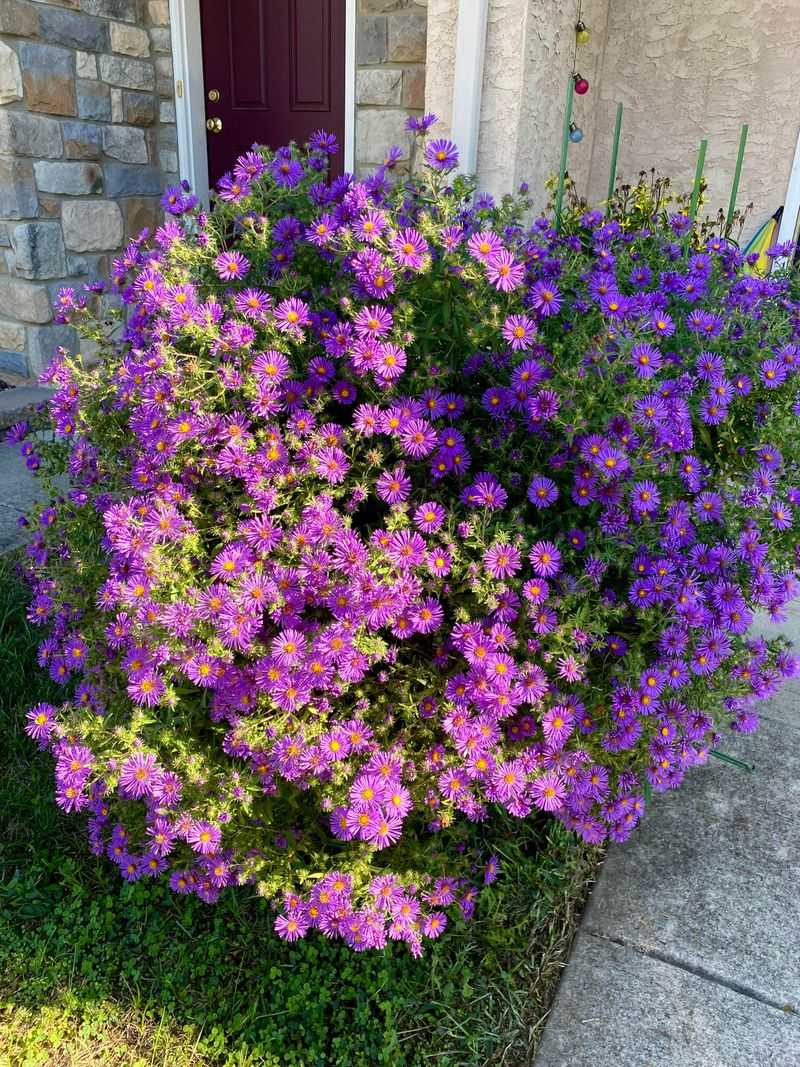
New England Aster steps into that gap with confidence, opening its purple-rayed flowers right when the rest of the border has gone quiet.
In Michigan, this native wildflower typically begins blooming in late August and carries that color well into September and sometimes October. The timing is not accidental.
New England Aster evolved alongside Michigan’s seasonal rhythms, and its bloom period is naturally tuned to the end of summer. That makes it one of the most reliably colorful plants a gardener can add to a late-season bed.
The flowers are small individually, but the plant produces them in large numbers. Each stem branches into clusters of daisy-like blooms with bright yellow centers that contrast sharply with the purple petals.
From a few feet away, a mature clump can look like a purple cloud settled at the edge of the garden. That kind of late-season color is genuinely rare in residential Michigan landscapes, and it tends to stop people in their tracks.
If your August yard feels like it needs a visual boost, this native wildflower is one of the most straightforward answers a Michigan gardener can find.
2. Purple Blooms Wake Up Tired Beds
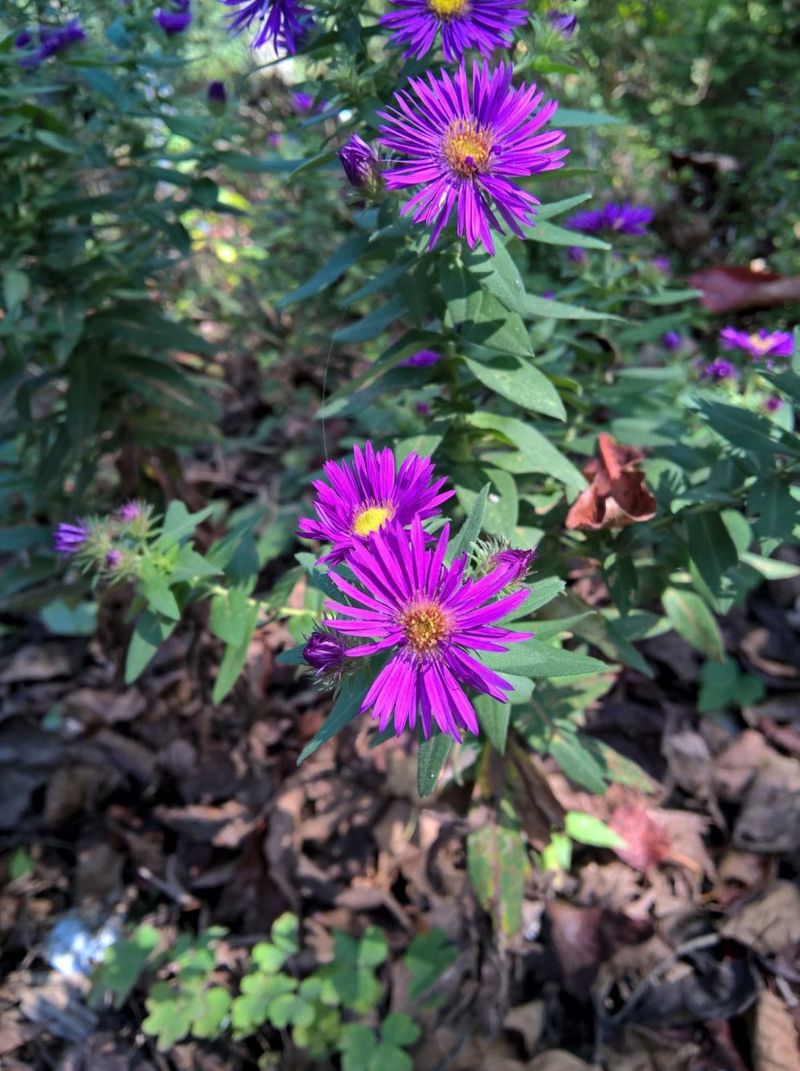
There is something almost startling about seeing a plant burst into full bloom when everything around it looks exhausted.
By the time New England Aster opens its flowers, most perennial beds in Michigan have been through months of heat, drought stress, and heavy use.
The foliage on many plants looks rough. The colors have faded.
New England Aster arrives right into that scene and changes the whole mood of the garden.
The purple blooms work especially well in beds that rely on warm-season perennials like coneflowers, black-eyed Susans, and bee balm, all of which tend to finish their main show before August ends. Planting New England Aster nearby gives those beds a second act.
The purple color also pairs naturally with the russet seed heads and bronze foliage that start appearing in late summer, creating a color palette that feels seasonal and intentional rather than accidental.
Your Michigan Garden Changes Every Week. Your Plan Should Too.
Gardening in Michigan changes quickly throughout the season. Every Friday you’ll receive a simple weekly plan showing exactly what to plant, prune, fertilize, harvest, and protect so you never miss the right timing.
One thing Michigan gardeners sometimes notice is that New England Aster can look a little leggy or plain during the earlier part of the growing season. The leaves are present and the plant is growing, but it does not do much to call attention to itself before bloom time.
Pairing it with shorter plants in front helps fill that gap visually. Once the blooms open, though, the plant more than earns its space, turning a tired August bed into something genuinely worth looking at again.
3. Late Flowers Support Native Bees
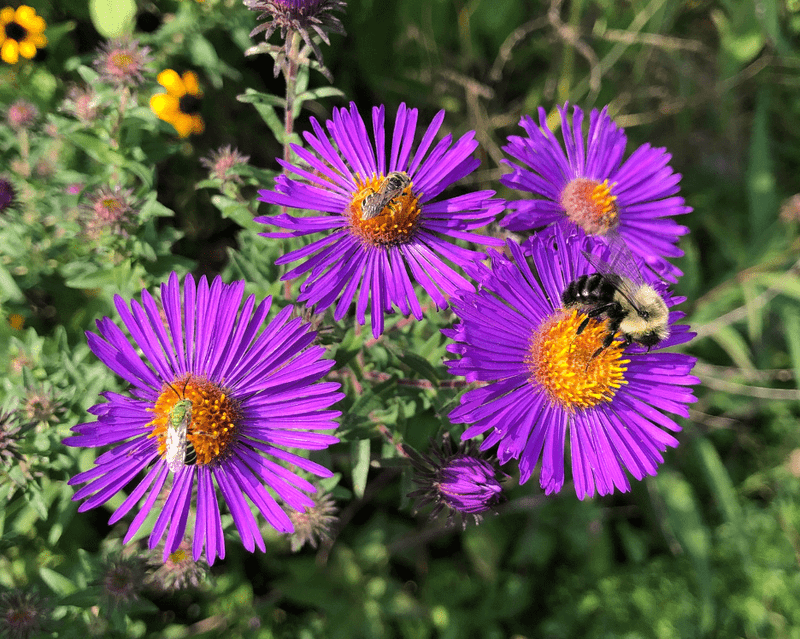
Spend a few minutes standing near a blooming New England Aster in late August and you will likely notice the activity. Bees land, move from flower to flower, and linger in a way that looks almost purposeful.
That is because late summer is a critical time for native bee colonies in Michigan, and finding reliable pollen and nectar sources becomes harder as the season progresses.
New England Aster is considered one of the more valuable late-season native plants for pollinators across the Midwest.
Its open, daisy-like flower structure makes the pollen and nectar accessible to a wide range of native bee species, including bumblebees, sweat bees, and specialist aster bees that depend heavily on aster pollen during this part of the year.
Monarch butterflies also visit the blooms during their fall migration, which can pass through Michigan in September.
For gardeners who want to support pollinators beyond the typical spring and early summer rush, adding New England Aster to a Michigan yard is a practical step. It does not replace other pollinator plants, and it does not guarantee a specific number of visitors.
But it does offer something that is genuinely hard to find in many residential landscapes: a native bloom that opens late in the season, when bees and butterflies need foraging options most.
Even a single healthy clump can attract noticeable pollinator activity during its bloom window.
4. Sunny Spots Bring Stronger Bloom
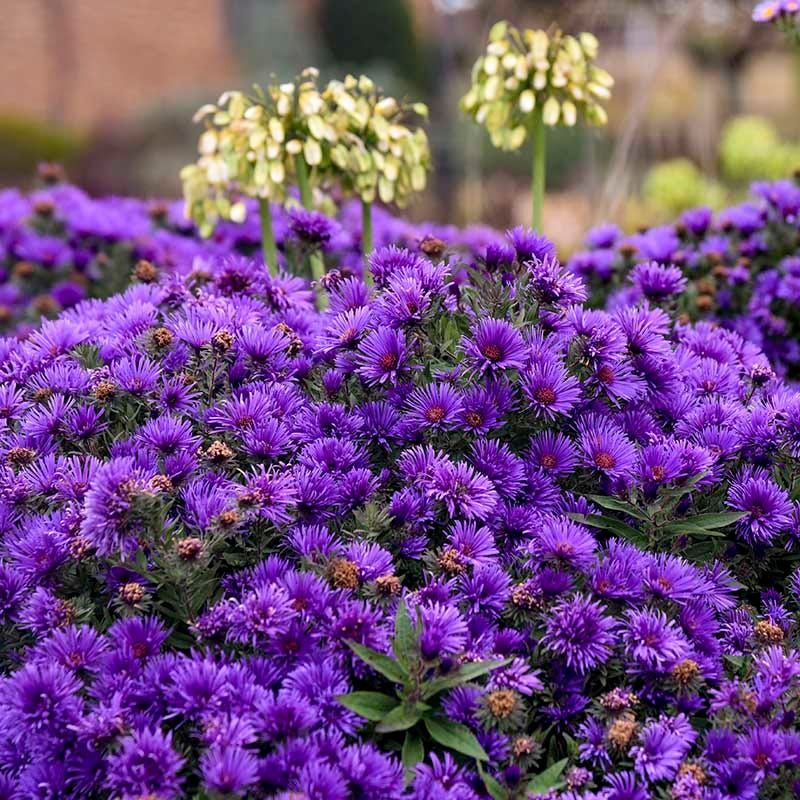
Placement matters more than most gardeners expect with New England Aster. A plant tucked into a shady corner of the yard will grow, but it may produce far fewer flowers and tend to flop over without good support.
Give it full sun and the difference is noticeable. Stems grow more upright, branching is more even, and the bloom count goes up considerably.
In Michigan, full sun means at least six hours of direct sunlight per day, and New England Aster performs best when it gets that consistently through the growing season.
South-facing or west-facing garden borders, open meadow-style beds, and sunny edges along fences or driveways are all strong candidates for this plant.
Spots that receive morning shade and afternoon sun can also work reasonably well, though the results tend to be slightly less dramatic than a fully open location.
Gardeners sometimes try to squeeze New England Aster into partially shaded spots because it is a tough native plant and the assumption is that it will adapt easily. It can survive in lower light, but surviving and thriving are two different things.
If you want the full effect of those purple blooms covering a tall, well-branched plant in late August, a genuinely sunny spot in the Michigan yard gives it the best foundation.
Choosing the right location from the start saves a lot of disappointment later in the season when bloom time arrives.
5. Moist Soil Helps Growth Stay Lush
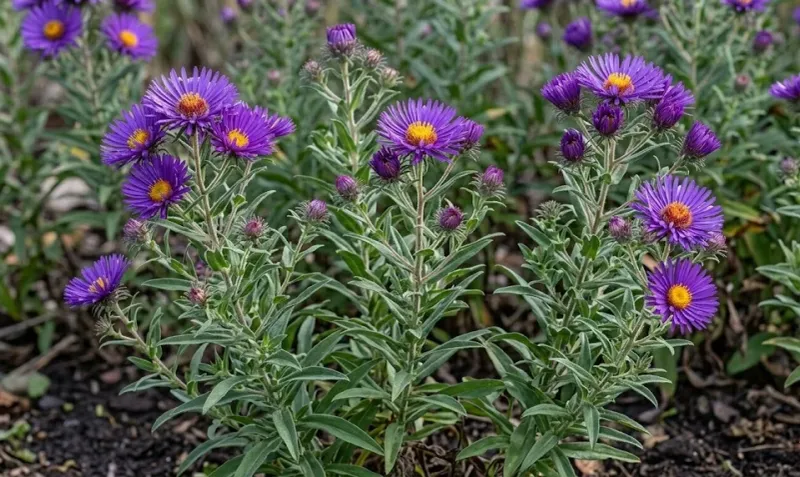
One of the reasons New England Aster fits so well into many Michigan landscapes is that it naturally grows in places that hold moisture.
Along stream banks, in low meadow areas, and at the edges of wetland borders, this wildflower is at home in soil that stays consistently damp through the growing season.
That makes it a natural fit for parts of a Michigan yard that other plants struggle with.
Rain gardens, low spots near downspouts, moist borders along fences, and areas that stay wet after heavy summer storms are all worth considering for New England Aster.
In those conditions, the plant tends to grow robustly, producing dense, leafy stems that support a heavy load of late-season blooms.
Dry, sandy soil is a harder situation. The plant can manage short dry periods, but prolonged drought tends to stress it and reduce flowering.
Average garden soil that retains some moisture works fine as a middle ground. Adding organic matter like compost to the planting area before putting New England Aster in the ground can help improve moisture retention in sandier Michigan soils.
Mulching around the base of the plant also helps keep the root zone from drying out too quickly during hot August weather.
Getting the soil conditions close to right from the beginning makes a real difference in how well the plant fills in and how many blooms it produces when late summer finally arrives.
6. Tall Stems Need Room To Shine
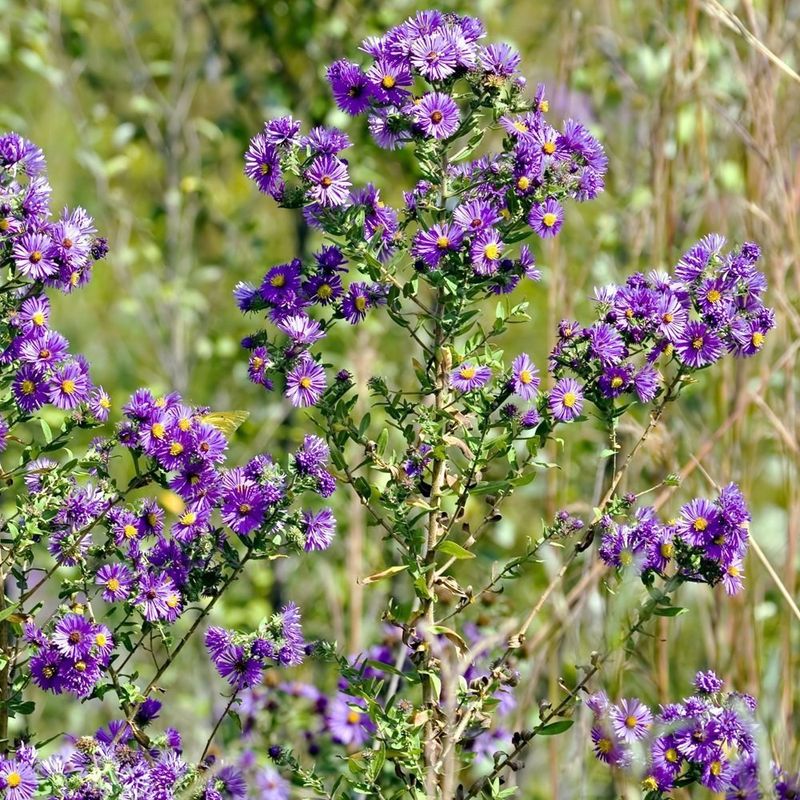
Anyone who plants New England Aster without checking its mature height first tends to be surprised come August. This is not a compact, front-of-the-border plant.
Depending on the growing conditions, New England Aster can reach four to six feet tall, and in rich, moist soil with full sun, it sometimes grows even taller. That kind of height needs to be planned for, not discovered after the fact.
The tall stems are actually one of the plant’s most appealing features when they are placed correctly.
At the back of a perennial border, along a fence line, or in a naturalistic meadow-style planting, those tall stems create a vertical presence that shorter plants simply cannot match.
The blooms at the top of each stem catch the eye from across the yard, and the overall effect can look dramatic in a very natural, unforced way.
Pinching the stems back in late spring or early summer is a common approach Michigan gardeners use to reduce the final height and encourage more branching.
Cutting the stems back by about one-third in May or June tends to produce a shorter, bushier plant with more flower clusters rather than fewer blooms on very tall stems.
This is not required, but it is a useful option for gardeners who want to keep New England Aster a little more contained without losing the late-summer color show it delivers so reliably in Michigan yards.
7. Native Habitats Explain Its Flexibility
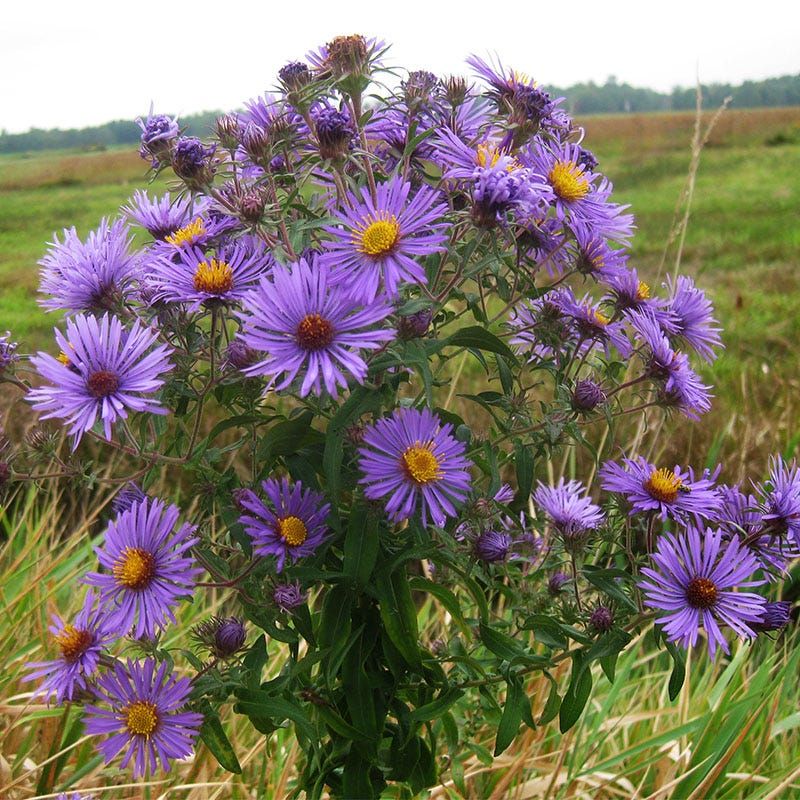
Across Michigan, New England Aster grows in a surprisingly wide range of natural settings. Roadsides, open meadows, prairie remnants, forest edges, streambanks, and moist lowland areas all support this plant in the wild.
That broad natural range says something important about how adaptable it can be in a home landscape, as long as the basic conditions of sun and adequate moisture are reasonably close to met.
That adaptability comes from a long history of growing alongside a wide mix of Michigan plants and soils. New England Aster is not a delicate specialist that requires a very specific environment to survive.
It is a tough, resilient native wildflower that has been part of Michigan’s plant communities for a very long time.
That background makes it forgiving of minor variations in soil type, pH, and site conditions that might cause problems for plants with narrower environmental requirements.
For Michigan gardeners working with challenging spots like low wet areas, sunny edges that dry out in summer, or transitions between a maintained lawn and a naturalistic planting, New England Aster is worth considering.
It tends to bridge those conditions better than many alternatives, making it a practical choice for spots that are hard to plant well.
It is not a cure-all, and it still performs best when the site leans toward its preferred conditions.
But its native habitat range across Michigan suggests it has more flexibility than many garden plants, making it a reasonable choice for a wider variety of landscape situations.
8. Fall Color Extends The Show

Most gardeners think of fall color in terms of tree foliage, but the flower garden can hold onto color well into September and even October if the right plants are in place.
New England Aster is one of the best options Michigan gardeners have for bridging that gap between the last summer blooms and the full arrival of autumn.
Its flowers often remain open through light frosts, giving the garden a colorful anchor even as the season changes around it.
The purple blooms look especially striking when they appear alongside the warm tones that fall brings to a Michigan yard.
Gold and amber grasses, russet coneflower seed heads, and the early color of turning leaves all create a backdrop that makes the purple flowers stand out even more than they do in August.
The contrast is not something you have to engineer carefully. It tends to happen naturally as the season progresses and the garden shifts into its autumn character.
After the blooms fade, the seed heads that remain on New England Aster stems have their own quiet appeal. Small birds, including goldfinches, sometimes visit the spent flower heads to forage for seeds in late fall.
Leaving the stems standing through winter rather than cutting them back immediately provides a small but real benefit for wildlife in a Michigan yard. It also gives the garden a bit of natural structure during the quieter months before spring growth begins again.