The Little Songbird More Pennsylvanians Are Spotting This Fall
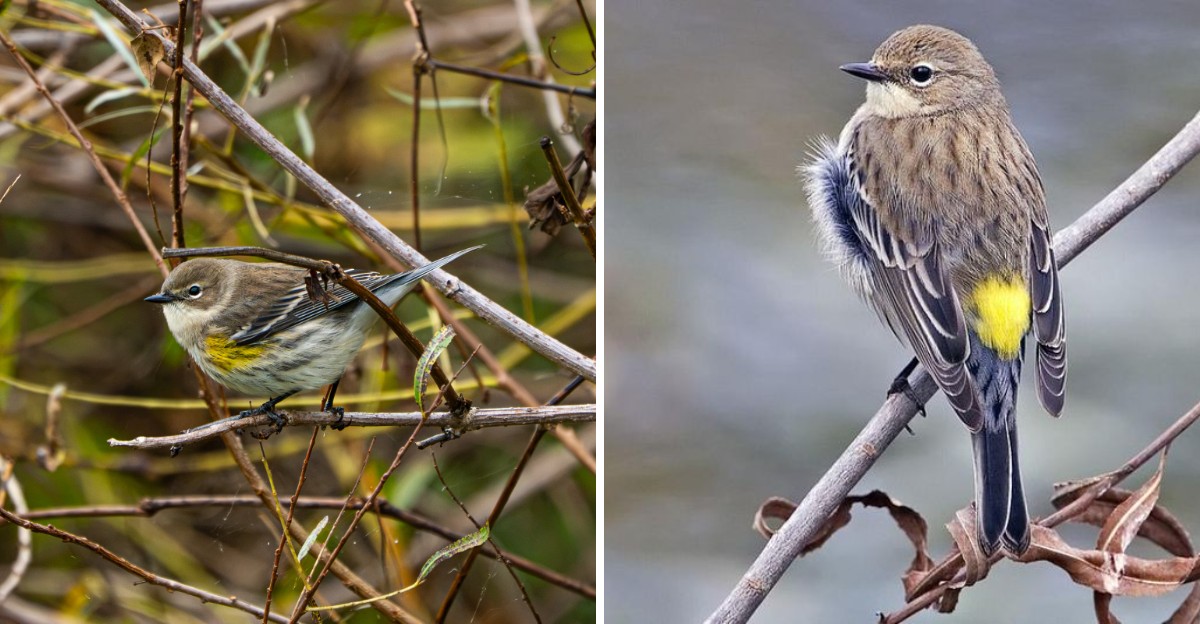
A bird lighter than two nickels can fly hundreds of miles in a single night. It does this in the dark, steering by the stars and Earth’s magnetic field.
Right now, waves of these tiny travelers are pouring south over Pennsylvania. Radar picks them up after sunset like glitter spilling across the map. By morning, they drop into trees, hedges, and backyard gardens to rest and eat.
I love how a quiet fall morning can suddenly fill with soft chips and flickering wings. Many of these visitors are youngsters on their very first trip. Their plain fall feathers make them tricky to name, even for seasoned birders.
You may have already hosted one without knowing it. Personally, I think the answer will change how you see your garden. Here’s the little bird that keeps showing up in your shrubs, and what is it looking for.
Those Tiny Birds Flickering Through Your Fall Maple Leaves Showed Up For A Reason
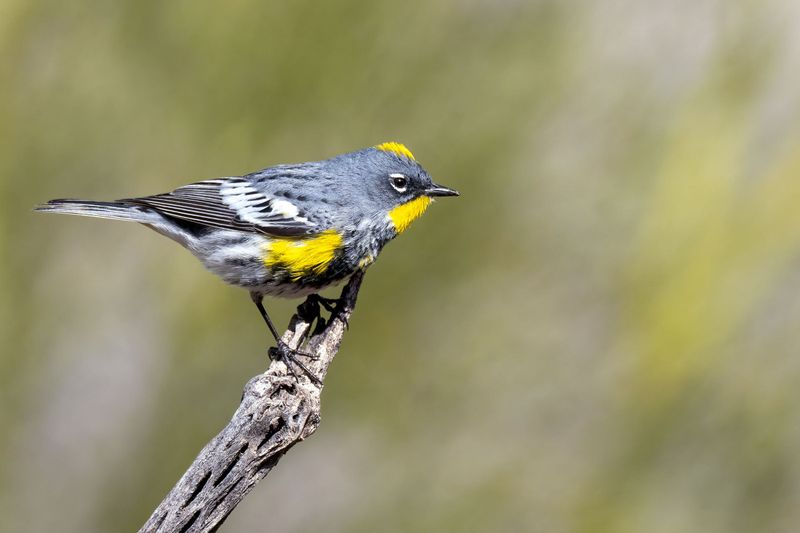
Early one September morning, my dogwood looked like it was shaking on its own. A closer look showed half a dozen tiny birds hopping through the branches, grabbing caterpillars as fast as they could.
Those busy little visitors were warblers, and fall is when you are most likely to notice them. Spring brings them through quickly in their brightest colors.
Autumn, though, brings far more birds because every adult is now joined by the young ones hatched this summer.
Bird scientists estimate that around four billion birds migrate south across the United States each fall. A big share of them are small songbirds that travel at night. Warblers are among the most common of those night flyers.
Shorter days are the main trigger for the trip. As daylight fades, hormones push these birds to eat more and store fat for the long flight. Many head to the southern U.S., Mexico, the Caribbean, or South America.
So the jump in sightings is not a strange new trend. It is a normal, yearly event that many people simply overlook. Once you know to look, you will start spotting these birds in places you walk past every day.
Yellow-Rumped Warblers Are Probably The Little Birds In Your Bushes
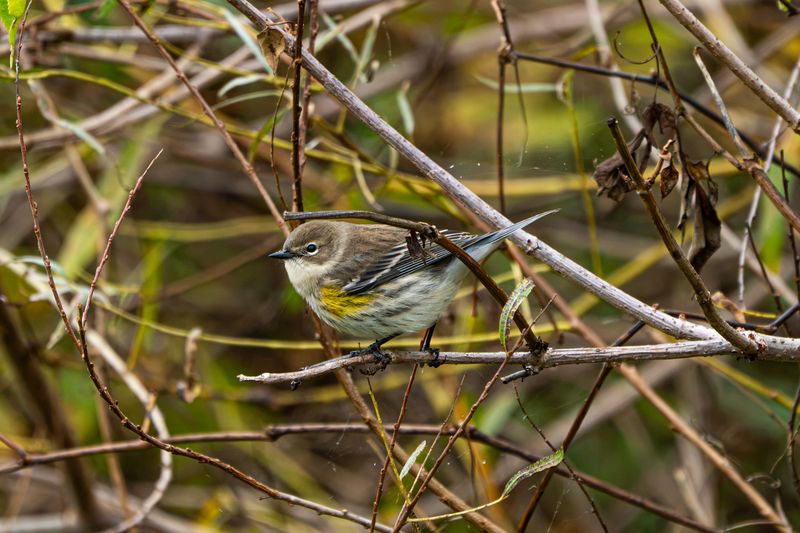
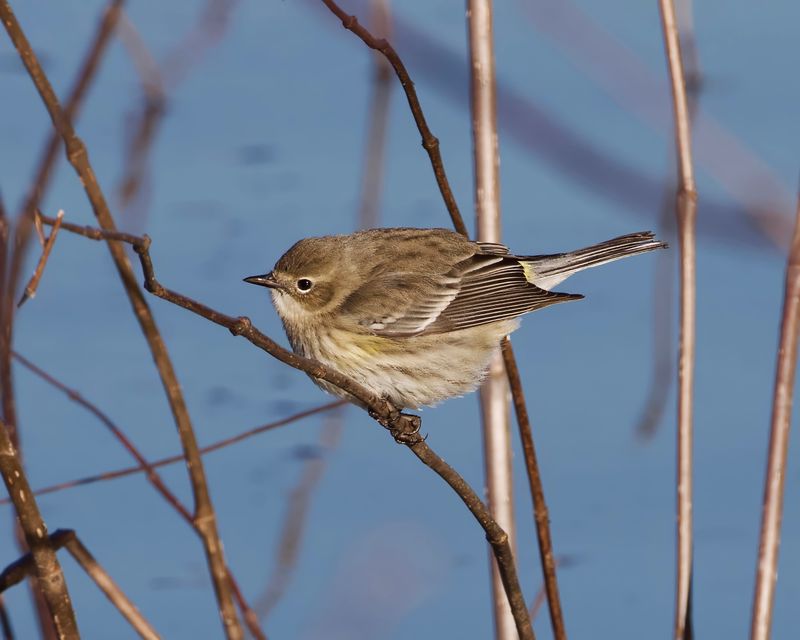
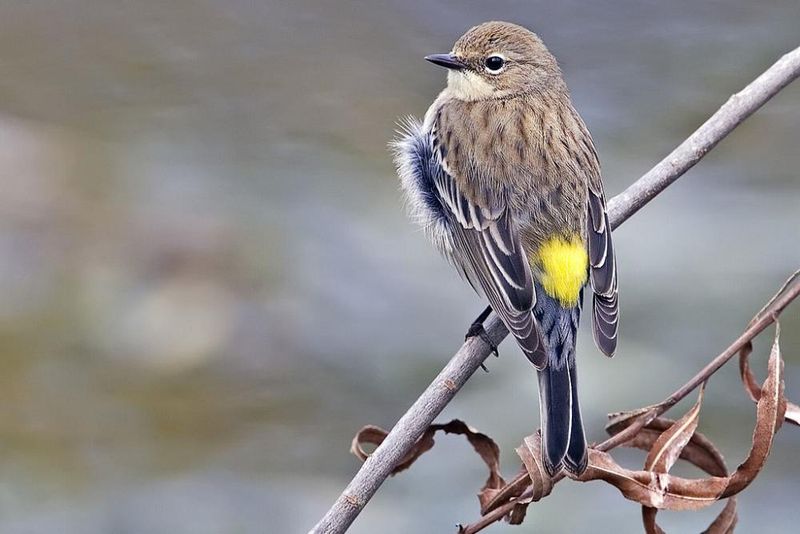
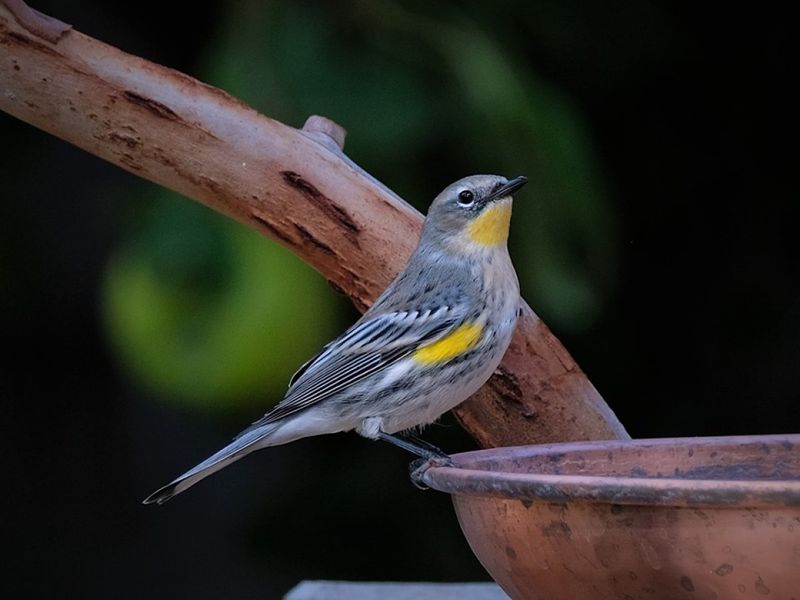
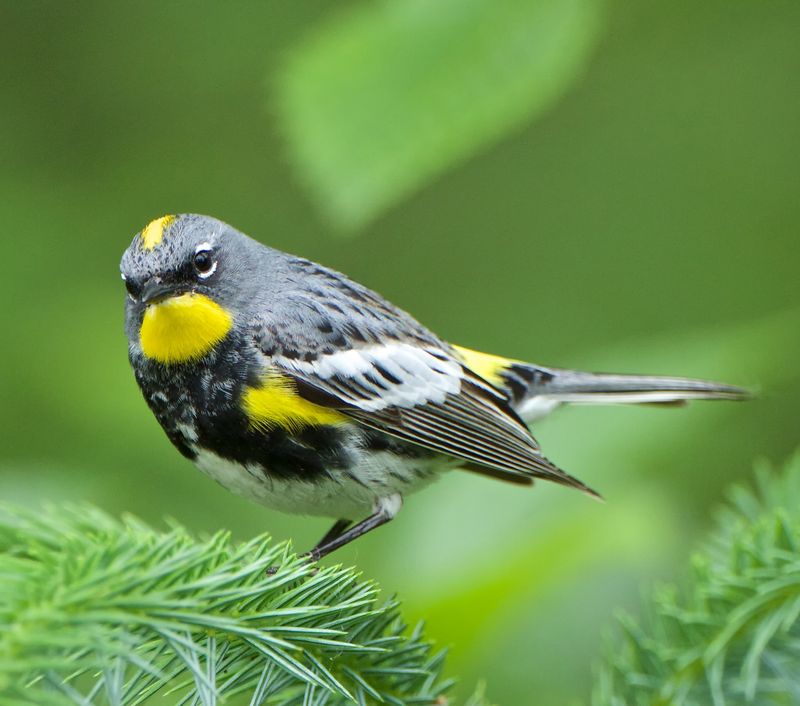
Birders have a cheerful nickname for this one. They call it the butter-butt, thanks to the bright yellow patch right above its tail.
The Yellow-rumped Warbler is the warbler you are most likely to see in Pennsylvania during fall.
It arrives a bit later than many cousins, with big numbers often showing up in October. On a good day, you might see dozens moving through one patch of trees.
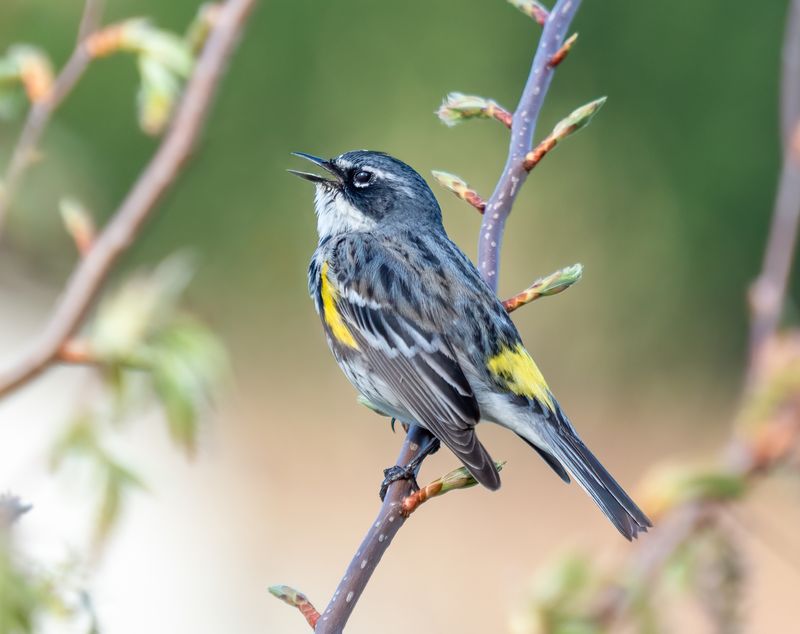
In fall, most of them look streaky brown and gray instead of their crisp spring colors. Look for that yellow rump when one flies away. You may also catch small yellow patches on the sides near the wings.
One fact makes this bird stand out from its relatives. It can digest the waxy coating on bayberry and wax myrtle berries, which most warblers cannot handle. That trick lets it survive colder weather than other warblers.
Because of that special diet, some Yellow-rumped Warblers stay in the state through winter, especially in the southeast.
So if you see a small warbler in December, this is your best guess. Their sharp little check call is a helpful clue too.
Night Flights Along The Atlantic Flyway Send Warblers Into Your Yard By Sunrise
Most of the action happens while you sleep. Warblers usually take off shortly after sunset and fly through much of the night.
Flying in the dark helps them avoid hawks and stay cool. It also frees up daylight hours for eating.
Weather radar often shows huge clouds of birds lifting off right after dusk, especially on clear nights with north winds.
Pennsylvania sits within the Atlantic Flyway, a broad path many birds follow between Canada and points south. Ridges, river valleys, and the coastline help guide them along the way.
Timing matters if you want to see the most birds. Fall warbler movement starts in late August and runs into October. Mid-September is often the peak for many species, while Yellow-rumped Warblers stick around later.
My favorite trick is checking a migration forecast site like BirdCast the evening before. If it predicts a heavy night, I head outside early the next morning with coffee and binoculars. The first two or three hours after sunrise are usually the busiest.
Cold fronts often bring the biggest waves. After one passes, step outside and listen. Your yard might be packed with tired travelers looking for breakfast.
Follow The Chickadee Flock To Find Hidden Warblers
Chickadees make wonderful tour guides. When you hear their noisy chick-a-dee-dee-dee calls in fall, warblers are often tagging along nearby.
Birders call these groups mixed flocks. Migrants seem to join local chickadees and titmice because those residents know where food is and sound the alarm when a hawk appears. It is a smart partnership for a bird passing through unfamiliar woods.
Your ears will help more than your eyes at first. Fall warblers rarely sing their full spring songs. Instead, they give soft, short chip notes as they feed, so stop and listen for little ticks in the leaves.
Sunny edges are worth checking first. Insects warm up there, so warblers gather where woods meet yards, fields, or streams. Watch for quick motion, like a bird flicking from twig to twig or hovering to snatch a bug.
A pair of 8×42 binoculars works well for most people. Keep them by the back door so you can grab them fast.
A free app like Merlin from the Cornell Lab can also help you match calls and photos. Patience wins here. Stand still, let the flock come to you, and enjoy the show.
Confusing Fall Warblers Can Stump Even Expert Birdwatchers
A famous bird guide from 1934 included a page labeled confusing fall warblers. Nearly a century later, birders still use that phrase with a smile and a sigh.
The trouble comes from two things. Many adults swap their bright breeding feathers for duller ones after summer. Young birds on their first trip look even plainer, often greenish, grayish, or pale yellow.
A Blackpoll Warbler is a great example. In spring, the male wears a sharp black cap. In fall, it looks olive and streaky, though its yellowish feet can still give it away.
Some species stay easier to spot. Black-throated Blue Warblers often keep a small white patch on the wing. Black-throated Green Warblers usually show a yellow face, even in autumn.
Other visitors you might see include Magnolia, Cape May, Tennessee, Nashville, and Palm Warblers. Palm Warblers are a fun one because they bob their tails while feeding near the ground.
My advice is to focus on one or two clues per bird. Check wing bars, face pattern, tail spots, and behavior. Snap a photo if you can, and do not stress if a few remain mysteries.
Native Dogwood And Bayberry Shrubs Turn Your Garden Into A Warbler Snack Bar
Planting for warblers is one of my favorite garden projects. The right native shrubs feed them twice, first with insects and later with berries.
Bugs are the main fuel for most warblers. Native oaks, cherries, and willows support hundreds of caterpillar species, according to research from the University of Delaware. Even one native oak can make your yard a busy stopover.
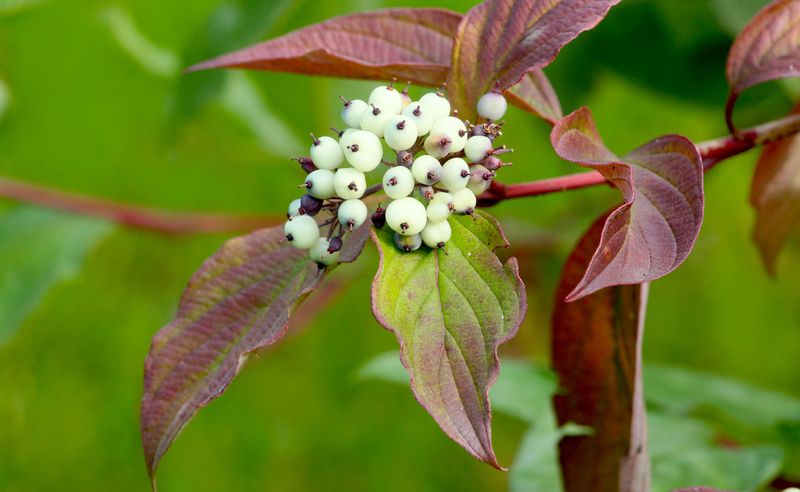
Fall fruit matters too, especially as insects get scarce. Gray dogwood, silky dogwood, and flowering dogwood offer fat-rich berries right when migrants need them.
Arrowwood viburnum, spicebush, and serviceberry are also smart picks for many Pennsylvania yards.
Northern bayberry deserves a special spot if you want Yellow-rumped Warblers. Its waxy gray berries can feed them well into cold months. It handles poor, sandy, or salty soil nicely.
Skip invasive shrubs like burning bush, Japanese barberry, and bush honeysuckle. They spread into woods and offer lower-quality food than native options.
Fall is a fine time to plant many shrubs while soil stays warm. Check with Penn State Extension for choices that fit your region, since conditions in Erie differ from those near Philadelphia. Water new plantings until the ground freezes.
Messy Flower Beds And A Shallow Bird Bath Keep Warblers Coming Back
Good news for tired gardeners comes in the form of permission to relax. A slightly untidy fall garden is a better place for migrating birds.
Standing goldenrod, asters, and other native perennials hold tiny insects and seeds well into autumn.
Warblers pick through these stems for spiders, aphids, and caterpillars. Cutting everything back in October takes that food away just when visitors arrive.
Leaf litter helps as well. Rake leaves off the lawn into flower beds instead of bagging them. Insects that overwinter there will feed resident birds next spring.
Water may draw more warblers than anything else you add. A shallow bird bath, one to two inches deep, gives them a spot to drink and bathe. Moving water works like a magnet, so a small dripper or bubbler is worth trying.
Clean the bath every few days with a scrub brush and fresh water. That simple habit reduces the spread of germs among birds.
Please avoid insecticides in fall. These birds rely on bugs, and sprays reduce what they can find. Let your garden stay a little wild, and the birds will thank you with their company.
Turning Off Porch Lights And Marking Windows Helps Warblers Finish Their Trip
Bright lights at night can pull warblers off course. Glass windows by day can confuse them even more.
Researchers estimate that up to a billion birds strike buildings in the United States each year. Night migrants like warblers are among the most affected. Many of those hits happen at ordinary homes, not just tall city towers.
You can help with a few easy steps. Turn off outdoor lights you do not need from about 11 p.m. to dawn during migration. Close blinds at night, and use motion sensors for safety lighting.
Windows need attention too. Place decals, tape strips, or dot patterns no more than two inches apart on the outside of large panes.
Screens and exterior netting work well. Feeders should sit either within three feet of a window or more than thirty feet away.
Programs like Lights Out Philly and Lights Out Pittsburgh encourage these steps each spring and fall. Joining in costs almost nothing.
Finally, share what you see. Logging sightings on eBird helps scientists track how warblers are doing. A native shrub, a dimmed porch light, and a few notes can make your yard a safe stop for these tiny travelers.