The Meaning Behind A Groundhog Living Under Your Pennsylvania Porch

Something is digging beneath your porch in Pennsylvania, and it did not pick that spot without reason. Every square foot you walk across was already measured for warmth, drainage, and distance from danger.
Groundhogs read your foundation the way inspectors do, only faster and without permission. Pennsylvania’s clay soil and angled foundations practically hand your porch over to them before you notice.
Rarely do you get a clear signal before the damage becomes obvious. Beneath your feet, instinct is running calculations older than the house you live in.
Nothing about this visitor is careless, and nothing about your patience matters to it. Ignoring the signs only buys you a shorter window to respond.
Wait too long, and you will be sharing that porch with a groundhog you did not agree to house.
Your Porch Offers Ideal Shelter And Camouflage
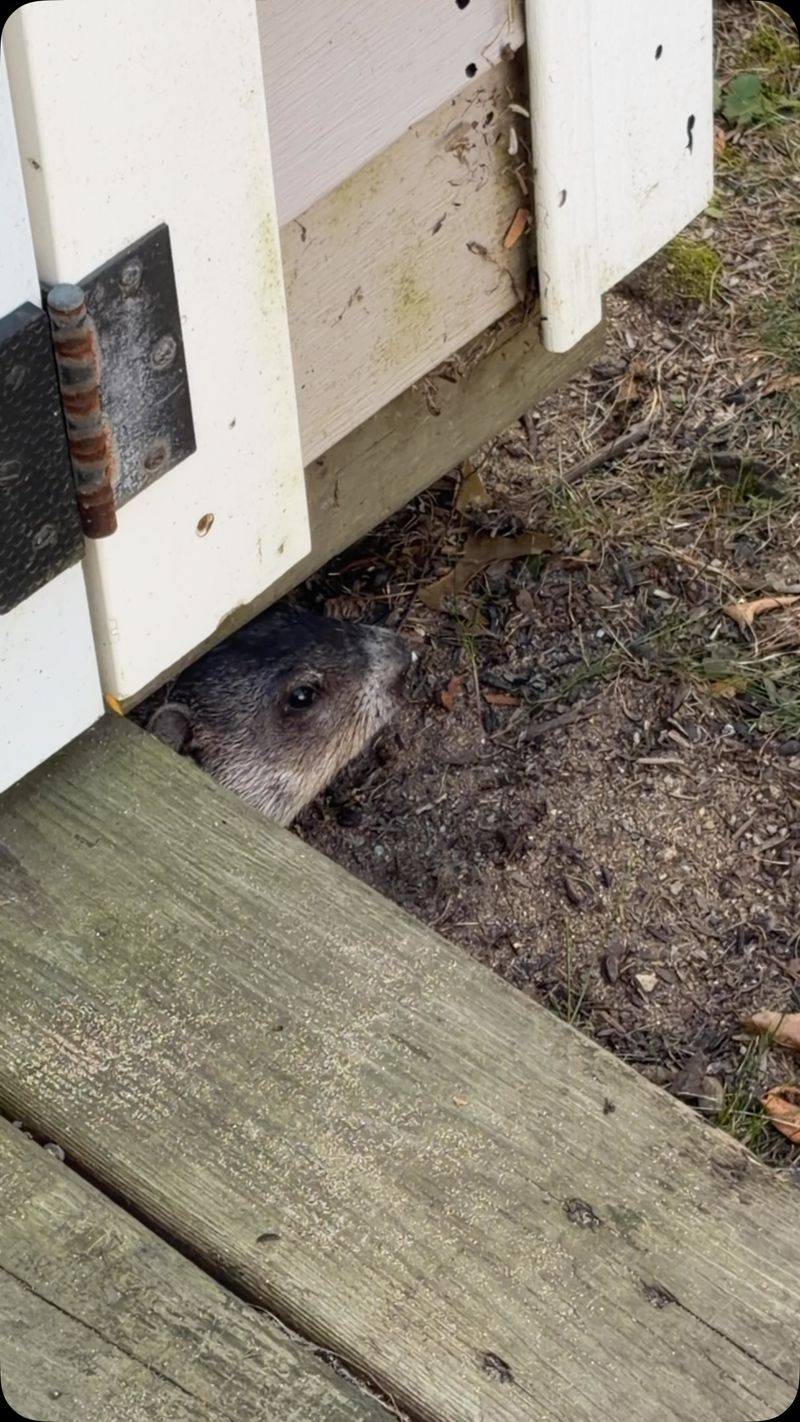
Groundhogs are picky about real estate, and your porch just passed their inspection. The space beneath a deck or porch gives them exactly what they look for: shade, cover, and a solid roof overhead.
A porch blocks rain and harsh sun while hiding the entrance from hawks and foxes. Those predators rely on open sightlines to spot prey, so a shaded crawl space removes their biggest advantage entirely.
The boards above muffle sound and reduce vibrations from foot traffic. That insulation makes your porch feel calm and predictable, two qualities a groundhog prizes above almost anything else.
Wooden lattice, stone skirts, and overgrown shrubs near the base add even more camouflage. The groundhog can slip in and out without being spotted, which lowers its stress and encourages it to stay long-term.
Porches also hold heat in cooler months and stay cool during summer. That temperature stability mirrors the conditions of a natural burrow dug deep into a hillside, so the animal feels right at home.
Your porch is not just convenient for the groundhog; it is genuinely superior to most natural options nearby. Loose soil, a flat yard, or an open field cannot compete with ready-made overhead protection.
Once a groundhog finds a spot this good, it commits fully. Seasonal exits become predictable, and the animal returns year after year unless something changes in the environment around it.
Signs Point To An Established Den
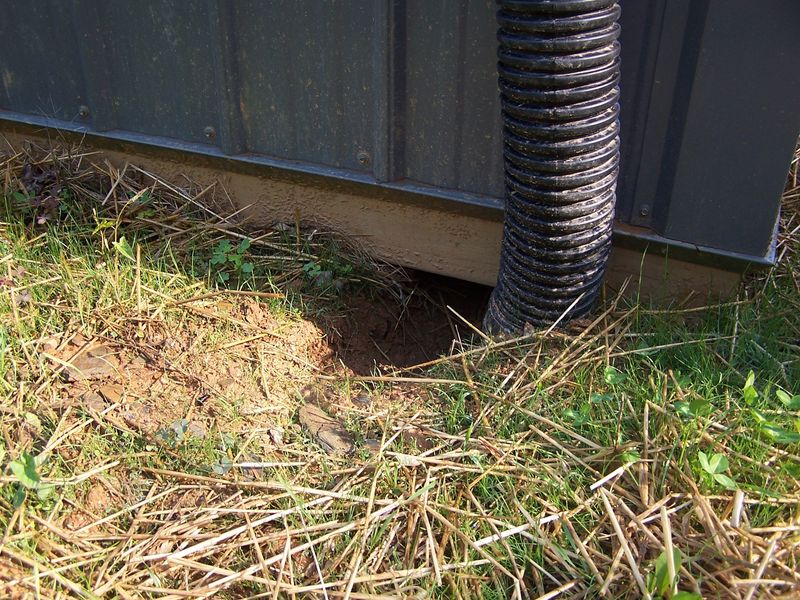
Fresh dirt piled near your porch steps is the clearest sign you have a resident, not just a visitor. Groundhogs can excavate several hundred pounds of soil when building a new burrow.
That mound appears quickly, sometimes overnight, and the entrance hole usually measures 10 to 12 inches wide. Finding one clean, circular opening means the groundhog is still actively using it.
Multiple holes near the same structure suggest a more complex tunnel system. Groundhogs often dig a main entrance, a hidden back exit, and sometimes a separate chamber for sleeping.
Worn grass paths leading to the hole are another giveaway. Animals are creatures of habit, and a groundhog walks the same route every day until the vegetation simply gives up and disappears.
Droppings near the entrance confirm regular activity. The pellets are small, dark, and oval, similar in size to rabbit droppings but slightly more elongated.
Your Pennsylvania Garden Changes Every Week. Your Plan Should Too.
Gardening in Pennsylvania changes quickly throughout the season. Every Friday you’ll receive a simple weekly plan showing exactly what to plant, prune, fertilize, harvest, and protect so you never miss the right timing.
Scratch marks on nearby wood or soil show where the animal has been grooming its claws. Groundhogs keep their claws sharp because digging is how they survive.
If you spot shed fur caught on rough edges near the hole, the burrow has been used for more than a few days. Long-term residents leave behind a trail of evidence that tells the full story of how settled they have become beneath your porch.
Nearby Food And Water Keep Them Close

A groundhog does not stumble onto your porch by accident. It scouted your yard first and liked what it found in terms of food and water nearby.
Clover, dandelions, and tall grass are groundhog favorites, and most Pennsylvania lawns offer all three. A yard that goes unmowed for even a week becomes a buffet for a hungry woodchuck.
Vegetable gardens are a massive draw. Groundhogs love beans, lettuce, peas, and almost anything you planted with care and hope this spring.
Fruit that drops from trees also attracts them. Fallen apples, pears, or berries provide a high-sugar snack that groundhogs eagerly add to their daily routine.
Bird baths and pet water bowls left outside provide reliable hydration. Groundhogs need water, especially during dry summer stretches when natural sources shrink or disappear.
Compost bins without tight lids are another magnet. Food scraps sitting in an open pile send a scent signal that travels far on a warm afternoon breeze.
Even flower beds attract them because groundhogs eat roots and bulbs below the soil surface. You might not notice the damage until a plant simply stops growing and you dig down to find nothing left.
Cutting off these food and water sources is one of the most effective ways to make your yard less appealing. A groundhog that cannot eat well near your home will eventually search for a better location.
Foundation Damage Becomes A Real Concern
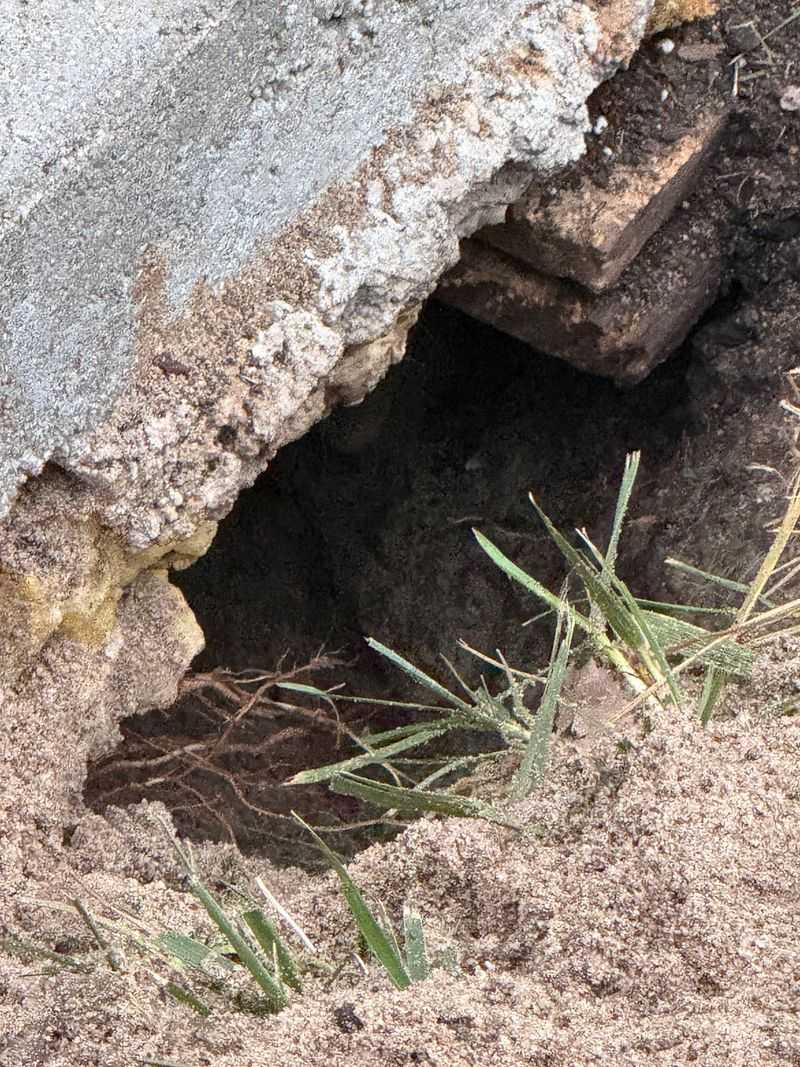
Cute as they look, groundhogs can quietly cause serious structural problems beneath your porch. Their tunnels can extend 5 feet deep and stretch 25 to 30 feet in length.
When those tunnels run beneath a concrete footer or support post, the soil underneath loses compaction. Loose soil no longer holds weight the way packed earth does, and that shift creates real risk.
Over time, a porch or deck above a compromised tunnel system can begin to settle unevenly. You might notice a slight tilt, a sticking door, or cracks appearing in the concrete near the steps.
Water follows tunnel paths during heavy rain. When a burrow channels runoff directly toward your foundation, moisture problems can develop in areas that were previously dry and stable.
Frost heave worsens the issue in winter. Soil that has been loosened by digging shifts more dramatically when it freezes and thaws, speeding up any settling that is already happening.
Electrical conduit, plumbing lines, and buried irrigation pipes can all sit within a groundhog’s digging range. An accidental nick in any of those systems creates an expensive repair situation fast.
Catching the problem early keeps costs manageable. A burrow that has existed for one season is far easier to address than one that has been expanding for three or four years beneath your home.
Ignoring an active burrow rarely stays cheap for long. Address it before the tunnel network spreads further under your foundation.
Pennsylvania Rules Affect Your Removal Options
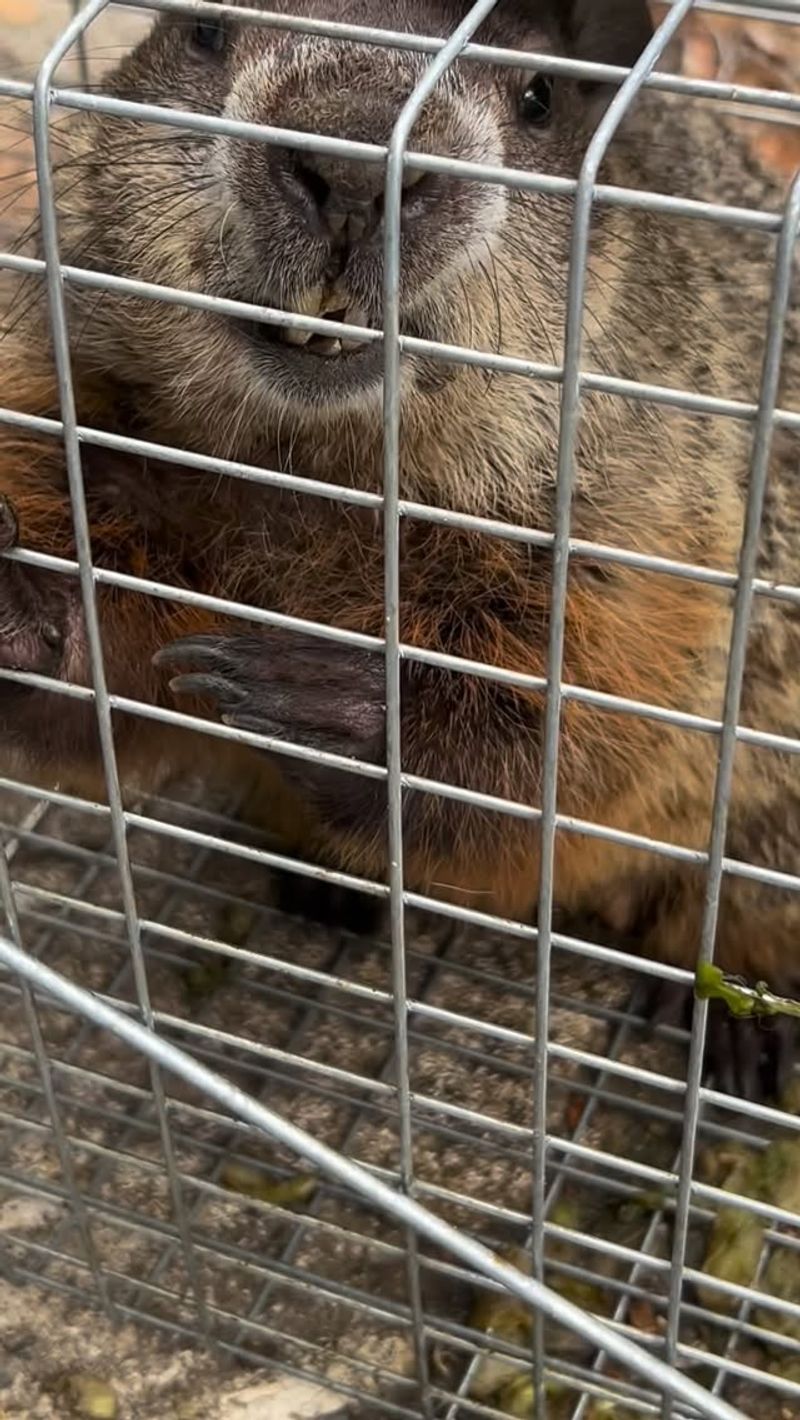
Before you grab a trap or call a neighbor with a truck, know that groundhog removal in Pennsylvania comes with legal guidelines. Ignoring those rules can lead to fines you did not expect.
Groundhogs are classified as a game species in Pennsylvania with a set hunting and trapping season, though landowners can remove groundhogs causing property damage outside that season under separate nuisance provisions.
Live trapping is the most common approach and is generally accepted under state guidelines. A wire cage trap baited with cantaloupe, sweet corn, or apple slices works well for luring a groundhog inside.
The tricky part comes after the catch. Releasing a trapped groundhog on public land without permission is illegal in Pennsylvania, so you need a plan before you set the trap.
Because groundhogs are classified as a rabies vector species in Pennsylvania, relocating them to another property is generally not permitted. On-site release or professional removal is the standard, legally compliant path.
Lethal trapping is allowed during certain seasons and with specific equipment, but local ordinances in some townships add extra restrictions. Checking with your county extension office clears up any local rules that apply to your address.
Hiring a licensed wildlife removal company removes all the guesswork. These professionals know the current regulations and handle transport and release in ways that keep you on the right side of the law every step of the way.
Prevention Stops Them From Returning
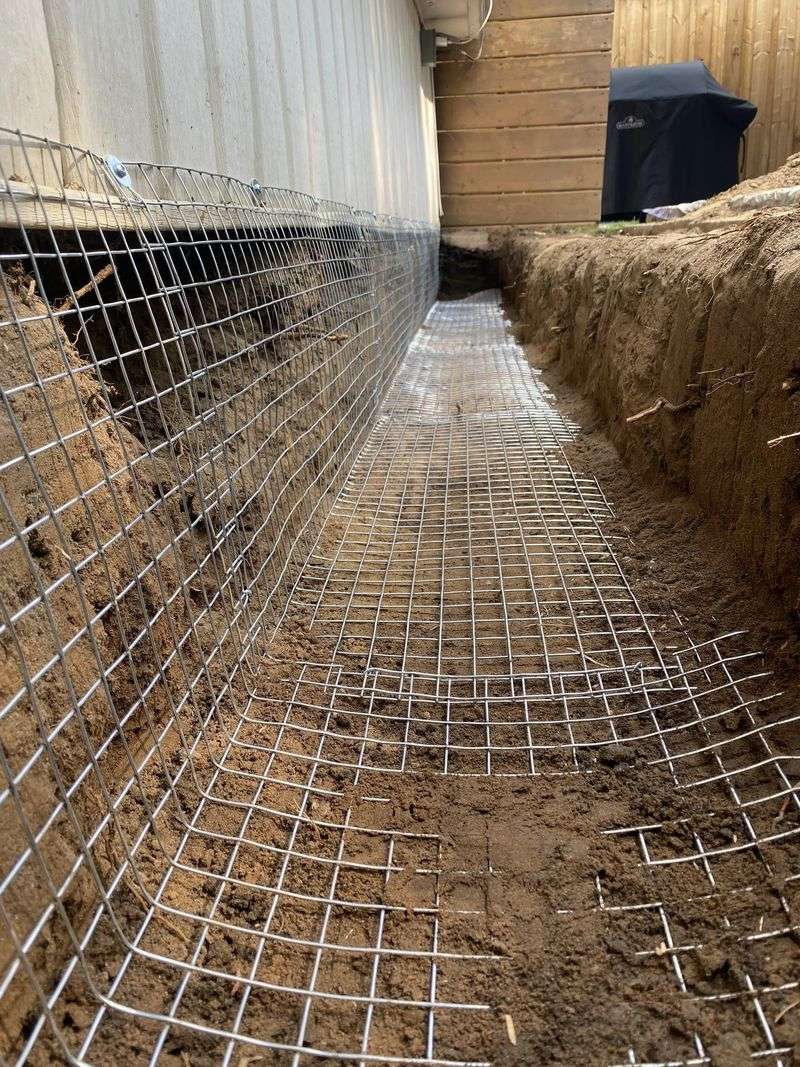
Getting rid of a groundhog is only half the job. Without prevention, a new one moves in within weeks because your porch is still advertising vacancy.
Hardware cloth is the gold standard for blocking future entry. Use a half-inch galvanized wire mesh and bury it at least 12 inches deep around the entire porch perimeter.
Bend the bottom of the mesh outward at an L-shape before burying it. That design stops a determined groundhog from digging straight down and curling underneath the barrier.
Fill the existing burrow with gravel, dirt, and a scent deterrent like ammonia-soaked rags. Packing the tunnel tightly removes the easy shortcut and makes the space less inviting right away.
Trim back shrubs, overgrown grass, and low-hanging plants near the porch. Removing that ground-level cover takes away the camouflage a groundhog needs to feel safe approaching your home.
Castor oil granules spread around the porch perimeter irritate a groundhog’s senses without harming it. Reapply after rain for consistent results through the warmer months.
Motion-activated sprinklers provide a startling but harmless deterrent. A sudden burst of water trains the animal to associate your yard with discomfort, nudging it toward quieter territory.
Opportunity is what draws a groundhog in, and opportunity is what keeps it away. Close it off with physical barriers and habitat changes, and your porch stays clear.