The Meaning Behind Seeing A Barred Owl In Your Pennsylvania Yard
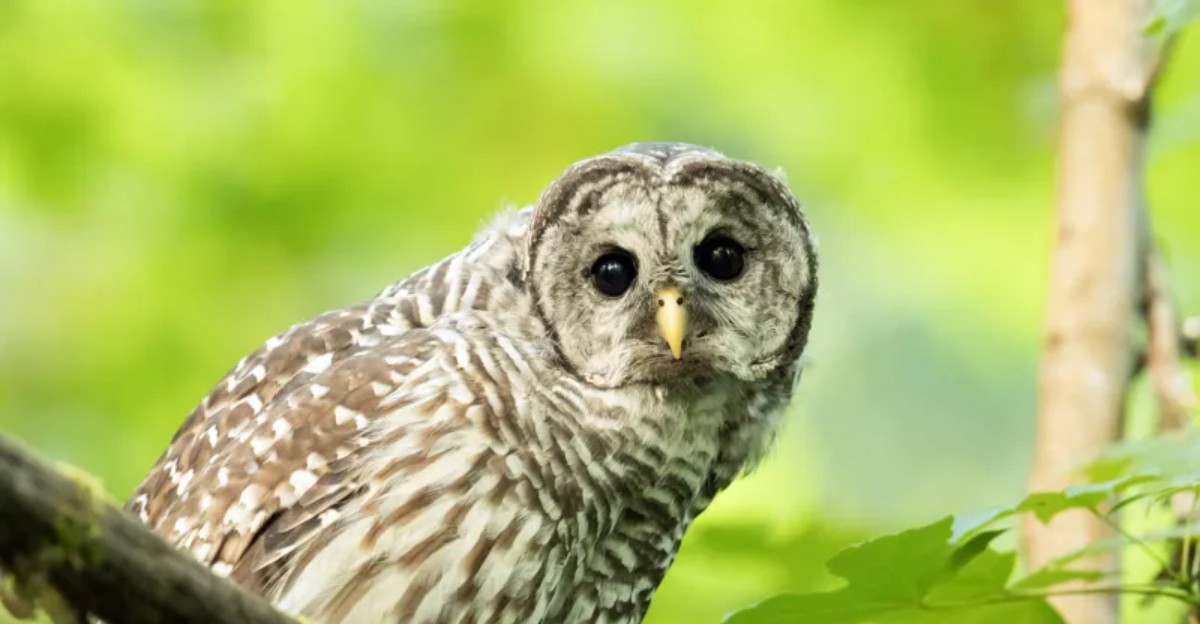
Hearing a barred owl in your Pennsylvania yard after dark is one thing. Actually seeing one is something else entirely.
Those large dark eyes, the soft barred plumage, the absolute stillness it holds while watching you from a branch, there is something about a barred owl up close that makes a person go quiet in return. It’s an encounter that tends to stay with you.
And if one has been showing up in your yard with any regularity, the question of what it means is one worth sitting with.
Barred owls don’t appear in residential yards without reason. They’re territorial birds with specific habitat requirements, and a yard that keeps attracting one is offering conditions that meet their needs consistently.
Their presence tells you something real about your local ecosystem, your tree cover, and the small mammal activity happening in and around your property. Here’s what a barred owl in your Pennsylvania yard is really telling you.
1. Your Yard Is Near Suitable Forest Habitat
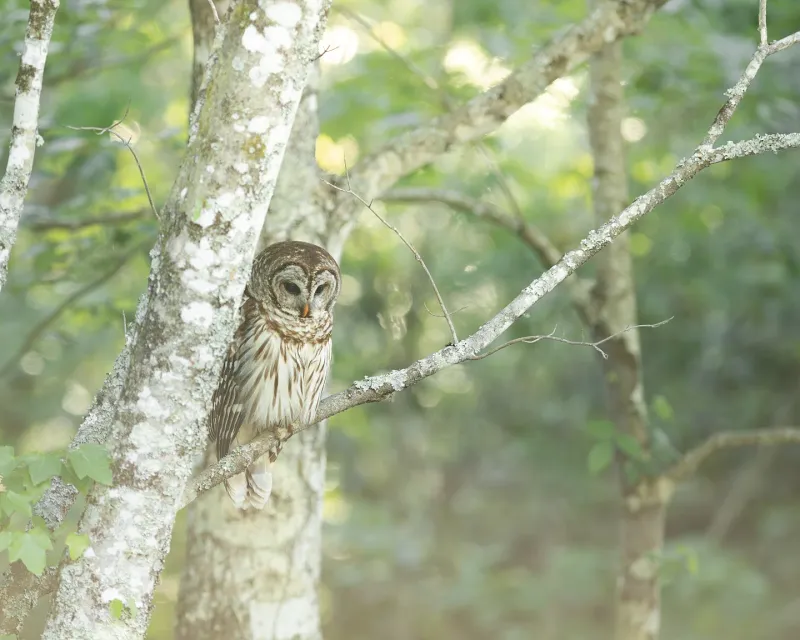
One of the biggest clues an owl gives you is about the land itself. Barred owls love mature forests filled with tall, older trees.
If one lands in your yard, chances are your property sits close to woods these birds already call home. They rarely wander far from thick tree cover, so their presence hints that a healthy forest is nearby.
Pennsylvania has plenty of wooded areas, from state parks to quiet neighborhood groves. Yards that border creeks, wetlands, or leafy corridors often attract these owls because the habitat feels safe and familiar.
The trees near your home might be acting like a natural bridge. Owls use connected patches of forest to travel and hunt, and your yard could be one link in that green chain.
You can encourage this by keeping large trees standing whenever possible. Even a few old oaks or maples can make your property feel welcoming to wildlife.
Think of the owl as a report card for your neighborhood’s nature. Its visit suggests the surrounding land still holds the kind of wild spaces these birds need.
Native plants, shrubs, and leaf litter also help by supporting the smaller creatures owls feed on. A messy, natural corner of the yard often does more good than a perfectly trimmed lawn.
So the next time you hear that classic hoot, remember it is a sign your little slice of Pennsylvania is doing something right. Your yard is part of a bigger, living forest network, and that owl noticed.
2. There Is Enough Prey Nearby
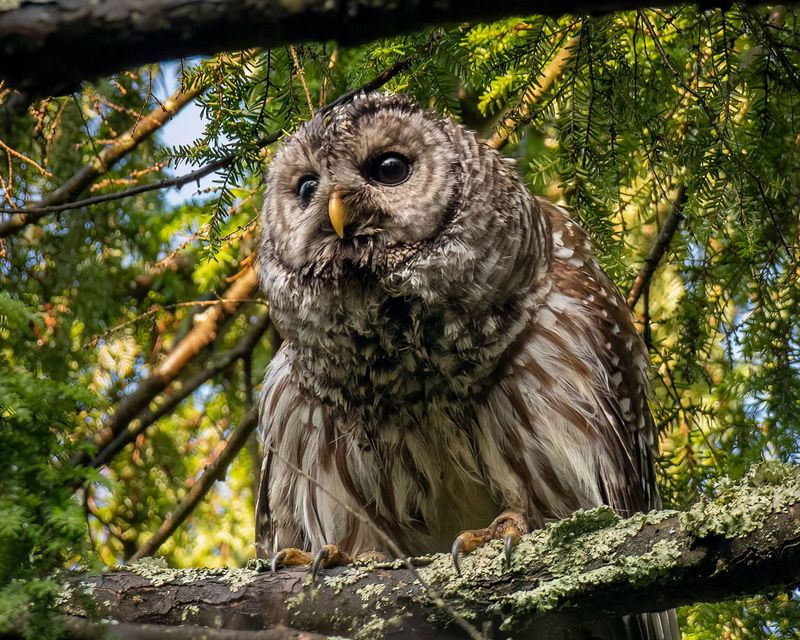
Owls do not stick around places where they cannot find a meal. When a barred owl visits your yard, it often means the local food supply is doing just fine.
These birds enjoy a varied menu. Mice, voles, chipmunks, small birds, frogs, and even crayfish can all end up on the dinner list.
A yard that draws owls usually has plenty of these little creatures scurrying around. Tall grass, brush piles, and garden beds give small animals places to live, which in turn brings hungry owls.
Your Pennsylvania Garden Changes Every Week. Your Plan Should Too.
Gardening in Pennsylvania changes quickly throughout the season. Every Friday you’ll receive a simple weekly plan showing exactly what to plant, prune, fertilize, harvest, and protect so you never miss the right timing.
Water features add even more appeal. Nearby streams or ponds support frogs and other amphibians that barred owls happily snatch up.
This is actually good news for your outdoor space. A visiting owl helps keep rodent numbers in check naturally, without any traps or chemicals.
Farmers and gardeners have long welcomed owls for this reason. One owl can catch many rodents over a single season, protecting plants and stored food.
If you want to keep the food chain healthy, avoid using rodent poisons in your yard. Those poisons can travel up the chain and harm the owls that eat affected animals.
Instead, let nature handle pest control the old-fashioned way. A balanced yard with insects, small mammals, and amphibians becomes a buffet that owls simply cannot resist.
So a sighting is really a compliment. It tells you that life is thriving in the grass and under the leaves, giving that owl every reason to stop by and hunt.
3. The Owl May Be Hunting At Night
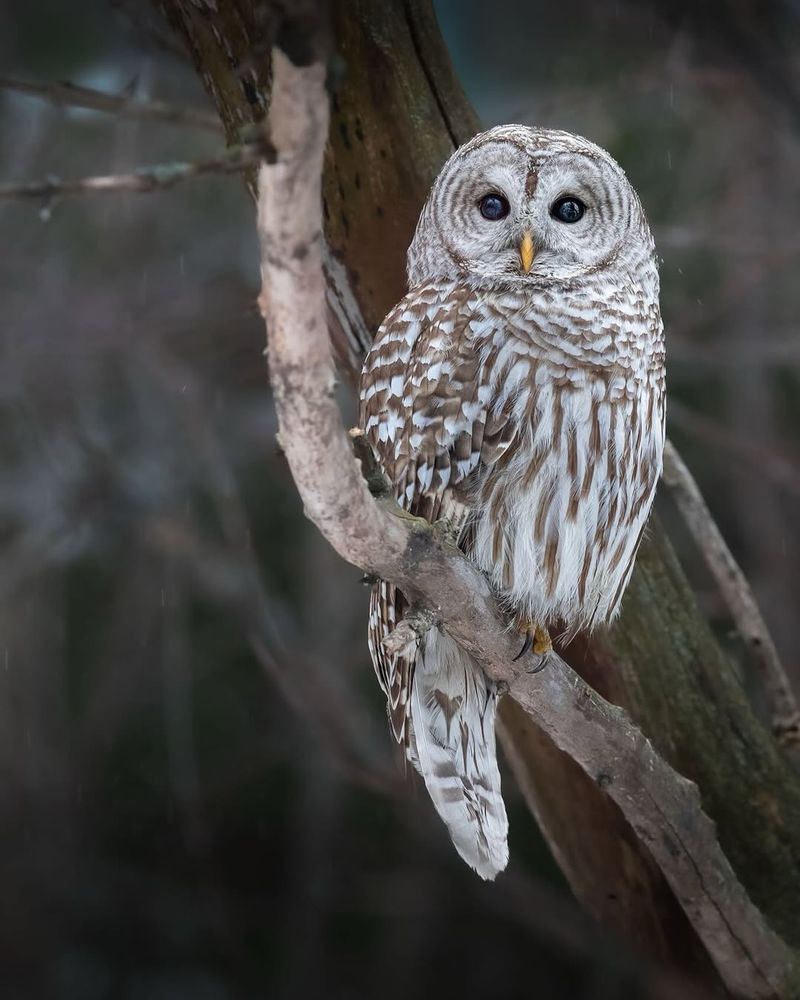
Timing tells a story too. If you catch sight of a barred owl around dusk or after dark, it is probably in full hunting mode.
These owls are most active when the sun goes down. Their sharp hearing and quiet flight make the nighttime the perfect stage for finding food.
Your yard might simply be a stop along their evening route. Owls patrol favorite spots again and again, gliding silently between perches as they search for movement below.
Special feathers let them fly almost without a sound. That silence helps them surprise prey and also explains why they can appear out of nowhere.
Big, forward-facing eyes gather every bit of available light. Combined with amazing hearing, this lets them pinpoint a rustling mouse even in near darkness.
Seeing one at twilight is a treat because that is when they come alive. Standing quietly by a window or on a porch can give you a front-row view of this nightly hunt.
Try to keep bright outdoor lights low if you hope to watch. Harsh lighting can make owls uneasy and may push them to hunt elsewhere.
You might also hear them before you see them. Their eight-note hoot often rings out as they settle in for the night’s work.
Rather than worrying, enjoy the show. A dusk visit means your yard offers good hunting ground and a comfortable place to pause.
Watching an owl work the night shift is one of nature’s quiet wonders, and your backyard just happens to be part of its evening territory.
4. Mature Trees May Be Providing Important Habitat
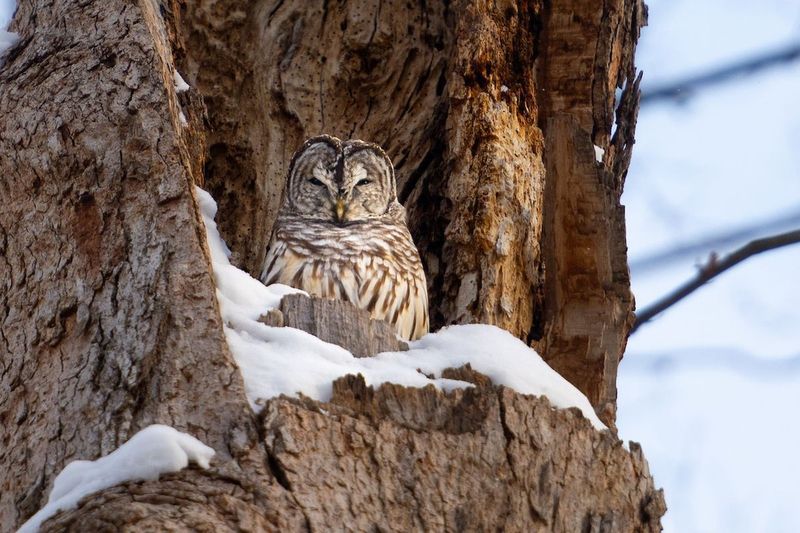
Big old trees are treasures for barred owls. When one shows up, your tall trees may be offering exactly what the bird needs to rest and raise young.
These owls like to roost during the day in thick, shady branches. A large tree gives them cover from the sun and a safe spot to hide from crows and hawks.
They also nest in tree cavities. Hollows left behind by broken limbs or old woodpecker holes make perfect nurseries for owl families.
Yards close to forests often have the kind of aged trees owls seek. If your property holds a giant oak, maple, or sycamore, you may be providing prime real estate.
Owls rarely build their own nests from scratch. Instead, they rely on natural holes or take over old nests from other large birds, so mature trees become truly valuable.
Keeping these trees healthy matters. When it is safe to do so, leaving standing dry trees or hollow trunks can create even more shelter for wildlife.
Planting native trees now is an investment in the future. It takes decades for a tree to grow large enough for owls, so today’s saplings help tomorrow’s birds.
Avoid clearing every fallen branch or trimming away all the thick growth. A little wildness gives owls the privacy they crave.
If you notice an owl returning to the same tree, treat that spot with extra care. It may be roosting or nesting right there.
Your trees are quietly doing important work, offering barred owls a place to sleep, hide, and one day welcome their chicks.
5. Your Yard May Be Part Of Its Regular Range
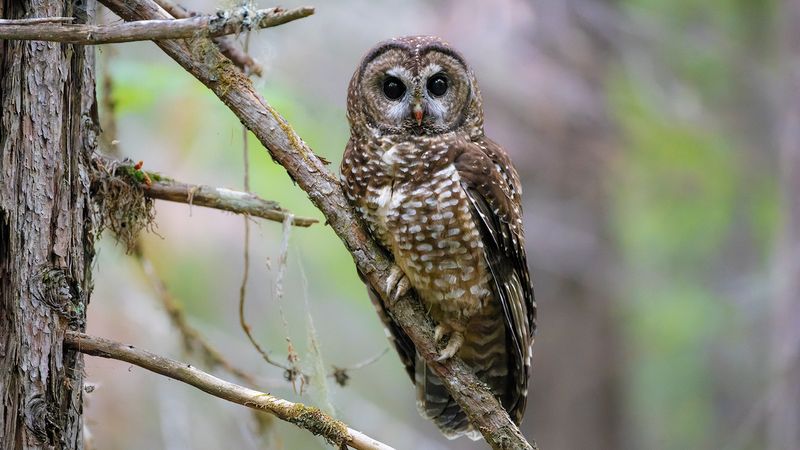
Spotting the same owl over and over can feel a little spooky, but there is a simple reason behind it. Barred owls stick to a home territory and often stay in it for years.
Once an owl claims an area, it patrols the same paths again and again. Your yard might sit right in the middle of its familiar patrol route.
These birds are known for staying put. Unlike some animals that roam huge distances, barred owls usually keep to a fairly small, steady range.
A repeat visitor is not a warning sign. It simply means the owl considers your neighborhood a good place to live and hunt.
Territories can span a few hundred acres, covering woods, yards, and open patches. Your property is just one part of a much bigger map in the owl’s mind.
Recognizing the same owl can be fun. You might notice its favorite branch or the time of evening it likes to appear.
Some people even give their local owl a nickname. Watching one bird across the seasons builds a quiet, friendly connection with the wildlife nearby.
During nesting season, an owl may stay especially close. Pairs often defend the same territory together for many years in a row.
There is no need to chase it off or feel nervous. A steady owl presence shows your yard is a reliable and welcoming stop.
Enjoy the routine visits as a gift. That familiar owl has basically made your Pennsylvania backyard part of its everyday world, and that is something worth celebrating.
6. It Is A Wildlife Encounter Worth Respecting
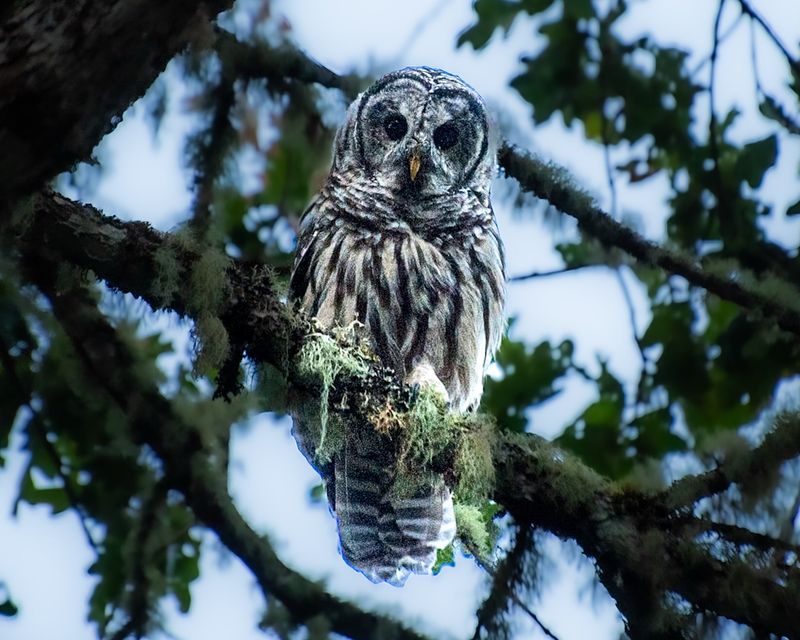
Meeting an owl up close is a memory you will keep, but the kindest thing you can do is give it space. A barred owl in your yard is best enjoyed from a distance.
Resist the urge to walk right up for a photo. Getting too close can stress the bird and make it feel unsafe.
Feeding owls is also a bad idea. Tossing out food teaches them to depend on people and can pull them toward roads and other dangers.
Avoid using calls or recordings to lure one closer. Playing owl sounds can confuse the bird and disrupt its natural behavior.
Keep pets indoors or supervised when an owl is around. Small dogs and cats are safer inside, and the owl will feel calmer too.
Watching quietly is the way to go. Grab binoculars, stand by a window, and let the owl carry on with its evening as if you were not there.
Teaching kids to observe respectfully turns the moment into a lesson. They learn that wild animals deserve room to live their own lives.
If an owl seems hurt or trapped, do not handle it yourself. Contact a licensed wildlife rehabilitator or your local Pennsylvania Game Commission office for help.
Remember that these birds are protected by law. Harming or disturbing them is not allowed, so a hands-off approach keeps everyone safe.
Treat the visit as a special guest appearance from nature. By staying calm and respectful, you help make sure this beautiful owl keeps choosing your yard for years to come.