5 Vegetable Growing Hacks That Give Your Arizona Chili Peppers And Cucumbers A Bigger Fall Harvest
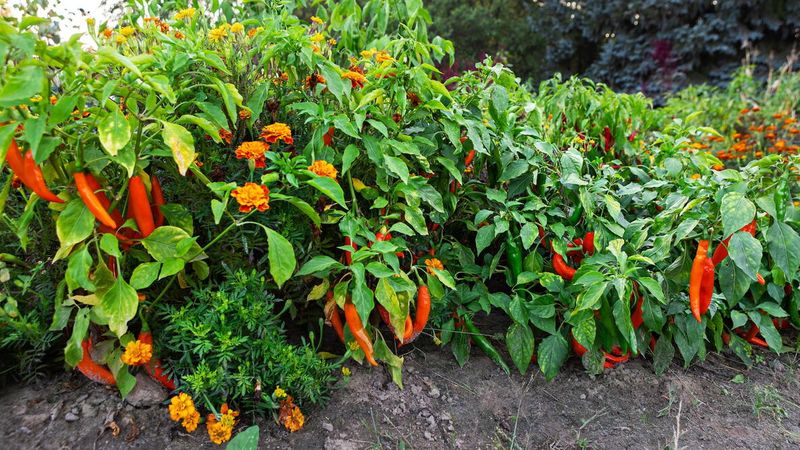
Growing chili peppers and cucumbers in the Arizona desert can feel like a battle against blazing sun and thirsty soil. The good news is that with a few smart tricks, your fall garden can pump out more fruit than you ever expected.
These five hacks are built for low-desert life, where heat and water use rule everything. Try them out and watch your harvest baskets fill up.
1. Strategic Shade to Beat Arizona Heat
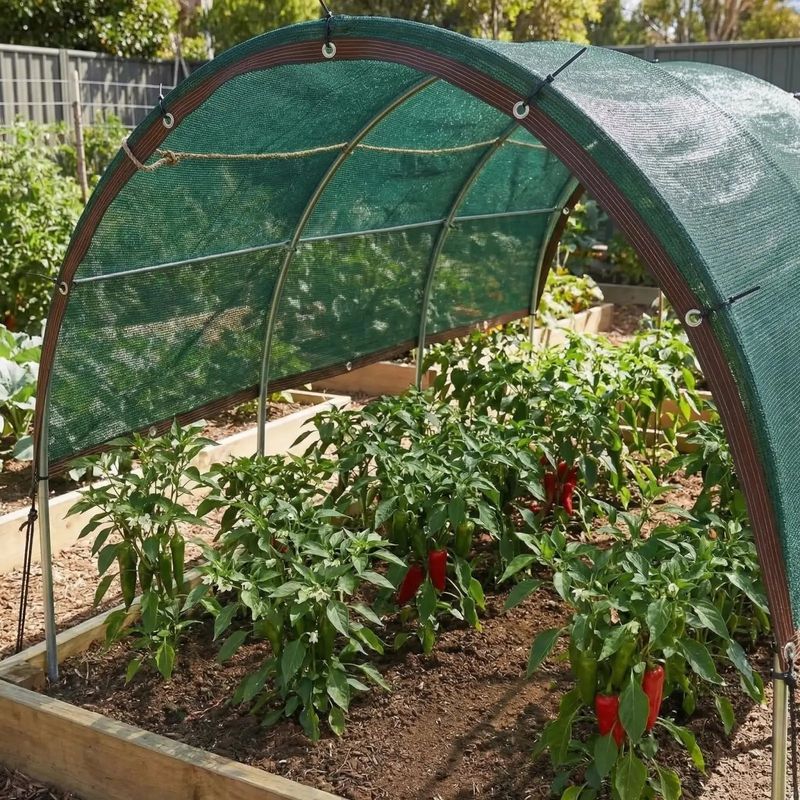
Picture your pepper leaves crisping like potato chips in a 105-degree afternoon. That is exactly what shade cloth prevents, and it might be the single biggest game-changer for a low-desert fall garden.
A 50% shade cloth hits the sweet spot for most vegetables. It blocks enough brutal sun to protect plants without starving them of the light they still need to grow strong.
Trials with chili peppers have shown that seedlings raised under 50% shade cloth produced more fruit per plant and a heavier total harvest. The cover also guards against sunscald, those ugly pale patches that ruin peppers before you pick them.
Install your cloth over simple hoops or stakes, leaving room underneath for air to move freely. Angle it to catch that harsh western afternoon light, which does the most damage in Arizona.
Color matters too. White shade cloth reflects heat and scatters UV rays, keeping temperatures lower, while black and green fabrics absorb warmth instead.
Cooler soil also means less water lost to evaporation, giving your cucumbers a steadier, happier start.
2. Optimized Arizona Soil for Peak Production
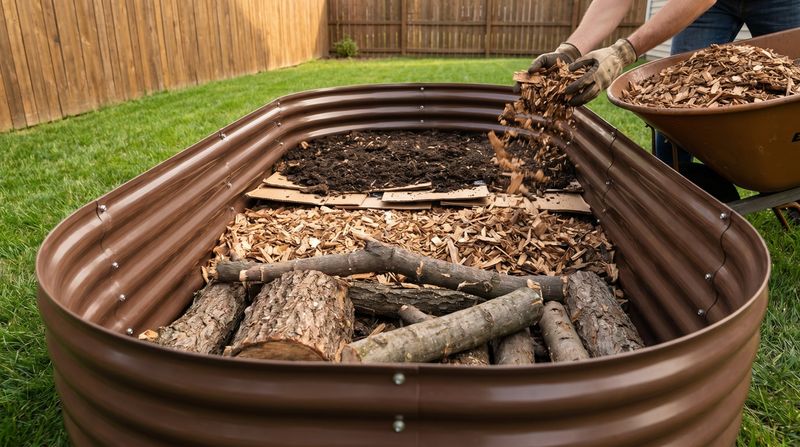
Every big harvest starts underground, and Arizona dirt does not make it easy. Compacted, alkaline, and often full of caliche, our native soil needs some love before peppers and cucumbers will thrive.
Clear the bed first by pulling out old plants and stubborn weeds. Giving your plants a clean slate stops last season’s pests and diseases from hitching a ride into fall.
Fall is the perfect moment to fold in organic matter like compost or aged manure. Those amendments break down slowly through the cooler months, releasing nutrients right when roots want them.
Because desert ground packs down hard, loosen it with a shovel or rake. Breaking up the surface lets air and water reach the roots, which is where healthy growth begins.
A quick soil test tells you your pH and nutrient levels, and that information is gold. Most vegetables prefer slightly acidic soil, roughly between 6.0 and 7.0.
Adjusting pH now, rather than at planting time, gives amendments weeks to blend in. Your Arizona chili peppers and cucumbers will then sit in a bed built to feed them.
3. Water-Wise Watering and Mulching in Arizona Gardens
Cucumbers are basically edible water balloons, made up of about 95% water. Skimp on moisture and you get bitter, bendy fruit nobody wants to eat.
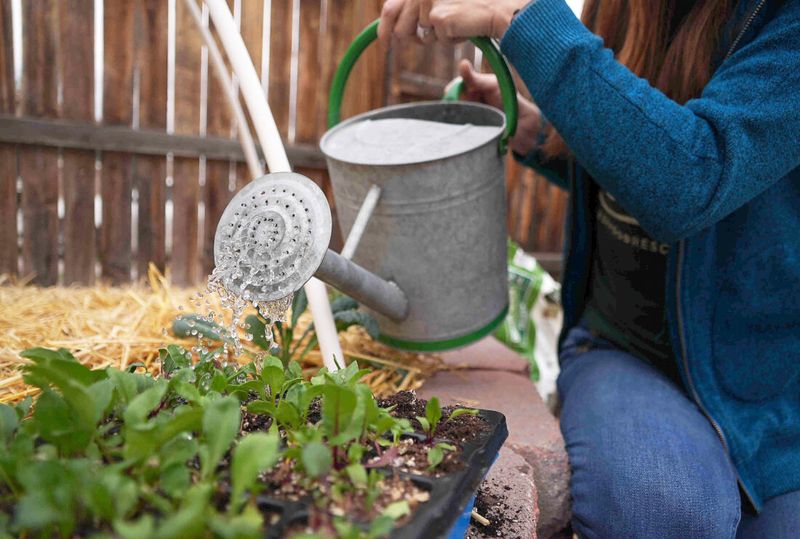
Consistent, deep watering keeps that bitterness away and fuels steady growth. Shallow sips train roots to stay near the hot surface, so soak deeply and let the water reach down.
Mulch is your desert secret weapon. Spread a 3 to 4 inch layer of organic mulch like wood chips or straw to keep soil cool, lock in moisture, and smother weeds.
Your Arizona Garden Changes Every Week. Your Plan Should Too.
Gardening in Arizona changes quickly throughout the season. Every Friday you’ll receive a simple weekly plan showing exactly what to plant, prune, fertilize, harvest, and protect so you never miss the right timing.
A good mulch blanket slows evaporation dramatically, which means you water less often even when the sun is relentless. Your plants stay comfortable and your water bill stays friendlier.
For the ultimate water-saver, try ollas. These unglazed clay pots get buried in the bed and slowly seep water straight to the roots underground.
Ollas can cut water use by 50 to 70% while keeping weeds down, since the surface stays dry. In a region where every gallon counts, that kind of efficiency makes a real difference for your fall harvest.
4. Continuous Harvest and Smart Pruning for Arizona’s Fall
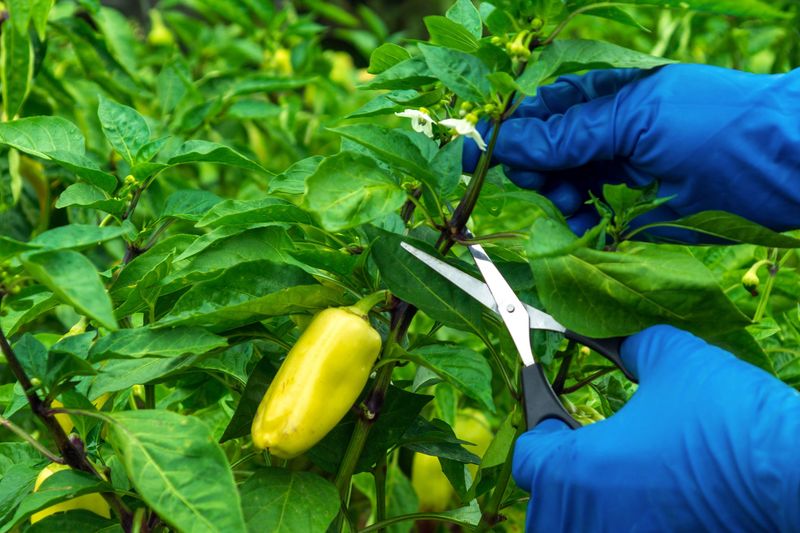
Here is a counterintuitive truth: picking more often actually makes your plants produce more. Leave fruit hanging too long and the plant thinks its job is done for the season.
For young chili peppers, try pinching off the very first buds until the plant reaches about six inches tall. That small sacrifice encourages a bushier, sturdier plant and a bigger overall harvest later.
When peppers ripen, cut them free with a knife or clippers instead of yanking. Leaving a short stem attached protects the plant and keeps new fruit coming.
Cucumbers are even hungrier for attention. Harvest every one to three days, because a single overripe cucumber left to set seeds signals the vine to quit producing.
Pruning cucumbers pays off too. Snip away the lower side shoots and tendrils below about the sixth leaf so the plant funnels its energy into fruit rather than sprawling vines.
Staying on top of both jobs turns a short desert window into a long, productive stretch. A little regular tending keeps your Arizona baskets full of peppers and crisp cucumbers well into fall.
5. Natural Pest Defense for Arizona Chili Peppers and Cucumbers
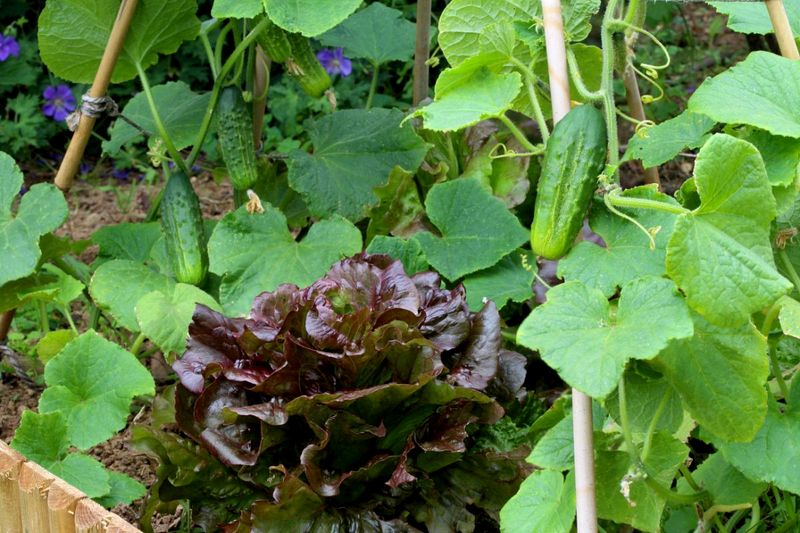
A yard that fights its own pest battles is a beautiful thing, and it fits right into a habitat-friendly Arizona garden. Skip the harsh chemicals and let nature do some of the heavy lifting.
Companion planting is a quiet powerhouse. Tucking dill near your beds attracts beneficial insects that hunt down aphids and other troublemakers for free.
Your own peppers can double as pest defense. A homemade spray of chili and garlic works against aphids, spider mites, and whiteflies thanks to the capsaicin those peppers carry.
Mix in a small splash of non-chemical soap so the spray clings to leaves instead of dripping off. That little tweak helps the solution actually reach the bugs.
Cucumber beetles meet their match in kaolin clay. A thin protective coating on young plants masks their scent and makes leaves less appealing to munch.
Keeping your soil pH balanced quietly supports all of this, since strong, healthy plants shrug off pests far better than stressed ones. Combine these tricks and your Arizona chili peppers and cucumbers can lean on a natural, wildlife-friendly shield all season long.