The Cool-Season Vegetables Georgia Gardeners Should Start Planting In Early September
Early September feels like a fresh start in the vegetable garden.
Summer crops begin slowing down, but another growing season is just getting started.
Many gardeners wait too long before planting again. Missing this window can mean smaller harvests later in the year.
Cool-season vegetables enjoy conditions that arrive after the hottest weather begins to fade. Getting them established early gives them a stronger start.
Georgia gardens often produce excellent fall harvests when timing comes first. The calendar matters every bit as much as the forecast.
Now is the time to think ahead instead of looking back at summer. A little planning today can pay off for weeks.
The vegetables you plant next may become your favorite harvest of the season. Choosing the right crops now makes all the difference.
1. Sow Spinach While Soil Remains Warm
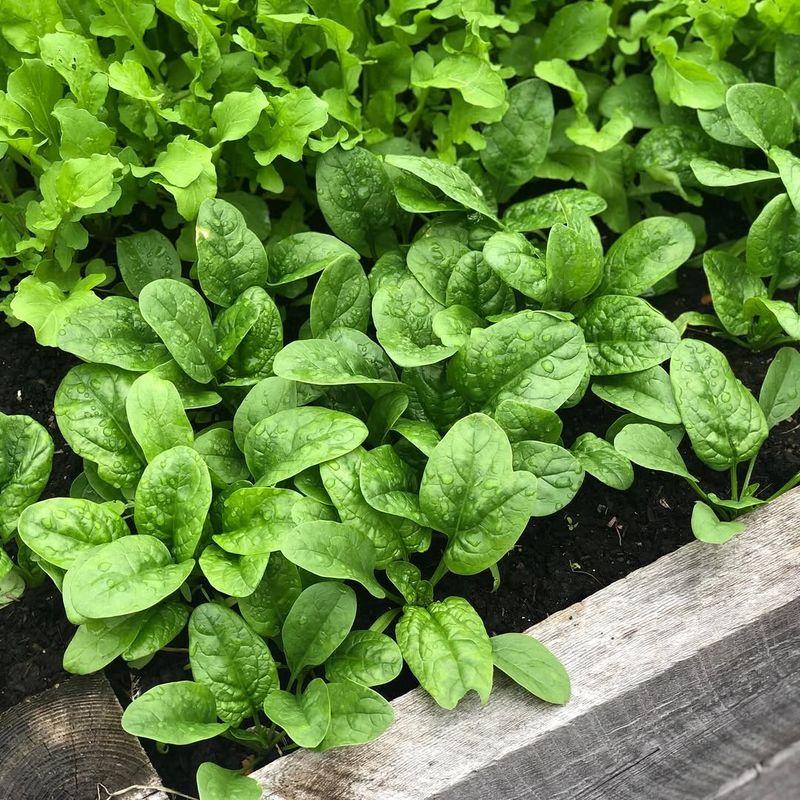
Warm soil is spinach’s secret weapon in early fall. Seeds sprout faster when ground temperatures sit between 50 and 75 degrees Fahrenheit, and early September usually hits that range perfectly in the Southeast.
Sow seeds about half an inch deep in rows spaced six inches apart. Keep the bed consistently moist for the first week or two.
Dry soil can slow germination significantly.
Spinach prefers a spot with at least four to six hours of sunlight. Afternoon shade can actually help during the warmer early weeks of fall.
Once leaves reach three to four inches, you can start harvesting outer leaves. Cut carefully and the plant will keep producing new growth for several weeks.
Adding a thin layer of compost before planting gives spinach a nutrient boost right from the start. Soil with good drainage matters too, since waterlogged roots tend to struggle.
Varieties like Bloomsdale Long Standing and Melody hold up well in variable fall weather. Check your seed packet for days-to-maturity so you can plan around your first expected frost date.
Spinach is one of the most rewarding crops you can grow in a fall garden. Fast results and minimal fuss make it worth every bit of effort.
2. Lettuce Thrives In Mild Autumn Weather
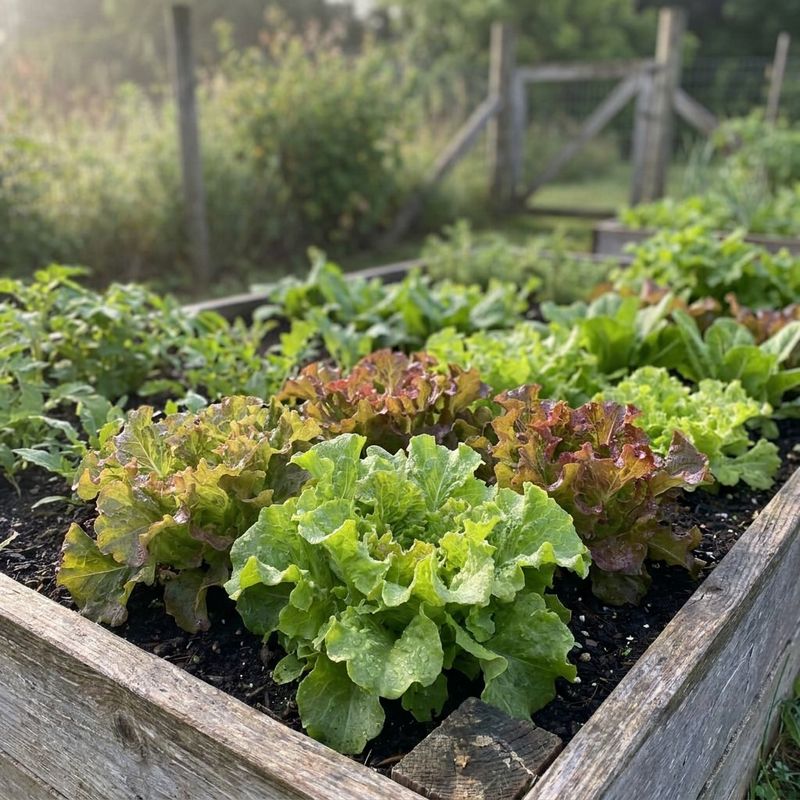
Few vegetables feel more satisfying to grow than lettuce. Pull a fresh leaf straight from the garden and you already know it beats anything from a store bag.
Lettuce grows best when daytime temps stay below 80 degrees Fahrenheit. Early September in Georgia can still push past that, so starting seeds in light shade gives young plants a fighting chance.
Loose-leaf varieties like Black Seeded Simpson and Red Sails are solid choices for fall planting. They mature quickly and handle mild temperature swings better than head lettuce types.
Sow seeds shallowly, just an eighth of an inch deep, and keep the soil moist until germination. Lettuce seeds need light to sprout, so avoid burying them too deep.
Thin seedlings to about six inches apart once they show their second set of true leaves.
Crowded plants compete for nutrients and tend to bolt sooner.
Side-dress with a balanced fertilizer about three weeks after planting. Lettuce is a light feeder but still benefits from a small nutrient push during active growth.
Your Georgia Garden Changes Every Week. Your Plan Should Too.
Gardening in Georgia changes quickly throughout the season. Every Friday you’ll receive a simple weekly plan showing exactly what to plant, prune, fertilize, harvest, and protect so you never miss the right timing.
Begin harvesting outer leaves when plants reach four to five inches tall. Regular picking actually encourages the plant to keep producing fresh new growth through late fall.
3. Kale Develops Sweeter Leaves After Cool Nights
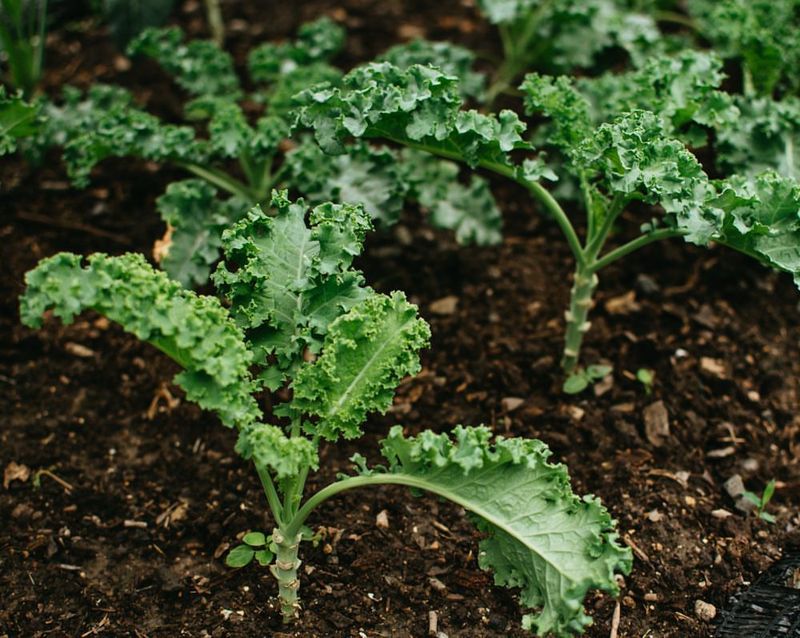
Kale pulled after a cold night tastes completely different from summer kale. Frost triggers the plant to convert starches into sugars, and that natural process makes leaves noticeably milder and more tender.
Plant transplants or direct-seed kale in early September for the best fall results.
Seeds germinate well in warm soil, and young plants establish quickly before cooler weather arrives.
Space plants about 18 inches apart to allow good airflow. Crowded kale is more prone to fungal issues, which can become a problem during humid fall weeks.
Lacinato, also called dinosaur kale, and Winterbor are two varieties that perform well in the Southeast. Both handle temperature swings with minimal stress and produce heavily through late fall.
Kale is a heavy feeder, so work compost into the bed before planting. A side-dressing of nitrogen-rich fertilizer about four weeks in helps maintain steady leaf production.
Harvest outer leaves regularly to keep the plant productive. Leaving the central growing tip intact lets the plant keep pushing out new leaves from the top.
Pest pressure from caterpillars and aphids is possible in early fall. Check the undersides of leaves often and remove pests by hand or use an appropriate organic spray if populations grow heavy.
4. Direct Seed Carrots For Better Root Growth
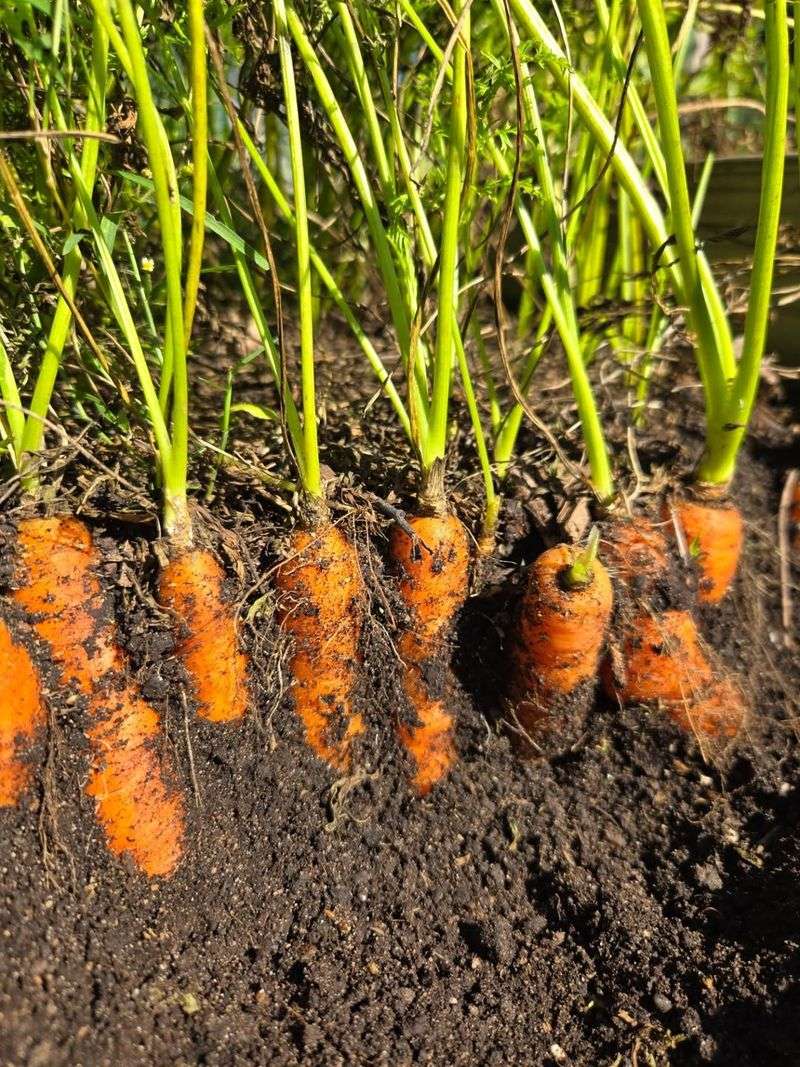
Transplanting carrots rarely works well. Roots fork and twist when disturbed, so direct seeding is the only reliable method for getting straight, well-formed carrots.
Loosen the soil at least 12 inches deep before sowing. Rocky or compacted ground forces roots to bend around obstacles, which leads to misshapen carrots at harvest.
Sow seeds a quarter-inch deep and about two inches apart in rows. Thin seedlings to three to four inches once they reach two inches tall.
Skipping thinning leads to crowded, stunted roots.
Carrot seeds are notoriously slow to germinate, sometimes taking 10 to 14 days. Keeping the seed bed consistently moist during that window is critical.
Dry soil can stop germination before it starts.
Nantes and Danvers varieties are good options for fall gardens in the South. Both develop well in slightly heavier soils that are common in many parts of the region.
Carrots need minimal fertilizer but do benefit from phosphorus, which supports root development. Avoid high-nitrogen fertilizers since they push leafy top growth at the expense of the root.
Expect to wait 70 to 80 days from seeding to harvest, depending on the variety. Roots pulled after a few light frosts often taste sweeter than those harvested in warmer conditions.
5. Radishes Reach Harvest Size In Just Weeks
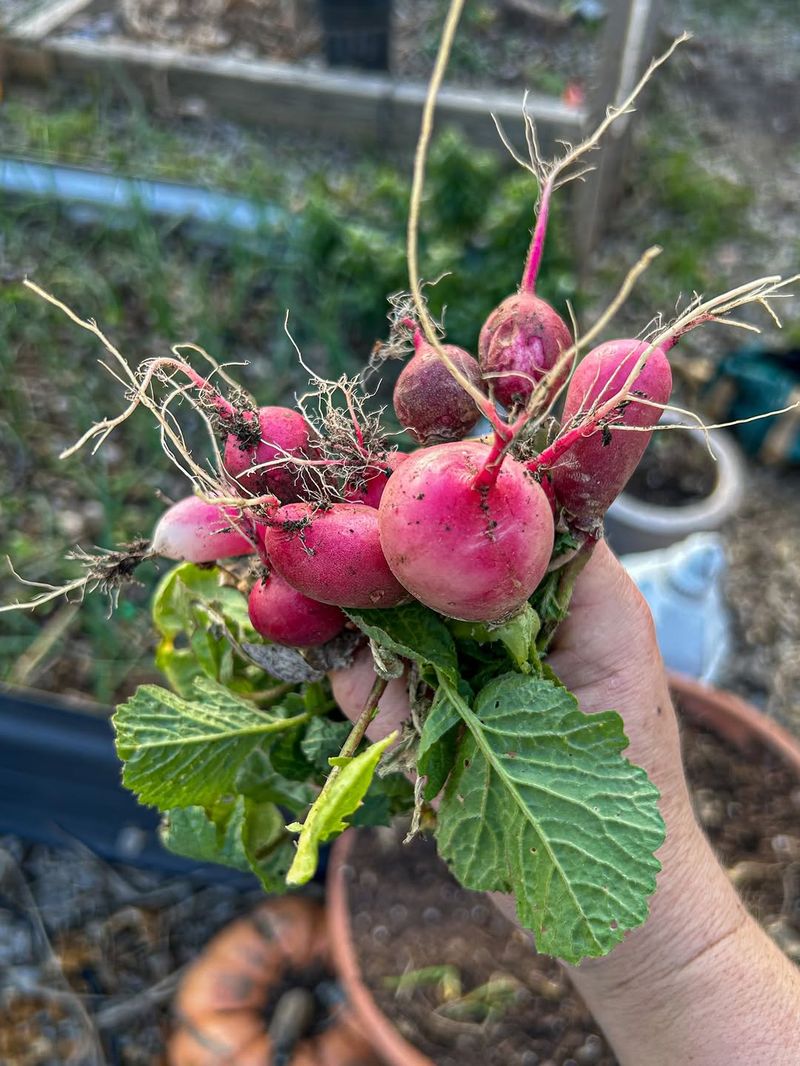
Radishes might be the fastest payoff in any fall garden. Some varieties go from seed to harvest in as few as 22 to 25 days, which makes them a perfect crop when patience is running thin.
Sow seeds half an inch deep and about an inch apart directly in the garden. Thin to two inches once seedlings emerge.
Overcrowded radishes form small, misshapen roots that are harder to use in the kitchen.
Cool fall temperatures improve flavor significantly. Radishes grown in summer heat tend to turn hot and pithy fast.
Fall-grown roots stay crisp, mild, and far more enjoyable to eat.
Cherry Belle and French Breakfast are two dependable varieties for fall planting. Both mature quickly and hold their quality in the ground for a short window before getting woody.
Radishes grow well in average soil but appreciate consistent moisture. Uneven watering causes roots to crack, which reduces quality at harvest.
One great strategy is to plant a small batch every two weeks through September and into October. Succession planting keeps a steady supply coming instead of a single large harvest all at once.
Radish tops are edible too. Young leaves work well in salads or as a cooked green, so nothing from the plant goes to waste when you harvest.
6. Turnips Provide Both Tender Greens And Roots
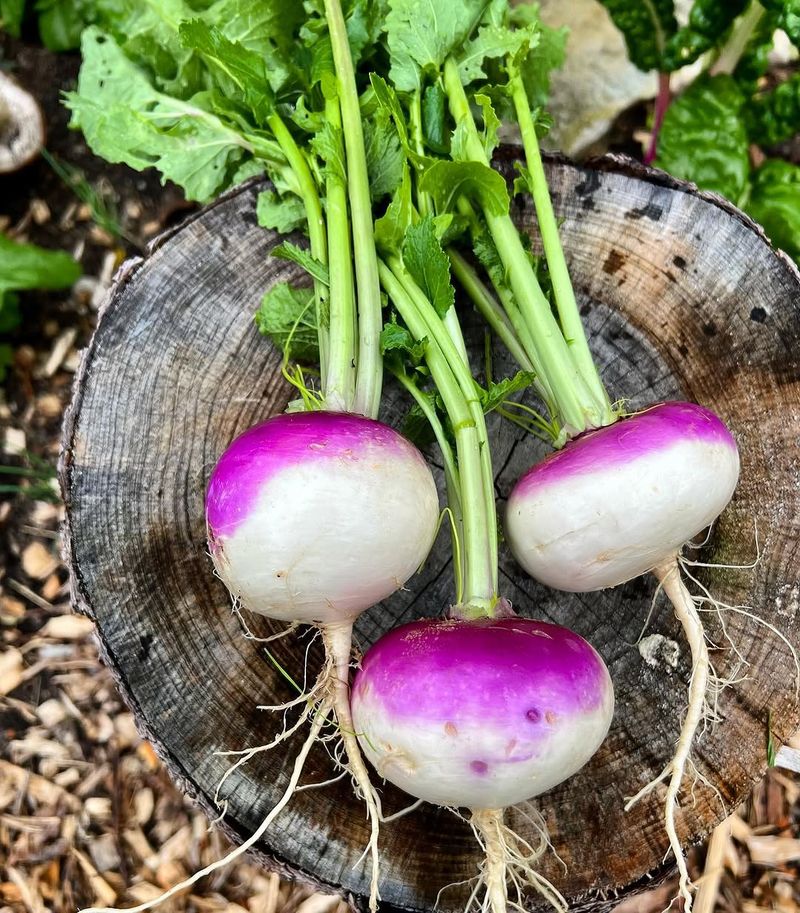
Getting two crops from one plant is a smart use of garden space. Turnips offer that advantage naturally, giving you edible greens long before the roots are ready to pull.
Start harvesting young leaves when they reach six to eight inches tall. Older leaves get tougher and more pungent, so picking early keeps quality high.
Roots typically need 40 to 60 days to fully mature.
Direct seed turnips a quarter-inch deep in rows about 12 inches apart. Thin seedlings to four to six inches once they establish.
Proper spacing lets roots size up without competing for nutrients.
Purple Top White Globe is a classic and widely available variety. Seven Top is another option grown primarily for its greens rather than root production, so choose based on what you actually want to eat.
Turnips prefer well-drained soil with a slightly acidic pH between 6.0 and 6.5. A soil test before planting can prevent nutrient deficiencies that might limit both leaf and root development.
Water consistently but avoid waterlogged soil. Roots sitting in overly wet ground can develop off-flavors and rot more easily.
Flea beetles are a common pest on turnip seedlings. Row cover fabric placed right after seeding can block them effectively without using any chemical sprays at all.
7. Mustard Greens Tolerate Early Fall Temperature Swings
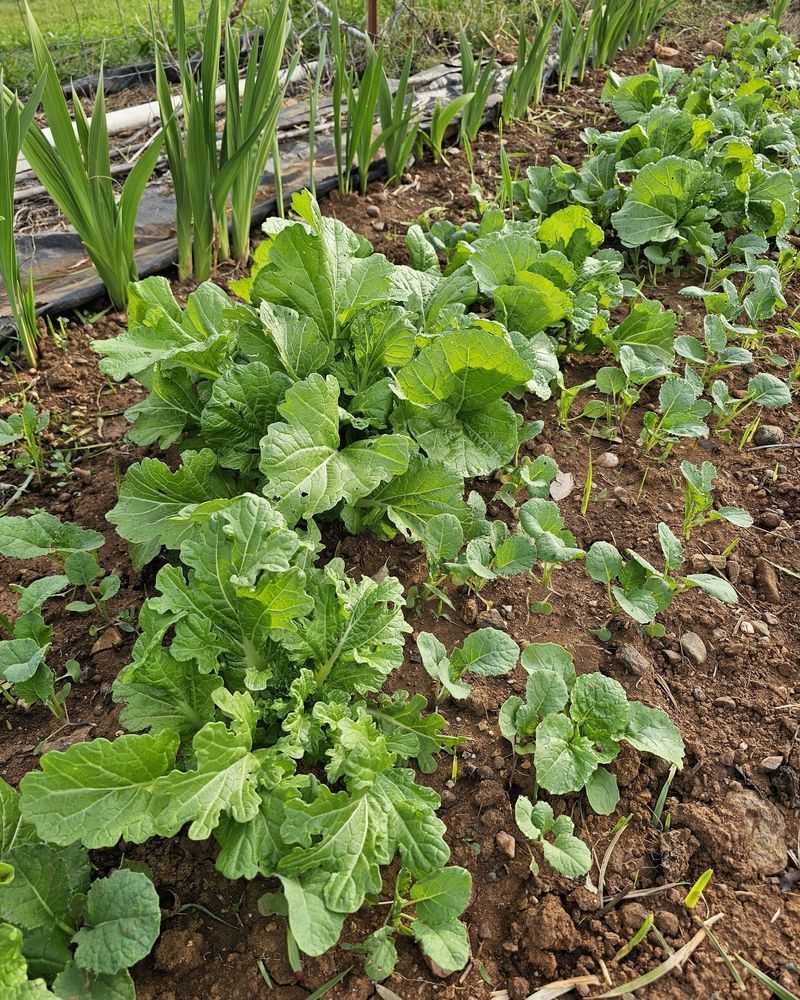
Early fall weather in the South can be unpredictable. A week of warm afternoons followed by cool nights is exactly where mustard greens feel most at home.
Seeds germinate quickly in warm soil, often sprouting within four to seven days when conditions are right. That fast start makes mustard one of the easiest fall crops to establish from seed.
Sow seeds a quarter-inch deep in rows about 18 inches apart. Thin plants to six to eight inches once they develop their second set of leaves.
Crowded plants tend to bolt faster and produce less usable leaf area.
Southern Giant Curled and Tendergreen are two reliable varieties for fall gardens in the region. Both handle temperature variation well and produce large, flavorful leaves over an extended harvest window.
Mustard greens are ready to harvest when leaves reach six to ten inches. Younger leaves taste milder, while larger, more mature leaves carry a sharper, peppery bite that works well in cooked dishes.
Consistent moisture helps prevent premature bolting. Dry spells push the plant toward flowering, which ends leaf production much sooner than you want.
Mustard greens are rich in vitamins A, C, and K, making them a genuinely nutritious addition to fall meals. Saute them with garlic or add them to soups for a simple, satisfying result.
8. Beets Form Better Roots In Cooling Soil
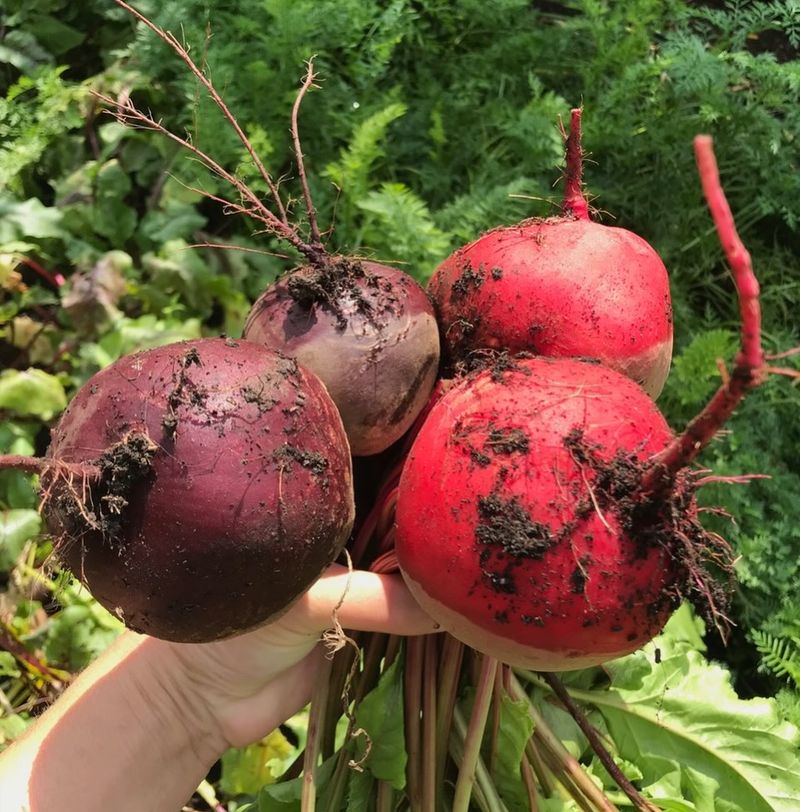
Beets are pickier about soil temperature than most gardeners expect. Seeds germinate best when soil sits between 50 and 85 degrees Fahrenheit, and early September usually lands right in that range across much of Georgia.
Sow seeds about half an inch deep and two inches apart. Beet seeds are actually clusters of multiple seeds, so expect more than one sprout per spot.
Thin to the strongest seedling at three to four inches apart once they emerge.
Consistent moisture during germination is critical. Letting the soil dry out too much during that early window can significantly reduce how many seeds successfully sprout.
Detroit Dark Red and Bull’s Blood are two varieties that perform reliably in fall conditions. Bull’s Blood also offers attractive deep red foliage, which adds visual interest to the garden bed.
Beet greens are fully edible and nutritious. Harvest young leaves while thinning and use them like spinach in salads or as a cooked side dish.
Roots are typically ready to pull at one to three inches in diameter, depending on your variety. Waiting too long can result in woody, less flavorful roots that are harder to enjoy at the table.
Avoid over-fertilizing with nitrogen. High nitrogen levels push lush leafy growth but can limit how well the root itself develops over the season.
9. Swiss Chard Recovers Quickly After Harvesting
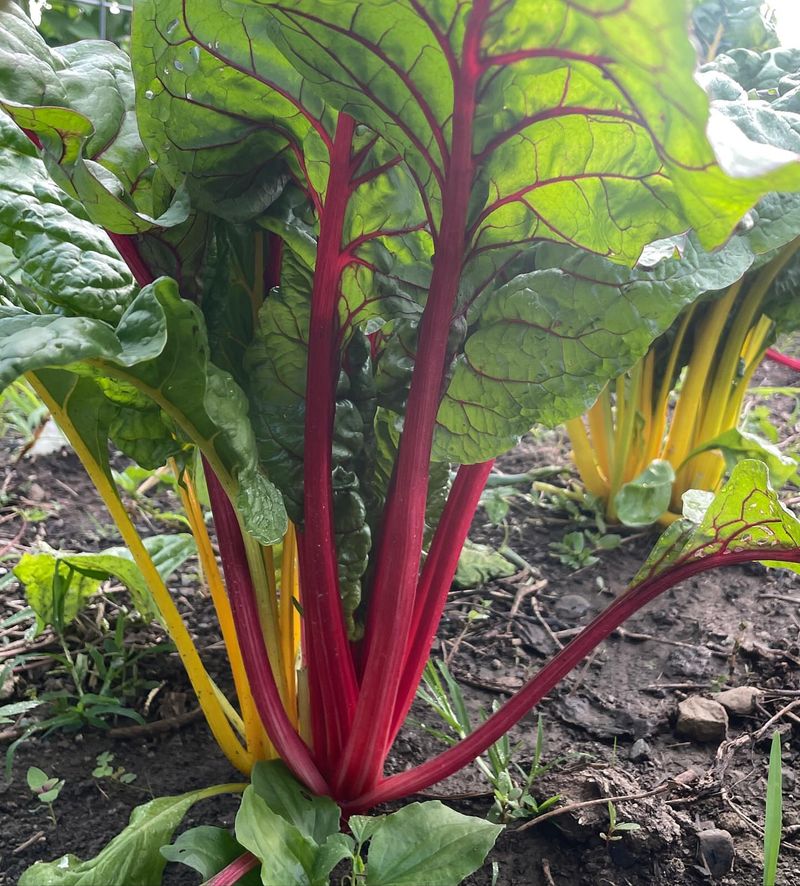
Cut Swiss chard down to a few inches and it bounces right back within days. That kind of resilience makes it one of the most practical vegetables for a fall garden that needs steady, ongoing harvests.
Plant transplants or direct-seed chard about half an inch deep in rows 18 inches apart. Thin seedlings to six to nine inches once established.
Chard tolerates light frost and keeps producing well into late fall in warmer parts of the Southeast.
Bright Lights is a popular variety with colorful stems in red, orange, yellow, and white. Fordhook Giant is another solid choice with larger, more uniform leaves that work well for cooking.
Chard prefers rich, well-drained soil with a pH between 6.0 and 7.0. Work compost into the bed before planting and side-dress with a balanced fertilizer about four weeks after transplanting.
Leaf miners can be a nuisance in fall. Check leaves regularly for the telltale pale squiggly trails.
Remove and discard affected leaves promptly to reduce the spread across the plant.
Harvest outer leaves when they reach six to ten inches tall. Cutting from the outside in keeps the plant actively growing from the center, which extends your harvest window considerably.
Swiss chard works in soups, stir-fries, and even egg dishes. Versatility in the kitchen makes it worth dedicating a permanent spot in your fall garden every year.