What Pennsylvania Gardeners Should Still Be Watering Deeply In September
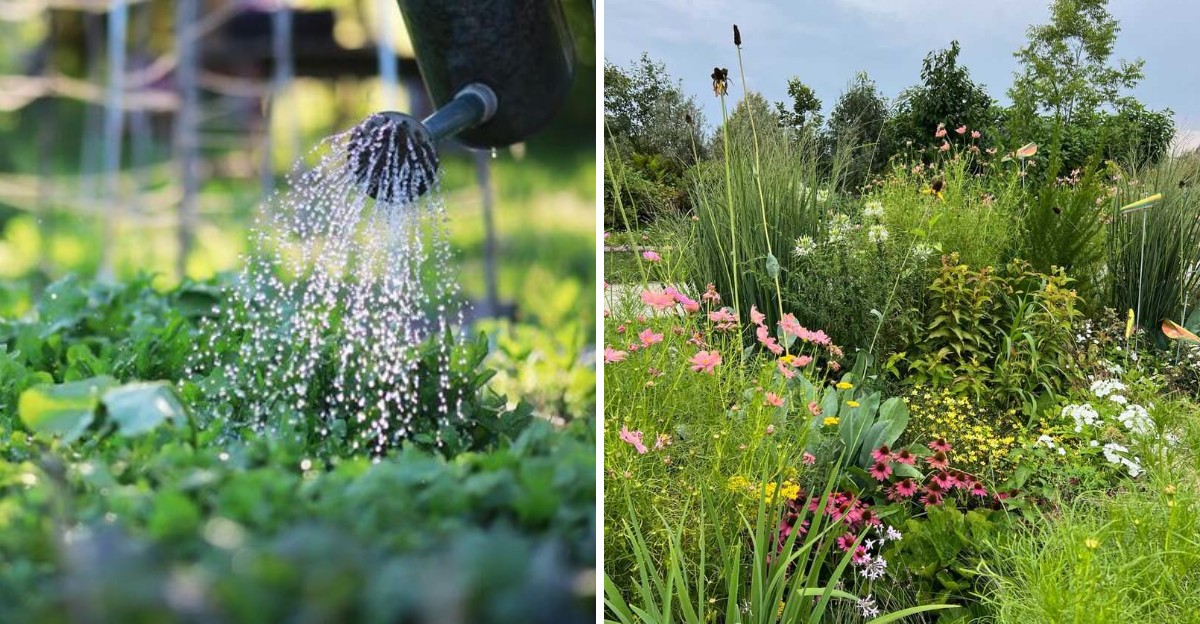
September in Pennsylvania brings cooler temperatures and the sense that the most demanding stretch of the gardening season is finally behind you.
Watering routines that felt urgent through July and August start to feel less critical as the heat eases and rainfall becomes more reliable.
Most homeowners pull back on irrigation naturally, and for many plants in many situations, that’s exactly the right call.
But certain plants in Pennsylvania gardens still need deep, consistent watering through September. And pulling back too early on those specific plants is a mistake that shows up in ways that aren’t always obvious until later in the fall or early spring.
Deep watering in September is not about keeping everything alive through heat. It’s about supporting specific biological processes that are happening in these plants right now, processes that determine how well they come through winter and how strongly they perform next season.
1. Newly Planted Trees And Shrubs
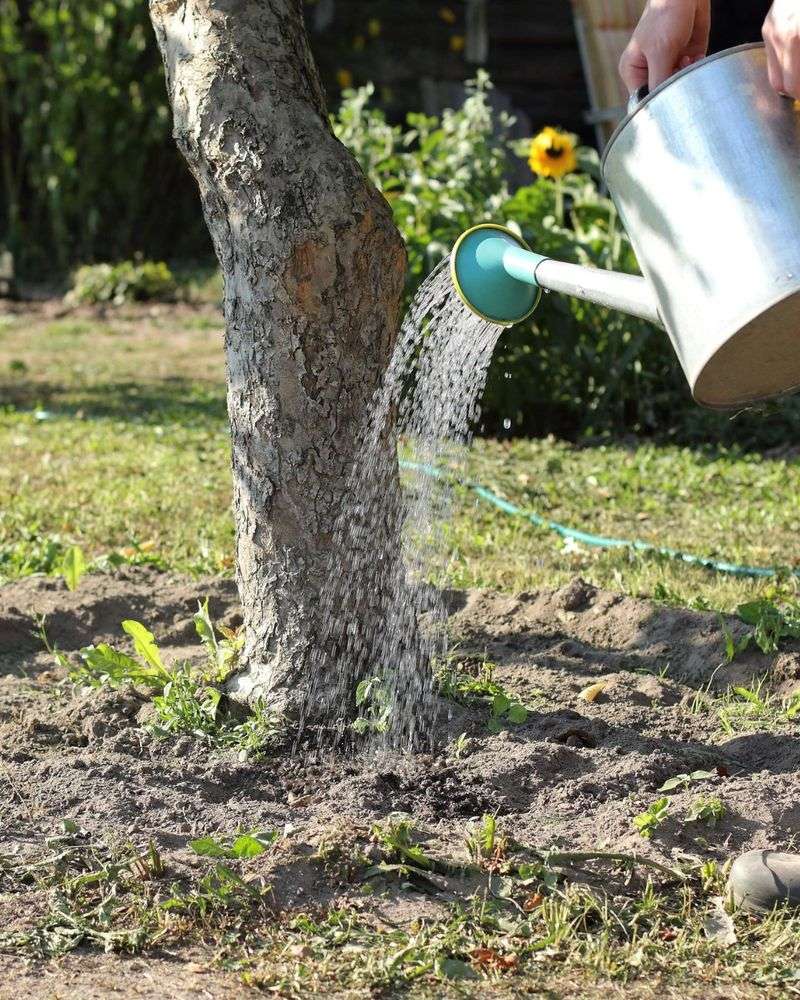
Fall is a favorite time to plant trees and shrubs in Pennsylvania, and September plantings need extra help settling in. Their roots are small and cannot yet reach deep water on their own.
Give each young tree a slow soak once or twice a week. Let the water trickle for twenty to thirty minutes so it sinks down near the root ball.
A shallow splash just runs off and does little good.
Warm soil in early fall keeps roots growing even as leaves start to change. That means your new plants are busy underground, working to anchor themselves before cold weather.
A layer of mulch around the base holds moisture and keeps roots cozy. Just keep the mulch a few inches away from the trunk so it does not trap too much dampness against the bark.
Check the soil by pushing your finger down a couple inches. If it feels dry, it is time to water again.
If it still feels damp, you can wait another day.
Wind and sunny afternoons can dry out young plants faster than you expect. Keep an eye on them, especially if September stays warm and dry in your area.
Water in the morning when possible. This gives roots time to drink before the heat of the day and lowers the chance of fungus on wet leaves.
Keep watering right up until the ground starts to freeze. Strong, deep roots now mean healthier growth and better blooms when spring returns to your Pennsylvania garden.
2. Fall Vegetable Crops
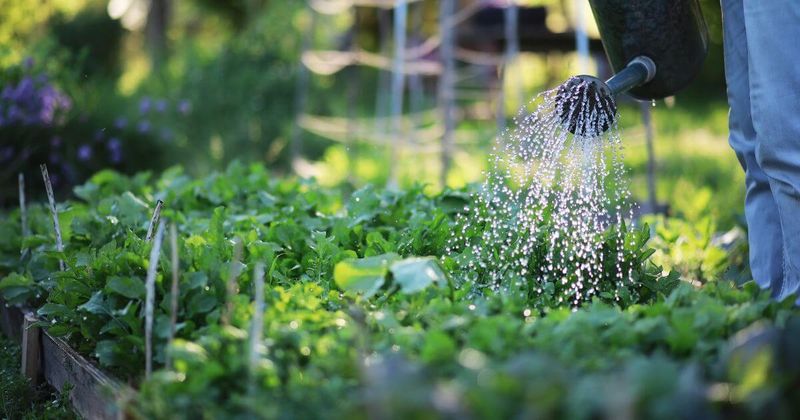
Cool-season veggies love September, but they still get thirsty. Lettuce, spinach, kale, broccoli, and carrots keep growing while the weather turns mild.
These crops have shallow roots that dry out quickly. A deep, steady soak keeps the soil evenly moist and helps leaves stay crisp and tender instead of tough and bitter.
Try watering at the base of each plant rather than over the top. Wet leaves in cooler weather can invite mildew, and nobody wants spotty greens.
Give your beds about an inch of water each week if rain is scarce. A rain gauge or even an empty tuna can help you measure how much your garden actually gets.
Your Pennsylvania Garden Changes Every Week. Your Plan Should Too.
Gardening in Pennsylvania changes quickly throughout the season. Every Friday you’ll receive a simple weekly plan showing exactly what to plant, prune, fertilize, harvest, and protect so you never miss the right timing.
Morning watering works best here too. Plants soak up moisture during the day, and the soil surface dries before the chilly night sets in.
Root crops like carrots and beets need steady moisture to grow smooth and sweet. If the soil swings from dry to soggy, roots can crack or turn woody.
Mulch between rows with straw or shredded leaves. It slows evaporation and keeps the soil temperature steady, which cool-season veggies really appreciate.
Keep an eye on the forecast. A warm, dry spell in September can stress fall crops fast, so be ready to give them an extra drink.
With regular deep watering, you can harvest fresh greens well into the cooler months. A little effort now means crisp salads and hearty soups from your own backyard for weeks to come.
3. Perennial Flower Beds
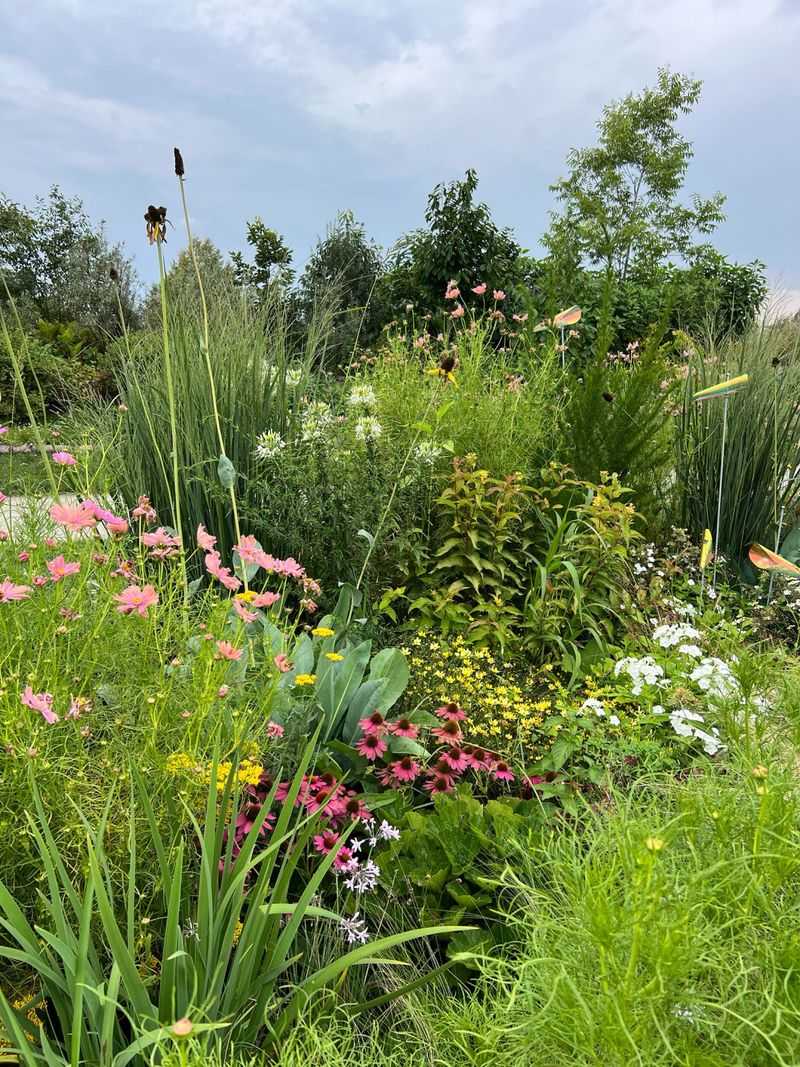
Perennials might look like they are winding down in September, but their roots are still hard at work. Coneflowers, daylilies, and hostas store energy now for next year’s show.
A deep drink helps these plants build strong crowns before winter. Skimpy watering leaves roots weak and less able to handle the cold months ahead.
Water slowly at the base so moisture reaches deep into the soil. This encourages roots to grow downward, where they stay safer during freezing weather.
Many gardeners forget that fall rain is not always enough. Some September weeks stay dry, and your flower beds may quietly suffer without you noticing.
Poke your finger into the soil to check. If the top few inches feel dry, give the bed a good soak once or twice a week.
Newly divided or freshly planted perennials need extra attention. Their roots are still spreading out, so keep the soil around them steadily moist.
Mulch adds a helpful blanket over your beds. It locks in moisture and protects roots from the up-and-down temperatures that autumn often brings.
Avoid soaking the leaves and flowers when you can. Watering the soil directly keeps foliage healthy and cuts down on fungal spots.
Keep going with deep watering until the ground freezes solid. Even after blooms fade, the roots below are getting ready for a strong comeback.
When spring arrives, well-watered perennials burst back with fuller growth and brighter color. A bit of care now rewards you with a garden that looks amazing next year.
4. Container Plants And Hanging Baskets
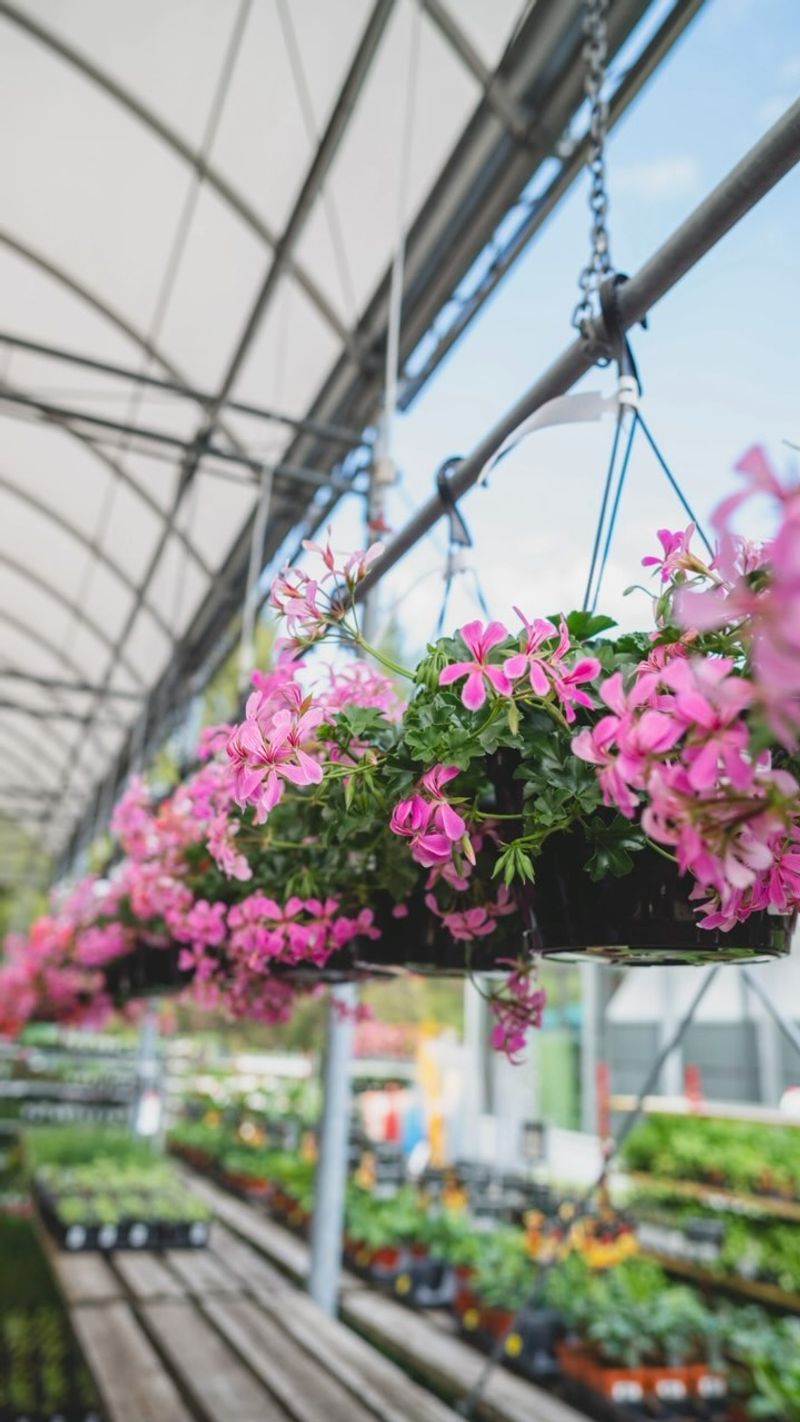
Pots and baskets dry out faster than anything else in the garden. Their small soil space cannot hold much water, so they need frequent, thorough drinks.
Even in cooler September weather, containers can go dry in a single sunny day. Wind sweeping across a porch pulls moisture out even quicker.
Water until you see it flow from the drainage holes at the bottom. That is your sign the whole root zone got a proper soak, not just the top layer.
Lift a pot if you can. A light pot usually means the soil is dry, while a heavy one tells you there is still moisture inside.
Grouping containers together helps them hold humidity. They shade one another and slow how fast the soil surface dries between waterings.
Morning is the best time to water your pots. Plants drink up during the day, and the soil is not sitting soggy through a cold night.
Hanging baskets are especially tricky since they catch sun and wind from every side. Some may need a drink every single day during warm stretches.
If a pot dries out completely, water it slowly in stages. Dry soil can repel water at first, so a gentle second pass helps it soak in.
Keep feeding lightly if your container plants are still blooming. Frequent watering washes nutrients out, so a little plant food keeps them cheerful.
With steady care, your containers stay bright and full well into fall. A few extra minutes each day keeps that porch looking welcoming and colorful.
5. Evergreen Trees And Bushes

Evergreens keep their needles all winter, and that makes fall watering really matter. Unlike leafy trees, they lose moisture through their needles even in cold months.
Pines, spruces, hollies, and arborvitae all benefit from a deep September soak. Water stored in their roots now helps them get through the dry, frozen winter ahead.
Give the soil around the base a slow, thorough drink. Let water sink deep so roots stay hydrated long after the surface dries.
Winter burn is a common problem in Pennsylvania. Needles turn brown when plants run low on water during freezing, windy weather.
Watering well in fall is your best defense against that browning. Roots packed with moisture keep the whole plant healthier through the cold season.
Spread a ring of mulch around each evergreen. It holds moisture, guards the roots, and keeps the soil temperature more even.
Check the soil every week or so during dry spells. If the top few inches feel dry, it is time for another deep soak.
Newly planted evergreens need the most attention. Their roots have not spread far yet, so they cannot find water on their own.
Keep watering right up until the ground freezes hard. That final drink before winter makes a big difference in how they look come spring.
Well-watered evergreens stay green, full, and healthy through the coldest months. A little effort in September protects them from a rough, brown-tipped winter and keeps your Pennsylvania yard looking lush.
6. Cool-Season Lawns
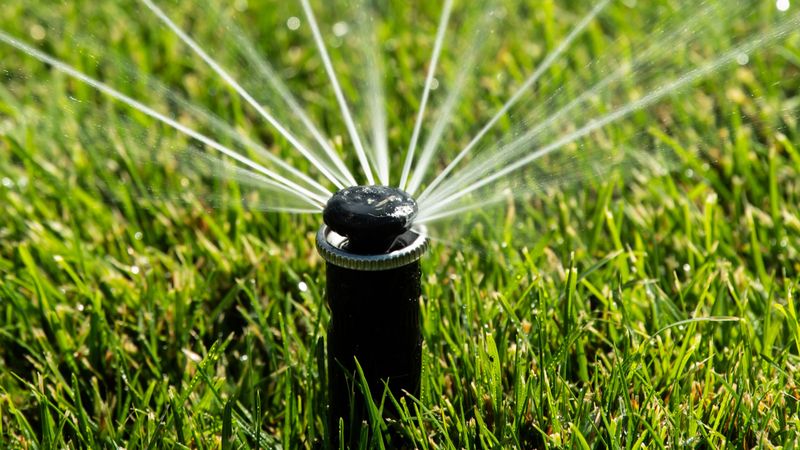
September is prime time for cool-season grasses like fescue and bluegrass. These lawns wake back up as the heat fades, and they grow their strongest roots right now.
Deep watering helps grass roots reach far down into the soil. Long roots mean a tougher lawn that handles both winter cold and next summer’s heat.
Aim for about an inch of water a week, counting any rain. One or two deep soaks beat daily light sprinkles that only wet the surface.
If you overseeded to fill bare spots, keep the top soil steadily moist. New grass seed needs gentle, regular watering to sprout and settle in.
Morning is the ideal time to water your lawn. The grass dries before evening, which lowers the risk of lawn diseases.
Set out a small can to measure how long your sprinkler takes to reach an inch. This simple trick keeps you from guessing and over-watering.
Cooler air means the soil holds moisture longer than in July. You will likely water less often now, but each session should still go deep.
Rake up heavy piles of fallen leaves. They can smother the grass and block the water and light your lawn needs to thrive.
Keep watering until the ground begins to freeze. A well-fed, deeply watered lawn stores energy through winter and greens up faster in spring.
With steady care this month, your grass grows thick and strong. That healthy fall root system is the secret to a beautiful lawn all year long.
7. Newly Planted Spring Bulbs
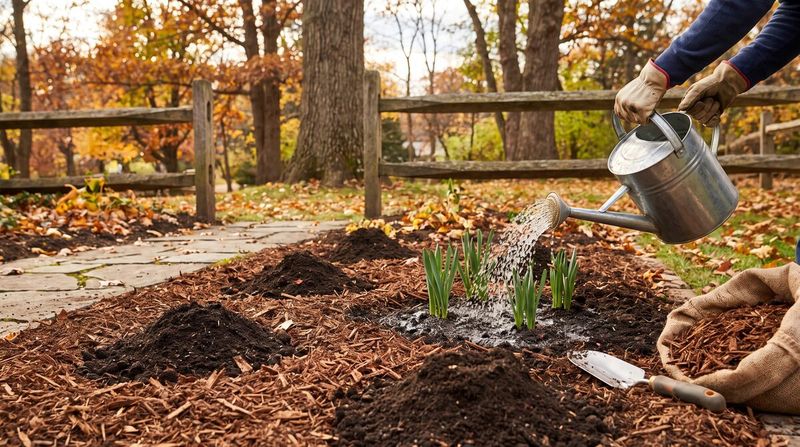
Planting tulips, daffodils, and crocus in September gives them a head start. Once they are tucked in the ground, they need a good drink to begin rooting.
Many gardeners plant bulbs and then forget about them. But those bulbs quietly grow roots in fall, and dry soil slows that important work.
Water the bed deeply right after planting. This settles the soil around each bulb and removes air pockets that can leave them high and dry.
Keep the soil lightly moist over the following weeks if rain is scarce. Roots grow best when the ground stays cool and evenly damp.
Be careful not to overdo it, though. Bulbs sitting in soggy soil can rot, so aim for moist rather than muddy.
A layer of mulch over the bed helps hold moisture and steady the soil temperature. It also marks where you planted so you do not dig there later.
Well-drained soil is key for happy bulbs. If your garden puddles easily, mix in some compost to help water move through.
Stop heavy watering once the ground gets cold and roots slow down. By then, your bulbs have done the work they needed for a strong start.
Come spring, those roots pay off with bright, cheerful blooms. A little watering care in September sets the stage for a colorful show.
Deep watering after planting gives your bulbs the best possible beginning. Think of it as tucking them in with a good drink before their long winter rest underground.