The Meaning Behind Seeing Hummingbirds In Your California Yard In August
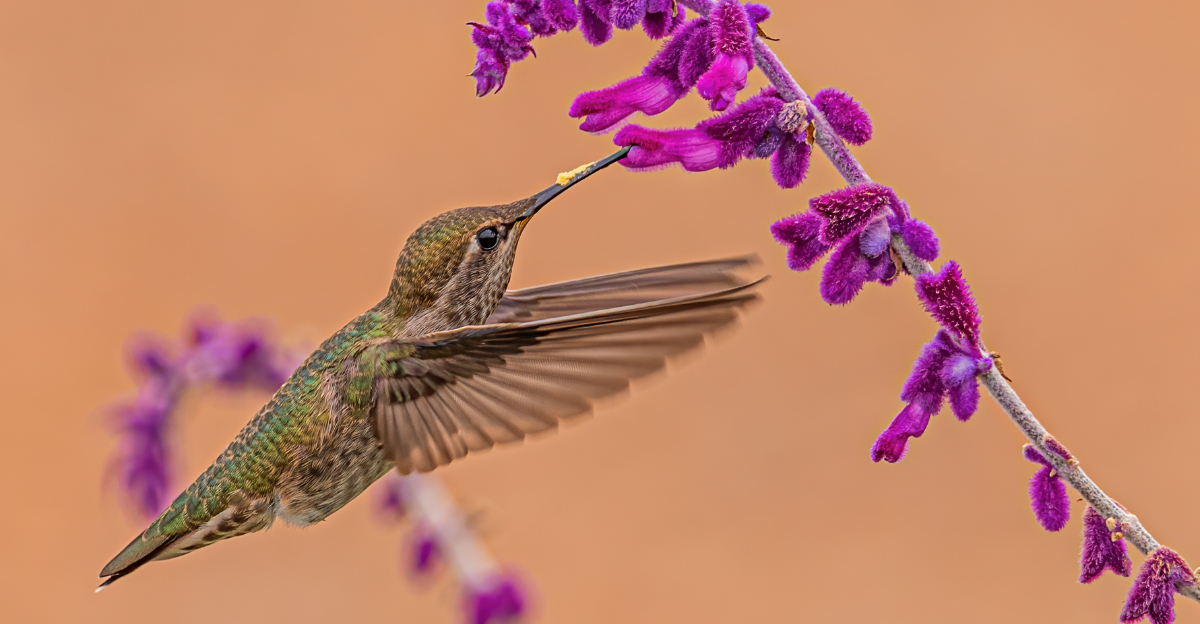
A flash of tiny wings is enough to steal the show in any California garden. Hummingbirds never stay still for long, yet they always seem to leave a lasting impression.
By August, many gardeners begin spotting them more often and start asking the same question. Why now?
It is tempting to see every visit as pure luck, but these little fliers are surprisingly selective about where they spend their time.
The plants they visit, the yards they return to, and even the timing of their appearances all have a story behind them.
Once you understand what draws hummingbirds to your garden during late summer, those quick visits become much more than a beautiful surprise. They become a fascinating clue about what is happening right outside your door.
1. Why Hummingbirds Visit More In Late Summer
August is one of the busiest months of the year for hummingbirds across California. You might notice them visiting your yard more often, staying longer, and moving faster than they did in spring.
There is a clear reason for all that extra energy and activity.
Late summer is when hummingbirds start preparing for migration or for the cooler months ahead. They need to build up fat reserves, which means they must eat a lot more nectar than usual.
A single hummingbird can visit hundreds of flowers in just one day during this time.
The longer daylight hours of August give them more time to feed. More feeding time means more chances for you to spot them darting around your yard.
Northern regions tend to see increased hummingbird traffic as birds from higher elevations move down to lower areas.
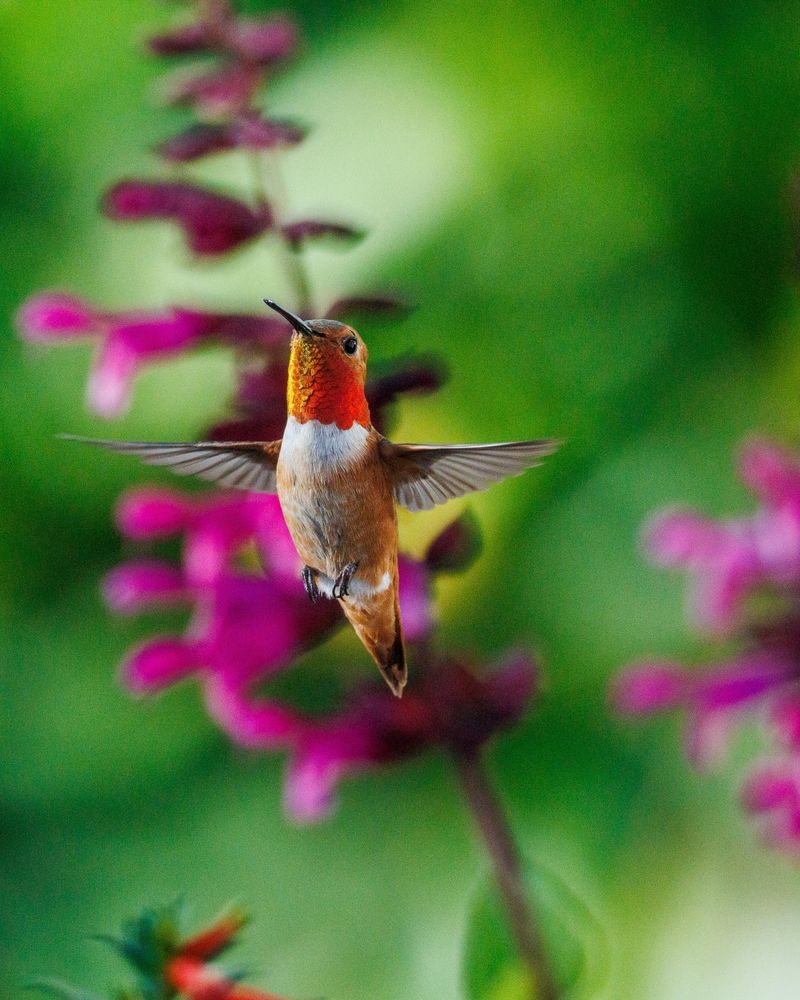
Some species, like the Rufous hummingbird, pass through our state during their late-summer journey south. They join the Anna’s hummingbirds that stay year-round in many coastal areas.
This overlap in species creates a noticeable spike in hummingbird sightings during August.
Keeping your feeders full and your flowers blooming during this month matters more than any other time. Your yard can become a critical fuel stop for these tiny travelers.
2. What August Hummingbirds Are Searching For
Every time a hummingbird zips into your yard, it is on a mission. These birds are not just passing through for fun.
They are hunting for three very specific things: food, water, and safe resting spots.
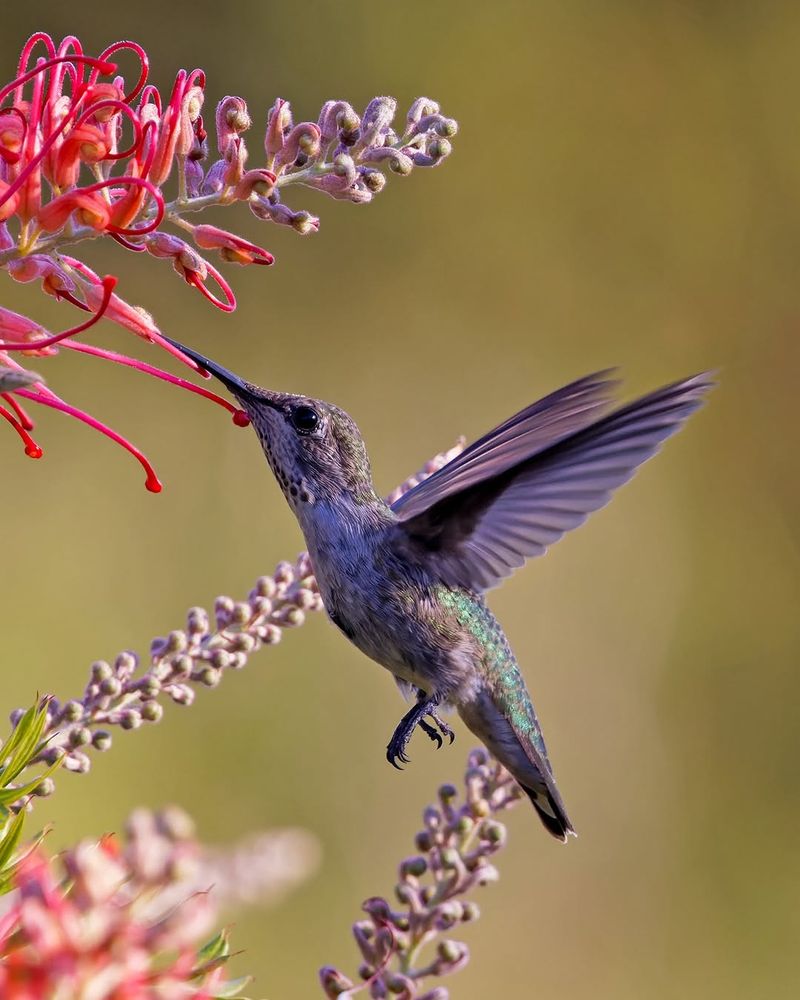
Nectar is the main fuel that keeps them going. Flowers with long, tube-shaped blooms are especially attractive to them because those shapes fit their long bills perfectly.
Red, orange, and pink flowers tend to catch their attention faster than other colors.
Protein is also a big part of their diet, and most people do not realize that. Hummingbirds eat tiny insects and spiders to get the protein they need.
A yard with a healthy insect population is actually more appealing to them than one that has been heavily sprayed with pesticides.
Water is another key need. Hummingbirds do not just drink water; they also bathe in it to keep their feathers in top flying condition.
Your California Garden Changes Every Week. Your Plan Should Too.
Gardening in California changes quickly throughout the season. Every Friday you’ll receive a simple weekly plan showing exactly what to plant, prune, fertilize, harvest, and protect so you never miss the right timing.
A shallow water source with a gentle mist or drip is something they notice quickly.
Shelter matters too. Dense shrubs and trees give them a safe place to rest between feeding sessions.
A yard that offers all three of these things becomes a reliable stop they will return to again and again throughout August and beyond.
3. The Flowers That Keep Them Coming Back
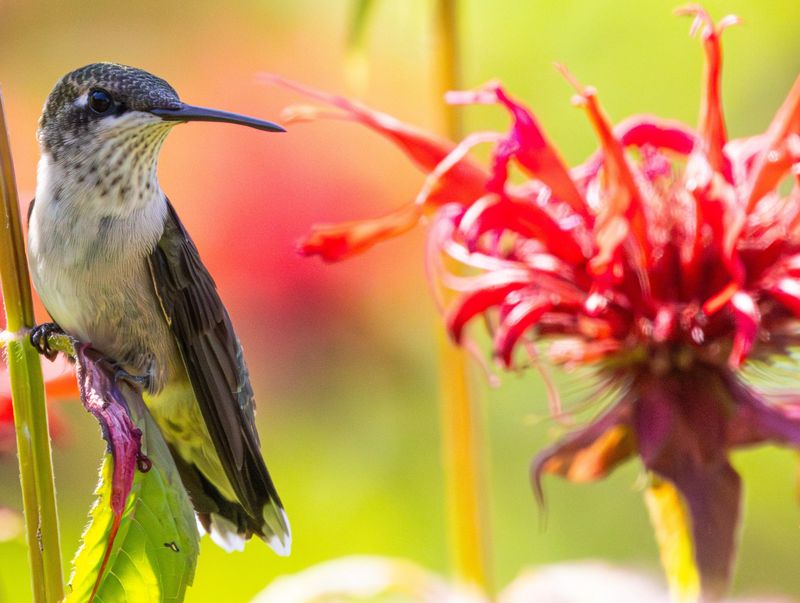
Not every flower in your yard will get a hummingbird’s attention. These birds are picky, and they have learned over time which blooms offer the best nectar reward.
Knowing which flowers they love can help you plan your garden with them in mind.
Salvia is one of the top choices. Both native and ornamental salvias produce deep, tubular flowers that are packed with nectar.
Red and purple varieties are especially popular with Anna’s hummingbirds and visiting Rufous hummingbirds in late summer.
Penstemon is another favorite, especially in inland and mountain areas of California. These tall, slender flowers bloom in shades of red, pink, and purple.
They are also native plants, which means they are well-suited to the local climate and need less water to thrive.
Fuchsia plants, often found hanging in pots on porches, are a classic hummingbird magnet. The drooping, lantern-shaped blooms are perfectly designed for hovering birds to feed from.
They tend to bloom heavily in late summer, making August a peak time for fuchsia feeding.
Agastache, also called hummingbird mint, lives up to its name. The long flower spikes bloom in orange, pink, and purple shades.
Planting a mix of these flowers throughout your yard creates a layered feeding garden that hummingbirds will visit all day long.
4. Why Your Yard Became A Hummingbird Stop
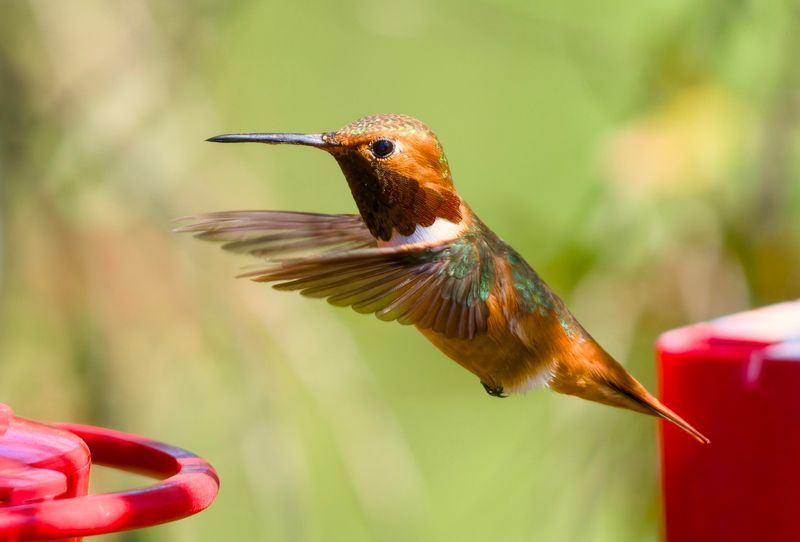
Sometimes a yard just seems to attract more hummingbirds than the neighbors’ yards do. If yours is one of those places, something about your outdoor space is checking all the right boxes for these birds.
It is worth figuring out what that is so you can keep it going.
One big factor is the presence of red flowers or a red feeder. Hummingbirds have excellent color vision and are drawn to red from a distance.
Even a single bright red planter near your porch can be enough to pull them in off the street.
Trees and tall shrubs also play a role. Hummingbirds like to perch high up to survey their feeding territory.
If your yard has a good mix of tall trees and lower flowering plants, it gives them a complete habitat in one small space.
Yards with fewer chemicals tend to attract more hummingbirds too. When you skip the pesticides, you allow small insects to thrive.
Those insects become a protein source that makes your yard even more appealing to these birds.
Location matters as well. Yards near open fields, parks, or natural areas in our state tend to see more hummingbird traffic.
These birds travel along familiar routes, and if your yard sits along one of those paths, you are in a great spot to enjoy regular visits all through August.
5. The Late-Summer Plants They Love
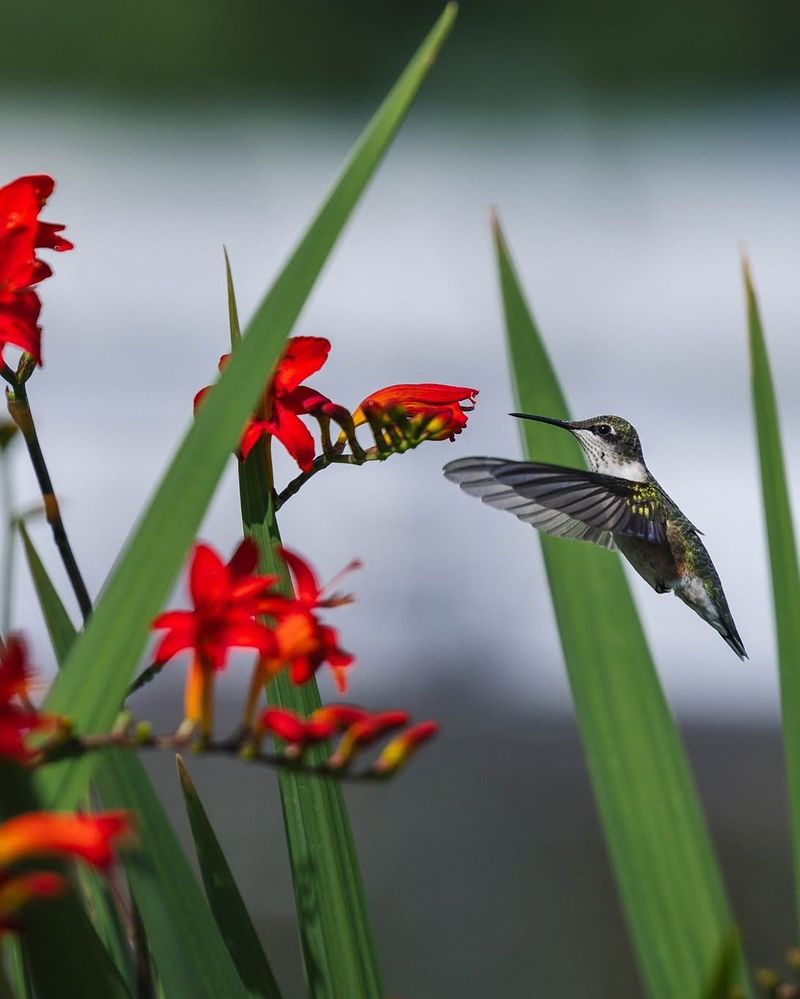
Late summer brings a special set of plants into bloom, and hummingbirds have tuned their schedules to match. August is actually a great month for nectar-rich flowers, and the birds know exactly where to find them.
Monarda, also called bee balm, is a late bloomer that hummingbirds absolutely love. Its shaggy, red and pink flower heads are full of nectar and stay in bloom well into August.
It grows well in many parts of California, especially in areas with moderate temperatures.
Cape fuchsia, or Phygelius, is a shrubby plant that produces long, tubular flowers in coral and red shades. It blooms heavily during the hottest weeks of summer and holds up well even in dry conditions.
This makes it a smart choice for gardeners in Southern and Central parts of the state.
Crocosmia is a bold, orange-red flowering plant that blooms in arching sprays during late summer.
Hummingbirds are attracted to its bright color and the shape of its small, curved flowers. It spreads easily and can fill a garden bed quickly.
Cannas, with their tropical-looking leaves and tall flower spikes, also pull in hummingbirds during August. Their big, bright blooms in red, orange, and yellow stand out in any yard.
Pairing cannas with salvias and agastache creates a late-summer feeding buffet that keeps hummingbirds busy from morning to evening.
6. Small Garden Changes That Help Hummingbirds
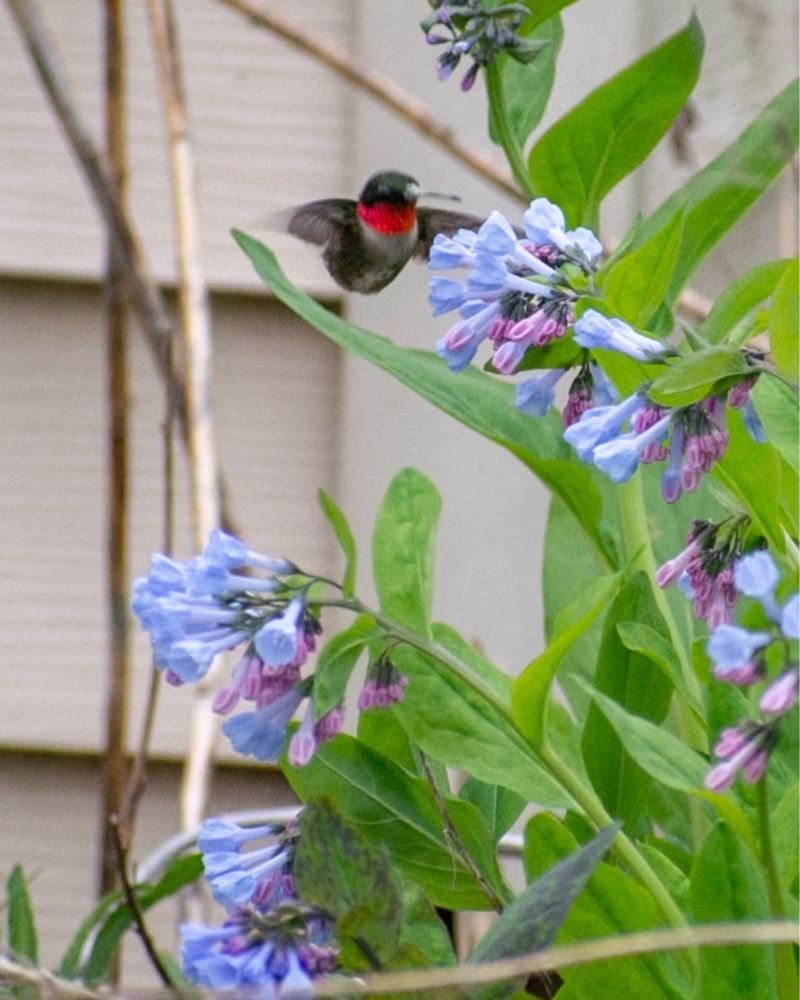
You do not need a huge yard or a big budget to make your outdoor space better for hummingbirds.
A few small, smart changes can make a real difference in how often these birds stop by during August and the weeks that follow.
Start by adding at least one hummingbird feeder if you do not already have one. Fill it with a simple mix of one part white sugar to four parts water.
Skip the red dye because plain sugar water works just as well and is healthier for the birds.
Move your feeder to a spot that gets morning shade. Nectar spoils faster in direct heat, and August sun can be intense.
Changing the nectar every two to three days during hot weather keeps it fresh and safe for the birds to drink.
Adding a trellis with climbing flowers like trumpet vine can create a vertical feeding station. This uses wall or fence space that might otherwise go unused.
Trumpet vine blooms heavily in late summer and is one of the most reliable hummingbird attractors in California.
Reducing or stopping pesticide use in your yard is one of the best things you can do. Healthy insect populations support hummingbirds in ways that feeders alone cannot.
Even switching to organic pest control methods can noticeably increase hummingbird activity in a single season.
7. The Water Feature They Notice First
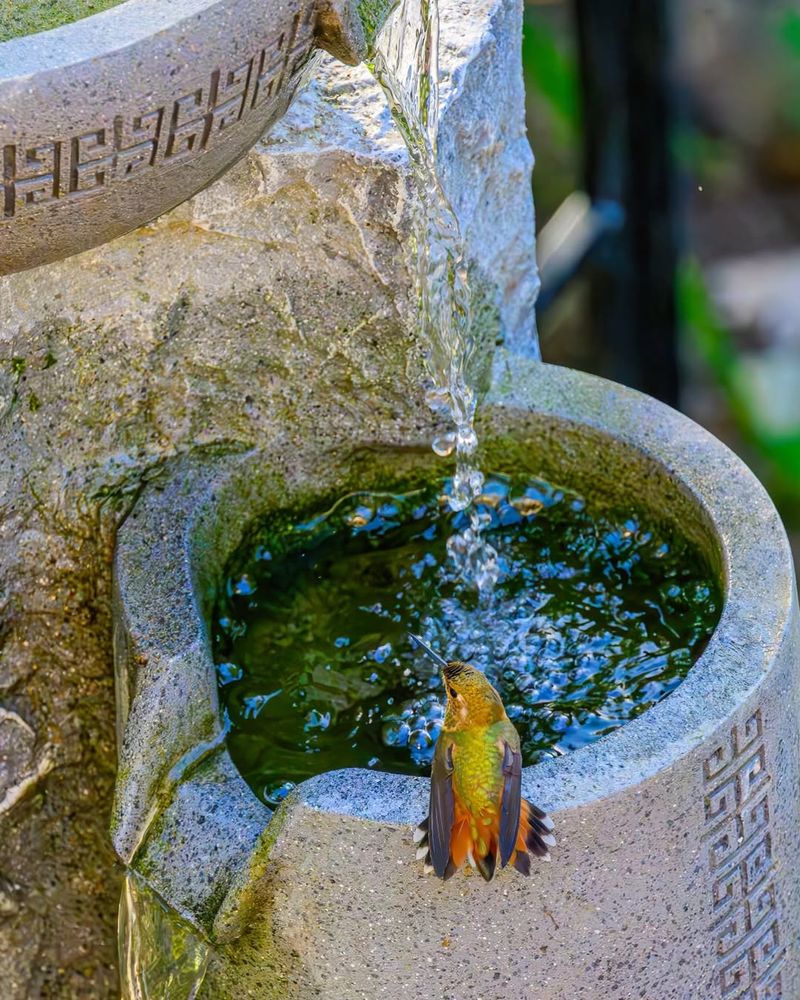
Most bird lovers know that a bird bath helps attract wildlife, but hummingbirds have a slightly different relationship with water than most birds. They prefer moving water over still water, and they are especially drawn to fine mist or gentle drips.
A misting device attached to a garden hose or a small misting fountain is one of the fastest ways to attract hummingbirds to your yard. These birds will fly through a mist to cool down and clean their feathers.
During the hot August days across our state, that cool mist is incredibly appealing to them.
Drip fountains work well too. The sound of dripping water carries surprisingly far in a quiet yard, and hummingbirds pick up on it quickly.
Even a simple solar-powered water wiggler placed in a shallow dish can do the job without any wiring or complicated setup.
Placement matters when it comes to water features. Set your mister or drip fountain near flowers or a feeder so hummingbirds discover it while they are already in the area.
Keep the water shallow because deep water is not safe for such small birds.
Cleaning your water feature every few days prevents algae and bacteria from building up. Fresh, clean water is always more attractive than murky water.
A well-placed, clean water feature can become the single most visited spot in your entire yard during August.
8. What Hummingbird Activity Can Tell You
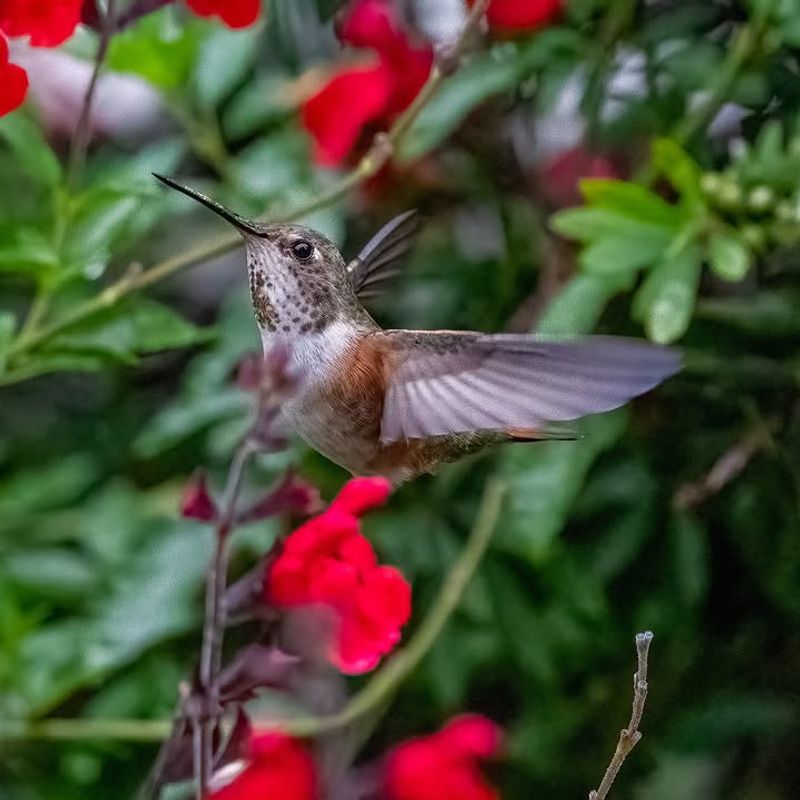
Watching hummingbirds carefully can actually teach you a lot about what is going on in your garden and in the natural world around you.
These birds are surprisingly good indicators of the health and balance of your outdoor space.
If hummingbirds are visiting your yard more often than usual in August, it likely means your garden is offering something valuable.
Plenty of nectar, clean water, and a healthy insect population are the main things they need. A spike in visits is a sign that your yard is in good shape.
On the other hand, if hummingbirds suddenly stop coming, it could mean something has changed.
A feeder that ran dry, a flower bed that finished blooming, or a recent pesticide application can all cause them to move on. Paying attention to those patterns helps you adjust quickly.
Hummingbird behavior can also signal seasonal shifts. When you notice them feeding more aggressively and chasing each other away from feeders, it often means migration season is getting close.
This territorial feeding is a natural response to the urge to stock up before a long journey.
Late August in California often brings a mix of year-round residents and migrating visitors. Seeing new or unfamiliar hummingbirds in your yard during this month is exciting.
It means your garden has earned a spot on their travel map, which is one of the best compliments a yard can receive.