Can California Gardeners Still Plant A New Herb Garden In Fall?
Walking into a garden center in October, most people assume herb season already ended months ago.
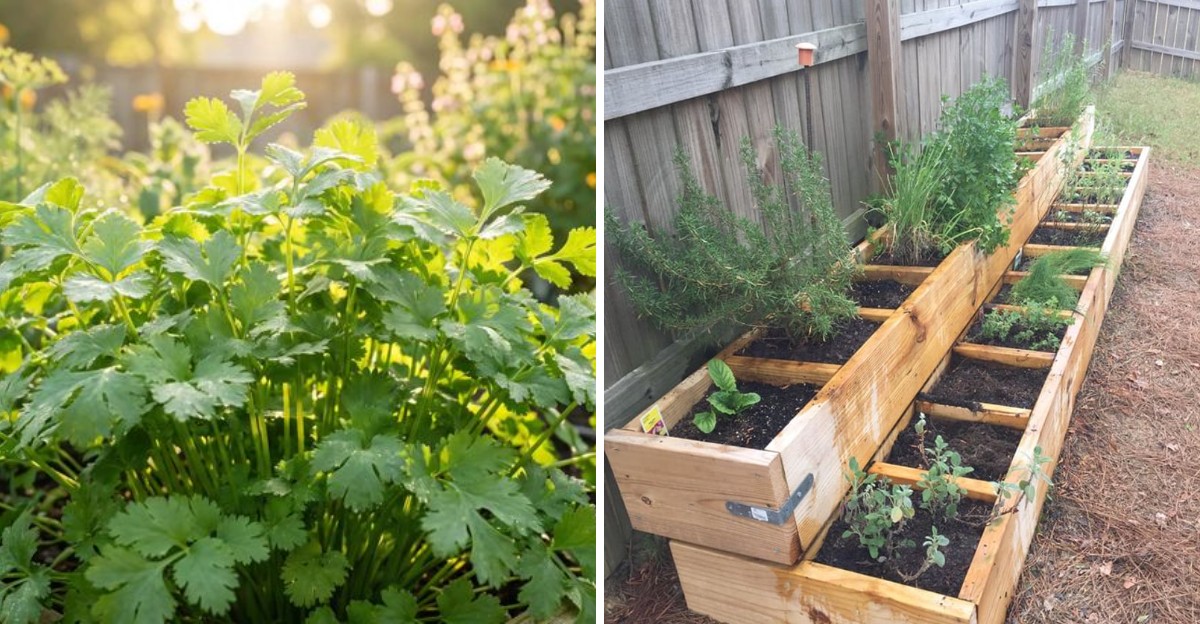
Then there it is. A whole table of bushy rosemary, fresh parsley, bright green cilantro, all tagged plant now.
Those tags aren’t lying, and that surprises almost everyone who’s spent a lifetime assuming fall means winding down the garden, not starting fresh.
Something about California’s specific climate flips the usual gardening calendar on its head for a whole category of plants most people only think about in spring.
Curious why a nursery full of herbs in October might be the smartest purchase of the year rather than a leftover? The answer starts on a dry hillside above the Mediterranean Sea.
Mediterranean Herbs Handle Fall Planting Easily
A rosemary shrub clinging to a dry hillside above the Mediterranean Sea shrugs off wind, sun, and chilly winter rain without much fuss at all.
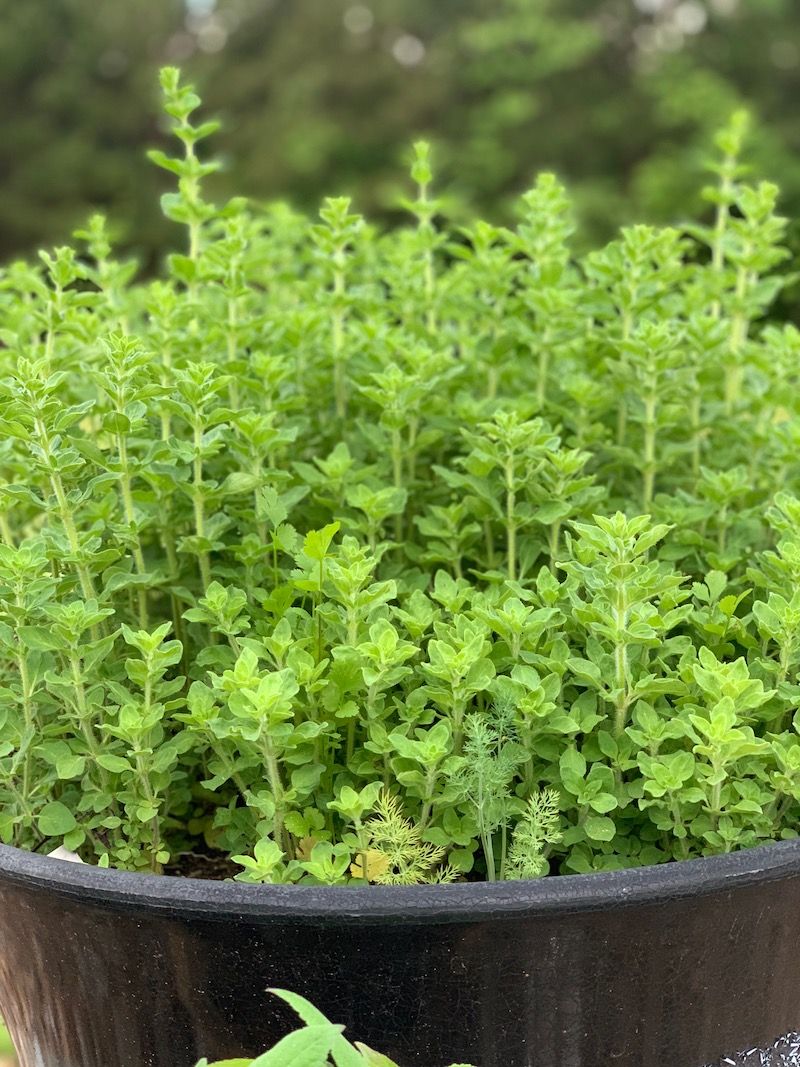
That tough plant is basically a cousin of the one waiting for you at the garden center. Rosemary, thyme, sage, and oregano all come from a region with weather much like much of California.
Their home climate has mild, wet winters and long, dry summers.
Because of that, these herbs have learned to handle a wide range of temperatures without much fuss. A fall planting date simply lines up with the season when their wild relatives would naturally put down new roots.
Fall counts as a great time to plant many perennials in California, and woody herbs fit that pattern.
Cooler air means less stress on young leaves, while warm soil keeps roots growing. Winter rain, when it arrives, can do some of the watering for you.
There is one big thing to watch: drainage.
Mediterranean herbs hate soggy feet, and wet winter soil can rot their roots faster than any frost. Plant them in a sunny spot with loose, gritty soil, or build a small mound or raised bed so extra water runs away.
Go easy on fertilizer, too. These herbs actually taste stronger when they grow a little lean.
Cooler Weather Actually Suits Many Herbs Better
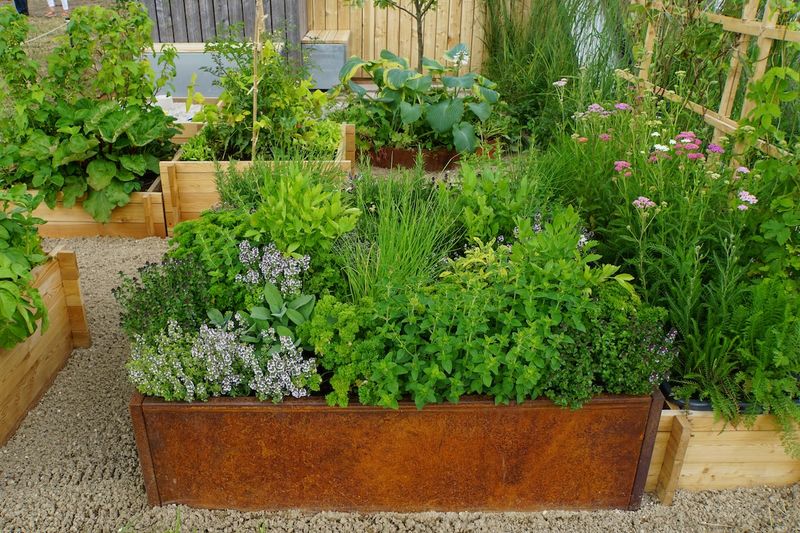
Settling a tiny basil or dill seedling into the ground during a July heat wave rarely ends well.
You water it in the morning, and by afternoon it looks like a wilted piece of lettuce. Summer can be brutal on young plants, even in a state famous for sunshine.
Fall changes the whole picture.
Days get shorter and air temperatures drop, so leaves lose less water through the day. Meanwhile, the soil stays warm from months of summer sun, which helps roots spread quickly.
That combination is a sweet spot for many herbs.
Chives, parsley, cilantro, dill, and the woody Mediterranean types all tend to settle in with less drama when the heat backs off. You spend less time rushing out with the hose, and the plants spend less energy just trying to survive.
Pests often slow down as well.
Your California Garden Changes Every Week. Your Plan Should Too.
Gardening in California changes quickly throughout the season. Every Friday you’ll receive a simple weekly plan showing exactly what to plant, prune, fertilize, harvest, and protect so you never miss the right timing.
Many common summer troublemakers, like spider mites that love hot, dusty conditions, become less active as temperatures cool. Keep an eye out for snails and slugs, though, since they tend to wake up once fall and winter moisture returns.
Not every herb loves cool weather.
Basil is a true warm-season plant and usually sulks or fails once nights turn chilly, so save it for spring.
Cilantro And Parsley Prefer This Season
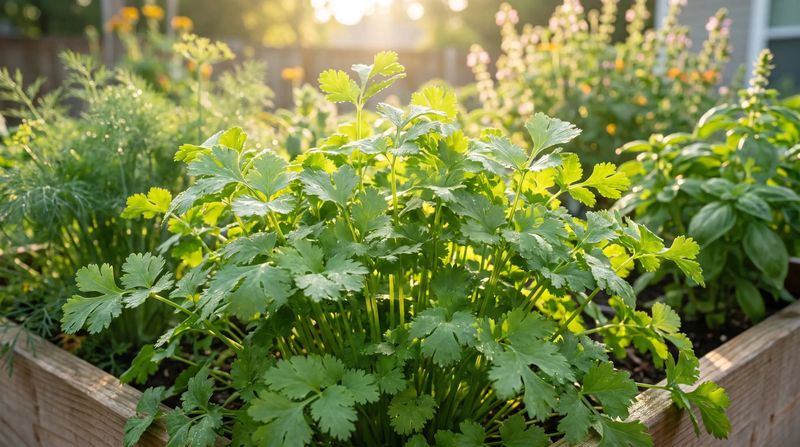
Here’s a small gardening secret. Cilantro planted in summer is often a letdown.
Just when you want fresh leaves for salsa, the plant shoots up a tall flower stalk and the leaves turn thin and bitter. Gardeners call this bolting, and heat plus long days are the main triggers.
Cilantro is a cool-season herb, and it generally counts as a fall and winter crop in much of California.
Cool temperatures keep the plant in leafy mode much longer. A fall sowing can give you weeks or even months of harvest instead of a quick burst before it bolts.
Parsley behaves in a similar way.
It’s a biennial, meaning it grows leaves the first year and tries to flower in the second. Started in fall, it grows steadily through mild California winters and often keeps producing well into spring.
Both herbs grow easily from seed sown right where you want them.
Cilantro has a long taproot and does not love being moved, so direct seeding is often best. Parsley seeds are slow to sprout, so soaking them in water overnight can speed things up.
For a steady supply, sow a short row of cilantro every two or three weeks.
Established Roots Beat A Late Spring Start
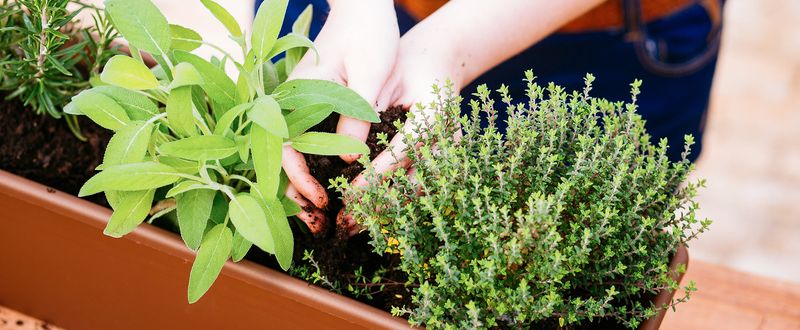
Fall planting works a bit like getting a head start on a long race.
A thyme plant set out in October has months to quietly build roots before summer heat returns. A plant set out in late May has only a few weeks before it faces its first scorching afternoon.
Roots are the plant’s water pipeline.
When they spread deep and wide, the herb can reach moisture far below the dry surface soil. Young plants with small root systems depend almost completely on you and your watering schedule.
During fall and winter, the top growth of many perennial herbs slows down.
The roots, however, can keep growing as long as the soil is not frozen, and in most of California it rarely freezes solid. This quiet underground growth is why fall gets recommended so often for planting shrubs and perennials.
By the time spring arrives, a fall-planted sage or oregano is ready to burst out with fresh leaves.
It often looks bigger and fuller than a plant of the same size bought in spring. Come summer, it usually needs less water and handles heat waves with less wilting.
Regional Timing Still Shapes The Details
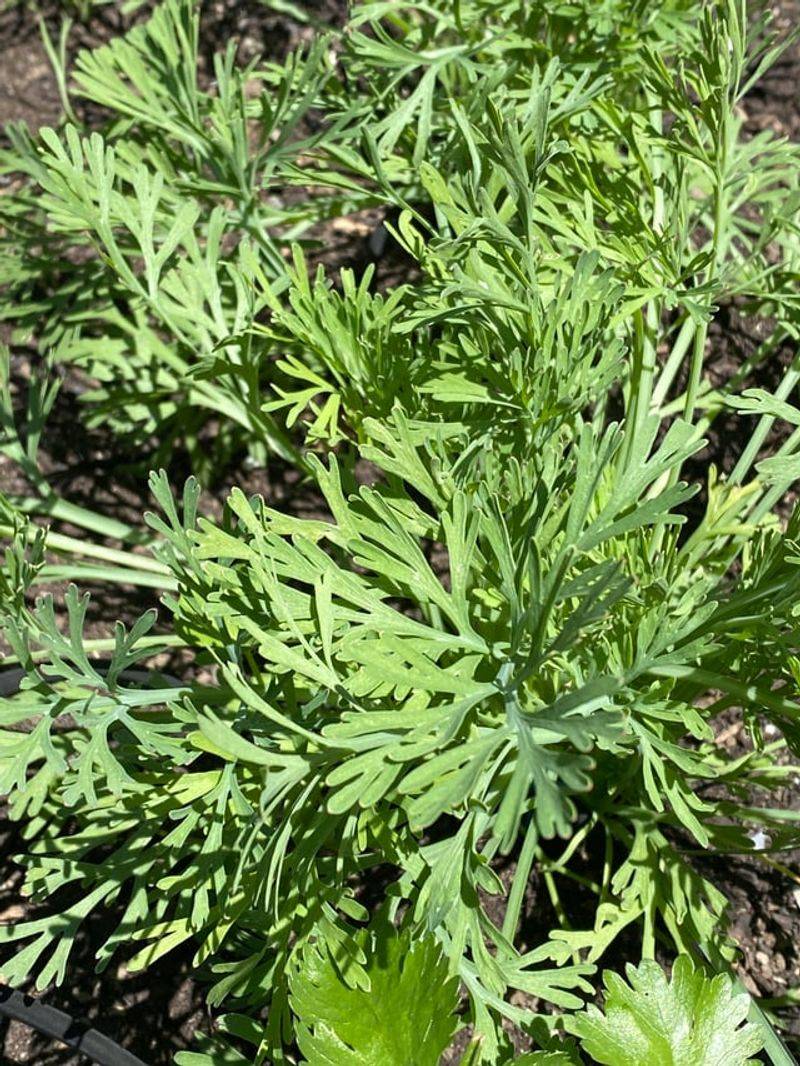
California is not one climate. It’s more like a patchwork quilt, with foggy beaches, hot inland valleys, snowy mountains, and baking deserts all within a day’s drive.
The fall answer is still yes, but the best calendar dates can shift a bit depending on where you live.
Along the coast, mild temperatures make timing very forgiving.
Gardeners in places like San Diego, Santa Barbara, or the Bay Area can often plant herbs from September through November and sometimes beyond. The main concern is making sure foggy, damp spots still get enough sun.
Inland valleys, such as the Central Valley or the Inland Empire, can stay hot into early fall.
Waiting until late September or October, when the worst heat has passed, usually gives better results. These areas can also get frost in winter, so planting early enough for roots to settle before cold nights helps.
Low deserts like Palm Springs or Imperial Valley flip the usual script.
Fall and winter are the main growing season there, since summers are simply too hot for most herbs. Many desert gardeners wait until October, when temperatures finally ease.
Higher mountain areas are the exception, since early hard freezes can arrive quickly.
Containers Offer More Planting Flexibility
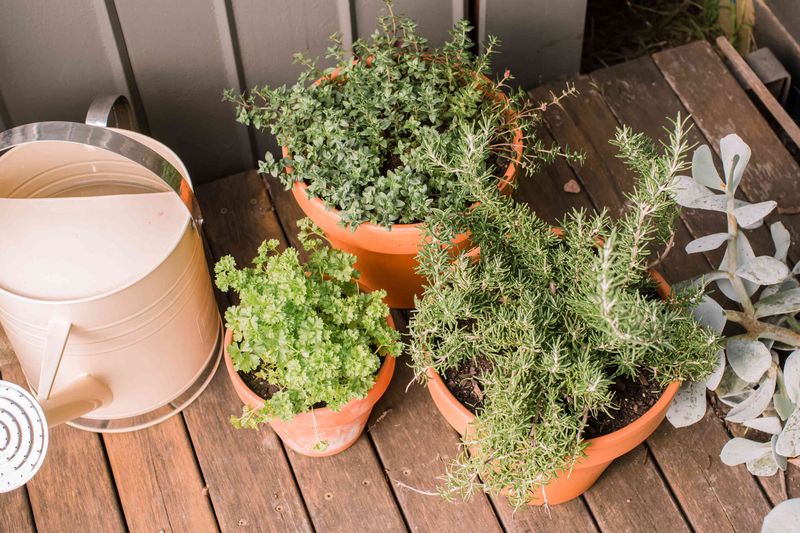
A pot of herbs works a bit like a garden on wheels.
If a heat wave hits, you can slide it into shade. If a cold snap is coming, you can tuck it under a patio roof or against a warm wall.
That freedom makes containers a smart choice for fall herb gardens.
You’re not stuck waiting for a perfect weather window, because you can move plants to wherever conditions are best. Renters and apartment dwellers can grow a full herb garden on a balcony or sunny step.
Containers also solve the drainage problem that worries many gardeners with heavy clay soil.
Rosemary, thyme, and sage thrive in pots filled with a quality potting mix, especially one with a bit of extra grit. Always choose pots with holes in the bottom so water can escape.
Terracotta pots breathe and dry out faster, which suits Mediterranean herbs well.
Glazed or plastic pots hold moisture longer, a better match for parsley and cilantro.
Potted herbs do need more attention to watering, since containers dry out faster than garden beds.
Check the soil with your finger every few days, even in cooler months.
Fall Is A Genuinely Good Time To Start
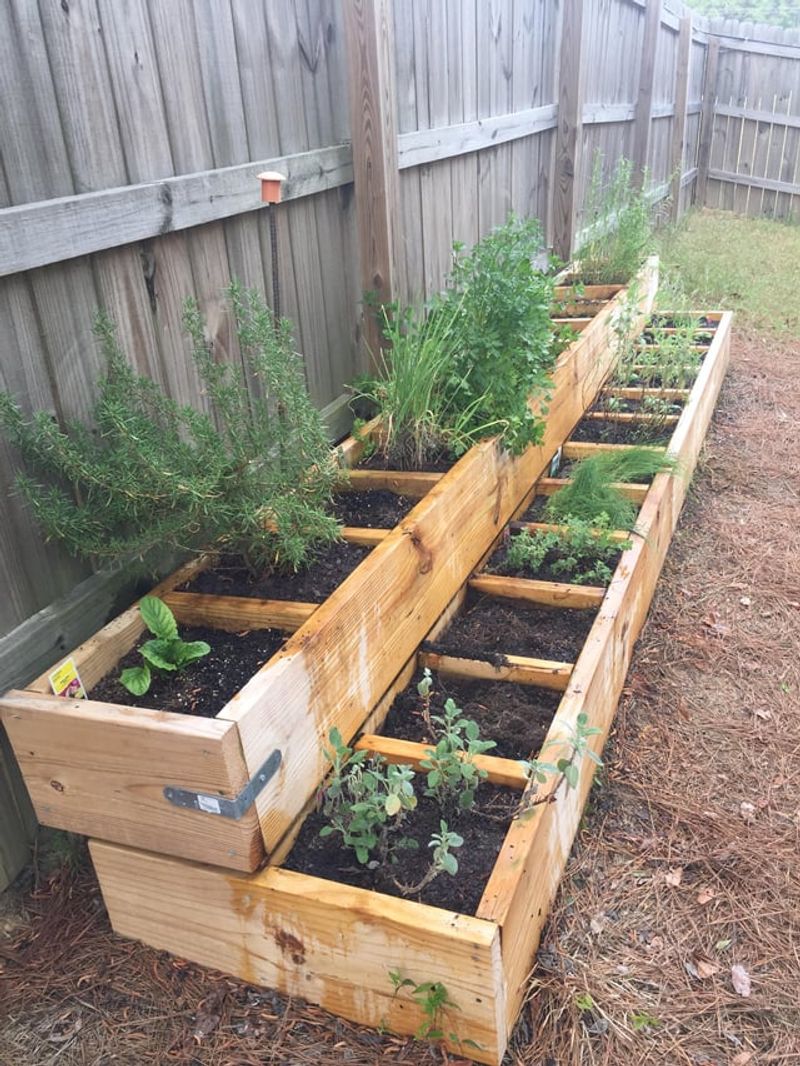
So, back to the big question. Can California gardeners still plant a new herb garden in fall? Yes, absolutely, and in many cases fall is one of the best times of the year to do it.
The reasons stack up nicely.
Mediterranean herbs like rosemary, thyme, sage, and oregano settle in easily and build strong roots through the mild winter. Cool-season herbs like cilantro and parsley actually grow better in fall than they ever do in summer heat.
Warm soil, cooler air, and the chance of winter rain all work in your favor.
Your plants face less stress, and you spend less time dragging a hose around. Many gardeners who try it once end up making fall their favorite planting season.
To get started this weekend, pick a sunny spot or a few good pots.
Choose two or three easy herbs, such as parsley, thyme, and chives, so you don’t feel overwhelmed. Add cilantro seeds for a quick, satisfying harvest in just a few weeks.
Skip basil until spring, and adjust your timing if you live in a hot inland valley or the desert.