The Meaning Behind Seeing More Dragonflies Over Your Texas Yard In Summer
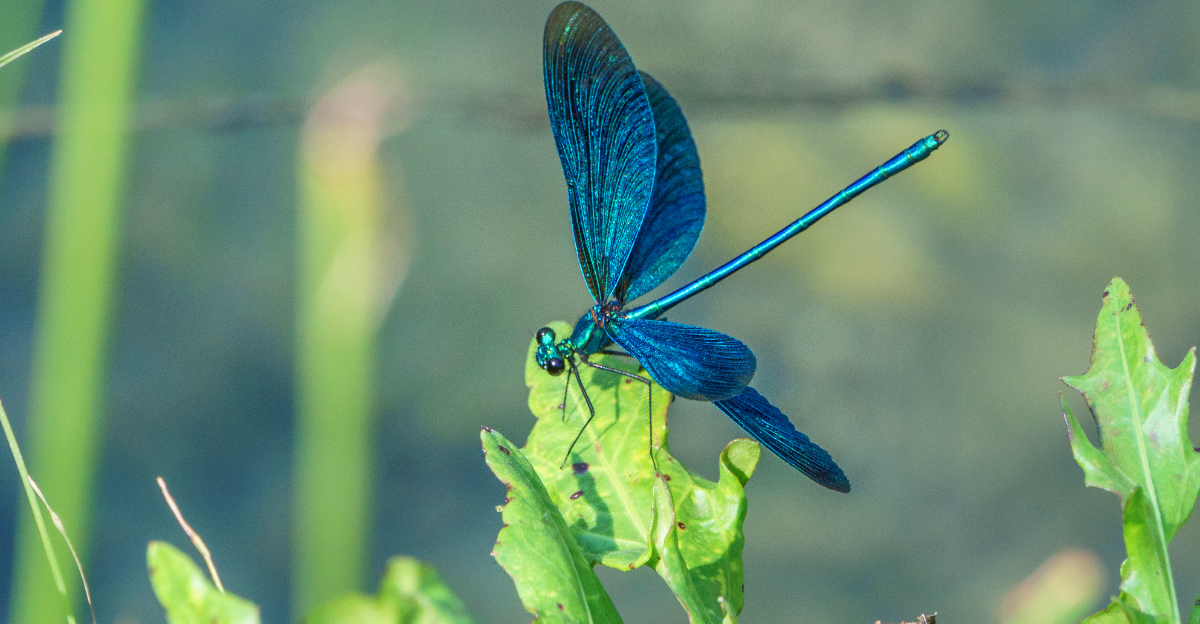
Something changed in your yard this summer, and dragonflies noticed before you did. More of them are showing up over Texas properties right now, weaving through the air like they own the place. That is not just a coincidence.
Texas summers create the exact conditions that pull these fliers toward certain yards and not others. Yours apparently checked enough boxes to earn a visit, and the details behind that are more specific than most people realize.
Stick around, because what is happening above your lawn is more interesting than it looks.
A Sudden Rise In Backyard Activity Signals Something Specific
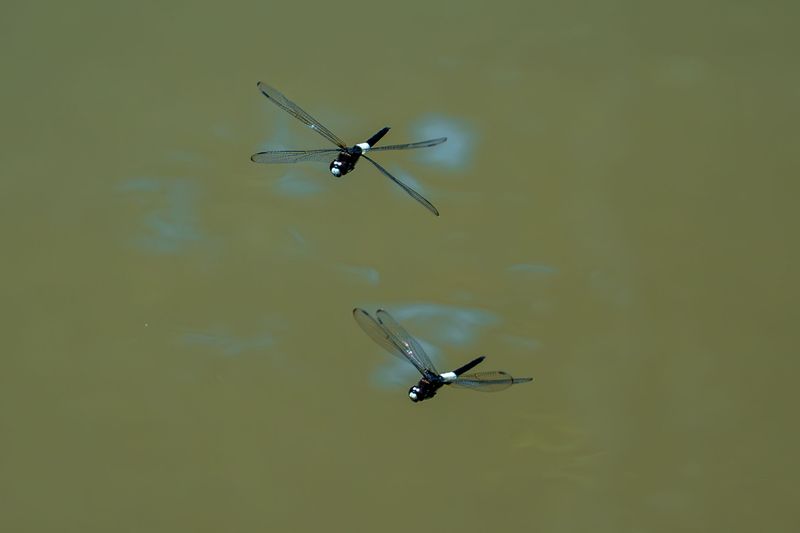
Your yard just became a hunting ground. When dragonfly numbers jump suddenly, something in your outdoor space shifted enough to attract them in groups.
Dragonflies are not random wanderers. They show up where the conditions are right, and a spike in sightings is a direct signal worth paying attention to.
Think of them as nature’s meter readers. They are measuring your yard’s health, insect activity, and moisture levels all at once.
That shift usually starts with a change in your yard you have not clocked yet. A new plant bloomed, standing water formed, or a warm wind shifted the local insect cloud your way.
Dragonfly ancestors have existed for roughly 300 million years. They have survived because they are excellent at finding the right conditions fast.
When several appear in the same spot, they are responding to a real signal. That signal is almost always food, water, or warmth, and your yard is currently offering at least one of those things in abundance.
Watch where they hover most. The spot they circle is usually where the insect activity is highest or where humidity is thickest.
Paying attention to their flight patterns gives you a surprisingly detailed map of what is happening in your yard. Your backyard just became a live nature documentary, and the dragonflies are the main characters.
Abundant Flying Insects Draw These Predators Into Your Yard
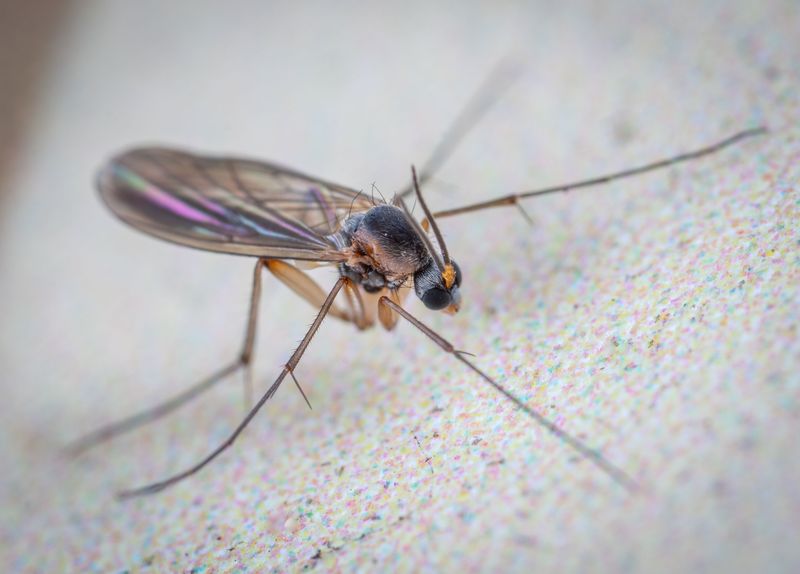
Dragonflies are hunters, plain and simple. Some species catch up to 95 percent of everything they chase, making them one of the most effective predators on the planet.
When your yard has a lot of gnats, midges, or mosquitoes, word gets out fast. Dragonflies zero in on areas where the prey is thick and the hunting is easy.
A yard full of flying insects is essentially an all-you-can-eat buffet for these aerial acrobats. They will keep coming back as long as the food supply holds up.
Gnats tend to swarm near compost bins, overripe fruit, and damp soil. Midges cluster near standing water and dense grass, two things many Texas yards have plenty of in summer.
So if you are swatting more bugs than usual this season, that explains the uptick in dragonfly sightings. They followed your pest problem straight to your doorstep.
Each dragonfly can eat hundreds of insects per day. A small group patrolling your yard can make a noticeable dent in the local pest population within a week.
Your Texas Garden Changes Every Week. Your Plan Should Too.
Gardening in Texas changes quickly throughout the season. Every Friday you’ll receive a simple weekly plan showing exactly what to plant, prune, fertilize, harvest, and protect so you never miss the right timing.
You do not need to do anything special to keep them around. Just let the natural food chain play out, and the dragonflies will handle their part.
The best yards for dragonfly activity tend to have layered plantings, open air space, and a little messiness. A perfectly manicured lawn actually offers less for these predators to work with, so a little wildness pays off.
Nearby Water Sources Play A Major Role In Sightings
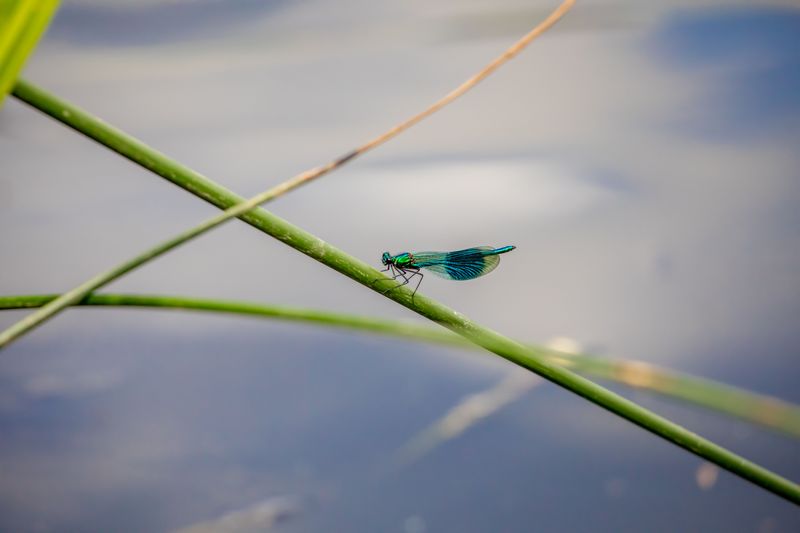
Water is everything to a dragonfly. Without it nearby, they simply will not stick around for long, no matter how many insects are available.
Dragonflies breed in water. Females lay eggs on aquatic plants or directly on the water’s surface, and the larvae spend months or even years living underwater before emerging as adults.
A backyard pond, a neglected birdbath, or even a slow-draining low spot in your lawn can become a dragonfly nursery. You might be raising the next generation without even knowing it.
Texas summers run harsh and dry, and water sources become scarce fast. Any yard that holds moisture or features open water becomes a magnet for these insects when the surrounding landscape dries out.
If you have a pond or water garden, you are already ahead of the game. Dragonflies will patrol that area repeatedly, especially in the early morning and late afternoon hours.
Even a small container water feature, around 15 to 20 gallons, can attract them. Add some aquatic plants like pickerelweed or water iris to give larvae a place to cling and grow.
That pull almost always traces back to a water source within a few hundred feet. Check your neighborhood, not just your own yard.
Nearby creeks, retention ponds, or irrigation ditches can fuel a local dragonfly population that spills into surrounding yards. Your yard benefits from being close to those sources.
This Pattern Often Points To Fewer Mosquitoes Overall
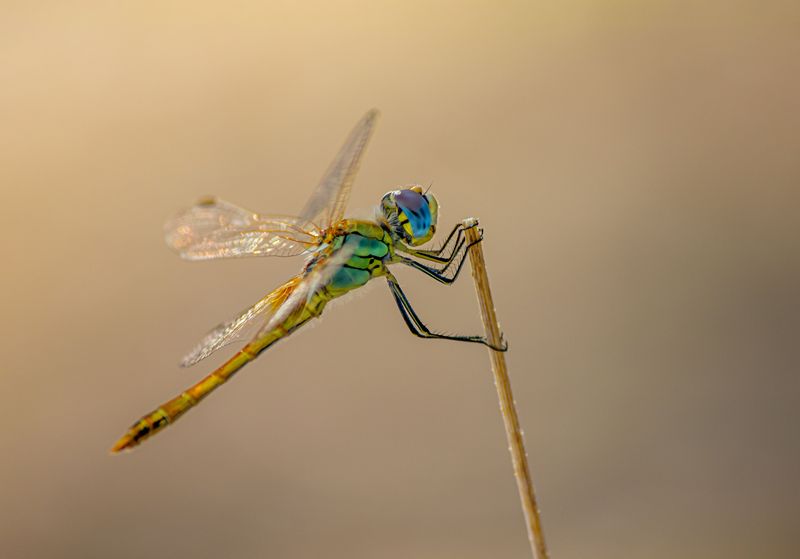
A welcome shift is hovering over your yard right now. A higher dragonfly count almost always means fewer mosquitoes are surviving in your outdoor space.
Dragonflies eat mosquitoes at every stage of development. The larvae eat mosquito larvae underwater, and adult dragonflies snatch adult mosquitoes right out of the air.
One dragonfly can consume between 30 and hundreds of mosquitoes in a single day. A group of them working your yard is more effective than most sprays or traps on the market.
This is not a coincidence or a feel-good nature story. It is a documented ecological relationship that plays out in backyards across the country every summer.
If you have noticed fewer itchy bites lately, look up. The answer to your relief is probably darting around above your head at this very moment.
Encouraging dragonflies is one of the smartest, most low-effort pest management strategies available to homeowners. You do not spray, you do not trap, and you do not schedule any appointments.
You simply make your yard welcoming, and they do the work for free. Fewer chemical treatments also means a healthier garden, cleaner soil, and safer conditions for kids and pets.
The natural balance dragonflies create is something that took millions of years to develop. Leaning into that system instead of fighting it makes your outdoor space calmer, safer, and a whole lot more enjoyable to spend time in.
Recent Rain Or Humidity Can Trigger Temporary Increases
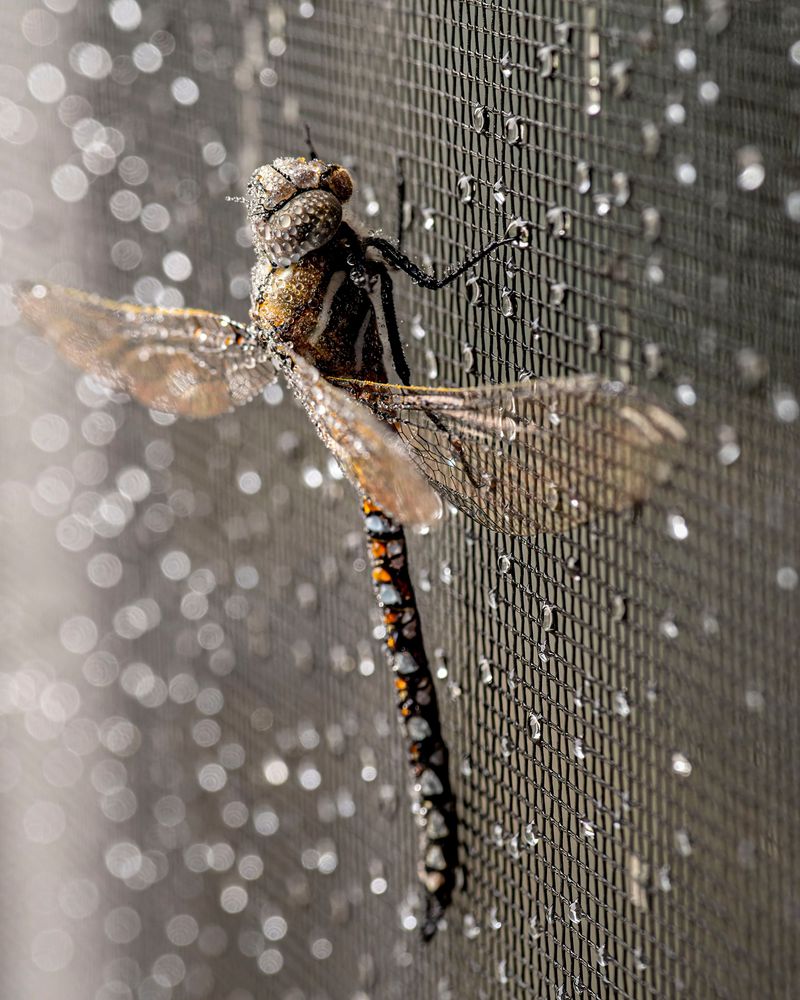
After a summer rainstorm, your yard transforms. Water pools in low spots, humidity rises sharply, and insects emerge in numbers that were not there the day before.
Dragonflies pick up on these changes almost instantly. Their sensory systems are finely tuned to shifts in moisture, temperature, and insect density, so a rainy afternoon can bring a sudden surge in sightings.
Texas summers swing between scorching dry spells and sudden heavy rains. Each rainfall event temporarily resets the local insect landscape, and dragonflies take full advantage of that reset.
Wet conditions cause gnats and midges to hatch in large numbers. Those insects rise from moist soil and pooled water, creating a feeding opportunity that dragonflies respond to within hours.
High humidity also makes flying easier for these insects. Their wings perform better in moist air, which means they can fly longer, hunt more efficiently, and cover more ground after a rain event.
If you see a dramatic spike in dragonfly activity, check the weather from the past 48 hours. A rain event or a shift toward higher humidity is almost always the trigger behind a sudden increase.
These spikes are usually temporary. Once the standing water evaporates and the insect surge settles, dragonfly numbers tend to taper back to their baseline level for your area.
Enjoy the show while it lasts. Post-rain dragonfly activity is one of the most dazzling free nature displays a Texas backyard can offer.
Simple Yard Features Keep These Visitors Coming Back
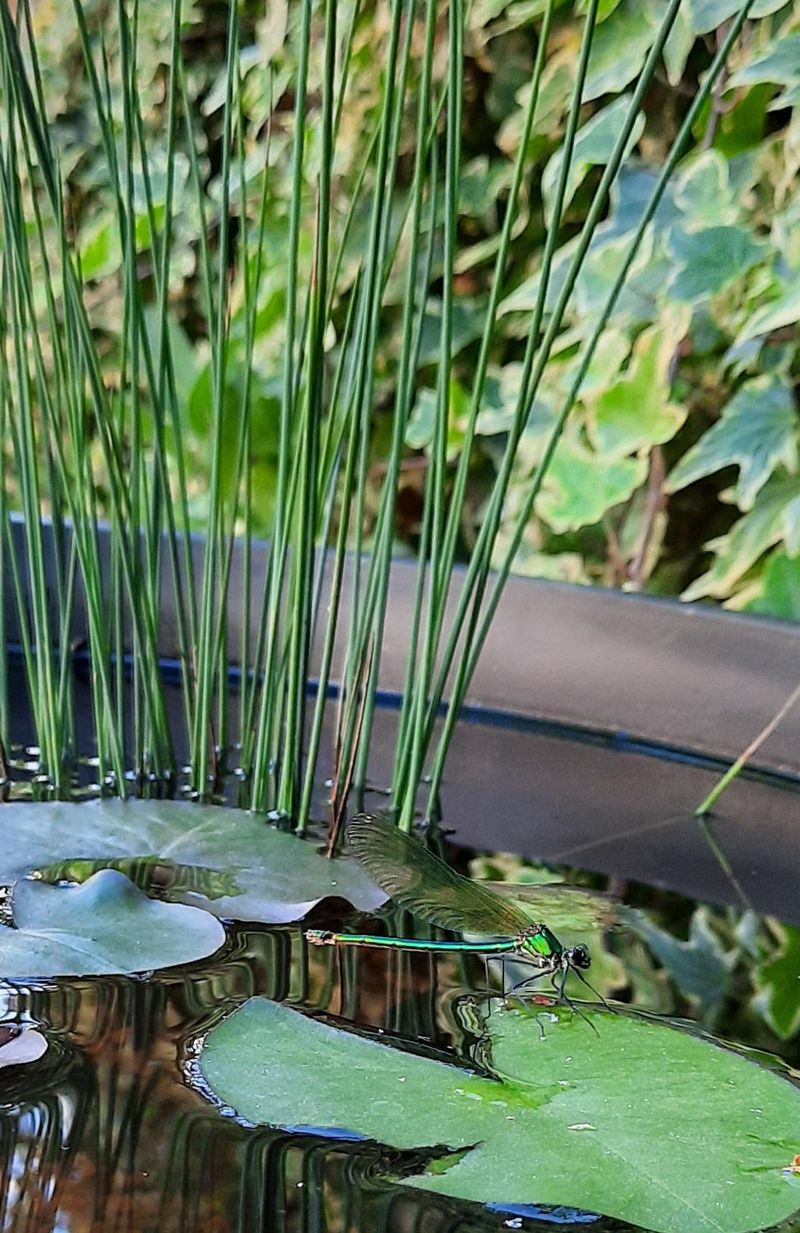
You do not need a fancy landscape design to make dragonflies feel at home. A few simple, intentional choices can turn your yard into a reliable stopping point all season long.
Start with water. Even a small, shallow container filled with clean water and a few aquatic plants gives dragonflies a reason to linger and potentially breed nearby.
Native plants are your next best move. Species like black-eyed Susan, coneflower, and Texas sage attract the small insects that dragonflies feed on, building a full food chain right in your own yard.
Open sunny areas matter too. Dragonflies are cold-blooded and need warm spots to rest and regulate their body temperature between hunting sessions.
Flat rocks, wooden fence posts, and bare branches all serve as basking perches. Place a few in sunny corners and you will often spot dragonflies sitting still long enough to get a good look at them.
Avoid broad-spectrum pesticide sprays if you want them to stick around. Those products wipe out the insects dragonflies depend on, eliminating both their food source and their reason for visiting.
Reducing nighttime lighting near water features also helps. Bright lights disrupt insect patterns and can throw off the natural rhythms dragonflies rely on for hunting.
That pattern is ultimately a reflection of your yard’s overall health. Build a welcoming space, and these ancient fliers will keep choosing your yard, season after season.