The Tiny Lawn Insect Turning Texas St. Augustine Brown In July’s Heat
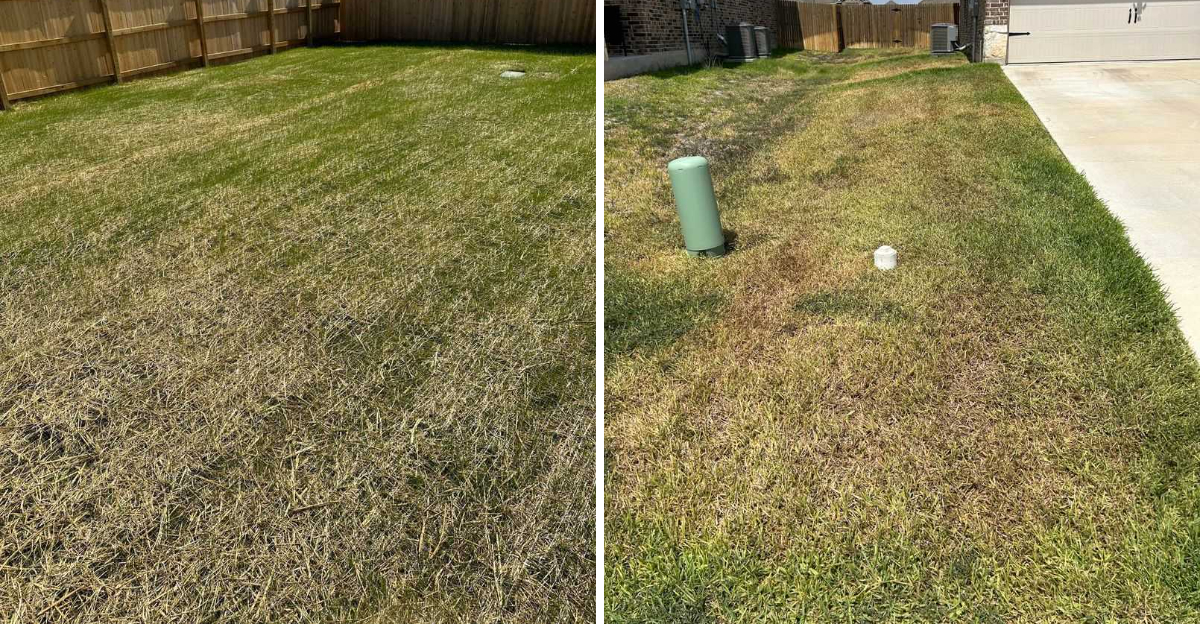
Your lawn is disappearing right in front of you, and the culprit stays completely out of sight. Across Texas, St. Augustine grass is breaking out in brown, spreading patches during the harshest stretch of July heat.
Drought isn’t to blame. Neither are faulty sprinklers or a fungal outbreak. A tiny, sap-sucking insect hides deep in the thatch, quietly draining the grass blade by blade until entire sections turn to straw.
What makes this so frustrating is how invisible the damage stays at first. By the time yellow patches catch your eye, the infestation has often already spread toward the healthiest parts of your Texas yard.
There’s a simple test that takes only a few minutes and tells you exactly what’s behind those fading patches.
The Tiny Culprit Behind Your Brown Patches
Your lawn looked fine last week, and now it doesn’t. Brown patches are spreading fast, and no amount of watering seems to help.
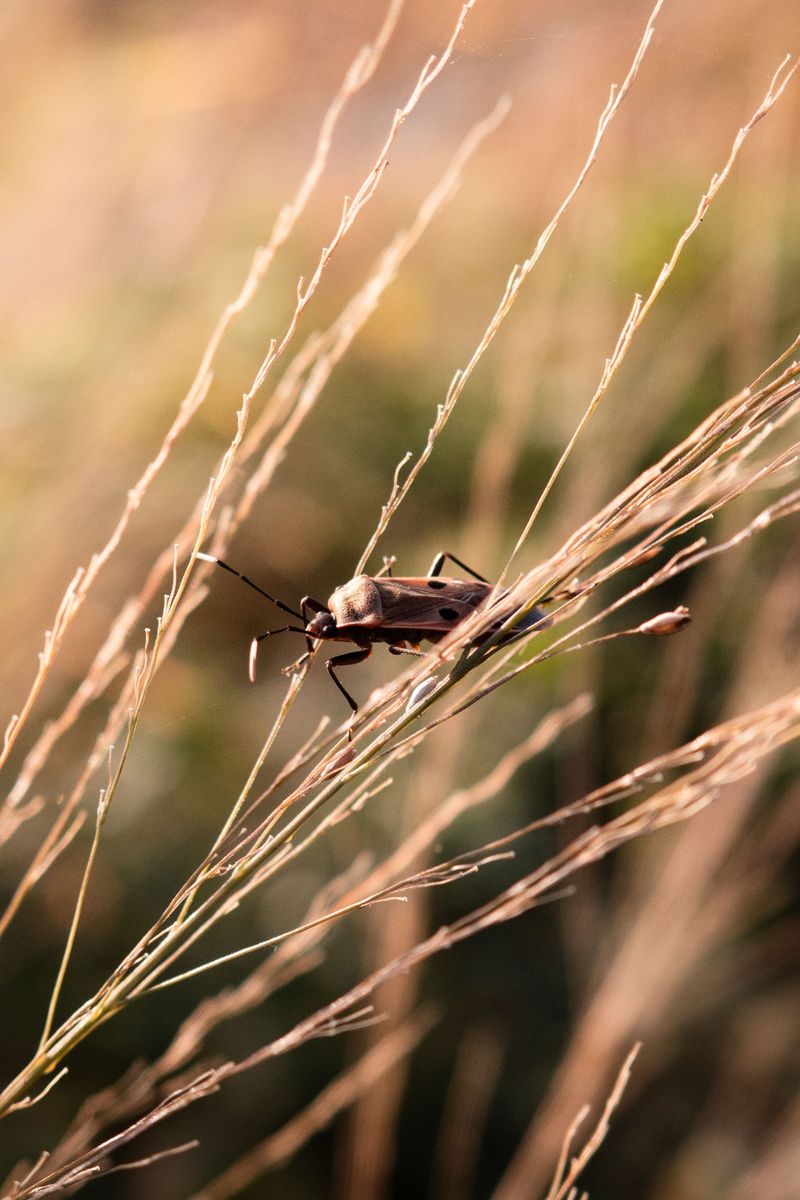
The insect behind this chaos is the southern chinch bug, a pest that targets St. Augustine grass across Texas every summer. Adult chinch bugs are barely an eighth of an inch long, making them nearly invisible without looking closely.
They have black bodies with white wings folded flat across their backs. Nymphs, the juvenile stage, are even tinier and range from bright red to orange before darkening as they mature.
Chinch bugs live right at the soil surface, tucked into the thatch layer where grass meets dirt. That hidden location makes them hard to spot during a casual lawn walk.
A single female can lay up to 300 eggs across her lifetime, so populations explode fast during hot, dry stretches. July in Texas is basically a chinch bug paradise, with temperatures and humidity conditions they thrive in.
Lawns that are over-fertilized with nitrogen are especially attractive to these pests. Thick thatch buildup also creates the perfect sheltered habitat they need to breed and feed without interruption.
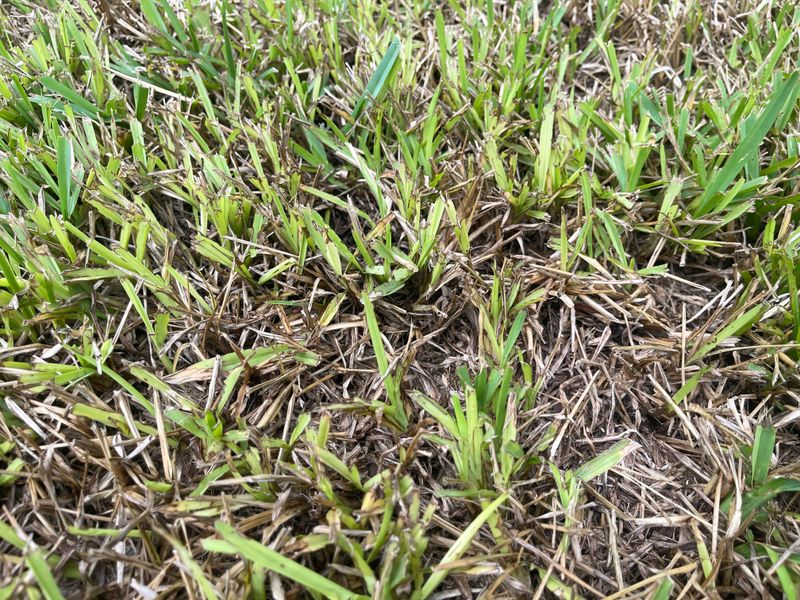
You might mistake the early damage for heat stress or drought. But if the brown patches keep spreading even after you water, that’s a major red flag pointing straight at a chinch bug infestation hiding just below your feet.
Why Chinch Bugs Strike Hot, Dry Spots First
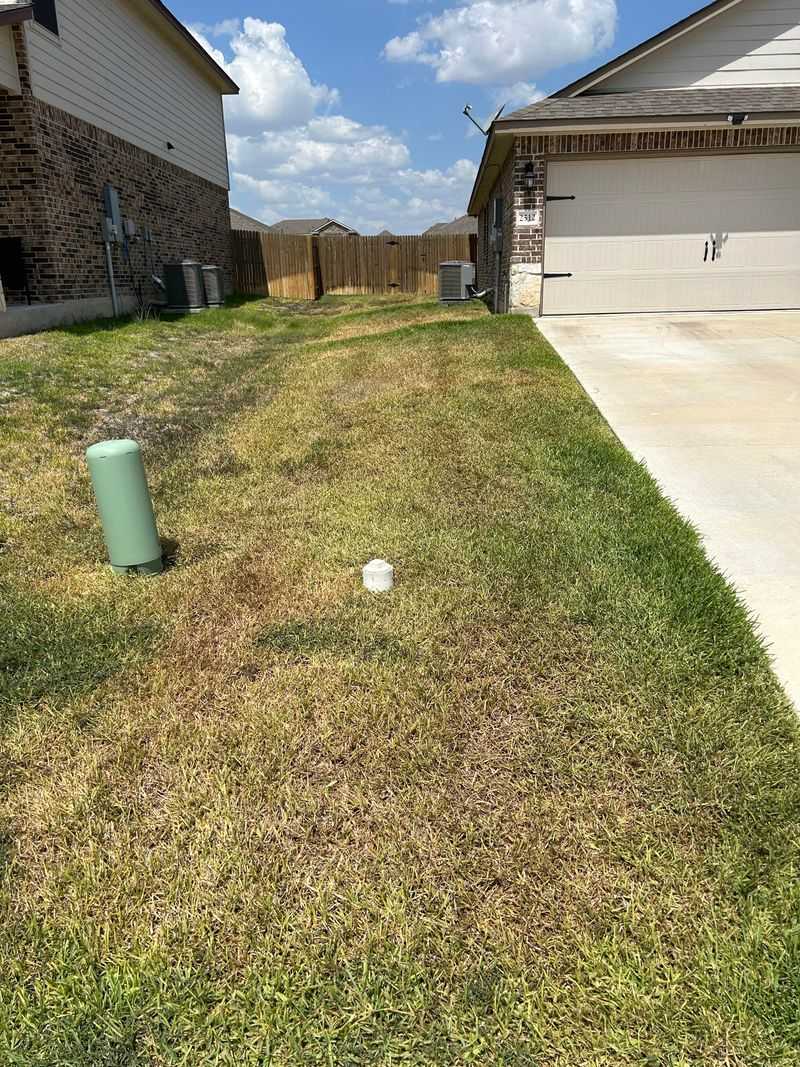
Sunny sidewalk edges go brown first, and that’s no coincidence. Chinch bugs are heat-lovers that deliberately target the hottest, driest zones of your Texas yard.
South-facing slopes, areas near concrete driveways, and open sunny sections all warm up faster than shaded spots. Those high-temperature zones are exactly where chinch bug activity begins each season.
Hot soil speeds up their egg hatching and shortens their development cycle. More generations per summer means more bugs feeding on your grass in a shorter window of time.
Dry conditions also weaken St. Augustine grass, making it less able to fight back against the feeding pressure. A stressed plant gives up nutrients more easily, which is like ringing a dinner bell for these insects.
Overwatered lawns with poor drainage can sometimes push these insects upward toward drier surface zones as well. Ironically, both drought stress and overwatering can set the stage for an infestation.
Your Texas Garden Changes Every Week. Your Plan Should Too.
Gardening in Texas changes quickly throughout the season. Every Friday you’ll receive a simple weekly plan showing exactly what to plant, prune, fertilize, harvest, and protect so you never miss the right timing.
Thatch layers thicker than half an inch trap heat and cut off airflow at the soil surface. That warm, insulated environment acts like a nursery for chinch bug eggs and young nymphs developing through summer.
Pay close attention to the areas of your yard that dry out fastest between watering cycles. Those brown-edged, sun-baked corners are ground zero for the tiny lawn insect turning your St. Augustine into a patchy, crunchy mess.
The Dish Soap Test That Confirms An Infestation
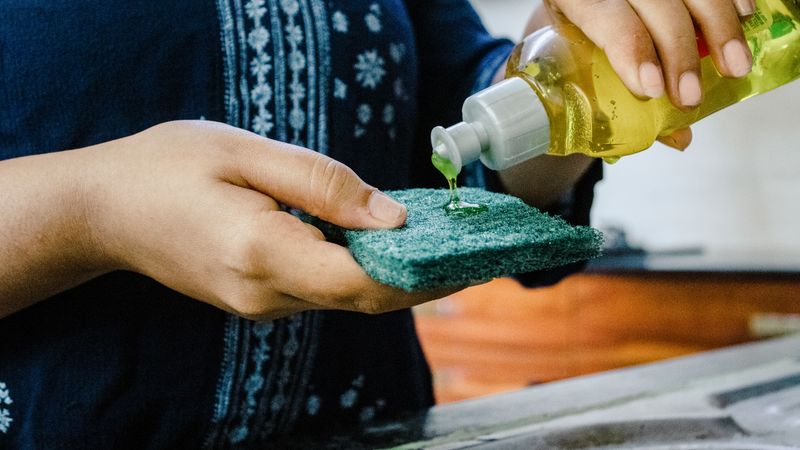
Grab your dish soap before you call a lawn company. There’s a simple DIY test that confirms whether chinch bugs are actually present in your yard.
Cut both ends off a large metal coffee can, creating an open cylinder. Press it about two inches into the soil at the edge of a brown patch where it meets healthy green grass.
Fill the can with water and add a generous squirt of liquid dish soap. The soap breaks surface tension and irritates the insects, forcing them to the top.
Wait about five minutes while watching the water surface closely. If chinch bugs are present, you’ll see tiny black-and-white insects floating upward within the first few minutes.
Finding more than 20 bugs per square foot is considered a heavy infestation requiring immediate treatment. Even a smaller count than that can still cause noticeable damage across a lawn.
Test several spots around the yard, not just one location. Chinch bug populations cluster in patches, so one area might show bugs while a nearby section appears clean.
The soap test works best in the morning, when cooler temperatures keep the bugs active near the surface. Afternoon heat drives them deeper into the thatch, which can produce a false negative and delay treatment.
If the can comes up empty, a dry spell may have pushed the bugs deeper into the soil. A follow-up test a day or two later is worth doing before ruling them out.
How Feeding Damage Turns Grass From Yellow To Straw
Chinch bugs don’t chew grass blades the way caterpillars do. Their damage is sneakier and more devastating than simple chewing.
Each bug uses a needle-like mouthpart to pierce a grass blade and suck out the plant’s fluids. While feeding, it injects a toxic saliva that blocks the grass’s ability to move water through its stems.
That toxin is what turns a green lawn yellow in just a few days. The grass can’t hydrate itself even if the soil is moist, because the internal plumbing has been chemically shut down.
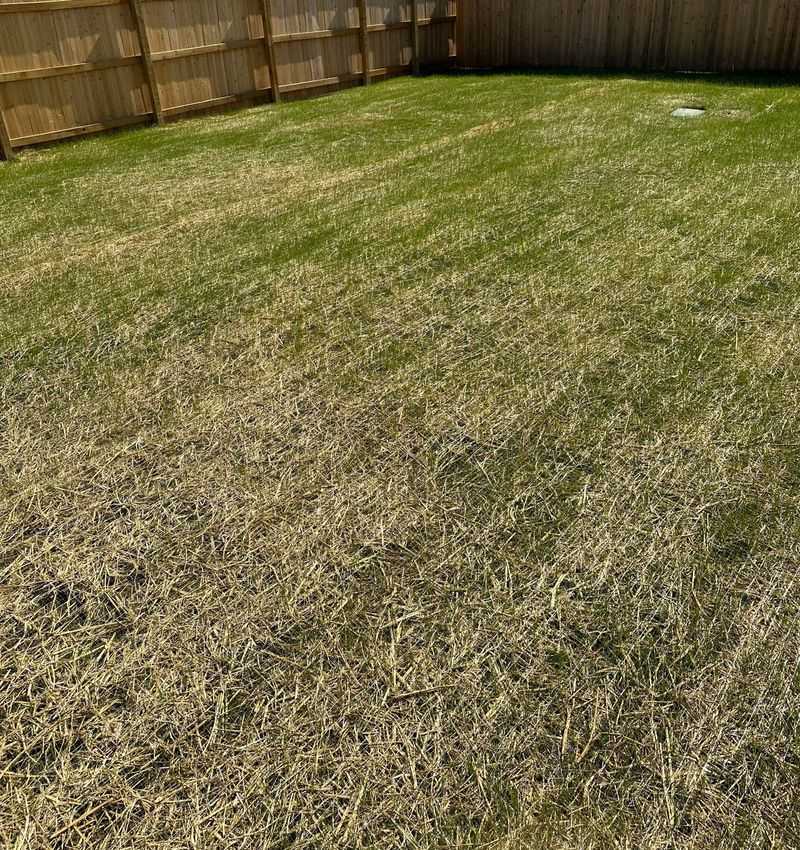
Yellow blades turn tan, then brown, then straw-dry as the damage progresses. At that final stage, the grass is beyond recovery and won’t come back on its own without replanting.
What makes this damage deceptive is that it looks almost identical to drought stress at first. Homeowners water more, the grass stays brown, and the pest keeps feeding while the lawn slowly declines.
Damage spreads outward in a circular pattern from the original feeding zone. As food runs out in one spot, the colony moves to fresh green grass nearby, expanding the brown patch week by week.
Acting fast after the first yellow signs appear can save significant sections of your Texas lawn. Waiting even two weeks during peak July heat can turn a manageable patch into a bare, damaged zone that requires full resodding to fix.
Treatment Options That Actually Stop An Active Population
Once you’ve confirmed chinch bugs, speed matters more than anything else. Every day without treatment means more grass lost to their toxic feeding cycle.
Bifenthrin-based granular insecticides are among the most effective options for active infestations. Products like Talstar spread easily with a standard broadcast spreader.
Water the granules in immediately after application so the active ingredient reaches the thatch layer where bugs live. Dry granules sitting on top of grass blades won’t contact the insects and won’t solve your problem.
Liquid insecticides with bifenthrin or imidacloprid can also be hosed onto affected areas using a garden sprayer. Liquid treatments penetrate the thatch layer faster and may show quicker results in severe cases.
Apply treatments in the early morning or late evening to reduce product evaporation and protect beneficial insects like bees. Midday applications in July heat break down faster and cover less ground effectively.
Repeat the soap test seven days after treatment to check whether the population has dropped. If bugs are still present in high numbers, a second application may be necessary before moving to the recovery phase.
Organic options like diatomaceous earth or neem oil work for light infestations but often fall short against heavy summer populations. For a serious outbreak, a proven chemical insecticide is usually the fastest, most reliable path forward.
Rebuilding Bare Patches Once The Bugs Are Gone
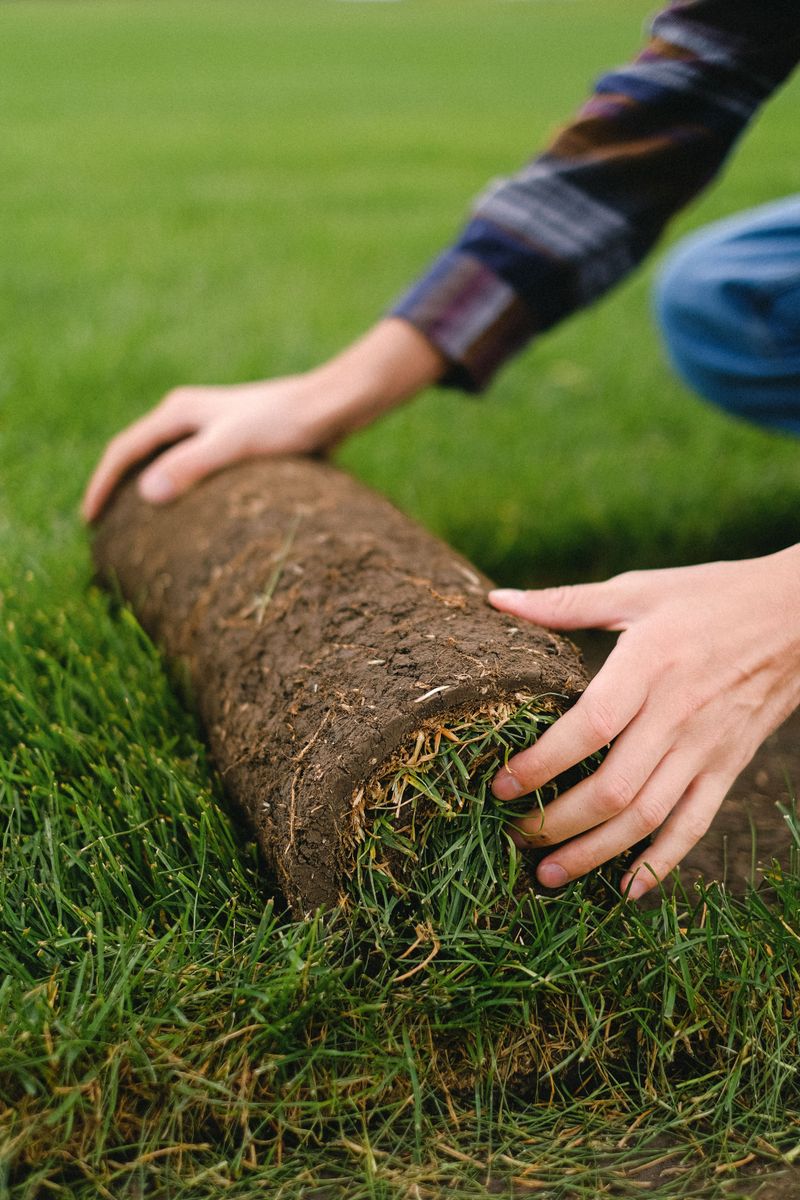
Straw-dry grass won’t magically come back after treatment ends. Once the pest is gone, the real work of rebuilding begins.
Start by raking out the straw-like grass from the bare patches to expose fresh soil underneath. Leaving that dried material in place blocks sunlight and airflow from reaching new growth.
St. Augustine grass doesn’t grow from seed, so you’ll need sod plugs or full sod pieces to fill the bare zones. Plugs placed six inches apart will spread and fill a patch within four to six weeks under good conditions.
Water new plugs daily for the first two weeks to help roots establish before the summer heat stresses them. Shallow, frequent watering is appropriate at this stage rather than the deep, infrequent schedule used for established grass.
Hold off on fertilizing until the new growth is actively spreading. Fertilizing too early can burn tender new roots and actually slow down the recovery process.
Dethatch the lawn in early fall if thatch buildup contributed to the original infestation. Removing that thick mat reduces the habitat that made your Texas yard attractive to chinch bugs in the first place.
A healthy, well-maintained St. Augustine lawn is your best long-term defense against this pest. Consistent mowing, proper watering, and annual thatch management keep conditions unfavorable for future infestations.