Poisonous Plants Texas Residents Should Know About Before Winter
Dried leaves raked from one popular highway shrub stay poisonous, and livestock sometimes find them tastier than fresh ones. Nobody warned me that a tidy pile of clippings could become a hazard for pets roaming the yard.
Across Texas, cooler weather changes what shows up in our gardens as seed pods dangle and berries linger. Hungry wildlife and bored dogs start sampling whatever green stuff remains once summer’s buffet finally runs low.
I used to walk right past several of these plants, admiring their flowers without a second thought. Some sit in nurseries across Texas, while others pop up uninvited along fence lines and creek banks.
Grab your gloves and take a slow walk around your yard before the first real cold snap arrives. How many of these seven sneaky troublemakers do you think are already growing within a few steps of your door?
1. Oleander
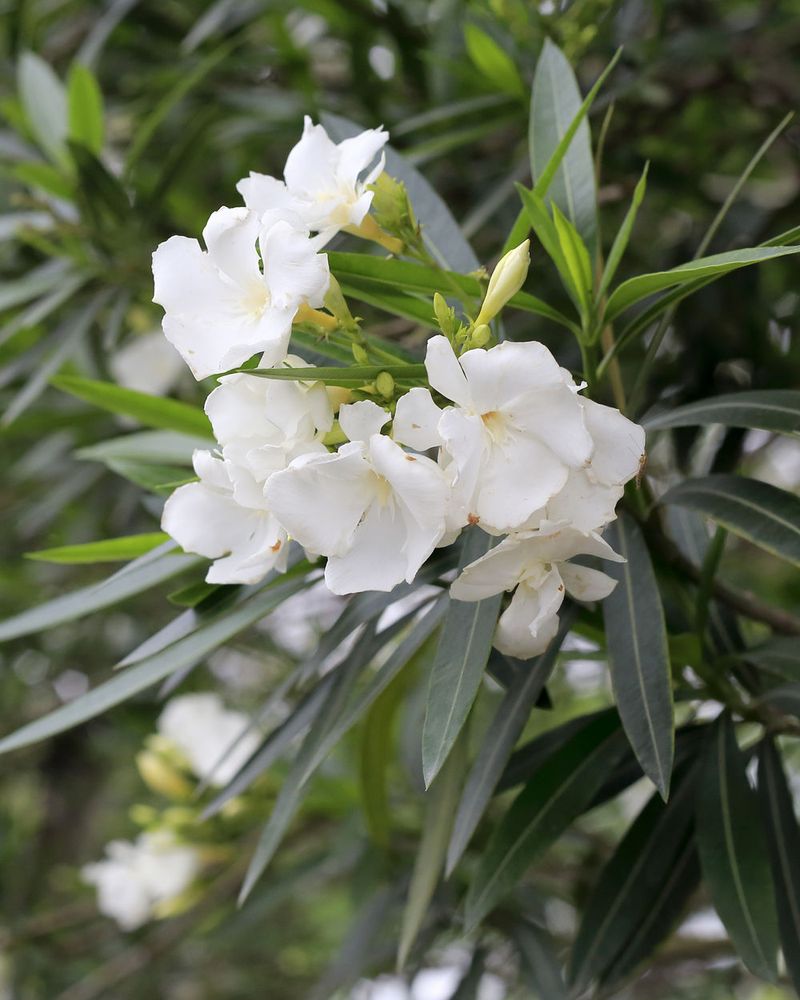
Few shrubs shrug off scorching heat and salty coastal breezes like oleander, which explains its popularity along highways.
I love those pink and white blooms, but every part of Nerium oleander carries powerful heart-affecting compounds.
The main troublemakers are cardiac glycosides like oleandrin, which can disturb heart rhythm in people and animals alike.
Drooling and vomiting often appear first, followed by heartbeat changes that need urgent veterinary or medical attention.
One sneaky detail surprises plenty of gardeners, because dried leaves stay toxic long after they fall from branches. Livestock may even prefer those crunchy dried leaves, so clippings tossed over a fence can cause real trouble.
Rake up fallen leaves after winter winds, and bag every pruning scrap instead of adding it to compost. Burning oleander is a bad idea too, since the smoke can irritate lungs and eyes for anyone nearby.
Oleander grows best in USDA zones 8 through 10, and a hard freeze can brown or nip the top growth. Wait until spring to prune frost damage, wearing gloves and long sleeves because the milky sap can irritate skin.
If you have toddlers or a chew-happy puppy, consider swapping oleander for a gentler shrub like Texas sage.
Personally, I keep mine only where dogs cannot reach, and I remind visiting kids that the flowers stay off-limits.
If you suspect anyone nibbled a leaf, call Poison Control at 1-800-222-1222 or your veterinarian right away. Quick action matters with this plant, so save that number in your phone before you head outside today.
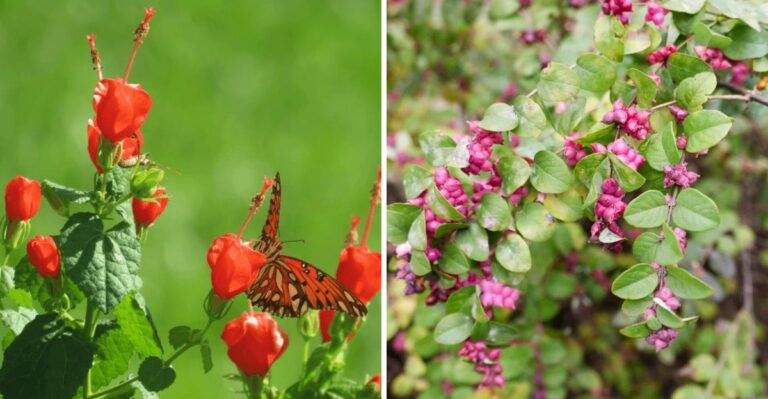
2. Texas Mountain Laurel
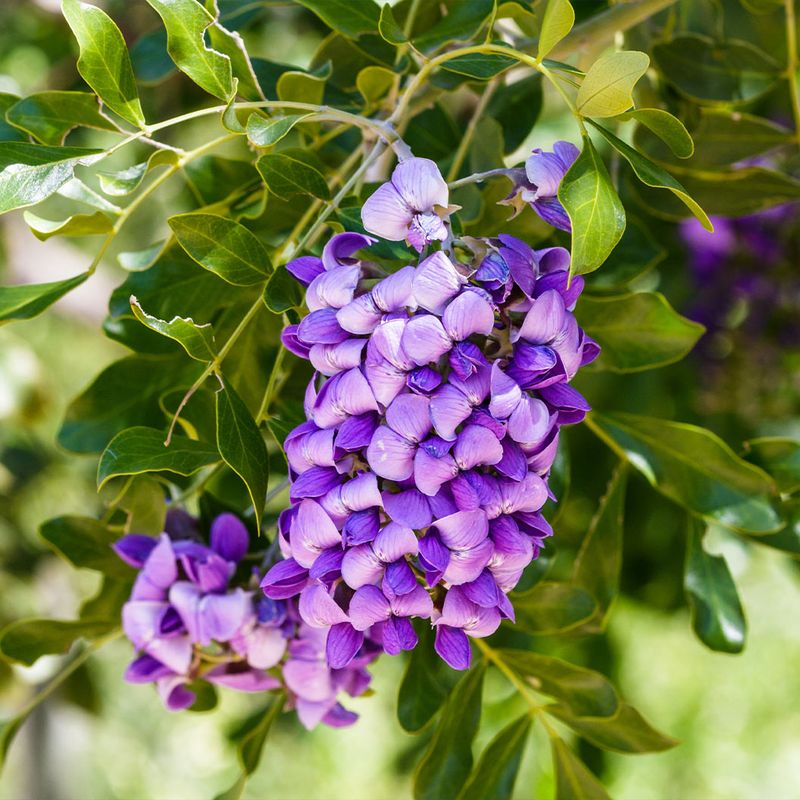
Grape soda is the scent everyone mentions when Texas mountain laurel blooms, and honestly, the comparison is spot on.
Those purple clusters appear in late winter or early spring, perfuming whole neighborhoods before most shrubs wake up.
The real worry hides inside woody, fuzzy pods that ripen through summer and cling to branches for months. Crack one open and you’ll find glossy red seeds, sometimes called mescal beans, that look just like candy.
Those seeds contain cytisine and related alkaloids, which can trigger vomiting or even seizures when chewed and swallowed.
Their hard coats often let whole seeds pass harmlessly, but a curious child cracking one with teeth changes everything.
I have to admit, the seeds are gorgeous, and kids love collecting them like little red treasures. Teach youngsters to admire them with eyes only, and keep a small bucket handy for gathering fallen pods.
Before winter visitors arrive, snip the remaining pods from lower branches and toss them in the trash. Dogs that chew sticks and seed pods deserve extra attention, since a broken seed releases its toxins quickly.
None of this means you should rip out the shrub, because it remains a fantastic drought-tolerant native. It loves rocky, well-drained soil and full sun, and deer mostly leave its glossy evergreen leaves alone.
Slow growth is its only real flaw, so treat an established specimen like the neighborhood heirloom it is. Simply give it a quick seasonal tidy, and your family can enjoy those spring blooms with peace of mind.
3. Pokeweed
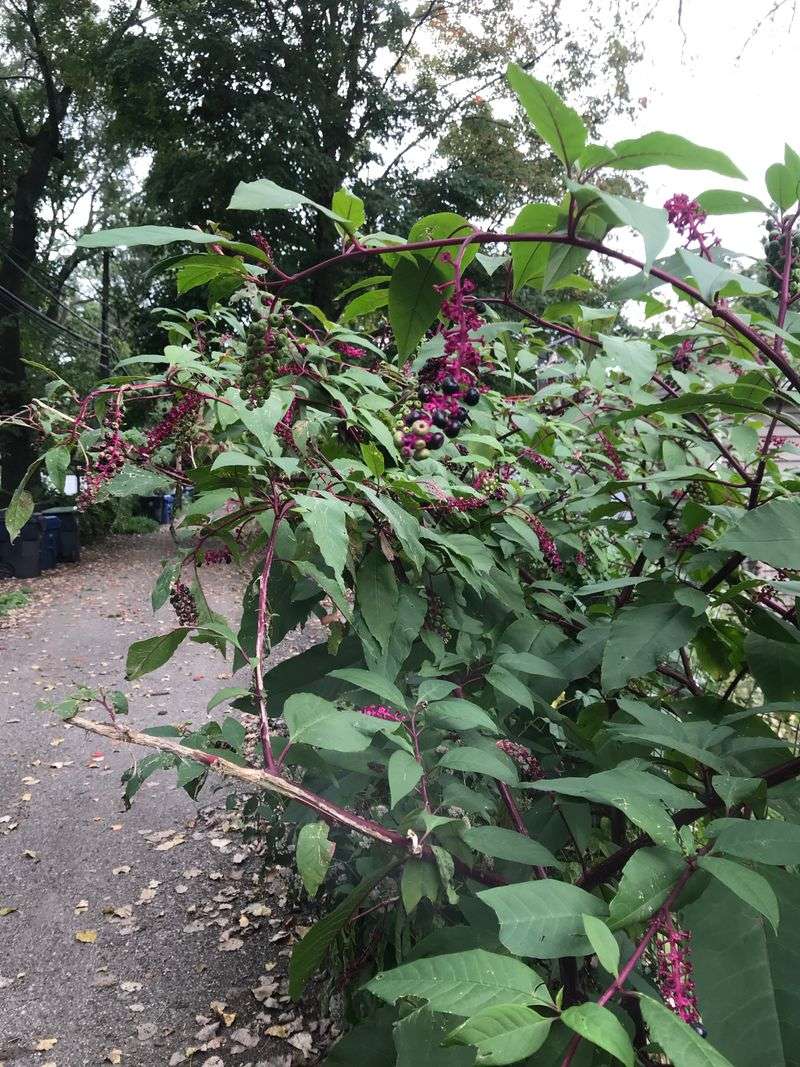
Magenta stems glowing like neon tubes make pokeweed easy to spot, even when it barges into a flower bed uninvited. By late fall, drooping clusters of inky purple berries hang from those stems like tiny bunches of grapes.
That resemblance is exactly the problem, because children sometimes pop the juicy berries into their mouths during play.
Phytolacca americana contains saponins and other compounds in every part, with the roots carrying the very highest concentration.
Swallowing berries or leaves can cause stomach cramps and vomiting, and young children face the greatest risk.
Adults who handle the plant barehanded may also absorb compounds through broken skin, so gloves are a smart choice.
Birds gobble the berries without trouble and scatter seeds everywhere, which explains surprise sprouts along your fence line.
Those seeds can stay viable in soil for many years, waiting patiently for a patch of disturbed ground.
Frost knocks the top growth back each winter, but a thick taproot survives underground and pushes fresh shoots in spring.
To remove pokeweed, dig young plants while the soil is moist and try to lift as much root as possible.
Older plants with massive roots may need repeated cutting, which slowly weakens them over a season or two. Bag the berries rather than composting them, since home piles rarely get hot enough to stop the seeds.
Some folks still talk about cooking poke greens, but I truly believe that tradition belongs in history books. Proper preparation is tricky, and mistakes can send people to the emergency room, so I happily pass on it.
4. Jimsonweed
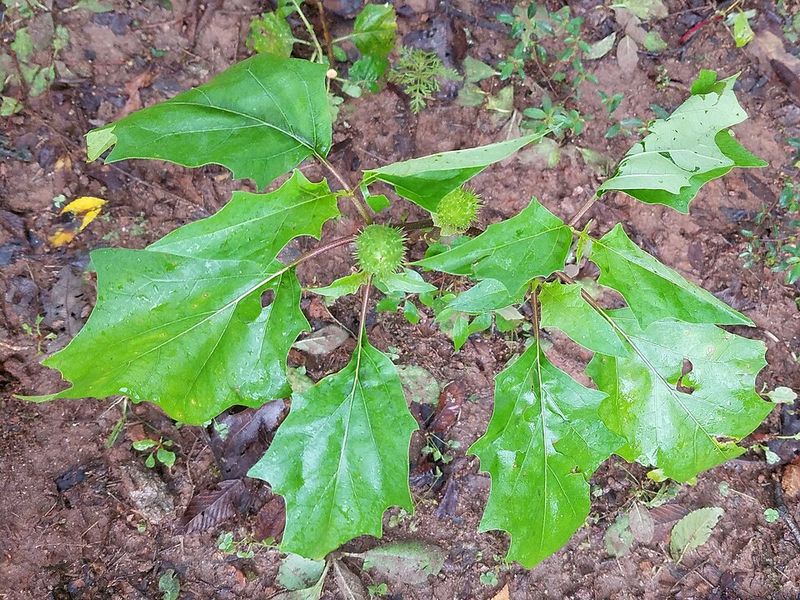
Moonflower-style trumpets that unfurl at dusk give jimsonweed a strangely romantic look along roadsides and empty lots.
I love evening blooms as much as anyone, but Datura stramonium earns a spot on my keep-away list.
Every part of the plant contains tropane alkaloids such as atropine and scopolamine, with seeds carrying heavy doses.
Poisoning can bring dilated pupils and a racing heart, along with confusion that may require hospital care.
By autumn, the flowers give way to spiny, walnut-sized capsules that look like prickly little sea urchins. Once dry, those capsules split open and spill dozens of small dark seeds onto the ground below.
Curious kids and nosy dogs may investigate the odd pods, so I pull plants long before they ripen.
Wear gloves and long sleeves when weeding, because the sap can irritate skin and rubbing your eyes afterward spells trouble.
Jimsonweed is an annual, so preventing seed production is the most effective way to shrink next year’s crop. Hoe or hand-pull young plants, then bag any mature capsules instead of tossing them on a compost heap.
Ranchers should check hay bales too, because livestock usually avoid fresh plants but may eat dried pieces mixed in.
Keep an eye on disturbed soil near barns and feeding areas, where this opportunist loves to settle.
Some ornamental daturas sold at garden centers share the same chemistry, so treat any trumpet-flowered relatives with respect. Plant them, if at all, far away from play areas, and teach children to leave the seed pods alone.
5. Lantana
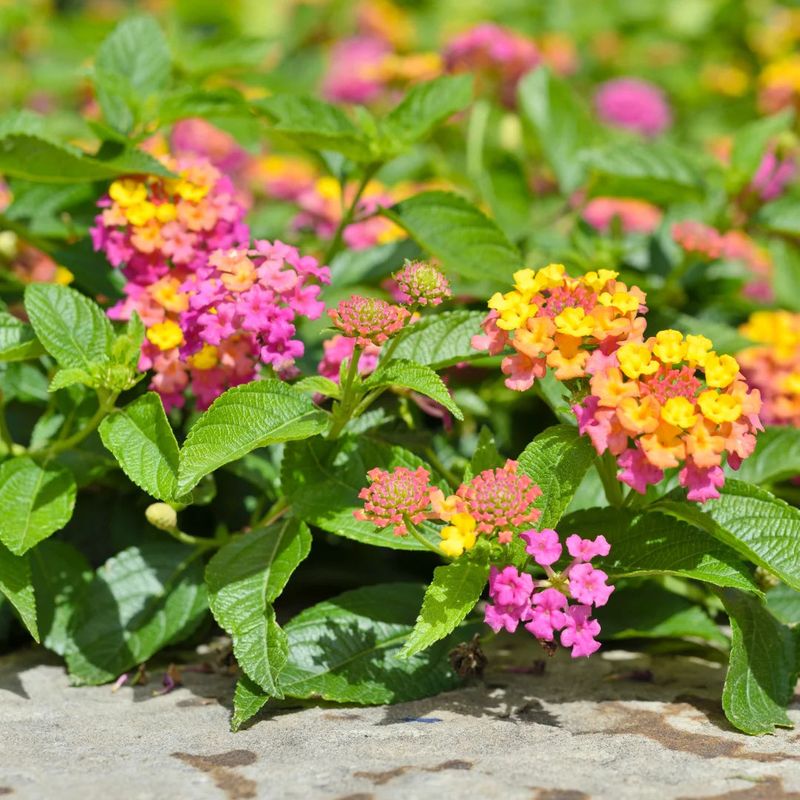
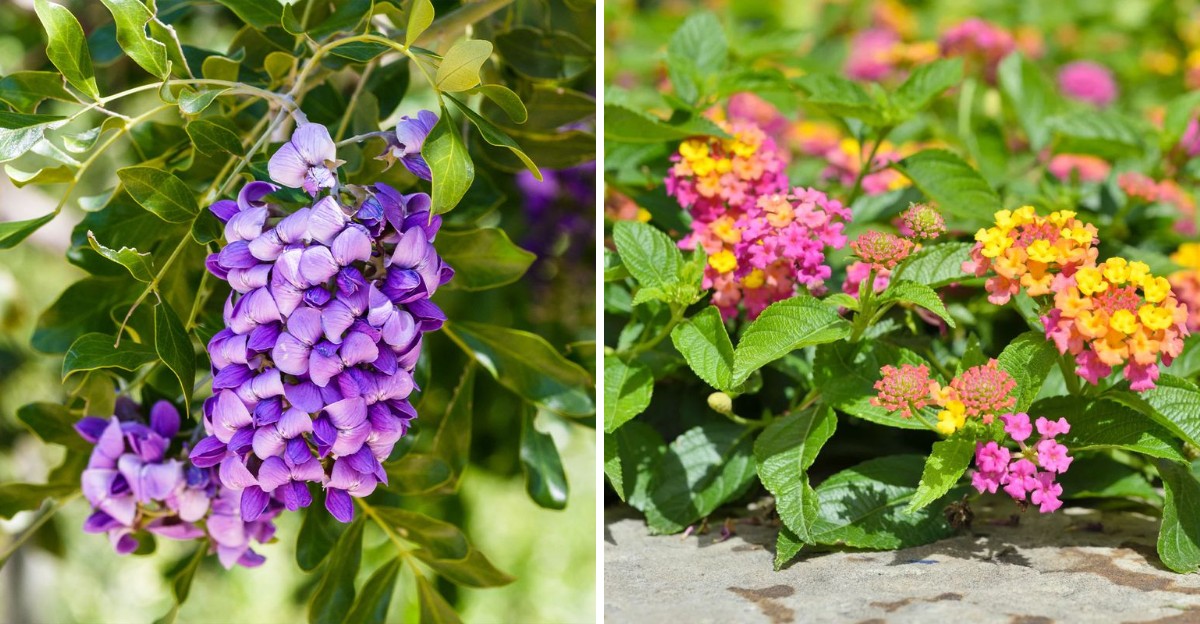
Butterflies mob lantana from spring until frost, and that cheerful confetti of color makes it hard to resist.
Behind the party look, though, Lantana camara hides a liver-damaging chemistry that every pet owner should understand.
The leaves and unripe green berries contain pentacyclic triterpenoids, compounds that harm the liver in grazing animals.
Dogs and cats who nibble may get an upset stomach, while cattle and sheep can develop serious liver problems.
Children face risk too, since the glossy green berries look like tiny peas just waiting to be sampled. Ripe berries turn dark purple, and while birds devour them happily, people should skip tasting them altogether.
Birds also carry those seeds far and wide, which is why Lantana camara is considered invasive in many warm regions. Personally, I would not add new plants of this species, and I trim seed clusters on existing shrubs.
Freezes typically burn lantana back to the ground in northern zones, while southern gardens may see green leaves all winter.
Either way, cut off lingering berry clusters before cold weather arrives, and bag them so seeds stay put.
If you want that same butterfly magnet, native options like Texas lantana are a better ecological fit.
Its berries are still considered toxic, though, so the same supervision rules apply around toddlers and grazing animals.
Gloves help during pruning, because the rough, hairy leaves can irritate sensitive skin for some gardeners. A quick trim now saves headaches later, and the butterflies will happily find your other blooms next spring.
6. Wisteria
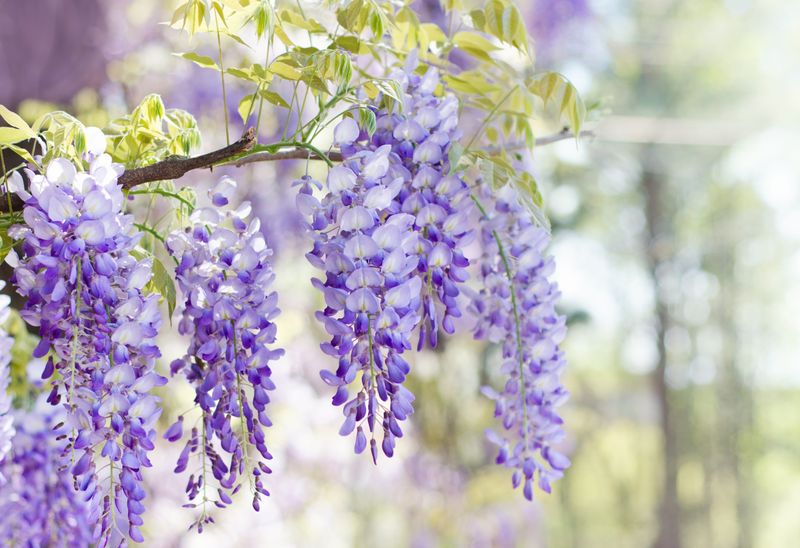
Long, velvety pods dangling from a wisteria arbor look almost like fuzzy green beans, and that is precisely the problem. Kids love snapping them open, yet the seeds inside are the most toxic part of this romantic vine.
Wisteria contains lectins and a glycoside called wisterin, which can cause stomach pain and repeated vomiting when eaten.
Even a couple of seeds have sent children to the hospital, according to published poisoning case reports.
Dogs are equally drawn to crunchy pods, especially when fall winds knock them onto patios and lawns. Sweep up fallen pods regularly, and pick hanging ones from low branches before winter storms scatter them everywhere.
Chinese and Japanese wisteria escape gardens easily and smother native trees, so they are considered invasive in much of the South.
Rather than planting those, consider American wisteria, Wisteria frutescens, a native vine with a gentler growth habit.
Its seeds carry similar toxins, so pod patrol still applies, but it will not swallow your whole backyard. I like how its later bloom often escapes spring frost damage that ruins flowers on the Asian species.
Winter is a perfect time for structural pruning, since bare stems reveal exactly where the vine has wandered. Trim long runners back to a few buds, and remove any remaining pods while you have the shears out.
Bag the clippings and pods together, keeping them out of compost bins where curious pets might dig around.
A tidy arbor looks better anyway, and you’ll enjoy next spring’s purple cascades without worry hanging overhead.
7. Water Hemlock
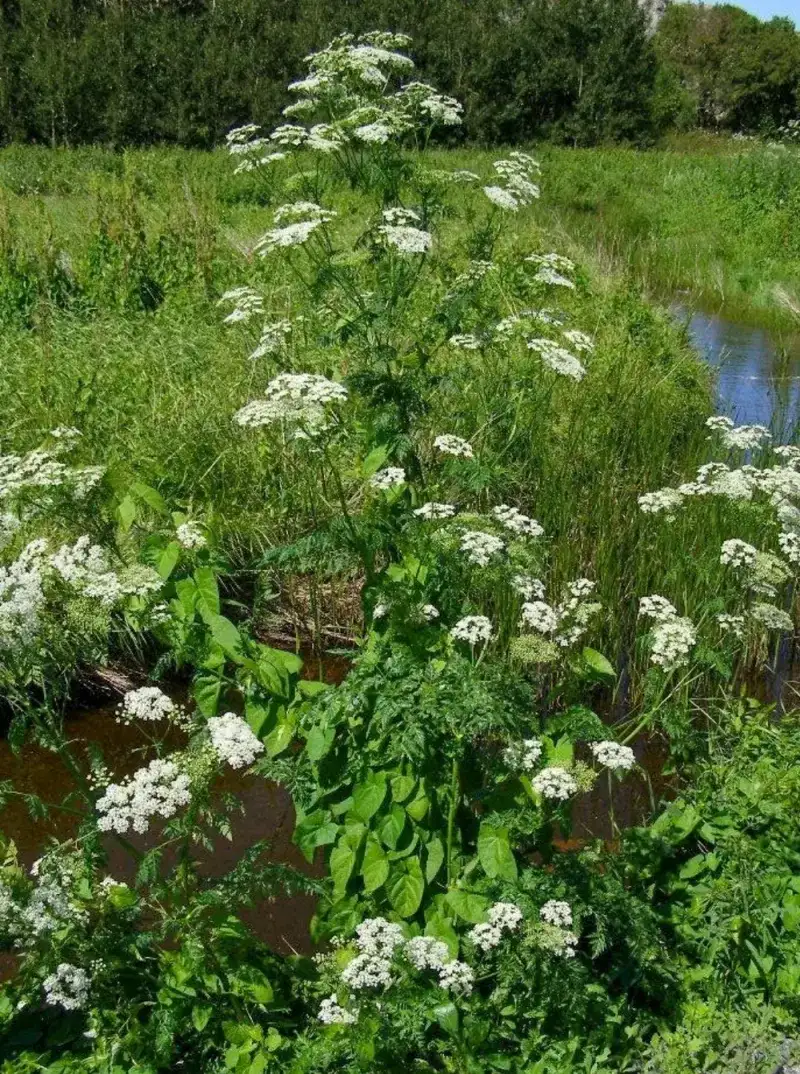
Ask botanists to name the most toxic plant in North America, and many will point straight at water hemlock. Cicuta maculata looks innocent, with lacy white flower umbrellas that resemble wild carrot growing along creeks.
Its main toxin, cicutoxin, attacks the nervous system and can trigger violent seizures within an hour of eating. Roots carry the strongest dose, and even a small bite has caused severe poisoning in people foraging for food.
Spotted water hemlock thrives in wet ground like ditches and soggy pond edges across much of the state. Look for hollow stems with purple streaks and leaves whose veins end in the notches between teeth.
Winter brings a special risk, because fresh green leaves can sprout early when pastures offer little else to graze.
Livestock pulling plants from soft mud may swallow roots, which explains many cattle poisonings reported by extension specialists.
I would not attempt foraging for wild parsnip or carrot relatives unless an expert confirms every single plant. Water hemlock shares family ties with parsley and dill, and mistaken identity causes most human poisonings.
If you find it on your property, wear waterproof gloves and dig out the whole root system carefully. Bag every piece securely, wash tools thoroughly afterward, and keep children and pets away from the work area.
Pasture owners can ask their county extension office for identification help and safe control options suited to wet sites.
Should anyone show symptoms after contact or ingestion, call 911 or Poison Control at 1-800-222-1222 immediately.