The Meaning Behind Seeing These Massive Spiders In Your Pennsylvania Yard
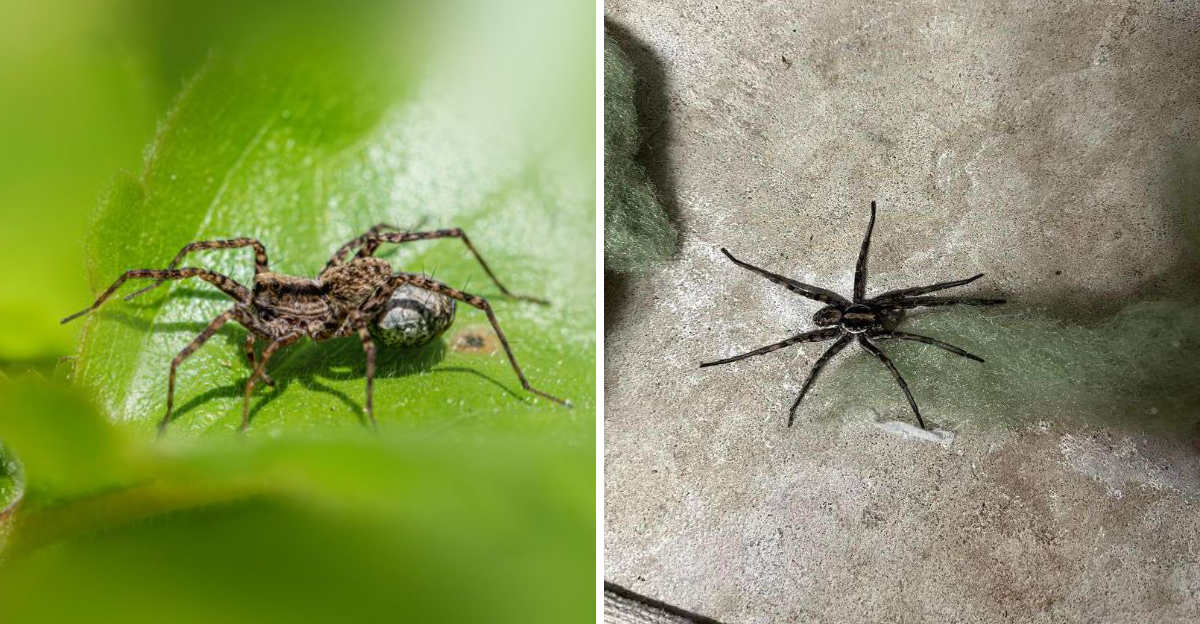
That spider on your wall is not an accident. Pennsylvania gardens near you have quietly become a surprising hotspot right now.
Something massive, dark, and patterned has moved into your quiet space. Nobody warned you this would happen so quickly. Yet here you are, staring at a creature built like a coin.
Suddenly your yard feels different, charged, strangely alive. Homeowners near you across Pennsylvania are noticing this same uninvited guest.
Curiosity replaces fear the instant you understand what this means. Scientists say something surprising is happening beneath your very feet.
Ecosystems around you shift quietly before anyone notices the signs. Your garden might be healthier than you ever imagined.
Questions you never expected pile up faster than answers arrive. Every detail matters once you grasp what triggered this.
Patterns like these never appear near you without real reason. You will never look at that wall the same way again.
Wolf Spiders And Fishing Spiders Are Behind These Sightings
Two species are responsible for most of the large spider sightings happening in Pennsylvania yards right now. Wolf spiders and fishing spiders are the two most common large spiders spotted by homeowners across the state.
Wolf spiders are ground hunters that roam lawns and leaf piles at night. They do not build webs to catch prey.
They chase it down on foot, which makes them far more visible to humans than web-spinning species.
Fishing spiders are a related species, often found near ponds, streams, and damp basement walls. Both belong to the category of massive spiders showing up in your Pennsylvania yard, and both are more common than most people realize.
The largest wolf spider species can reach nearly an inch and a half in body length, though most found in Pennsylvania yards are smaller.
Fishing spiders can grow even larger, sometimes spanning three inches or more with legs extended.
Spotting one of these creatures up close feels startling because their size is genuinely surprising. Most spiders people encounter daily are tiny, so seeing a palm-sized specimen triggers a strong reaction.
Knowing which one you are dealing with changes how you respond. Each species has different habits, preferred habitats, and behaviors worth understanding before you do anything else.
How To Tell A Wolf Spider From A Fishing Spider
Getting these two mixed up is extremely common, but a few quick clues will help you tell them apart in seconds.
The biggest giveaway is eye arrangement, wolf spiders have two large eyes in the middle row that glow brightly when a flashlight hits them.
Fishing spiders have a more uniform eye layout and lack that same dramatic eyeshine effect. If you ever spot glowing eyes in the grass at night, you are almost certainly looking at a wolf spider.
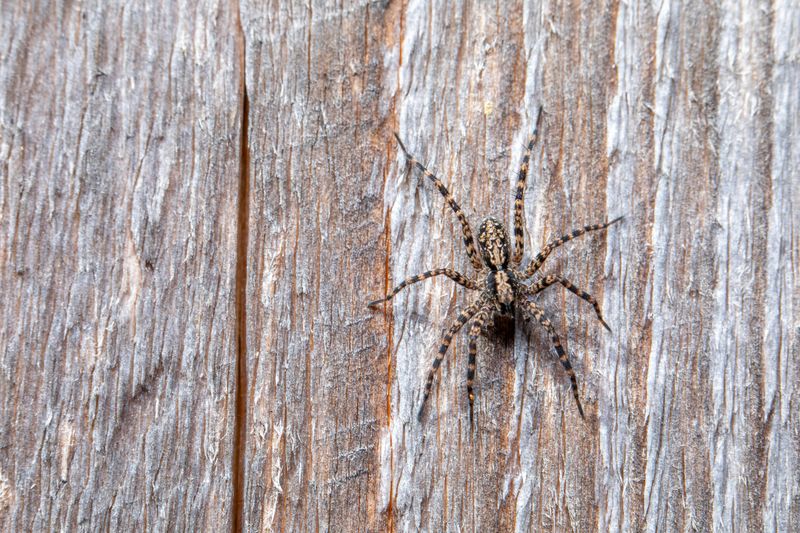
Body markings also differ noticeably between the two. Wolf spiders typically show a dark brown or gray striped pattern running along their back, almost like camouflage stripes on a tiny soldier.
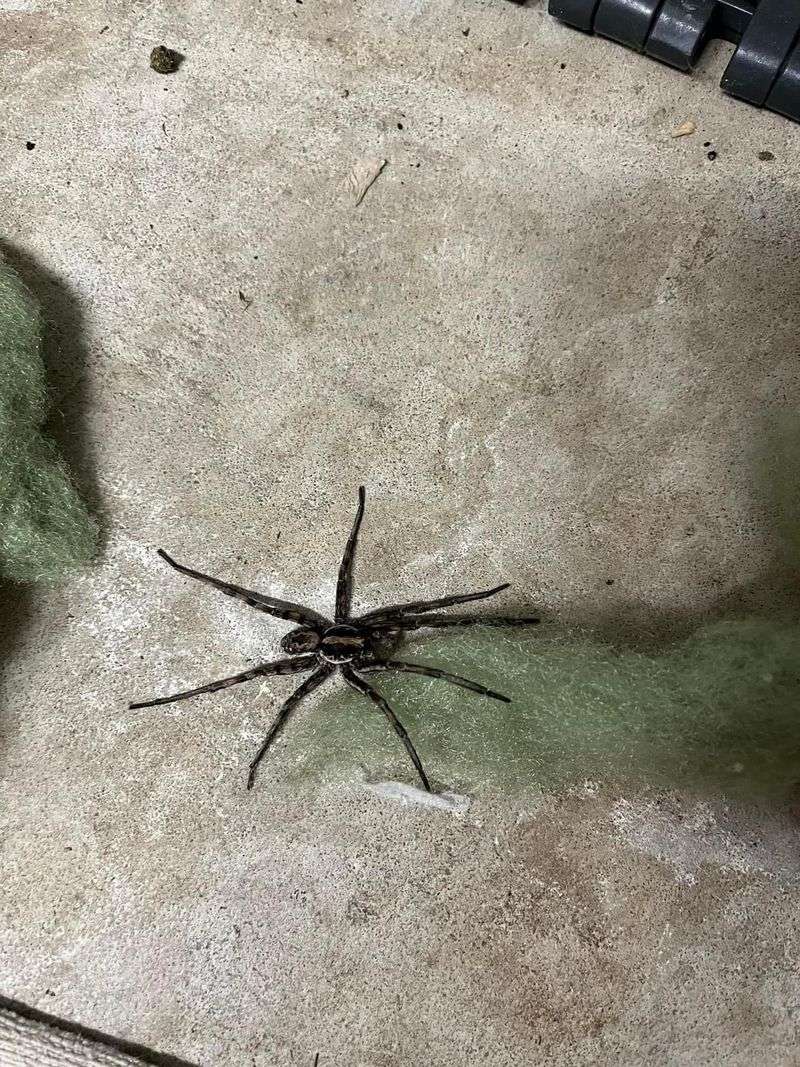
Fishing spiders tend to have a more mottled, earthy patterning with pale edges along the sides of their abdomen. Their legs are often banded with alternating light and dark rings.
Your Pennsylvania Garden Changes Every Week. Your Plan Should Too.
Gardening in Pennsylvania changes quickly throughout the season. Every Friday you’ll receive a simple weekly plan showing exactly what to plant, prune, fertilize, harvest, and protect so you never miss the right timing.
Habitat is another strong clue worth checking. Wolf spiders prefer dry, open areas like lawns, gardens, and the edges of wooded spaces.
Fishing spiders almost always stay near moisture, think pond edges, creek banks, or damp basement corners. Spotting one near water narrows identification down quickly and confidently.
Why These Spiders Look So Massive Up Close
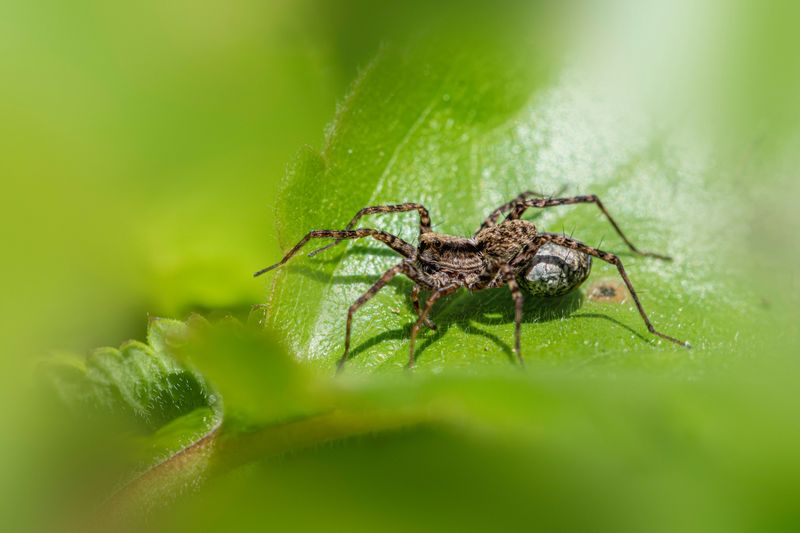
There is a real optical trick happening when you encounter one of these spiders face to face. Their long, outstretched legs create a visual span that makes their actual body look far larger than it truly is.
A wolf spider with a one-inch body can appear to cover three inches or more once all eight legs are spread out. That spread prompts an instinctive startle reaction, even in people who are not typically afraid of spiders.
Texture plays a role too. These spiders are covered in fine, dense hairs that catch light and make them look bulkier and more substantial than smooth-bodied insects of similar size.
Color contrast amplifies the effect further. When a dark brown spider sits against a pale concrete step or a light-colored wall, the contrast makes it pop visually in a way that feels exaggerated.
Motion matters more than people expect. A wolf spider that suddenly darts across the floor moves faster than most people anticipate, which makes the encounter feel far more intense than a stationary sighting would.
Understanding why they appear so large takes away some of the shock. Once you know the visual mechanics at play, that massive spider in your yard becomes a lot less terrifying and a lot more fascinating.
Where They Hide In Pennsylvania Yards And Basements
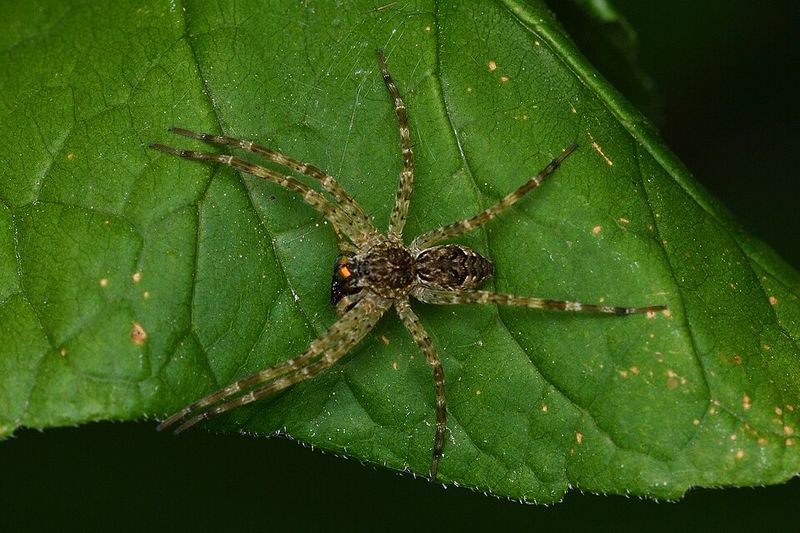
These spiders are experts at finding shelter, and they tend to favor the same spots in almost every yard. Wolf spiders love the edges, the border between lawn and garden bed, the gap under a deck board, or the crack along a foundation wall.
Leaf piles are prime real estate for wolf spiders during fall months. A thick layer of fallen leaves offers warmth, darkness, and an endless supply of insects to hunt through the night.
Woodpiles are another favorite hideout worth checking. Stacked firewood creates dozens of tight spaces that mimic the rocky terrain these spiders evolved to hunt in naturally.
Basements attract fishing spiders specifically because of moisture. A damp corner near a water heater, a leaky pipe, or a basement window well with standing water can draw them inside without much effort.
Garages see both species regularly, especially in late summer and fall when temperatures begin to cool. Spiders seek warmth as nights get colder, and an attached garage offers easy entry through small gaps.
Knowing their preferred hiding spots helps you predict where sightings will occur. A quick seasonal check of these areas gives you a clear picture of spider activity around your home before it surprises you.
Are Wolf And Fishing Spiders Dangerous To Humans
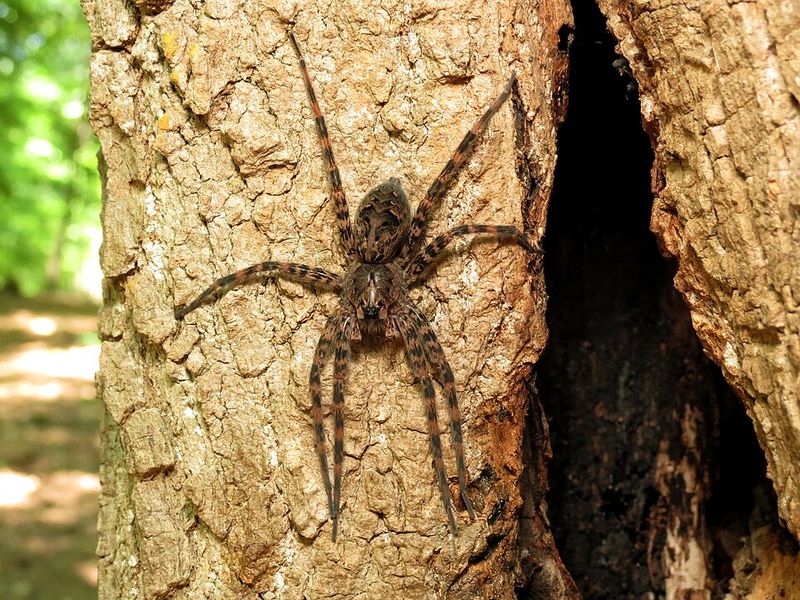
This is the question everyone asks first, and the honest answer is reassuring. Wolf spiders and fishing spiders can technically bite, but they rarely do so unless they feel directly threatened or trapped against skin.
Their venom is not medically significant for most healthy adults. A bite might produce mild redness, some swelling, and brief discomfort, similar to a bee sting in intensity but typically less painful.
Children and people with allergies should still exercise caution around any spider. However, unprovoked bites from either of these species are genuinely rare and not something most homeowners ever experience.
Wolf spiders are often described as shy despite their intimidating appearance. When approached, their first instinct is to flee, not to confront the much larger creature nearby.
Fishing spiders can be slightly more defensive, especially females guarding egg sacs. Giving them space during that period is smart and avoids any unnecessary stress for both parties involved.
Pets sometimes make the mistake of pawing at these spiders out of curiosity. A small dog or cat that gets bitten may show temporary irritation at the bite site, but serious reactions are uncommon in healthy animals.
Respecting their space is the simplest safety strategy available to any homeowner dealing with massive spiders showing up in their Pennsylvania yard.
Why Seeing Them Is Actually A Good Sign For Your Yard
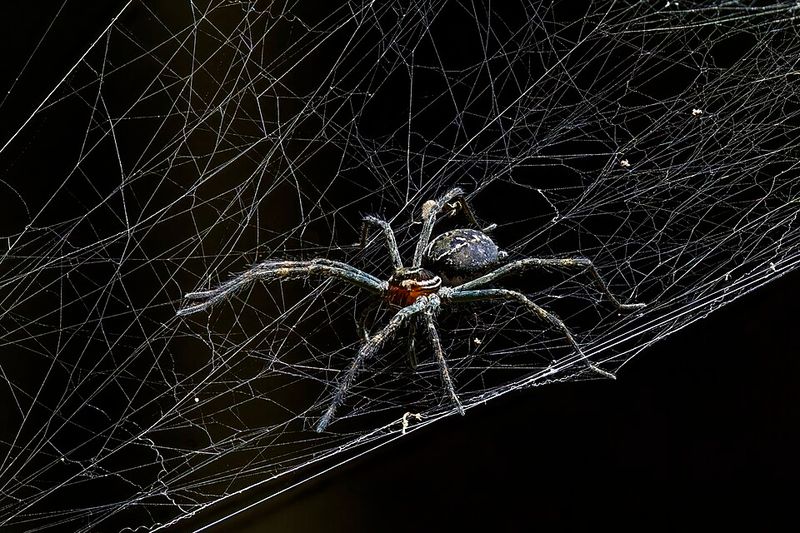
Finding a massive spider in your yard might feel alarming, but experienced gardeners tend to smile at the sight. These spiders are natural pest controllers that work around the clock without any chemical input from you.
Wolf spiders consume enormous quantities of insects throughout the warmer months. Mosquitoes, beetles, earwigs, and even small cockroaches all end up as meals for these active ground hunters.
Fishing spiders contribute similarly near water features. They feed on aquatic insects, small flies, and other pests that breed near ponds or birdbaths in backyard settings.
A yard with healthy spider populations usually has fewer harmful insect outbreaks. The presence of predators naturally regulates prey populations in a way that chemical sprays simply cannot replicate long-term.
Many ecologists consider spider diversity a useful indicator of overall habitat health. Seeing multiple large spider species in your yard suggests your soil, plant life, and insect populations are all in solid balance.
Massive spiders showing up in your Pennsylvania yard can also suggest your outdoor space isn’t heavily treated with pesticides, since harsh chemicals tend to reduce spider populations over time.
Think of every sighting as one small clue about your yard’s health. Your garden is thriving, and these spiders are the proof sitting right there on your back step.
How To Safely Manage Them Without Harming Them
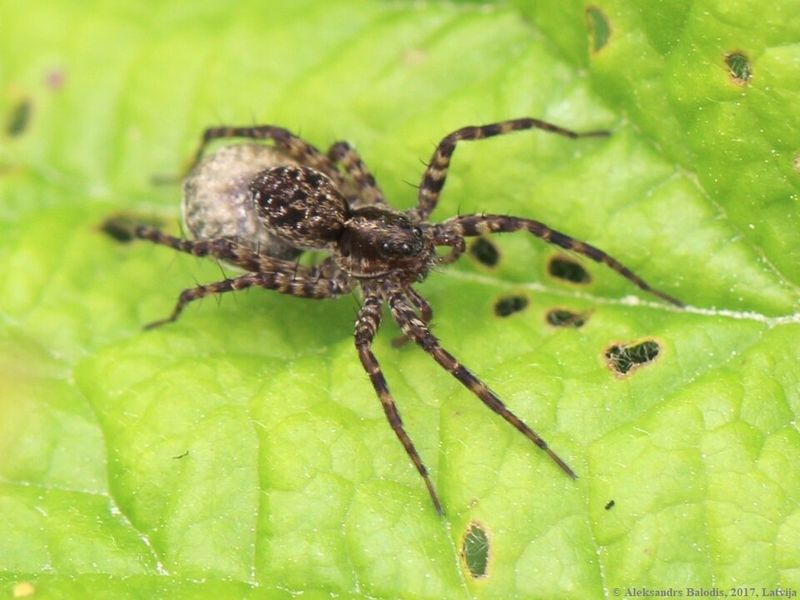
Most people want a middle ground. They respect these spiders but prefer them outside rather than inside.
Achieving that balance is simpler than most homeowners expect once they know a few practical steps.
Start with entry points around your home’s foundation. Sealing gaps around pipes, windows, and door frames with caulk or weatherstripping removes the most common indoor access routes these spiders use.
Reducing outdoor lighting near entry doors also helps significantly. Bright lights attract insects at night, and hungry spiders follow their prey straight toward your home without any other invitation needed.
If a spider ends up inside, a glass-and-cardboard method works perfectly. Place a clear glass over the spider, slide a stiff card underneath, then carry the whole setup outside to release near garden beds.
Keeping basements dry discourages fishing spiders from settling in. A dehumidifier running in damp areas removes the moisture these spiders specifically seek when choosing indoor shelter spots.
Clearing leaf piles and woodpiles away from the home’s perimeter reduces outdoor harborage areas considerably. Moving stored wood a few feet away from the foundation can help cut down on spider traffic near entry points.
Massive spiders showing up in your Pennsylvania yard deserve a thoughtful response, not a panicked one. Managing them with care keeps your yard healthy and your household comfortable all season long.