The Michigan November Routine That Covers Christmas Cactus In Blooms By The Holidays
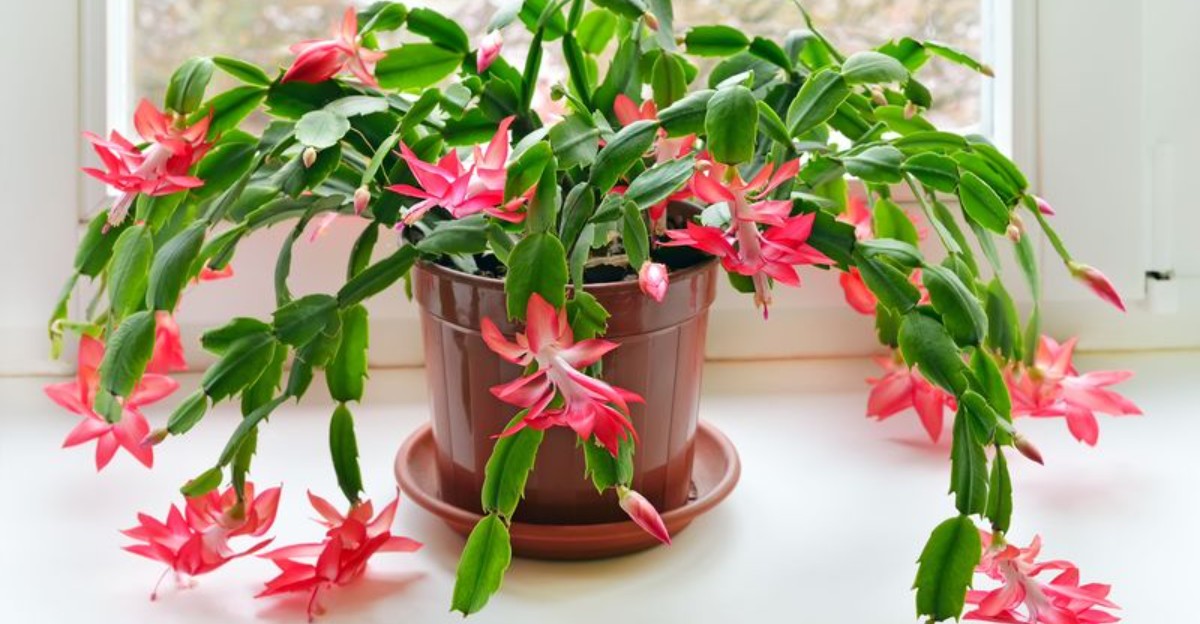
Streetlight glow through a window can quietly cancel a holiday flower show. I learned that the hard way, staring at a plant that sat stubbornly green all December.
Here’s what gets me. This tropical charmer comes from misty Brazilian mountain forests, where it grows on tree branches instead of in soil. It reads the calendar through two clues, and neither one is fertilizer.
Every fall in Michigan, our homes send mixed signals. The furnace kicks on, lamps burn late, and windows go dry and drafty. I get it, because my living room is the worst offender, and you probably have a spot just like it.
The fix turned out to be cheap, a little sneaky, and easy enough to start this week. So which corner of your house is secretly the best bloom booster you own?
Cool Nights And Dark Hours Flip The Christmas Cactus Bud Switch
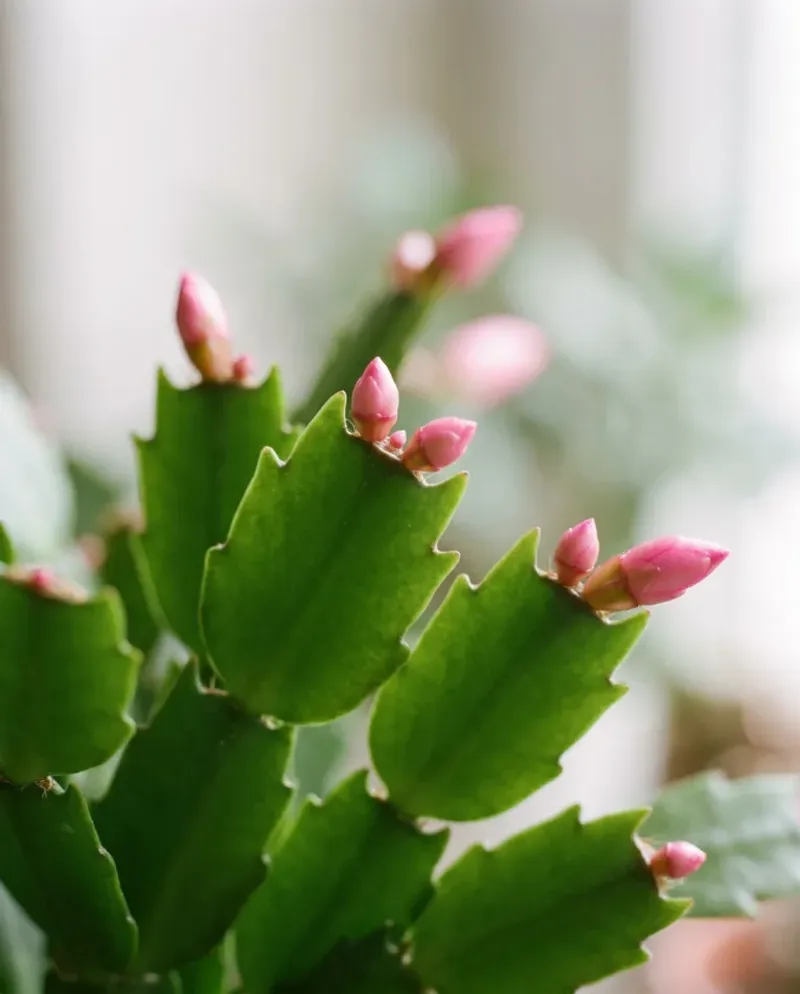
Two simple signals do the heavy lifting. University extension experts agree that Christmas cactus sets buds when it gets cool nights, long dark nights, or both together.
Temperatures between 50 and 55 degrees at night can trigger buds even without extra darkness. At warmer room temperatures around 65 degrees, the plant needs about 12 to 14 hours of steady darkness each night instead.
Above roughly 75 to 80 degrees, flower buds often refuse to form at all. That explains why a plant parked next to a heat register can stay leafy and stubborn for months.
I love how forgiving this system is once you see it. You do not need fancy gear or a greenhouse, just a little attention to where the plant spends its evenings.
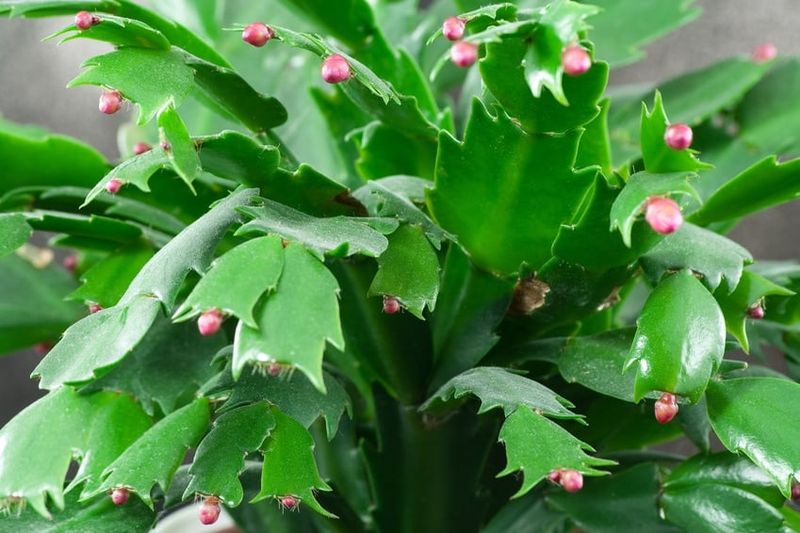
Most guides suggest about six weeks of these conditions before tiny buds appear on the stem tips. Those little bumps usually show up pink or reddish and look a bit like grains of rice.
Spotting the first one feels like a small victory every single year. Once you see buds, you know the hardest part is behind you, and the rest is about keeping things calm and steady.
An Unheated Michigan Room Makes A Perfect Bud Nursery For Holiday Cactus
Spare bedrooms finally earn their keep in November. In many Michigan homes, a closed-off room, sunporch, or cool basement window naturally sits in that sweet 50 to 60 degree range.
Move your plant there by early November and the chilly nights handle much of the work for you. Bright, indirect light during the day keeps it healthy while buds develop.
Timing matters if you want holiday flowers. True Christmas cactus usually blooms about six to eight weeks after buds start, so a November start may bring blooms closer to late December or January.
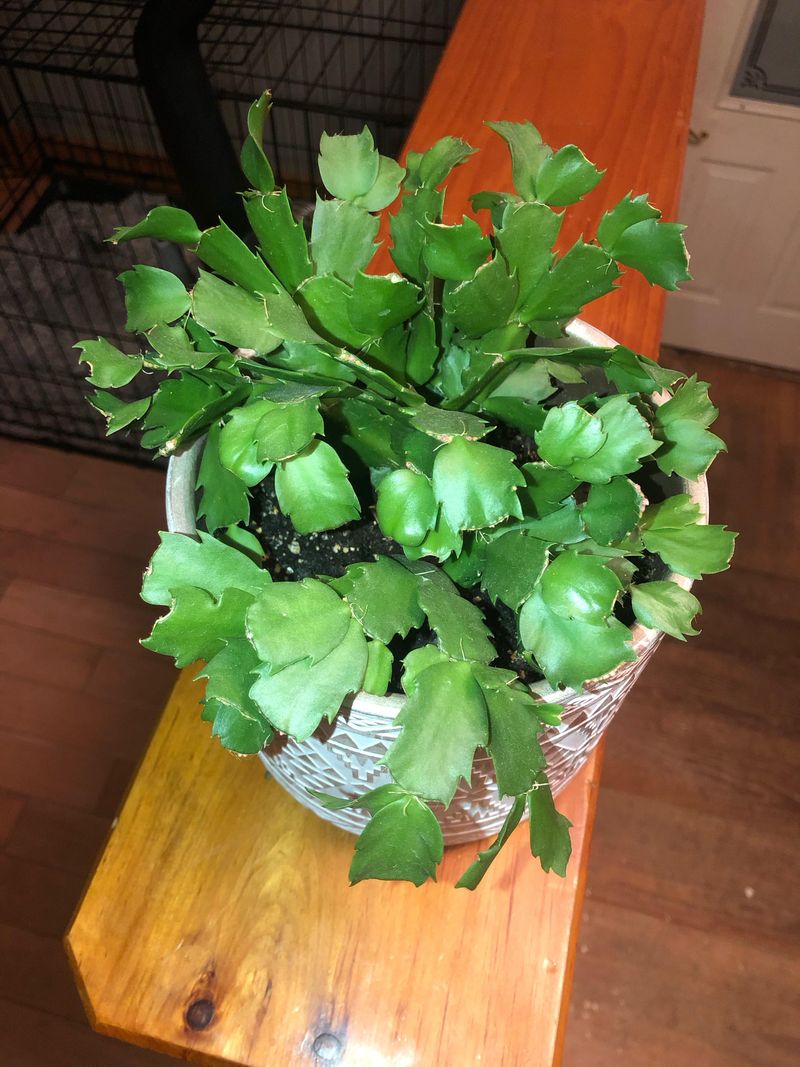
Fair warning, though. Many plants sold in stores are actually Thanksgiving cactus, with pointy, claw-like edges on their stem segments, and they naturally bloom a few weeks earlier.
Check the edges of your plant’s segments to know which one you own. Rounded, scalloped edges point to the true Christmas type, while sharp teeth mean Thanksgiving.
Keep the plant away from freezing glass on frigid nights. Temperatures that dip toward 40 degrees or lower can harm the tissue, so pull the pot a few inches back from the window when an Arctic blast rolls across the state.
A Cardboard Box Over Your Christmas Cactus Blocks Sneaky Lamp Light
Call me stubborn, but I spent two winters blaming my plant before I blamed my reading lamp. Even short bursts of light at night can interrupt the dark period that tells Christmas cactus to bloom.
Living rooms are often the trickiest spot. Television glow, porch lights, and passing headlights can all confuse a plant that is counting dark hours.
A simple fix works wonders. Cover the plant with a large cardboard box or a closet shelf space from about 5 p.m. to 8 a.m. each day.
Uncover it every morning so it still gets bright daytime light. Skipping the morning step leaves the plant weak, so set a phone reminder if your schedule gets busy.
Keep this up for about six weeks, or until you spot buds. After that, the plant can rejoin the family room without much worry.
Some gardeners use a dark closet instead of a box. That works too, as long as the plant comes back out to a bright window each day, since about 14 hours of darkness balanced with good daylight gives the best results.
Easing Up On The Watering Can Helps Christmas Cactus Focus On Flowers
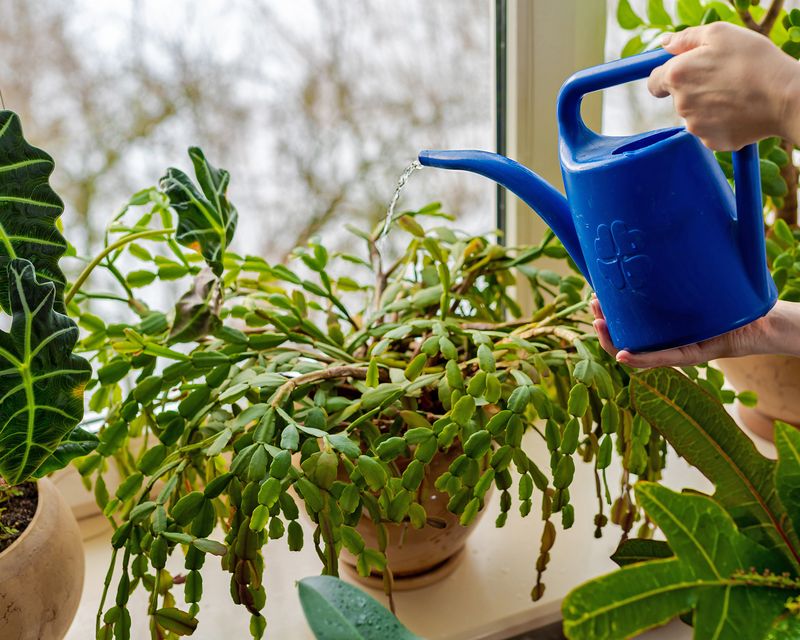
Less water in fall often means more flowers in winter. During the budding period, let the top inch or so of soil dry out before you water again.
That gentle dry spell mimics the drier season in the plant’s native forests. It nudges the cactus away from leafy growth and toward building blooms.
Do not confuse this plant with its desert cousins, though. Christmas cactus is a forest dweller, and bone-dry soil for long stretches stresses it and can lead to limp, wrinkled segments.
The finger test beats any calendar. Push a finger into the soil, and water thoroughly only when that top layer feels dry.
Always let extra water drain out the bottom hole. Soggy roots invite rot, which shows up as mushy stems near the soil line.
Once buds appear, shift gears and keep the soil lightly moist. Developing flowers need steady water to open fully, so do not let the pot swing between parched and flooded.
Room temperature water is kinder than icy tap water. A quick fill the night before lets the chill fade, which spares the roots a cold shock during winter.
Falling Christmas Cactus Buds Usually Mean Something Changed Too Fast
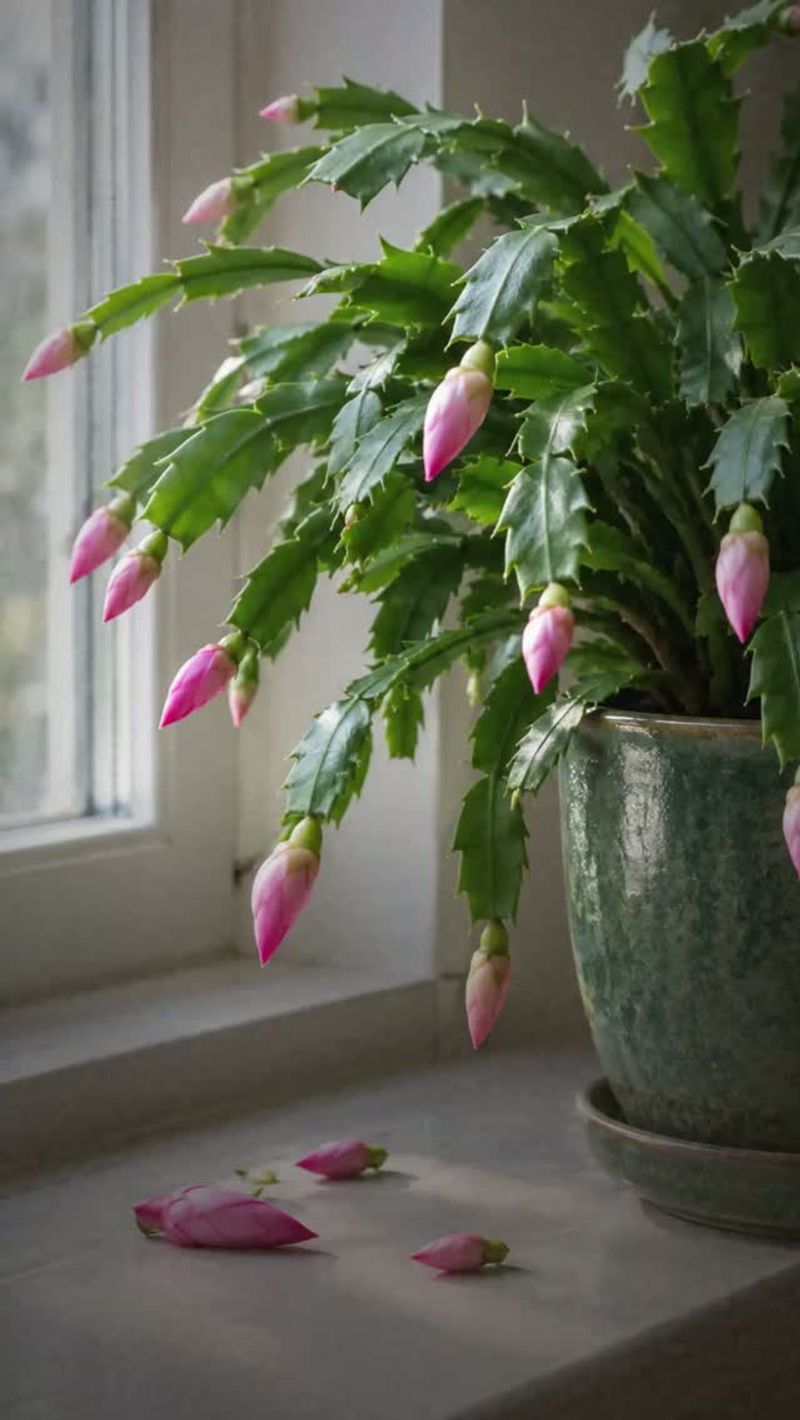
Nothing stings quite like finding a pile of pink buds on the windowsill. I have swept up a few myself, and the culprit was almost always a sudden change.
Christmas cactus dislikes surprises once buds form. Big swings in temperature, light, or watering can make the plant drop buds to protect itself.
Common triggers include moving the plant to a new room, cold drafts from a door, or warm blasts from a heat vent. Letting soil go very dry, then soaking it, can also cause trouble.
So pick a good spot and let it stay there. Turning the pot or carting it around to show guests can be enough to upset it.
If you want blooms in a spot like the dining room, move the plant before buds get big. Small buds handle a gentle relocation better than fat ones about to open.
A few dropped buds are normal and not a reason to panic. Healthy plants sometimes shed extras they cannot support, so focus on steady care and enjoy the flowers that stay put.
Dry Furnace Air Is A Hidden Enemy For Christmas Cactus Blooms
Michigan winters bring a sneaky indoor desert. Once the furnace runs all day, household humidity can drop far below what this forest plant enjoys.
Low humidity can add stress during bud season and may contribute to buds shriveling or falling. Luckily, raising moisture around the plant takes almost no effort.
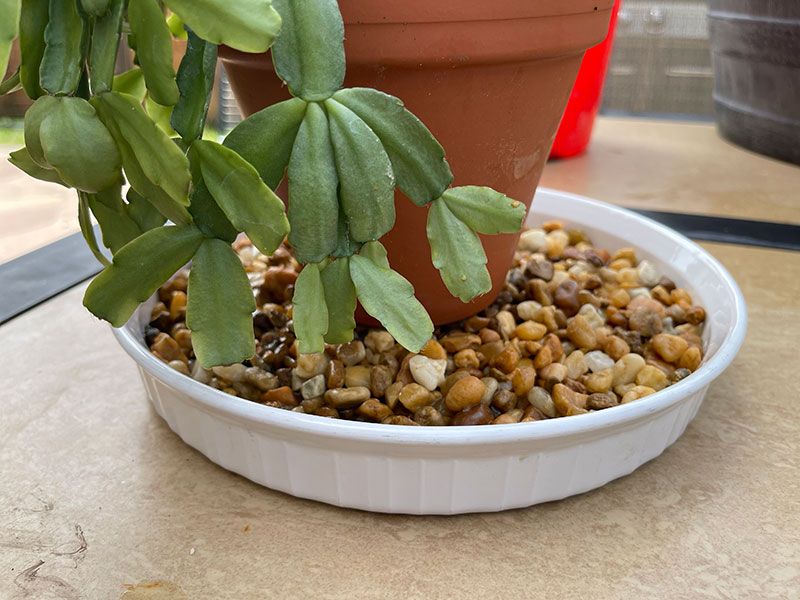
Try a pebble tray. Fill a shallow saucer with pebbles, add water just below the top of the stones, and set the pot on top.
As the water evaporates, it adds moisture right where the plant needs it. Keep the pot bottom above the waterline so the roots stay out of standing water.
Grouping houseplants together helps too. Plants release moisture as they breathe, and a little cluster creates its own slightly humid pocket.
Misting offers a brief boost, but the effect fades quickly. A small room humidifier gives steadier results if your home feels extra dry and staticky.
Keep the plant away from radiators and forced-air vents as well. Hot, dry air blowing right on the stems is one of the fastest ways to shrink a promising bud crop.
After The Holiday Flowers Fade Your Christmas Cactus Plan Starts Again
Good news travels in cycles with this plant, and next year’s show begins right after this one ends. Let the plant rest a few weeks after blooming with slightly less water.
In spring, new growth signals time to feed. Michigan State University Extension and other experts suggest a balanced houseplant fertilizer at about half strength, roughly once a month through summer.
Stop feeding by late summer or early fall. That pause supports the shift toward bud production as nights grow cool.
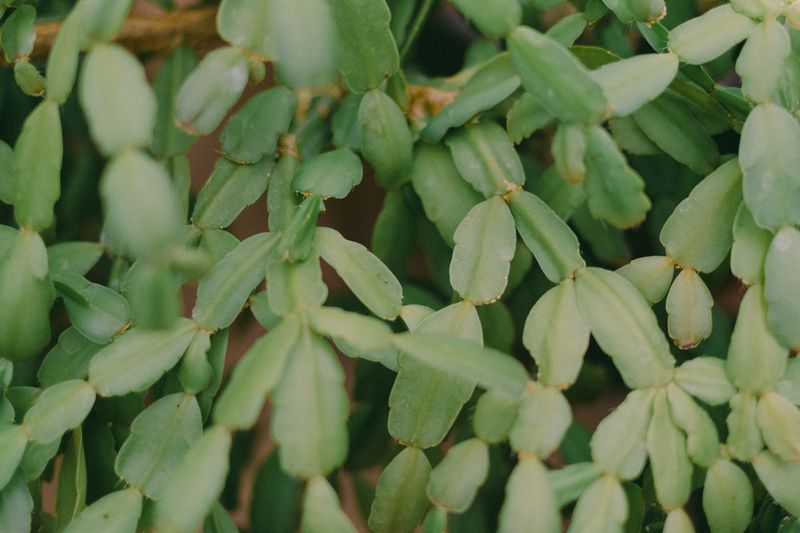
Spring is also the season for light pruning. Pinch or twist off a few stem segments to encourage branching, which means more tips for flowers next winter.
Repot only every few years, since this plant blooms well when slightly snug. Choose a pot one size larger with drainage holes and a fast-draining mix.
Many gardeners in the state move plants outside to a shady porch in summer once nights stay above 50 degrees. Bring them back in before frost, then start the cool, dark routine again, and you could enjoy these flowers for decades, since well-loved plants often get passed down through families.