Buds Forming On Your Texas Christmas Cactus? Here’s How To Water It Now
Wild relatives of a favorite holiday houseplant grow on mossy tree branches in the coastal mountains of Brazil. They cling to bark high above the forest floor, soaking up mist and rain like little sponges.
That jungle backstory surprised me the first time I read it. I had been treating mine like a desert plant, and it showed. Fewer flowers, droopy stems, and a lot of head scratching followed.
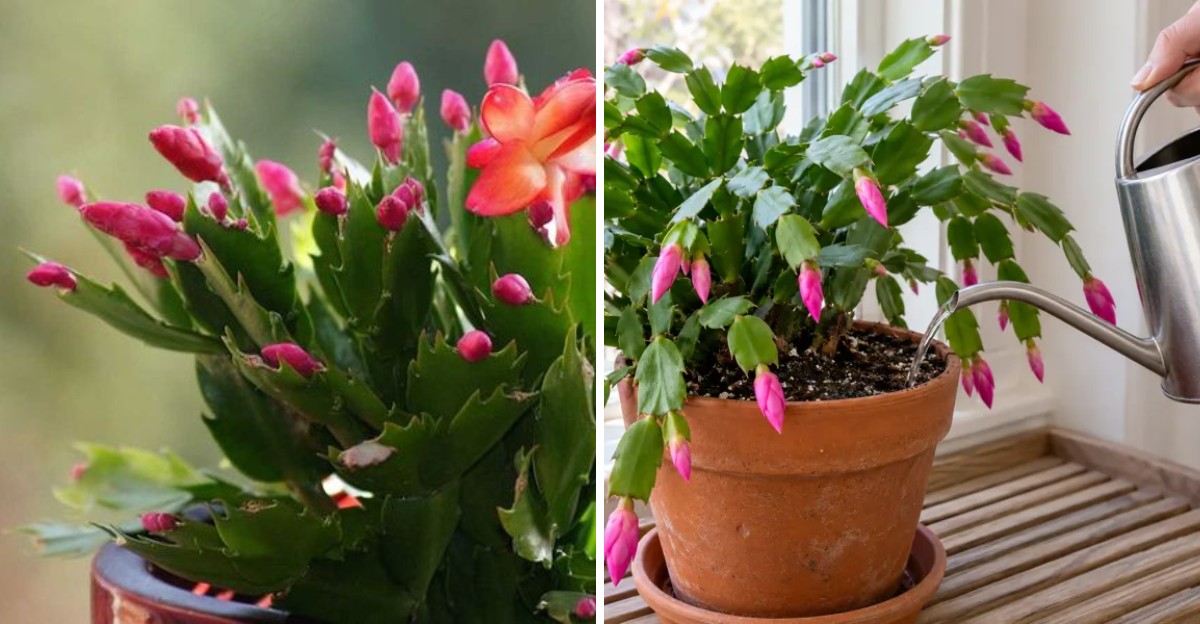
Now the days are shorter, the nights are cooler, and tiny pink tips are popping up on the stem ends. You’re in for a real treat if you handle the next few weeks well.
Those little nubs are fragile, and how you water them matters more than almost anything else in Texas homes right now.
Those Pink Christmas Cactus Buds Are Asking For Something New
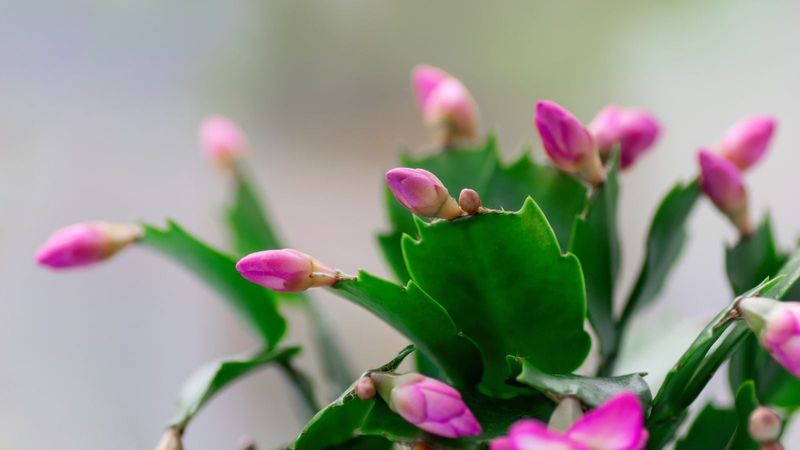
Tiny buds change the whole game. For most of the year, a Christmas cactus can coast along with modest watering and very little fuss.
Once buds appear at the stem tips, the plant shifts into a busy stage. It is building petals, color, and nectar all at once, and that work takes a steady supply of moisture. Personally, I think of it like a runner loading up before a race.
Many gardeners hold back water in early fall to help trigger blooms. Long nights of 12 to 14 hours and cooler temperatures around 50 to 65 degrees also play a big role. Once buds show up, though, that drier rest period is over.
Fun fact time. Schlumbergera is an epiphyte, which means it grows on trees instead of in the ground. Its roots are used to quick rain showers followed by fast drainage through bark and leaf litter.
That detail explains almost everything about how to water it now. The roots like regular drinks, but they also want air.
Keep that balance in mind, and you will understand every tip that follows. So the buds are your signal. Watch the soil a little more closely starting today.
Give The Potting Soil An Even, Steady Drink
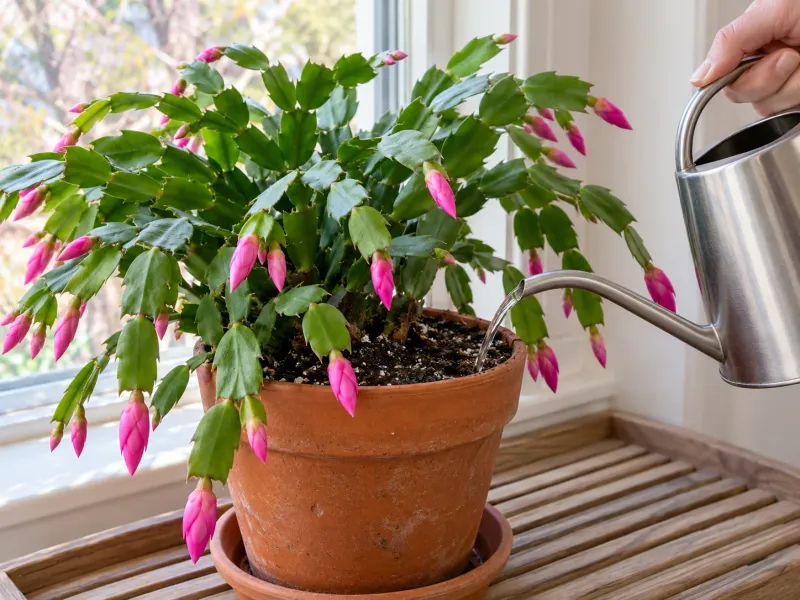
Steady is the magic word here. A budding Christmas cactus wants soil that stays lightly moist, like a wrung-out sponge, not a muddy puddle.
When it is time to water, do it thoroughly. Pour slowly around the base until water trickles out of the drainage holes. That way the whole root ball gets a drink, not just the top layer.
Next comes the step many folks skip. Wait about 15 minutes, then dump any water left in the saucer. Roots sitting in standing water can rot, and rotting roots often lead to dropped buds.
Drainage holes are not optional. If your plant came in a decorative foil wrap or a pot with no holes, poke holes in the foil or slip the plant into a pot that drains well.
How often will this be? In many Texas homes, it works out to roughly once a week, but that number shifts a lot with heat, light, and pot size.
A small clay pot near a sunny window dries much faster than a big plastic one in a dim corner.
I like to water in the morning. The plant has all day to use the moisture, and the soil is less likely to stay soggy overnight.
Your Finger Beats The Calendar For Checking Christmas Cactus Soil
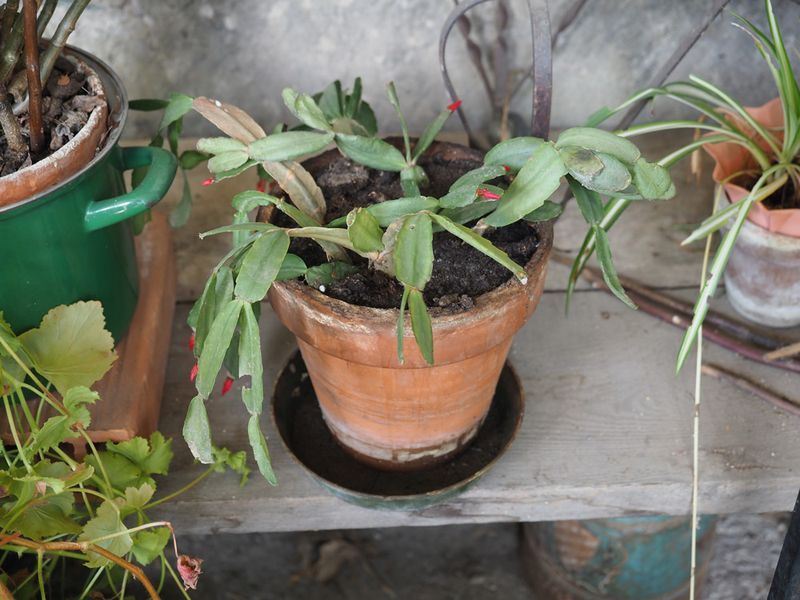
Calendars cannot feel dirt. Your finger can, and it is the most reliable moisture tool you already own.
Push a finger about an inch into the potting mix. If that top inch feels dry, it is time to water. If it still feels cool and damp, wait another day or two and check again.
Some growers water when only the top third of the soil has dried. Either way, the goal stays the same, which is to avoid both bone-dry soil and constant wetness.
Not into getting your hands dirty? A wooden chopstick works too. Slide it into the soil, leave it for a minute, then pull it out. Dark, damp soil clinging to the wood means hold off.
Lifting the pot is another clever trick. Right after watering, notice how heavy it feels. A few days later, a much lighter pot tells you the plant is thirsty.
Water temperature matters a bit as well. Use room temperature water instead of icy water from the fridge dispenser.
Cold water can give tender roots a small shock, and this is not the season for surprises. Check every few days, and soon you will know your plant’s rhythm by heart.
Falling Buds On A Christmas Cactus Usually Point Back To Water
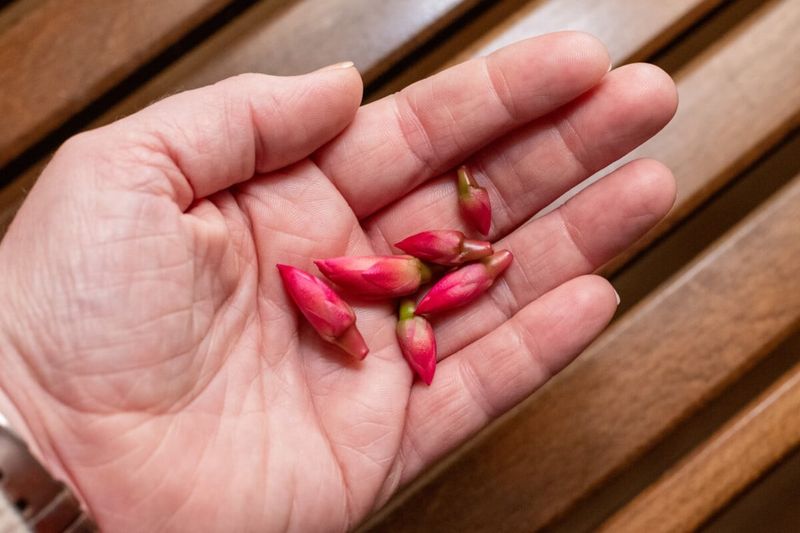
Few things sting like finding buds scattered on the windowsill. One day they look plump and promising, and the next they are lying beside the pot.
Water troubles are among the most common causes. Too much keeps roots soggy and short on oxygen. Too little leaves the plant stressed, so it sheds buds to save energy for its stems.
Watch for clues. Limp, wrinkled stem segments often mean the plant is thirsty. Mushy, dark stems near the soil line, or a sour smell, can signal overwatering and possible root rot.
Swinging between the two extremes may cause the most trouble of all. A plant left dry for days and then flooded gets whiplash, and the buds pay the price.
Once you spot the pattern, adjust gently. Let soggy soil dry out a bit before watering again. For a parched plant, give a thorough soak and then return to a steady routine.
Losing a few buds is fairly normal, so do not panic. Plants often set more buds than they can carry.
Heavy, sudden drops are the ones worth investigating. Consistency truly is your best friend here.
A Pebble Tray Helps Keep Christmas Cactus Buds Plump
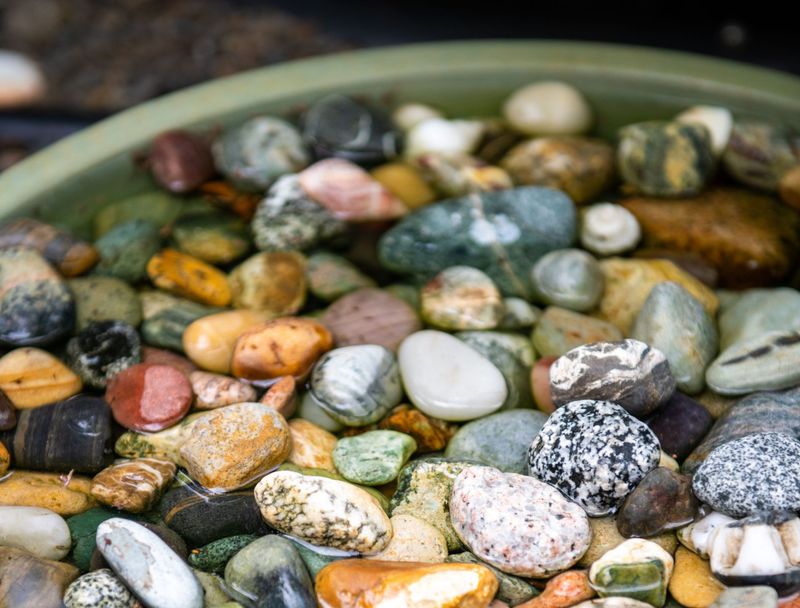
Rainforest plants love moist air. Christmas cactus does best with humidity somewhere around 50 to 60 percent, which is close to the misty mountain air of its homeland.
Texas can feel muggy outdoors, especially along the Gulf Coast. Indoors is another story once the heater kicks on. Central heat can dry the air quickly, and dry air pulls moisture from buds and stems.
An easy fix is a pebble tray. Fill a shallow tray with pebbles, add water until it sits just below the tops of the stones, and set the pot on top. As the water evaporates, it raises humidity right around the plant.
Keep the pot bottom above the waterline. Otherwise, the soil will wick up water and stay soggy, which defeats the whole purpose.
Grouping houseplants together also helps. Plants release moisture through their leaves, so a little cluster creates its own cozy microclimate.
Light misting can add a quick boost, though the effect fades fast. I treat it as a bonus, not a main strategy.
Out in West Texas, where air is often dry, humidity help matters even more. A cheap hygrometer will tell you exactly where your room stands.
Keep That Budding Christmas Cactus Away From Drafts And Big Moves
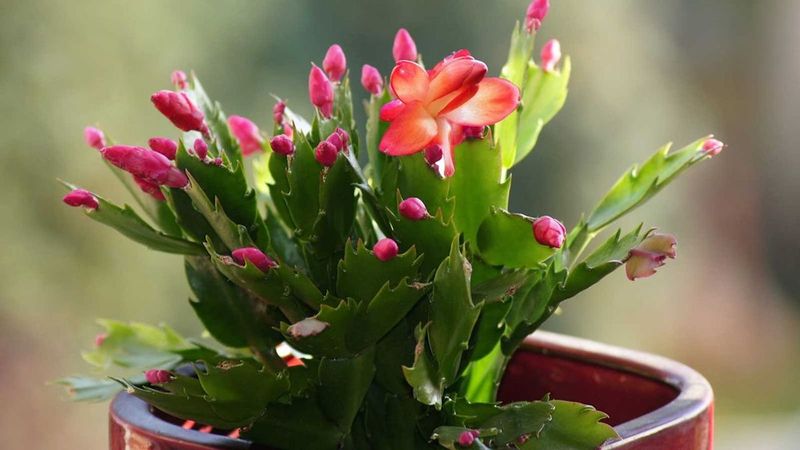
Moving day is the enemy. Many people carry their budding plant to a fancy new spot for the holidays, then wonder why the buds start falling.
Christmas cactus buds react to sudden changes in light and temperature. A new location, a blast from a heater vent, or a chilly draft from an opening door can all trigger bud drop.
Pick a bright spot with indirect light and leave it there. Avoid fireplaces, heating vents, drafty doors, and windows that turn icy on cold nights.
Texas weather adds its own twist. A strong norther can drop temperatures quickly in places like Dallas or Amarillo.
If your plant spent fall on a porch, bring it indoors before nights fall much below the 50s, and do it before buds get too big.
Steady temperatures also make watering easier. A plant that bakes near a heater one day and chills the next will dry out unevenly, making your watering guesses much harder.
Even turning the pot can bother some plants. I resist the urge to rotate mine once buds form. Choose a spot, settle the plant in, and let it focus its energy on blooming.
Christmas Cactus Blooms Open Best With A Simple Weekly Check
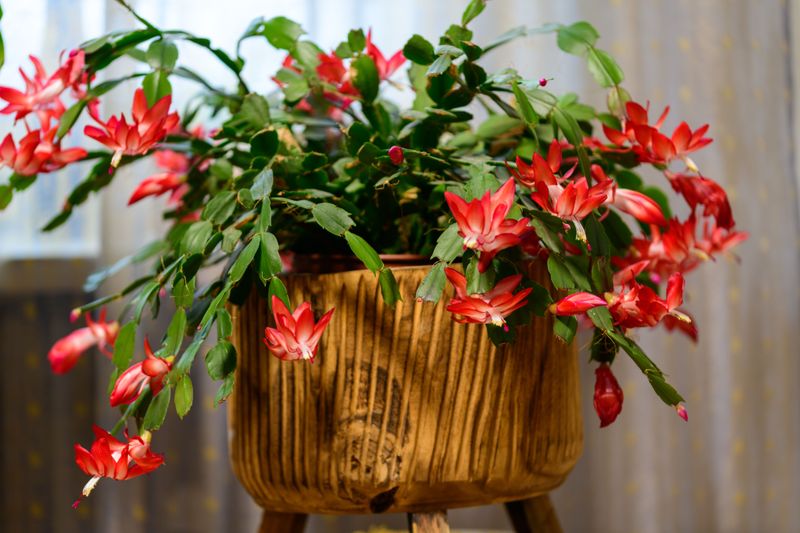
Patience pays off big here. With steady care, those tiny pink tips can swell into layered, shimmering flowers that last for weeks.
A simple weekly routine makes it easy. Check the soil with your finger, water thoroughly if the top inch is dry, and empty the saucer afterward. Glance at the stems and buds for any signs of trouble.
Skip the fertilizer while buds are forming and blooming. Most experts suggest feeding during spring and summer growth instead, so the plant can stay focused on flowers right now.
Once the last bloom fades, give the plant a short rest. Water a little less for several weeks, then return to normal care when new growth appears in spring.
Hang onto a quick note of what worked. Jot down how often you watered and where the plant sat. Next fall, you will have your own personal guide instead of guessing.
These plants can live for decades, and some families pass them down for generations. I love that idea of a plant collecting holiday memories.
Treat it kindly now, and your Texas Christmas cactus may reward you with a dazzling show year after year.