Why Michigan Gardeners Should Wait Until October To Prune Trees And Shrubs
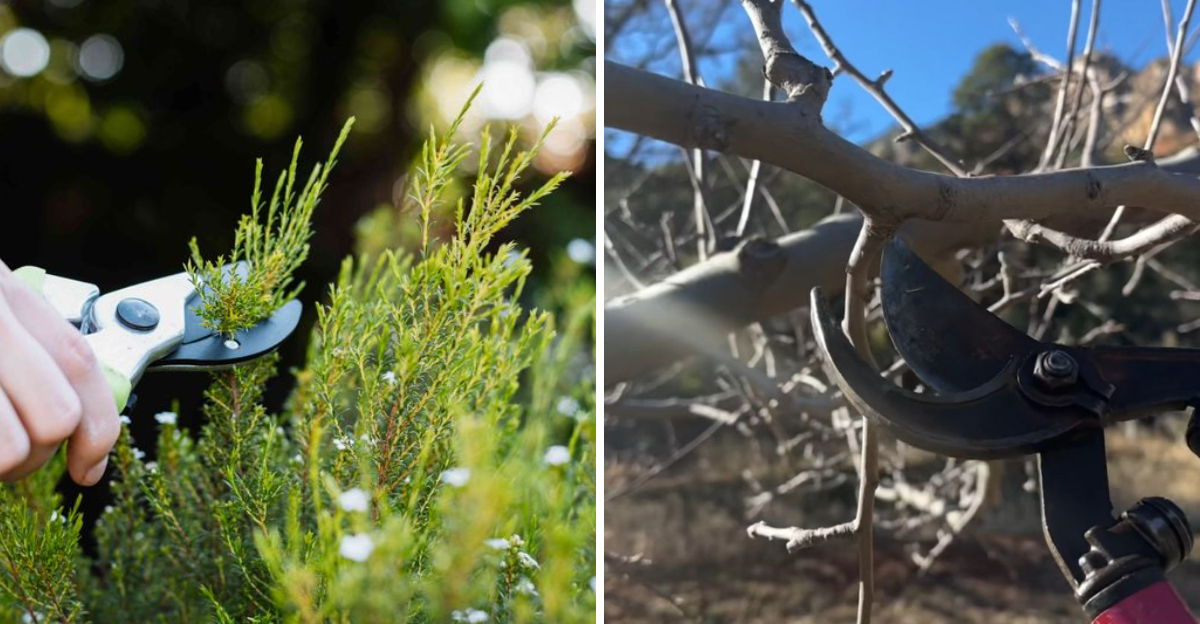
September weather practically begs for a little yard cleanup, and pruning shears often feel like the obvious next step once cooler temperatures finally arrive.
But jumping into pruning too early can actually work against Michigan trees and shrubs in a way most homeowners never expect.
There’s a specific reason experienced gardeners hold off until October instead, one that has everything to do with how plants prepare internally for the coming winter.
Understanding this timing now could prevent damage that doesn’t show up until months later, once cold weather really settles in.
Many homeowners only discover this mistake after noticing stress or wilt they can’t otherwise explain. Once you know why this waiting period matters so much, patience becomes a lot easier to practice.
Getting the timing right here could be the difference between healthy spring growth and unnecessary winter damage.
1. September Pruning Can Trigger New Growth
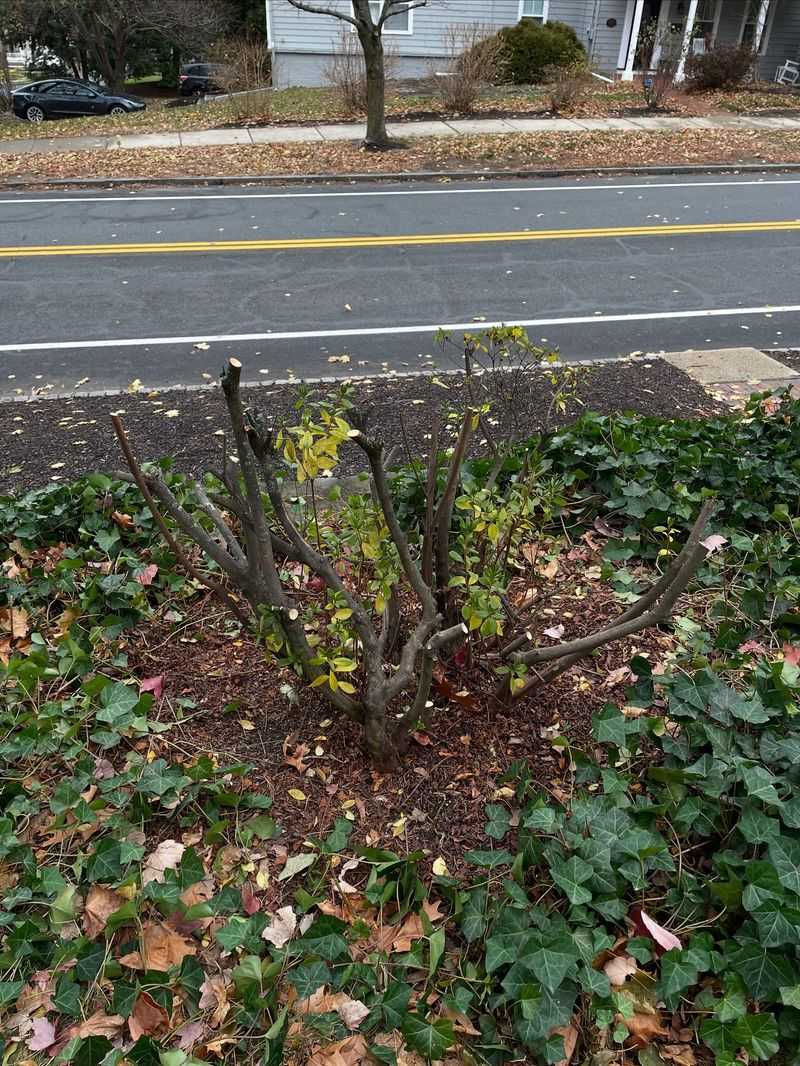
Cutting into a shrub while it is still busy growing sends a signal you might not expect. The plant reads those fresh cuts as a wake-up call and pushes out soft, new shoots.
In early fall, Michigan days can still feel warm, and the soil holds plenty of moisture. Under these cozy conditions, a trimmed branch often responds by sprouting tender green tips near the cut.
That might sound like a good thing, but late-season growth causes trouble down the road.
Those baby shoots use up energy the plant would rather save for its roots. Instead of settling in for the cold months, your shrub spends its resources building growth that arrives too late to be useful.
Think of it like waking someone up right before bedtime. The plant gets confused about the season and reacts instead of resting.
Waiting until October lets your trees and shrubs stay on their natural schedule. By then, the growth signals have quieted down, and a careful cut is far less likely to spark that unwanted burst.
If you notice a plant looking a little wild in September, resist the urge to shape it right away. A few weeks of patience makes a big difference in how it handles the cut.
Your reward for waiting is a calmer plant that channels its energy where it belongs. Come spring, you will see healthier, better-balanced growth that started with one smart decision to hold off on the shears.
2. New Shoots Need Time To Harden
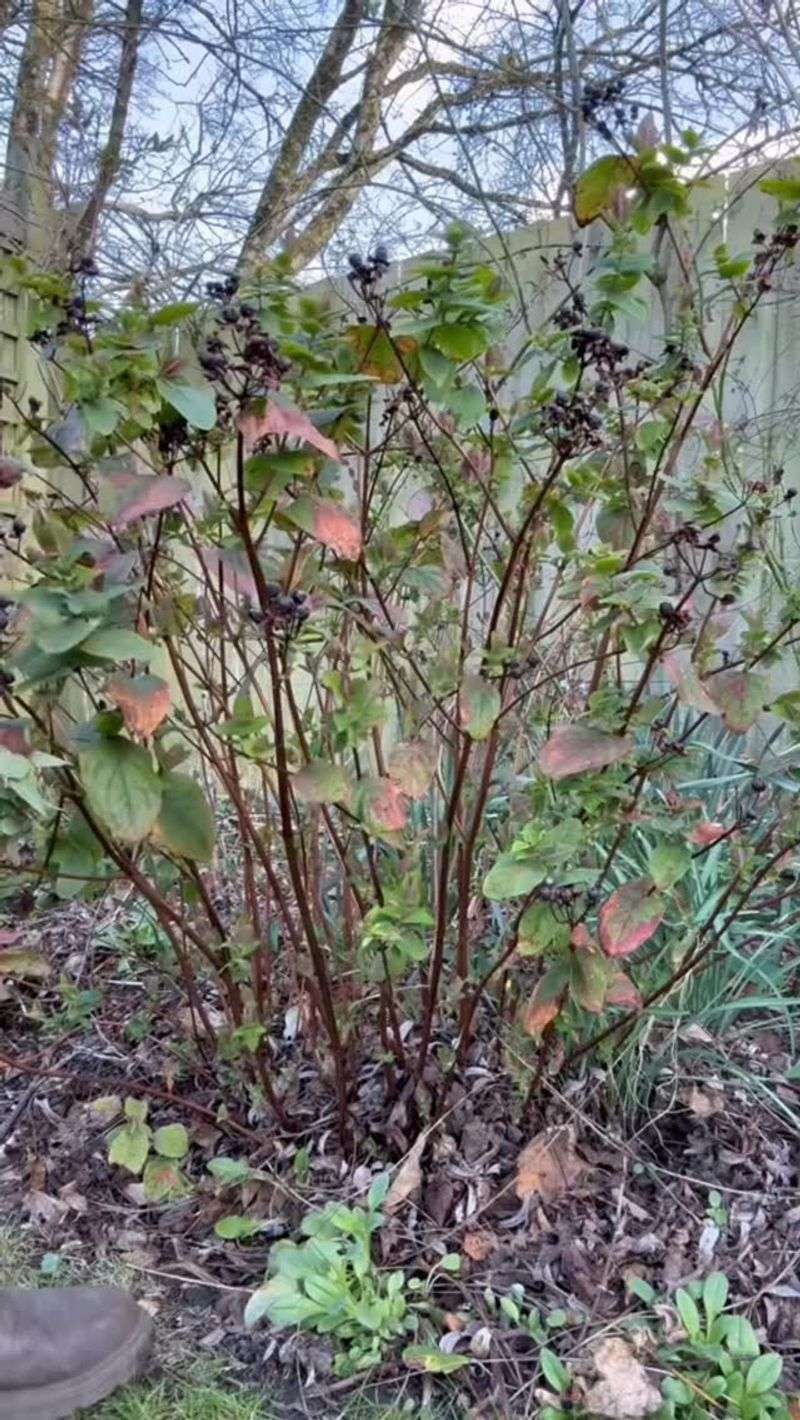
Fresh shoots are soft and full of water, which makes them fragile when the weather turns. In Michigan, cold snaps can arrive quickly once fall settles in.
For a young shoot to survive winter, it needs to go through a process called hardening off. During this time, the plant toughens up its cells and slows its water content so the tissue can handle freezing temperatures.
Hardening takes weeks, not days. When you prune too early and trigger new growth, those tender shoots simply run out of time to prepare.
Picture a runner trying to finish a race with no training. The shoot starts strong but has no chance to build the strength it needs before the cold arrives.
Your Michigan Garden Changes Every Week. Your Plan Should Too.
Gardening in Michigan changes quickly throughout the season. Every Friday you’ll receive a simple weekly plan showing exactly what to plant, prune, fertilize, harvest, and protect so you never miss the right timing.
Soft growth that never hardens becomes damaged when frost hits. That damage can spread back into older, healthy wood and weaken the whole plant.
By pruning in October, you avoid pushing out growth that cannot mature in time. The plant stays focused on getting sturdy rather than starting something new.
This timing works with Michigan’s short fall window instead of fighting against it. Your shrubs get to finish their natural preparation without any surprise cuts throwing them off track.
A little planning here saves you from disappointment later. When spring returns, you will find firm, healthy branches ready to grow instead of soft tips that suffered through the winter chill.
Patience truly pays off, and your garden will show the results in its steady, strong recovery.
3. Spring Bloomers Can Lose Next Year’s Flowers
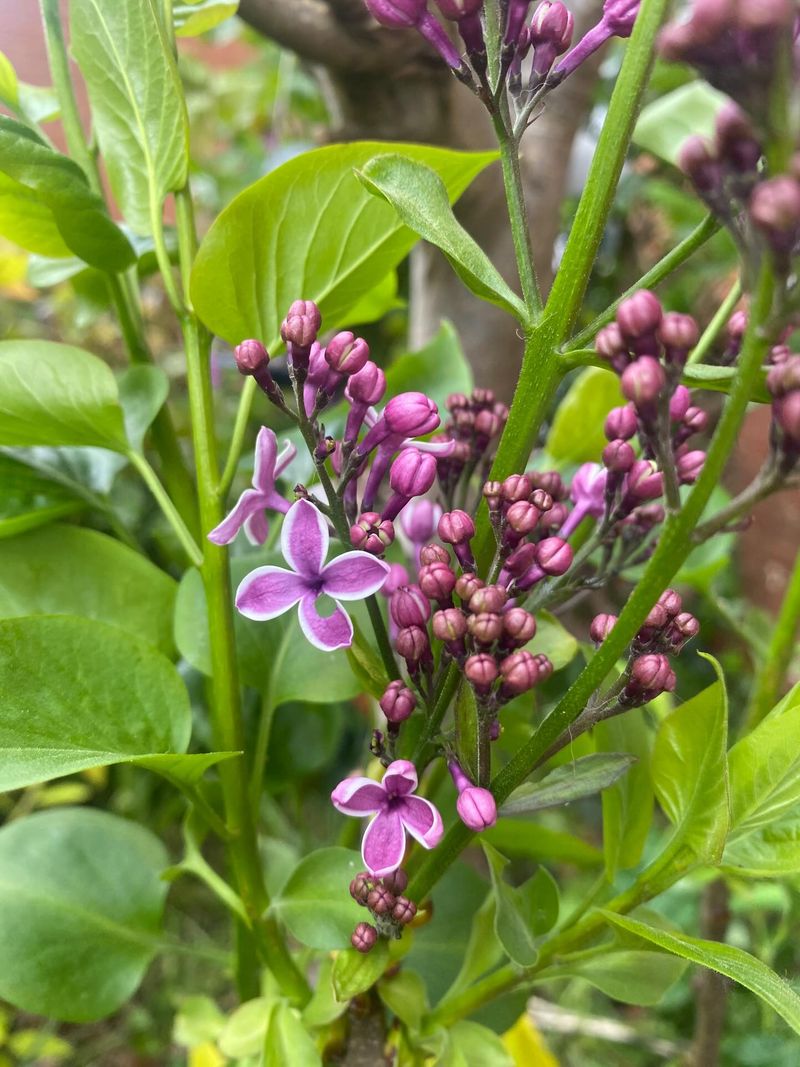
Imagine cutting a shrub in fall and then watching it stay bare all spring. That heartbreak happens more often than you would think with spring-flowering plants.
Lilacs, forsythia, and many other early bloomers form their flower buds during summer and fall. Those tiny buds sit quietly on the branches, waiting for warm weather to burst open.
When you prune these shrubs in October, you slice off the very buds that were ready to shine. The plant survives just fine, but its flowers vanish for the year.
You would never even see the mistake until spring arrives and the branches stay green instead of bursting into color. By then, it is too late to fix.
The better plan is to prune spring bloomers right after they finish flowering. That timing gives them the whole rest of the season to build fresh buds for the following year.
Think of it as a simple trade. You wait until the show is over, then trim, and the plant rewards you with a full display next time.
Michigan’s spring bloomers bring some of the earliest color after a long winter, so protecting those buds really matters. Losing them means missing that joyful welcome to the growing season.
Before you trim any flowering shrub in fall, pause and ask when it blooms. If the answer is spring, put down the shears and mark your calendar for after the flowers fade. That one habit keeps your yard bright and full of blossoms year after year.
4. October Brings A Natural Slowdown
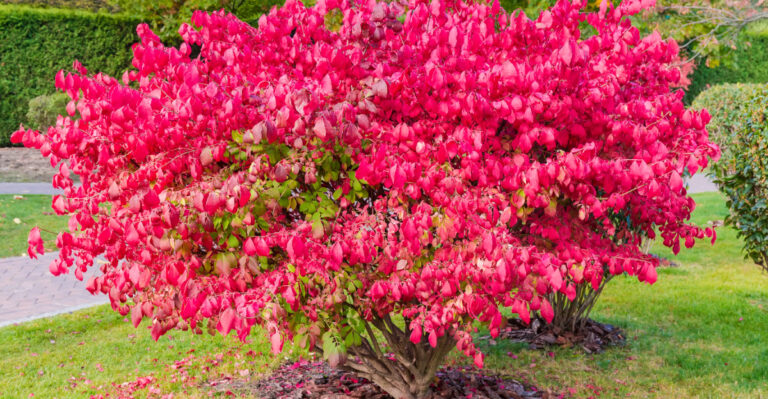
Something wonderful happens across Michigan when October rolls in. Leaves shift from green to brilliant reds, oranges, and golds, and this color change is more than just pretty scenery.
Those changing leaves tell you that deciduous trees and shrubs are winding down for the year. As daylight shrinks and temperatures cool, the plants pull energy back into their roots and slow their growth to a crawl.
When a plant enters this restful state, called dormancy, it reacts much more gently to pruning. A cut made now does not spark the same rush of new shoots you would see in warmer months.
That calm response is exactly what you want. Your trimming becomes a quiet trim rather than a loud wake-up call.
Falling leaves also give you a clearer view of the branch structure. Without all that foliage in the way, you can spot crossing limbs and awkward angles far more easily.
This makes shaping a tree or shrub simpler and more accurate. You can plan your cuts with confidence, knowing the plant is ready to rest instead of race.
The slowdown even helps wounds seal more calmly over the coming months. The plant is not scrambling to grow, so it can settle in peacefully.
Michigan’s colorful fall is basically nature’s signal that pruning season has arrived. When you see those leaves letting go, you know your trees and shrubs are prepared for a thoughtful, well-timed trim that supports their health.
5. Do Not Assume Every Shrub Belongs On The October List
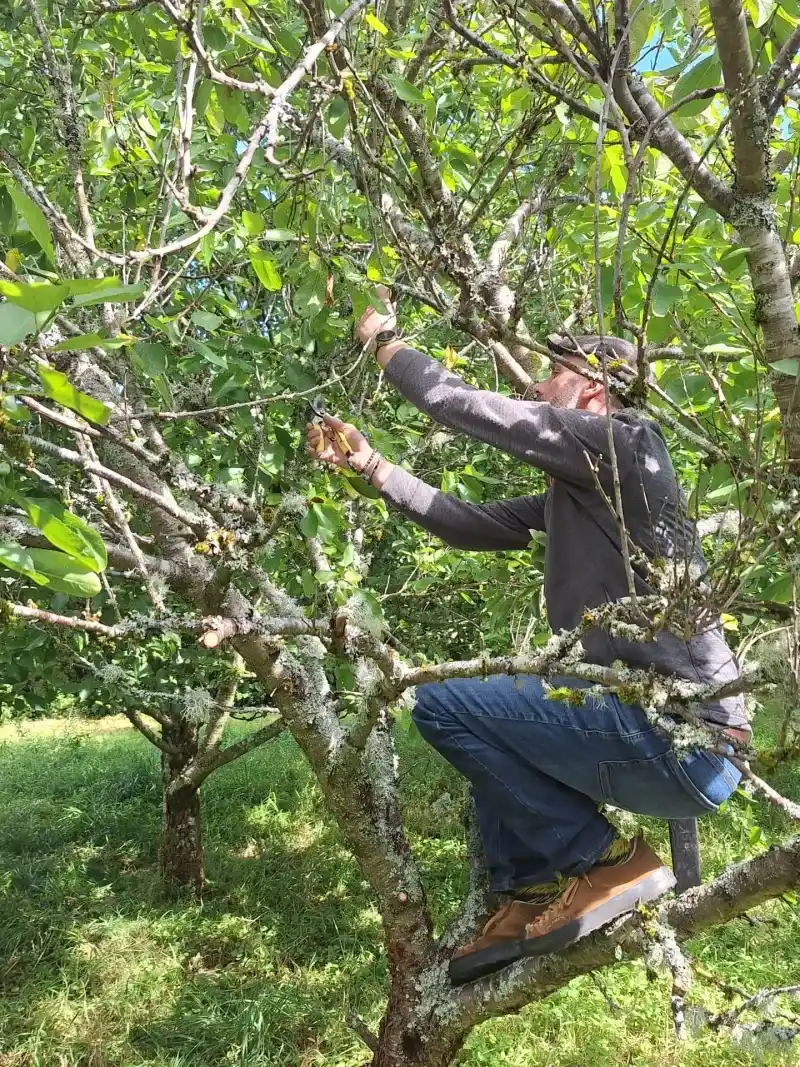
Not every plant follows the same rulebook, and that is where many gardeners trip up. Pruning time depends heavily on the species you are working with.
The biggest question to answer is whether your shrub blooms on old wood or new wood. This one detail changes everything about when you should reach for the shears.
Shrubs that flower on old wood set their buds during the previous season. If you trim them at the wrong time, you accidentally snip away next year’s blossoms.
Plants that bloom on new wood grow their flowers on the current season’s shoots. These can usually handle a fall or late-winter trim without losing their show.
Knowing which type you own is worth a little homework. A quick look at a plant tag, a garden guide, or a trusted local resource can point you in the right direction.
Keep a simple notebook of what grows in your yard. Writing down each shrub’s blooming habit saves you from guessing every season.
Michigan gardens often hold a mix of both kinds side by side. Treating them all the same is a common mistake that leads to bare, flowerless branches.
Take the time to sort your plants into groups based on their needs. A little organizing now means you will never wonder whether October is the right month for a particular shrub.
Smart pruning starts with knowing your plants, and that knowledge turns you into a far more confident gardener year after year.
6. Oaks Are Better Left Until Winter
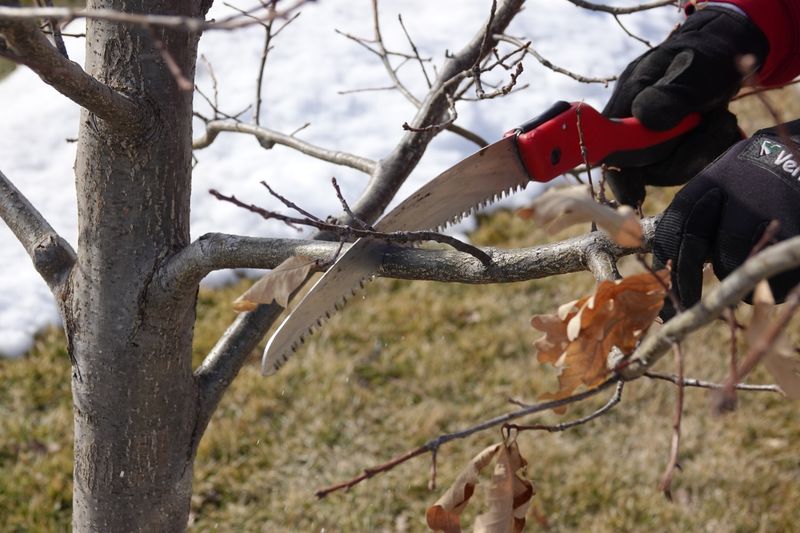
Oaks deserve special handling, and their timeline looks different from most other trees. For these mighty giants, winter is the smartest season to prune.
The reason comes down to a serious plant disease called oak wilt. This illness spreads through beetles that are drawn to the fresh smell of a pruning cut.
During the warmer months, including early fall, those beetles are active and searching for wounds. A cut made now practically invites them over for a visit.
Once oak wilt takes hold, it can move from tree to tree and cause widespread harm to an entire stand of oaks. Prevention is far easier than dealing with the aftermath.
Winter changes the whole picture. When temperatures drop and the ground freezes, the beetles are no longer flying around looking for open cuts.
Pruning your oaks during this cold, quiet stretch means the wound can begin sealing before the beetles return in spring. You give the tree a safe head start.
Michigan has many beautiful oaks in yards, parks, and woodlands, so protecting them is a community effort. One careful choice about timing helps keep these trees safe for everyone.
If you spot an oak that needs shaping in October, jot it down and wait for the deep cold. A little patience protects a tree that may have been growing for decades.
Winter pruning might feel unusual, but for oaks it is the responsible move. Bundle up, wait for the freeze, and your oaks will thank you with years of shade and beauty.
7. Evergreens Need Their Own Schedule
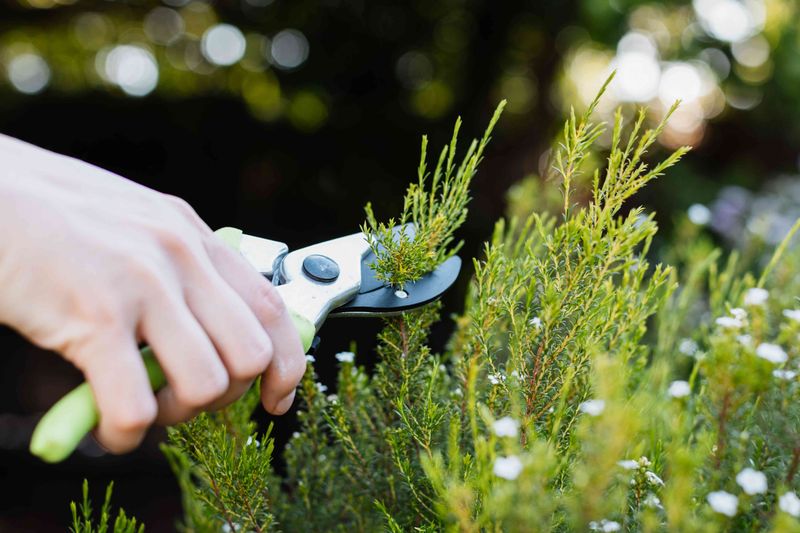
Evergreens keep their color all year, which fools some gardeners into thinking they can be trimmed anytime. That assumption often leads to disappointing results.
Pines, spruces, and other needled plants follow their own growth pattern that does not match October pruning very well. Cutting them in fall can leave gaps that stay visible for a long time.
Unlike many shrubs, evergreens are slow to fill in bare spots. A poorly timed cut might create a hole in the foliage that lingers for years.
Spring is usually the better window for these plants. As new growth begins, evergreens can respond to trimming and close up gaps more naturally.
Many pines produce soft new tips called candles in spring, and gently pinching those controls size without harsh cuts. This gentle method keeps the plant looking full and neat.
Fall trimming also removes foliage the plant relies on during winter. Evergreens keep working through the cold months, so cutting them back too much reduces their strength.
Before you reach for the shears in October, remember that green does not mean ready. Each type of evergreen has its own preferences worth learning.
A quick check on your specific plant will tell you the ideal timing. Some tolerate light shaping in late winter, while others truly prefer spring attention.
Michigan winters are hard on plants, so giving evergreens a full, healthy coat of needles going into the cold makes sense. Save the real pruning for warmer days, and your evergreens will stay lush and shapely all year round.
8. Damaged Branches Are A Different Matter
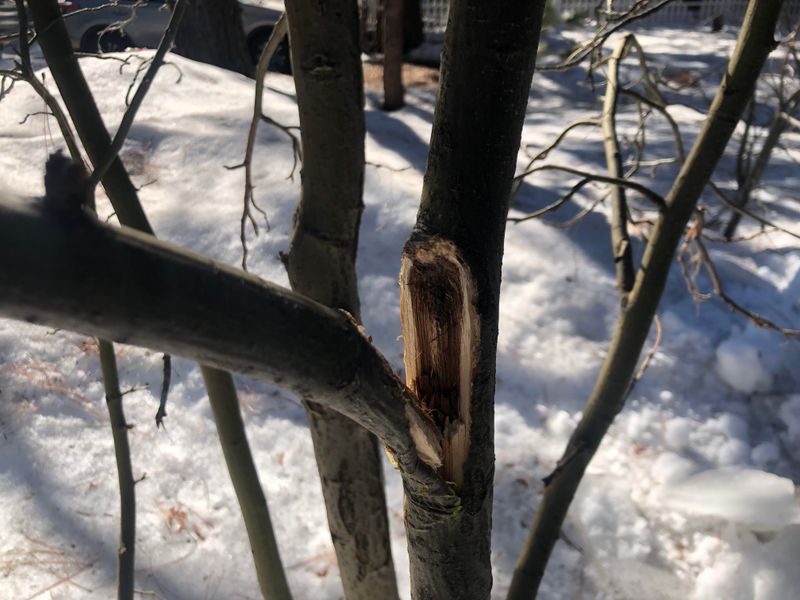
All these waiting rules have one clear exception, and it involves safety. Broken or hazardous branches cannot always wait for the perfect season.
When a limb cracks in a storm or hangs loosely over a walkway, that branch becomes a risk. Ignoring it could lead to injury or property damage.
In these cases, prompt attention makes far more sense than sticking to a calendar. Removing a hazard right away protects your family, your visitors, and your home.
The key is to separate emergency cuts from routine shaping. Trimming for looks or size can wait for the right time, but a dangerous branch needs care now.
Look for limbs that are split, hanging, rubbing against the house, or blocking a path. These situations call for action no matter what month it is.
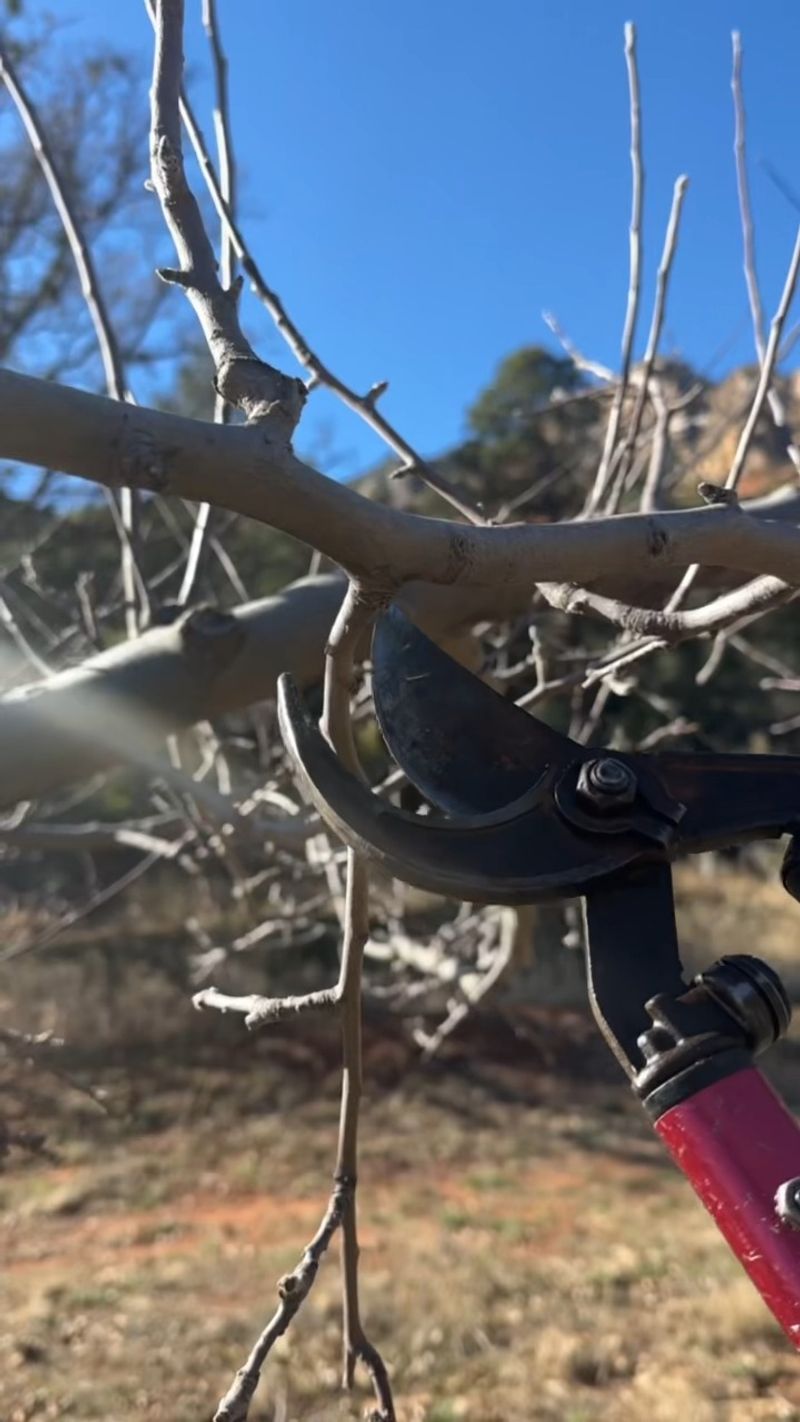
Make your cut cleanly and just outside the branch collar, the swollen area where the limb meets the trunk. A tidy cut helps the tree seal the wound properly.
For large or high branches, calling a professional is often the safest choice. Working with heavy limbs high off the ground can be tricky and risky.
Michigan weather brings plenty of wind, ice, and heavy snow that can damage branches throughout the year. Being ready to respond keeps small problems from turning into big ones.
So while patience guides most of your pruning decisions, never let a real hazard sit and wait. Handle the danger quickly, save the styling for the proper season, and your garden stays both safe and beautiful.