The Most Beneficial Pennsylvania Yard Snakes
Snakes in a Pennsylvania yard produce one of the most polarizing reactions in all of backyard wildlife encounters. For some people, any snake is an immediate problem that needs resolving.
For others, they’re fascinating visitors worth observing closely before moving on. But regardless of where you fall on that spectrum, the facts about what certain Pennsylvania yard snakes are actually doing for your property are worth knowing.
Some of these snakes are genuinely valuable. Not in a vague, ecological sense that’s easy to appreciate in theory and hard to care about in practice, but in a direct and measurable way that affects the pest pressure, rodent population, and overall health of your outdoor space.
The right snakes in a Pennsylvania yard are consuming mice, rats, insects, and other garden pests at a rate that no product or service realistically replicates, and they’re doing it for free, on their own schedule, without any input from you.
Here are the most beneficial Pennsylvania yard snakes and exactly what each one is contributing to your property every season.
1. Black Rat Snake
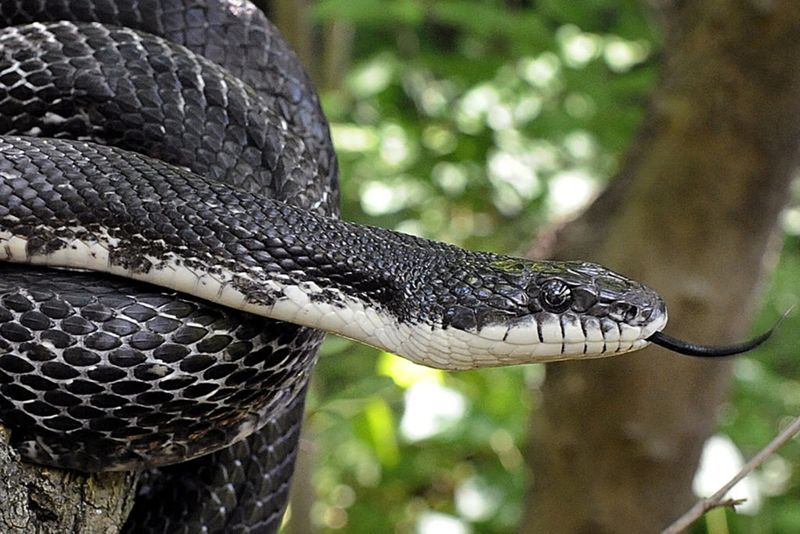
If there is one snake that earns its place in a Pennsylvania yard, it is the Black Rat Snake. Stretching anywhere from four to six feet long, this impressive reptile is one of the most skilled rodent hunters in the state.
Homeowners who spot one near the barn or shed should consider themselves lucky. Black Rat Snakes are excellent climbers.
They scale trees, walls, and even rough wooden surfaces with ease, which helps them track down mice and rats hiding in rafters or attic spaces.
Farmers have valued these snakes for generations because they naturally reduce rodent populations without any traps or poisons.
Their diet focuses mainly on mice, rats, voles, and other small mammals. A single snake can clear out a mouse problem faster than most store-bought solutions.
They are also known to eat bird eggs occasionally, but rodents make up the bulk of their meals.
Despite their large size, Black Rat Snakes are not aggressive. When threatened, they may freeze or vibrate their tail against leaves to mimic a rattlesnake, but this is just a bluff.
They almost never bite unless handled roughly. If you find one in your yard, the best thing you can do is simply leave it alone. It will move on once it has finished hunting.
Black Rat Snakes prefer wooded edges, rocky hillsides, and areas near old buildings, which makes Pennsylvania’s rural and suburban landscapes perfect for them. They are truly one of nature’s most effective and underappreciated pest controllers.
2. Eastern Milksnake
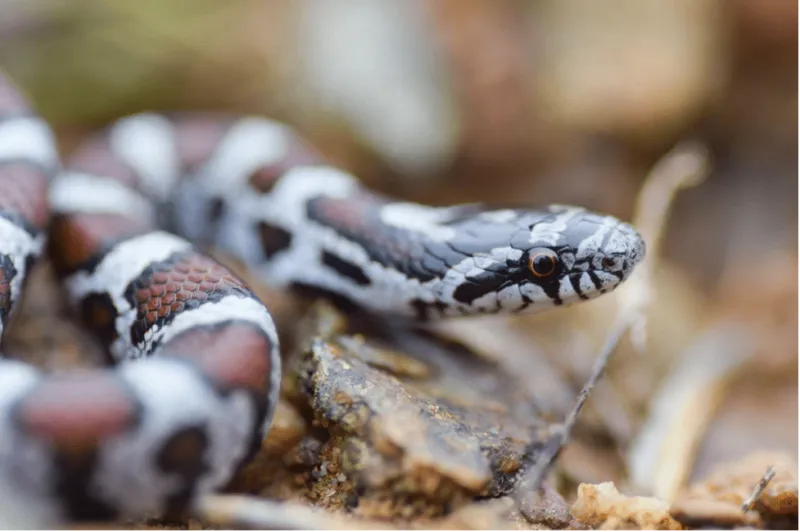
The Eastern Milksnake has one of the most unfair reputations of any Pennsylvania snake. Its bold red, brown, and white patterning sometimes causes people to mistake it for a venomous Copperhead.
Once you know what to look for, though, you will quickly recognize this harmless and genuinely helpful species.
Old folk tales once claimed Milksnakes would sneak into barns and drink milk straight from cows. That story is completely false, but it does explain how this snake got its name.
Your Pennsylvania Garden Changes Every Week. Your Plan Should Too.
Gardening in Pennsylvania changes quickly throughout the season. Every Friday you’ll receive a simple weekly plan showing exactly what to plant, prune, fertilize, harvest, and protect so you never miss the right timing.
What Milksnakes are actually doing in barns and outbuildings is hunting mice and rats that are attracted to stored grain and feed.
Eastern Milksnakes are medium-sized, usually reaching two to four feet in length. They are constrictors, meaning they wrap around their prey and squeeze before swallowing it whole.
Their favorite meals include mice, small rats, and other rodents. They will also eat small lizards and other snakes on occasion.
Milksnakes are mostly active at night, which is why many people rarely see them even when a healthy population lives nearby. They prefer hiding under boards, rocks, and loose debris during the day.
Gardens, farms, and forest edges are some of their favorite hangouts in Pennsylvania.
Keeping a Milksnake around your property means fewer rodents chewing through your garden or nesting in your storage areas. They are calm by nature and rarely cause any problems for people or pets.
If one turns up near your shed or garden bed, just give it some space and let it do its job quietly and efficiently.
3. Eastern Gartersnake
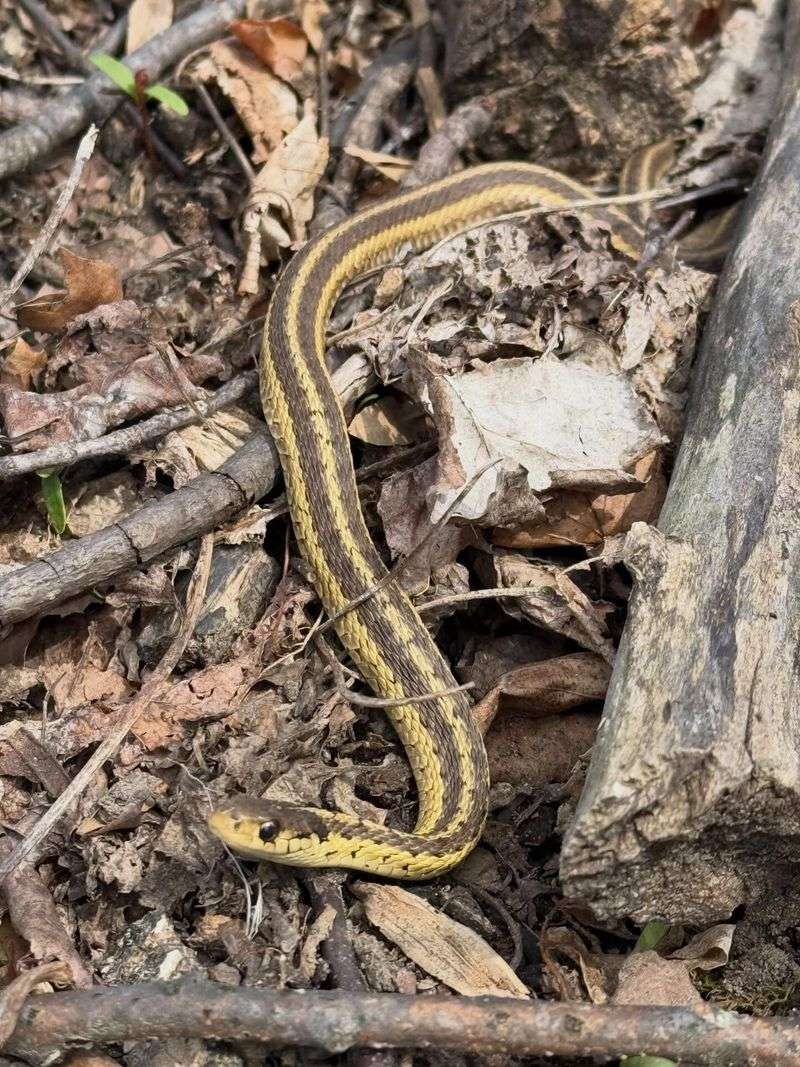
Ask almost any Pennsylvania resident which snake they have seen most often in their yard, and the Eastern Gartersnake will top the list. With its distinctive yellow or greenish stripes running down a dark body, this snake is easy to recognize and nearly impossible to miss on a sunny morning near the garden.
Gartersnakes love moist, grassy areas. They thrive near ponds, streams, garden beds, and compost piles, all of which are common in Pennsylvania backyards.
One reason they are so valuable is their varied diet. They eat slugs, earthworms, insects, frogs, and small rodents, making them one of the most well-rounded pest managers a yard can have.
Slugs are a particular favorite. If you have ever dealt with slugs chewing holes through your lettuce or hostas, a Gartersnake nearby is working in your favor.
They can track down and consume slugs far more efficiently than most garden remedies. Eastern Gartersnakes are small to medium in size, usually between 18 and 26 inches long. They are completely harmless to humans.
When startled, they may release a musky odor as a defense, but they rarely bite and pose no real threat.
One interesting trait is that Gartersnakes are live-bearing, meaning females give birth to live young rather than laying eggs. A single female can produce 10 to 40 young in late summer, which helps keep local populations stable.
Welcoming Gartersnakes into your yard by leaving brush piles or rock borders gives them shelter and encourages them to stick around and keep your garden pest-free all season long.
4. DeKay’s Brownsnake
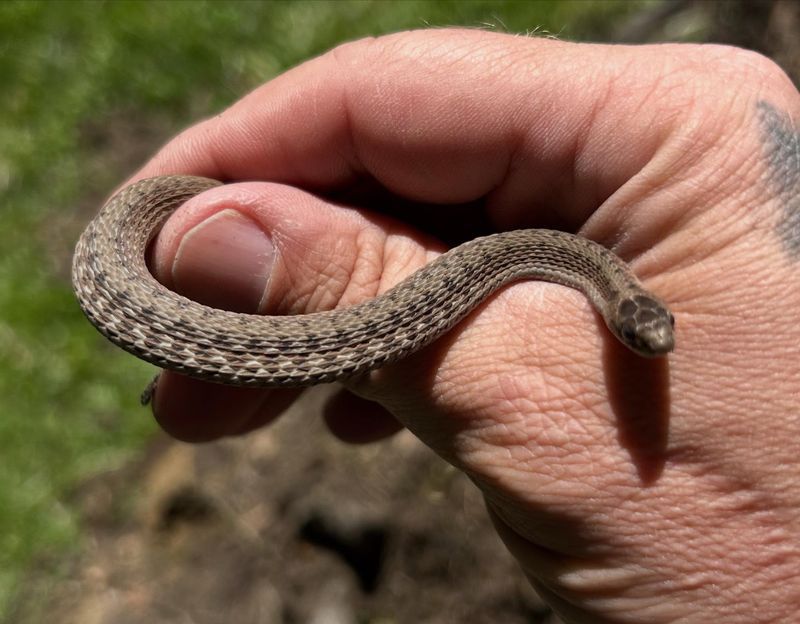
Small enough to fit in the palm of your hand, DeKay’s Brownsnake is one of Pennsylvania’s most overlooked garden helpers. Most people who spot one assume it is a baby snake of another species.
In reality, this is a fully grown adult, and it is doing some seriously useful work right there in your garden beds.
DeKay’s Brownsnake typically grows between 9 and 15 inches long. Its coloring is a soft grayish-brown with a pale stripe running down the back and tiny dark spots along the sides.
It blends so well into leaf litter and soil that it almost seems to disappear. That camouflage helps it hunt without being noticed.
Slugs and snails are its primary targets. For any gardener who has battled these slimy pests, a resident Brownsnake is a genuine asset.
It also feeds heavily on earthworms and soft-bodied insects. By targeting these creatures, Brownsnakes help protect plant roots, stems, and leaves from serious damage.
You are most likely to find one hiding under flat rocks, boards, mulch, or dense ground cover. They prefer shaded, moist spots close to soil where their prey is active.
Urban and suburban gardens across Pennsylvania host surprisingly large numbers of these snakes without residents even realizing it.
DeKay’s Brownsnakes are completely harmless. They have tiny teeth designed for gripping slippery prey like worms, not for biting people.
If you uncover one while gardening, simply place the rock or board back gently and let it go about its business. Having one around is like having a free, natural slug control system working around the clock.
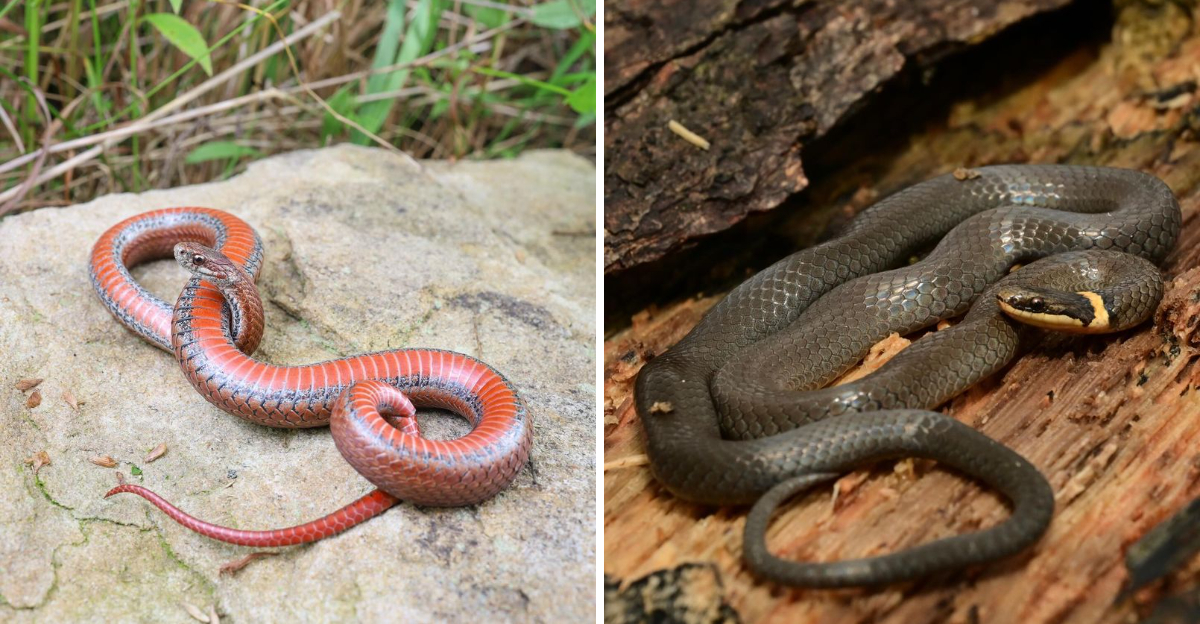
5. Red-Bellied Snake
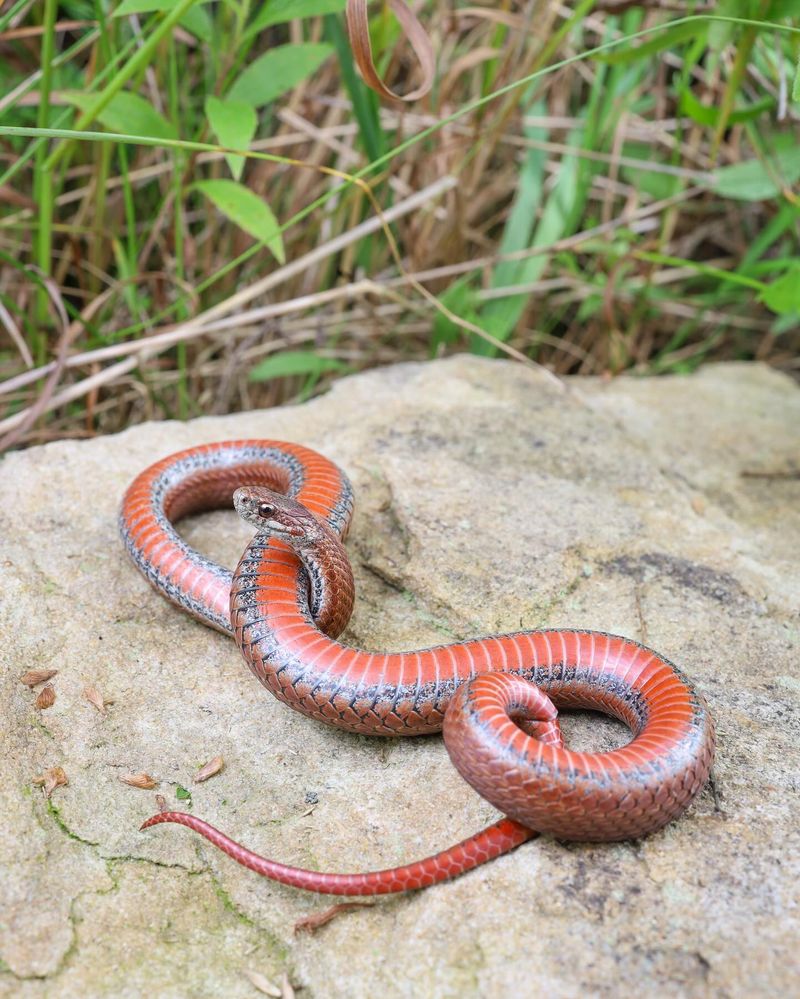
Flip over a log or a flat stone in a shaded Pennsylvania garden, and you might find a tiny snake with a surprisingly vivid secret.
The Red-Bellied Snake looks plain and brownish on top, but turn it over and you will see a bright orange-red belly that seems almost too bold for such a small creature. That pop of color is part of what makes this species so fascinating.
Red-Bellied Snakes are tiny, usually between 8 and 10 inches long when fully grown. Despite their small size, they are enthusiastic hunters of soft-bodied garden pests.
Slugs make up a huge portion of their diet, along with snails, earthworms, and small insects. For gardeners fighting slug damage on hostas, strawberries, or leafy greens, this little snake is a genuine ally.
One quirky behavior worth knowing: when threatened, Red-Bellied Snakes sometimes curl their upper lip in a strange expression that looks almost like a sneer. They may also flatten their body or curl their tail.
These are all just bluffing tactics. They are completely harmless to people and pets. Red-Bellied Snakes prefer moist, wooded areas and shaded garden spaces. They spend much of their time hidden beneath leaf litter, mulch, rocks, and rotting wood.
Pennsylvania’s forests and suburban gardens with mature trees provide ideal habitat for this species.
Encouraging these snakes to stay around is easy. Leave natural debris like leaf piles and flat stones in shaded corners of your yard.
A small, thriving Red-Bellied Snake population can quietly and effectively reduce the slug and snail pressure on your favorite plants all summer long.
6. Northern Black Racer
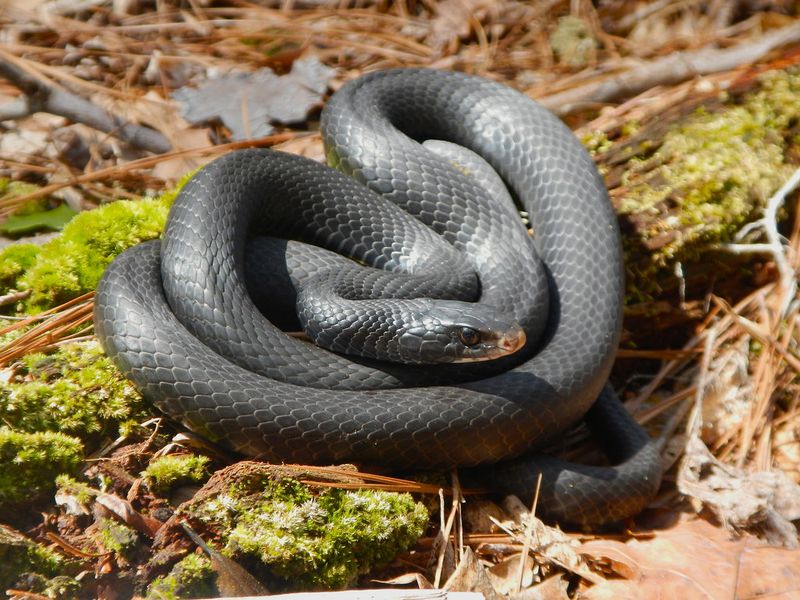
Speed is the Northern Black Racer’s signature move. Catch a glimpse of one darting through tall grass or across a garden path, and you might only see a quick flash of glossy black before it vanishes.
This snake does not wait around, and that fast-moving lifestyle is a big part of what makes it such an effective predator.
Northern Black Racers are slender and athletic, usually reaching four to five feet in length. Their jet-black scales and white or pale chin make them easy to identify.
Unlike the Black Rat Snake, Racers do not constrict their prey. Instead, they pin it down and swallow it while it is still alive.
It sounds intense, but it is an efficient and effective hunting strategy. Their menu is impressively varied. Racers eat mice, voles, frogs, toads, lizards, insects, and even other snakes.
That broad appetite means they are constantly reducing pest populations across multiple categories. A yard with a resident Racer is a yard with far fewer uninvited guests.
Racers are highly alert and quick to flee when humans approach. They rarely stand their ground, which makes encounters brief and stress-free for both parties.
Occasionally a cornered Racer will vibrate its tail or strike as a warning, but serious incidents are rare when people simply give them room.
Northern Black Racers prefer open fields, forest edges, and sunny garden borders where they can warm up quickly and hunt actively. Pennsylvania’s mix of farmland, suburbs, and woodland edges makes it an ideal home.
Seeing one move through your yard is a sure sign of a healthy, balanced local ecosystem worth protecting.
7. Northern Ring-Necked Snake
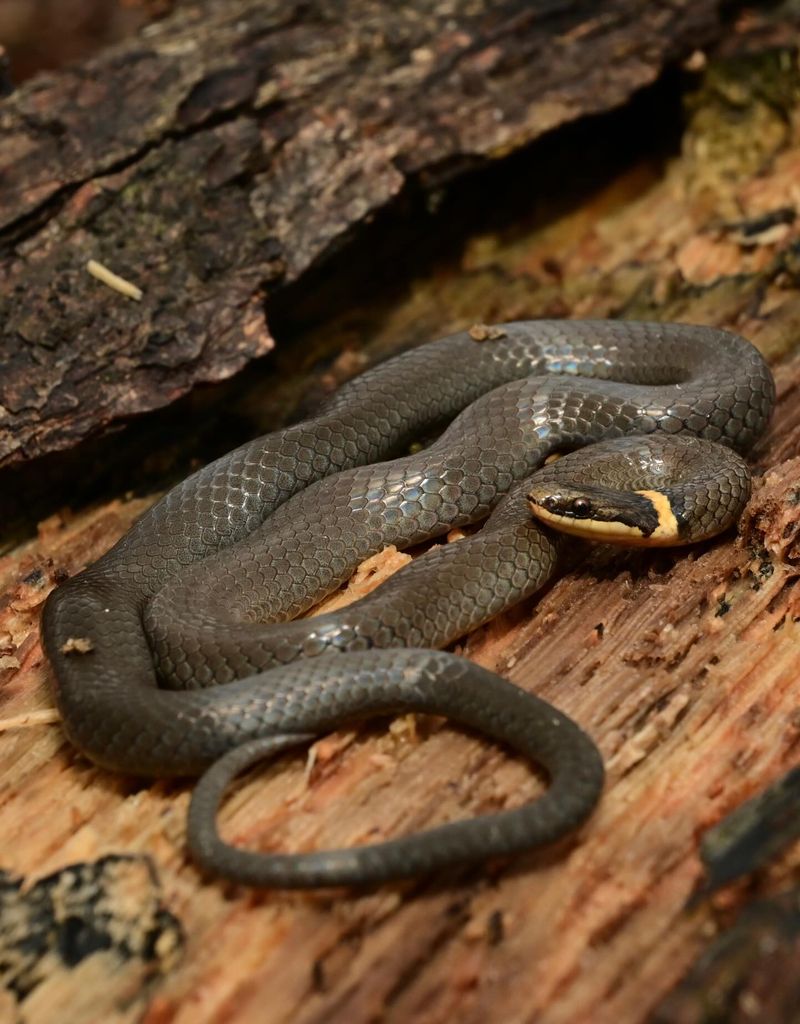
Tucked beneath a mossy log or hidden under a flat stone, the Northern Ring-Necked Snake leads a quiet, secretive life that most Pennsylvania residents never even notice.
But look closely at its small, slate-gray body and you will spot a vivid yellow or orange ring circling its neck like a tiny piece of jewelry. It is one of the most charming and underappreciated snakes in the state.
Ring-Necked Snakes are among the smallest snakes found in Pennsylvania, typically measuring between 10 and 15 inches long. Their belly is usually bright yellow or orange, which some researchers believe serves as a warning signal to predators.
When threatened, these snakes sometimes coil their tail to flash that bold color as a distraction.
Their diet focuses on soft, slow-moving prey that lives in moist soil and decaying wood. Earthworms are a staple, but they also eat slugs, small salamanders, and soft-bodied insects.
By targeting these creatures, Ring-Necked Snakes help regulate populations of organisms that can throw a garden’s soil health out of balance.
Finding one in your yard is a positive sign. It means your property has enough moisture, leaf litter, and natural cover to support a healthy food web.
These snakes are completely harmless to people and show almost no interest in humans at all.
To encourage Ring-Necked Snakes to stick around, avoid clearing every fallen log or rock pile from your yard. Those spots are prime real estate for this species.
A yard with natural hiding places supports not just Ring-Necked Snakes, but a whole range of beneficial wildlife that keeps your outdoor space thriving naturally.