The Most Common Hummingbird Feeder Mistakes You’re Probably Making
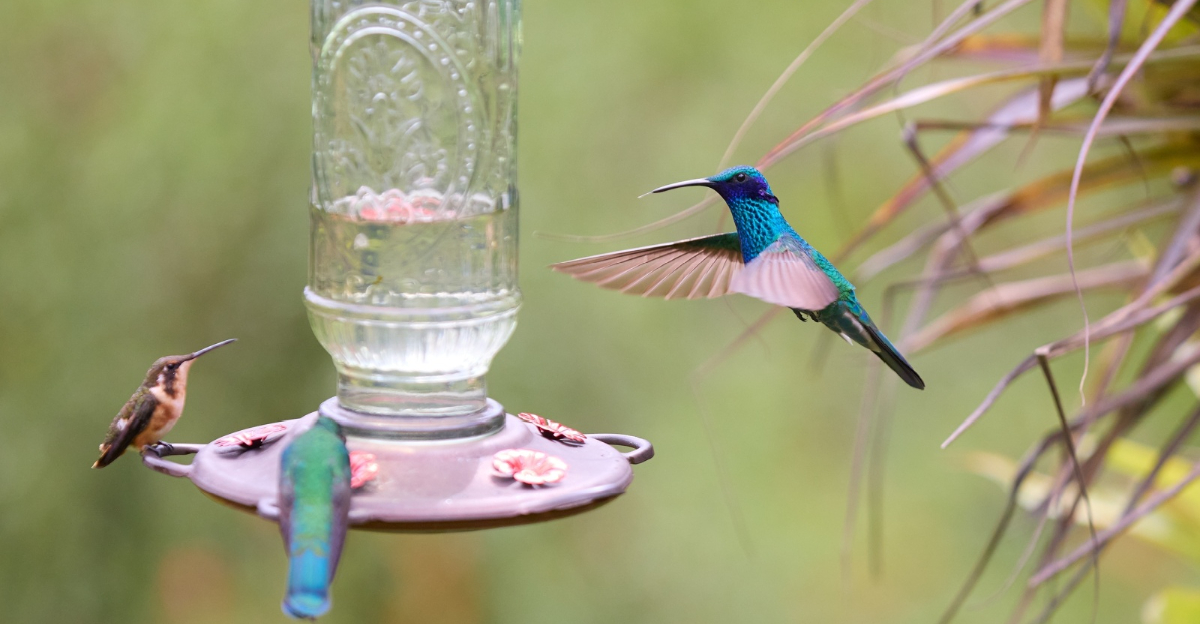
Hummingbirds are not picky by nature. They will fly miles for a reliable food source, visit the same feeder for an entire season, and come back the following year if conditions are right.
When they skip your yard entirely, or show up once and disappear, that is a signal, and it is almost never about the feeder itself. Something in the setup is quietly turning them away.
It might be the mix you are using, the timing of your cleaning routine, or something as simple as where the feeder is hanging.
None of it is complicated once you know what to look for, and most of it takes less than ten minutes to fix.
These are the mistakes that keep hummingbirds away from backyard feeders, and what actually works instead.
1. Using Red Dye In The Nectar Solution
Stop adding red food coloring to your nectar. That crimson liquid might look festive, but it could be harming the tiny birds you are trying to help.
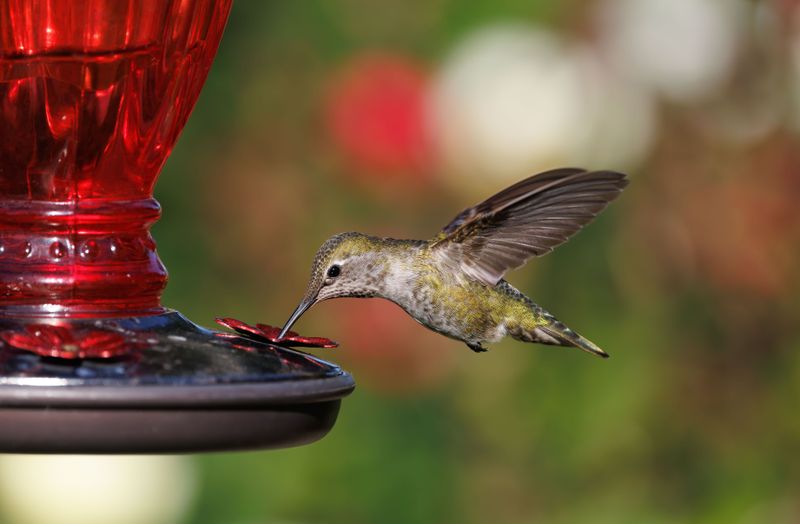
Many backyard birders assume red dye attracts hummingbirds faster. The truth is, hummingbirds are drawn to the red parts of the feeder itself, not the liquid inside.
Red dye number 40, the most common food coloring used, has shown potential health risks in small animals. Hummingbirds weigh less than a nickel, so even trace amounts of artificial chemicals hit their systems hard.
Scientists and ornithologists have flagged artificial dye as unnecessary at best and harmful at worst. The Cornell Lab of Ornithology specifically recommends skipping it entirely.
Red dye number 40, the most common food coloring used, has shown potential health risks in small animals. Hummingbirds weigh less than a nickel, so even trace amounts of artificial chemicals hit their systems hard.
Scientists and ornithologists have flagged artificial dye as unnecessary at best and harmful at worst. The Cornell Lab of Ornithology specifically recommends skipping it entirely.
Plain white granulated sugar dissolved in water is all you need. The ratio matters too, but more on that in a later section.
Your feeder’s red ports, flowers, and base already do the visual work. Skip the dye and keep the risk out of the equation entirely.
If your current nectar is tinted red, dump it out and start fresh today. Clean birds deserve clean fuel, and your feeder is their only gas station on the block.
2. Skipping Regular Cleanings Every 2-3 Days
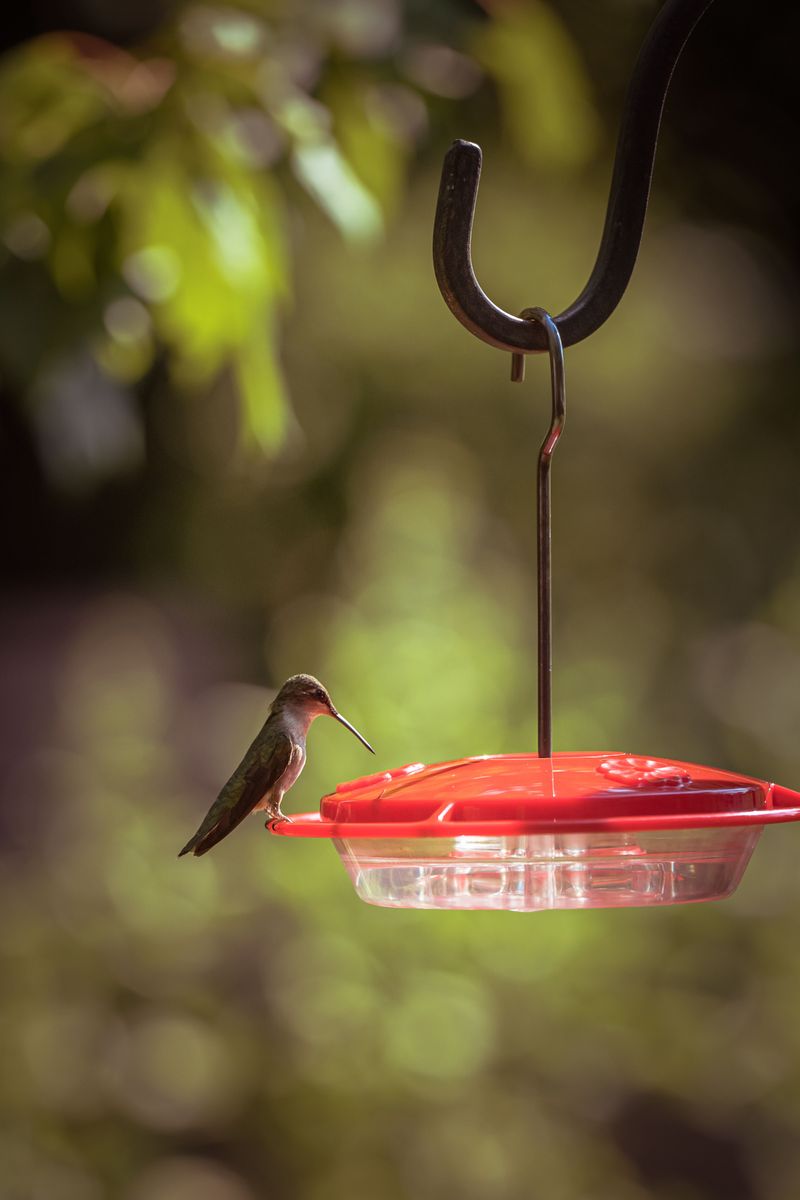
Mold grows fast inside a warm, sugary feeder. What looks like a clean feeder on the outside could be a petri dish of black fungus on the inside.
Hummingbirds sip nectar dozens of times each day. If that nectar is contaminated, they can develop a fatal tongue infection called candidiasis.
Most bird lovers rinse feeders once a week and call it good. But in summer heat, nectar can ferment and grow mold in as little as 48 hours.
The rule of thumb is simple: clean every two to three days in warm weather. In cooler temperatures, you can stretch it to five days, but no longer.
Use hot water and a bottle brush to scrub every port and crevice. Skip soap if you can, since residue can linger and irritate the birds.
Disassemble the entire feeder each time you clean it. Mold loves to hide in gaskets, under caps, and inside feeding ports where brushes cannot easily reach.
White vinegar diluted in water works as a natural disinfectant. Rinse thoroughly afterward so no vinegar smell or taste remains in the feeder.
Disassemble the entire feeder each time you clean it. Mold loves to hide in gaskets, under caps, and inside feeding ports where brushes cannot easily reach.
A clean feeder is the single most important thing you can do. Hummingbirds will return again and again to a feeder they trust.
3. Hanging Feeders In Full Direct Sunlight
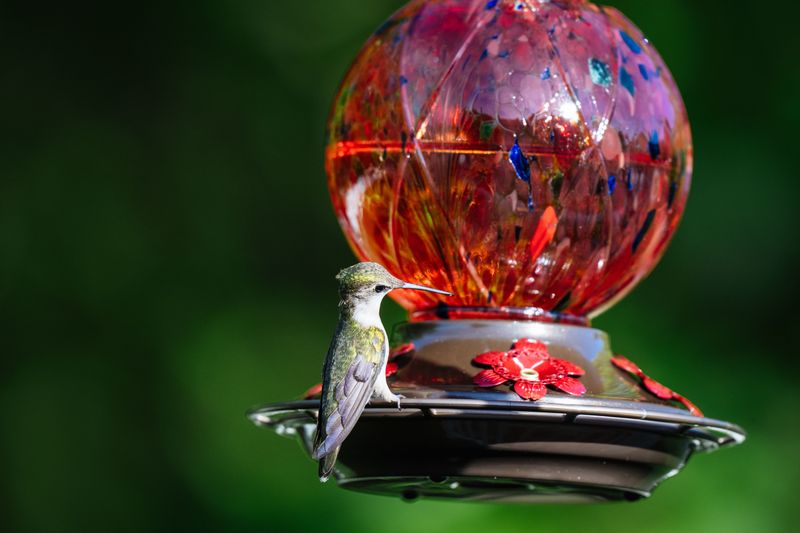
Full sun feels like the right move since hummingbirds love bright flowers. But direct sunlight is one of the fastest ways to ruin your nectar and drive birds away.
Heat speeds up fermentation dramatically. A feeder baking in afternoon sun can turn cloudy and sour in less than a day during peak summer months.
Fermented nectar smells off and tastes worse. Hummingbirds have sharp senses and will avoid a feeder that has gone bad, even if they are hungry.
Shade is your best friend when choosing a feeder location. Look for a spot that gets morning light but stays shaded from noon onward.
A feeder that stays cool holds fresh nectar longer and requires less frequent refilling. That consistency is exactly what keeps hummingbirds coming back to the same spot day after day.
A tree branch, pergola, or covered porch overhang works perfectly. The feeder stays visible and accessible while staying cool throughout the hottest part of the day.
Dappled light is even better than deep shade. It keeps the feeder visible to passing birds without exposing the nectar to harsh, direct rays.
If you cannot find shade in your yard, consider a UV-resistant feeder cover. Some feeders come with built-in shading domes that protect the nectar below.
Moving your feeder a few feet can make a massive difference. A cooler spot means fresher nectar, and fresher nectar means more hummingbird visits all season long.
4. Mixing Nectar At The Wrong Sugar-To-Water Ratio
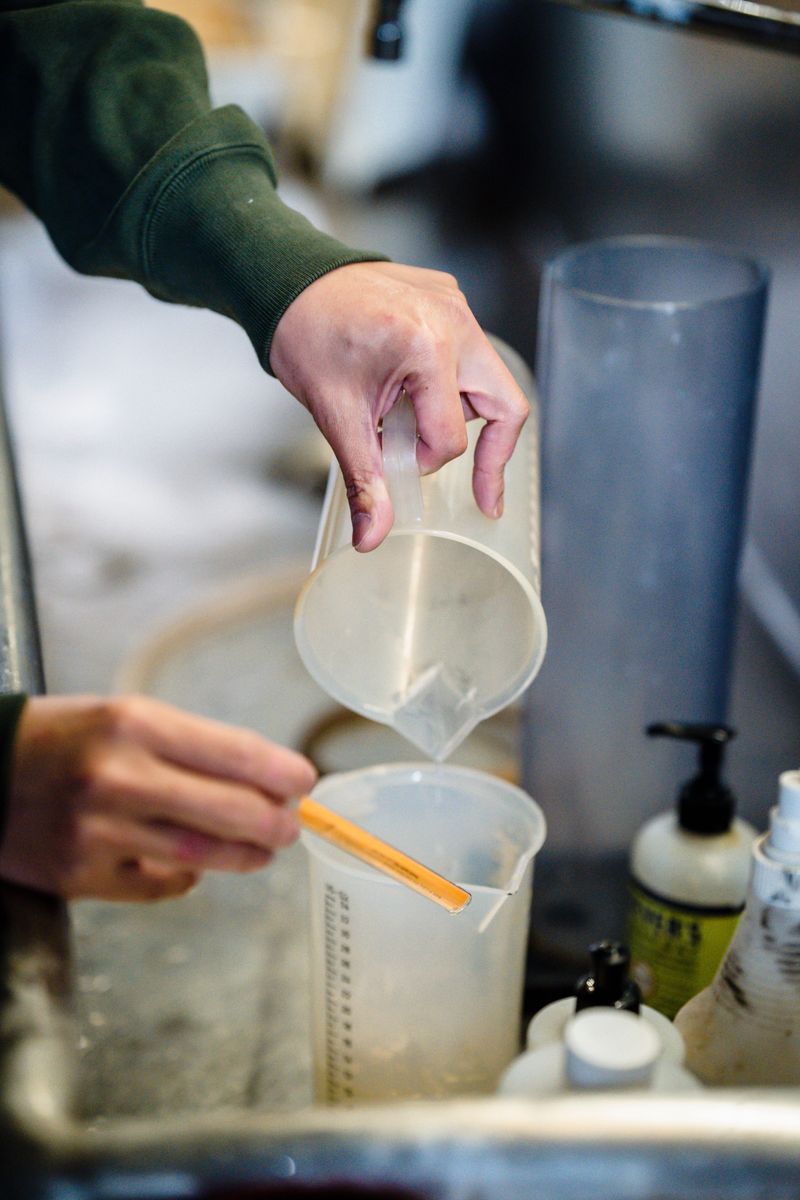
Getting the sugar-to-water ratio wrong is one of the most common hummingbird feeder mistakes people make. Too sweet, too weak, or too complicated can all backfire.
The correct ratio is one part white sugar to four parts water. That is it, no tweaking, no experimenting, no added ingredients.
Some people go heavy on sugar thinking more sweetness equals more birds. But a too-concentrated solution can stress a hummingbird’s kidneys and cause dehydration.
Others water it down too much, hoping to make the nectar last longer. A weak solution does not provide enough energy for these high-metabolism fliers.
Hummingbirds burn through calories at an astonishing rate. Their hearts beat over a thousand times per minute during flight, so they need reliable, calorie-dense fuel.
Never substitute brown sugar, honey, or artificial sweeteners. Honey ferments quickly and promotes dangerous bacterial growth inside the feeder.
Plain white granulated sugar is the only sweetener that closely mirrors the natural sucrose found in flower nectar. Anything else changes the chemical composition in ways a hummingbird’s digestive system is not built to handle.
Artificial sweeteners have no calories, which means no energy for a bird that needs to eat constantly. They are nutritionally useless and potentially harmful.
Boil the water first to help the sugar dissolve completely. Let the mixture cool before filling your feeder, and store any extra in the fridge for up to two weeks.
Stick to the simple formula every single time. Consistency keeps hummingbirds healthy and coming back to your yard all season.
5. Placing Feeders Too Close To Busy Windows
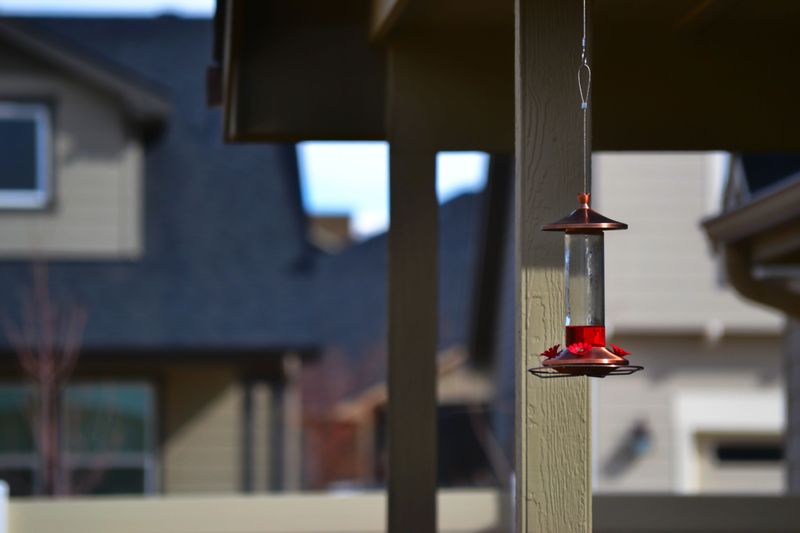
Window collisions hurt more birds than most people realize. Hummingbirds fly fast and cannot always detect glass until it is too late.
Placing a feeder at a medium distance from a window is actually the most dangerous spot. Birds build up speed and cannot stop in time when something startles them.
The safest options are very close or very far. Feeders within three feet of glass give birds no room to accelerate before impact.
Feeders placed more than ten feet away give birds enough space to recognize the window and change course. Either extreme is safer than the middle ground.
Window decals and bird-safe films are helpful additions if you want to keep feeders at a moderate distance. These break up the glass reflection that fools birds into thinking it is open sky.
Busy windows add another layer of stress. Hummingbirds are skittish creatures, and constant indoor movement behind glass can make them feel unsafe at the feeder.
Choose a window that faces a quieter part of your home. A bedroom or back hallway window is often better than the kitchen or living room.
A calm feeding environment builds bird confidence over time. When hummingbirds feel safe, they linger longer and return more frequently throughout the day.
6. Leaving Old Fermented Nectar In The Feeder
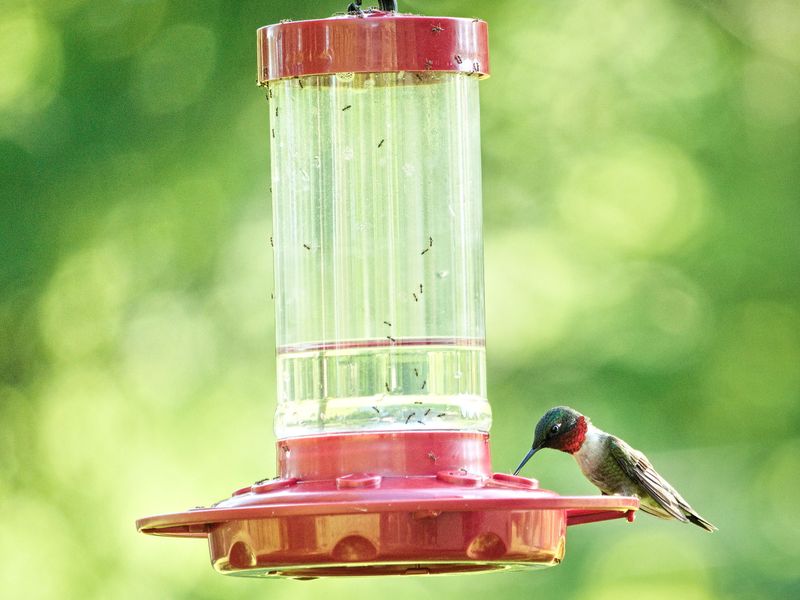
That cloudy, slightly fizzy liquid in your feeder is not a sign of a hard day. It is fermented nectar, and it needs to go immediately.
Fermentation happens when natural yeast breaks down sugar in warm conditions. The result is a liquid that smells sour and can cause serious digestive problems for hummingbirds.
You might not notice the change right away since it happens gradually. But hummingbirds can detect fermented nectar almost instantly and will stop visiting your feeder.
Check the nectar every day during hot weather. If it looks cloudy, yellowish, or has tiny bubbles, dump it out and start fresh.
Do not just top off the feeder with new nectar. Old and new nectar mixed together will cause the fresh batch to ferment faster.
Always empty the feeder completely before refilling. A thorough rinse between batches is the best habit you can build as a backyard birder.
Fermented nectar also attracts wasps, ants, and other insects. A feeder crawling with bugs is not just unappealing to hummingbirds, it can block access to the ports entirely.
Staying on top of nectar freshness is a form of respect for the birds. Fresh nectar signals that your feeder is a reliable, safe source they can count on every visit.
7. Forgetting To Take Feeders Down In Late Fall
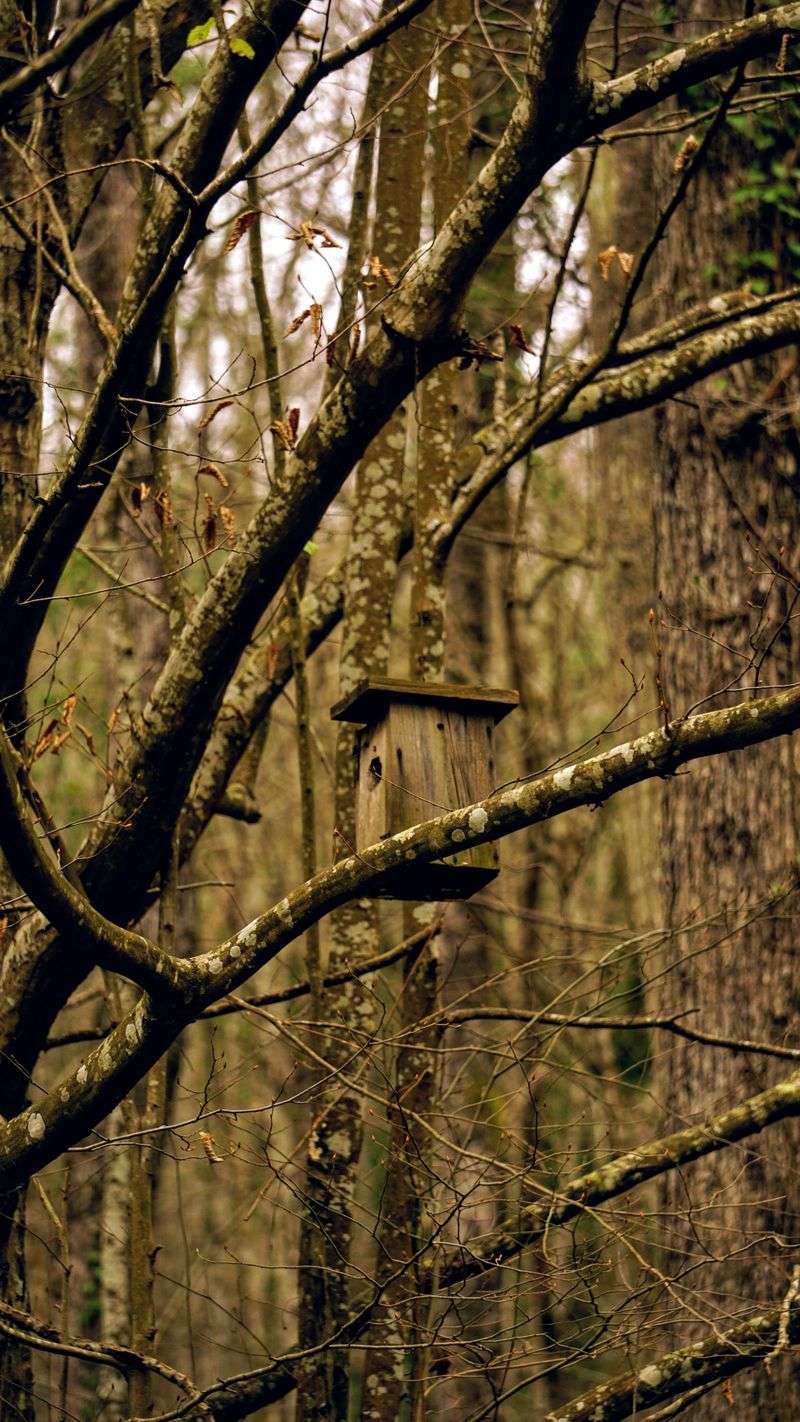
Leaving your feeder up too long in autumn is a surprisingly common move. Many people worry they will trap migrating hummingbirds and prevent them from flying south.
That is actually a myth worth busting right now. Hummingbirds migrate based on daylight length, not food availability, so your feeder will not stop them from leaving.
In fact, keeping feeders up through late fall can help late migrants and stragglers refuel. Some Ruby-throated hummingbirds travel thousands of miles and need every calorie they can find.
The real mistake is forgetting to take feeders down after the migration window closes. Frozen nectar can crack your feeder and waste a lot of time and money.
In most parts of the country, you can safely take feeders down by mid-November. Check local birding groups for specific timing in your region.
If you live in a warmer southern state, you may want to keep feeders up year-round. Some hummingbird species, like the Anna’s, do not migrate at all.
Storing feeders properly during winter extends their lifespan significantly. Clean them thoroughly, dry them completely, and store them in a cool, dry place until spring.
Bringing feeders back out in early spring is one of the best feelings. You will be ready and waiting when the first hummingbird of the season arrives.
8. Only Offering One Feeder For Multiple Birds
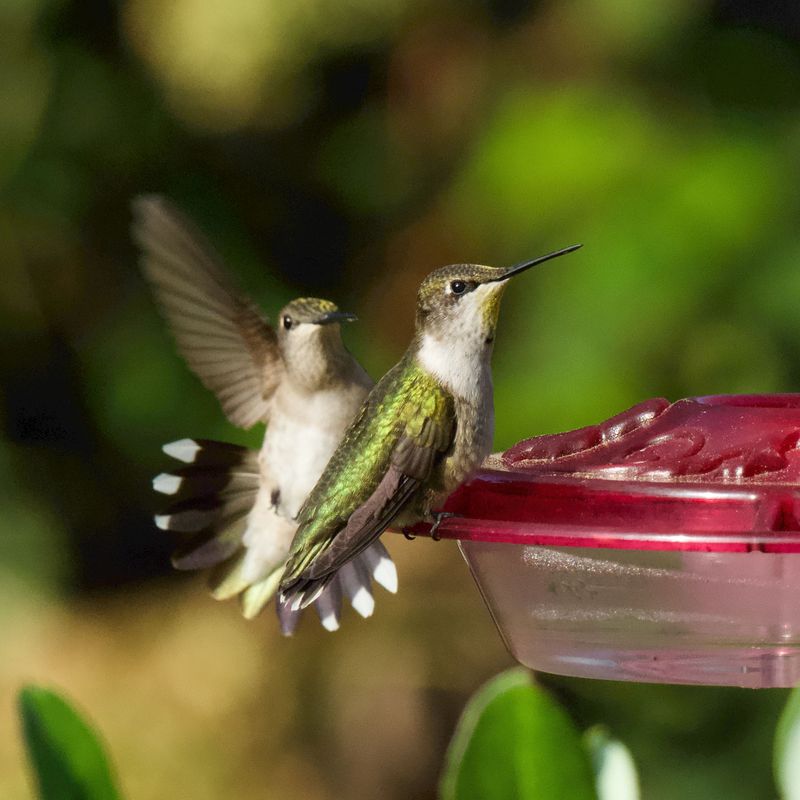
One feeder sounds like enough, right? Tell that to the dominant male hummingbird who has claimed it as his personal territory and chases every other bird away.
Hummingbirds are notoriously territorial. A single male can spend more energy defending a feeder than actually drinking from it.
When only one feeder is available, less dominant birds go hungry. Females, juveniles, and smaller males often lose out in the competition entirely.
Adding a second or third feeder changes the dynamic completely. A bully bird cannot guard multiple feeders at once, which gives other hummingbirds a fair shot.
Place extra feeders out of sight from each other. If the dominant bird cannot see the second feeder from his perch, he cannot defend it.
Around the corner of the house or behind a large shrub works well. Strategic placement is just as important as the number of feeders you put out.
More feeders also means more nectar capacity for peak migration periods. During spring and fall, hummingbird traffic can spike dramatically, and a single feeder runs dry fast.
Multiple feeders also let you experiment with placement. You will quickly learn which spots get the most action and which areas the birds prefer throughout the day.
Fixing this one hummingbird feeder mistake alone can double or triple your daily bird count. More feeders, more peace, and a whole lot more joy in your backyard.