7 Ways To Protect Plants From Hot Dry Winds In May In Arizona
May in Arizona has a sneaky side. Just when your garden starts looking happy and full of fresh growth, those hot, dry winds roll through and turn everything into a moisture emergency.
Leaves start curling, soil dries out at record speed, and patio containers can feel thirsty five minutes after watering. Desert gardening definitely keeps people humble.
The tricky part is that wind stress can show up before the real summer heat even arrives. Young plants struggle the most, but even established shrubs and vegetables can look worn out after a few rough afternoons.
One windy day can make your garden look like it had a long week. The good news is that a few smart adjustments can make a huge difference.
Small changes around your Arizona yard can help plants hold onto moisture, stay cooler, and handle those relentless desert gusts with a lot less stress.
1. Set Up A Temporary Wind Screen
Blowing dust and rattling leaves are familiar signs that Arizona wind season has arrived in full force.
When strong gusts roll through in May, they strip moisture from plant surfaces faster than roots can replace it, leaving foliage wilted and scorched even when the soil still has some moisture.
A temporary wind screen can make a noticeable difference for vegetables, container plants, and young shrubs that have not yet developed deep root systems.
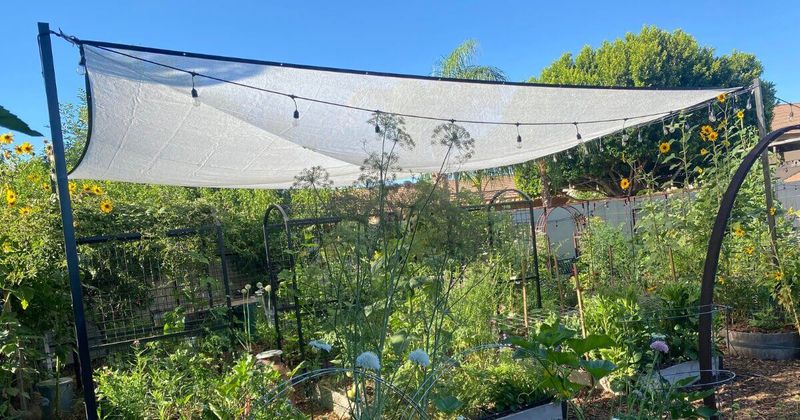
Burlap fabric, shade cloth panels, or even old bedsheets stretched between wooden stakes or fence posts can reduce wind speed around vulnerable plants. The goal is not to block all airflow but to slow it down enough to reduce moisture loss from leaves.
Even a partial barrier placed on the windward side of a garden bed can lower stress levels for plants during the worst afternoon gusts.
In Arizona, winds tend to pick up in the afternoon when temperatures are already high, which means plants face a double challenge of heat and moisture loss at the same time.
Setting up a screen on the west or southwest side of your garden can help during those peak wind hours.
Portable wind screens are easy to remove once conditions calm down, so they work well for gardeners who want flexible protection without making permanent changes to the landscape.
Check the structure regularly to make sure stakes remain secure, since strong Arizona gusts can topple loose setups quickly.
2. Use 30% To 40% Shade Cloth When Heat Builds
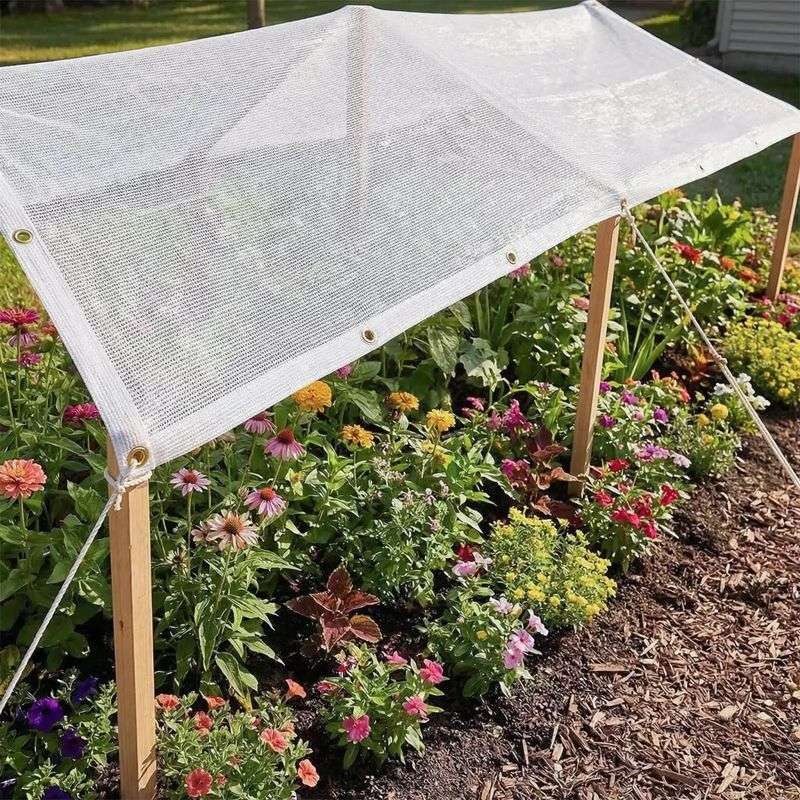
Shade cloth is one of the most practical tools an Arizona gardener can reach for when May temperatures start climbing alongside the wind.
When hot, dry gusts blow across exposed leaves, the combination of direct sun and low humidity can cause rapid moisture loss that leads to leaf curl, tip burn, and overall plant decline.
A 30 to 40 percent shade cloth reduces the intensity of sunlight hitting the plant while also acting as a mild wind buffer.
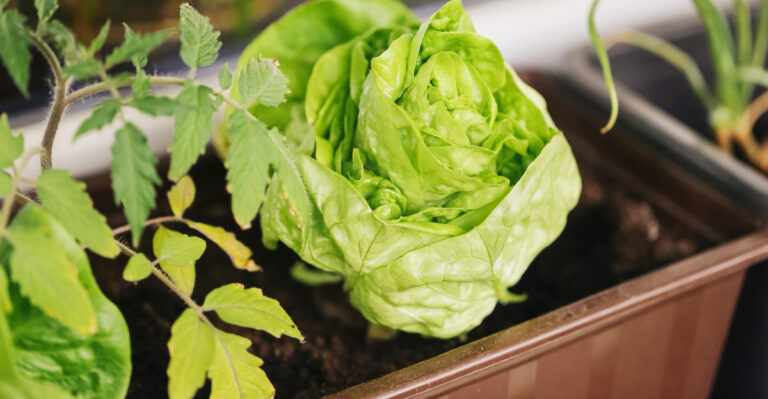
Vegetables like tomatoes, peppers, lettuce, and herbs tend to respond well to this level of shade during the hottest and windiest parts of the day. The cloth allows air to circulate, which helps prevent fungal problems that can develop under denser coverings.
Your Arizona Garden Changes Every Week. Your Plan Should Too.
Gardening in Arizona changes quickly throughout the season. Every Friday you’ll receive a simple weekly plan showing exactly what to plant, prune, fertilize, harvest, and protect so you never miss the right timing.
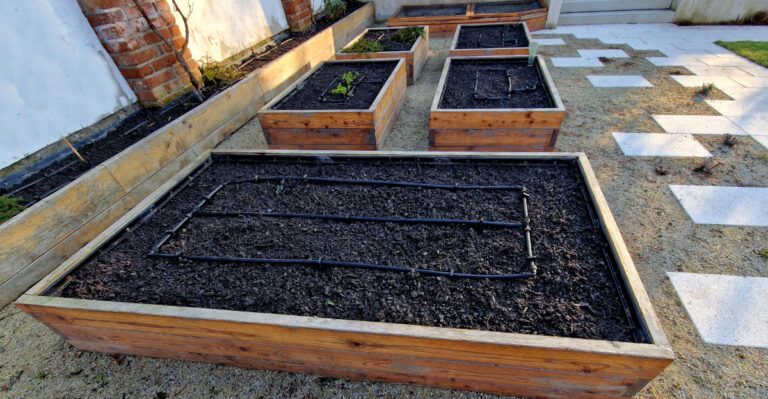
For Arizona raised beds and in-ground vegetable gardens, shade cloth supported by hoops or a simple frame is one of the more reliable ways to extend the productive growing season into late spring.
Container plants on patios and balconies can also benefit from shade cloth, especially when they sit in locations that receive reflected heat from walls or pavement.
Desert-adapted shrubs and established plants generally handle full sun without extra shade, but newly planted specimens still developing their root systems can be more sensitive during windy stretches.
Using shade cloth selectively, rather than covering everything, helps Arizona gardeners strike a balance between protecting tender plants and allowing tougher ones to adapt naturally to outdoor conditions.
3. Maintain A 3-Inch Mulch Layer
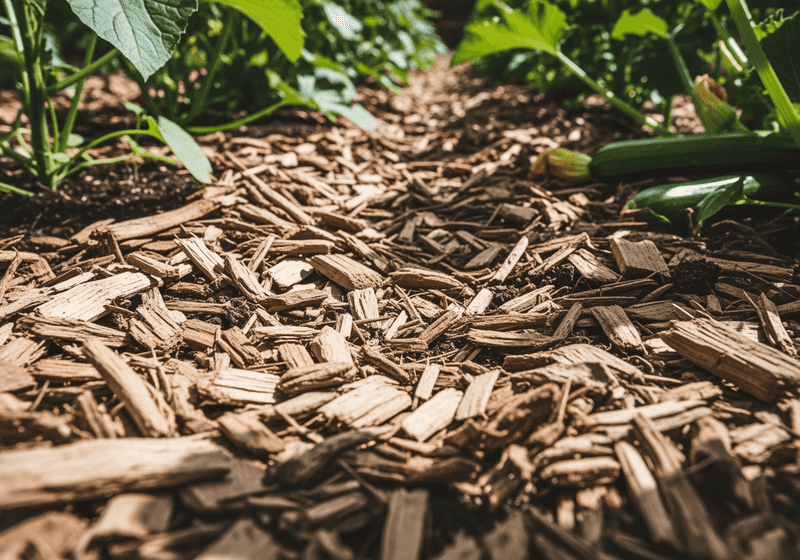
Soil in Arizona can lose moisture at a surprising rate on a calm day, and windy conditions in May accelerate that process even further.
When dry winds blow across bare soil, they pull moisture from the surface layer quickly, leaving roots in a drier environment than watering schedules are designed to handle.
Keeping a consistent 3-inch mulch layer over the root zone is one of the most straightforward ways to slow that moisture loss.
Organic mulches like wood chips, shredded bark, or straw work well for vegetable gardens, flower beds, and areas around young trees and shrubs.
The mulch acts as an insulating blanket, reducing soil temperature fluctuations and keeping the ground cooler than it would be if left bare.
In Arizona landscapes that already use drip irrigation, mulch helps make each watering cycle more effective by reducing evaporation between irrigation events.
Gravel and decomposed granite, which are common in many Arizona desert gardens, can also help retain some soil moisture and reduce surface wind erosion around established plants.
However, organic mulch tends to provide better insulation for the root zone in vegetable beds and areas with tender plants.
Refreshing the mulch layer before the wind season peaks is a smart move because mulch breaks down over time and thins out.
A fresh application in early May gives plants added protection right when Arizona conditions are about to become more demanding through the rest of spring.
4. Water Deeply As Conditions Turn Hot, Dry, And Windy
When Arizona winds start picking up in May, shallow watering routines that worked fine during cooler months may no longer be enough to keep plants hydrated.
Wind accelerates transpiration, the natural process by which plants release moisture through their leaves, meaning plants can use up available soil moisture much faster than usual.
Shifting to deeper, less frequent watering helps encourage roots to grow further into the soil where moisture is more stable and less affected by surface drying.
For vegetable gardens and flower beds, watering slowly and thoroughly rather than using quick, light applications gives water time to soak into the root zone instead of running off or evaporating.
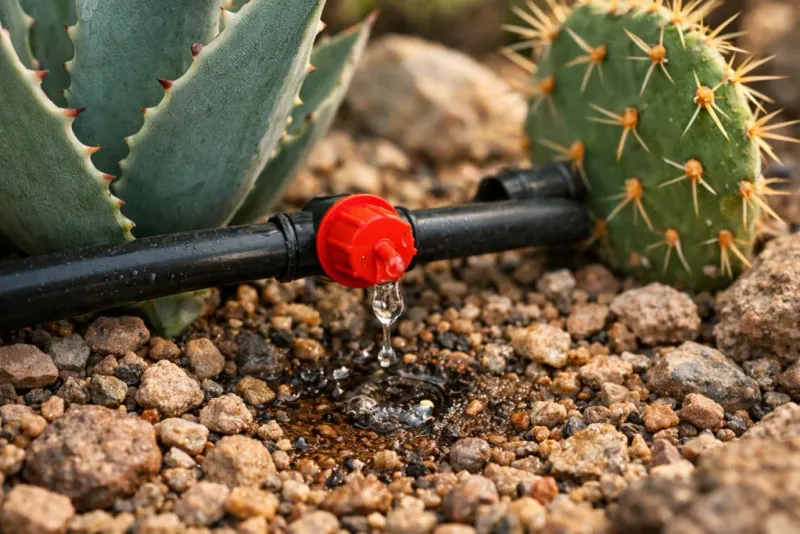
Drip irrigation systems are well suited for this approach because they deliver water directly to the root zone at a controlled pace.
In Arizona, running drip systems in the early morning tends to reduce evaporation loss compared to watering during the afternoon heat and wind.
Trees and large shrubs benefit from deep watering that reaches well below the surface, which supports root development and overall drought resilience.
Container plants dry out faster than in-ground plants under windy conditions, so they may need more frequent monitoring and watering during windy stretches.
Checking soil moisture a few inches below the surface before watering helps avoid overwatering, which can cause root problems even in dry Arizona climates.
Adjusting your watering schedule as conditions change is one of the most effective ways to support plant health through May.
5. Check New Plants More Often Than Established Plants
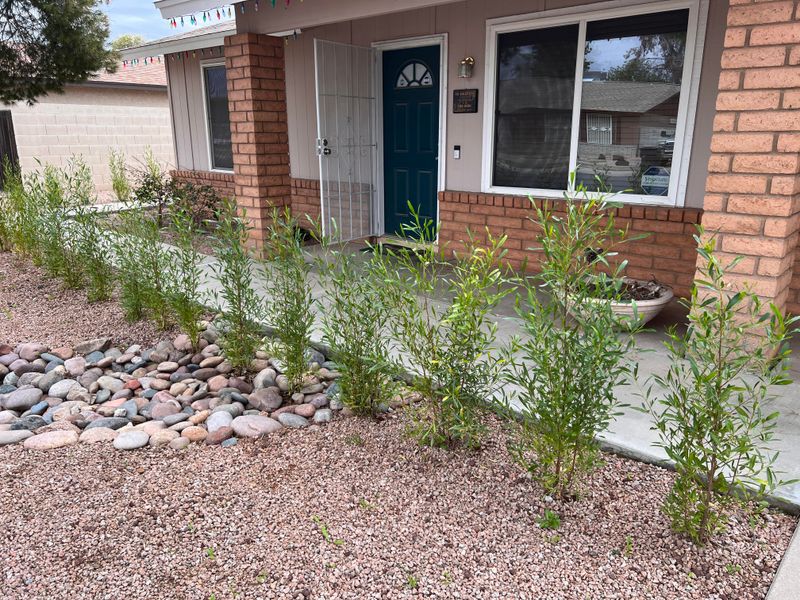
Freshly planted shrubs, trees, vegetables, and flowers have not yet developed the extensive root systems that help established plants ride out hot and windy conditions in Arizona.
When strong May winds blow across a recently transplanted specimen, it faces stress from multiple directions at once, including physical movement that can disturb developing roots, rapid moisture loss from leaves, and warm soil temperatures near the surface where young roots are still getting established.
Checking new plants every day or every other day during windy stretches gives you a chance to catch early warning signs before they become serious problems.
Look for wilting that does not recover after the heat of the day passes, leaf edges that appear dry or papery, or soil that feels dry just an inch or two below the surface.
These signs suggest the plant is losing moisture faster than its root system can absorb it from the surrounding soil.
Established plants, including mature desert-adapted shrubs like brittlebush, desert marigold, and palo verde trees, are generally far more capable of handling Arizona wind and heat without extra attention.
Focusing your monitoring efforts on new additions to the garden allows you to use your time more efficiently.
If a newly planted specimen shows repeated stress during windy days, adding a temporary wind screen or adjusting its drip emitter output can provide meaningful relief.
Giving new plants a little extra attention during May helps them settle in before summer conditions become more intense across Arizona.
6. Place Vulnerable Plants Near Walls, Fences, Trees, Or Hedges
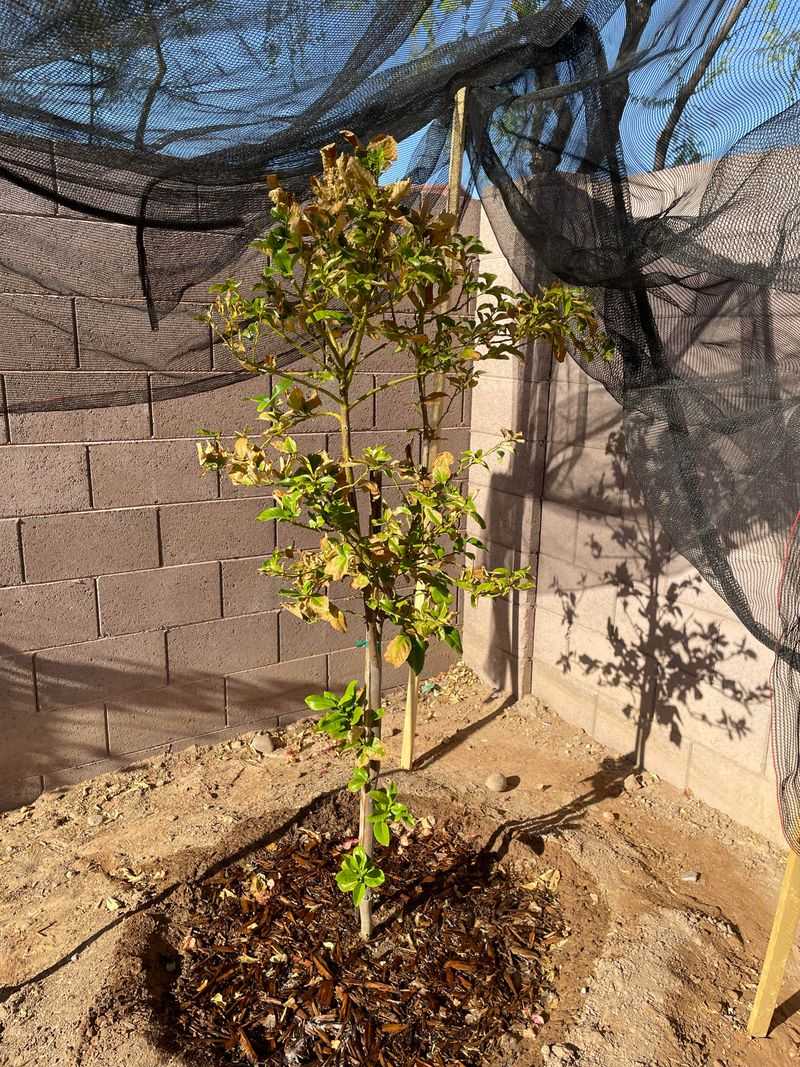
Garden placement matters more than many people realize, especially in a state like Arizona where spring winds can arrive suddenly and blow hard for days at a time.
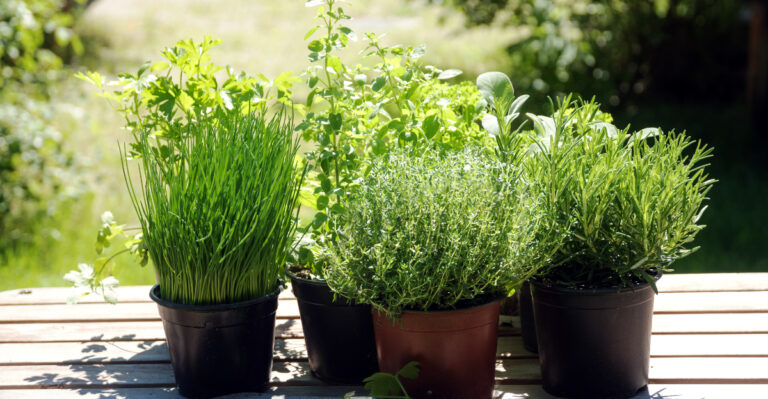
Plants that are most sensitive to wind, including young citrus trees, herbs, flowering annuals, and container vegetables, tend to do noticeably better when they are positioned near a natural or built wind barrier.
Walls, fences, established hedges, and mature trees all create pockets of calmer air on their leeward side.
In Arizona front yards and backyards, stucco walls and block fences are common features that can double as effective windbreaks.
Placing potted plants, raised beds, or tender shrubs on the sheltered side of these structures reduces the direct force of afternoon gusts without requiring any additional equipment.
The wall also absorbs heat during the day and releases it slowly, which can benefit warmth-loving plants like tomatoes and peppers during cooler spring nights.
Hedges of native or desert-adapted plants such as Texas sage, desert willow, or oleander can serve as living windbreaks that also add greenery and seasonal color to the landscape.
These plants are well suited to Arizona conditions and require relatively little water once established.
When planning new plantings or reorganizing containers on a patio, thinking about prevailing wind direction and using existing structures as shelter is a low-effort strategy that pays off through reduced plant stress, lower water needs, and healthier growth throughout the windiest weeks of May.
7. Inspect Drip Irrigation Before Extreme Heat Arrives
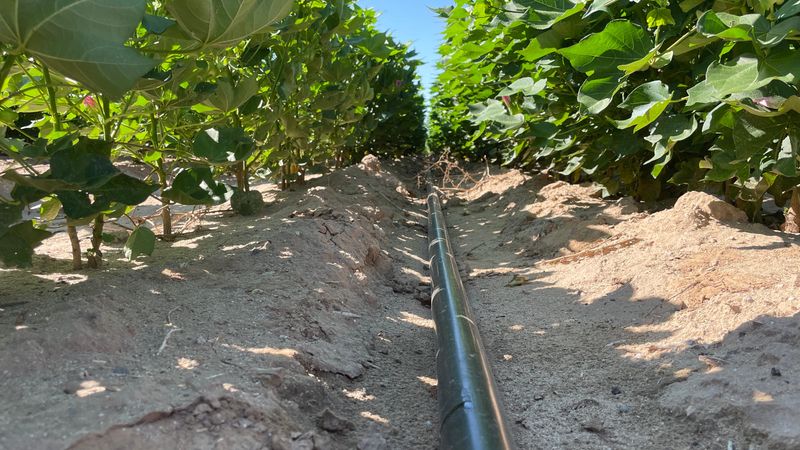
A drip irrigation system that worked reliably all winter and early spring can develop small problems that go unnoticed until hot and windy May conditions expose them.
Emitters can become clogged with mineral deposits, which are common in Arizona due to the high mineral content of local water supplies.
A clogged emitter may appear to be functioning from a distance, but the plant it serves could be receiving far less water than intended, which becomes a serious issue when wind and heat increase moisture demands.
Walking through your irrigation system before the most intense conditions arrive gives you a chance to identify and fix problems while plants are not yet under stress.
Look for emitters that are not dripping, lines that have been shifted or disconnected by foot traffic or wildlife, and areas where water is pooling instead of soaking in evenly.
Checking the system early in the morning when it is easier to see wet soil patterns around emitters can help identify uneven distribution.
Arizona gardeners who rely on drip irrigation for desert-adapted plants, vegetable gardens, and landscape trees should also verify that emitter flow rates match the current needs of each plant.
As temperatures rise and winds pick up in May, some plants may benefit from an additional emitter or a longer run time to compensate for faster soil drying.
Keeping the system in good working order before extreme heat arrives means your plants will have reliable moisture access during the stretch of weather that puts Arizona gardens under the most pressure.