What To Do When Your North Carolina Coneflowers Start Fading (And What To Leave Alone)
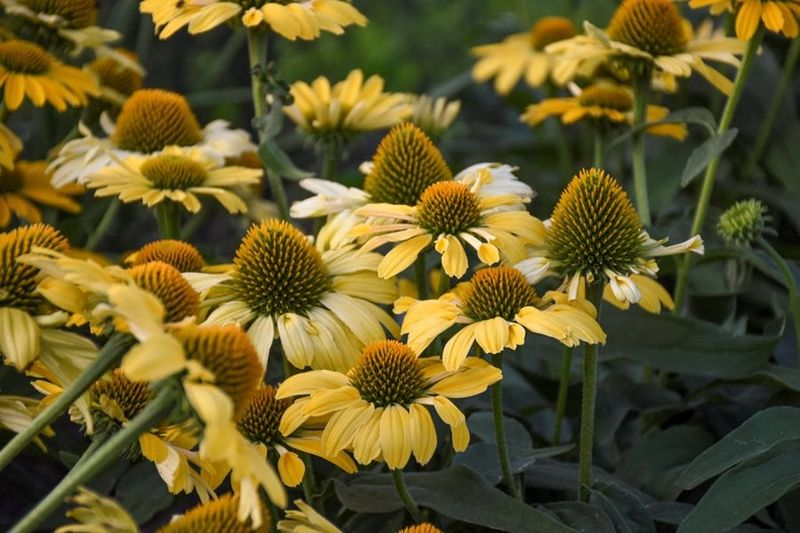
Purple coneflowers are one of the most forgiving plants in a North Carolina yard, but that quiet moment when the petals start drooping is actually worth paying attention to. What you do or skip in that window can shape how many more flowers you get this season, and it sets up a real choice about birds, native bees, and winter structure in your garden. The good news is that the right move is simpler than most gardening advice makes it sound. You do not have to rush outside with pruners the second a flower fades, and you definitely do not have to strip the whole plant bare.
Start With One Fading Flower
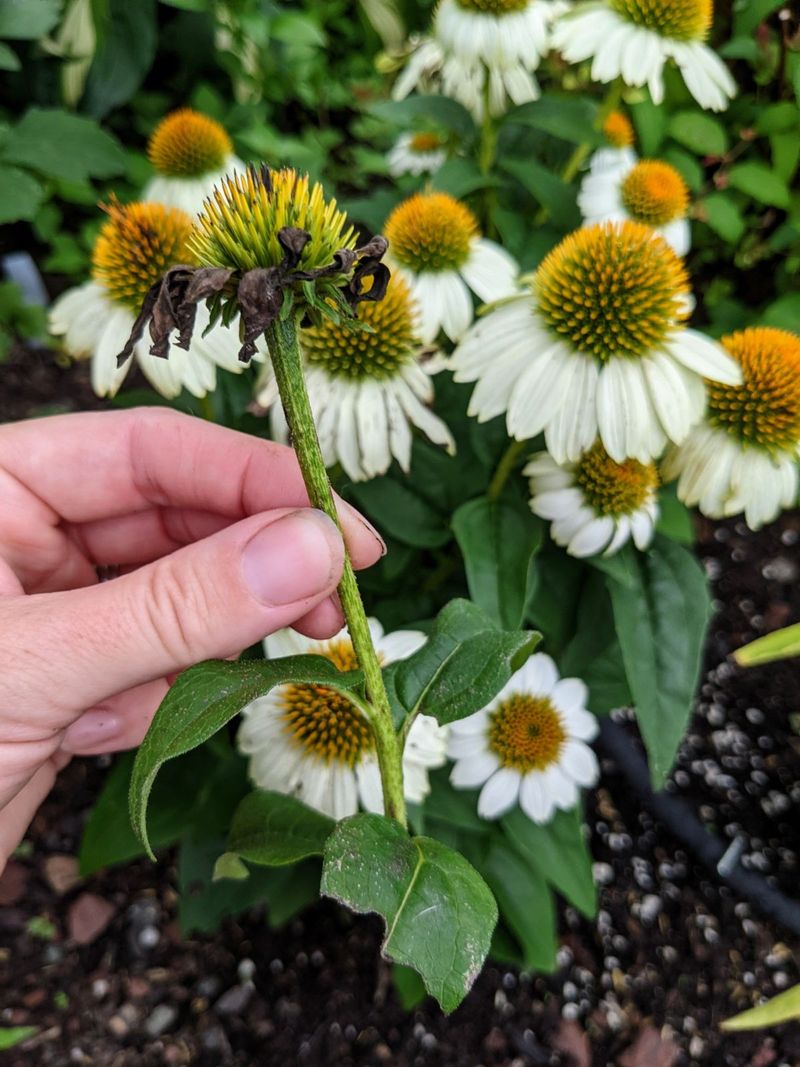
Pick one flower and look at it closely before you do anything else. That drooping, papery bloom on your purple coneflower, known botanically as Echinacea purpurea, is not a signal to grab the shears and start cutting everything in sight. Slide your eyes down the stem and check whether there are any unopened buds lower on the plant or branching off to the side.
If you spot a developing bud or a healthy set of leaves, make your cut just above that point. Penn State Extension guidance on deadheading describes this individual-stem approach as a way to encourage more flowers while keeping the plant’s remaining foliage intact. You are removing one tired bloom, not reshaping the whole plant.
Will you get another flush of flowers? Maybe. Iowa State Extension notes that coneflowers may rebloom without much attention, and that deadheading is a way to encourage repeat flowers rather than a firm requirement for them. Rebloom depends on the plant’s age, the weather, how much sun it gets, and the cultivar you are growing.
Deadheading a fading flower is genuinely optional. Some gardeners do it regularly through the bloom season, roughly June through August for most North Carolina yards, and they see a few more blooms for the effort. Others leave every head alone and still get a respectable show the following summer. The small cut described here is the right one to try if you want possible rebloom, but skipping it one afternoon is not a crisis for the plant.
Do Not Confuse Deadheading With Cutting Back
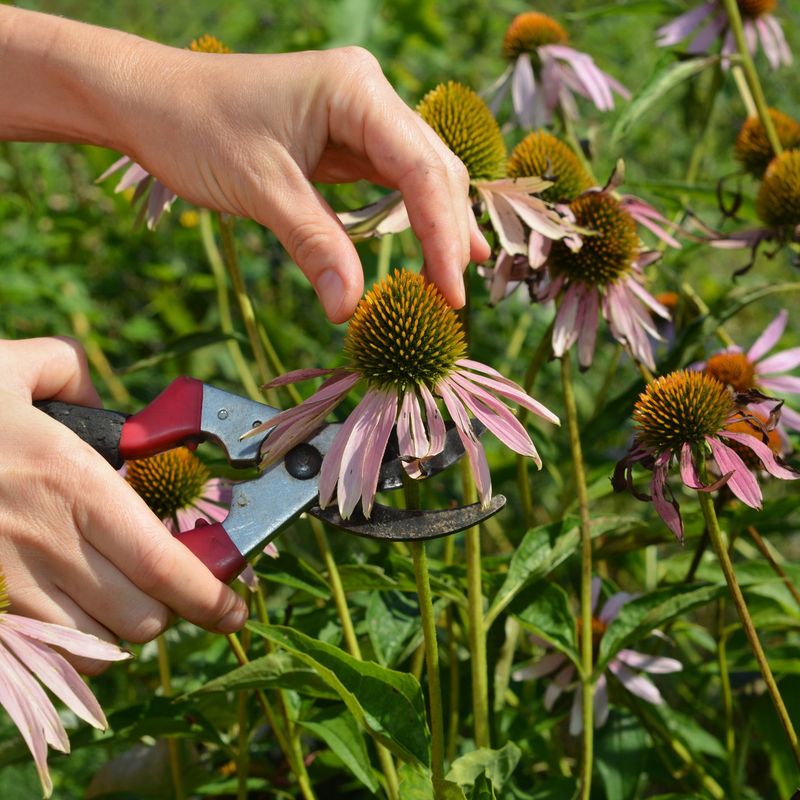
Here is where a lot of gardeners get tripped up. Removing one fading flower during the bloom season is a small, precise task. Cutting the entire plant to the ground is a completely different decision with different consequences, and mixing the two up can cost you bird food, bee habitat, and fall structure you did not mean to lose.
During active bloom, your job is simple. Walk the plant every week or so and look for individual flowers where the petals have gone limp and the cone is starting to dry. Penn State Extension describes deadheading as removing a spent flower and its stalk, not shearing or cutting back the whole plant. That distinction matters because the rest of the plant is still working, still feeding pollinators, still setting up the next bud.
Your North Carolina Garden Changes Every Week. Your Plan Should Too.
Gardening in North Carolina changes quickly throughout the season. Every Friday you’ll receive a simple weekly plan showing exactly what to plant, prune, fertilize, harvest, and protect so you never miss the right timing.
Whole-plant cleanup is a separate conversation that belongs later in the season, after flowering has genuinely wound down. NC State Extension guidance on garden cleanup for pollinators treats stem trimming as a winter decision, not a reflex triggered by the first brown head of summer.
A practical bloom-season cue: if a flower still has petals attached and a bee just visited it, leave it alone. If the petals are completely gone and the cone is fully brown and dry, that stem is a candidate for the individual cut described above. NC State’s eastern purple coneflower profile lists bloom from June through August, so you have a real window to work with before any seasonal cleanup decision becomes relevant.
Choose Which Seedheads To Keep
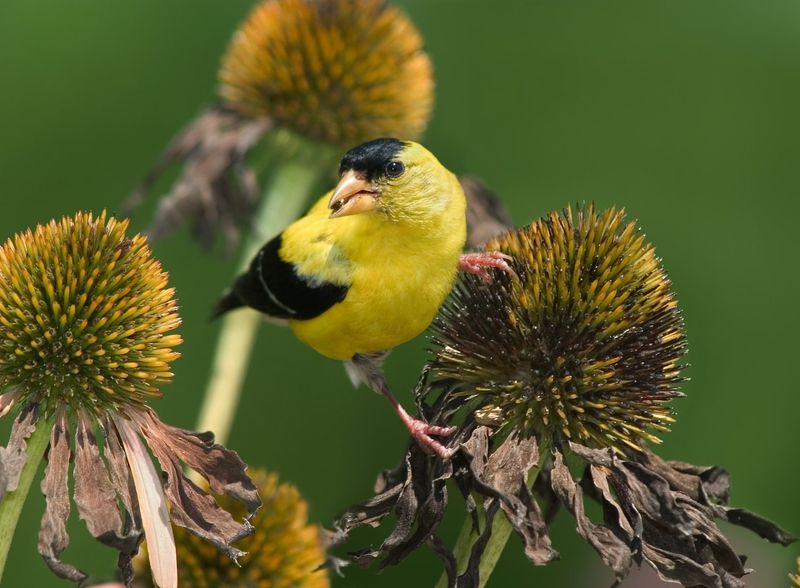
Once the bloom season winds down, those spiky brown cones become something worth thinking about. Removing every one of them is not automatically the right call, and leaving every one of them is not automatically lazy gardening. This is a real tradeoff, and your answer can depend on whether you care more about a tidy bed or a yard that feeds wildlife through fall and winter.
Intact coneflower seedheads are a known food source for American goldfinches and other birds. NC State Extension’s landscaping for wildlife guide specifically notes the value of native plants like purple coneflower for supporting wildlife. The dried heads also add structural interest to the garden through the colder months, which many Piedmont gardeners find genuinely appealing against a gray winter sky.
On the other side of the tradeoff, removing seedheads reduces the number of volunteer seedlings that sprout nearby the following spring. If your bed is already crowded, or if you want to control where new plants appear, deadheading more aggressively makes sense. Penn State Extension notes that removing faded flowers reduces seed production, which is exactly the outcome a gardener managing a tight space might want.
The most flexible approach is to deadhead some stems during the season when you want possible rebloom, then leave a good portion of the remaining heads intact for birds and seeds. NC State’s purple coneflower profile supports the wildlife value of leaving seedheads, so you are not choosing between good gardening and good habitat. You are just deciding how to split the difference in your own yard.
Give Winter Stems More Than One Option
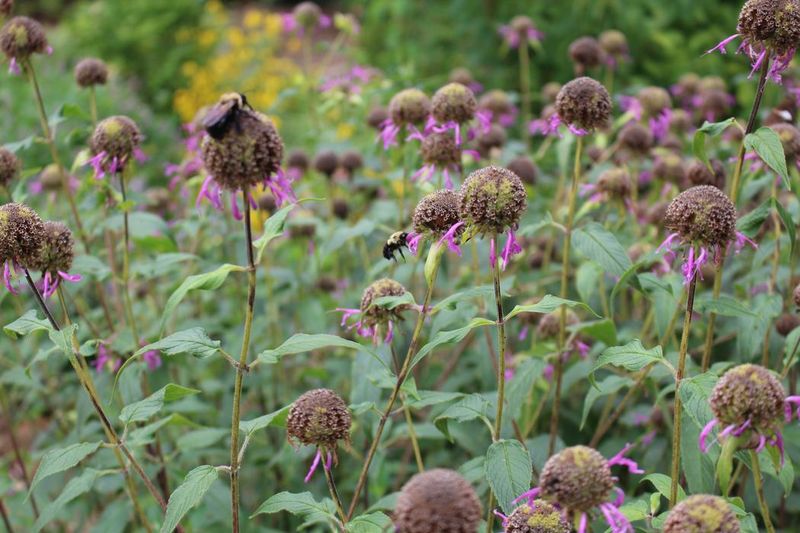
When flowering is genuinely finished and you are thinking about cleanup, you actually have three reasonable choices for those coneflower stems. None of them is wrong for every yard. The right one depends on what you want the garden to do through the colder months.
NC State Extension’s guide to garden cleanup for pollinators presents all three options clearly: leave stems standing through winter, trim them to 12 to 24 inches for potential stem-nesting bee habitat, or cut them to the ground if a tidier appearance is what you need. Each choice has a real consequence, so picking one intentionally beats doing whatever is fastest.
The 12-to-24-inch option gets specific support from NC State research. NC State’s appendix on plants used by stem-nesting bees identifies Echinacea purpurea among the plants whose stems have been documented as nesting material for native solitary bees. These are not honeybee colonies. They are small, solitary bees that use dead or hollow stems, and they do their work quietly without stinging you while you garden.
That said, leaving a stem standing does not guarantee a nest is inside it. NC State notes that roughly 75 percent of North Carolina bee species nest in soil, not stems, so standing coneflower stems are one helpful habitat layer rather than a complete pollinator strategy. Cut to the ground if you genuinely need a clean look, but know that you are removing potential nesting material when you do. And skip the idea that you must do any of this by the first frost.
Local conditions, your chosen goal, and what the plant actually looks like matter more than a calendar date.
Know When A Flower Looks Diseased
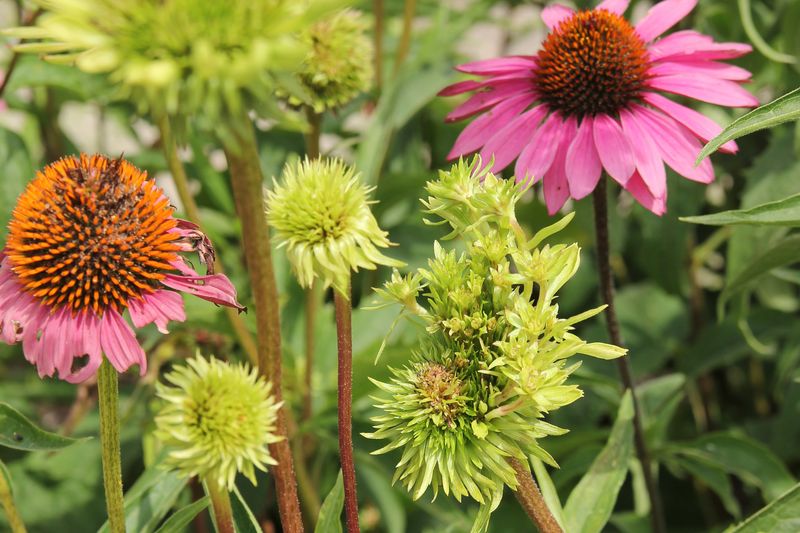
Not every ugly flower is just a faded flower. Some symptoms on a coneflower are worth stopping for, because they can mean the plant has a problem that a simple deadheading cut will not fix.
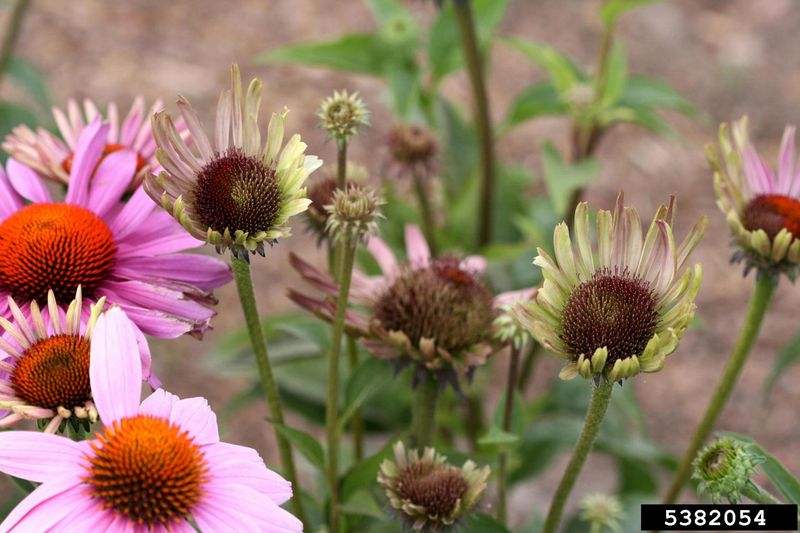
Aster yellows is the one to know about. University of Illinois Extension describes aster yellows symptoms on coneflowers as including greened or distorted petals, lopsided flowerheads, leafy growth pushing out from the cone itself, stunted stems, and unusual yellowing of the foliage. If you see any of those signs, you are not looking at ordinary aging. Cutting off one odd-looking bloom will not resolve the infection because aster yellows is systemic, meaning it runs through the whole plant.
A plant showing those symptoms should be removed entirely and disposed of according to your local extension office’s guidance, not dropped into a regular compost pile where it could spread. Illinois Extension’s plant disease guidance recommends separating and discarding visibly infected material rather than composting it.
Beyond aster yellows, coneflowers can develop leaf spot, powdery mildew, stem rot, and anthracnose, and they attract Japanese beetles, aphids, and mites on occasion. Penn State Extension’s purple coneflower guide and NC State’s eastern purple coneflower profile both support scouting, sanitation, and good site conditions as the first response to pest and disease pressure. Routine pesticide spraying for a few spots or a handful of beetles is not the answer. Remove visibly diseased material cleanly, keep debris away from healthy stems, and let good drainage and spacing do most of the protective work.
Build Next Year’s Plant Around Its Site
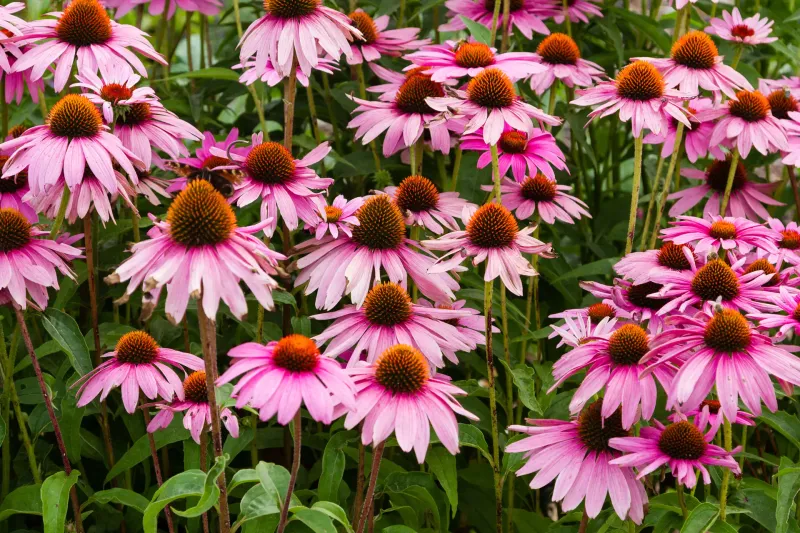
Here is something worth saying plainly: skipping one deadheading session during the summer does not automatically weaken your coneflowers next year. That cause-and-effect chain is not what the evidence actually supports. What does affect next year’s performance is where and how the plant is growing right now.
NC State Extension’s purple coneflower profile lists full sun as 6 or more hours of direct light as the preferred condition for Echinacea purpurea. Shade is the quiet culprit behind a lot of disappointing coneflower beds. A plant that gets 4 hours of afternoon sun and 4 hours of shade from a nearby tree is genuinely working against itself, and no amount of deadheading will compensate for that.
Drainage matters just as much. NC State’s eastern purple coneflower profile describes the plant as tolerating drought once established but needing soil that does not stay waterlogged. A spot that holds standing water after a summer storm is a slow problem for coneflower roots.
Crowding is another real factor. Penn State Extension recommends spacing plants 18 to 24 inches apart to allow good air circulation, which reduces disease pressure and keeps stems upright. Plants that have been in the ground for several years and are starting to crowd themselves can benefit from division.
Avoid heavy fertilizing. University of Illinois Extension notes that excess fertility can push tall, soft growth that flops over, especially when combined with too much water. Iowa State Extension’s perennial bed guidance also points to site correction as more reliable than trying to push performance through aggressive feeding. Fix the site first, and the plant will generally take care of the rest.
Adjust Only For Sourced Regional Conditions
Purple coneflower is genuinely well-suited to North Carolina. NC State Extension lists Echinacea purpurea as suitable across the state’s Coastal, Mountain, and Piedmont regions, which covers a lot of different growing situations. But suitable statewide does not mean identical care everywhere.
In the Piedmont, where red clay soil is common, drainage is the thing to watch. Clay holds moisture longer than most plants prefer, and a coneflower sitting in poorly drained red clay through a wet summer can develop root problems that show up as weak performance the following year. Amending the soil before planting or choosing a slightly raised spot in the bed helps more than any amount of summer attention to the flowers themselves.
In the Coastal Plain and Sandhills, the opposite situation is more common. Sandy soil drains quickly, sometimes too quickly, and a newly planted coneflower in a Sandhills yard can dry out fast during a hot July stretch between afternoon storms. NC State notes that established plants are drought tolerant, but that description applies to roots that have had at least a full growing season to settle in. New transplants need attention to soil moisture during their first summer, even in a plant known for toughness.
Penn State Extension’s coneflower profile reinforces that good drainage and adequate sun are the foundational site requirements across regions. Get those two things right for your specific soil and location, and you are genuinely giving the plant what it needs to perform well year after year, regardless of whether you deadheaded every single spent bloom on schedule.
Use A Mixed Cleanup Strategy
You do not need a perfect plan. You need a workable one that fits what you actually want from your yard this season and next.
During the bloom season, Penn State Extension’s deadheading guidance supports cutting individual spent flower stems back to a healthy leaf set or side bud when you want to encourage possible rebloom. Do that for some stems, and leave others alone if birds and self-seeding matter to you. Iowa State Extension notes that coneflowers can rebloom with little attention, so you are not obligated to deadhead every fading head to get results.
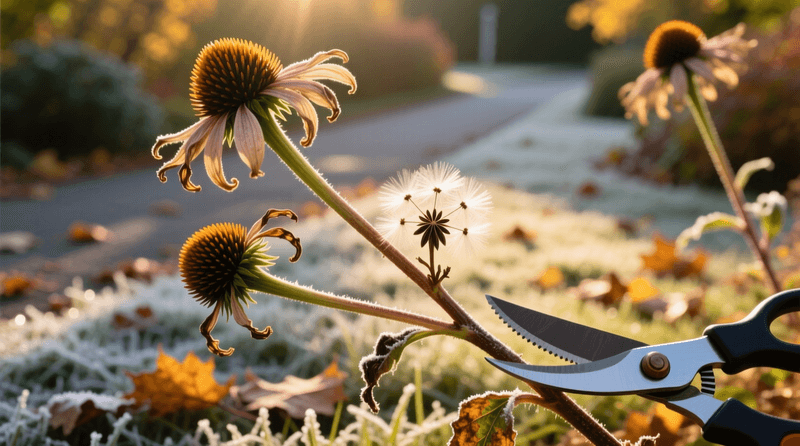
When the growing season winds down, pick a winter stem strategy based on what your yard actually needs. Leave stems standing for maximum seedhead access and potential nesting habitat. Trim to 12 to 24 inches if you want a tidier look while still leaving material that may support stem-nesting bees. Cut to the ground if appearance is the priority, knowing that you are removing that habitat layer.
NC State Extension’s pollinator cleanup guide presents all three as defensible choices.
Handle any visibly diseased material separately and dispose of it according to your local extension guidance rather than mixing it with healthy stems or dropping it in a regular compost bin. Keep the site in good shape, meaning adequate sun, reasonable drainage, and enough spacing for air to move through the plants, and the bed will carry itself through most seasons. NC State’s eastern purple coneflower profile supports this plant as a reliable, wildlife-friendly native across North Carolina, and a less-than-perfect bed managed with care is still a yard doing real work for the birds and bees that visit it.