The Most Underrated Michigan Native Herb That Repels Ticks And Tastes Amazing Fresh From The Garden
Most herbs grown in Michigan gardens come from somewhere else entirely, selected for culinary value without any consideration for what they contribute to the local ecosystem or how they handle the specific pressures of a Michigan summer.
There is one native herb that turns that trade-off completely around, offering genuine tick-repelling properties alongside flavor that competes with anything available at a farmers market or grocery store.
It is adapted to our soils and winters, returns reliably each season, and fits naturally into both ornamental and kitchen garden settings.
Gardeners who grow it tend to become enthusiastic advocates for it because it delivers on multiple fronts simultaneously in a way that most single-purpose plants simply cannot match throughout the growing season.
1. Mountain Mint
Few plants in Michigan’s native plant world pack as much value into one tidy, aromatic package as Pycnanthemum virginianum, better known as mountain mint.
Native to the eastern United States, this perennial herb has been quietly growing along meadow edges and stream banks for centuries, long before anyone thought to bring it into a backyard garden.
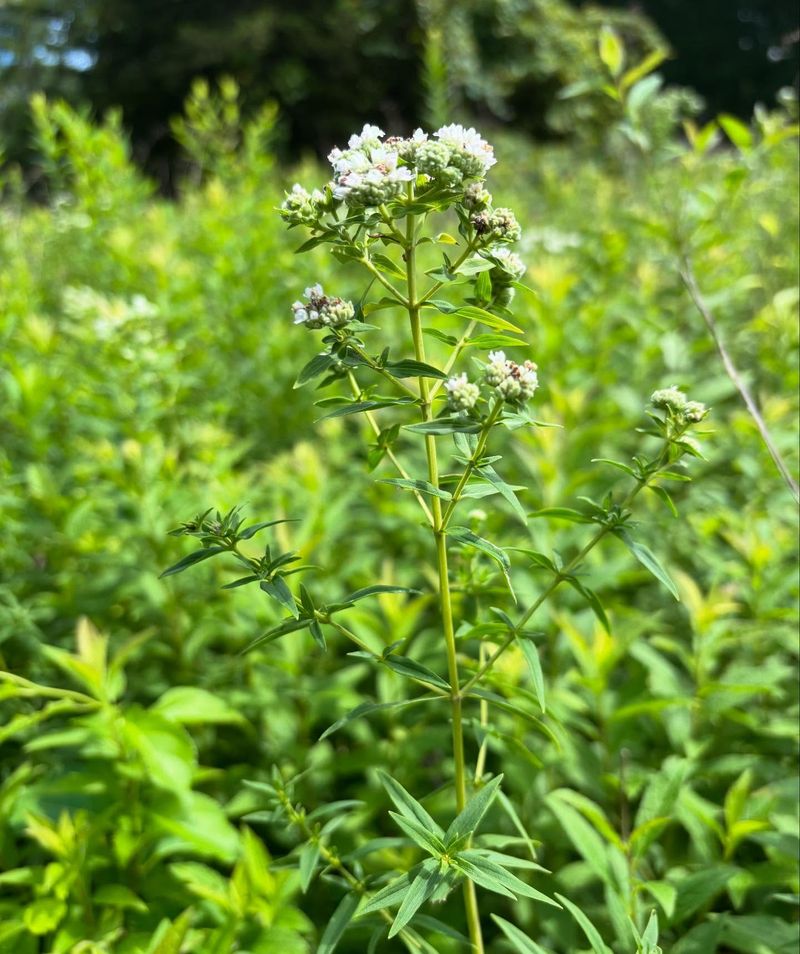
It belongs to the mint family, but unlike common garden mint, it grows upright rather than sprawling everywhere without control.
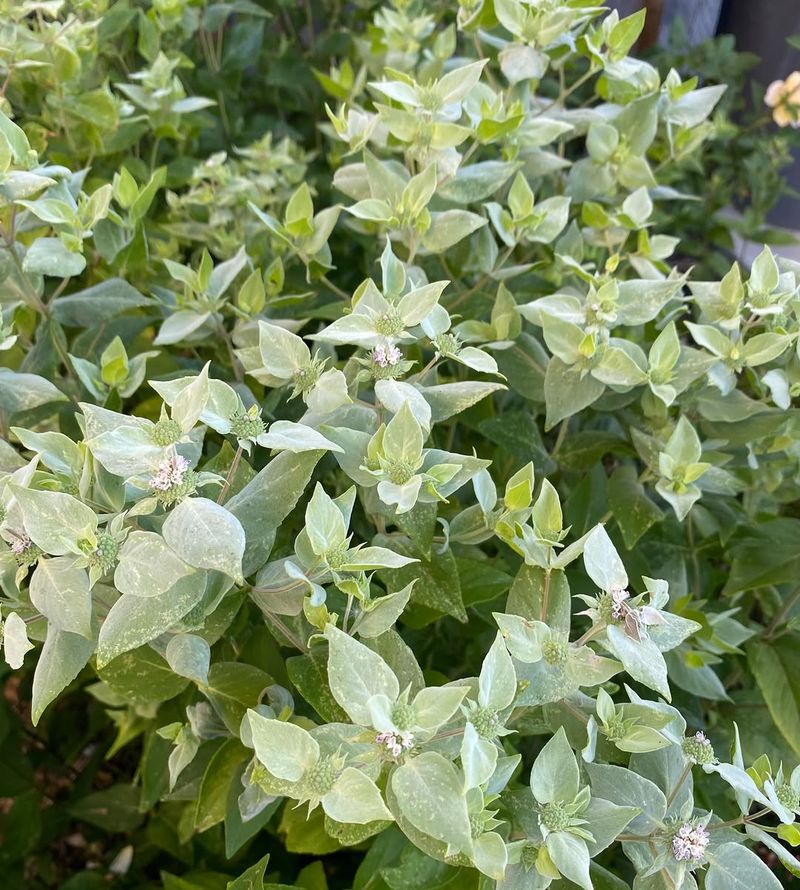
Mountain mint typically reaches between one and three feet tall, forming dense, bushy clumps covered in narrow, silvery-green leaves that release an intensely fresh minty fragrance the moment you brush against them.
The scent alone is enough to stop you in your tracks. That fragrance comes from high concentrations of pulegone and other natural essential oils stored right inside the leaves.
Michigan gardeners have a particular reason to celebrate this plant because it is perfectly suited to the state’s climate, thriving in USDA hardiness zones 3 through 7, which covers the entire Lower and Upper Peninsula.
It handles cold winters without complaint and bounces back strong every spring.
Whether you are a seasoned native plant enthusiast or just starting to explore gardening beyond the basics, mountain mint offers a genuinely exciting entry point into growing plants that work hard and look beautiful at the same time.
2. Aromatic Foliage That Naturally Repels Ticks
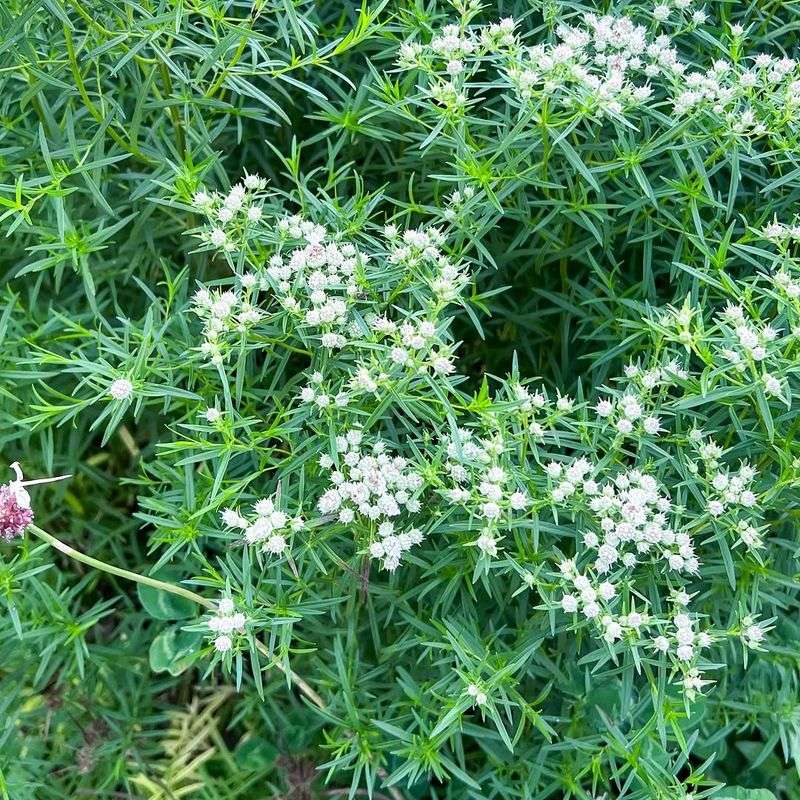
Spending time outdoors in Michigan means dealing with ticks, especially in wooded yards, tall grass areas, and garden borders where these pests love to hang out.
Mountain mint offers a genuinely useful, chemical-free way to push back against them.
The plant’s leaves are loaded with natural essential oils, particularly pulegone and menthol compounds, that ticks and mosquitoes find deeply unpleasant.
Planting mountain mint strategically around your yard creates a kind of aromatic barrier that discourages these insects from moving through.
Placement matters a lot when you are using mountain mint for pest deterrence.
Lining the edges of your patio, planting it along fence lines, or creating a border between your lawn and any wooded areas gives you the most protective coverage.
When people or pets brush against the foliage while walking past, the oils release into the air, boosting the repellent effect right when it is most needed.
Your Michigan Garden Changes Every Week. Your Plan Should Too.
Gardening in Michigan changes quickly throughout the season. Every Friday you’ll receive a simple weekly plan showing exactly what to plant, prune, fertilize, harvest, and protect so you never miss the right timing.
Research on Pycnanthemum species has confirmed that the essential oils in mountain mint show genuine repellent properties against certain biting insects.
While no plant completely eliminates tick exposure on its own, mountain mint adds a meaningful layer of natural protection that pairs well with other prevention habits.
A row of mountain mint along your garden’s outer edge looks attractive, smells incredible, and quietly does a job that many homeowners would happily pay good money to accomplish with chemical sprays instead.
3. Fresh Culinary Uses That Will Surprise You
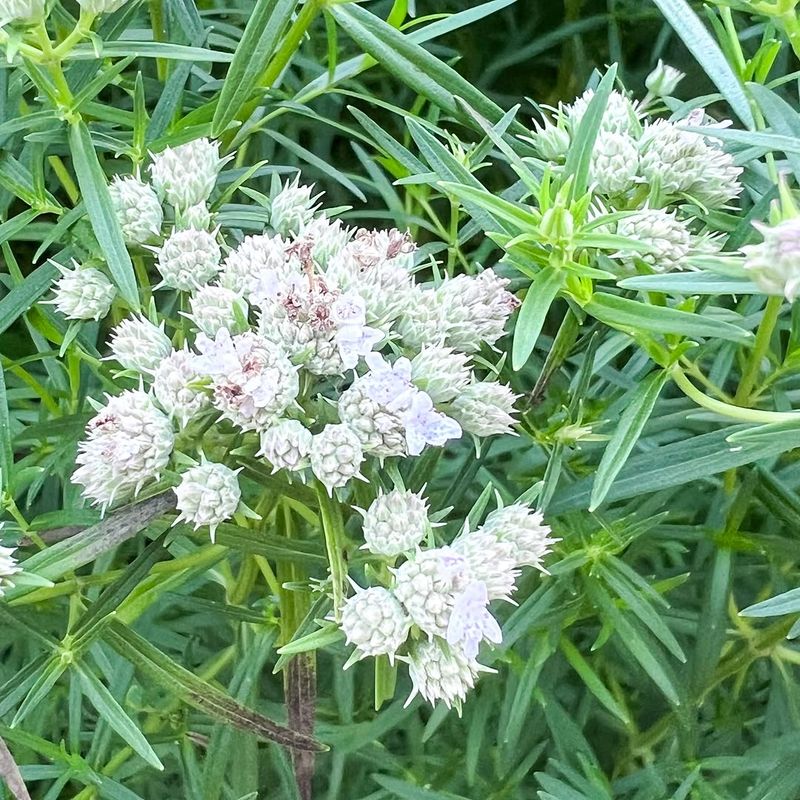
Mountain mint is genuinely delicious, and most people have no idea.
The flavor is bright, clean, and intensely minty with a slightly herbal, almost savory edge that makes it more interesting than standard peppermint or spearmint.
Fresh leaves straight from the garden can go directly into a glass of iced tea, a pitcher of lemonade, or a fruit salad, where they add an unexpected pop of freshness that people always notice and ask about.
In the kitchen, mountain mint works wonderfully as a garnish on grilled vegetables, lamb dishes, or grain bowls.
You can muddle the leaves into cocktails and mocktails, chop them into salad dressings, or steep a small handful in hot water for a clean, soothing herbal tea.
Some cooks use it to infuse simple syrups for baking or beverages, and the result is a flavor that feels both familiar and a little wild at the same time. Harvesting the leaves actually benefits the plant.
Pinching off the tips regularly encourages mountain mint to grow bushier and more compact rather than tall and leggy, which means more leaves for you and a tidier appearance in the garden.
The best time to harvest is in the morning after the dew has dried, when the essential oils are at their peak concentration.
Fresh is always best, but the leaves also dry well for winter use in teas and seasoning blends.
4. A Pollinator Magnet Unlike Any Other
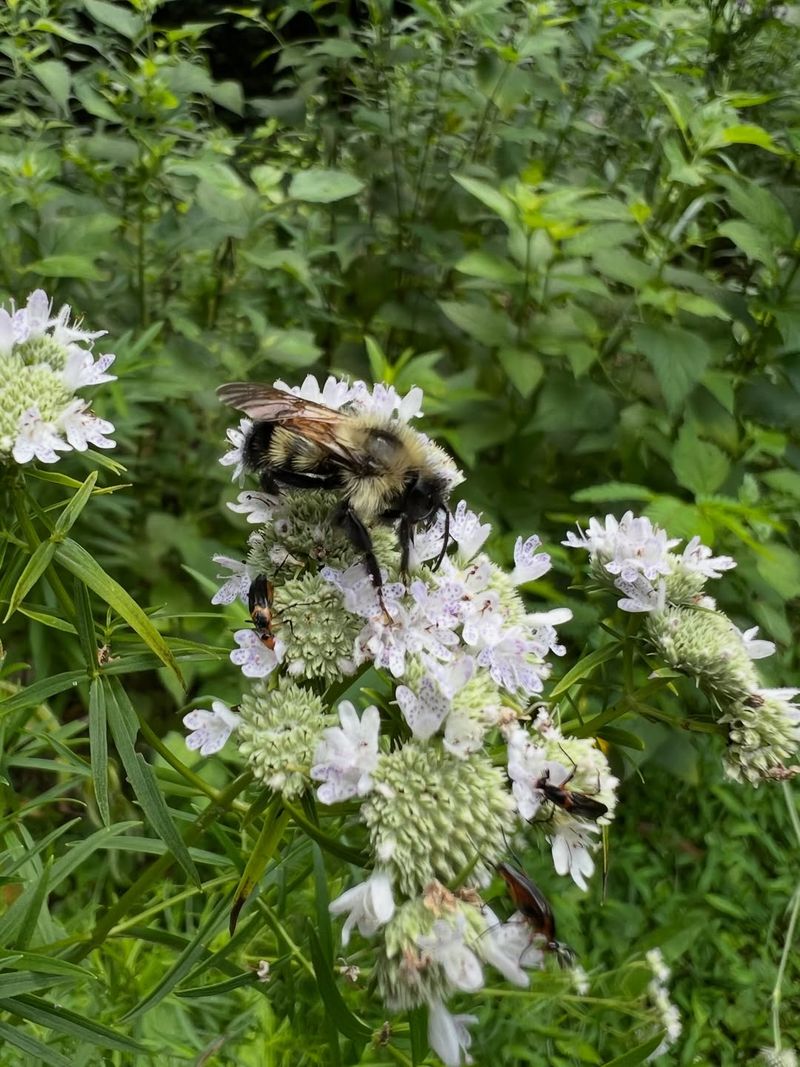
Watch a patch of mountain mint in full bloom on a warm summer afternoon, and you will see something remarkable.
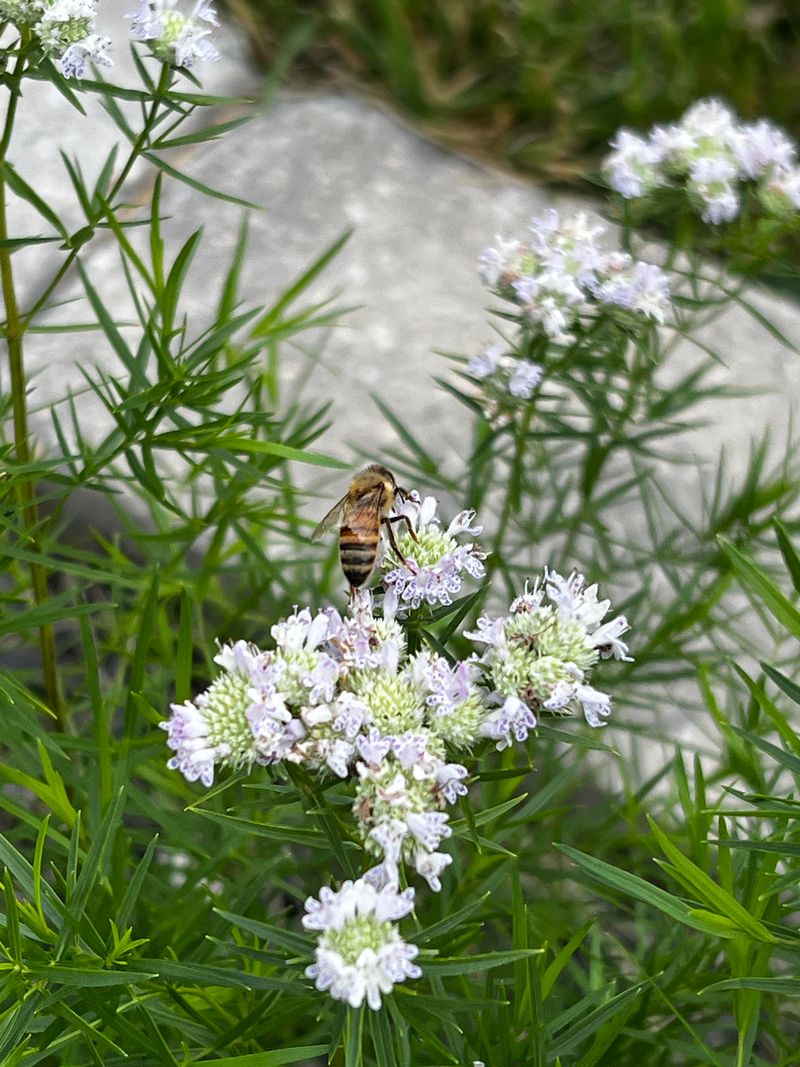
Bees of every size, from tiny sweat bees to large bumblebees, cover the flowers in a constant, buzzing wave of activity.
Butterflies float in and out, and beneficial wasps hover nearby, drawn to the nectar-rich blooms.
Mountain mint is widely recognized by native plant researchers as one of the top pollinator-attracting plants in the eastern United States, and the numbers back that up.
Studies conducted by the Xerces Society and various university extension programs have documented over 40 species of native bees visiting Pycnanthemum plants.
That kind of biodiversity is genuinely rare in a single garden plant.
More pollinators visiting your garden means better fruit and vegetable production if you grow edibles nearby, along with a healthier, more balanced ecosystem right in your own backyard.
There is also a pest management bonus that comes with all those beneficial insects.
Many of the parasitic wasps attracted to mountain mint’s blooms feed on common garden pests like aphids, caterpillars, and whiteflies, providing natural pest control without any sprays or chemicals.
Planting mountain mint near your vegetable beds or along patio borders creates a hub of ecological activity that keeps your garden healthier overall.
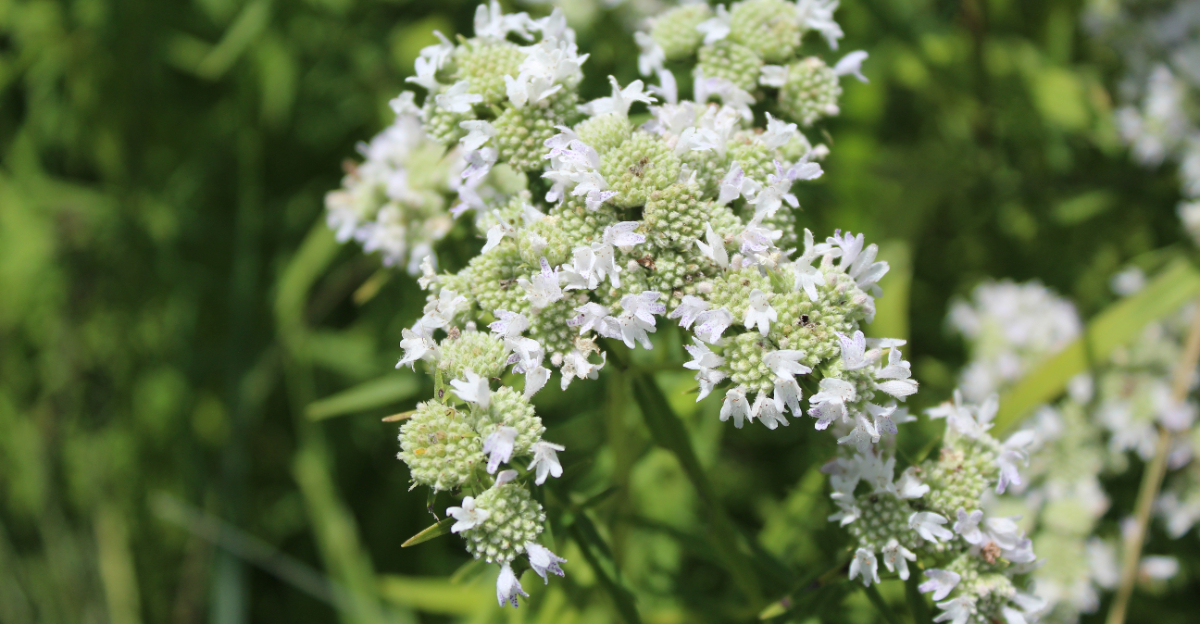
The small white to pale lavender flowers bloom from mid-summer into early fall, extending that pollinator benefit well into Michigan’s growing season.
5. Built For Michigan’s Toughest Growing Conditions
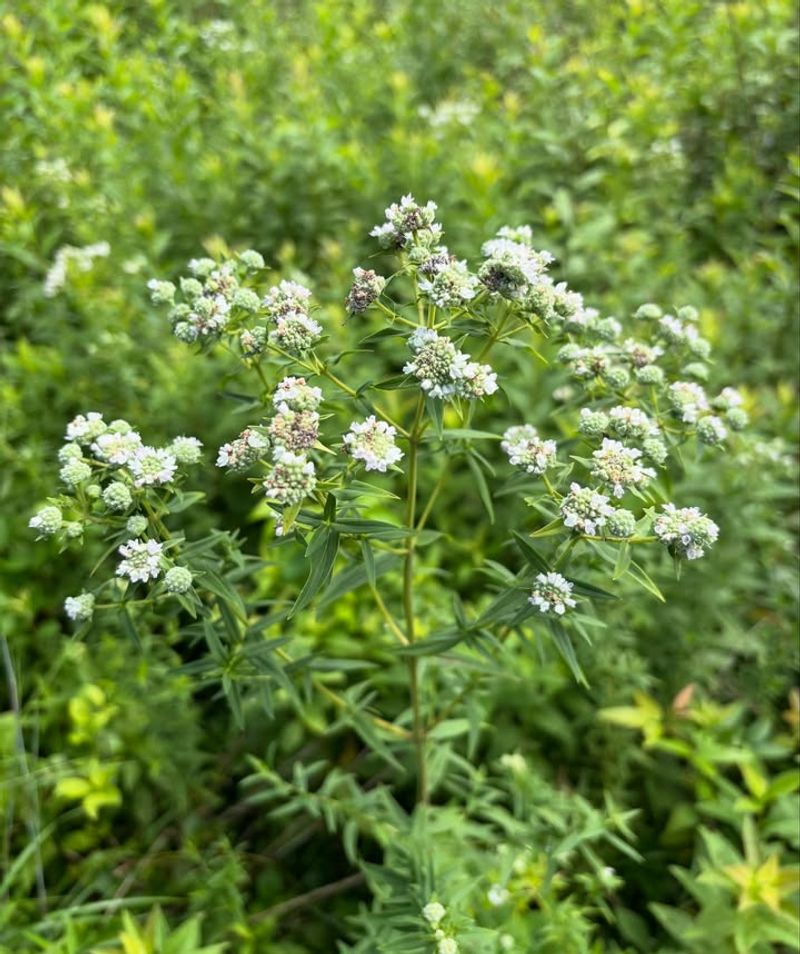
Michigan gardeners deal with a wide range of challenging soil types, from heavy clay in the southeastern Lower Peninsula to sandy soils along the lakeshore and everything in between. Mountain mint handles all of it with impressive ease.
Unlike many ornamental herbs that demand perfectly amended, well-draining beds, Pycnanthemum virginianum adapts naturally to clay, loam, and sandy conditions without skipping a beat.
It even tolerates occasional wet feet, which is a genuine advantage in Michigan’s wet spring seasons. Sun exposure is flexible too.
Mountain mint performs best in full sun, where it grows compact and blooms most heavily, but it also manages well in partial shade.
In shadier spots it may grow a little taller and looser, but it still produces aromatic foliage and flowers reliably.
This flexibility makes it useful in a wide variety of yard situations, from sunny south-facing borders to spots under deciduous trees that get afternoon shade.
Watering needs are minimal once the plant is established, which usually takes one full growing season.
After that, mountain mint relies mostly on Michigan’s natural rainfall to stay healthy, only needing supplemental watering during extended dry spells.
This drought tolerance makes it an excellent choice for homeowners who want a beautiful, functional garden without spending every weekend with a hose.
Hardy in zones 3 through 7, it laughs off Michigan winters and returns reliably every spring with fresh, vigorous growth ready to go.
6. Low Maintenance Growth That Practically Cares For Itself
Gardening should be enjoyable, not exhausting, and mountain mint seems to understand that completely.
Once it settles into your garden after its first season, it becomes one of the most self-sufficient plants you can grow. No special fertilizers, no complicated pruning schedules, no fussy soil amendments.
Mountain mint simply grows, spreads slowly, and takes care of business on its own, which is exactly what busy Michigan homeowners need from a garden plant.
Spreading happens through underground rhizomes, but mountain mint is considered a well-behaved spreader compared to aggressive mints like spearmint or peppermint.
It expands at a moderate, manageable pace, filling in its designated area over several years without bulldozing neighboring plants.
If it starts creeping beyond where you want it, a quick edge with a shovel in spring keeps it perfectly contained.
Dividing the clumps every three to four years actually reinvigorates the plant and gives you free divisions to expand your planting or share with neighbors.
Fertilization is rarely necessary since mountain mint evolved to thrive in average to lean soils.
Adding too much nitrogen can actually make it grow overly lush and floppy rather than compact and upright. A light layer of compost in spring is all it ever really needs.
After blooming, you can cut the stems back by about a third to keep things tidy, but even skipping that step will not seriously harm the plant.
Mountain mint is genuinely forgiving, and that is a rare and wonderful quality in any garden plant.
7. Multi-Season Visual Appeal Worth Celebrating
A garden plant that only looks good for two weeks is not pulling its weight, and mountain mint is nothing like that.
From the moment its fresh silvery-green shoots push up through the soil in early spring, mountain mint delivers consistent visual interest across the entire growing season.
The foliage alone is striking, with pale, almost frosted-looking leaves that catch the light beautifully and contrast well against darker green neighboring plants.
Bloom time arrives in mid-summer, typically July through September in Michigan, when clusters of small white to pale lavender flowers open at the tops of the stems.
These blooms are not showy in a traditional sense, but they have an airy, wildflower charm that works beautifully in naturalistic garden designs.
The flowers also have a long display window compared to many perennials, staying attractive for weeks rather than just a few days.
Even after the blooms fade in fall, the dried seed heads and stems hold structure in the garden through the colder months, giving birds a food source and adding winter texture to beds that might otherwise look bare.
The combination of early foliage, summer blooms, and fall structure means mountain mint earns its space in the garden from April through November.
Pair that multi-season performance with its tick-repelling and pollinator-attracting benefits, and you have a plant that genuinely justifies every square foot of garden space it occupies throughout Michigan’s growing year.
8. Companion Planting Combinations That Elevate Your Garden
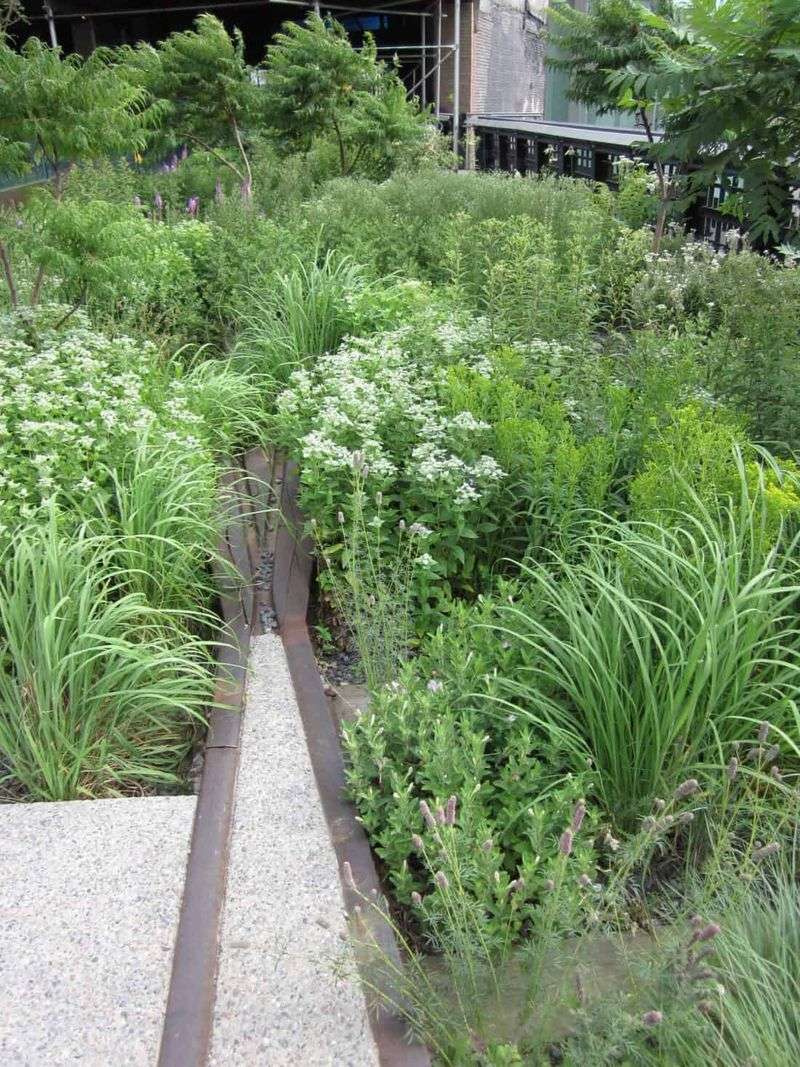
Mountain mint does not need to work alone, and pairing it thoughtfully with other Michigan native plants creates a garden that is greater than the sum of its parts.
Wild Bergamot, also known as Monarda fistulosa, is one of the best companions because both plants bloom around the same time and attract overlapping communities of pollinators.
Together they create a buzzing, colorful corridor that draws beneficial insects from a wide area and keeps them coming back all season.
Black-Eyed Susan brings vivid golden-yellow blooms that contrast beautifully against mountain mint’s pale silvery foliage and white flowers.
The two plants also share similar soil and sun preferences, making them easy to grow side by side without one outcompeting the other.
Adding Bee Balm to the mix introduces tall, dramatic red or pink blooms that hummingbirds love, layering even more wildlife value into the planting while the mountain mint works at a lower level to deter ticks along the garden’s edge.
From a design perspective, layering plants of different heights and textures creates a naturalistic look that feels lush and intentional rather than random.
Mountain mint’s mid-height, bushy form bridges the gap between low ground covers and taller perennials perfectly.
Beyond aesthetics, these layered native plantings build resilience into your garden ecosystem, reducing pest pressure, supporting soil health, and creating habitat that benefits the entire yard.
It is companion planting that genuinely works on every level a Michigan gardener could want.