The Most Underrated North Carolina Native Perennial That Thrives In August Humidity
Joe pye weed deserves far more attention than it typically gets, especially considering how effortlessly it handles North Carolina’s thick August humidity.
This tall, native perennial produces large, dusty pink flower clusters that attract butterflies and other pollinators throughout late summer.
Unlike many ornamental perennials that wilt or struggle during humid stretches, joe pye weed actually thrives in these consistently moist, warm conditions.
Its preference for slightly damp soil makes it a natural fit for low lying garden areas that other plants often find too wet.
Once established, this perennial requires very little maintenance, returning reliably larger each year without much intervention. Its height also makes it a strong focal point toward the back of garden beds or along fence lines.
Joe pye weed pairs beautifully with other native perennials, creating a cohesive, pollinator friendly display. This underrated plant offers big rewards for gardeners willing to give it a try.
1. Hairy Alumroot Handles North Carolina Heat And Humidity
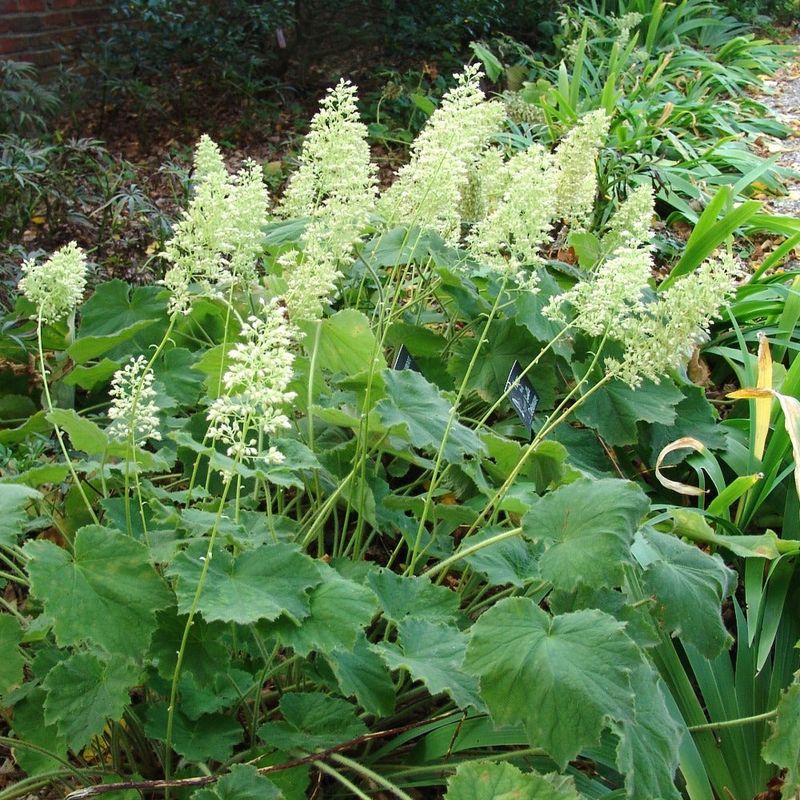
Most gardeners in North Carolina know the struggle of August all too well. The air feels thick, the sun is relentless, and many plants start looking ragged by mid-month.
Hairy Alumroot, or Heuchera villosa, is one of the rare perennials that actually holds its own during this punishing stretch of summer.
Unlike many of the popular hybrid Heuchera varieties sold at garden centers, Hairy Alumroot is a true native of the southeastern United States.
That regional origin matters a great deal because it means this plant evolved alongside the same humid summers that North Carolina gardeners face every year. It has built-in tolerance for the conditions that can stress imported or hybrid varieties.
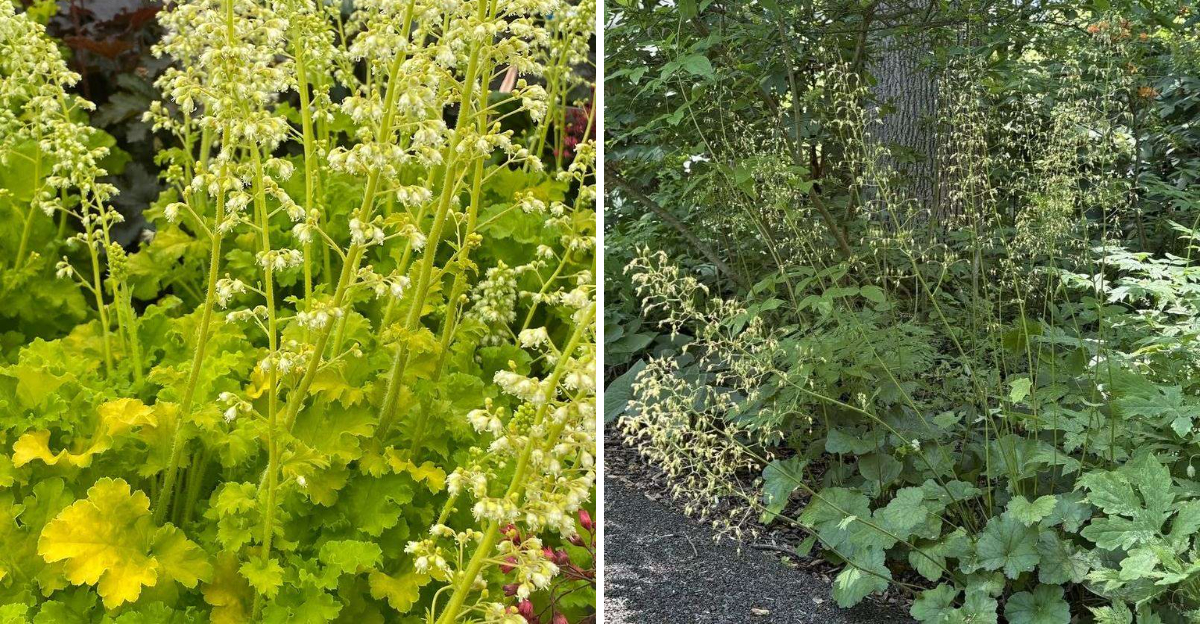
The plant grows in a tidy, low mound that typically reaches about one to two feet tall and wide.
Its broad, softly lobed leaves stay attractive through summer, and the clusters of small flowers rise on upright stems above the foliage from late spring well into fall.
That combination of reliable foliage and extended bloom time makes it genuinely useful in the garden.
Hairy Alumroot fits naturally into native plant gardens, woodland borders, pollinator patches, shaded rock gardens, and any spot where you want something dependable without fussing.
Its humidity tolerance does not mean it thrives in waterlogged ground, so proper drainage still matters.
Think of it as a plant that welcomes southern summers rather than merely surviving them, and you have a good picture of why gardeners who discover it rarely leave it out of their planting plans.
2. Partial Shade Protects Its Foliage During August
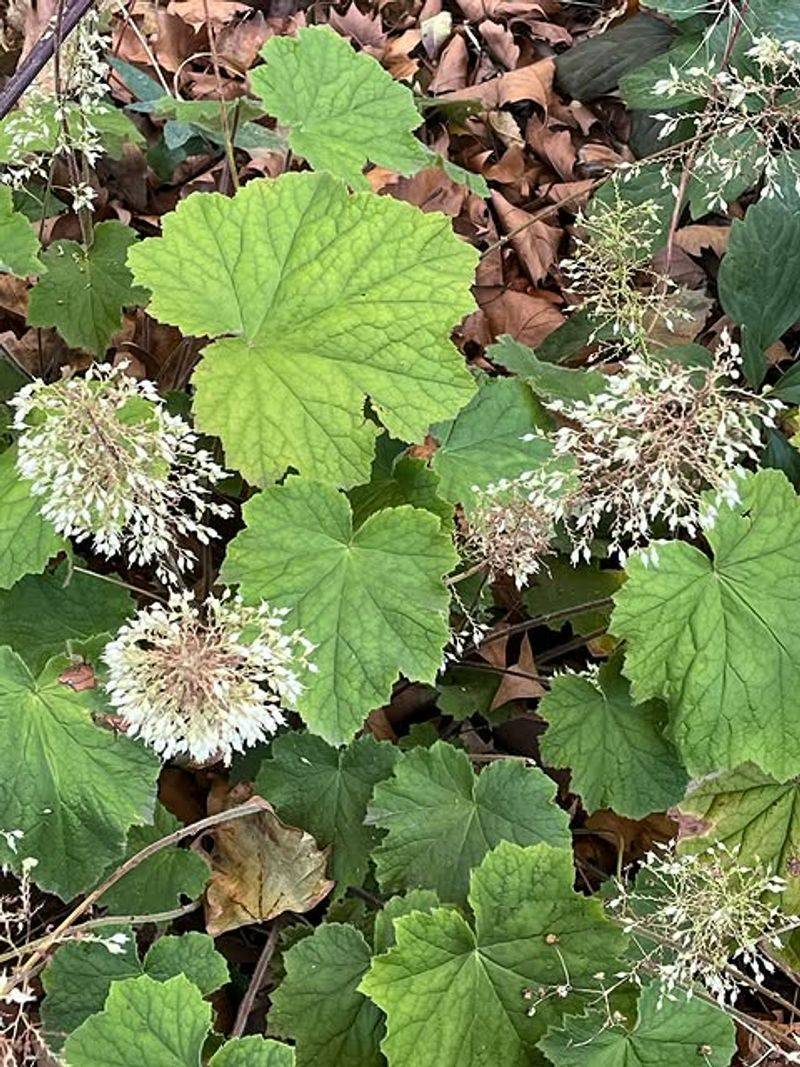
Sunlight in a North Carolina August is no joke. By two in the afternoon, the intensity can scorch foliage that looked perfectly healthy in the morning.
Giving Hairy Alumroot a spot with partial shade or dappled light is one of the best decisions you can make for this plant during the hottest weeks of the year. Filtered light beneath an open tree canopy works beautifully.
The plant gets enough brightness to stay vigorous and produce flowers while the leaf surface stays protected from the kind of direct afternoon sun that causes browning and wilting.
Your North Carolina Garden Changes Every Week. Your Plan Should Too.
Gardening in North Carolina changes quickly throughout the season. Every Friday you’ll receive a simple weekly plan showing exactly what to plant, prune, fertilize, harvest, and protect so you never miss the right timing.
Spots along the shaded side of a walkway, near the edge of a woodland border, or tucked among taller perennials that cast natural shade are all excellent choices.
Morning sun is generally fine and can even encourage stronger flowering. The critical thing is to block that harsh western and southwestern exposure that builds up heat in late afternoon.
Broad-leaved plants like Hairy Alumroot lose moisture quickly under those conditions, and the foliage will show it.
Very deep, dark shade is worth avoiding too. When light drops too low, flowering becomes sparse and the plant may not fill out as fully as it should.
A spot that receives two to four hours of direct morning sun followed by bright, indirect light for the rest of the day tends to produce the most attractive and productive plants.
Getting the light balance right costs nothing but a little observation before you plant, and it pays off visibly all summer long.
3. Moist Well-Drained Soil Supports Strong Summer Growth
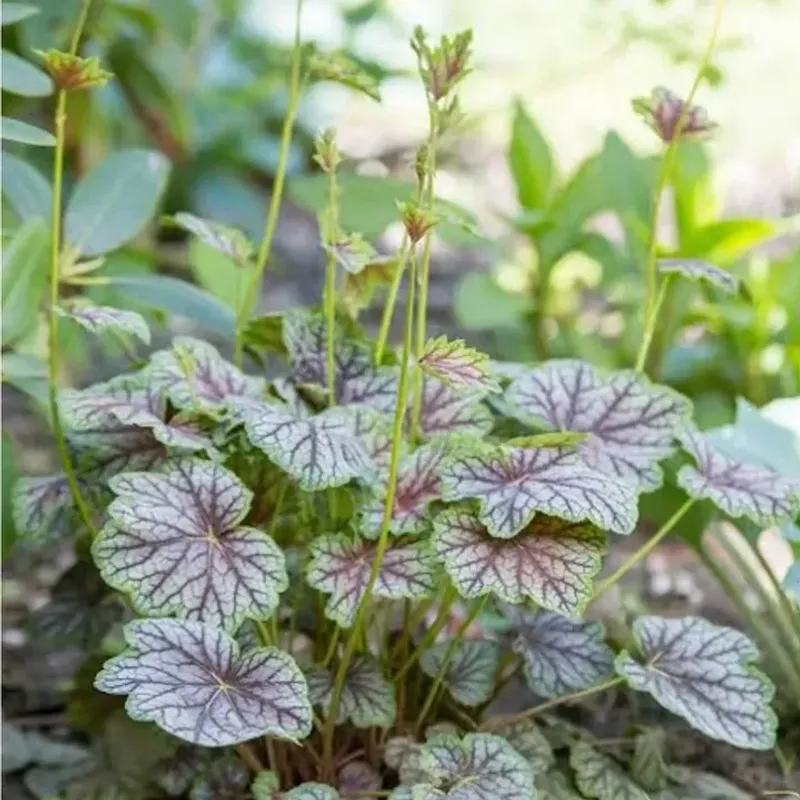
Soil quality makes a bigger difference with Hairy Alumroot than many gardeners expect.
Rich, organically amended ground that holds steady moisture without becoming soggy gives this plant exactly what it needs to push through a long, hot North Carolina summer looking its best.
Woodland soil naturally enriched by fallen leaves is ideal. If your garden bed does not already have that kind of loose, organic structure, working in compost before planting goes a long way.
Compost helps sandy soils retain moisture longer and helps clay soils drain more freely, which covers both common problem types found across the state.
One thing to watch carefully is the area right around the plant’s crown, which is the point where the stems meet the roots. Water that pools around the crown after heavy rain creates conditions that can weaken the plant over time.
Raised planting beds, sloped ground, or simply avoiding low spots in the garden all help prevent that problem.
Hairy Alumroot does carry some moderate drought tolerance, which is part of what makes it a practical choice for busy gardeners.
However, completely dry soil during August heat will eventually show up as scorched leaf edges or wilting that takes time to recover from.
Checking soil moisture during dry stretches and watering deeply when the top inch or two feels dry keeps the plant in good shape.
Mulching around the base, while keeping mulch away from the crown itself, also helps the soil hold onto moisture between waterings without creating the dampness that causes problems at the crown.
4. Broad Foliage Creates A Full Woodland Border
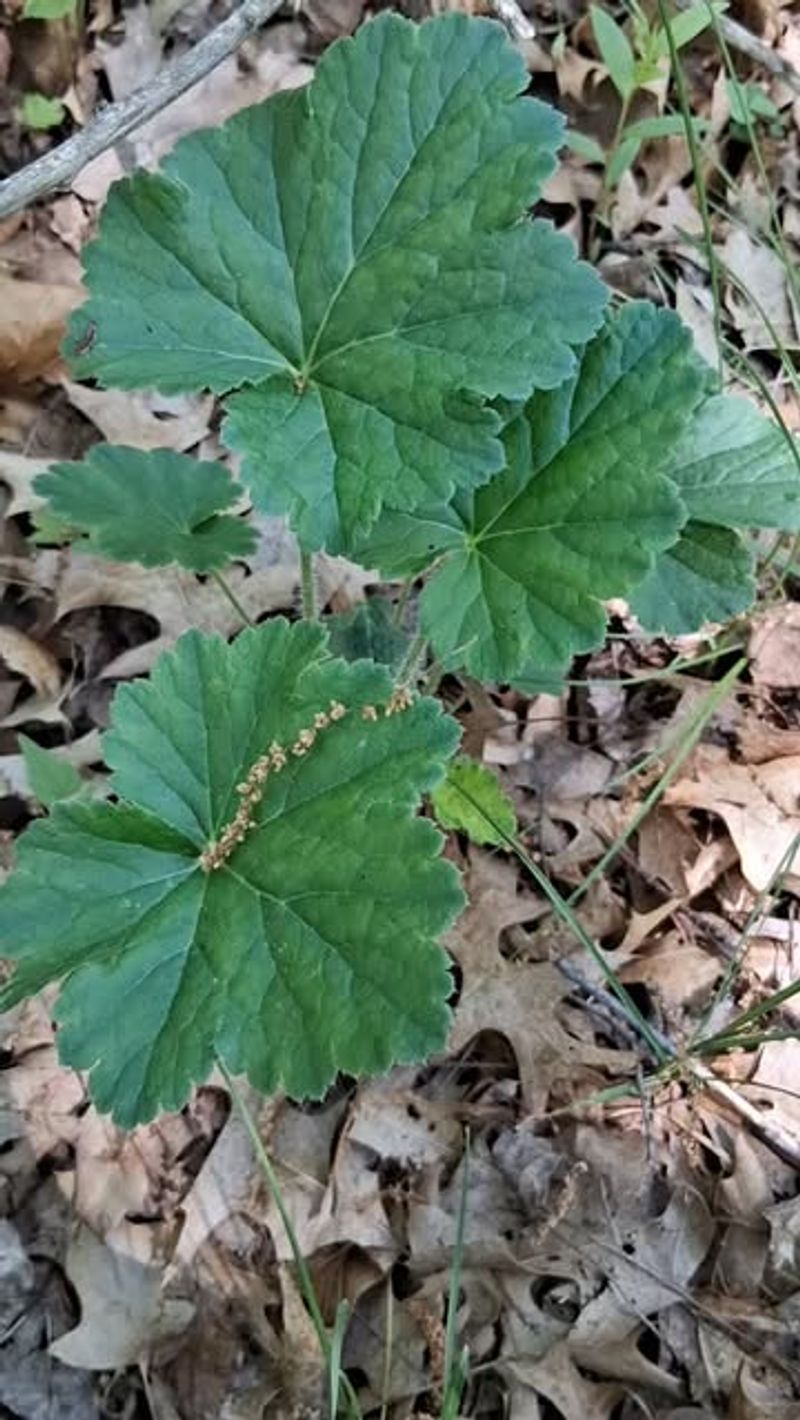
Few shade plants can match the visual presence that Hairy Alumroot brings to a woodland border.
The leaves are broad and lobed, a little like a maple leaf in shape, and they grow in generous rounded mounds that fill space beautifully without becoming aggressive or invasive.
That combination of good size and well-behaved growth habit makes it a reliable border-builder.
Foliage color can vary in a pleasing way depending on the plant and its growing conditions. Some individuals lean toward fresh green, while others develop bronze, reddish, or purple overtones, especially in stronger light.
Planting several together creates a layered, textured look that feels genuinely naturalistic rather than overly arranged.
Along a shaded path, the mounding habit creates a soft, welcoming edge that stays tidy through summer without constant trimming.
Beneath large shrubs like native azaleas or viburnums, Hairy Alumroot fills the bare ground underneath and ties the planting together visually.
On gently sloped ground in a woodland setting, repeated groups spaced about two feet apart can cover a surprisingly large area while keeping a loose, natural appearance.
Mixing it with other shade-tolerant natives like wild ginger, Solomon’s seal, or ferns adds depth and seasonal interest to the border.
Hairy Alumroot holds its foliage well into late fall, which extends the border’s appeal long after many spring-blooming woodland plants have gone quiet.
For North Carolina gardeners trying to build a lush, low-maintenance shaded border, this plant consistently earns its place in the front and middle layers of the design.
5. Summer Flowers Continue Into The Fall
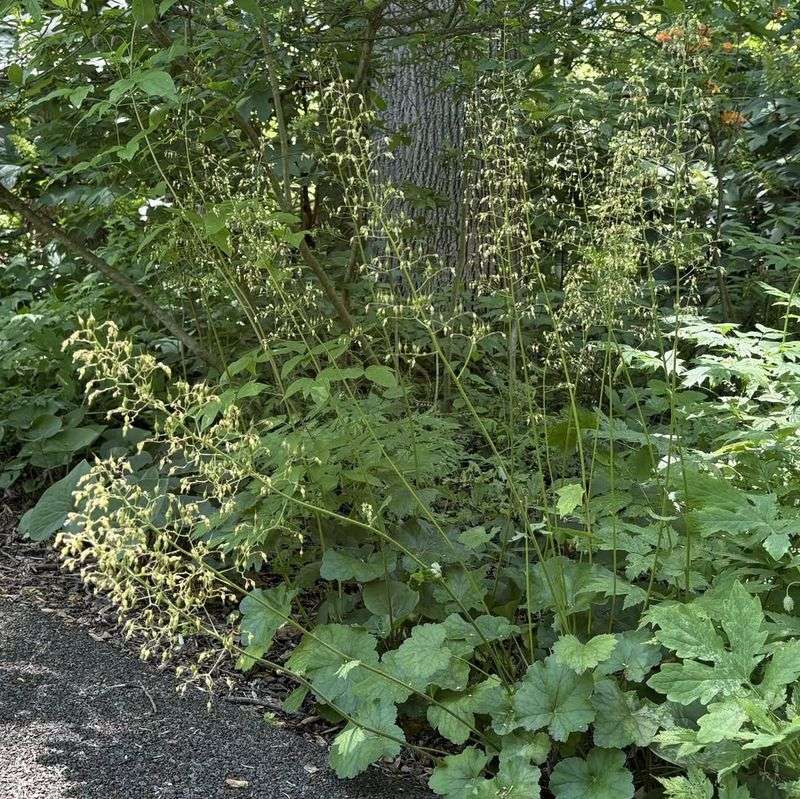
A plant that blooms from June all the way through October in a North Carolina garden is genuinely worth celebrating.
Hairy Alumroot does exactly that, sending up slender, upright stems topped with loose clusters of small white or soft pink flowers that hover above the foliage like a botanical cloud.
It is subtle rather than showy, but that restraint fits perfectly in a woodland or naturalistic garden setting.
During August, when many spring perennials have already finished and fall bloomers have not yet hit their stride, those airy flower stems provide welcome movement and soft color in shaded areas of the garden.
Bees and other pollinators notice them too, which adds a layer of activity that makes the garden feel alive even in the hottest part of summer.
Removing faded flower stems is optional but easy to do if you prefer a cleaner look. Simply snip the stem at the base once the flowers have finished.
This does not harm the plant and keeps the border looking tidy without any major effort. Leaving some stems standing is also fine and can attract birds that feed on the small seeds.
One thing worth knowing is that Hairy Alumroot is genuinely valued for both its foliage and its flowers, not just one or the other.
Some Heuchera varieties are grown almost entirely for their colorful leaves, but this species earns its place in the garden through both contributions equally.
The flowers extend the plant’s seasonal usefulness well past what most gardeners expect from a shade perennial, which makes it a particularly smart addition to any North Carolina garden planting plan.
6. Hairy Alumroot Supports Bees And Other Pollinators
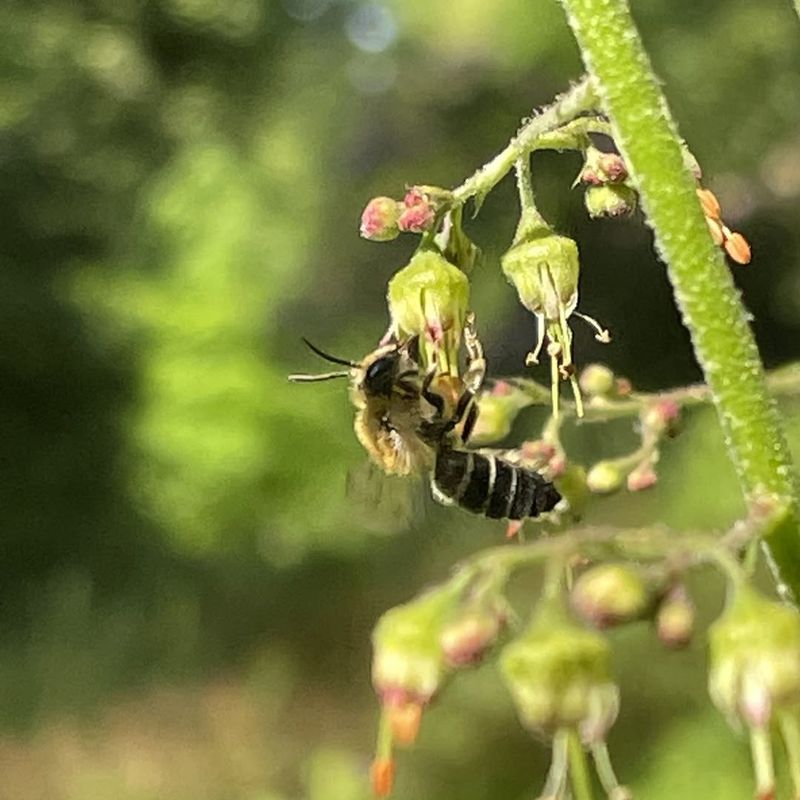
Gardeners who care about supporting pollinators often focus on big, bold flowers like coneflowers and black-eyed Susans.
Those are excellent choices, but the smaller, quieter bloomers matter too, and Hairy Alumroot is a great example of a plant that quietly keeps pollinators fed through summer and into fall when other options start running thin.
The small white or pink flowers may not look dramatic to human eyes, but bees navigate by different cues.
Nectar and pollen availability matter most, and Hairy Alumroot provides both during a stretch of the season when many spring perennials have already finished flowering.
That timing is genuinely useful for native bees building up energy reserves heading into cooler months.
There is also a more specific connection worth mentioning. Members of the Heuchera genus are known to support a specialized small native bee called Augochlora pura, a sweat bee that shows a particular preference for these plants.
Having Hairy Alumroot in your garden contributes to the local web of native plant and native bee relationships in a way that goes beyond general pollinator support.
One plant alone cannot carry an entire pollinator community, and no reasonable gardener should expect it to.
The goal is building a garden with a diverse mix of flowering plants that cover different bloom times, different flower shapes, and different habitat needs.
Hairy Alumroot fills a specific and valuable slot in that mix, particularly for shaded areas where flowering options are naturally more limited. Adding it alongside other native shade plants strengthens the overall pollinator value of the garden meaningfully.
7. Deer And Rabbits Usually Avoid The Foliage
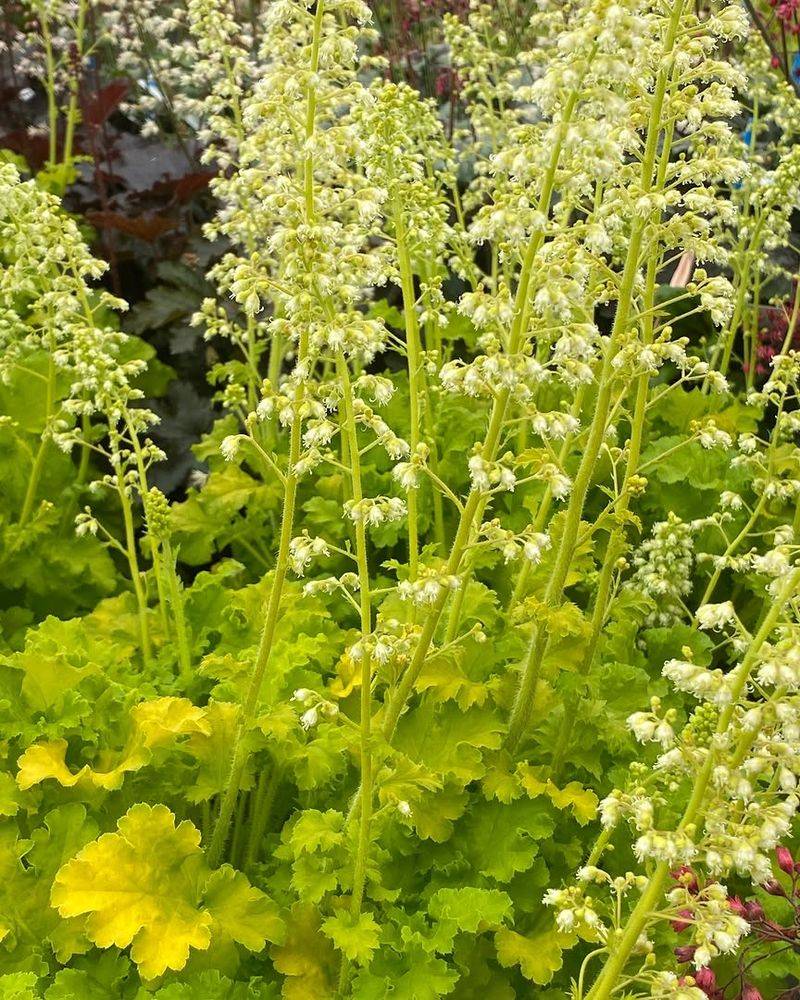
Anyone who has watched a deer methodically work through a carefully planted garden border understands the value of plants that animals tend to leave alone.
Hairy Alumroot earns a solid reputation for deer and rabbit resistance, and there is a clear biological reason behind it.
The foliage contains tannins, which are natural compounds that give the leaves a bitter, astringent quality that most browsing animals find unappealing.
For North Carolina gardeners dealing with regular deer pressure, especially in suburban areas bordering woodland or in rural settings, this resistance makes Hairy Alumroot a practical choice for shaded borders where other perennials might get browsed repeatedly.
Hostas, for example, are notoriously attractive to deer, and replacing some of them with Hairy Alumroot in high-pressure areas is a strategy that many experienced gardeners have used successfully.
Resistance does not mean immunity, and that distinction matters. A hungry deer facing limited food options in a dry August may sample plants it would normally pass by.
Young, newly planted specimens with tender new growth can occasionally attract attention before the foliage matures fully.
Thinking of Hairy Alumroot as reliably resistant rather than guaranteed untouched gives a more realistic picture of what to expect.
When browsing pressure in your garden is severe, combining thoughtful plant selection with broader protective strategies makes the most sense.
Physical barriers, repellent sprays applied on a rotation, and planting in areas naturally less accessible to wildlife all help.
Hairy Alumroot as part of that overall approach, rather than the sole solution, gives your shaded garden the best chance of staying attractive through the season.
8. Correct Placement Keeps Hairy Alumroot Attractive
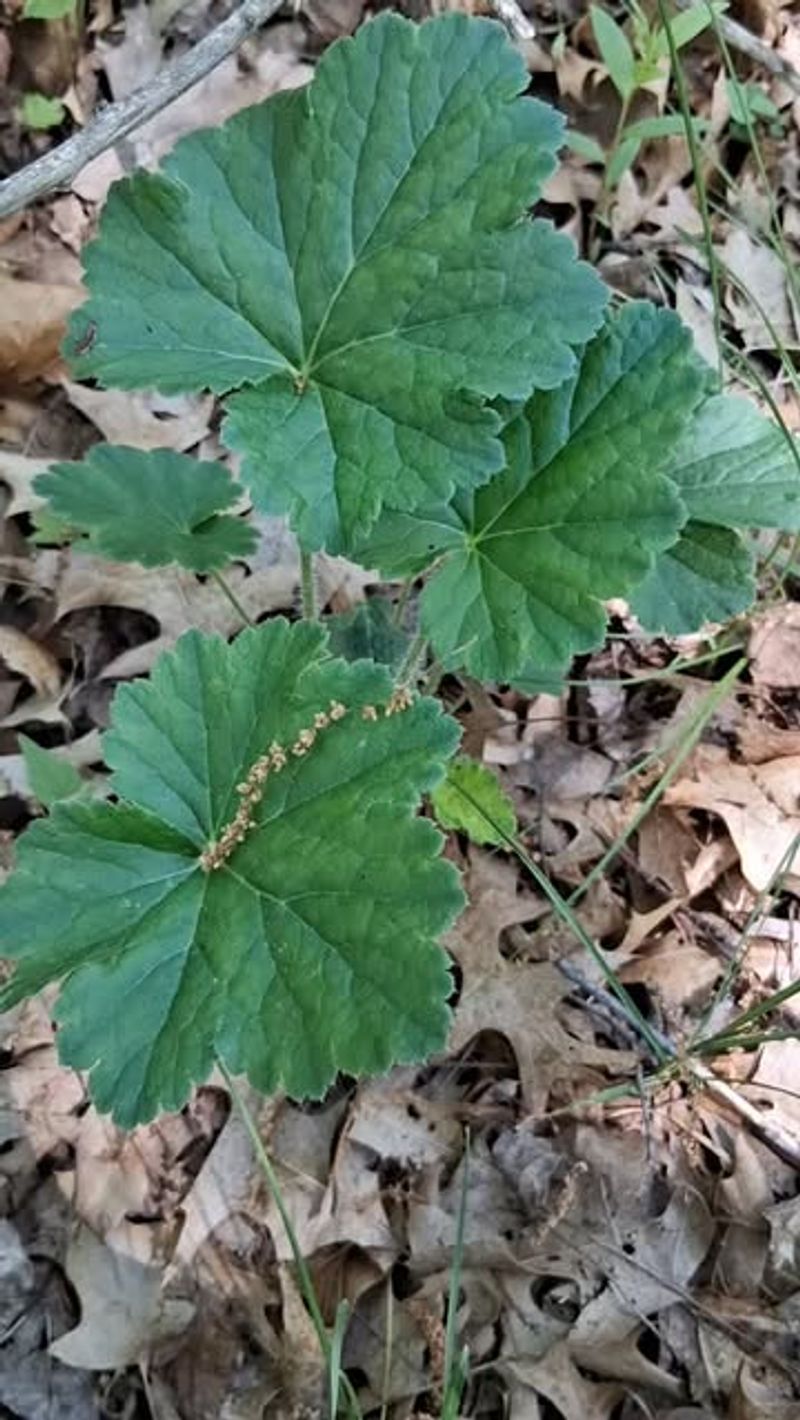
Getting Hairy Alumroot off to a strong start comes down to a handful of practical decisions made at planting time.
None of them are complicated, but each one matters for how well the plant establishes and how good it looks through its first summer and beyond. Choosing the right spot is the single most important step.
Partial shade is the starting point. A location with morning sun and afternoon shade, or consistent dappled light under a tree canopy, sets the plant up for success in North Carolina’s climate.
Pair that with soil that has been amended with compost or leaf mold so it holds moisture well while still draining after rain.
Avoid any low-lying spots where water collects after storms, since standing water around the crown weakens the plant over time. Spacing deserves attention too.
Hairy Alumroot typically spreads to about one and a half to two feet wide at maturity, so giving each plant that much room from the start prevents overcrowding and keeps air moving through the foliage, which helps reduce fungal issues during humid summers.
Planting at the right depth, with the crown sitting just at or slightly above the soil surface, protects that critical growing point.
Consistent watering during the first growing season helps roots establish before the plant needs to handle drought on its own.
Once August dry spells arrive, checking soil moisture every few days and watering deeply when needed keeps the plant looking its best.
Match the shade, soil, drainage, and moisture requirements correctly from the beginning, and Hairy Alumroot rewards that attention with reliable, attractive performance through North Carolina summers year after year.